
REVIEW · TEA CEREMONY EXPERIENCES
Kyoto: Japanese Traditional Sweets Making and Tea Ceremony
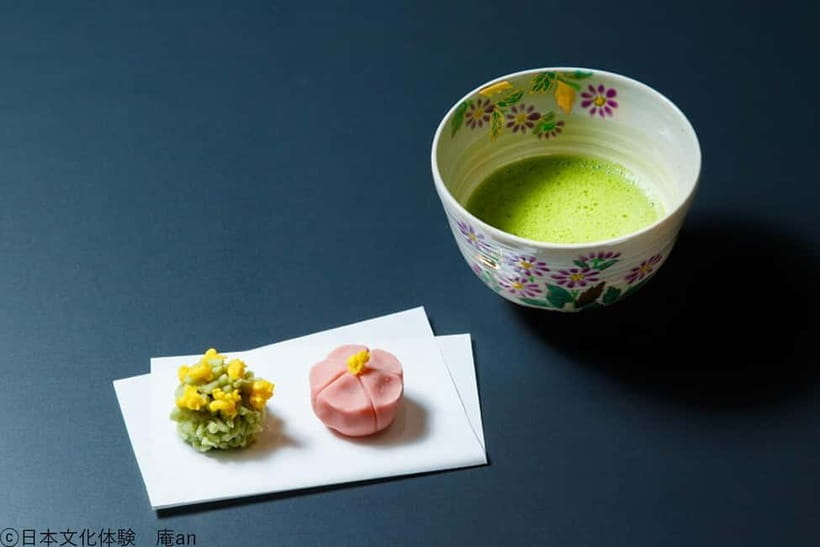
Kyoto’s sweetest cultural lesson starts with a lump of white bean paste. In 95 minutes, you color and shape it into two seasonal nerikiri, then whisk Uji matcha and enjoy the results. It is hands-on, affordable, and far more personal than simply ordering a wagashi sweet with tea.
I like the use of bean paste from long-established Kyoto shops, and I like that the sweets change with the season. The small, low-pressure tasks suit families and first-time cooks. English support can vary, though instructors often add explanations or demonstrate clearly when needed.
In This Review
- Key points at a glance
- Why this Kyoto sweets class is worth your time
- Finding the classroom near Gojo Station
- Coloring the bean paste before shaping nerikiri
- Shaping two sweets to match the season
- Learning the basics of Uji matcha
- How much English help can you expect?
- Small groups, school groups, and the class atmosphere
- Is $18 good value in Kyoto?
- Who should book this experience?
- Booking, cancellation, and timing tips
- Should you book the Kyoto sweets and tea class?
- FAQ
- How long does the Kyoto sweets and tea experience last?
- How much does the experience cost?
- Where is the meeting point?
- What sweets will I make?
- Are the sweets made from scratch?
- Is matcha included?
- Is the class taught in English?
- Can I take the sweets home?
- Is the venue wheelchair accessible?
Key points at a glance
- Two seasonal nerikiri sweets: Color and shape high-grade Japanese sweets modeled on flowers or fruit.
- Kyoto-made ingredients: Use white and red bean paste supplied by long-established local shops.
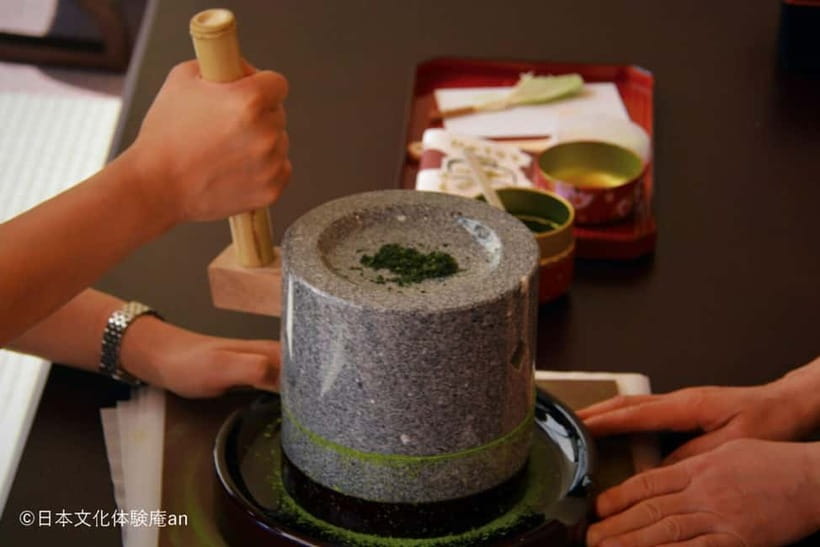
- Uji matcha preparation: Whisk single-origin matcha yourself, then drink it with your sweets.
- Central Gojo location: The meeting point is one minute from Exit 1 of Gojo Station.
- Friendly, mixed-language teaching: The official language is Japanese, with English translation provided as much as possible.
- Excellent low-cost value: At $18 per person, this is one of Kyoto’s easier cultural activities to fit into a busy day.
Why this Kyoto sweets class is worth your time
Kyoto is famous for temples, gardens, and old wooden streets. Yet food often gives you a more direct connection to daily culture. This class lets you handle ingredients, copy traditional shapes, and learn why a small sweet is served with bitter tea.
The activity has a 4.4 rating from 314 ratings, with the strongest praise aimed at the instructors. The people leading the class are often described as patient, friendly, funny, and willing to explain in English when they see that Japanese is not enough.
You should set your expectations correctly. This is not a professional pastry course, and it is not a formal tea gathering in a historic tea house. The sweets are prepared from ready-made bean paste and mochi components, so the focus is coloring, shaping, and presentation.
That is also why the class works so well for a short Kyoto visit. You get an accessible introduction without giving up half a day or paying the price of a private lesson.
More Tea Ceremony Experiences in Kyoto
- Kyoto: Tea Ceremony in a Traditional Tea House in Kiyomizu
★ 4.9 · 3,519 reviews - Kyoto: Tea Ceremony Ju-An at Jotokuji Temple
★ 4.9 · 3,207 reviews - Kyoto: 45-Minute Tea Ceremony Lesson Experience
★ 4.3 · 2,378 reviews
Finding the classroom near Gojo Station
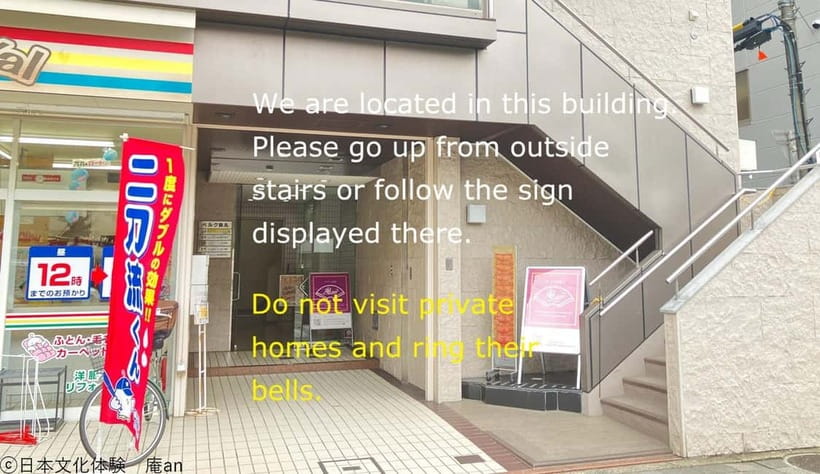
The shop is on Gojo-dori, the main street, just one minute from Exit 1 of Subway Karasuma Line Gojo Station. This is a useful location if you are staying near Kyoto Station, Shijo, or central Kyoto.
Look for the entrance facing Gojo-dori rather than wandering around side streets. The supplied meeting coordinates are 34.9964743, 135.7617429, and the Google Maps link should take you directly to the building.
Allow extra time for the final approach. The class cannot be held for late arrivals, even when the delay is caused by transport or difficulty finding the entrance. That matters in Kyoto, where a short subway trip can still involve station corridors, traffic lights, and a few wrong turns.
The experience operates from 10:00 to 17:00. Reservations made after 17:00 are handled the next day, so late evening booking is not treated as same-day service.
Coloring the bean paste before shaping nerikiri
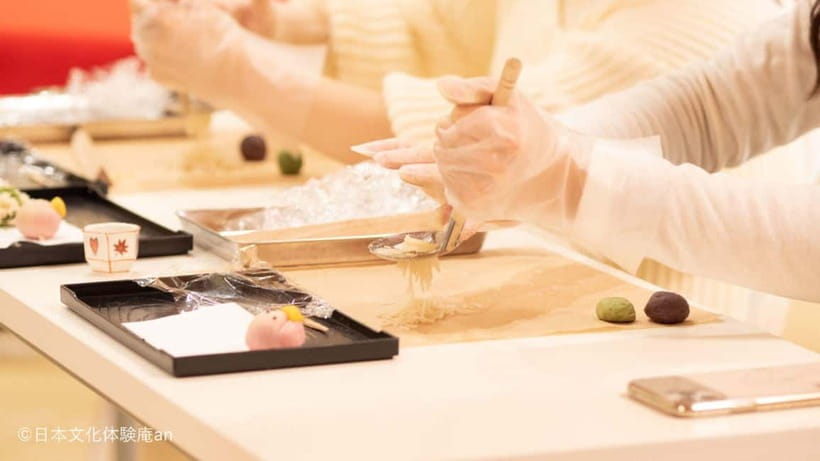
The first main task is making two nerikiri sweets. Nerikiri is a refined Japanese sweet made from colored white bean paste, usually shaped to suggest a seasonal flower, leaf, or fruit.
You begin with white bean paste and add color. This is a simple step, but it requires a light touch. Too little color leaves the shape dull, while too much can overpower the delicate look. The point is not to produce identical sweets. It is to learn how a few small changes in color and form create a seasonal design.
The ingredients matter here. The class uses white and red bean paste produced by long-established Kyoto shops. You are not starting with an anonymous supermarket filling. The paste gives the finished sweets their soft texture and gentle sweetness, which balances the stronger taste of matcha later.
You will also work with prepared mochi and bean paste rather than making every component from raw ingredients. That keeps the class within its 95-minute schedule, but it limits what you learn about the full production process.
The teaching is practical. Watch the instructor, copy the hand movements, and ask for help when your shape starts to look less like a flower and more like a colorful pebble. The activity is creative without being physically demanding, and children around 10 and 14 have been able to manage it comfortably.
Shaping two sweets to match the season
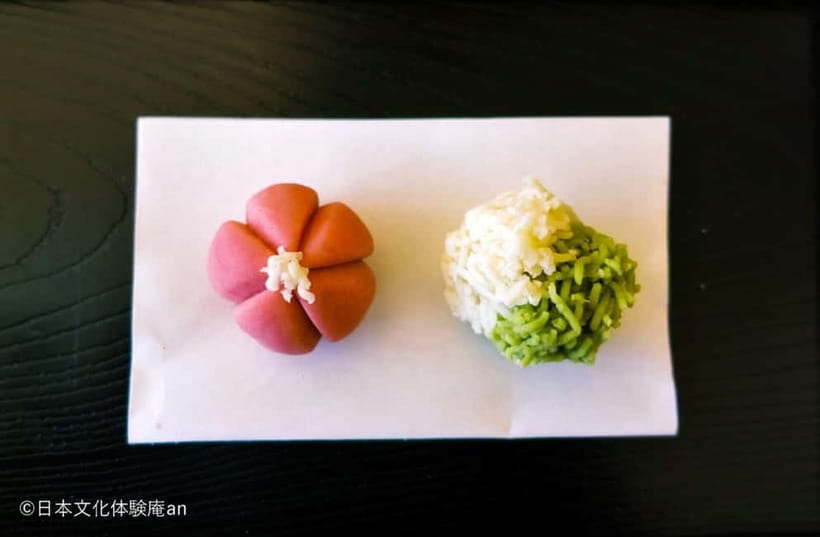
The seasonal theme is one of the best parts of the class. Your designs may reflect the time of year, with autumn themes specifically noted in the class experience. The exact forms can change, so you should think of the seasonal design as part of the surprise rather than expecting one fixed menu.
Making two sweets gives you enough time to improve. The first one is usually about understanding the technique. By the second, you have a better sense of how firmly to press, where to add color, and how to make the surface neat.
Do not worry about artistic skill. The instructor breaks the work into small stages, and the finished sweets are meant to be eaten, not displayed in a museum. I would still bring a little patience. Shaping nerikiri looks easy when a trained teacher does it, but the paste can be tricky when you try it yourself.
This is also a good rainy-day activity. You can sit in an air-conditioned room, keep your hands busy, and slow down for a while. After a hot Kyoto day, that pause can be as valuable as the cultural lesson.
Same city, a completely different kind of day:
- PERFECT KYOTO 1-Day Bus Tour
★ 5.0 · 13,518 reviews - Kyoto: Fushimi Inari, Kinkakuji, Bamboo Grove 1 Day Bus Tour
★ 4.8 · 4,316 reviews - Kyoto Geisha Walking Tour: Gion District & Hidden Gems
★ 4.7 · 3,273 reviews - Kyoto: Gion Magical Night Walking Tour with Geisha Trivia
★ 4.9 · 2,393 reviews
Learning the basics of Uji matcha
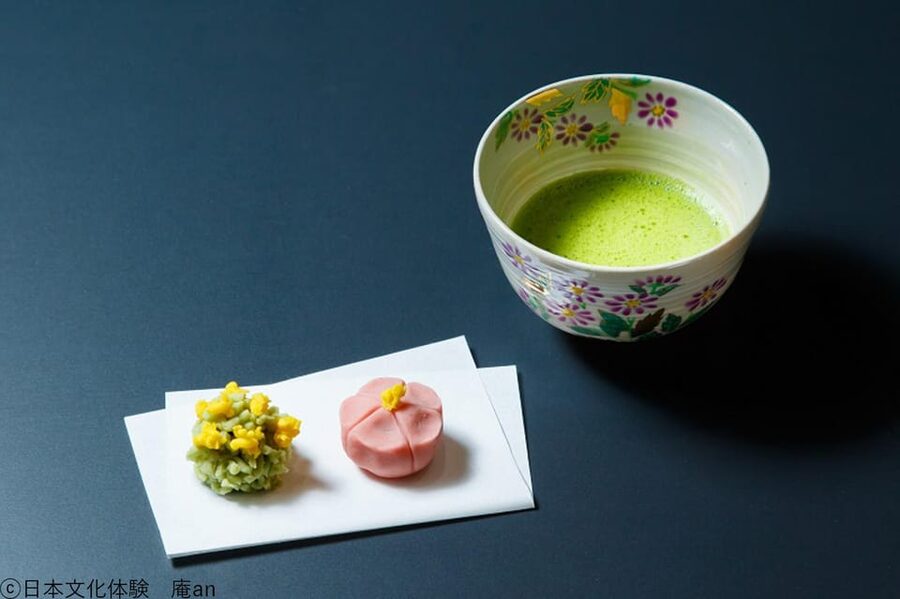
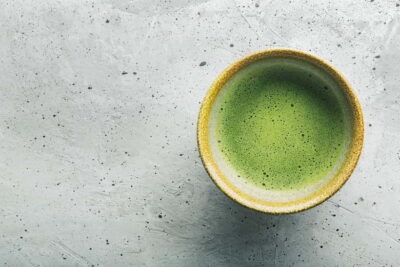
Once the sweets are ready, the class moves to matcha. The tea used is single-origin Uji matcha, connecting the drink to the Kyoto region and its long-standing tea production.
You prepare the tea yourself rather than simply receiving a bowl. That makes the second half more engaging. You learn how to handle the bowl, add the matcha, and whisk it into a smooth drink. The class also covers basic etiquette, including how to turn the cup before drinking.
This portion is best understood as an introduction to tea customs, not a full formal ceremony. One description of the experience calls it closer to a lesson on how to drink matcha, and that is a fair way to frame it. You learn the basic gestures and the reason behind them, then taste the tea with the sweets you made.
The balance works well. Nerikiri and bean paste are sweet, while matcha has a grassy, bitter edge. Eating the sweet before sipping the tea lets you notice how the flavors soften each other.
The tea session can feel brief if you arrive expecting a long, highly ritualized ceremony. Group size and room activity also affect the mood. On some sessions, another class or a larger group of students may create noise as people enter or leave. If silence and ceremony are your main goals, a specialist tea house would be a better match.
How much English help can you expect?
The instructor is Japanese, and Japanese is the official language. English translation is provided as much as possible if you request it in advance.
In practice, the English level varies by instructor. Several sessions have included clear English explanations, and some teachers have switched between Japanese and English throughout the class. Other sessions have offered less detail in English, leaving participants to follow the visual demonstration.
That means the experience remains possible for English speakers, but you should not assume a fully bilingual lecture. The hands-on format helps. You can watch the instructor’s hands, follow the order of the steps, and ask for clarification.
If detailed explanations about tea farming, production, and etiquette are important to you, contact the provider before booking and ask for English support. This is especially useful when booking for children, since younger participants may find a Japanese-led lesson harder to follow.
One practical improvement would be a camera, screen, or microphone headset so everyone can see and hear the demonstrations. If you are seated farther away, watching the handwork may be more difficult.
Small groups, school groups, and the class atmosphere
The group size can be pleasantly small, but it is not guaranteed to remain small for every part of the activity. One session had a couple and about a dozen Japanese junior high students, which created an unusually local feel. For some people, that kind of mixed group is a bonus. It feels less like a performance designed only for overseas visitors.
Other sessions have included larger student groups during the matcha portion. People leaving a sweets-only class can also create noise. The room arrangement and schedule may affect how calm the tea portion feels.
The mood is generally friendly and relaxed. The activity has been praised for clear demonstrations, kind instructors, and a pace that lets the whole group keep up. A few sessions have felt rushed, especially when the class started late or the room was not ready at the scheduled time.
Arrive early. You cannot count on the instructor waiting for you, and lost time may come directly out of your making and tea time.
Is $18 good value in Kyoto?
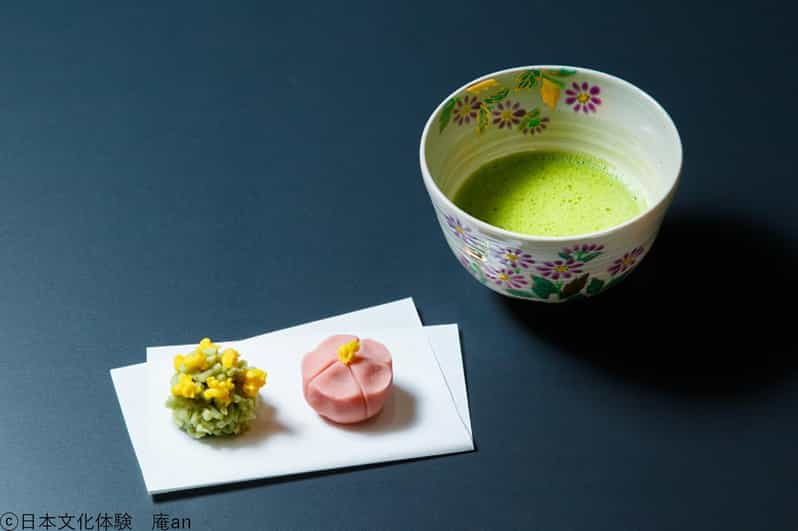
At $18 per person, this is strong value if you want a cultural activity with something edible at the end. You receive the sweets-making lesson and the matcha experience in one short session, without committing to an expensive meal or a full-day workshop.
The price is especially fair for families. The work is low intensity, children can take part, and the sweets offer a clear reward for their effort. Children under two who sit on a parent’s lap are free.
You should budget 100 JPY for a take-out box if you want to carry the sweets away. An experience completion certificate costs another 300 JPY. Neither is included, and you do not need the certificate unless you like keeping formal mementos.
For comparison, the value is less obvious if your only goal is to eat traditional sweets. Kyoto has many shops where you can buy wagashi for much less than $18. Here, you are paying for the instruction, the ingredients, the chance to make the shapes yourself, and the guided tea preparation.
Who should book this experience?
I would recommend it to first-time visitors who want a simple introduction to Japanese food culture. You do not need cooking experience, and the class gives you a useful bit of context for the sweets and tea you will see elsewhere in Kyoto.
It is also a good choice for families with school-age children. The activity is creative, seated, and manageable. Younger children may need help with the shaping, while children under two can attend free on a parent’s lap.
Couples can enjoy the class as a shared activity, especially if you want something quieter than another sightseeing stop. It also suits solo visitors who like making things and do not mind joining a mixed group.
I would be more cautious if you want a formal tea ceremony with a long ritual, a traditional tearoom setting, or extended instruction in English. This is a practical class with tea etiquette, not a ceremonial performance. I would also reconsider if stairs are difficult for you. Although the activity is described as wheelchair accessible, the building has no elevator and requires stairs to reach each venue, so confirm the exact arrangements before booking.
Booking, cancellation, and timing tips
You can cancel up to 24 hours in advance for a full refund, and the reserve-now, pay-later option lets you hold a place without paying immediately. Once the cancellation fee applies, changing the date or time can bring another specified fee.
The provider does not cover your transport costs if you cancel. Also note that after 17:00, reservation and cancellation timing is treated as the next day.
Non-participants cannot enter, so every person joining the room should be included in the booking. Check availability for the starting time that fits your plans, then leave a buffer before and after the 95-minute session.
Should you book the Kyoto sweets and tea class?
Book it if you want a low-cost, hands-on Kyoto activity with seasonal sweets, local bean paste, and Uji matcha. The central location, short duration, and friendly instruction make it easy to fit between temples, shopping, or dinner.
Go in expecting a guided introduction rather than a full pastry course or formal tea ceremony. English help is often available but not assured at the same level in every session, and the class may feel less peaceful when larger groups share the room.
For most people, $18 is a sensible price for the chance to make two nerikiri and whisk your own tea. Arrive early, request English support ahead of time, and add the 100 JPY box only if you want to take your sweets with you.
FAQ
How long does the Kyoto sweets and tea experience last?
The activity lasts 95 minutes. It includes traditional sweets making and a matcha tea experience.
How much does the experience cost?
The listed price is $18 per person. Children under two who sit on a parent’s lap are free.
Where is the meeting point?
The venue is one minute from Exit 1 of Gojo Station on the Subway Karasuma Line. The entrance faces Gojo-dori, the main street.
What sweets will I make?
You will make two seasonal nerikiri sweets. These are high-grade Japanese sweets made from colored white bean paste shaped like seasonal flowers or fruits.
Are the sweets made from scratch?
You color and shape the sweets yourself, but the class uses prepared white and red bean paste, along with pre-made mochi components.
Is matcha included?
Yes. You prepare matcha during the experience and drink it with the sweets you make. The class uses single-origin Uji matcha.
Is the class taught in English?
The official language is Japanese. English translation is provided as much as possible if you request it. The amount of English explanation can vary by instructor.
Can I take the sweets home?
A take-out box is available for 100 JPY. It is not included in the activity price.
Is the venue wheelchair accessible?
The activity is listed as wheelchair accessible, but the building has no elevator and requires stairs to reach each venue. Confirm the arrangements with the provider before booking if you need step-free access.
More Dessert Tours in Kyoto
- Kyoto: Wagashi (Japanese sweets) Cooking near Fushimiinari
★ 5.0 · 40 reviews - Kyoto: Traditional Tea Ceremony with Matcha & Sweets in Gion
★ 4.9 · 27 reviews - Japanese Traditional Sweets ”Nerikiri” making
★ 4.3 · 17 reviews - 2 Types of Japanese Sweets making and Tea Ceremony
★ 4.6 · 17 reviews
Just added around Kyoto
- Taste of Nishiki Market Walking Food Tour with Local guide★ 5.0 · 17 reviews
- Kyoto: Sushi Making Class with Sushi Chef★ 4.8 · 64 reviews
- Kyoto: City Secrets eBike Tour★ 4.9 · 196 reviews
- Sacred Pathways: Discover the Philosopher’s Path of Kyoto★ 4.9 · 20 reviews
- Private Tour to Monkey Park and Arashiyama Highlights★ 5.0 · 22 reviews
- Private Nara Tour from Osaka – Meet at Your Hotel★ 5.0 · 22 reviews
- Private Sake Tasting in Central Kyoto with Sake Sommelier★ 5.0 · 13 reviews
- Kyoto : Private Custom Walking Tour With A Local Guide★ 4.6 · 144 reviews
Tea Ceremony Experiences, compared.
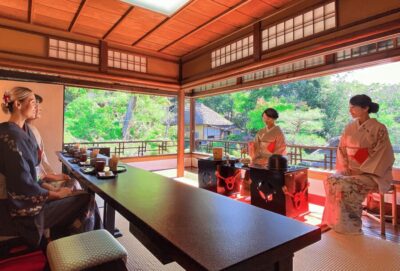
Tea Ceremony in a Traditional Tea House in Kiyomizu
Read our review →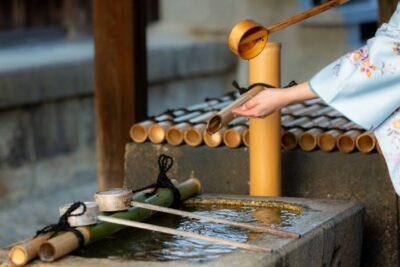
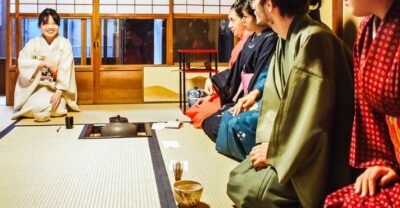
World Heritage Kyoto & Nara Uji Authentic Matcha Experience
Read our review →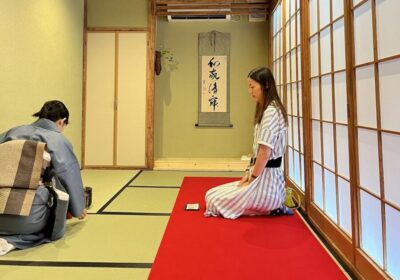
Browse the lists this tour appears in