
REVIEW · DESSERT TOURS
Japanese Traditional Sweets ”Nerikiri” making
Making nerikiri turns a small piece of bean paste into an edible flower and a second seasonal design. This 65-minute Kyoto workshop gives you a hands-on taste of Japanese confectionery without taking half a day from your sightseeing plans.
I like two things here: you work with white and red bean paste from long-established Kyoto shops, and you make two sweets rather than just watching a demonstration. The price is also gentle at $11 per person. The main consideration is language, since the instructor speaks Japanese and English help is provided as much as possible, but not guaranteed in detail.
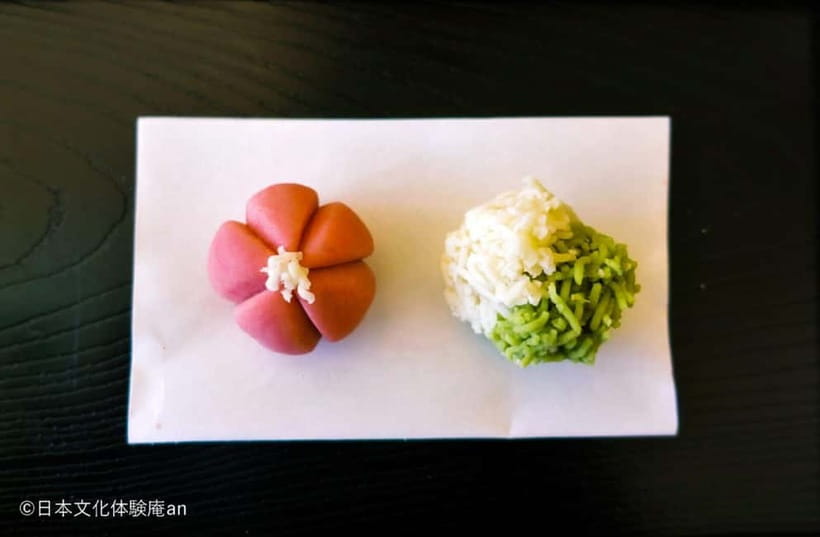
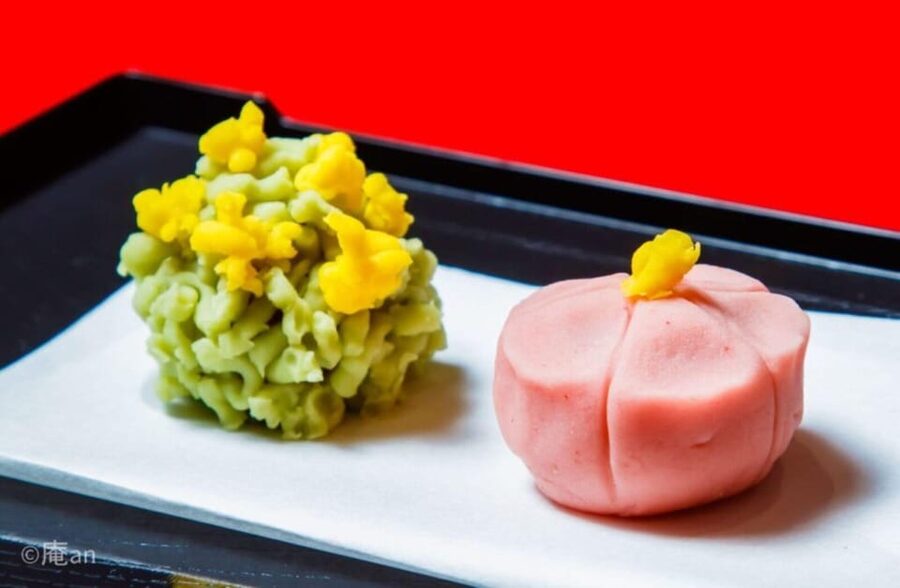
- Two seasonal sweets: Make a flower-shaped nerikiri and a kinton nerikiri.
- Kyoto-made ingredients: The white and red bean paste comes from long-established shops in Kyoto.
- Short, useful timing: The full activity lasts 65 minutes, including eating time.
- Eat what you make: Your finished sweets are served on the spot, with a take-out box available for 100 JPY.
- Gojo Station location: The venue is a one-minute walk from Exit 1 of the Subway Karasuma Line.
- Japanese-led instruction: English translation is offered as much as possible, so visual demonstration and patience matter.
In This Review
- Turning Kyoto Bean Paste into Edible Art
- What Happens During the 65 Minutes
- Why the Kyoto Bean Paste Matters
- English Support and the Instructor’s Style
- A Convenient Stop Near Gojo Station
- Is $11 Good Value?
- Who Will Enjoy This Most
- Practical Details Before You Reserve
- Should You Book the Nerikiri Class?
- FAQ
- Where does the nerikiri-making experience take place?
- How long does the activity last?
- What sweets will I make?
- Can I eat the sweets after making them?
- Is English instruction available?
- Is the venue wheelchair accessible?
- What is the cancellation policy?
Turning Kyoto Bean Paste into Edible Art
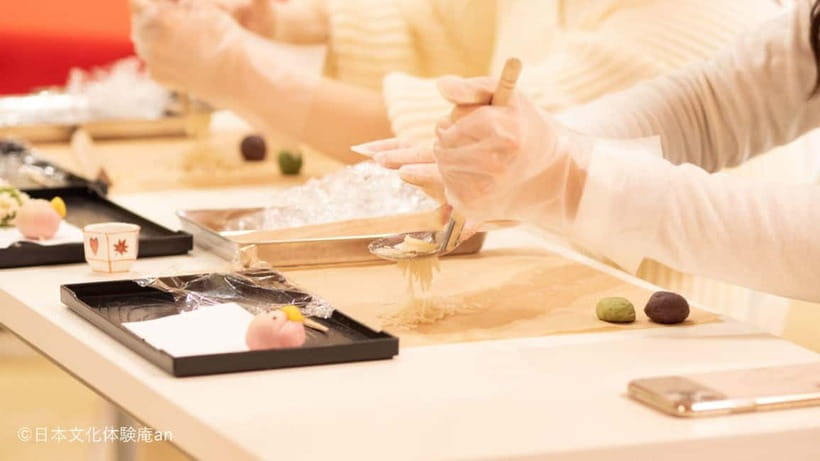
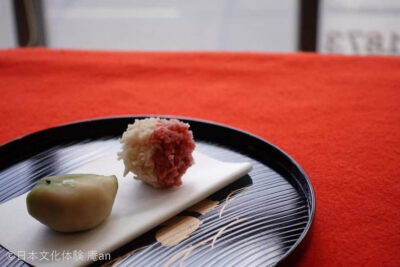
Nerikiri is one of Japan’s traditional sweets, known for careful shapes and seasonal designs. Here, you are not simply handed a finished confection. You shape two sweets yourself, then place them on a plate for a picture before eating them.
That makes the activity especially appealing if you want a small cultural experience with a clear result. You leave with something you made, even though the product is meant to be eaten rather than carried around in your suitcase.
The ingredients also give this workshop a useful connection to Kyoto. The white and red bean paste comes from long-established Kyoto shops, so the experience is not built around a generic craft material. You get to work with the central ingredient used in traditional Japanese sweets, then taste it immediately.
I would not treat this as a formal lesson in confectionery production. The supplied information does not promise a recipe or a lesson on reproducing the paste at home. One participant found that the class was relaxing and enjoyable with a child aged 10 to 12, but wished the instructor had come closer to the tables to show small details and explain how to recreate the mixture. That is a fair warning: expect a guided activity, not a detailed professional pastry course.
What Happens During the 65 Minutes
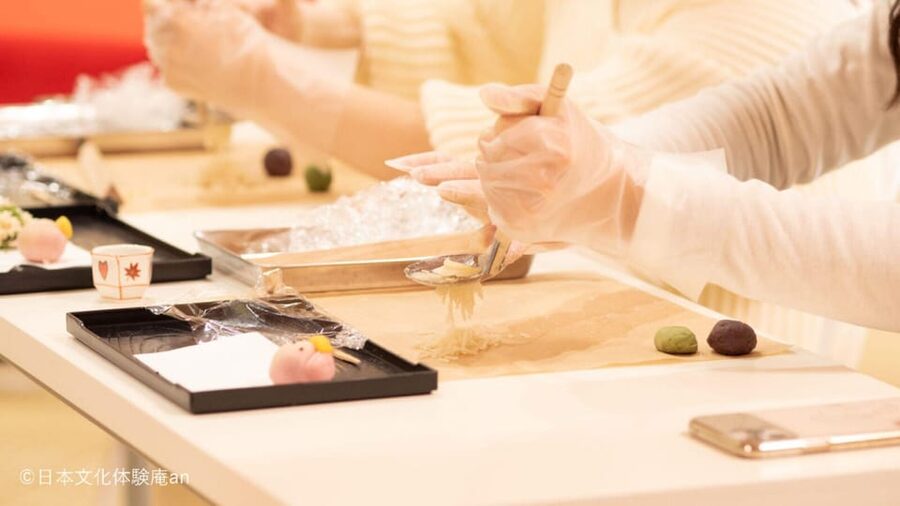
The class begins with an explanation of Japanese traditional sweets. This opening matters because nerikiri is more than sweet bean paste shaped for decoration. The seasonal forms are part of the appeal, and the instructor sets up what you will make before the hands-on work starts.
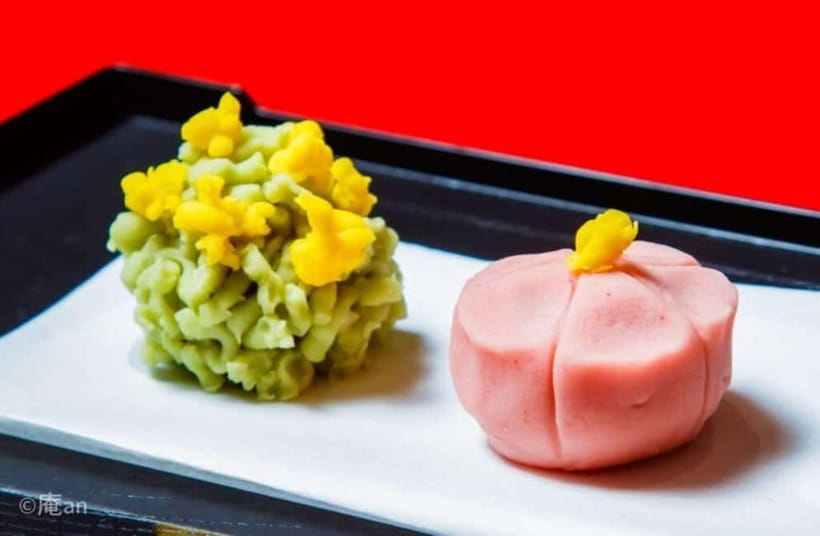
The first project is a flower-shaped nerikiri. You will work with the supplied paste and shape it into the design shown during the class. The exact flower matches the season, so the visual theme may change during the year. That gives the activity a small seasonal link instead of offering the same fixed souvenir in every month.
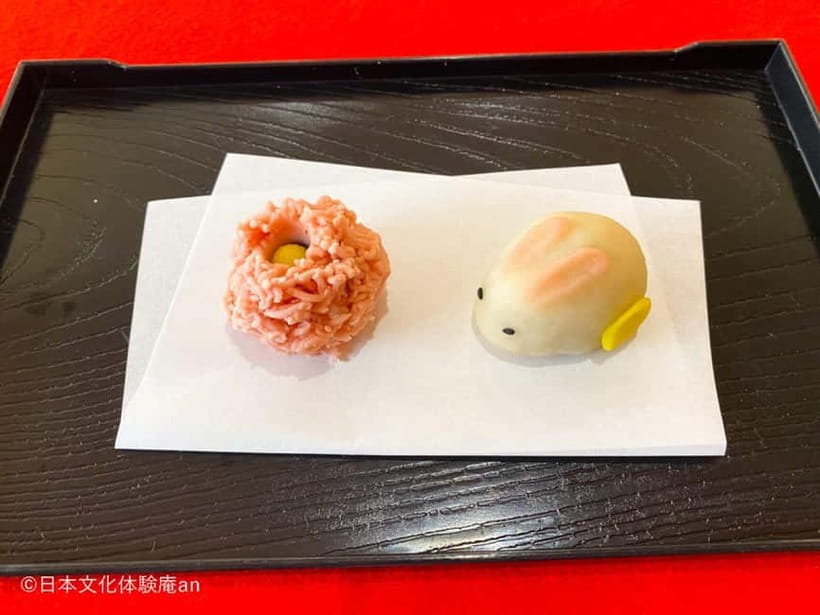
The second project is kinton nerikiri. You again shape the ingredients yourself, following the instructor’s guidance. The two forms make the session more interesting than repeating one design, and they give you a chance to get used to the material before tackling the second sweet.
Picture time comes at about the 55-minute mark. This is a practical touch. Nerikiri is made to look delicate, and the finished pieces can be worth photographing before you eat them. Set aside a moment for the plate, since the visual result is part of the experience.
The final ten minutes are eating time. You can try the sweets on the spot, so there is no need to carry fragile food through Kyoto. If you want to save them, a take-out box costs 100 JPY. An optional completion certificate costs 300 JPY, while tatedashi matcha is available for 500 JPY.
A few more Kyoto trips to weigh up
- Kyoto: Japanese Traditional Sweets Making and Tea Ceremony
★ 4.4 · 314 reviews - Kyoto: Wagashi (Japanese sweets) Cooking near Fushimiinari
★ 5.0 · 40 reviews - Kyoto: Traditional Tea Ceremony with Matcha & Sweets in Gion
★ 4.9 · 27 reviews
Why the Kyoto Bean Paste Matters
The strongest food detail here is the source of the paste. You use white and red bean paste produced by long-established shops in Kyoto. That does not turn the class into a visit to those shops, but it does give the workshop a more meaningful ingredient than an unspecified ready-made mixture.
For you, the value is in handling the actual base of the sweet. You can see how a simple paste becomes something shaped and seasonal. The workshop connects appearance and taste, since the final pieces are not merely models. You eat them after taking your pictures.
Nerikiri can look intimidating because the finished pieces are so neat. The activity is designed for most ages and skill levels, according to the practical experience described by participants, so you do not need to arrive with specialist cooking skills. Your result may not look exactly like the instructor’s. That is part of the fun, and the food remains edible even if the petals or seasonal details are not perfectly even.
I would set your expectations correctly. You are making two sweets in a short class, not learning every stage of traditional Japanese confectionery. The details of the paste production are not covered in the available program information, and the workshop does not promise a take-home recipe.
English Support and the Instructor’s Style
The official language is Japanese. English translation is provided as much as possible, and you are asked to contact the operator if you would like English support added. This is important to arrange before arrival rather than assume that every instruction will be delivered in fluent English.
The class can still work well without constant spoken explanation because the activity is visual. You can watch the shape being formed and copy the steps. One German-speaking participant found the instructor friendly and effective despite limited English. That points to the class’s basic strength: a calm demonstration can carry much of the lesson.
There is also a practical limitation. An Italian-speaking participant appreciated the instructor’s kindness but felt that the instructor did not come close enough to each table to show fine details. If you care about precise shaping, contact the operator about language support and arrive ready to ask for a closer demonstration.
This is not a reason to reject the class. It is a reason to choose it for the right purpose. I would book it for a relaxed introduction to nerikiri, especially if you are comfortable learning by watching. I would choose a more technical confectionery course if you need detailed recipes, close individual coaching, or a full explanation of every ingredient.
A Convenient Stop Near Gojo Station
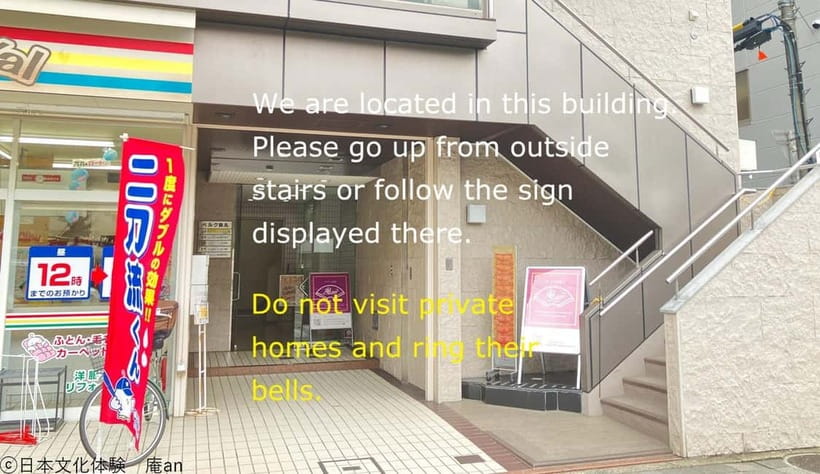
The venue is one minute from Exit 1 of Gojo Station on the Subway Karasuma Line. The store entrance faces the main street, Gojo-dori, which helps you find it once you are above ground. The coordinates provided for the meeting point are 34.99641932143154, 135.76180263178597.
That central station access is one of the best reasons to fit this into a Kyoto day. You do not need to give up a long block of sightseeing, and the 65-minute length leaves room for another activity before or after. Check the exact starting time when you reserve, since availability changes by schedule.
Arrive on time. The operator will not hold the event for delays, whatever the reason, and travel costs to the venue are not compensated if you miss it. I would allow extra time to find Exit 1 and locate the entrance on Gojo-dori, especially if you are unfamiliar with Kyoto’s subway system.
The building has no elevator, and you need to use stairs to reach each venue. The activity is listed as wheelchair accessible, but this stair information deserves direct confirmation before booking if you use a wheelchair or have difficulty with stairs. The two details appear together in the practical information, so contact the operator to clarify how accessibility is handled for your needs.
Same city, a completely different kind of day:
- PERFECT KYOTO 1-Day Bus Tour
★ 5.0 · 13,518 reviews - Kyoto: Fushimi Inari, Kinkakuji, Bamboo Grove 1 Day Bus Tour
★ 4.8 · 4,316 reviews - Kyoto: Tea Ceremony in a Traditional Tea House in Kiyomizu
★ 4.9 · 3,519 reviews - Kyoto Geisha Walking Tour: Gion District & Hidden Gems
★ 4.7 · 3,273 reviews
Is $11 Good Value?
At $11 per person, this is an inexpensive hands-on activity in Kyoto. The included price covers a set of nerikiri-making activities, with two sweets to create. You also get time to eat them, so the cost is not just an admission fee for watching a demonstration.
The value is strongest if you want something short and participatory. A tea ceremony or longer cooking class may offer more explanation, but it also takes more time and usually costs more. This workshop gives you an edible result and a small connection to Kyoto confectionery for a modest price.
Budget a little extra if you want additions. The take-out box is 100 JPY, the completion certificate is 300 JPY, and tatedashi matcha is 500 JPY. None is required for the basic activity. I would only buy the box if you specifically want to carry the sweets away, since eating them on site is already included.
The low price should not lead you to expect private instruction. The information does not state the group size, and the experience is designed as a shared workshop. If you want close attention at every step, ask about English support and the class arrangement before paying.
Who Will Enjoy This Most
I would recommend this for people who want a gentle break from temples, shopping, and long walks. The activity is short, the food is ready to eat at the end, and the work is creative without requiring advanced cooking ability.
It also suits families with older children. Children under two who sit on a parent’s lap are free, while other participants need to be included in the reservation. The relaxed format can work well for a child around 10 to 12, provided the child can follow the instructor and handle the paste carefully.
Solo participants can enjoy it too. The program specifically welcomes individuals as well as groups, and making two designs gives you a clear task from start to finish. You do not need to organize a large party to make the booking worthwhile.
I would be more cautious if you need full English instruction, have strict mobility needs, or hope to learn how to produce the bean paste from scratch. Those are not the strengths promised here. For a short, affordable activity focused on shaping and tasting, it fits well.
Practical Details Before You Reserve
The normal operating hours are 10:00 to 17:00. Reservations received after 17:00 are processed the next day, so do not expect an immediate response late in the evening.
Cancellation is free up to 24 hours in advance for a full refund. After that point, a cancellation fee applies, and changing the date or time after a fee has been incurred can bring another specified charge. Check the exact cancellation terms before making a last-minute booking.
You can reserve now and pay later, which helps if your Kyoto schedule is still moving around. Still, do not treat that flexibility as permission to arrive late. The class will not wait for delayed participants.
Only people taking part in the experience may enter. If someone in your party plans to watch without making sweets, confirm the policy first, since nonparticipants are not allowed inside.
Should You Book the Nerikiri Class?
Book this if you want a low-cost, one-hour Kyoto activity where you make two seasonal sweets and eat them immediately. The Kyoto bean paste, station access, seasonal flower design, and relaxed pace give it real appeal.
Go in knowing that the instruction is Japanese, English help is limited, and fine details may require you to watch closely or ask for assistance. The no-elevator stair access also needs checking if mobility is a concern.
For $11, this is a sensible pick for families, solo participants, and anyone who wants a small creative pause in Kyoto. It is not a full confectionery course, but it offers something more personal than simply buying a sweet from a shop: you shape the treat yourself, take a picture, and then enjoy the result.
FAQ
Where does the nerikiri-making experience take place?
It takes place at AN Japanese Culture Experience, one minute from Exit 1 of Gojo Station on Kyoto’s Subway Karasuma Line. The entrance faces Gojo-dori.
How long does the activity last?
The full experience lasts 65 minutes. The schedule includes an introduction, two nerikiri-making activities, picture time at about 55 minutes, and eating time before departure.
What sweets will I make?
You will make two seasonal Japanese sweets: a flower-shaped nerikiri and a kinton nerikiri.
Can I eat the sweets after making them?
Yes. Eating time is included, and you can enjoy the sweets at the venue. A take-out box is available for 100 JPY if you want to carry them away.
Is English instruction available?
The instructor’s language is Japanese. English translation is provided as much as possible, and you should contact the operator in advance if you would like English support added.
Is the venue wheelchair accessible?
The activity is listed as wheelchair accessible, but the building has no elevator and you need to use stairs to reach each venue. Contact the operator before booking to confirm arrangements for your needs.
What is the cancellation policy?
You can cancel up to 24 hours in advance for a full refund. Cancellation fees apply after that point, and changing the date or time after a fee has been incurred may also involve a specified charge.
Just added around Kyoto
- Taste of Nishiki Market Walking Food Tour with Local guide★ 5.0 · 17 reviews
- Kyoto: Sushi Making Class with Sushi Chef★ 4.8 · 64 reviews
- Kyoto: City Secrets eBike Tour★ 4.9 · 196 reviews
- Sacred Pathways: Discover the Philosopher’s Path of Kyoto★ 4.9 · 20 reviews
- Private Tour to Monkey Park and Arashiyama Highlights★ 5.0 · 22 reviews
- Private Nara Tour from Osaka – Meet at Your Hotel★ 5.0 · 22 reviews
- Private Sake Tasting in Central Kyoto with Sake Sommelier★ 5.0 · 13 reviews
- Kyoto : Private Custom Walking Tour With A Local Guide★ 4.6 · 144 reviews
Dessert Tours, compared.
Matcha Making Class in Tokyo with Authentic Japanese Sweets Set
Read our review →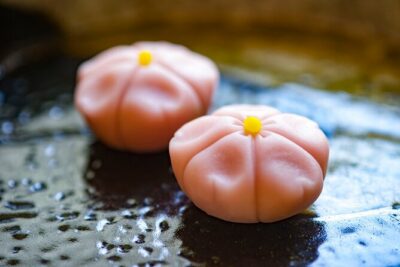
Matcha Making Class in Osaka with Authentic Japanese Sweets Set
Read our review →
Matcha Making Experience with Mochi Sweets in Asakusa
Read our review →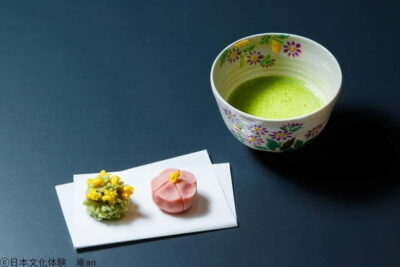
Japanese Traditional Sweets Making and Tea Ceremony
Read our review →
Japanese Traditional Sweets Making and Tea Ceremony
Read our review →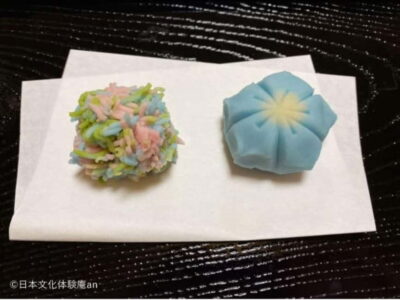
Japanese Traditional Sweets making and Tea Ceremony
Read our review →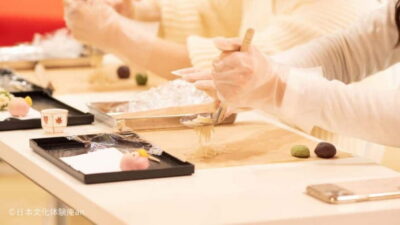
Japanese Traditional Sweets making and Tea Ceremony
Read our review →Browse the lists this tour appears in