
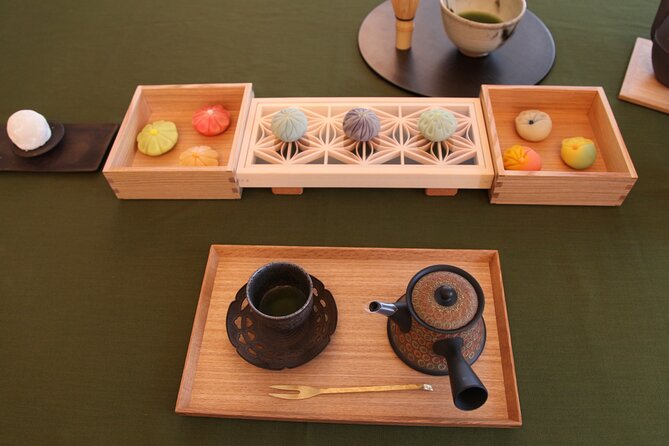
REVIEW · TEA CEREMONY EXPERIENCES
Make Traditional Nerikiri Sweets & Matcha experience in Shibuya
The best part of this Tokyo class is that you do not just watch a demonstration. You shape four nerikiri sweets yourself, starting with three sample designs and finishing with one creation of your own. Instructor Hana guides the process in her home near Omotesando, then serves matcha in a relaxed, table-style tea ceremony.
I like the small group, limited to four people, and the useful location. I also like that you take everything you make home with you, while still eating selected Japanese sweets with your tea. The main drawback is that this is a short workshop, so you get an introduction to nerikiri rather than a full course in Japanese confectionery.
In This Review
- Key points
- What Nerikiri Tells You About Japanese Sweets
- Meeting Hana Near Omotesando
- The First Three Nerikiri Designs
- Your Fourth Sweet Is Your Own Design
- Matcha and a Table-Style Tea Ceremony
- Why the 90-Minute Schedule Works
- Location Value: Omotesando, Harajuku, and Shibuya
- Who Will Get the Most From This Class
- Is $60 a Fair Price?
- Timing, Transport, and Cancellation
- Should You Book the Nerikiri and Matcha Class?
- FAQ
- Where does the nerikiri class take place?
- How long does the experience last?
- What start times are available?
- How many people can join the class?
- How many sweets will I make?
- Can I take the sweets home?
- Is matcha included?
- Is the class suitable for children and dietary preferences?
- What is the cancellation policy?
Key points
- Four sweets to shape: Make three designs from examples, then invent a fourth.
- Hana’s patient teaching: Clear demonstrations and calm help suit beginners and children.
- Matcha served afterward: Learn basic tea preparation and enjoy a table-style tea service.
- Central Tokyo address: Meet near CHUMS Omotesando, about three minutes from Omotesando Station.
- Very small class: The maximum group size is four people, which allows plenty of personal help.
- Useful early start: The 9:00 AM session leaves time for Meiji Shrine, Harajuku, or Shibuya afterward.
What Nerikiri Tells You About Japanese Sweets
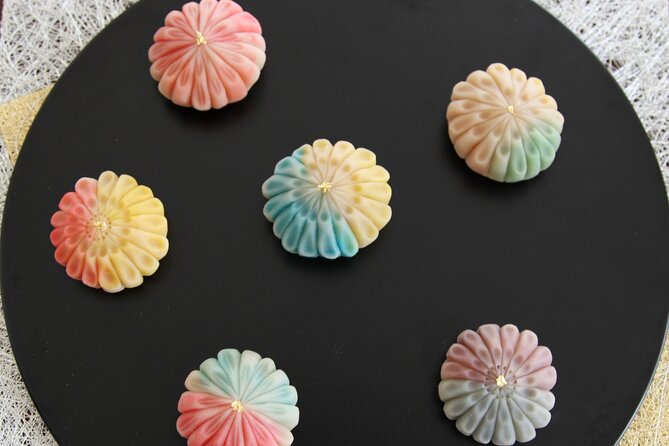
Nerikiri is a traditional Japanese confection made from bean paste, sugar, and other ingredients. Its appeal is not only taste. These sweets are shaped to suggest flowers, seasons, animals, or playful characters, so appearance matters just as much as flavor.
That makes this class a good fit if you want more than a quick food sample. You learn how Japanese sweets can express restraint, detail, and the changing seasons in a small edible form. The lesson also gives you a practical skill you may be able to repeat at home, at least in simplified form.
The shapes can look far more difficult than they are. Hana breaks the work into manageable steps and demonstrates how to handle the colored paste. You then copy the technique with her help. The process calls for patience and a light touch, but artistic talent is not required.
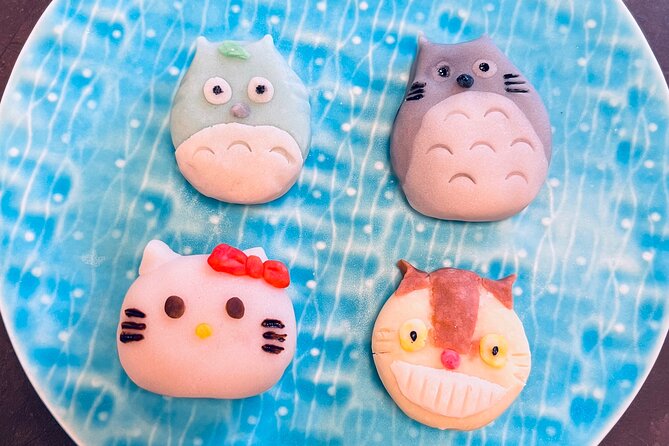
The class is also suitable for children, and several families have used it as a shared activity. A seven-year-old made a Pikachu design, while other children created characters such as Hello Kitty and Totoro. Those examples show that the final design does not have to remain strictly formal or floral.
More Tea Ceremony Experiences in Tokyo
- Matcha Making Class in Tokyo with Authentic Japanese Sweets Set
★ 5.0 · 744 reviews - Tokyo: Traditional Tea Ceremony with a Tea Master
★ 5.0 · 528 reviews - Tokyo: Matcha Making Experience with Mochi Sweets in Asakusa
★ 4.9 · 388 reviews
Meeting Hana Near Omotesando
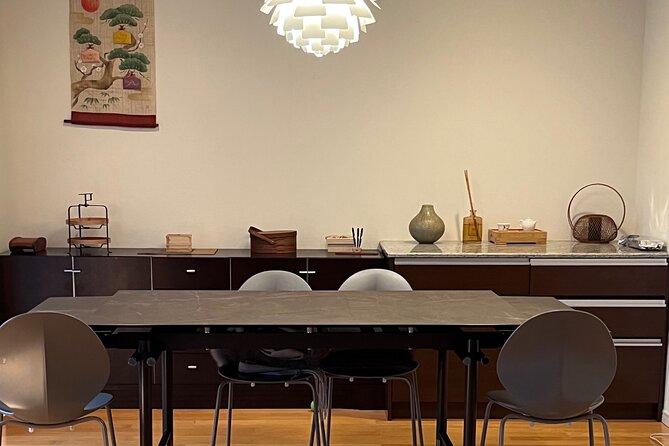
You meet at 5-chōme-2-21 Jingūmae, Shibuya, across from CHUMS Omotesando and in front of the brown building. From there, Hana walks with you for about 30 seconds to her home.
The meeting point is close to Omotesando Station, listed as roughly a three-minute walk. The area is often described as Harajuku or Omotesando, depending on how you frame your day, and it is also within walking distance of Shibuya. Check the exact meeting instructions carefully before setting out, since the class finishes back at this same meeting point.
Entering a local home gives the class a more personal feel than a lesson held in a large cooking studio. You get a glimpse of how an inner-city Tokyo resident lives, though you should treat the setting as someone’s home rather than a public attraction. The home setting is part of the charm, but it also means the atmosphere is intimate and informal.
Hana speaks English and Japanese fluently, according to the experience details and participant feedback. She also gives advice about places to visit in Tokyo, which can be useful if this is your first day in the city or you still have gaps in your plans.
The First Three Nerikiri Designs
Once seated, you choose designs from sample sweets. Hana explains the basic method, then helps you form three different shapes.
The exact designs can vary. Past classes have included cherry blossoms, flowers, pumpkins, Pikachu, Hello Kitty, Totoro, and other original figures. You may find the examples precise and delicate, but Hana’s job is to show you how to simplify each shape into a series of small actions.
This is where the four-person limit matters. In a larger cooking class, you might wait for help or lose track of a demonstration. Here, Hana can watch your hands, suggest a small correction, and help you improve the shape without rushing you.
Do not expect to produce perfect replicas on your first try. The pleasure is in seeing the paste gradually become recognizable. One person may focus on a flower’s petals, while another adds a personal detail such as curly hair or a character’s face.
The activity is hands-on from the start. You are not simply decorating a finished confection, and you are not watching someone else do all the skilled work. That gives the class more value for people who enjoy crafts, food preparation, or quiet creative tasks.
Your Fourth Sweet Is Your Own Design
After the three guided shapes, you create one original nerikiri. This is the most personal part of the lesson, because you can choose your own color combination and subject.
The open-ended design works well for families. Children can make favorite characters, while adults may prefer a flower, animal, or abstract pattern. It also gives you a chance to use the techniques from the first three sweets without copying a model exactly.
The final piece may be less polished than Hana’s examples, and that is normal. The class is not a contest. Hana provides encouragement and practical help, while leaving room for your own choices. Several people have described this balance as patient and relaxed, which is important when the work requires small, careful movements.
You make four sweets in total. The activity information says that everything you make can be taken home, although the class also includes sweets to eat with the matcha. Bring a container or bag only if you want extra protection for your creations during the rest of the day, since the supplied details do not specify how they are packed.
Same city, a completely different kind of day:
- Mt Fuji and Hakone 1-Day Bus Tour Return by Bullet Train
★ 5.0 · 26,383 reviews - 1-Day Tokyo Bus Tour
★ 5.0 · 14,250 reviews - Tokyo: TOKYO SKYTREE® Admission ticket
★ 4.5 · 11,192 reviews - Tokyo: teamLab Planets TOKYO Digital Art Museum Entry Ticket
★ 4.6 · 9,779 reviews
Matcha and a Table-Style Tea Ceremony
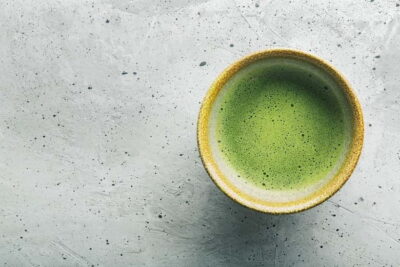
After the sweets are finished, Hana serves matcha with carefully selected Japanese sweets sourced from different parts of Japan. The tea portion is presented as a table-style ceremony, making it approachable even if you have never taken part in Japanese tea culture.
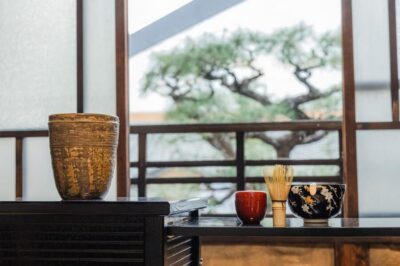
You also have the chance to learn how to prepare matcha. This adds a useful second skill to the session. Nerikiri gives you the craft element, while matcha introduces the rhythm and care involved in preparing a traditional drink.
The tea is hot, so this part naturally slows the pace. You can look at the sweets you have made, taste the accompanying treats, and ask Hana about Japanese culture or food. It is a calm finish after the concentration needed for shaping the paste.
This is not presented as a formal, highly strict tea ceremony in a temple or tea school. It is better understood as an accessible introduction in a home setting. If you want a ceremonial lesson with elaborate rules and formal kneeling, this class may feel light. If you want to understand the basics without pressure, the format is more welcoming.
Why the 90-Minute Schedule Works
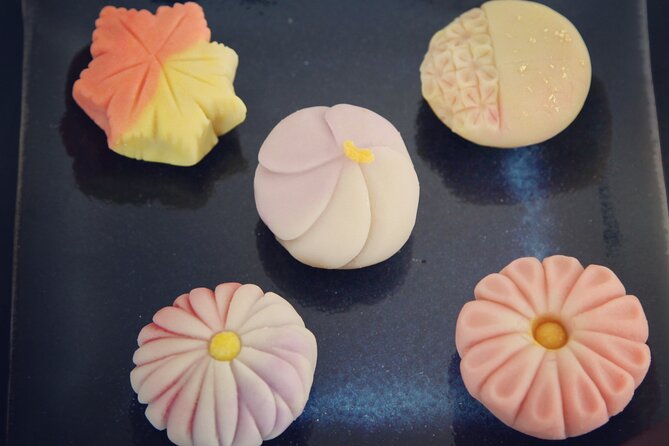
The class lasts about one hour and 30 minutes. That is long enough to make four sweets and learn about matcha, but short enough to fit into a busy Tokyo itinerary.
The available start times are 9:00 AM, 1:00 PM, and 3:30 PM. The early option is especially practical. Many shops open around 11:00 AM, so a 9:00 AM class lets you complete a meaningful activity before shopping in Harajuku or Omotesando.
After the morning session, you can continue toward Meiji Shrine, Takeshita Street, or Shibuya Crossing. These places are close enough to make the class a useful starting point for a full day. The 1:00 PM slot works well after morning sightseeing, while the 3:30 PM session suits a slower day, though it leaves less time for other plans.
A short workshop can sometimes feel rushed, but the small group helps here. You have several sweets to make, so the time is active rather than padded with long demonstrations. Still, anyone wanting detailed instruction in the history, regional styles, or professional techniques of wagashi should book a longer specialist course instead.
Location Value: Omotesando, Harajuku, and Shibuya
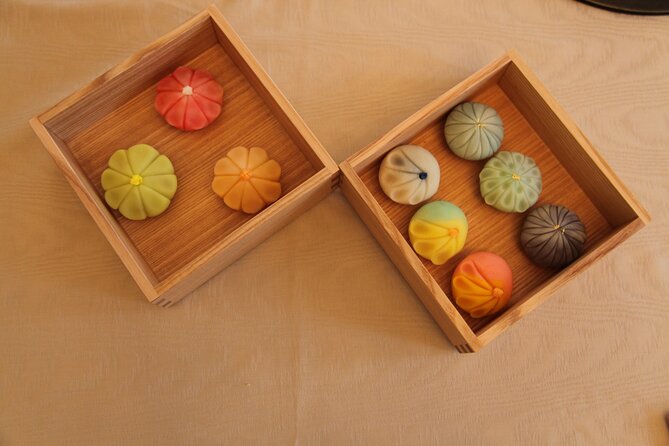
The location is one of the strongest practical reasons to book this activity. You are in one of Tokyo’s fashionable central districts, with Omotesando Station nearby and Harajuku and Shibuya within walking distance.
That gives you several easy combinations:
- Start with the 9:00 AM class, then visit Meiji Shrine and Takeshita Street.
- Take the 1:00 PM class after morning sightseeing in Harajuku.
- Book the 3:30 PM class after shopping around Omotesando.
The neighborhood is clean and stylish, and it gives the class a different setting from Tokyo’s major tourist sights. You are not spending the whole day moving between crowded attractions. Instead, you spend 90 minutes doing something slow and focused, then return to the city with four handmade sweets.
The address is technically in Shibuya, while the activity is described as being in Harajuku and near Omotesando. That is not a problem once you understand the area, but use the stated meeting point rather than relying only on a broad neighborhood name.
Who Will Get the Most From This Class
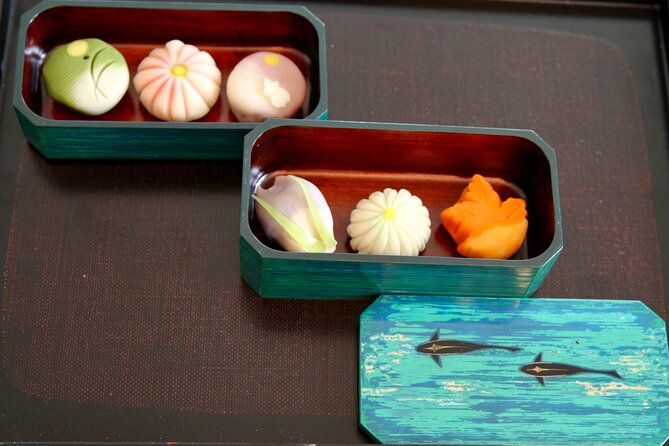
I would recommend this for families, couples, friends, and solo visitors who like making things with their hands. The activity has worked well for children as young as seven, teenagers, grandparents, and mixed-age families.
It is also a good choice if you want a quieter cultural activity. Tokyo can be noisy and fast, and this class gives you time to concentrate on shape, color, and tea. The group size means Hana can adjust her help to different skill levels.
You do not need to be an expert at cooking or crafts. The instructions are designed for beginners, and Hana’s teaching style is repeatedly described as clear, kind, and patient. Children may need some assistance with the finer details, but adults can work on their own while Hana helps younger participants.
The class is listed as suitable for vegans and vegetarians. If you have halal concerns or need to avoid a particular ingredient, contact Hana before the class. One participant arranged a substitution for alcohol-containing ingredients, but you should confirm your own needs in advance rather than assume every ingredient can be changed.
Is $60 a Fair Price?
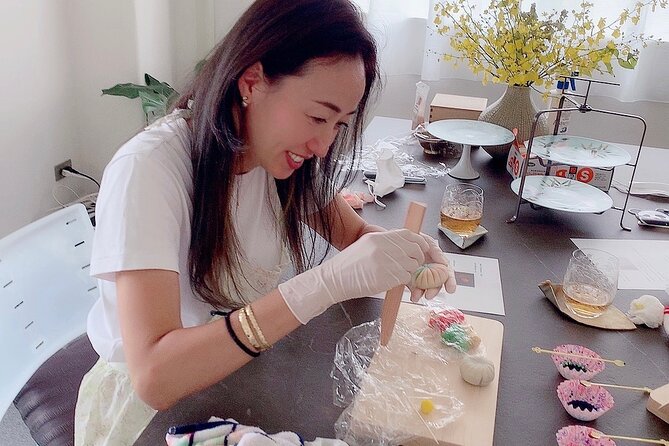
At $60 per person, this is not a bargain snack stop. You are paying for a 90-minute lesson, four sweets, matcha, additional Japanese sweets, instruction, and a very small group in a private home.
The value is strongest if you would otherwise pay for several separate activities. You get a food lesson, a cultural introduction, a look inside a local home, and a convenient base for further sightseeing. The four sweets also make the experience more substantial than a simple tasting.
The price may feel high if you only want to sample nerikiri or drink matcha. Tokyo has department-store food halls and tea shops where you can buy Japanese sweets for less. Those places will not give you the chance to shape the sweets yourself or receive individual guidance from Hana.
The high satisfaction rate, listed at 98 percent recommended and a 4.9 rating from 130 reviews, supports the idea that the teaching and personal attention are the main value. I would book it for the activity, not just for the food.
Timing, Transport, and Cancellation
The class is near public transportation, with Omotesando Station the most useful reference point. The stated meeting location is in Jingūmae, and the activity ends back there.
Mobile tickets are provided, and booking confirmation is received at the time of booking. The maximum group size is four people, so reserve early if you need a particular time for a family or small group.
Free cancellation is available up to 24 hours before the start time for a full refund. Cancellations or changes made less than 24 hours before the experience are not accepted for a refund, and the cut-off uses Tokyo local time.
Should You Book the Nerikiri and Matcha Class?
Book this class if you want a personal, creative activity in central Tokyo and like the idea of bringing home something you made yourself. It is especially well suited to families and anyone who values patient instruction over a polished tourist show.
I would choose the 9:00 AM session if you want to pair it with Meiji Shrine, Takeshita Street, and Shibuya later in the day. Choose the afternoon if you prefer a slower morning.
Skip it if you dislike sweet foods, want a formal tea-school ceremony, or prefer sightseeing that keeps you moving. For everyone else, this is a thoughtful way to spend 90 minutes, with enough practical skill and cultural context to make it worth the $60 price.
FAQ
Where does the nerikiri class take place?
The meeting point is 5-chōme-2-21 Jingūmae, Shibuya, Tokyo 150-0001, across from CHUMS Omotesando and in front of the brown building. From there, the instructor walks with you for about 30 seconds to her home.
How long does the experience last?
The activity lasts approximately one hour and 30 minutes.
What start times are available?
The listed start times are 9:00 AM, 1:00 PM, and 3:30 PM.
How many people can join the class?
The maximum group size is four people.
How many sweets will I make?
You will make four nerikiri sweets. You choose three designs from samples, then create one original design.
Can I take the sweets home?
Yes. Everything you make can be taken home with you.
Is matcha included?
Yes. The experience includes matcha and selected Japanese sweets served afterward. You also have the opportunity to learn how to prepare matcha.
Is the class suitable for children and dietary preferences?
The activity is suitable for all ages, including young children and seniors, and is listed as suitable for vegans and vegetarians. Contact the instructor ahead of time about specific ingredient concerns.
What is the cancellation policy?
You can cancel up to 24 hours before the start time for a full refund. Changes or cancellations made less than 24 hours before the experience are not accepted for a refund.
More Dessert Tours in Tokyo
- Private Mochi Sweets Making class near Shibuya area
★ 5.0 · 93 reviews - Japanese Traditional Sweets making and Tea Ceremony
★ 4.7 · 50 reviews - Tokyo Local Food Tour: Noodles, Skewers, Dumplings, Sweets
★ 5.0 · 48 reviews - Mochi Matcha Gluten Free Japanese Sweets Class near Shibuya area
★ 5.0 · 26 reviews
Just added around Tokyo
- Private Memorable Tokyo Tour with English Speaking Driver★ 5.0 · 30 reviews
- Private Tokyo Custom Full-Day Tour by Chartered Vehicle★ 5.0 · 16 reviews
- Private Sightseeing to Mt Fuji and Hakone with English Driver★ 5.0 · 51 reviews
- Tokyo Photography Masterclass – Private Photography Lesson★ 5.0 · 25 reviews
- 4 Day Tour – Mount. Fuji, Tokyo, Hakone, Kamakura and Yokohama★ 5.0 · 19 reviews
- Private Mt. Fuji Day Trip from Tokyo with English-Speaking Driver★ 5.0 · 33 reviews
- Private Unforgettable Mt Fuji Tour with English Speaking Driver★ 5.0 · 142 reviews
- Private Tokyo Food Tour – A Journey Through Time Through Food★ 5.0 · 36 reviews
Tea Ceremony Experiences, compared.
Tea Ceremony in a Traditional Tea House in Kiyomizu
Read our review →
World Heritage Kyoto & Nara Uji Authentic Matcha Experience
Read our review →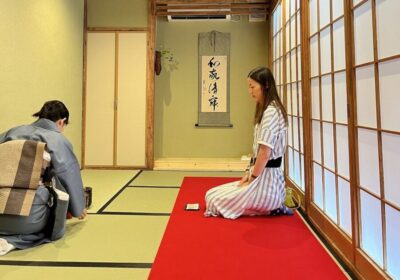
Browse the lists this tour appears in