
REVIEW · FOOD MARKET TOURS
Tokyo Local Food Tour: Noodles, Skewers, Dumplings, Sweets
Tokyo’s best food night may begin with a train station landmark and end with a fish-shaped cake. In between, this Shimbashi food tour takes you to small local eateries for gyoza, udon, yakitori, drinks, and dessert, all within a compact walking area. It is a useful way to get past the sushi-only version of Japanese food.
I like the easy format: your guide handles the ordering and leads you from one place to the next. I also like the human touch from guides such as Ryu, whose fluent English, humor, and restaurant advice have helped make the evening feel more like dinner with a well-informed local than a formal sightseeing program. The main drawback is clear: this is not a tour for vegetarians, vegans, or people needing gluten-free meals, and the food may feel familiar if you already eat plenty of gyoza and noodles.
In This Review
- Key points at a glance
- Why Shimbashi works so well for a food tour
- Start at SL Square near Shimbashi Station
- Gyoza and a drink set the pace
- Udon brings a different kind of comfort
- Yakitori and drinks make up the main event
- Finish with taiyaki, the fish-shaped sweet
- What the guide adds to the meal
- Food quantity, allergies, and dietary limits
- Is $74.64 a fair price?
- Who should book this Shimbashi evening?
- Small practical details that matter
- Should you book it?
- FAQ
- How long does the Tokyo Local Food Tour last?
- What time does the tour start?
- Where does the tour meet?
- Where does the tour end?
- What food is included?
- Are drinks included?
- Can children drink alcohol on the tour?
- Can the tour accommodate vegetarian, vegan, or gluten-free diets?
- How many people can join the tour?
- Can I cancel for a full refund?
Key points at a glance
- Four food stops in Shimbashi: Try dumplings, udon, yakitori, and taiyaki in one short evening.
- A guide orders for you: Menu translation and local ordering help take away much of the guesswork.
- A relaxed 6:30 pm start: The timing suits a first full evening in Tokyo.
- Drinks are part of the night: The yakitori stop includes a fun all-you-can-drink alcohol option.
- Small-area wandering: The restaurants are only a few blocks apart, so you spend more time eating than navigating.
- Bring a serious appetite: The portions add up quickly across four stops.
Why Shimbashi works so well for a food tour
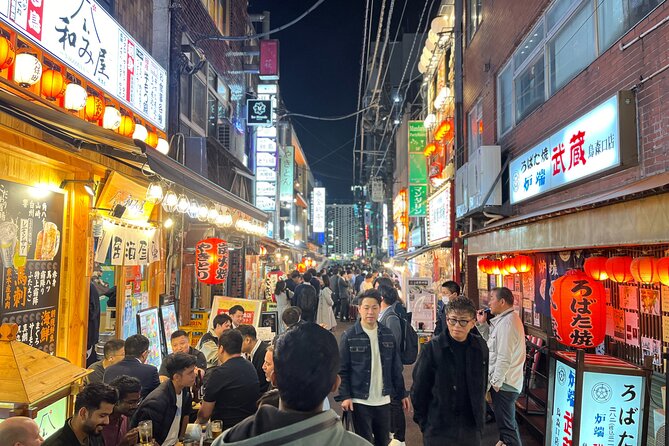
Shimbashi is a practical setting for this kind of evening. It is close to major public transportation, and the meeting point at SL Square gives you a fixed landmark near the station. You meet at 6:30 pm, then move through nearby restaurants rather than crossing half of Tokyo.
That matters after a long day. Tokyo can feel easy once you understand the trains, but finding a small restaurant, reading its menu, and knowing how much to order is another matter. Here, your guide takes the lead. You can focus on the food, the conversation, and the small details of local dining.
The area also gives the night a grounded feel. This is not a parade of famous tourist restaurants or a grand culinary presentation. You visit everyday places where the food is served quickly and the setting is casual. The trade-off is that the tour is more about ordinary Japanese eating than rare ingredients or chef-led tasting menus.
More Food Market Tours in Tokyo
- Tokyo: Shinjuku Food Tour (13 Dishes at 4 Local Eateries)
★ 5.0 · 6,603 reviews - Tokyo Tsukiji Fish Market Food and Culture Walking Tour
★ 5.0 · 3,184 reviews - Tokyo: Shinjuku Food Tour (15 Dishes and 4 Eateries)
★ 4.9 · 2,033 reviews
Start at SL Square near Shimbashi Station
The meeting point is SL Square, at 2-chōme-7-先 Shinbashi, Minato City, Tokyo 105-0004. The square is known for its train exhibit, which makes it easier to identify than an anonymous street corner.
The first stop takes only about five minutes. Think of it as a gathering and orientation point, not a sightseeing visit. Your guide can get the group together, confirm the plan, and begin the short walk to dinner.
The tour can include up to 20 people. That is still manageable, but it is worth considering if you prefer a quiet, intimate meal. Smaller groups have a natural advantage in compact Japanese restaurants, where tables and ordering can be close together. Private bookings are also available, and some bookings have ended up as very small groups or even one-on-one outings.
Gyoza and a drink set the pace
The first food stop lasts about 30 minutes and centers on Japanese dumplings, usually called gyoza. This is a sensible opening course: familiar enough for cautious eaters, quick to share, and distinctly different from the steamed dumplings you may know from elsewhere.
Your guide helps order, explains the menu, and gets the meal moving. That is especially handy if you cannot read Japanese, since a dumpling menu may offer several fillings, cooking styles, and drink choices without much English support.
A drink is included at this stop. The meal is not presented as a formal lesson, but the guide can help you understand what you are eating and how the restaurant fits into local food culture. Guides such as Ryu have also been praised for answering questions about customs, drinks, and Japanese daily life along the way.
If you have never tried gyoza, this is an easy introduction. If you have eaten it many times, do not expect a radical surprise. One honest assessment of the tour found the food good and plentiful but not especially unusual. That is a fair warning: the pleasure comes from the combination of local setting, several courses, and friendly guidance, not from experimental cooking.
Udon brings a different kind of comfort
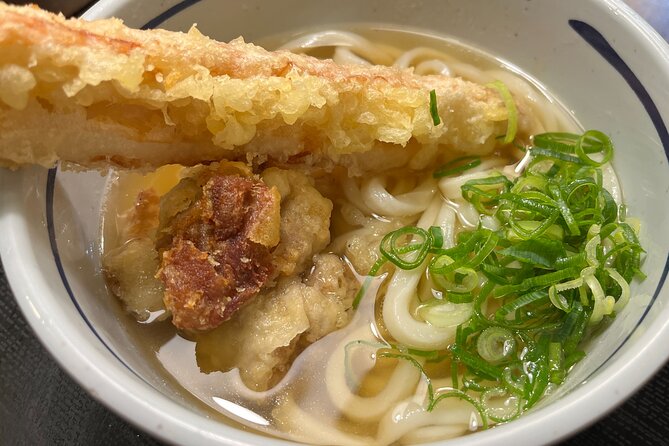
The second food stop lasts roughly 20 minutes and focuses on udon. The thick wheat noodles offer a useful change from the crisp-edged dumplings at the first restaurant. You get a warmer, softer bowl and a chance to see another everyday side of Japanese food.
The stop is short, so this is likely a compact tasting rather than a long noodle meal. That works well in the overall structure. You have enough time to enjoy the dish without filling up too early, though the full evening still adds up to a substantial amount of food.
This is also where a local guide can be most useful. Udon shops may have different ordering systems, toppings, and portion choices. You do not need to spend your first minutes studying signs or wondering which button to press. The guide leads you through it.
Several descriptions of the evening singled out the noodle shop as a place they would not have found on their own. That is one of the tour’s strongest benefits. You are not simply eating Japanese dishes you could order anywhere. You are being taken to small places that are easy to miss if you do not know the neighborhood.
Same city, a completely different kind of day:
- Mt Fuji and Hakone 1-Day Bus Tour Return by Bullet Train
★ 5.0 · 26,383 reviews - 1-Day Tokyo Bus Tour
★ 5.0 · 14,250 reviews - Tokyo: TOKYO SKYTREE® Admission ticket
★ 4.5 · 11,192 reviews - Tokyo: teamLab Planets TOKYO Digital Art Museum Entry Ticket
★ 4.6 · 9,779 reviews
Yakitori and drinks make up the main event
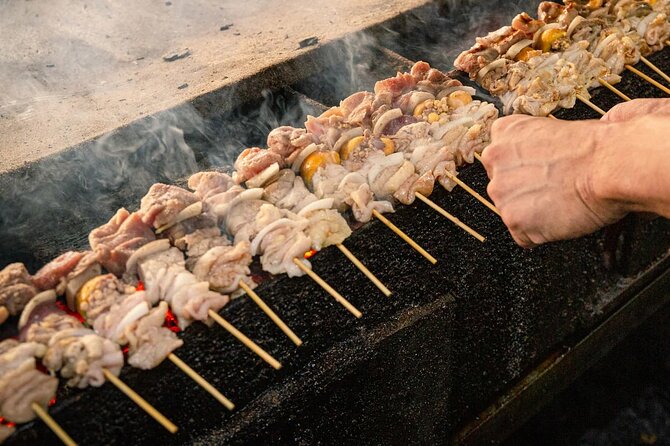
The yakitori stop takes about an hour, making it the longest and most social part of the evening. Yakitori means grilled chicken skewers, though a selection can include several cuts and preparations. The small portions are well suited to sharing, and the stop lets you sample more than one type rather than committing to a single large dish.
This is the point where the tour feels most like a local evening out. You sit down, eat several skewers, and talk with the guide and the rest of the group. The restaurant setting is casual, and the food arrives in a form that is easy to share.
Drinks are part of the plan, with an all-you-can-drink alcohol option described for this stop. That can add good value if you enjoy beer, sake, or other alcoholic choices, but it also changes the character of the tour. This is not simply a food tasting with a token beverage. For some people, the drinking element will be a highlight. For others, it may be less appealing.
You must be at least 20 to drink alcohol in Japan. The tour information specifically notes that anyone under 19 cannot have alcoholic beverages under Japanese law, but the safest practical rule is to treat this as an adult drinking stop and confirm arrangements for younger participants before booking.
If you do not drink, do not assume the evening is impossible. One guide adjusted suggestions for a participant who avoided alcohol. Still, the advertised structure includes drinks, so tell the provider in advance rather than counting on a change at the door.
Finish with taiyaki, the fish-shaped sweet
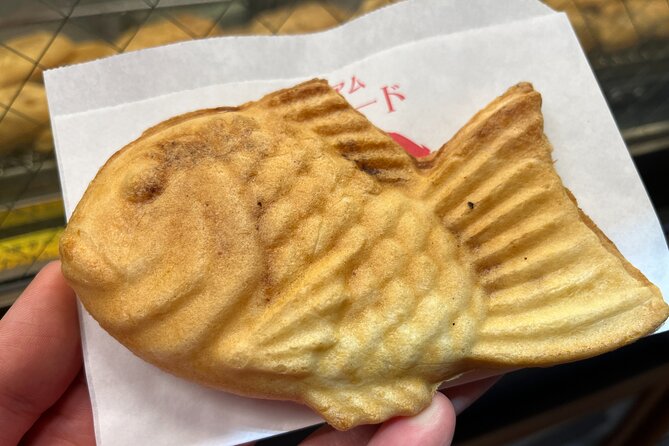
The final stop lasts about 10 minutes and supplies a Japanese sweet: taiyaki, a fish-shaped cake often filled with custard or another sweet filling. You may have seen its distinctive shape in social media posts, but eating one fresh at the end of a food walk gives it a better context.
Taiyaki is a neat finish because it is portable, recognizable, and not as heavy as another full savory dish. After dumplings, noodles, and skewers, you will appreciate a small dessert course.
The short stop also keeps the tour from dragging. By this point, you have visited four food locations and spent more than two hours eating and walking. The activity ends back at the meeting point, so you can return to the station or continue your night in Shimbashi.
What the guide adds to the meal
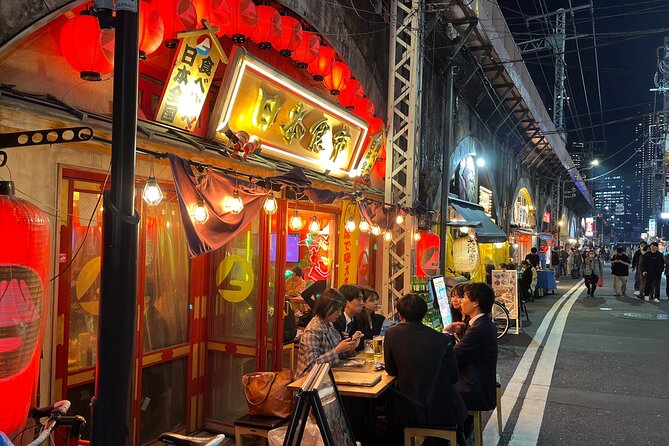
The guide is the key reason to choose this tour instead of visiting four restaurants on your own. The advertised benefit is menu help, but the real value goes further. A good host can explain how to order, keep the group moving, answer cultural questions, and point you toward other places to eat during the rest of your Japan trip.
Ryu is the guide most often named in the supplied material. He has been described as friendly, funny, patient, and fluent in English. He also gave restaurant recommendations for Tokyo, Osaka, and Kyoto, and in some cases followed up with photographs and additional suggestions.
Other guide names appear in the feedback, including Ryo and Lou. That means your exact host may vary, so do not book solely on the assumption that one named person will lead every departure. The consistent strength is the guide’s role: ordering food, helping with language, creating conversation, and making the night feel easy.
The personal approach seems especially useful for families and first-time visitors. One family found that teenagers relaxed quickly and began chatting about manga. Another participant who was worried about getting lost received quick help and was met by the guide. These details matter because the first evening in Tokyo can carry a bit of where do I go and what do I order stress.
Food quantity, allergies, and dietary limits
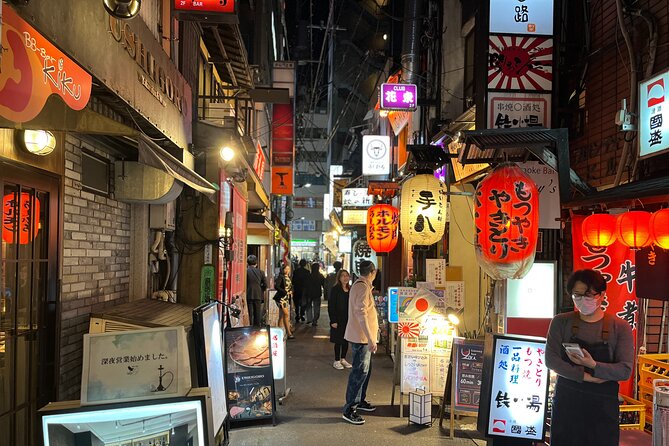
Come hungry. The food is spread across four stops, but the total is still a lot for a 2-hour-15-minute experience. Gyoza, udon, several skewers, drinks, and taiyaki can easily cover what many people would consider a full dinner.
The official conditions say that vegetarian, vegan, and gluten-free dietary needs cannot be accommodated. You should take that seriously. Japanese food often includes hidden ingredients, shared cooking surfaces, or broths that are not obvious from an English translation.
Some individual meals have handled allergies with care. A guide checked ingredients for a shrimp allergy, and another booking received help with a soy allergy. That is encouraging, but it does not replace a firm dietary guarantee. Contact the provider before booking, and do not rely on a last-minute request.
For ordinary dislikes, the situation may be easier because the guide can explain choices and help you decide. For medical allergies or strict dietary rules, this is not the safest food tour to book without direct confirmation.
Is $74.64 a fair price?
At $74.64 per person, the price is reasonable if you value a full casual dinner, several included food stops, drinks, and local guidance. You are paying for more than four individual dishes. The fee also covers the time spent organizing the route, ordering in Japanese, and getting you into places you might skip on your own.
The value is strongest for a first or second night in Tokyo. You get a neighborhood orientation, a meal, menu support, and suggestions for later dining. The tour can also reduce waste. Instead of ordering a large plate at one unfamiliar restaurant, you sample several dishes in controlled portions.
The price is less compelling if your main goal is rare or highly refined food. Gyoza, udon, yakitori, and taiyaki are classic everyday foods, but they are not obscure discoveries. You may already know some of them, and one critical assessment found the dishes familiar rather than extraordinary.
I would judge the price by your travel style. If you want a polished tasting menu, spend your money elsewhere. If you want an easy, social evening that removes the language barrier and feeds you well, the cost makes sense.
Who should book this Shimbashi evening?
This tour suits you best if you:
- Are new to Tokyo and want help ordering food
- Prefer casual local restaurants to formal dining rooms
- Enjoy trying several dishes in one evening
- Want a guide who can offer food advice for the rest of Japan
- Are comfortable with a social group of up to 20 people
- Like drinks as part of dinner
- Are traveling with teenagers old enough to participate without alcohol
It is less suitable if you need vegetarian, vegan, or gluten-free meals. It is also a weaker match if you dislike group dining, avoid alcohol completely, or want food that feels highly unusual.
The 6:30 pm start is useful for a first full night, but the tour is not an all-day introduction to Tokyo food. It concentrates on one neighborhood and a handful of familiar Japanese favorites. That focus is a strength if you want a simple evening, and a limitation if you want a broad survey of the city.
Small practical details that matter
The tour lasts approximately 2 hours and 15 minutes, and the walking stays within a few blocks of Shimbashi Station according to the route descriptions. You should still wear comfortable shoes, but you are not signing up for a long city march.
The activity is near public transportation, starts and ends at SL Square, and uses a mobile ticket. Confirmation arrives at booking. Most people can participate, and the maximum group size is 20.
Free cancellation is available up to 24 hours before the start time for a full refund. Cancellations or changes made inside that window are not accepted for a refund, and the cut-off follows Tokyo local time.
Should you book it?
Book this tour if you want a friendly, low-stress introduction to Tokyo’s everyday food. The strongest reasons are the compact route, the four-course structure, the menu help, and the chance to eat in places you might not identify on your own. Guides such as Ryu have also added real value through humor, fluent English, cultural explanations, and useful restaurant suggestions.
Skip it if you are seeking rare dishes, advanced culinary instruction, or firm accommodation for dietary restrictions. The food is familiar by design, and the alcohol component may not suit every group.
For most first-time visitors who eat meat, noodles, and dumplings, I would place this near the start of the trip. You will leave full, better oriented, and more confident about ordering in Tokyo. Just arrive hungry and keep your expectations focused on a fun local dinner, not a once-in-a-lifetime culinary spectacle.
FAQ
How long does the Tokyo Local Food Tour last?
The tour lasts approximately 2 hours and 15 minutes.
What time does the tour start?
The tour starts at 6:30 pm.
Where does the tour meet?
The meeting point is SL Square at 2-chōme-7-先 Shinbashi, Minato City, Tokyo 105-0004, Japan.
Where does the tour end?
The activity ends back at the meeting point at SL Square.
What food is included?
The route includes Japanese dumplings, udon noodles, yakitori skewers, and a Japanese sweet called taiyaki, a fish-shaped cake.
Are drinks included?
Drinks are included during the food stops. The yakitori stop includes a fun all-you-can-drink alcohol option.
Can children drink alcohol on the tour?
No. People below the legal drinking age cannot have alcoholic beverages under Japanese law. The tour information specifically notes that anyone under 19 cannot drink alcohol.
Can the tour accommodate vegetarian, vegan, or gluten-free diets?
The tour cannot accommodate vegetarian, vegan, or gluten-free dietary needs.
How many people can join the tour?
The maximum group size is 20 travelers.
Can I cancel for a full refund?
Yes. You can cancel at least 24 hours before the start time for a full refund. Cancellations or changes made less than 24 hours before the start time are not accepted for a refund.
More Food & Drink in Tokyo
- Best of Shinjuku: Izakaya Food Tour (4 Stops, 14+ Tastings)
★ 5.0 · 1,863 reviews - Tokyo: Tsukiji Fish Market Food and Walking tour
★ 5.0 · 1,724 reviews - Eat and Drink Like a Local: Tokyo Ueno Food Tour-Taverns&Ramen
★ 5.0 · 957 reviews - Tokyo: Shibuya Food Tour (13 dishes and 4 Eateries)
★ 5.0 · 770 reviews
More Dessert Tours in Tokyo
- Matcha Making Class in Tokyo with Authentic Japanese Sweets Set
★ 5.0 · 744 reviews - Tokyo: Matcha Making Experience with Mochi Sweets in Asakusa
★ 4.9 · 388 reviews - Make Traditional Nerikiri Sweets & Matcha experience in Shibuya
★ 5.0 · 130 reviews - Private Mochi Sweets Making class near Shibuya area
★ 5.0 · 93 reviews
Just added around Tokyo
- Private Memorable Tokyo Tour with English Speaking Driver★ 5.0 · 30 reviews
- Private Tokyo Custom Full-Day Tour by Chartered Vehicle★ 5.0 · 16 reviews
- Private Sightseeing to Mt Fuji and Hakone with English Driver★ 5.0 · 51 reviews
- Tokyo Photography Masterclass – Private Photography Lesson★ 5.0 · 25 reviews
- Private Mt. Fuji Day Trip from Tokyo with English-Speaking Driver★ 5.0 · 33 reviews
- 4 Day Tour – Mount. Fuji, Tokyo, Hakone, Kamakura and Yokohama★ 5.0 · 19 reviews
- Private Unforgettable Mt Fuji Tour with English Speaking Driver★ 5.0 · 142 reviews
- Private Tokyo Food Tour – A Journey Through Time Through Food★ 5.0 · 36 reviews
Food Market Tours, compared.
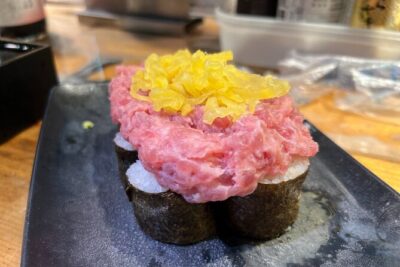
Shinjuku Food Tour (13 Dishes at 4 Local Eateries)
Read our review →
Tokyo Tsukiji Fish Market Food and Culture Walking Tour
Read our review →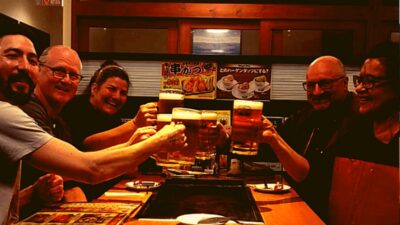
Shinsekai Food Tour with 13-15 Dishes at 5 Eateries
Read our review →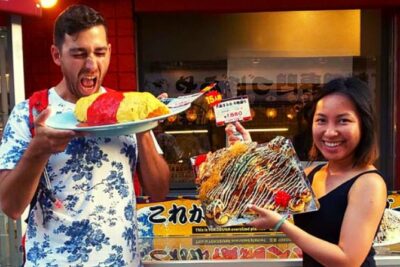
Osaka Food Tour: 13 Dishes at 5 Local Eateries
Read our review →
Shinjuku Food Tour (15 Dishes and 4 Eateries)
Read our review →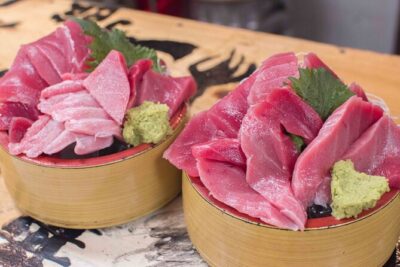
Best of Shinjuku: Izakaya Food Tour (4 Stops, 14+ Tastings)
Read our review →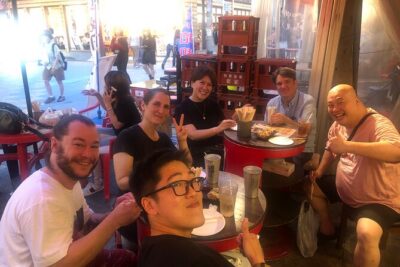
Hungry Osaka Street Food Tour:15 Tastings & 3 Drinks with a Local
Read our review →
Browse the lists this tour appears in