
REVIEW · TEA CEREMONY EXPERIENCES
Tokyo: Matcha Making Experience with Mochi Sweets in Asakusa
The best part of this Asakusa activity is that you do not just drink matcha, you make it yourself. In one relaxed hour, an English-speaking instructor explains the tea’s background, demonstrates the whisking method, and lets you prepare a bowl with traditional tools before serving it with Japanese sweets.
I like the friendly teaching style and the practical setting. The quiz keeps the history lesson light, while the seated format works well after a morning of walking. At $22, it also gives you a useful taste of Japanese food culture without taking half a day.
The main consideration is the short length. This is an introduction to matcha and tea etiquette, not a full formal tea ceremony. If you want a quiet, highly ceremonial experience, the lively class style may feel more casual than expected.
In This Review
- Key points to know before booking
- What this one-hour Asakusa class is really like
- Starting with matcha history and a playful quiz
- Learning the tools before you whisk
- Tasting your matcha with Japanese sweets
- Why the Asakusa location improves the experience
- The teaching style: clear, social, and light
- Is $22 good value for Tokyo?
- Who will enjoy this matcha activity most
- Booking and timing advice for your Asakusa day
- Final verdict: a small activity with real practical value
- FAQ
- Where does the matcha class meet?
- How long does the experience last?
- Is the class taught in English?
- What is included in the price?
- Is hotel pickup included?
- Can I cancel the booking?
Key points to know before booking
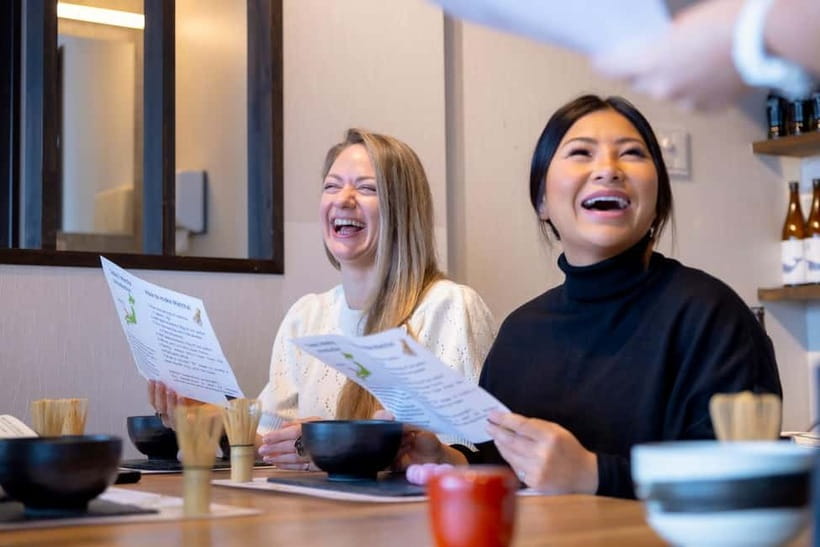
- You whisk your own matcha: Follow a demonstration, then prepare the tea yourself with traditional equipment.
- The class is fully in English: Instructors including Mana, Ken, Hiyo, Yui, and Hayato explain the process clearly.
- A quiz makes the history lesson fun: You learn about matcha culture without sitting through a long lecture.
- Mochi and other Japanese sweets are included: Their sweetness balances matcha’s earthy, slightly bitter taste.
- The setting is convenient: The meeting point is about one minute from Asakusa Station, close to Tokyo Skytree.
- Solo visitors and families fit in well: The activity is seated, social, and simple enough for children and older relatives.
What this one-hour Asakusa class is really like
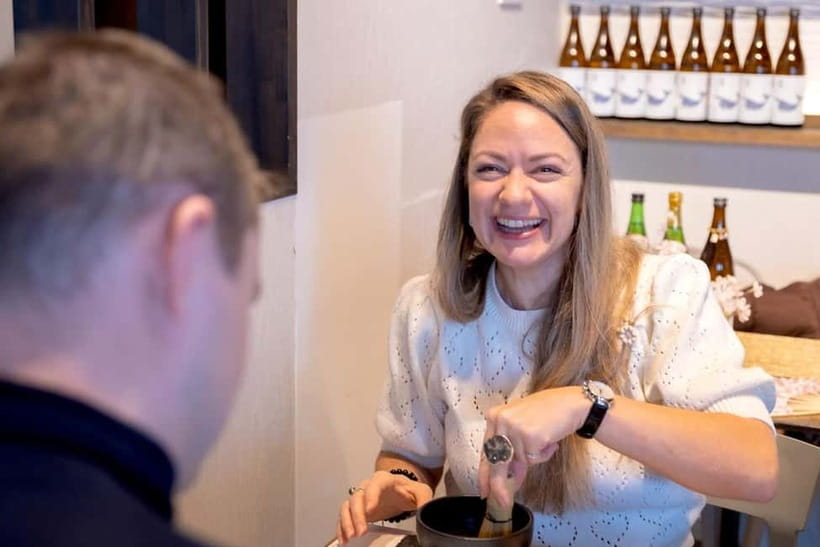
This is a compact food activity built around one bowl of matcha. You meet at the Relink KAMINARIMON building, on the sixth floor, at coordinates 35.710774, 139.7956532. The location puts you in one of Tokyo’s most traditional districts, with Asakusa’s temples, old-style streets, and the Tokyo Skytree area nearby.
The short format is useful. You can fit the class between sightseeing at Senso-ji, shopping along Nakamise-dori, or a visit to Tokyo Skytree. It is also a good way to get off your feet for an hour, especially after a long day in central Tokyo.
The activity welcomes solo participants as well as groups. That matters because the class has a social feel without requiring you to arrive with a large party. If you are alone, the shared preparation gives you an easy reason to chat with people from other countries.
You should not expect a private tea master or a silent ceremony. The tone is interactive, cheerful, and made for first-time learners. That is the point: you leave with a basic understanding of matcha and the confidence to try making it again.
More Tea Ceremony Experiences in Tokyo
- Matcha Making Class in Tokyo with Authentic Japanese Sweets Set
★ 5.0 · 744 reviews - Tokyo: Traditional Tea Ceremony with a Tea Master
★ 5.0 · 528 reviews - Tokyo: Matcha and Kimono Experience
★ 4.7 · 219 reviews
Starting with matcha history and a playful quiz
The class begins with an introduction to matcha and its place in Japanese food and tea culture. Instead of treating the subject like a school lecture, the instructor uses an interactive quiz and light humor to keep you involved.
This approach works well for people who know very little about matcha. You get useful background before handling the tools, so the preparation feels connected to a larger tradition rather than just a recipe.
The exact instructor may vary. Mana is praised for her energy and humor, while Ken is described as especially engaging with families. Hiyo, also written as Hiho in some names, is noted for a clear introduction to matcha culture. Other instructors named for the class include Yui, Midori, Honoka, Hayato, Rino, Moe, Miyu, and Miya.
The range of instructors is worth noting because much of the experience depends on presentation. The strongest feedback centers on staff who explain clearly, invite questions, and make beginners feel comfortable. You should expect an approachable lesson rather than strict correction at every step.
The history segment also gives you a better way to taste the tea. Matcha is not served with sugar here, so the flavor may seem grassy, bitter, or intense if you are used to sweetened drinks. A little context helps you understand why the tea is prepared and paired with sweets in this way.
Learning the tools before you whisk
The hands-on part is the heart of the activity. The instructor demonstrates how to prepare matcha using traditional equipment, then you copy the method at your own place.
You are not expected to arrive with any experience. The English instructions cover the basic technique, and the class gives you time to practice rather than simply watching a professional do everything.
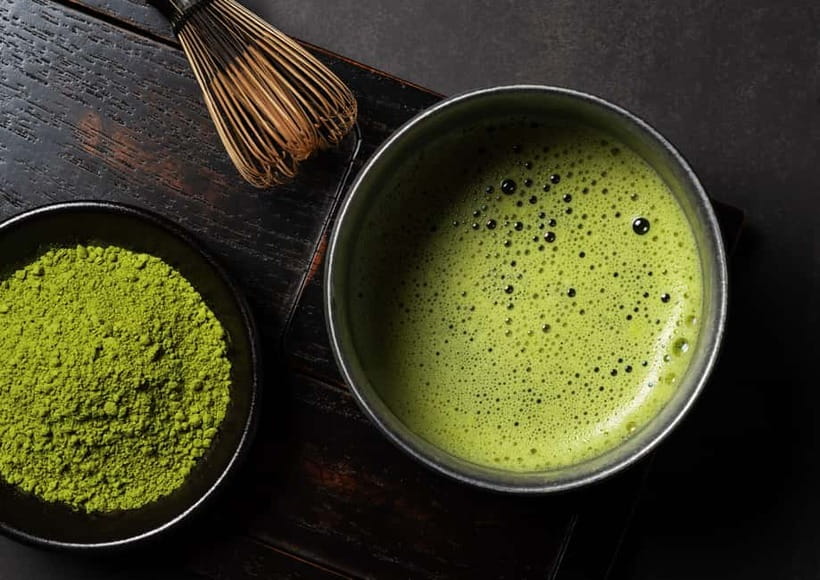
Whisking looks simple, but the movement matters. The aim is to create a smooth, light layer of foam instead of leaving clumps of powder at the bottom. The instructors guide you through the motion, then let you see the results in your own bowl.
This is where the class provides more value than a regular café visit. At a tea shop, you can taste matcha. Here, you learn enough to repeat the process at home. Several participants leave feeling ready to make their own cup, which is a practical souvenir that costs nothing to pack.
The activity is conducted in a seated environment. That is helpful if you cannot kneel comfortably or if your legs need a break from Tokyo sightseeing. It also makes the class suitable for mixed-age groups. One family enjoyed it with a 74-year-old mother and a 23-year-old son, a good sign that the physical demands are modest.
Tasting your matcha with Japanese sweets
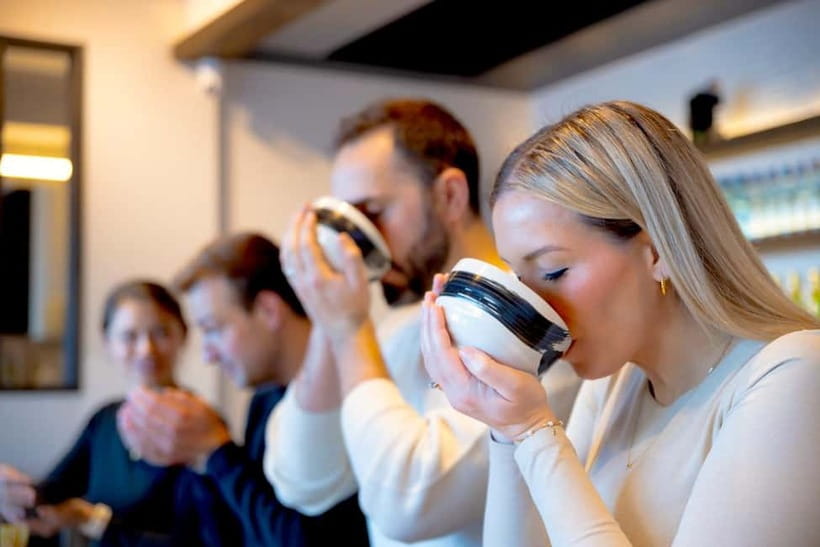
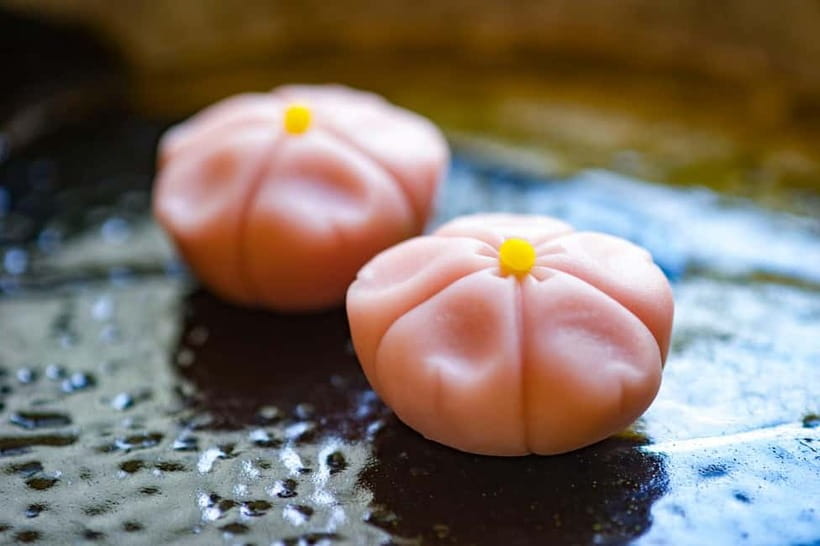
Once you have prepared the tea, you drink it and eat traditional Japanese sweets, including mochi-style treats. This pairing is not just a pleasant extra. The sweets soften matcha’s bitterness and help you notice how Japanese flavors are balanced.
For first-time matcha drinkers, this can be the most useful tasting lesson. You get to try the tea without sugar, then follow it with something sweet. The contrast makes the tea easier to appreciate and gives the tasting a clear rhythm.
The sweets are included in the $22 price, along with the ingredients, instructor, and class itself. Hotel transportation is not included, but the meeting point is close to Asakusa Station, so you can reach it independently.
The tasting is also a chance to ask questions. You might want to know how matcha differs from ordinary green tea, how the powder is used, or what equipment you need at home. The instructors are there to explain the process in plain English rather than leave you to guess.
Some classes can feel rushed once the practical work begins. This one is designed around a single preparation and tasting, so the hour has a clear limit. I would treat it as a focused introduction, not a full meal or an afternoon workshop.
Same city, a completely different kind of day:
- Mt Fuji and Hakone 1-Day Bus Tour Return by Bullet Train
★ 5.0 · 26,383 reviews - 1-Day Tokyo Bus Tour
★ 5.0 · 14,250 reviews - Tokyo: TOKYO SKYTREE® Admission ticket
★ 4.5 · 11,192 reviews - Tokyo: teamLab Planets TOKYO Digital Art Museum Entry Ticket
★ 4.6 · 9,779 reviews
Why the Asakusa location improves the experience
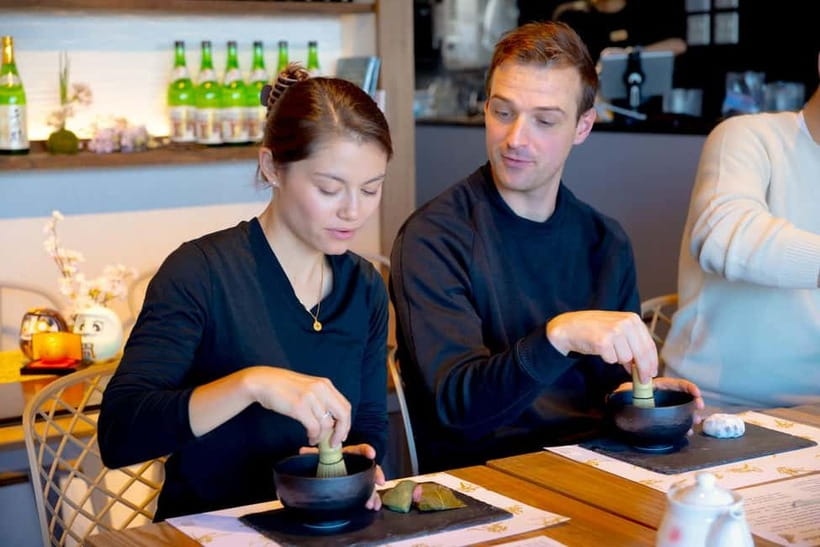
Asakusa is a smart setting for this activity. It gives the class a cultural backdrop that feels connected to old Tokyo, rather than placing it in a generic room far from the main sights.
You are about one minute from Asakusa Station, making this easy to add to a walking route. Afterward, you can continue toward Senso-ji, explore the Kaminarimon area, or head toward the Tokyo Skytree district.
The location near the Skytree is especially useful for planning. You can pair the matcha class with a tower visit, riverside walk, or sightseeing around the Sumida area. Check your travel time carefully, though, since the activity lasts one hour and starting times vary by availability.
The building itself is the Relink KAMINARIMON building, sixth floor. Look for the building name and use the supplied coordinates if your map app gives unclear directions. The activity does not include hotel pickup or drop-off, so you are responsible for reaching the meeting point.
The teaching style: clear, social, and light
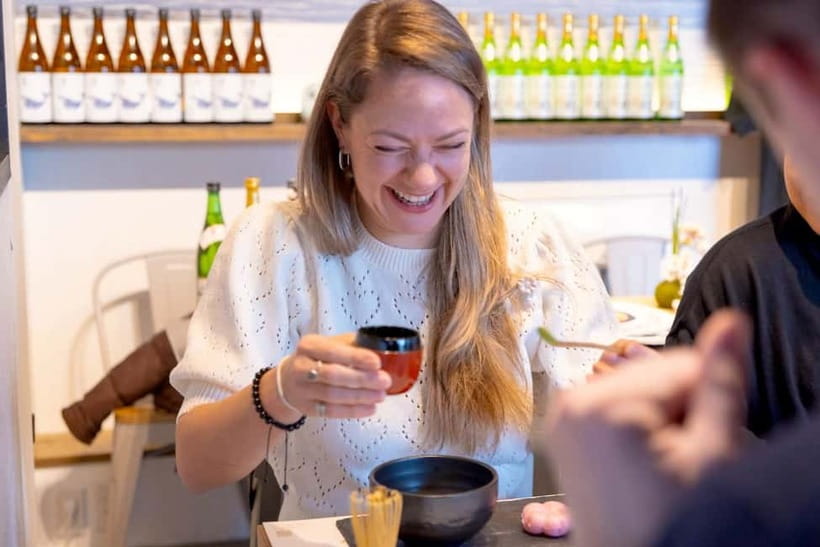
The most praised part of this experience is the staff. Names such as Mana, Ken, Hiyo, Hayato, Rino, and Yui come up often in positive feedback, with people noting their humor, patience, and ability to keep the lesson moving.
That personality matters in a short class. You have only an hour to learn the background, watch a demonstration, make the tea, and taste it. A warm instructor makes the process feel easy instead of hurried.
The class is also a good match for people who prefer learning by doing. The quiz gives you a reason to pay attention, the demonstration shows you what to copy, and the whisking session puts the knowledge into practice.
English is the teaching language. That removes a major barrier for international visitors, though the class still introduces Japanese customs and tea etiquette. You can ask questions without needing to rely on translation apps.
The relaxed tone may not suit everyone. If you are seeking a solemn ceremony with long silences and formal clothing, this is not that kind of event. The experience is closer to a friendly cultural workshop with a tea tasting.
Is $22 good value for Tokyo?
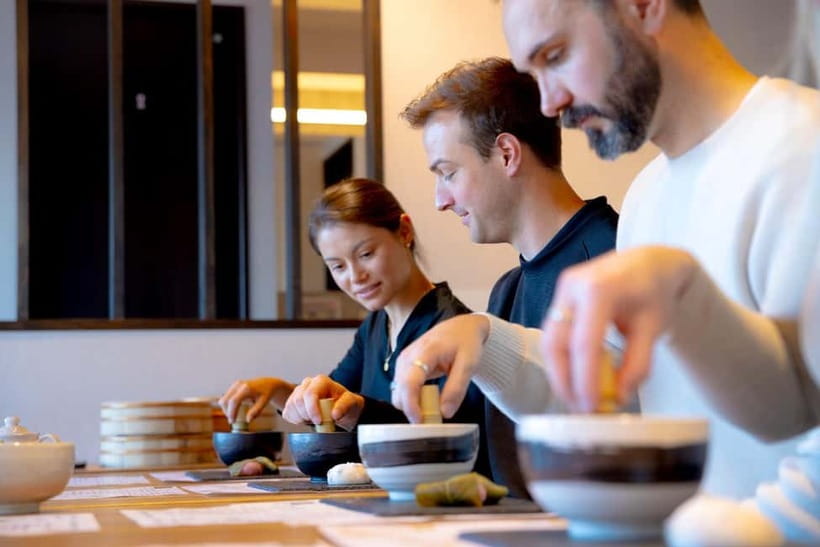
At $22 per person, this is a good-value activity for a central Tokyo stop. You receive instruction, ingredients, hands-on practice, matcha to drink, and Japanese sweets. You also get a short cultural lesson that can improve the rest of your food experiences in Japan.
The price works best for people who want a clear activity rather than another café visit. You are paying for the teaching and the chance to prepare the tea, not just for the ingredients.
It is also easy to fit into a larger itinerary. A one-hour class does not demand the planning required by a full cooking course, and the location means you do not lose much sightseeing time getting there.
There are limits. The cost does not include transportation, hotel pickup, or drop-off. The class is only one hour, so you should not expect an extensive meal, a long tea ceremony, or a detailed course on Japanese tea production.
You may also have the chance to buy matcha-making equipment after class. That can be useful if you want to continue at home, but it is optional and should not be treated as part of the advertised value.
Who will enjoy this matcha activity most
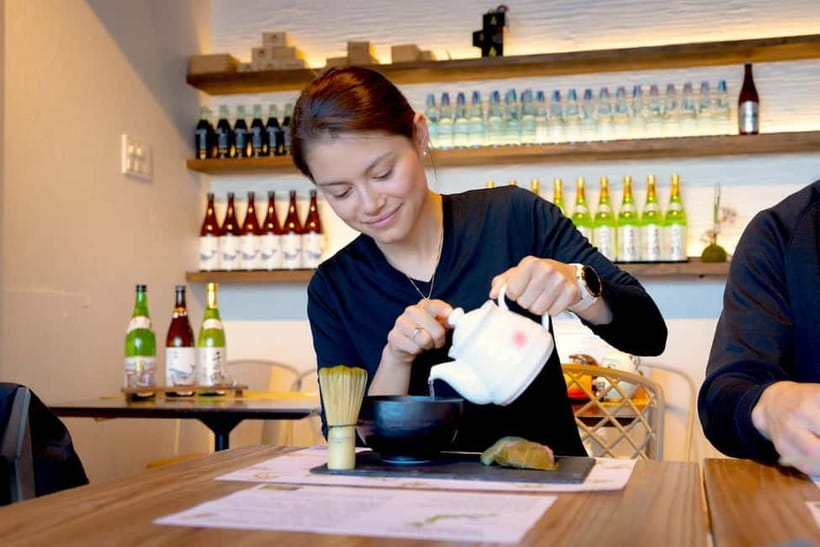
I would recommend this class to first-time matcha drinkers, food-focused visitors, families, and solo participants. It is especially useful if you want a cultural activity that is hands-on but not physically demanding.
Families should find the quiz and whisking practice easy to follow. Children can take part in the preparation, while adults get a short lesson in history and etiquette. The instructors’ playful style helps keep the activity from feeling too formal.
Solo visitors have a natural chance to meet other people. The shared class structure gives you conversation without forcing a group activity on you. If you like learning about food while meeting people from different countries, this is a solid choice.
It also suits anyone who wants a restful break. The seated format is helpful for older family members and anyone who has spent hours walking around Tokyo.
I would be less likely to recommend it to someone who already knows matcha preparation well. You may find the lesson basic, since it is aimed at beginners. Serious tea enthusiasts looking for a formal ceremony should choose a more traditional setting.
Booking and timing advice for your Asakusa day
The experience lasts one hour, but allow extra time to find the sixth-floor meeting point. The building is close to Asakusa Station, yet busy Tokyo streets and large station exits can still slow you down.
You can reserve now and pay later, which helps if your Tokyo schedule is still changing. Free cancellation is available up to 24 hours in advance for a full refund, giving you some protection if plans shift.
Since starting times depend on availability, check the schedule before arranging nearby reservations. I would avoid booking a major attraction immediately afterward unless you leave a comfortable buffer for walking and finding the next entrance.
The best pairing is a flexible Asakusa visit. See the local sights before or after class, then let the matcha session serve as a calm pause in the middle of the day.
Final verdict: a small activity with real practical value
You should book this experience if you want to understand matcha by preparing it yourself, not just ordering it from a menu. The English instruction, friendly staff, seated format, mochi sweets, and central Asakusa location make it easy to fit into a Tokyo itinerary.
The strongest reasons to choose it are the hands-on whisking and the approachable teaching. Mana, Ken, Hiyo, Yui, and the other instructors bring humor and clear guidance to a subject that can otherwise seem intimidating.
Skip it if you want a long, silent, formal tea ceremony or an in-depth study of tea production. For everyone else, especially families, solo participants, and first-time matcha drinkers, $22 buys an enjoyable hour and a skill you can take home.
FAQ
Where does the matcha class meet?
The meeting point is at the Relink KAMINARIMON building on the sixth floor, about one minute from Asakusa Station. The coordinates are 35.710774, 139.7956532.
How long does the experience last?
The matcha-making activity lasts one hour. Starting times vary, so check availability when booking.
Is the class taught in English?
Yes. The instructor and local staff provide the activity in English.
What is included in the price?
The $22 price includes the cooking class, ingredients, and instructor. Matcha and Japanese sweets are part of the tasting activity.
Is hotel pickup included?
No. Hotel pickup and drop-off are not included. You need to make your own way to the Asakusa meeting point.
Can I cancel the booking?
You can cancel up to 24 hours in advance for a full refund. A reserve-now, pay-later option is also available.
More Dessert Tours in Tokyo
- Japanese Traditional Sweets making and Tea Ceremony
★ 4.7 · 50 reviews - Japanese Traditional Sweets making
★ 4.1 · 19 reviews - Matcha Making Class in Osaka with Authentic Japanese Sweets Set
★ 5.0 · 509 reviews - Kyoto: Japanese Traditional Sweets Making and Tea Ceremony
★ 4.4 · 314 reviews
Just added around Tokyo
- Tokyo: Customizable Private Guided Walking Tour★ 4.5 · 129 reviews
- Private Harajuku Omotesando Architecture Tour★ 4.9 · 18 reviews
- Tokyo: Guided Helicopter Ride★ 4.9 · 24 reviews
- Tokyo: Guided Walking Tour of Tsukiji Market with Lunch★ 4.4 · 24 reviews
- Tokyo: Private Personalized Local Food Tour★ 4.5 · 101 reviews
- Tokyo GINZA: KONPARU Japanese Cabaret Show with Drink★ 4.8 · 38 reviews
- Tokyo: Guided Walking Tour of Tsukiji Market with Breakfast★ 4.4 · 134 reviews
- Tokyo: Gotokuji Cat Temple, Shinjuku Cat Cafe & 3D Cat Tour★ 4.9 · 38 reviews
Tea Ceremony Experiences, compared.
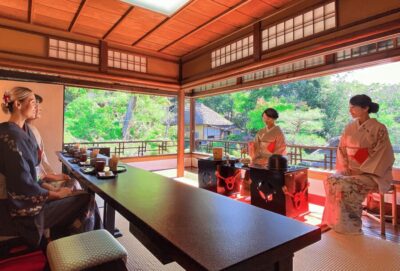
Tea Ceremony in a Traditional Tea House in Kiyomizu
Read our review →
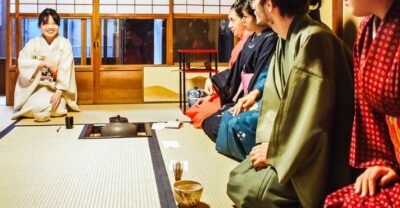
World Heritage Kyoto & Nara Uji Authentic Matcha Experience
Read our review →
Browse the lists this tour appears in