
REVIEW · TEA CEREMONY EXPERIENCES
Tokyo: Matcha and Kimono Experience
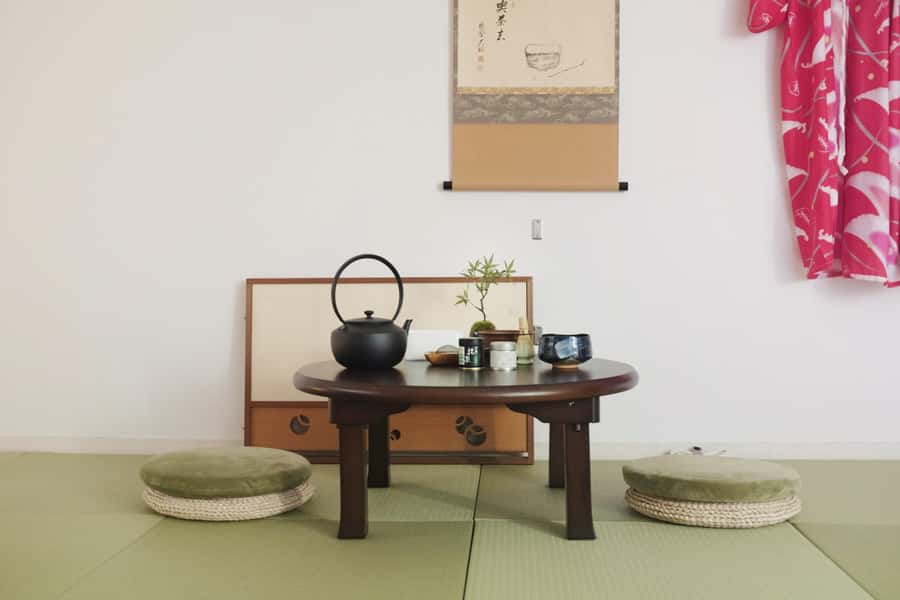
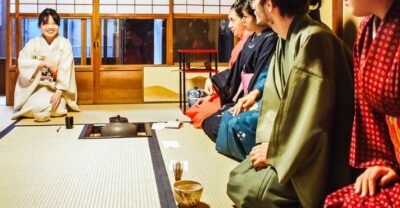
The best part of this Tokyo experience is that you do not simply drink matcha and pose in a kimono. You learn how the tea is chosen, how the tools are used, and why each movement matters. Tea master Komei leads the session with a warm, conversational style, mixing a structured presentation with hands-on practice.
I like the chance to sample matcha from a collection of more than 100 Japanese teas, and I like that you make your own bowl rather than watching a ceremony from the sidelines. The easy-wear kimono also makes this far less fussy than a full dressing appointment.
The main consideration is pacing. The kimono portion can take a fair share of the session, so anyone mainly interested in whisking and tasting matcha may wish for more time with the tea itself. Bring socks, arrive early, and treat the meeting time seriously.
In This Review
- Key points to know before booking
- A quiet cultural lesson near Yotsuya
- Choosing a kimono without a 30-minute dressing session
- First-flush matcha from a large Japanese collection
- Teaism and tea ceremony explained in plain language
- Making your own bowl with traditional tools
- What the $57 price really covers
- Who will enjoy this experience most
- Timing, manners, and small practical details
- Should you book the Matcha and Kimono Experience?
- FAQ
- Where does the Matcha and Kimono Experience meet?
- How far is the meeting point from Yotsuya Station?
- Is the experience near Shinjuku?
- What does the $57 price include?
- Do I need to bring anything?
- Can I wear the kimono throughout the activity?
- Is this a full traditional kimono dressing service?
- What will I learn about matcha?
- What languages are offered?
- Can young children attend?
- What happens if I arrive late?
- Can I cancel for a refund?
Key points to know before booking
- First-flush matcha tasting: Compare carefully selected Japanese matcha with your eyes, nose, and tongue.
- Four cultural lessons in one: Learn about tea ceremony, teaism, matcha, and kimono.
- Easy-wear kimono: Choose traditional clothing that can be put on much faster than a standard kimono.
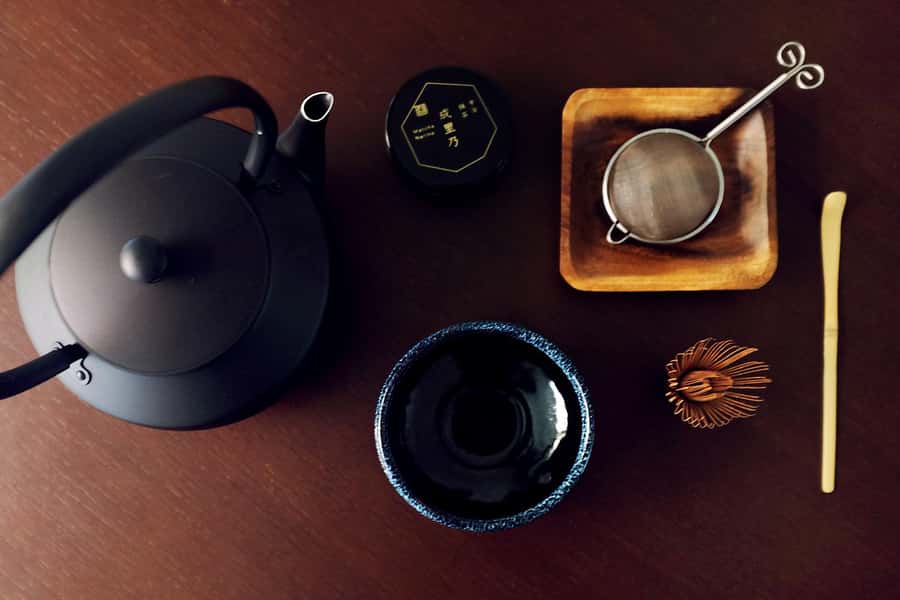
- Hands-on preparation: Practice four basic points for making a good bowl of matcha at home.
- Small-group feel: The format can be personal, with one reported session including only five people.
A quiet cultural lesson near Yotsuya
This experience takes place near Yotsuya, a short walk from Yotsuya Station and within easy reach of Shinjuku. The meeting point is in front of the LUUP scooter stand beside the ACN Yotsuya Building, where you look for a workshop sign.
The location matters because it keeps this activity simple to fit into a Tokyo day. You do not need to make a long journey across the city for a lesson in Japanese tea culture. From the station, allow about six minutes on foot, and keep the map open so you do not confuse the nearby Shinjuku area with Shinjuku Station itself.
The class returns to the same meeting point. No transport between sites is involved, which makes the experience easy to pair with other plans in central Tokyo.
The format is part cultural class, part tasting, and part practical workshop. You learn the ideas behind tea ceremony before trying the tools yourself. That order helps you understand the action instead of simply copying a series of gestures.
More Kimono & Culture Experiences in Tokyo
- Tokyo: Samurai Ninja Museum Guided tour and Experience
★ 4.6 · 1,010 reviews - Tokyo: Samurai Sword & Archery Class from Samurai Descendant
★ 5.0 · 603 reviews - Best Samurai Experience in Tokyo
★ 5.0 · 458 reviews
Choosing a kimono without a 30-minute dressing session
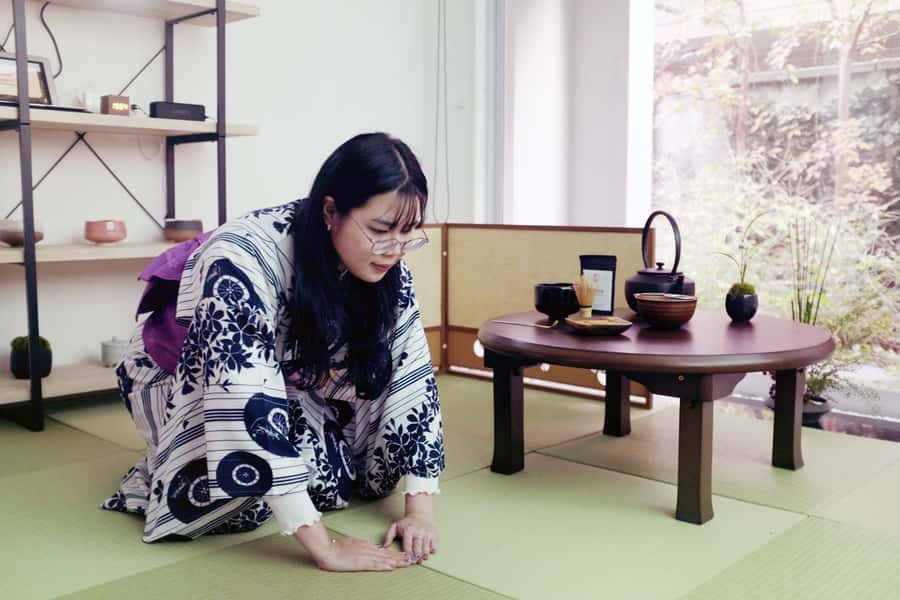
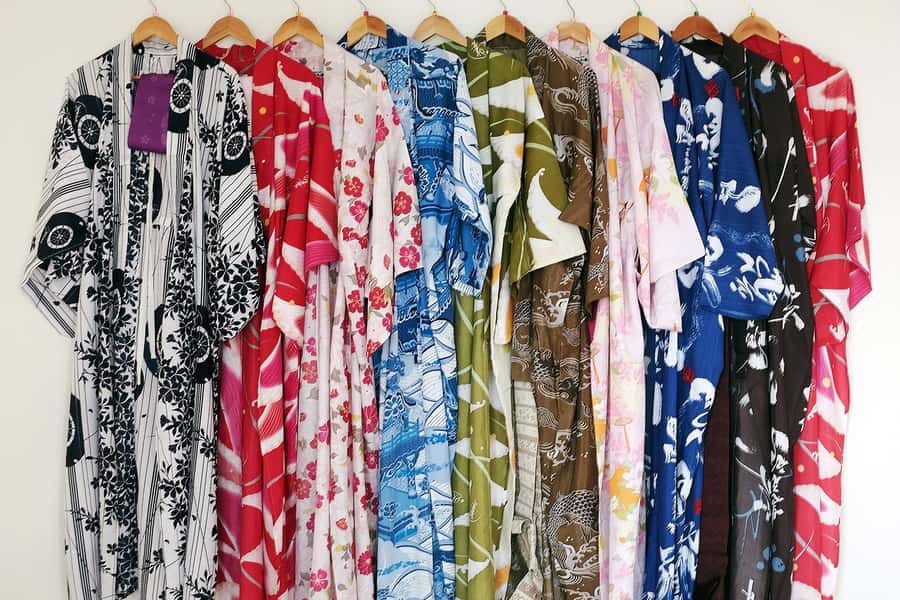
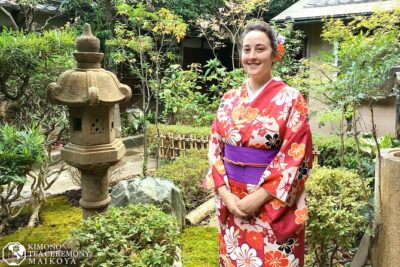
Before the main lesson, you choose a kimono to wear during the activity. These are designed to be easy to put on, unlike a standard kimono appointment, which can take around 30 minutes and often involves several layers and careful adjustments.
That shortcut is useful for a short cultural experience. You get the visual and tactile pleasure of wearing Japanese traditional clothing without giving up most of your afternoon to dressing. It also makes the activity more approachable if this is your first time wearing a kimono.
The clothing adds something real to the lesson. You are not only hearing about etiquette and tradition from a chair. You are learning how the garment is worn and getting a better sense of the care involved in Japanese presentation.
There is also a practical reason to bring socks. The activity uses traditional flooring, and bare feet are not allowed. If you forget, you are asked to buy socks at the workshop, so this is an easy detail to handle before you leave your hotel.
The kimono segment is one of the most popular parts of the experience, especially if you want photographs. Komei has taken group pictures during sessions, but photography should be treated as a pleasant extra rather than the central purpose of the class.
First-flush matcha from a large Japanese collection
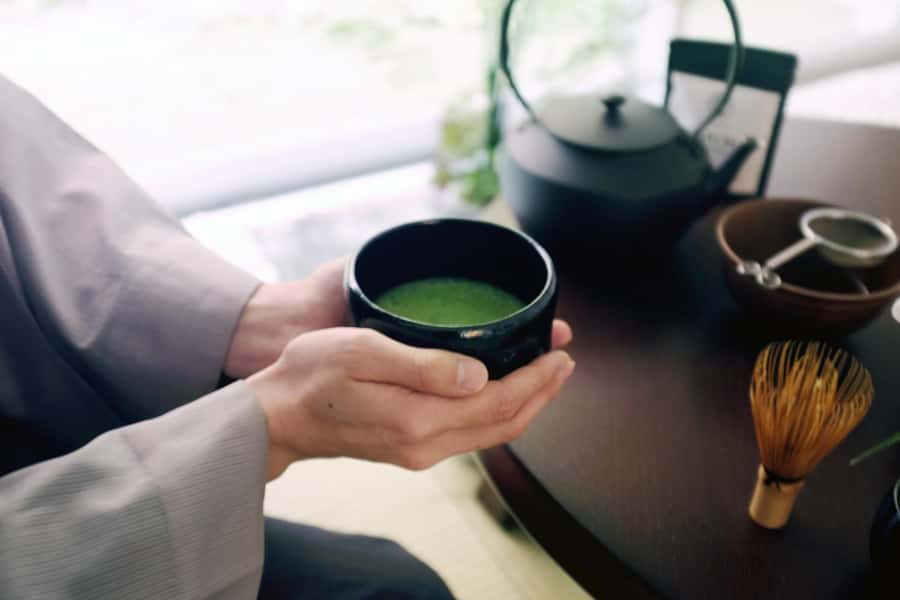
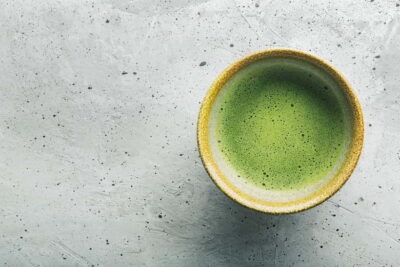
The tasting begins with the tea itself. The workshop has a collection of more than 100 matcha varieties from around Japan, including a selected first-flush matcha described as its highest-quality offering.
First-flush refers to an early harvest. In practical terms, you are being offered a tea selected for freshness and quality, not just a generic green powder served for color. The session encourages you to compare matcha with your eyes, nose, and tongue, which is a good way to slow down and notice how teas differ.
You will also learn to compare authentic matcha with imitation or lower-quality products. The distinction matters because matcha sold outside Japan can differ considerably from Japanese matcha in taste, texture, and production. The lesson does not treat all green powders as interchangeable.
This is especially useful if you already buy matcha at home. You can pay attention to color, aroma, bitterness, sweetness, and mouthfeel rather than relying only on packaging. The goal is not to turn you into a tea buyer in one afternoon, but to give you a better set of questions when you shop.
The experience includes a welcome drink, traditional Japanese sweets, and the selected matcha. The sweets are a small but important part of the tasting because Japanese tea service often considers the balance between bitter tea and something sweet.
Teaism and tea ceremony explained in plain language
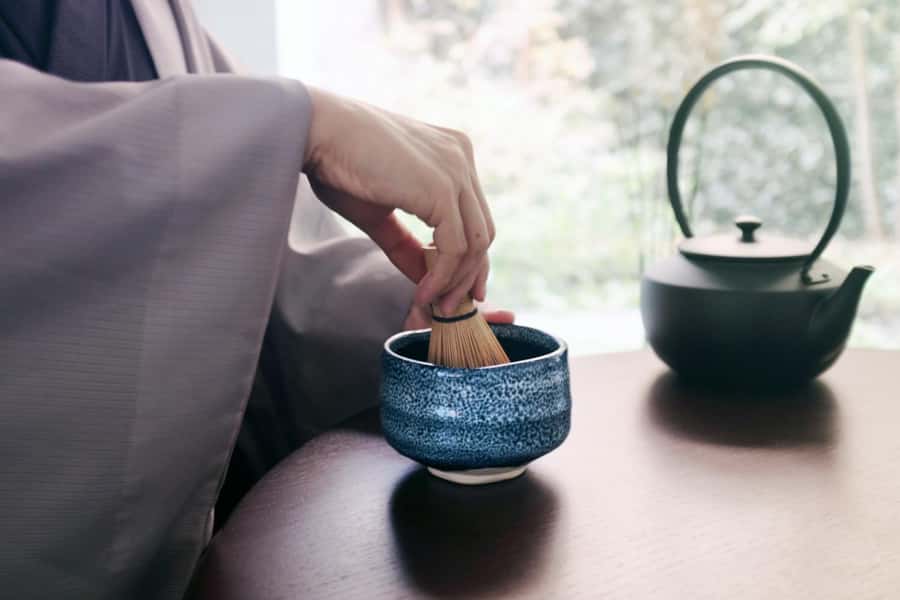
A strong feature of the session is the explanation of teaism, the philosophy connected with tea, and the customs of tea ceremony. These ideas can seem abstract if you only watch a formal ceremony, but Komei presents them as part of a broader lesson about attention, respect, tools, movement, and hospitality.
You also compare different kinds of tea, including green, black, and Chinese teas. That wider view helps place matcha in context. Matcha is not simply a fashionable drink or a green-colored latte ingredient. It belongs to a long tradition with its own tools, methods, and manners.
The class uses a presentation and supporting materials, which gives the history and explanations a clear structure. Several parts of the session focus on the development of tea and kimono in Japan, so you come away with more than a recipe.
I particularly like this balance between culture and practice. A purely academic talk can feel dry, while a quick demonstration can leave you unsure what you just saw. Here, the lecture sets up the hands-on portion, and the hands-on portion gives the ideas a purpose.
The tone is casual rather than stiff. Komei is described as funny, friendly, and easy to talk with, and that matters in a group class. You can ask questions without feeling that you are interrupting a solemn performance.
More Tea Ceremony Experiences in Tokyo
- Matcha Making Class in Tokyo with Authentic Japanese Sweets Set
★ 5.0 · 744 reviews - Tokyo: Traditional Tea Ceremony with a Tea Master
★ 5.0 · 528 reviews - Tokyo: Matcha Making Experience with Mochi Sweets in Asakusa
★ 4.9 · 388 reviews - Tokyo: Asakusa Kimono Dressing and Matcha Experience
★ 4.9 · 173 reviews
Making your own bowl with traditional tools
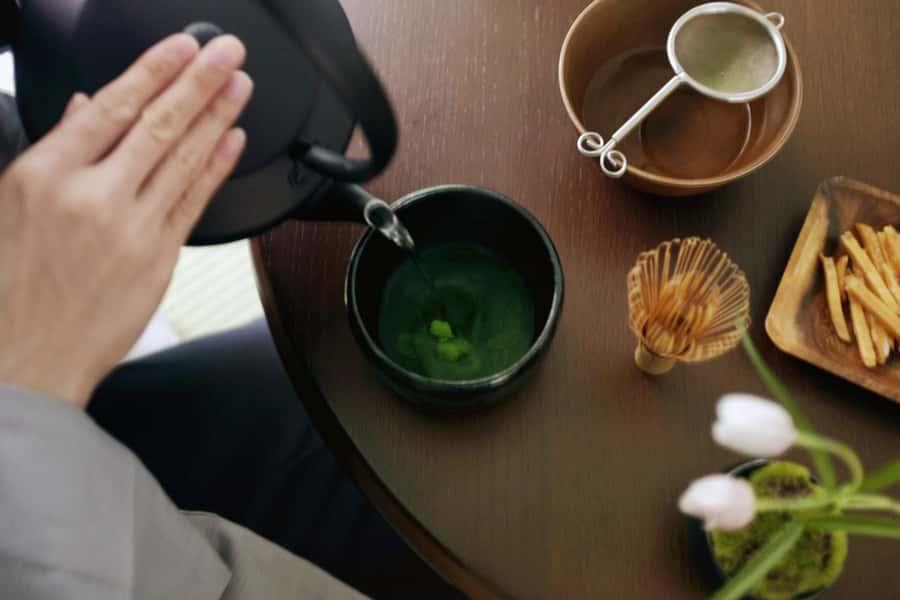
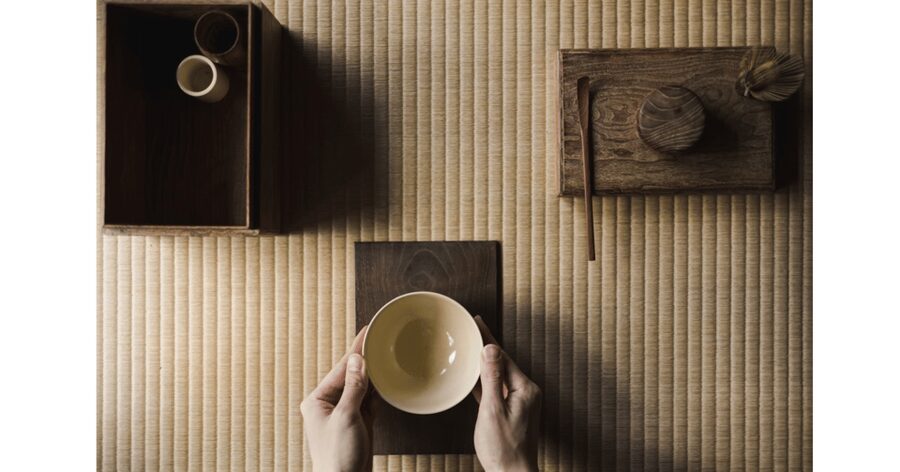
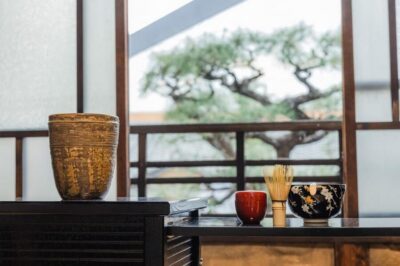
After the lecture, you use tea ceremony tools to prepare a bowl of matcha. The workshop covers four key points for making a beautiful bowl at home, then gives you a chance to put those points into practice.
You learn the basic handling of the tools and the proper manner for drinking matcha. The emphasis is on doing the work yourself, not simply receiving a prepared cup. That is the part I consider most useful for a first visit to Japan, since the skills can be repeated in your own kitchen later.
The lesson also makes clear that preparing matcha well takes more care than stirring powder into hot water. The tools, the whisking motion, the amount of tea, and the presentation all affect the result. You do not need to master every detail in one session, but you get a practical starting point.
A few people may find the balance between kimono time and matcha time slightly uneven. If your main goal is tea preparation, you may wish the workshop spent less time on clothing and more time comparing teas or repeating the whisking practice. Still, the combination is what makes this activity different from a standard tea tasting.
You should also understand the style of the experience. It includes tea ceremony instruction and practice, but it is designed as an accessible lesson for visitors, not as years of formal tea-school training compressed into a single class. That is a strength for beginners, though experienced students may want a more advanced session.
What the $57 price really covers
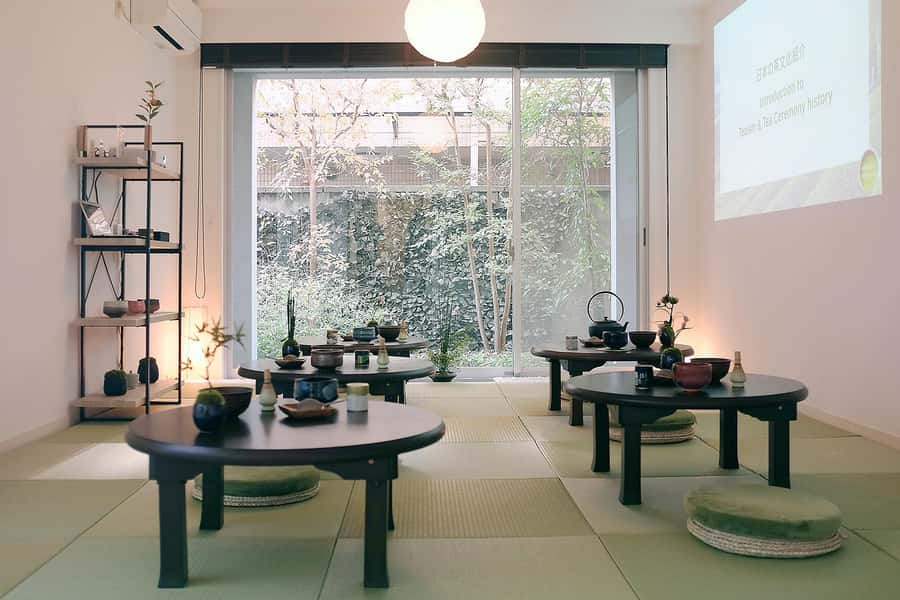
At $57 per person, this is not the cheapest way to taste matcha in Tokyo. A simple drink costs far less. But the price includes several separate elements: the kimono, the lecture, tea ceremony tools, first-flush matcha, sweets, a welcome drink, and instruction from a dedicated tea teacher.
The value improves if you want more than a photograph. You are paying for context, equipment, and guided practice as well as refreshments. Booking separate kimono rental and tea instruction could easily make the day more complicated, even if the exact cost depends on the provider.
I would consider the price fair for someone who wants a single, compact introduction to several parts of Japanese culture. It is less compelling if you have already taken a detailed tea ceremony course or mainly want an elaborate kimono photo shoot.
The strong rating of 4.7 from 219 reviews fits the experience’s main strengths: clear teaching, a warm host, attractive kimonos, and a chance to make matcha yourself. Still, ratings do not remove the need to match the activity with your interests. The class is best for curious beginners, not for someone seeking a long, silent, highly formal ceremony.
Who will enjoy this experience most
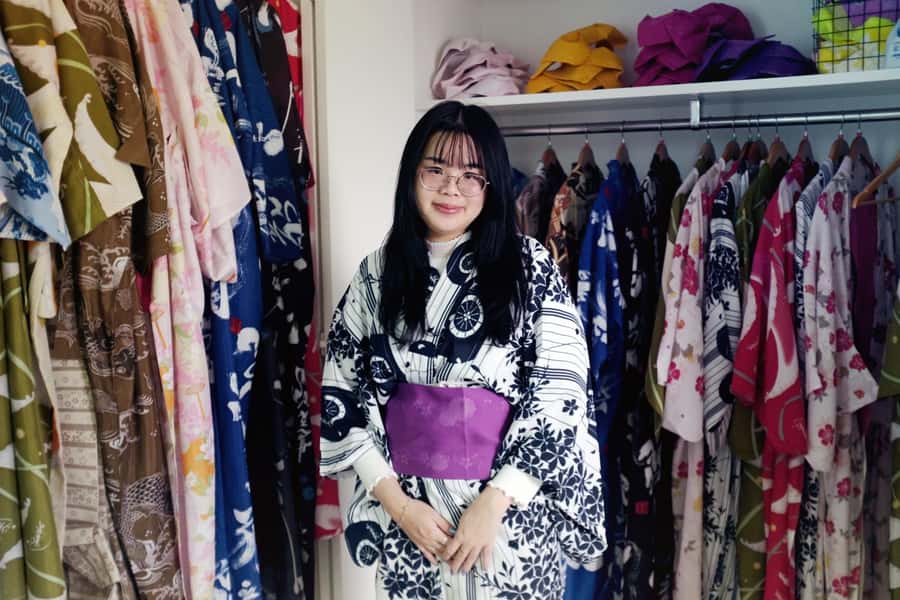
I would recommend this activity to first-time visitors who want a gentle introduction to Japanese customs. It offers enough explanation to make the tea and clothing meaningful, but it does not require prior knowledge.
It also suits matcha fans who want to compare real Japanese tea rather than simply order a sweetened drink. The collection of more than 100 matcha varieties gives the tasting an unusual range, even though the exact teas available on your date may vary.
Couples, families with older children, and small groups can all find something to enjoy here. Children under five are not allowed, so families should plan accordingly. The relaxed teaching style also helps if not everyone in your party is already interested in tea.
You may want to skip it if you dislike sitting on traditional flooring, have a strong fragrance with you, or prefer a fast activity with no lecture. Alcohol and drugs are not allowed, and loud noise is discouraged. Those rules protect the calm setting and the tea equipment.
Timing, manners, and small practical details
Punctuality is essential. Your booking is automatically canceled after 10 minutes of delay, with no refund in that situation. Tokyo station areas can be confusing, so I would aim to reach Yotsuya Station early, then allow time to find the ACN Yotsuya Building and the LUUP stand.
Wear something comfortable beneath the kimono. You need socks, and strong fragrances should be avoided because they can interfere with tasting delicate tea and may be unpleasant in a small room.
The activity is offered in English and Japanese. Komei’s teaching style is conversational, and the presentation gives the class a clear path from tea basics to ceremony customs and preparation.
The cancellation policy is fairly flexible if your plans change: you can cancel up to 24 hours in advance for a full refund. You can also reserve and pay later, which is useful when your Tokyo schedule is still shifting.
Should you book the Matcha and Kimono Experience?
Book it if you want a friendly, hands-on introduction to matcha, tea ceremony, teaism, and kimono in one central Tokyo session. The combination of first-flush tea, a large selection for comparison, easy kimono dressing, sweets, and practical preparation makes the $57 fee reasonable.
I would give it particular weight if you enjoy learning how things work. You will not just hold a cup for a photograph. You will learn how to judge matcha, use the tools, prepare a bowl, and follow basic drinking manners.
Think twice if your priority is a long formal ceremony or an advanced study of tea. The kimono portion may take more time than some matcha fans expect, and the class is aimed at beginners. For most visitors who want an authentic but approachable cultural activity, though, it offers a useful and enjoyable slice of Japan without demanding a full day.
FAQ
Where does the Matcha and Kimono Experience meet?
The guide meets you in front of the LUUP scooter stand next to the ACN Yotsuya Building, holding a workshop sign. A Google Maps location is provided with the booking information.
How far is the meeting point from Yotsuya Station?
The meeting point is about a six-minute walk from Yotsuya Station.
Is the experience near Shinjuku?
Yes. The activity takes place near Yotsuya, which is next to the Shinjuku area.
What does the $57 price include?
The price includes the matcha experience, an easy-wear kimono, a lecture on teaism and matcha, a matcha-making lesson, selected first-flush matcha, traditional Japanese sweets, a welcome drink, and rental of tea ceremony tools.
Do I need to bring anything?
Bring your own socks to protect the traditional flooring. If you forget, you are asked to buy socks at the workshop.
Can I wear the kimono throughout the activity?
Yes. The kimono is provided for you to wear throughout the experience.
Is this a full traditional kimono dressing service?
No. The kimono is specially designed to be easy and quick to wear. A normal kimono can take about 30 minutes to put on, while this format is intended to avoid that lengthy dressing process.
What will I learn about matcha?
You will compare Japanese and overseas matcha, learn to identify differences using your eyes, nose, and tongue, and practice four key points for preparing matcha at home.
What languages are offered?
The experience is offered in English and Japanese.
Can young children attend?
Children under five are not permitted to join the experience.
What happens if I arrive late?
Your booking is automatically canceled after 10 minutes of delay from the appointment time, and no refund is provided in that case.
Can I cancel for a refund?
You can cancel up to 24 hours in advance for a full refund. You can also reserve and pay later to keep your plans flexible.
Just added around Tokyo
- Tokyo: Customizable Private Guided Walking Tour★ 4.5 · 129 reviews
- Private Harajuku Omotesando Architecture Tour★ 4.9 · 18 reviews
- Tokyo: Guided Helicopter Ride★ 4.9 · 24 reviews
- Tokyo: Guided Walking Tour of Tsukiji Market with Lunch★ 4.4 · 24 reviews
- Tokyo: Private Personalized Local Food Tour★ 4.5 · 101 reviews
- Tokyo GINZA: KONPARU Japanese Cabaret Show with Drink★ 4.8 · 38 reviews
- Tokyo: Guided Walking Tour of Tsukiji Market with Breakfast★ 4.4 · 134 reviews
- Tokyo: Gotokuji Cat Temple, Shinjuku Cat Cafe & 3D Cat Tour★ 4.9 · 38 reviews
Tea Ceremony Experiences, compared.
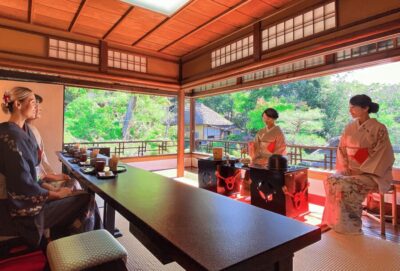
Tea Ceremony in a Traditional Tea House in Kiyomizu
Read our review →

World Heritage Kyoto & Nara Uji Authentic Matcha Experience
Read our review →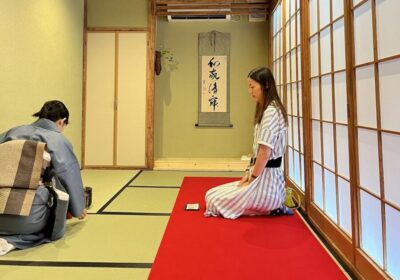
Browse the lists this tour appears in