
REVIEW · KIMONO & CULTURE EXPERIENCES
Tokyo: Samurai Sword & Archery Class from Samurai Descendant
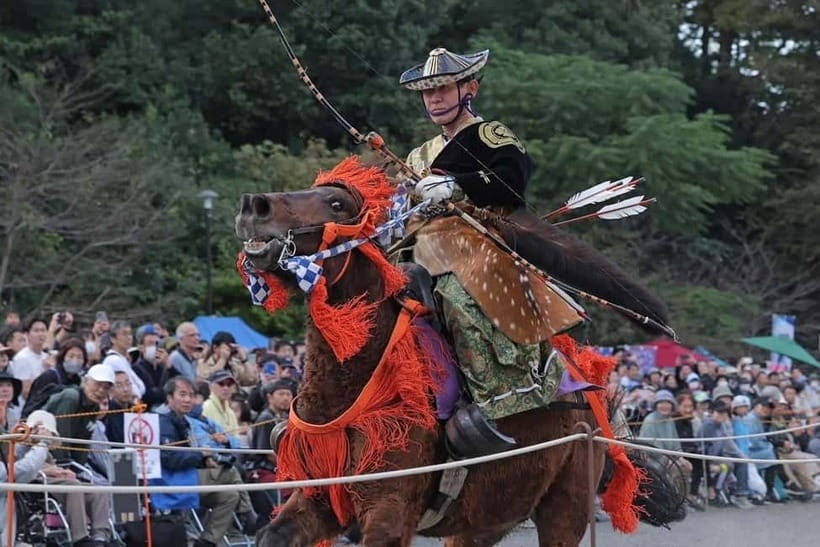
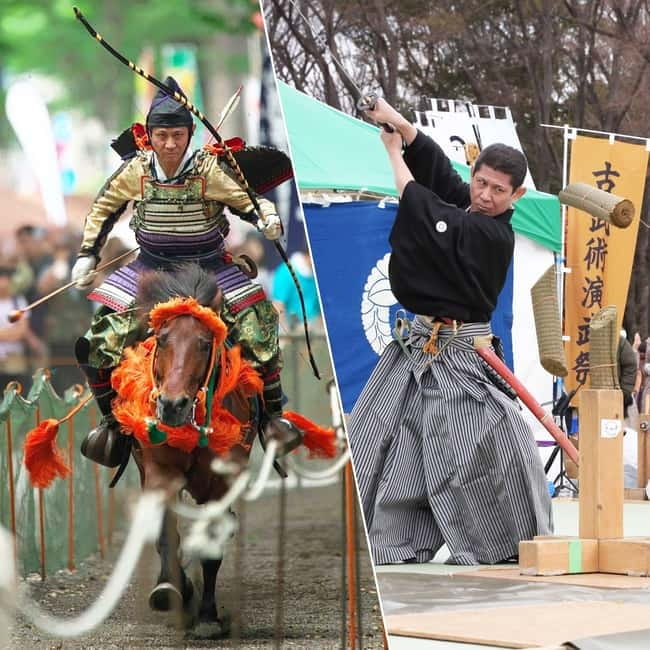
The unusual heart of this class is that you do not simply watch a samurai demonstration. You step into a real dojo, put on training clothes, and work through sword forms, sparring, and archery under Yoshioki Sumida, a teacher who is also a samurai descendant and a practitioner of both disciplines. The class is billed as the only place in Japan where you can study swordsmanship and traditional Japanese horseback archery together.
I like the balance of information and hands-on practice. You learn why the bow was central to samurai warfare 1,000 years ago, then try a Japanese long bow yourself. I also like the serious teaching style: Sumida-sensei corrects your stance, grip, timing, and blade line instead of letting you wave a sword around for a quick photo. The drawback is clear: at $193 per person, this is a costly three-hour activity, and the physical work may leave you sore the next day.
In This Review
- Key points to know before booking
- A real dojo near Machida, not a downtown photo stop
- Changing into training clothes and learning dojo basics
- Iai: handling a sword with control
- Gekken sparring and the timing of attack
- Target cutting while moving
- Trying the Japanese long bow
- What the teaching is really like
- Is $193 a fair price?
- Who should book this class?
- Should you book Toyama-ryu Bizen-kai?
- FAQ
- Where does the samurai sword and archery class take place?
- How far is the dojo from JR Machida Station?
- Which floor is the dojo on?
- How long does the class last?
- What activities are included?
- Who teaches the class?
- Is the class taught in English?
- Are training clothes provided?
- How many people can join?
- Can children participate?
Key points to know before booking
- You train instead of watching a staged show: The lesson includes iai, sparring, target work, and archery.
- The dojo is near Machida: Allow about 10 minutes on foot from JR Machida Station, then climb to the third floor.
- The class has real historical depth: Sumida-sensei explains the changing role of bows, matchlock guns, and swords in Japan.
- You get training clothes and a practice sword: Send each participant’s height and weight after booking.
- The session can be a workout: Swinging a sword and drawing a strong bow calls for balance, focus, and some muscle.
- Small groups matter: The maximum is 15 people, though a smaller group can give you more direct instruction.
A real dojo near Machida, not a downtown photo stop

Toyama-ryu Bizen-kai is in Machida, on the western side of the Tokyo area. The dojo is about a 10-minute walk from JR Machida Station, on the third floor above a sword shop. Look for the stairs at the back, between the shop and the vending machines.
That setting shapes the experience. You are not being led through a themed attraction in central Tokyo. You enter a working martial arts space, change clothes, and follow the basic manners of a dojo. The location does add travel time if you are staying around central Tokyo. One participant estimated roughly 90 minutes from Shimbashi, so check your route and leave extra time.
I would arrive early. The class is scheduled for three hours, but arriving about 30 minutes ahead may allow you to see the instructors practicing and speak with the teacher before the formal lesson begins. Punctuality matters here. This is a class with a set rhythm, not a flexible drop-in demonstration.
The activity is shared, with a maximum of 15 people. That is not the same as a private lesson. Still, the teaching appears to include plenty of correction, and smaller groups may give you more time with Sumida-sensei and his assistants. If you book with a partner or family member, you can expect to work alongside other participants unless your date happens to have very few bookings.
More Kimono & Culture Experiences in Tokyo
- Tokyo: Samurai Ninja Museum Guided tour and Experience
★ 4.6 · 1,010 reviews - Best Samurai Experience in Tokyo
★ 5.0 · 458 reviews - Ninja Experience (Family Friendly) at Samurai Ninja Museum TOKYO
★ 5.0 · 441 reviews
Changing into training clothes and learning dojo basics
On arrival, you receive a short introduction and change into the supplied practice uniform. You need to provide the height and weight of everyone in your group, so the correct clothing can be prepared.
The uniform is more than a costume. It helps you move freely and puts you in the right frame of mind for a lesson built around posture, respect, and control. Several parts of the class require you to move your whole body, so ordinary sightseeing clothes would be a poor choice.
The opening talk covers samurai weapons and the basic place of each one in Japanese warfare. The timeline is useful because it cuts through the movie version of the samurai. About 1,000 years ago, the bow was the main weapon. Around 450 years ago, the matchlock gun became more powerful. After civil war ended roughly 400 years ago, the sword took on a greater role.
You may also hold an antique matchlock gun. That is a small but memorable detail, since it connects the lesson to the period when firearms changed how battles were fought. The talk is not meant to be a long museum lecture. You move fairly quickly from context to practice, which suits anyone who wants to learn by doing.
Iai: handling a sword with control
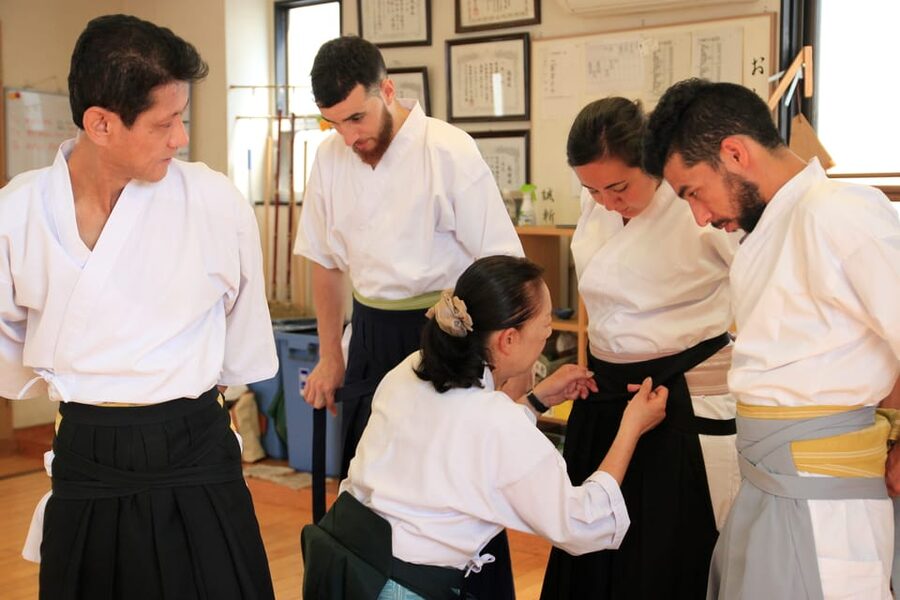
The iai lesson introduces the careful handling of a practice sword. You learn how to hold and swing it, along with the basic shape of the movements known as kata. These forms can look simple when performed by an expert. They are not simple when you try to coordinate your feet, hands, posture, and gaze.
The point is not speed. It is control and correct movement. Sumida-sensei demonstrates the proper technique, then watches as you repeat it. Expect corrections. That is one reason this class feels different from a quick sword photo session.
You also work on the blade line, checking whether the sword is traveling in the correct path. This detail matters. A sword that looks impressive but moves along the wrong line is poor technique, and the instructor does not let that slide. The teaching is firm but described as patient and encouraging, which is helpful for beginners who have never held a sword.
The sword used for the basic lesson is a practice sword or mock sword. The activity also includes a cutting portion described by participants as hands-on katana cutting. Follow the instructor’s safety directions closely and do not treat the weapon like a movie prop. The entire lesson depends on focus and disciplined movement.
Gekken sparring and the timing of attack
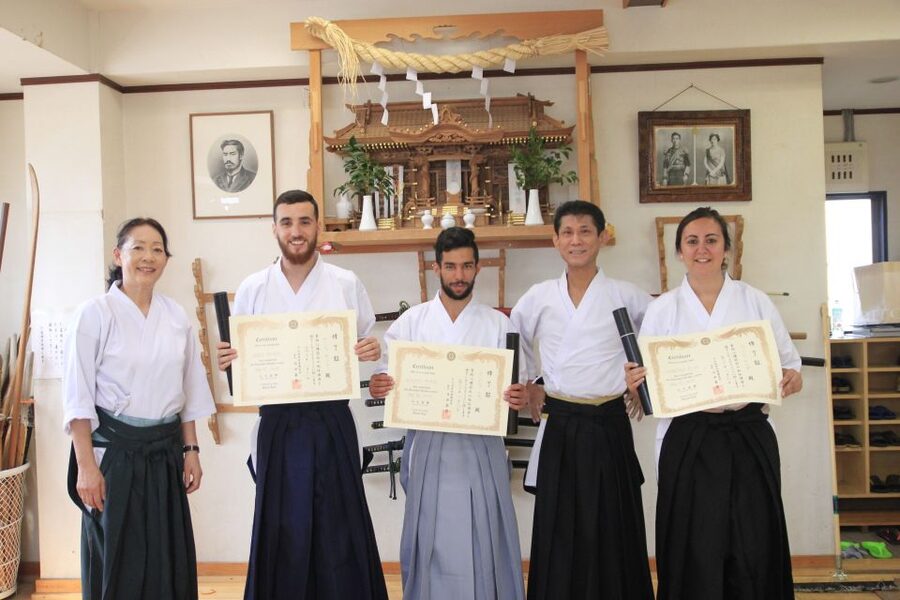
The gekken portion brings another kind of challenge. Instead of concentrating only on your own form, you learn the timing of attack and defense while sparring with a practice sword.
This is likely to be the most playful section, but it still requires attention. You must watch your partner, protect yourself, keep your balance, and respond at the right moment. The goal is not to overpower someone. It is to understand distance, timing, and controlled movement.
You do not need previous martial arts experience. The teachers work with beginners and demonstrate the movements before asking you to try them. Still, I would not call this a passive cultural activity. You may sweat, and your shoulders or arms may feel tired afterward. One participant specifically described feeling sore the next day.
The sparring adds value because it turns the history lesson into a physical idea. You begin to understand why footwork and timing matter. You also discover that swinging a sword is much harder when you must move with purpose rather than simply copy a dramatic pose.
Same city, a completely different kind of day:
- Mt Fuji and Hakone 1-Day Bus Tour Return by Bullet Train
★ 5.0 · 26,383 reviews - 1-Day Tokyo Bus Tour
★ 5.0 · 14,250 reviews - Tokyo: TOKYO SKYTREE® Admission ticket
★ 4.5 · 11,192 reviews - Tokyo: teamLab Planets TOKYO Digital Art Museum Entry Ticket
★ 4.6 · 9,779 reviews
Target cutting while moving
The cutting exercise is one of the class’s most demanding moments. You slash targets while moving, which requires much more than a strong swing. Your stance, direction, grip, blade line, and body movement must work together.
This is where many people discover the difference between samurai action scenes and actual technique. A movie makes sword work look fast and loose. Here, you are expected to follow a particular form and keep control from beginning to end.
The instructor’s close attention is useful. Beginners often focus only on the target, but the teacher watches the entire movement. You may be corrected on how you stand, where you place your hands, or how you finish the cut. That detail can feel demanding, yet it is what gives the exercise meaning.
Bring a camera if you want photos or video, but ask when it is safe to record. The dojo offers several picture opportunities, especially when you are wearing the uniform. A wide lens is useful during the bow-and-arrow section, where the long bow can extend well beyond a standard portrait frame.
Trying the Japanese long bow
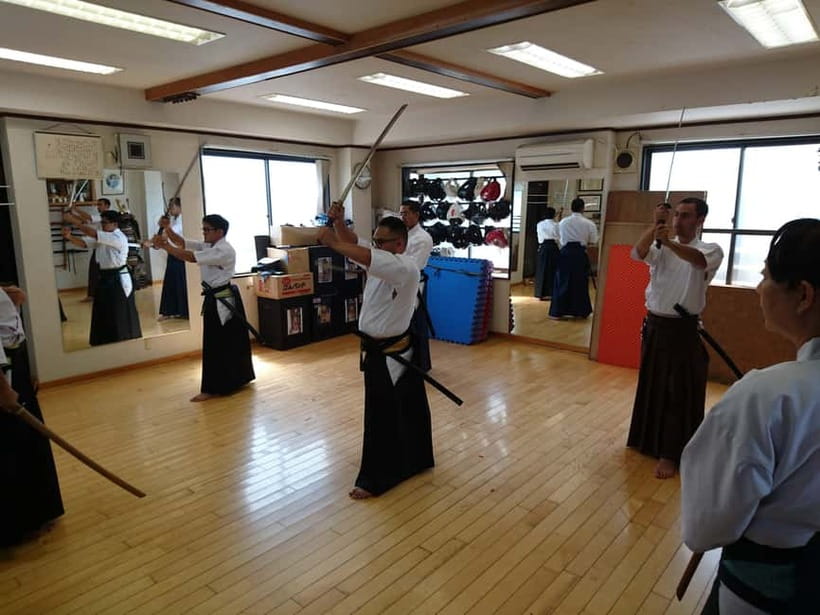
The archery section connects directly to one of the most interesting facts in the introduction: the bow was the samurai’s main weapon long before the sword became the familiar symbol of the warrior class.
You try a bow used in the Japanese horseback archery tradition. The bow is long and handled differently from the compact bows many people know from modern archery. You receive instruction on how to hold it and shoot arrows, but do not expect a full mounted archery performance from your own three-hour lesson. The activity gives you a practical introduction to the bow and its use.
This section rewards patience. Drawing and aiming are physical tasks, and the technique may feel unfamiliar. You need to listen closely and avoid rushing the shot. The teacher’s corrections help you understand that archery is based on repeatable form, not raw strength.
You also get to see traditional horseback archery clothing dating back about 1,000 years, along with a live demonstration of Toyama-ryu technique. The demonstration may include difficult movements that are far beyond what a beginner can safely copy. Watch carefully, but do not compare your first attempt with the instructor’s polished performance.
What the teaching is really like
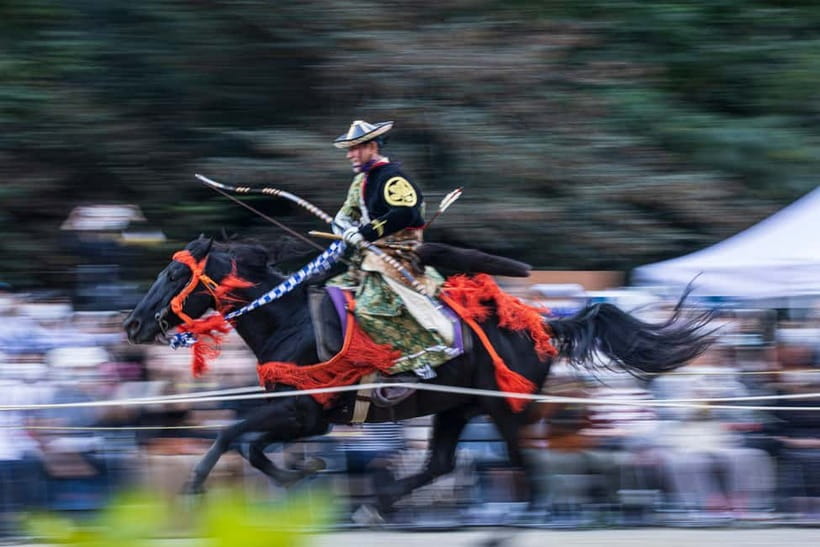
Sumida-sensei is the central figure in the class. He teaches in Japanese and English, and the English is described as basic but clear enough for instruction. He uses demonstrations, examples, repetition, and direct correction.
That teaching style suits you if you want substance. The class is not designed as entertainment for people who only want to pose with a sword. The instructor takes the craft seriously and expects you to pay attention. At the same time, the atmosphere is not cold. The teaching team is described as friendly, patient, funny, and respectful of different cultures and religions.
The assistant instructors also matter. Their presence can make it easier to follow along when the group is divided between different exercises. You may receive more individual guidance than the headline price suggests, especially on a quiet date.
English ability may vary by instructor, so do not expect a long academic lecture in polished English. The practical sections work well because sword and bow movements can be shown as well as explained. If you are unsure, ask for another demonstration before attempting a technique.
Left-handed participants should take note. The class is taught for right-handed sword use. One left-handed participant still had a good experience, but found the difference more noticeable during archery. If you are left-handed, tell the instructor at the start and be ready to adapt.
Is $193 a fair price?
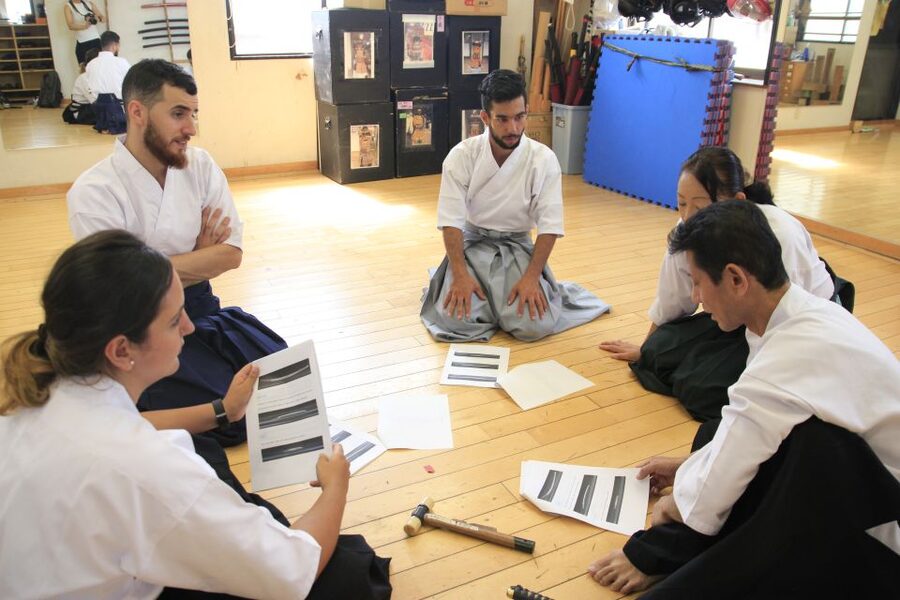
At $193 per person, this is not a budget activity. You can find cheaper cultural demonstrations in Tokyo, especially those built around watching a short performance and taking photos.
The value here comes from the amount of personal instruction and the range of activities. You are not paying only for a costume, a lecture, or a single sword swing. The three hours include history, sword construction and etiquette, iai forms, sparring, blade-line practice, target work, archery, and a demonstration. Training clothes, an instructor, a practice sword, and the samurai experience are included.
I would consider the price fair if you have a serious interest in martial arts, Japanese history, or hands-on cultural activities. It is also a strong choice if you want one substantial half-day experience instead of several brief attractions.
I would hesitate if you mainly want a polished show, a central Tokyo location, or a relaxed activity with no physical effort. The class is expensive, outside the main sightseeing core, and demanding enough to count as exercise. The high rating and repeated praise for the teachers suggest strong satisfaction, but the right fit matters more than the score.
Who should book this class?
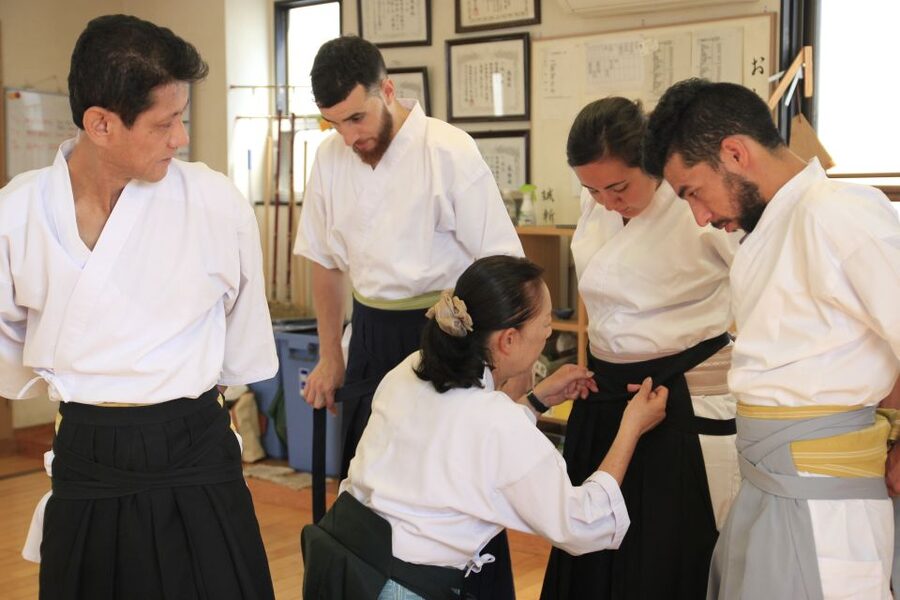
I would recommend it most strongly to:
- People fascinated by samurai culture and Japanese martial arts
- Beginners who want patient instruction rather than a performance
- Couples or small groups looking for a memorable shared activity
- Visitors who enjoy learning through movement
- Anyone willing to travel beyond central Tokyo for a specialist class
You do not need to be an expert. Several participants began with no sword experience and still found the class accessible. You do need enough strength to swing the sword and follow physical instructions safely.
This is not a good choice for pregnant people, people with back, heart, or mobility problems, wheelchair users, people with epilepsy, or people with visual impairments. The supplied information also lists children under 18 as unsuitable, although it says minors may participate with parental permission and supervision if they have enough muscle strength to swing the sword. Clarify this point with the organizer before booking.
Do not bring alcohol or drugs into the activity. Bring water or another drink, since the class can be tiring, and bring a camera if you want to record selected moments.
Should you book Toyama-ryu Bizen-kai?
Book it if you want to learn, not just dress up. The strongest feature is the mix of serious instruction and direct practice. You handle a sword, spar with a practice weapon, work on moving cuts, and try a traditional Japanese bow while learning how weapons shaped samurai life.
I especially like the chance to see how much discipline sits behind a simple-looking movement. Sumida-sensei’s pride in the tradition, clear demonstrations, and careful corrections give the class purpose. The location and price are the main costs, but for a dedicated three-hour lesson in a real dojo, they may be worth it.
Skip it if you need a central Tokyo activity, have physical restrictions, or prefer a show with no participation. For everyone else, this is one of the more distinctive ways to spend half a day near Tokyo, provided you arrive on time, listen closely, and accept that your samurai training may leave your muscles complaining tomorrow.
FAQ
Where does the samurai sword and archery class take place?
The class takes place at Toyama-ryu Bizen-kai, also written as 戸山流備前会 BIZENKAI, near JR Machida Station in Honshu, Japan.
How far is the dojo from JR Machida Station?
The dojo is about a 10-minute walk from JR Machida Station.
Which floor is the dojo on?
The dojo is on the third floor. Use the stairs at the back, between the sword shop and the vending machines on the first floor.
How long does the class last?
The class lasts three hours. Starting times vary, so check availability when booking.
What activities are included?
You receive a lecture on Japanese swords and samurai weapons, learn iai kata, practice sword handling, spar with a practice sword, work on blade line and target cutting, and try Japanese-style archery.
Who teaches the class?
Yoshioki Sumida teaches the class. He is a samurai descendant and a master of swordsmanship and traditional Japanese horseback archery. Assistants may also help teach the session.
Is the class taught in English?
Yes. The listed languages are Japanese and English.
Are training clothes provided?
Yes. A practice uniform is provided. You must send the height and weight of every participant so the organizer can prepare the clothing.
How many people can join?
The maximum group size is 15 people. The class is shared rather than automatically private.
Can children participate?
The activity information lists children under 18 as not suitable. It also says minors may participate with parental permission and supervision if they have enough muscle strength to swing the sword, so confirm the rule with the organizer before booking.
More Workshops in Tokyo
- Sushi Making Tokyo Roll and Authentic Japanese Sushi Class
★ 5.0 · 3,971 reviews - Tokyo: Roll and Authentic Sushi Making Class in Asakusa
★ 4.9 · 1,957 reviews - Tokyo Shinjuku Chopsticks Making Class
★ 5.0 · 1,763 reviews - Tokyo: Sushi Making Class in a Happi Coat near a Famous Spot
★ 4.9 · 1,377 reviews
Just added around Tokyo
- Tokyo: Customizable Private Guided Walking Tour★ 4.5 · 129 reviews
- Private Harajuku Omotesando Architecture Tour★ 4.9 · 18 reviews
- Tokyo: Guided Helicopter Ride★ 4.9 · 24 reviews
- Tokyo: Guided Walking Tour of Tsukiji Market with Lunch★ 4.4 · 24 reviews
- Tokyo: Private Personalized Local Food Tour★ 4.5 · 101 reviews
- Tokyo GINZA: KONPARU Japanese Cabaret Show with Drink★ 4.8 · 38 reviews
- Tokyo: Guided Walking Tour of Tsukiji Market with Breakfast★ 4.4 · 134 reviews
- Tokyo: Gotokuji Cat Temple, Shinjuku Cat Cafe & 3D Cat Tour★ 4.9 · 38 reviews
Kimono & Culture Experiences, compared.
Kyoto Geisha Walking Tour: Gion District & Hidden Gems
Read our review →
Gion Magical Night Walking Tour with Geisha Trivia
Read our review →
Gion Geisha District Walking Tour – Stories of Geisha
Read our review →
Best of Kyoto: Gion, Geisha, Pagodas & Cobblestones
Read our review →
Kyoto Gion Geisha District Walking Tour – The Stories of Geisha
Read our review →
Browse the lists this tour appears in