
REVIEW · TEA CEREMONY EXPERIENCES
Tea Ceremony Workshop in Tokyo by the Experienced Instrucor
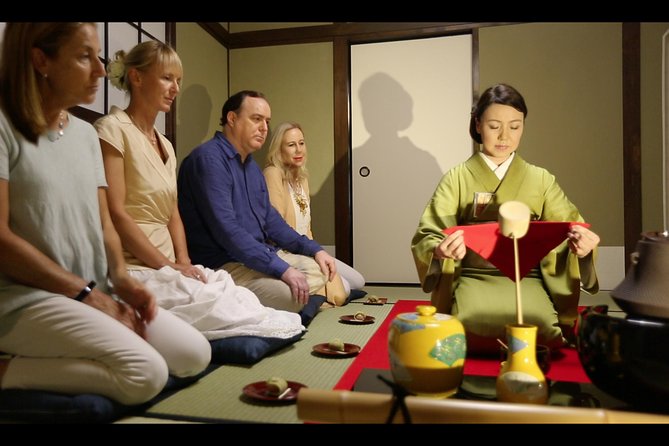
A formal tea ceremony is not just about drinking matcha. It is a carefully paced lesson in welcome, attention, and respect. Here, you begin with Sakura tea, watch a koicha ceremony, learn why tea bowls differ, and then prepare your own usucha in a 1940s Japanese tearoom.
I especially like the small-group format, which gives you room to ask questions and try the movements yourself. I also like the balance between watching and doing: you see an experienced instructor perform the ceremony, then practice serving tea as both host and guest. The main consideration is the steep staircase to the second-floor tearoom, and socks are required.
In This Review
- Key points to know before booking
- Why this Tokyo tea workshop feels different
- Starting with Sakura tea and a short film
- Entering the 1940s tearoom
- Watching the formal koicha ceremony
- Tasting strong matcha and Japanese sweets
- Making your own usucha matcha
- How much time and value you get for $38.47
- Location, meeting point, and small-group feel
- Who will enjoy this experience most
- Booking details and useful preparation
- Should you book this Tokyo tea ceremony?
- FAQ
- Where does the tea ceremony workshop take place?
- How long does the activity last?
- What kinds of tea will I taste?
- Will I make my own matcha?
- Are Japanese sweets included?
- Is the workshop taught in English?
- Do I have to sit in seiza?
- Are socks required?
- Is the workshop suitable for children?
- What happens if I need to cancel?
Key points to know before booking
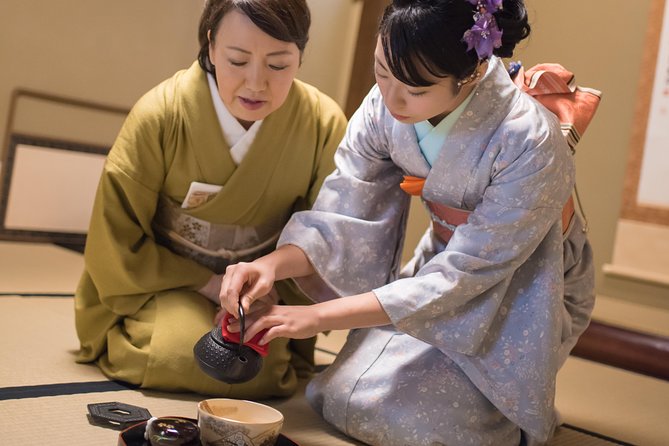
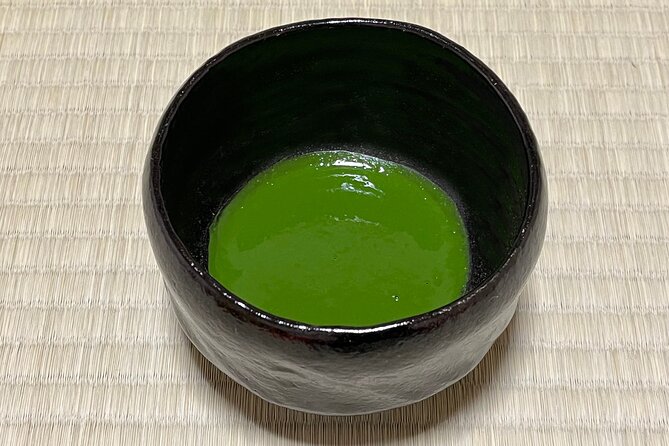
- Three forms of tea: Try Sakura tea, strong koicha, and foamy usucha matcha.
- A real tatami setting: The workshop takes place in an old Japanese-style house from the 1940s.
- Hands-on practice: You prepare your own bowl of thin matcha and learn how to serve it.
- English instruction: The class explains Chado, tea tools, customs, and history in English.
- Small group size: The current maximum is six people, making the lesson more personal.
- Practical dress rules: Bring socks, and avoid miniskirts or tight pants for comfort in the tea room.
Why this Tokyo tea workshop feels different
Many matcha activities focus on a quick demonstration and a sweet drink. This workshop gives you a broader look at Chado, the Japanese Way of Tea. You learn that the ceremony is not simply a set of pretty gestures. The host prepares the room, welcomes the guest, handles each utensil with care, and creates a quiet shared moment.
That slower pace is the point. The workshop includes a short introduction to the history and central ideas of Chado, followed by time in a traditional tearoom. You are not expected to know Japanese customs before arriving. The instructor explains what is happening and why.
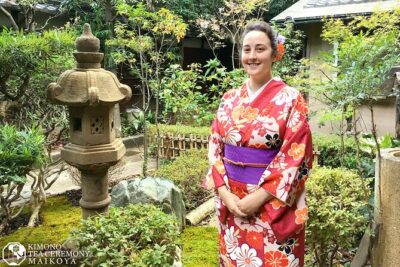
The school is licensed by the Urasenke Chado School in Kyoto, one of Japan’s best-known tea schools. That connection matters if you want more than a tourist photo with a bowl of green tea. You are learning within an established tea tradition, with an instructor who has many years of practice. One session was led by Ms. Haneishi, an experienced teacher who explains the ceremony in clear English and brings a warm, approachable manner to a formal subject.
The experience is still an introduction, not a full training course. One participant found it quite basic, which is fair. If you already study Chado or have attended several formal ceremonies, you may want a more advanced lesson. For most visitors, though, the introductory level is useful because the rules and gestures can seem mysterious at first.
More Tea Ceremony Experiences in Tokyo
- Matcha Making Class in Tokyo with Authentic Japanese Sweets Set
★ 5.0 · 744 reviews - Tokyo: Traditional Tea Ceremony with a Tea Master
★ 5.0 · 528 reviews - Tokyo: Matcha Making Experience with Mochi Sweets in Asakusa
★ 4.9 · 388 reviews
Starting with Sakura tea and a short film
The workshop opens with Sakura tea, a cherry-blossom tea served by the host as a welcome drink. It is a gentle way to begin and gives you an early taste of the care placed on presentation.
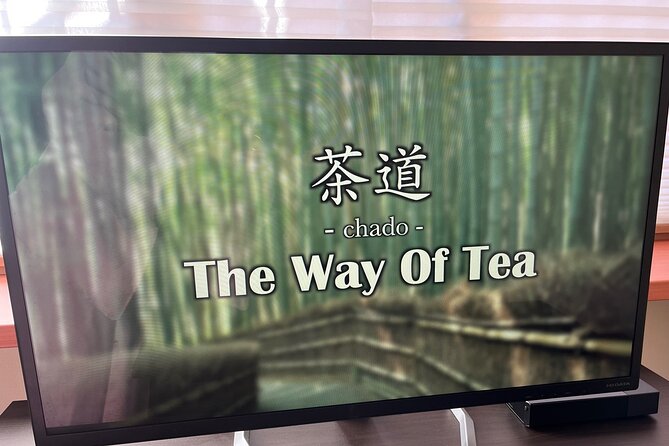
A 10-minute video follows. It covers the background of Chado and introduces its main ideas before you enter the tearoom. This part may feel less personal than the live lesson, but it gives you a useful framework. You will understand more of the ceremony once you know why the room, utensils, guests, and movements matter.
If you are booking this activity for children or teenagers, the video also helps set expectations. This is not a loud, fast-moving attraction. The workshop is designed for ages 10 and up, and the quiet format suits young people who can listen and take part respectfully. A family with teenagers found that the hands-on element kept the lesson engaging, and one young participant became interested enough to buy matcha afterward.
Entering the 1940s tearoom
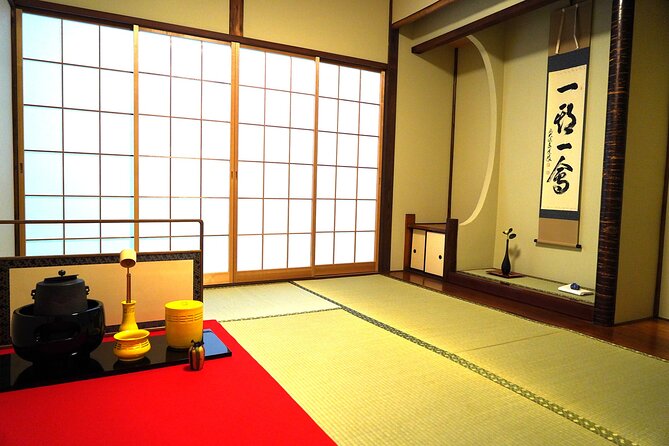
The tearoom is on the second floor of an old Japanese-style building built in the 1940s. The setting gives the workshop much of its character. Tatami mats, a traditional room, and the careful arrangement of tea equipment make the ceremony feel connected to Japanese domestic culture rather than staged in a modern classroom.
The building has one important drawback: the staircase is very steep. There is no machinery to assist with the climb, so you should think about this before booking if stairs are difficult for you. The old house also has a weight limit. The activity is currently capped at six people, though scheduling may sometimes be adjusted to balance the group safely.
You do not have to sit in seiza, the traditional kneeling position with your legs folded beneath you. If sitting on tatami is not possible, a chair can be provided. That is a helpful touch, since comfort lets you focus on the ceremony rather than on your knees.
Wear socks. Bare feet are not allowed in the tea room. Miniskirts and tight pants are discouraged because you will sit, move, and handle tea equipment in a traditional setting. Loose, comfortable clothing is the sensible choice.
Watching the formal koicha ceremony
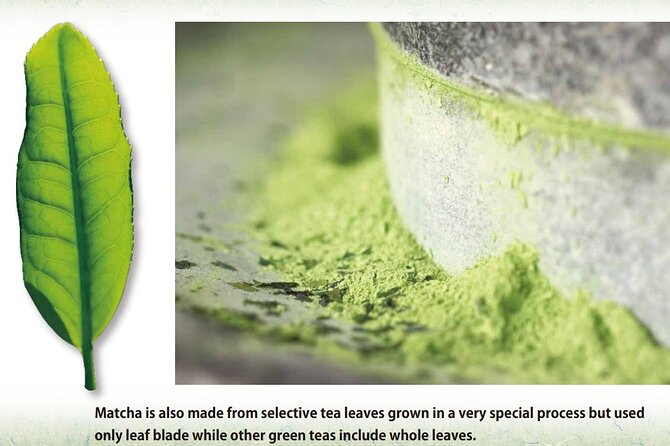
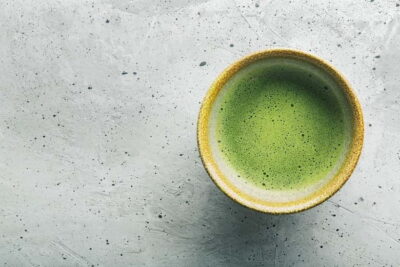
After the introduction, the instructor performs the formal preparation of koicha, the thick, strong matcha used in the ceremony. Koicha is considered the original style of tea associated with samurai-era tea culture. It is much denser and more intense than the matcha drink many people know from cafés.
This is the part where quiet observation pays off. The instructor follows precise steps while explaining what you are seeing. Notice the relationship between the host and guest, the way the bowl is handled, and the care given to each movement. The ceremony is not meant to be rushed.
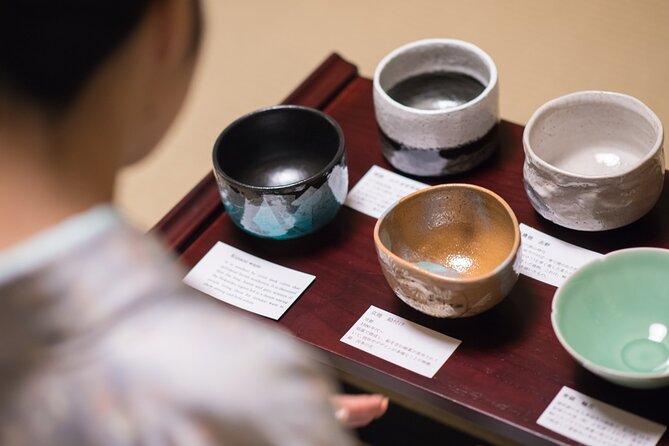
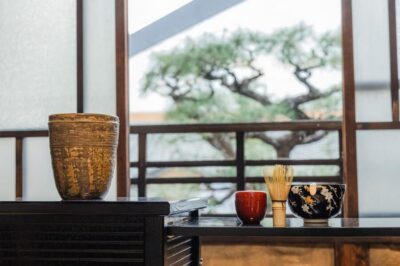
You also learn about tea bowls from different regions of Japan. Their shapes and materials affect how the tea looks, feels, and tastes. A bowl is not treated as a plain container. Its form, finish, and seasonal suitability all play a part in the experience.
The setting helps here. In a busy sightseeing schedule, it is easy to move from one attraction to the next without pausing. This workshop builds in a period of quiet. The instructor invites you to leave ordinary concerns behind for a moment and pay attention to the room, the tea, and the people sharing it.
Same city, a completely different kind of day:
- Mt Fuji and Hakone 1-Day Bus Tour Return by Bullet Train
★ 5.0 · 26,383 reviews - 1-Day Tokyo Bus Tour
★ 5.0 · 14,250 reviews - Tokyo: TOKYO SKYTREE® Admission ticket
★ 4.5 · 11,192 reviews - Tokyo: teamLab Planets TOKYO Digital Art Museum Entry Ticket
★ 4.6 · 9,779 reviews
Tasting strong matcha and Japanese sweets
Koicha has a powerful taste, and it may surprise you if your only experience with matcha has been a sweet latte. The workshop lets you sample more than one type of tea so you can compare flavors and decide what you prefer.
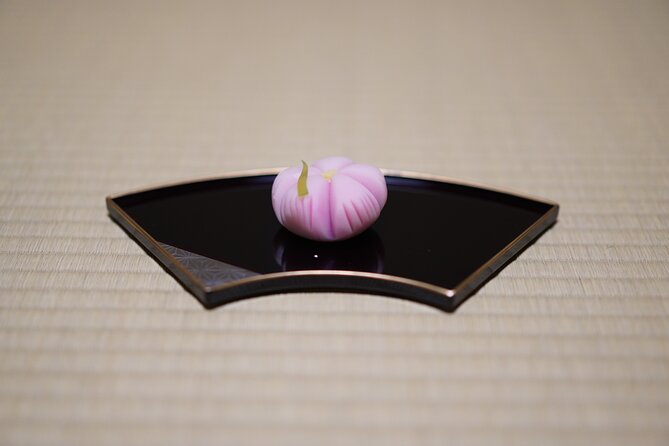
Traditional Japanese confectionery is served during the experience. You enjoy three kinds of local sweets in total, including a traditional confection and dry sweets. These are not just side snacks. In the tea tradition, sweets balance the bitterness of the tea and prepare your palate for the next bowl.
The sweets also add visual interest. They are presented with the same care as the tea, and they give you a chance to see how Japanese hospitality connects taste, season, color, and shape. If you are mainly seeking a large serving of matcha, this is not the right activity. The focus is on ceremony and learning, not quantity.
One useful expectation: go for the experience, not the matcha alone. The tea is part of a cultural lesson, and the stronger koicha may not suit every palate. The chance to taste both koicha and usucha makes the workshop more informative than a simple tea sampling, but you should not expect a café-style drink.
Making your own usucha matcha
The hands-on lesson is the most practical part of the workshop. After watching the formal performance, you learn to make usucha, the thin matcha usually recognized by its layer of foam.
The instructor provides the materials and demonstrates each step. You then whisk your own bowl and practice the actions used to serve it. This turns the ceremony from something you watch into something you understand through your hands.
You also practice the roles of both host and guest. That distinction is valuable. As host, you learn how preparation and presentation shape the experience. As guest, you learn how to receive the bowl and take part with the proper care. Even a short lesson can make a future tea ceremony easier to follow.
The activity remains beginner-friendly. You are not expected to memorize every rule or reproduce a master’s performance. The instructor guides you through the sequence, answers questions, and explains the meaning behind the actions. The English instruction is especially useful here, since small movements can be hard to understand from observation alone.
How much time and value you get for $38.47
At about $38.47 per person, this is a reasonably priced cultural activity in Tokyo, especially when you consider what is included. You receive an introduction to Chado, a live formal performance, several tea tastings, Japanese confectionery, and a hands-on matcha lesson.
The value is strongest if you want context. You are not merely shown how to whisk green tea. You learn about the history of the ceremony, the tearoom, the bowls, the difference between koicha and usucha, and the host-guest relationship. The small group also means your questions are more likely to be addressed than they would be in a large demonstration.
The activity lasts about 90 minutes, making it easy to fit around sightseeing in Asakusa and nearby parts of Tokyo. It is long enough to feel substantial without taking an entire day from your schedule. Multiple start times add flexibility, though your confirmation is subject to availability.
The price may feel less attractive if you want a full formal ceremony lasting several hours, a meal, or a souvenir. Those are not part of the experience. Think of it as a focused Chado introduction in a traditional setting, with direct participation.
Location, meeting point, and small-group feel
The meeting point is 2-chōme-3-12 Kotobuki, Taito City, Tokyo 111-0042. The activity ends at the same location. It is near public transportation and located in the wider Asakusa area, so it can work well alongside a day exploring eastern Tokyo.
Pay close attention to the address. The correct location is 2-3-12 Kotobuki. Some map results reportedly show 2-3-3, so check the exact address before setting out. Since this is an old residential-style building, allow enough time to find the right entrance rather than arriving at the last minute.
The group limit is six people. That is a strong advantage for a lesson involving utensils, tatami seating, and individual practice. Smaller groups also support the calm atmosphere. You may share the room with other couples or families, but the setting remains intimate rather than crowded.
The exact mix of people changes from session to session. That can be part of the charm. You might find yourself making tea alongside visitors from several countries, all learning the same quiet sequence together.
Who will enjoy this experience most
I would recommend this workshop if you want a cultural activity that asks you to slow down. It suits first-time visitors to Japan who want an understandable introduction to a tradition that can otherwise seem formal or difficult to approach.
It is also a good choice for couples. The calm setting and shared preparation create a gentle change of pace from Tokyo’s packed streets. Families with children aged 10 and older can enjoy it too, especially if everyone is willing to listen and take part.
The workshop fits people who like practical learning. You will not just watch an expert. You will handle the tools, whisk tea, taste different preparations, and learn how to act as host and guest.
You may want to choose another activity if steep stairs are a serious issue, if you cannot sit on tatami even with a chair, or if you dislike strong, bitter tea. The experience is also not ideal for anyone looking for a flashy photo opportunity. Its appeal comes from concentration, quiet, and detail.
Booking details and useful preparation
Confirmation is sent within 48 hours, subject to availability. You can cancel for a full refund up to 24 hours before the start time. Changes or cancellations made less than 24 hours before the activity are not accepted for a refund, so check your schedule carefully.
Bring socks and wear comfortable clothing that allows you to sit easily. Avoid bare feet, miniskirts, and tight pants. You do not need to master Japanese etiquette in advance, and you will not be required to sit in seiza.
Most people can participate, but the steep stairs deserve serious attention. If mobility, seating, or the building’s weight capacity raises concerns, contact the provider before booking. The activity is intended for ages 10 and above.
Should you book this Tokyo tea ceremony?
Book it if you want a well-explained first look at Chado, especially one that combines a formal demonstration with hands-on practice. The licensed school setting, English-speaking instruction, traditional tearoom, Japanese sweets, and small group make the $38.47 price fair.
I would be realistic about what you are buying. This is an introductory workshop, not a complete master class or a long ceremonial event. The tea can be strong, the stairs are steep, and the old building has practical limits.
For most visitors, those tradeoffs are reasonable. You leave with a better grasp of why Japanese tea ceremony moves so slowly and carefully, plus the memory of making a bowl yourself. That is a useful and unusually personal way to spend 90 minutes near Asakusa.
FAQ
Where does the tea ceremony workshop take place?
It takes place at 2-chōme-3-12 Kotobuki, Taito City, Tokyo 111-0042, Japan, in the Asakusa area.
How long does the activity last?
The workshop takes about 1 hour and 30 minutes.
What kinds of tea will I taste?
You receive Sakura tea as a welcome drink, taste koicha, the strong form of matcha, and prepare and drink usucha, the thinner foamy matcha.
Will I make my own matcha?
Yes. The instructor gives you a hands-on lesson in preparing a bowl of usucha and lets you practice serving tea.
Are Japanese sweets included?
Yes. You enjoy three kinds of local Japanese confectionery, including dry sweets served before usucha.
Is the workshop taught in English?
The instructor provides explanations and demonstrations in English. The instructor identified in the experience details, Ms. Haneishi, has been described as fluent in English.
Do I have to sit in seiza?
No. You do not have to sit in seiza. A chair can be provided if sitting on the tatami is not possible.
Are socks required?
Yes. Socks are required in the tea room, and bare feet are not allowed.
Is the workshop suitable for children?
It is designed for participants aged 10 and above.
What happens if I need to cancel?
You can cancel at least 24 hours before the start time for a full refund. Cancellations or changes made less than 24 hours before the start time are not accepted for a refund.
More Workshops in Tokyo
- Sushi Making Tokyo Roll and Authentic Japanese Sushi Class
★ 5.0 · 3,971 reviews - Tokyo: Roll and Authentic Sushi Making Class in Asakusa
★ 4.9 · 1,957 reviews - Tokyo Shinjuku Chopsticks Making Class
★ 5.0 · 1,763 reviews - Tokyo: Sushi Making Class in a Happi Coat near a Famous Spot
★ 4.9 · 1,377 reviews
Just added around Tokyo
- Private Memorable Tokyo Tour with English Speaking Driver★ 5.0 · 30 reviews
- Tokyo Photography Masterclass – Private Photography Lesson★ 5.0 · 25 reviews
- Private Tokyo Custom Full-Day Tour by Chartered Vehicle★ 5.0 · 16 reviews
- Private Sightseeing to Mt Fuji and Hakone with English Driver★ 5.0 · 51 reviews
- Private Mt. Fuji Day Trip from Tokyo with English-Speaking Driver★ 5.0 · 33 reviews
- 4 Day Tour – Mount. Fuji, Tokyo, Hakone, Kamakura and Yokohama★ 5.0 · 19 reviews
- Private Unforgettable Mt Fuji Tour with English Speaking Driver★ 5.0 · 142 reviews
- Private Tokyo Food Tour – A Journey Through Time Through Food★ 5.0 · 36 reviews
Tea Ceremony Experiences, compared.
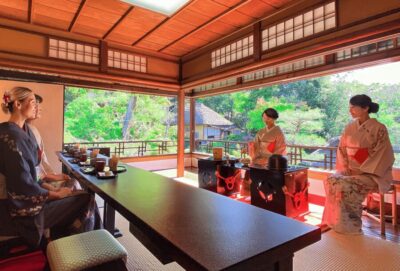
Tea Ceremony in a Traditional Tea House in Kiyomizu
Read our review →


World Heritage Kyoto & Nara Uji Authentic Matcha Experience
Read our review →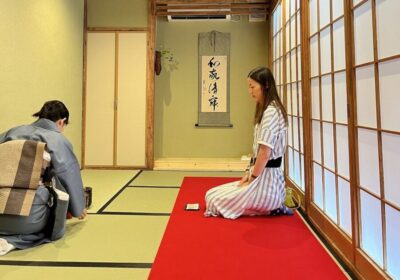
Browse the lists this tour appears in