
REVIEW · TEA CEREMONY EXPERIENCES
Tokyo: Traditional Tea Ceremony with a Tea Master
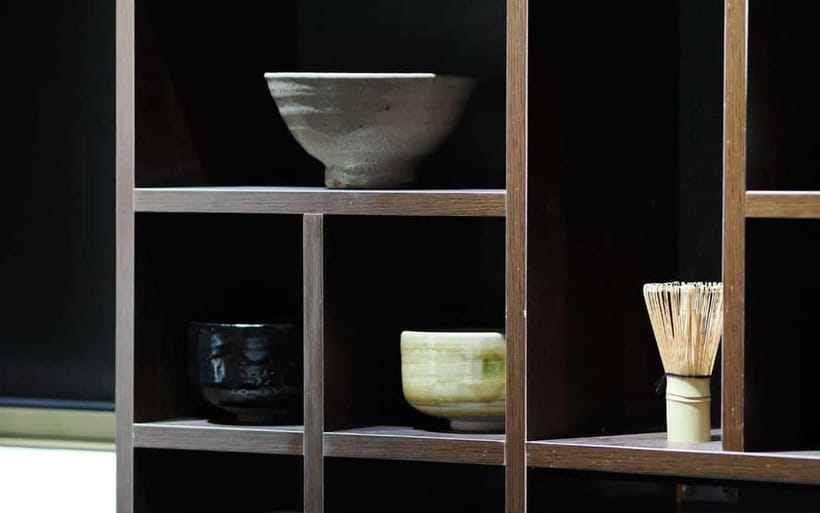
Japanese tea culture can look formal from the outside, but this one-hour session makes it friendly and hands-on. At Ocharu, you do not simply sit still while someone else prepares a bowl. You taste several very different teas, learn why temperature matters, and whisk your own matcha with traditional tools.
I like the four-tea tasting, especially the chance to compare floral Wakocha, intensely refined Gyokuro, grassy matcha, and nutty Genmaicha in one sitting. I also like the warm, conversational teaching style reported from guides including Shinichi-san and Ekiko. The main drawback is time: at 60 minutes, the ceremony gives you a clear introduction rather than a long, formal study of tea tradition.
The setting across from Tokyo University makes this easy to add to a day around Nezu, Ueno, or the university area. It is a calm break from Tokyo’s busy streets, though first-time visitors should look carefully for the green OCHARU logo, which sits higher than expected on the building.
In This Review
- Key points to know before booking
- What happens during the 60-minute tea session
- Starting with Shizuoka Wakocha and a tea cake
- Gyokuro sencha, seasonal wagashi, and edible tea leaves
- Making matcha with traditional tools
- Ending with Niigata Genmaicha
- A calm room near Tokyo University
- How much value do you get for $38?
- Who will enjoy this most?
- Practical tips for a smoother visit
- Should you book Ocharu?
- FAQ
- How long does the Tokyo tea ceremony last?
- Where is the tea ceremony held?
- What teas will I taste?
- Is matcha preparation hands-on?
- Are sweets included?
- What language is the instruction in?
- Is the activity suitable for wheelchair users?
Key points to know before booking
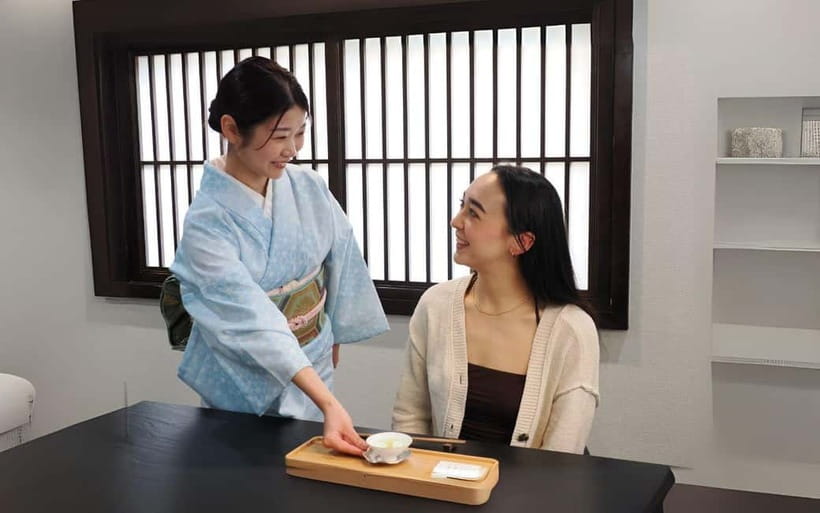
- Taste four distinct Japanese teas: The session includes Shizuoka Wakocha, top-grade Gyokuro sencha, matcha, and Niigata Genmaicha.
- Whisk your own matcha: You receive direct instruction with traditional tools, so this is not just a demonstration.
- Try tea leaves and seasonal wagashi: The Gyokuro tasting includes the unusual chance to eat the softened leaves, along with sweets from Ougiya.
- Expect a relaxed English-language lesson: The tone is polite and informative without being stiff, with room for questions.
- Finish with useful keepsakes: You receive a certificate and group photograph at the end.
- Allow extra time to find the entrance: The green sign can be easy to miss, even though the building is across from Tokyo University.
What happens during the 60-minute tea session
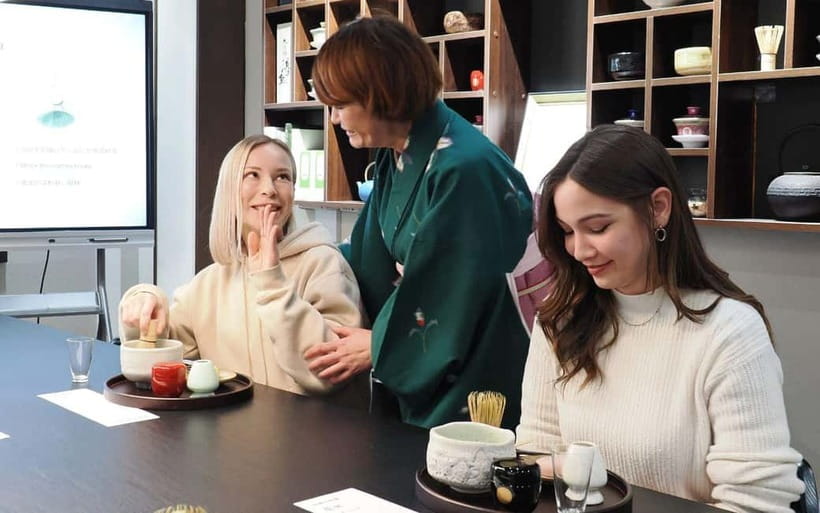
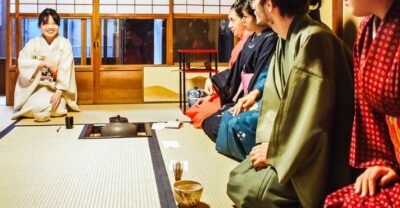
Ocharu’s format is compact but well planned. You move from a welcome drink to a refined sencha tasting, then to matcha preparation, and finish with Genmaicha. Each tea has a different purpose, so the hour feels like a short lesson in Japanese tea rather than four unrelated samples.
The English-speaking tea master explains the basic customs as you go. You learn how tea is prepared, how it is presented, how to handle the bowl, and why water temperature changes the taste. That practical detail matters. It helps you understand that Japanese tea is not simply about choosing green tea or black tea. Small changes in heat, brewing time, and leaf quality make a real difference.
The tone appears to depend somewhat on the individual instructor, but the experience is designed to be approachable. Guides have been described as patient, funny, polite, and easy to talk with. Some sessions include questions about Japanese culture, language, food, or your own trip, which makes the hour feel more like a personal introduction than a silent ceremony.
More Tea Ceremony Experiences in Tokyo
- Matcha Making Class in Tokyo with Authentic Japanese Sweets Set
★ 5.0 · 744 reviews - Tokyo: Matcha Making Experience with Mochi Sweets in Asakusa
★ 4.9 · 388 reviews - Tokyo: Matcha and Kimono Experience
★ 4.7 · 219 reviews
Starting with Shizuoka Wakocha and a tea cake
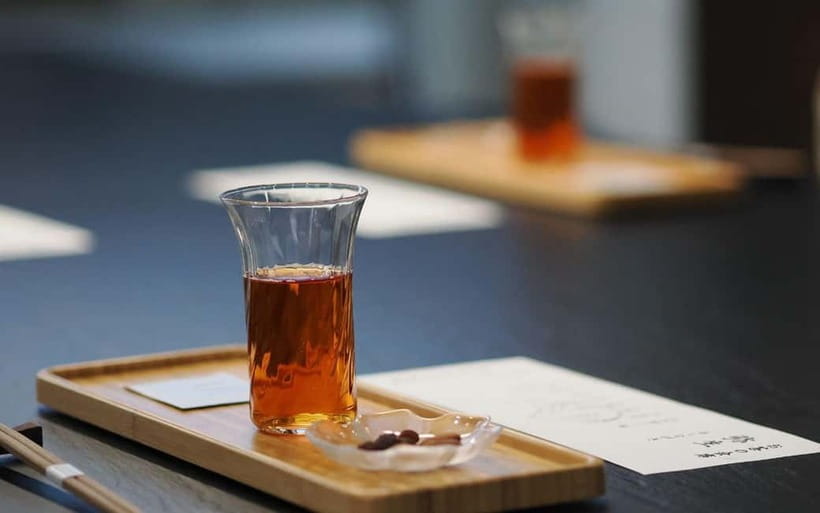
Your first cup is Wakocha, a Japanese black tea from Shizuoka. Japan is best known abroad for green tea, so beginning with a black tea is a smart choice. It gives you an early reminder that Japanese tea production is broader than matcha and sencha.
Wakocha is described as fruity and floral, and it arrives with a traditional tea cake. The pairing gives you a gentle introduction before the stronger flavors later in the session. I appreciate this opening because it lets you settle into the room with something familiar in style, while still tasting a tea that many first-time visitors may not have tried before.
The cake is not just filler. Sweet foods help balance tea’s bitterness and sharpen your sense of aroma. As you taste, you can pay attention to the difference between the tea’s fragrance and its finish. The guide can then explain where the leaves come from and how Japanese producers handle them.
If you are not usually a tea drinker, this is a forgiving start. The session does not throw you immediately into a bitter matcha bowl. If you already drink tea regularly, Wakocha gives you an interesting comparison with black teas from other parts of the world.
Gyokuro sencha, seasonal wagashi, and edible tea leaves
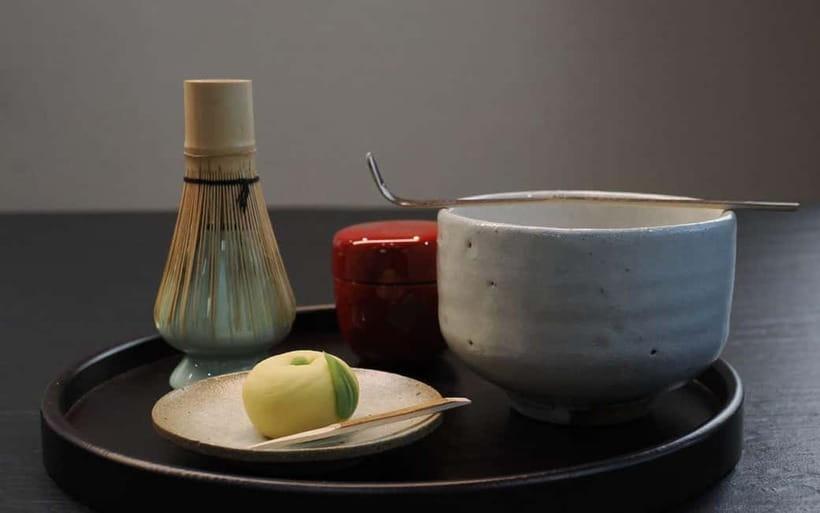
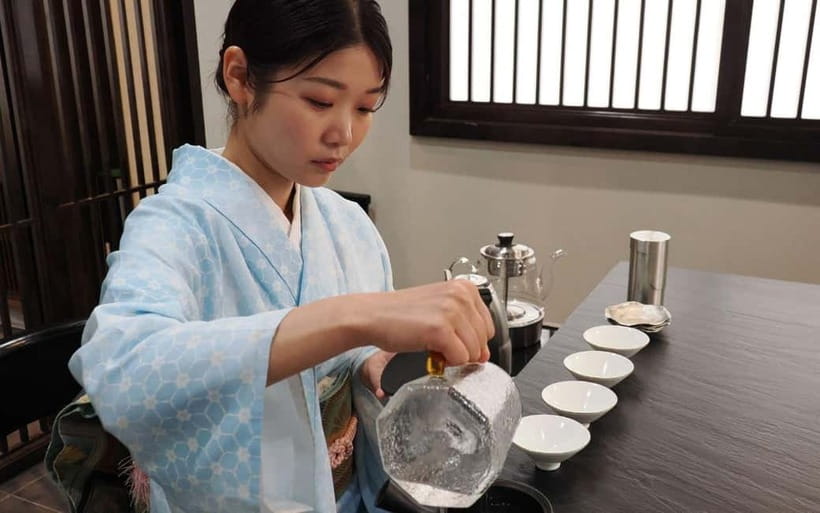
Next comes Gyokuro, one of Japan’s highest grades of green tea. This is likely the most distinctive tasting in the session. Gyokuro is valued for its concentrated flavor and soft, savory character, and the tea master prepares it for you so you can focus on the aroma, color, and texture.
The preparation also shows why temperature matters. Green tea is not automatically better when brewed with boiling water. The guide explains the temperature needed for the best flavor, a lesson that can improve the way you make tea at home.
Gyokuro is served with seasonal wagashi from Ougiya, a respected confectioner with generations of experience. These sweets are made to look beautiful as well as taste good, and their seasonal character connects the snack to the time of year. You may find the sweet delicate and lightly flavored, which is intentional. It is meant to prepare your palate for the tea rather than overpower it.
One especially memorable part is tasting the brewed tea leaves. After Gyokuro has been prepared, the leaves can be eaten, offering a soft texture and a mild, vegetal taste. This is not a standard part of every casual tea tasting, and it makes the session feel more connected to the ingredient itself. I would not skip this simply because the idea sounds unfamiliar.
This section is also where the activity feels most useful for anyone who wants to buy tea in Japan. You learn how a premium tea differs from an everyday cup, rather than relying only on packaging or price tags. There is a small café and tea shop downstairs, where you can drink matcha and purchase tea to take home. Buying is optional, but the tasting gives you better grounds for choosing.
Making matcha with traditional tools
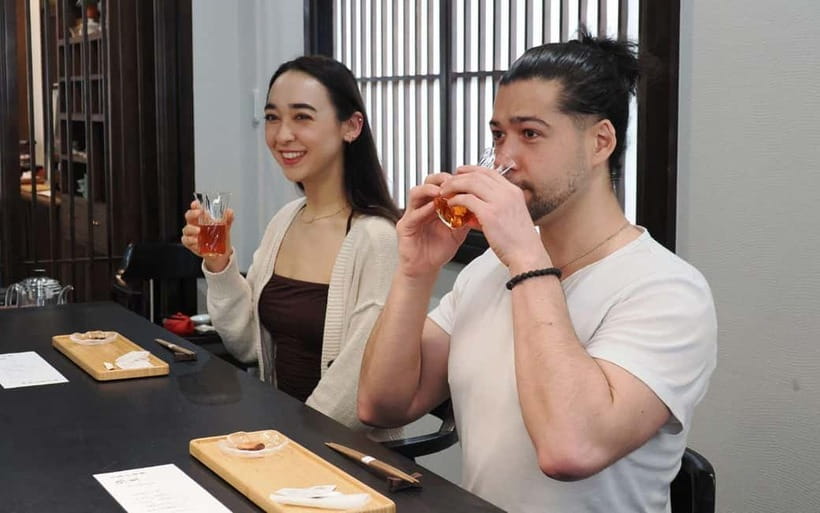
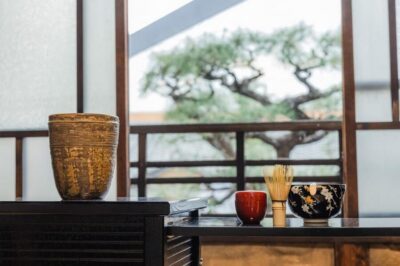
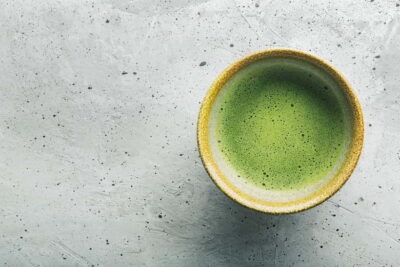
The hands-on matcha portion is the heart of the experience. Instead of watching the tea master whisk every bowl, you prepare your own matcha under close instruction. You use the traditional whisk and utensils, learn the basic movement, and then drink what you have made.
Matcha preparation looks simple until you try it. The whisking needs a light, quick motion, and the amount of water affects both strength and texture. The tea master guides you through the process without making it feel like an exam. That is important for beginners, since the ceremony’s manners and tools can seem intimidating at first.
You also learn how matcha fits into Japanese tea culture. The focus is not just on powdered tea as a modern café drink. The bowl, the movement, the sweet served with it, and the way you receive the tea all have a place in the ritual.
The session teaches manners in a practical way. You learn how to receive the bowl, where to look, and how to drink it respectfully. You do not need to memorize every rule before arriving. The guide demonstrates each step, and you follow along.
I like this part for families and couples because it creates a shared task. A child or a reluctant tea drinker can take part even if they are not interested in the history at first. One family session made a special effort to include a ten-year-old, and the activity is likely to work best when everyone is encouraged to try rather than simply observe.
The matcha may taste stronger and more bitter than the sweetened drinks sold in cafés. That is not a flaw, but it is worth knowing. The wagashi helps balance it, and the guide explains how to appreciate the tea rather than treating bitterness as a mistake.
Same city, a completely different kind of day:
- Mt Fuji and Hakone 1-Day Bus Tour Return by Bullet Train
★ 5.0 · 26,383 reviews - 1-Day Tokyo Bus Tour
★ 5.0 · 14,250 reviews - Tokyo: TOKYO SKYTREE® Admission ticket
★ 4.5 · 11,192 reviews - Tokyo: teamLab Planets TOKYO Digital Art Museum Entry Ticket
★ 4.6 · 9,779 reviews
Ending with Niigata Genmaicha
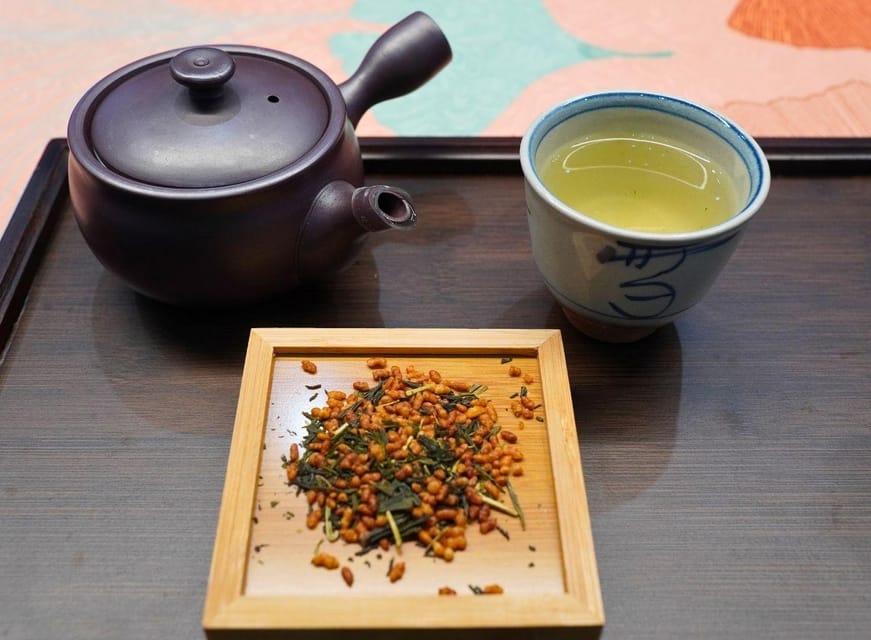
The final cup is Genmaicha, a blend of sencha and roasted rice from Niigata Prefecture. Its toasted rice gives the tea a warm, familiar flavor, and it makes a comfortable finish after the more intense Gyokuro and matcha.
This closing choice is sensible. Genmaicha is often easier for newcomers to enjoy because the roasted rice adds a nutty, almost popcorn-like note. It shows another side of Japanese tea, one that feels more everyday and relaxed than the ceremony’s premium Gyokuro.
By the end, you have tasted tea made from different styles of processing and preparation. Wakocha shows Japanese black tea, Gyokuro shows fine sencha, matcha introduces powdered tea and whisking, and Genmaicha brings in roasted grain. The sequence gives you a useful vocabulary for ordering and shopping later in your trip.
A calm room near Tokyo University
The Ocharu room is directly across from Tokyo University, giving the activity a clear landmark and an easy pairing with nearby sightseeing. The area also puts you within reach of the zoo and the wider Ueno and Nezu districts, according to practical directions from past participants.
Do not assume the green OCHARU sign will be at eye level. It can be high on the building, and it is easy to walk past. If you are unsure, look for the tea shop and check in there. Arrive about five minutes early, as requested, so you can find the entrance without cutting into your tea time.
The room itself is described as clean, pleasant, and relaxing. You should expect a designed tea ceremony space rather than a grand temple setting. That distinction matters. This is a purpose-built cultural lesson in central Tokyo, not a historical temple visit or an elaborate formal tea school.
The atmosphere is generally casual and laid back. That helps first-time visitors, especially anyone worried about making a mistake. At the same time, the guide still explains the customs and treats the tea with respect, so the experience does not feel like a tourist photo stop.
How much value do you get for $38?
At $38 per person, the price is reasonable for a one-hour Tokyo activity that includes several teas, sweets, instruction, a dedicated room, a certificate, and a group photo. The value is strongest if you want context rather than just a bowl of matcha.
You are tasting premium Gyokuro, seasonal wagashi from Ougiya, and several other teas. You also receive a hands-on lesson, which would cost more to arrange privately. The certificate and photograph are small items, but they give the hour a clear ending and make it easier to remember what you learned.
The time limit keeps the cost manageable, but it also sets expectations. You will not become a tea expert in an hour. You will come away with a basic understanding of tea types, preparation, etiquette, and flavor. For many people, that is exactly the right amount during a packed Tokyo visit.
The activity is also flexible from a booking standpoint. You can cancel up to 24 hours before the start for a full refund, and reserve now while paying later. Check the available start times when booking, since the exact schedule is not fixed in the information provided.
Who will enjoy this most?
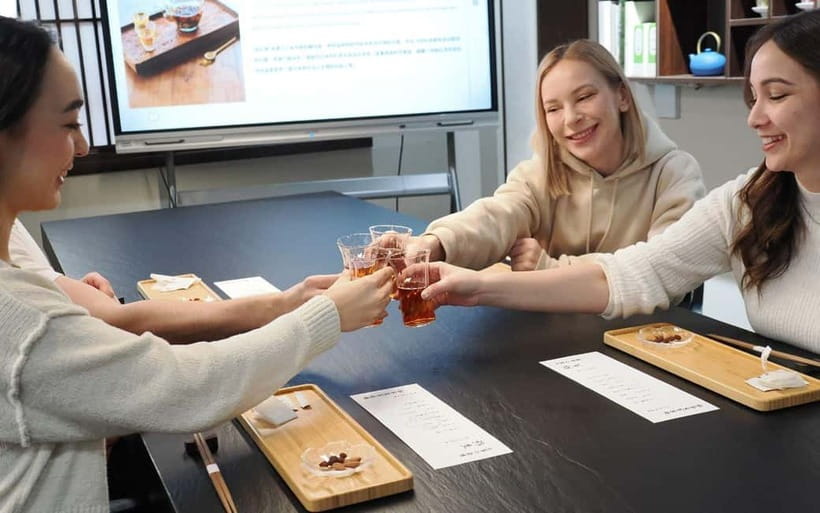
I would recommend Ocharu to a first-time visitor who wants a clear, friendly introduction to Japanese tea. You do not need prior knowledge, and you do not need to know the rules before sitting down. The English-speaking guide handles the explanation and lets you practice each step.
It also suits regular tea drinkers. The range of teas, the explanation of brewing temperatures, and the chance to taste Gyokuro leaves offer more detail than a basic matcha demonstration. You may leave with ideas for how to prepare sencha or green tea differently at home.
Couples and small groups should find the format easy to share. You make the matcha yourself, taste the sweets together, and finish with a group photograph. Families can also consider it, especially if children are old enough to follow a short demonstration and handle the utensils carefully.
I would be more cautious if you want a long, highly formal ceremony with extended silence and strict ritual. This session is designed for explanation and participation. It is friendly, conversational, and efficient, not a full traditional-school performance.
It is also not suitable for wheelchair users, according to the activity information. The instructor language is English, though one participant found an accent a little difficult to follow. If you need very simple spoken English, keep that possibility in mind.
Practical tips for a smoother visit
Find the green OCHARU logo before your appointment and do not rely on a low street sign. The sign may be higher than you expect, so looking up can save you a frustrating few minutes.
Arrive five minutes early. The session lasts only an hour, and arriving late could mean missing the Wakocha welcome or the opening explanation.
Come ready to taste unfamiliar flavors. Gyokuro, matcha, and brewed tea leaves are not all alike, and the point is to notice the differences. If you normally add milk or sugar to tea, try the samples as served first.
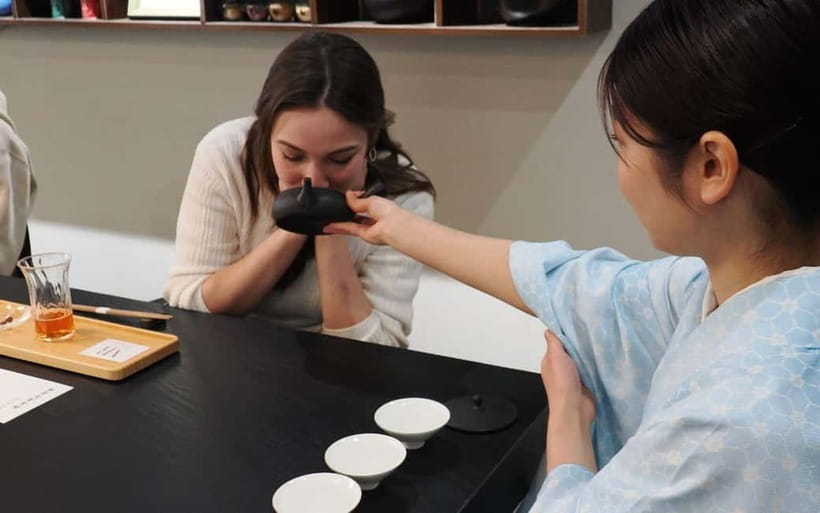
Ask questions. The guides have been praised for explaining tea origins, history, manners, and brewing heat in clear terms. You can also ask about tea to buy afterward at the downstairs café and shop.
Plan a nearby stop after the ceremony. Tokyo University is directly opposite, and the area can fit well with a visit toward the zoo or nearby historic neighborhoods. The tea session works best as part of a half-day plan, not as a stand-alone reason to cross the city.
Should you book Ocharu?
I would book this experience if you want an approachable cultural activity with real tasting and a little participation. The strongest features are the variety of tea, the chance to prepare your own matcha, the seasonal Ougiya sweet, and the guides’ friendly teaching style.
The main limits are the short running time, the purpose-built rather than historic setting, and the lack of wheelchair suitability. If those points work for you, $38 buys a useful and memorable introduction to Japanese tea, with enough practical detail to make your next cup in Tokyo more interesting.
FAQ
How long does the Tokyo tea ceremony last?
The activity lasts one hour, though one participant reported a session of about 50 minutes.
Where is the tea ceremony held?
It takes place in the Ocharu Tea Ceremony Room across from Tokyo University in Tokyo, Japan.
What teas will I taste?
The experience includes Shizuoka Wakocha, Gyokuro sencha, matcha that you prepare yourself, and Genmaicha made with sencha and roasted rice from Niigata Prefecture.
Is matcha preparation hands-on?
Yes. You make your own matcha using traditional tools and utensils with guidance from an English-speaking tea master.
Are sweets included?
Yes. The welcome Wakocha comes with a traditional tea cake, and the Gyokuro tasting includes seasonal wagashi from Ougiya.
What language is the instruction in?
The instructor language is English.
Is the activity suitable for wheelchair users?
No. The activity information says it is not suitable for wheelchair users.
Just added around Tokyo
- Tokyo: Customizable Private Guided Walking Tour★ 4.5 · 129 reviews
- Private Harajuku Omotesando Architecture Tour★ 4.9 · 18 reviews
- Tokyo: Guided Helicopter Ride★ 4.9 · 24 reviews
- Tokyo: Guided Walking Tour of Tsukiji Market with Lunch★ 4.4 · 24 reviews
- Tokyo: Private Personalized Local Food Tour★ 4.5 · 101 reviews
- Tokyo GINZA: KONPARU Japanese Cabaret Show with Drink★ 4.8 · 38 reviews
- Tokyo: Guided Walking Tour of Tsukiji Market with Breakfast★ 4.4 · 134 reviews
- Tokyo: Gotokuji Cat Temple, Shinjuku Cat Cafe & 3D Cat Tour★ 4.9 · 38 reviews
Tea Ceremony Experiences, compared.
Tea Ceremony in a Traditional Tea House in Kiyomizu
Read our review →
World Heritage Kyoto & Nara Uji Authentic Matcha Experience
Read our review →
Browse the lists this tour appears in