
REVIEW · FOOD MARKET TOURS
Tokyo: Shinjuku Food Tour (15 Dishes and 4 Eateries)
Shinjuku is easiest to understand after dark, with a small plate in one hand and a local guide pointing out the difference between a tourist stop and a place Japanese diners actually use. This tour moves through four contrasting eateries, serving up to 13 dishes such as sashimi, tonkatsu, Okinawan food, yakitori, takoyaki, and taiyaki. I like the broad menu, and I like that the food comes with stories about Shinjuku rather than arriving as a string of unexplained bites.
The guides are a major part of the experience. Daichi, Fu, Aika, Igor, Hina, Sabina, and several other English-speaking hosts have received warm praise for clear explanations and easy conversation. My main caution is that the advertised title mentions 15 dishes, while the detailed description promises 13, and the menu can change with the season, restaurant schedules, and ingredient availability.
In This Review
- Key points to know before booking
- Why this is a smart first night in Shinjuku
- Meeting at the blue AOKI sign
- Golden Gai: tiny lanes and a different side of Tokyo
- Omoide Yokocho, the old Memory Lane
- Kabukicho after dark
- Four eateries, four different kinds of food
- The food stall
- The izakaya
- The traditional eatery
- The gastrobar and sweet finish
- What makes the guide important
- Is $85 good value?
- Who should book this Shinjuku food tour?
- Practical details that affect the evening
- Should you book it?
- FAQ
- How long does the Shinjuku food tour last?
- How many dishes are included?
- Which foods might I try?
- Are drinks included?
- Where does the tour meet?
- Is the tour conducted in English?
- What should I do about food restrictions?
Key points to know before booking
- Four food settings in three hours: Expect a food stall, izakaya, traditional eatery, and gastrobar rather than one long restaurant meal.
- A full Shinjuku introduction: The route covers Golden Gai, Omoide Yokocho, and Kabukicho, giving you a useful first look at the district’s night scene.
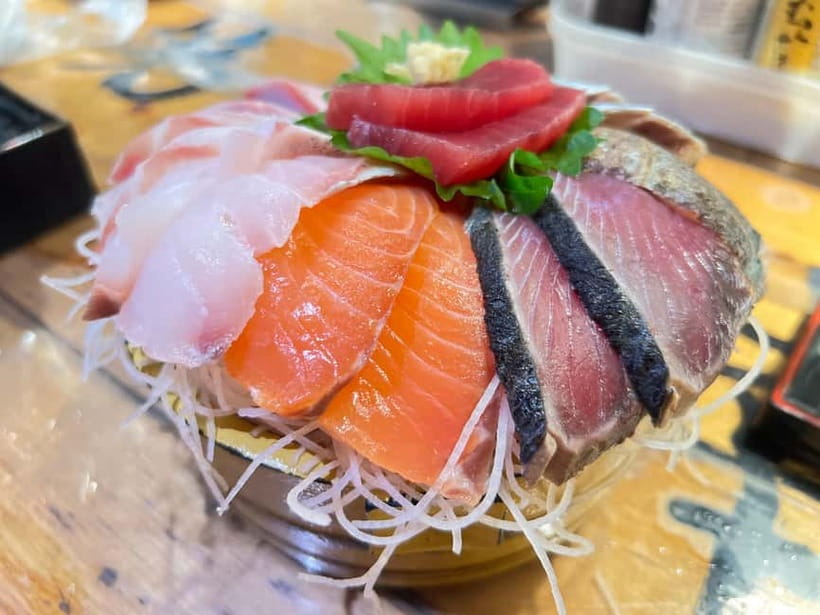
- Up to 13 Japanese dishes: Sashimi, sake, tonkatsu, yakitori, takoyaki, Okinawan dishes, and taiyaki may appear, but the exact menu can change.
- Two drinks are included: You receive two complimentary drinks, alcoholic or non-alcoholic.
- Small-group format matters: A compact group is easier to guide through narrow streets and crowded nightlife areas.
- Come hungry and wear good shoes: The portions are generous, and the evening includes walking between stops.
Why this is a smart first night in Shinjuku
Shinjuku can feel like several cities pressed together. Department stores and giant signs surround the station, while a few minutes away you find tiny lanes, old-style drinking alleys, and restaurants with limited English menus. This tour gives you a manageable route through that contrast.
I like it best as an early-trip activity. You learn the shape of the area, taste food you might not order alone, and collect ideas for later meals. Several guides also offer advice about what to do during the rest of your stay, which adds value beyond the food itself.
The tour is not only a meal. You spend about three hours walking, listening, ordering, and sharing dishes with a small international group. Some sessions have lasted closer to three and a half hours, so avoid scheduling an important late-night plan immediately afterward.
More Food Market Tours in Tokyo
- Tokyo: Shinjuku Food Tour (13 Dishes at 4 Local Eateries)
★ 5.0 · 6,603 reviews - Tokyo Tsukiji Fish Market Food and Culture Walking Tour
★ 5.0 · 3,184 reviews - Best of Shinjuku: Izakaya Food Tour (4 Stops, 14+ Tastings)
★ 5.0 · 1,863 reviews
Meeting at the blue AOKI sign
The meeting point is outside the α 107 Building, beside the blue AOKI sign near Starbucks Nishiguchi on the west side of Shinjuku Station. Yodobashi Camera is the nearby landmark to keep in mind.
Shinjuku Station is famously large and confusing, so I would check the map before you leave your hotel. Give yourself extra time, especially if you arrive by a different train line. The instructions specifically ask you to download WhatsApp because the guide will contact you there. That small step is easy to overlook and could make meeting the group harder if you skip it.
Once together, the guide leads the group on foot. There is no included train or taxi transfer, and the walking is part of the point. You see how the district changes from one lane to the next instead of simply being delivered to a restaurant door.
Golden Gai: tiny lanes and a different side of Tokyo
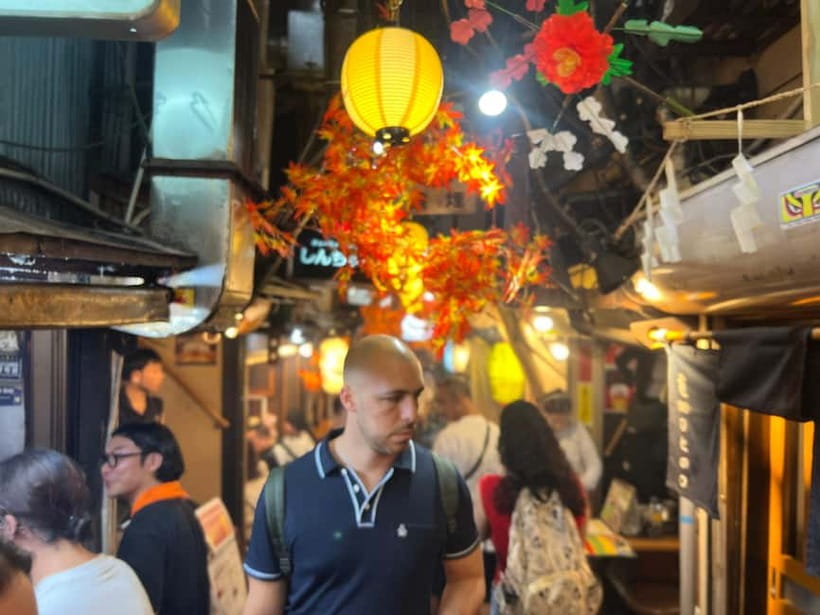
The first major area is Golden Gai, a tight cluster of narrow lanes known for its tiny bars and closely packed buildings. The route includes a guided look at the district, and this is where the nightlife introduction begins.
Golden Gai is more about atmosphere and local context than grand sights. Your guide can explain how the area fits into Shinjuku’s evening culture and why the small scale feels so different from the broad avenues near the station. You might find the lanes fascinating, but they can also feel cramped, particularly when several groups are moving through at once.
The food stops are selected to show everyday Japanese eating rather than formal fine dining. That distinction matters. You may sit in a small place, share several dishes, and learn the basic habits of ordering and eating in an informal setting.
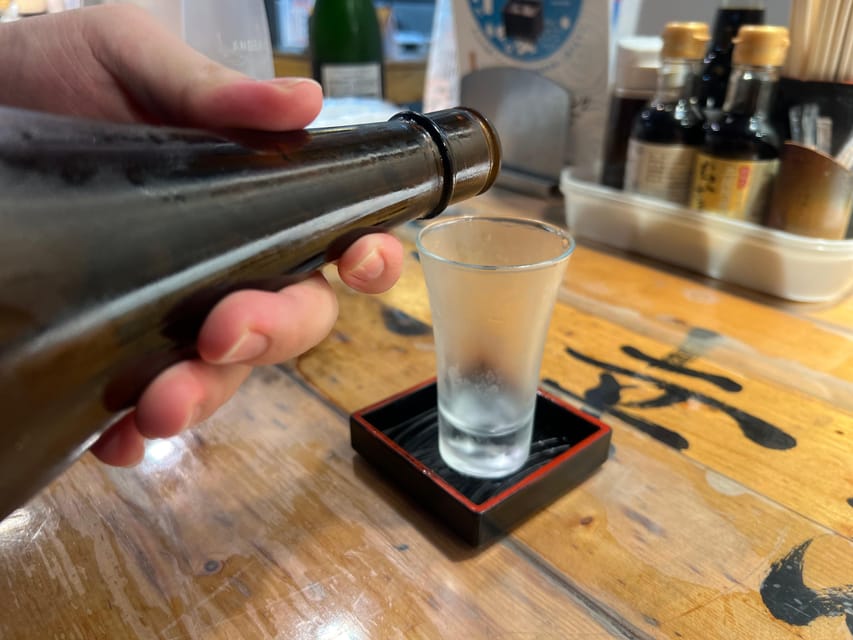
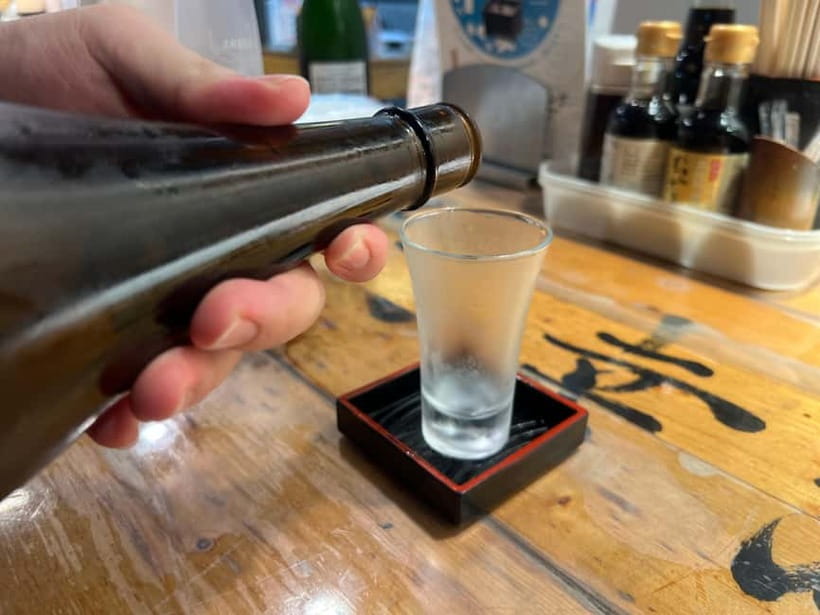
One early stop may feature fresh fish, including sashimi or mackerel, along with sake. A family booking described the fish as fresh and the sake as a strong opening course. Another participant singled out the mackerel as a favorite, which tells you this is not simply a parade of familiar sushi.
Omoide Yokocho, the old Memory Lane
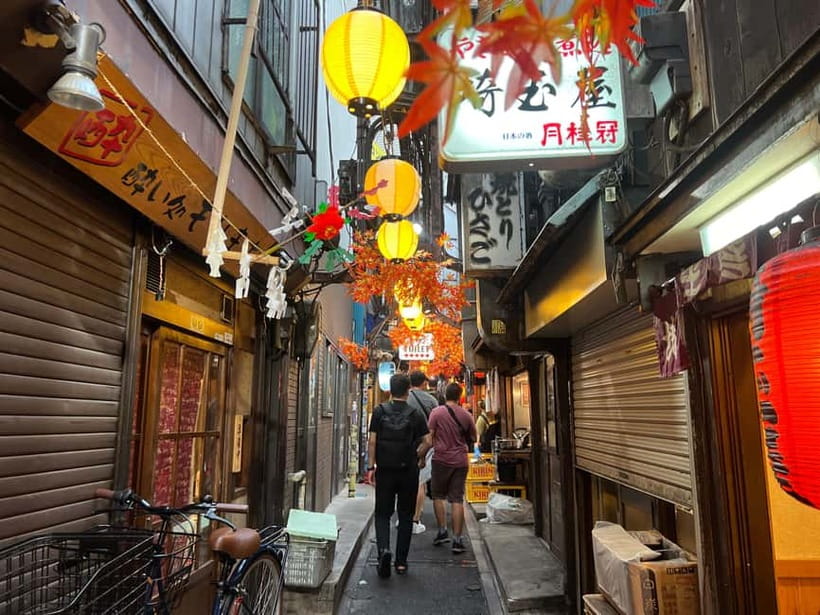
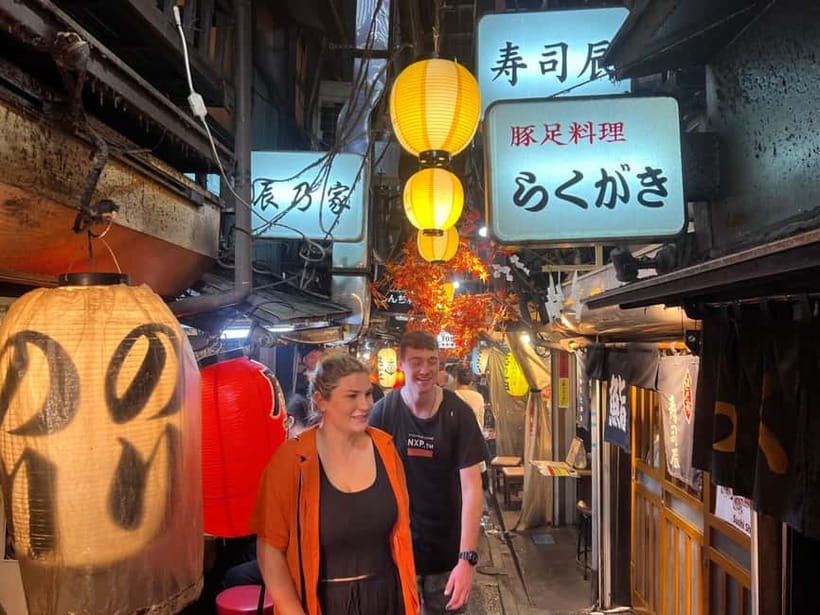
Next comes Omoide Yokocho, also called Memory Lane. This narrow passage has an older Tokyo feel, with compact eateries and a setting that recalls an earlier era of the city. It is one of the most memorable walks on the route, even if you do not stop to eat there.
That last point is important. The tour takes you through Omoide Yokocho, but the exact dining locations can change. One person enjoyed the lane so much that they returned independently later, after not eating there during the tour.
Omoide Yokocho is a good example of the tour’s balance. You are not paying only for a set meal. You are also paying for help finding your way through small, easy-to-miss streets and for an explanation of what you are seeing. Still, if your main goal is to eat inside Omoide Yokocho itself, ask the guide at the start how the evening’s stops are arranged.
Same city, a completely different kind of day:
- Mt Fuji and Hakone 1-Day Bus Tour Return by Bullet Train
★ 5.0 · 26,383 reviews - 1-Day Tokyo Bus Tour
★ 5.0 · 14,250 reviews - Tokyo: TOKYO SKYTREE® Admission ticket
★ 4.5 · 11,192 reviews - Tokyo: teamLab Planets TOKYO Digital Art Museum Entry Ticket
★ 4.6 · 9,779 reviews
Kabukicho after dark
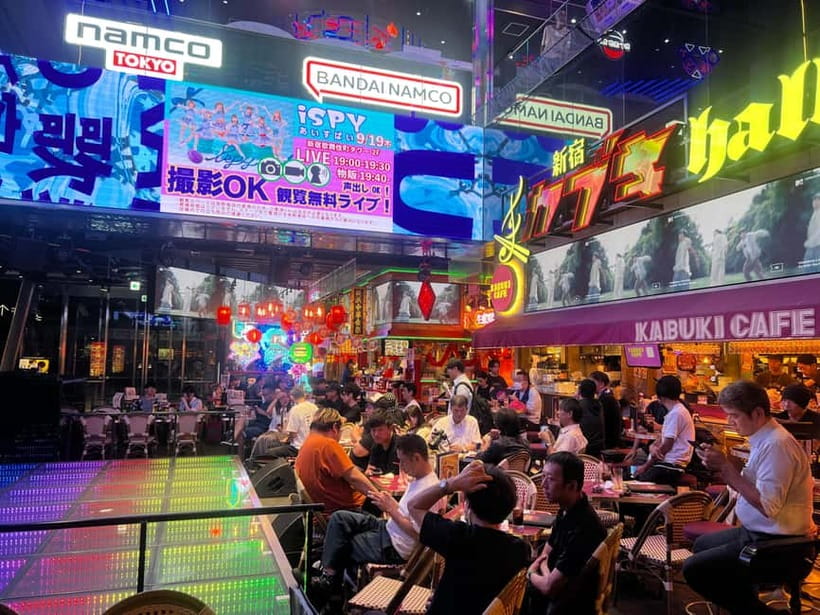
The final area is Kabukicho, Shinjuku’s best-known nightlife district. Bright signs, narrow streets, bars, restaurants, and late-night energy make it a sharp contrast to the quieter food moments earlier in the evening.
The guide provides local background as you walk, with stories about the neighborhood, customs, and the food served along the way. This is where the tour becomes especially useful for first-time visitors. Kabukicho can be fun to explore alone, but it is easier to understand when somebody explains the area while you are in it.
I would not expect a quiet, slow-paced evening here. Kabukicho is a busy city district, and the route may require staying close to the group. The small-group format helps, but you still need to pay attention at crossings and in crowded lanes.
Four eateries, four different kinds of food
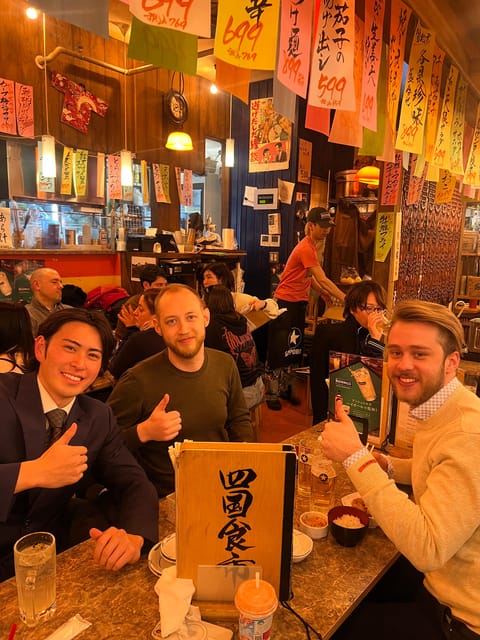
The tour includes a food stall, an izakaya, a traditional eatery, and a gastrobar. This range gives you a better sense of Japanese food culture than a single restaurant could.
The food stall
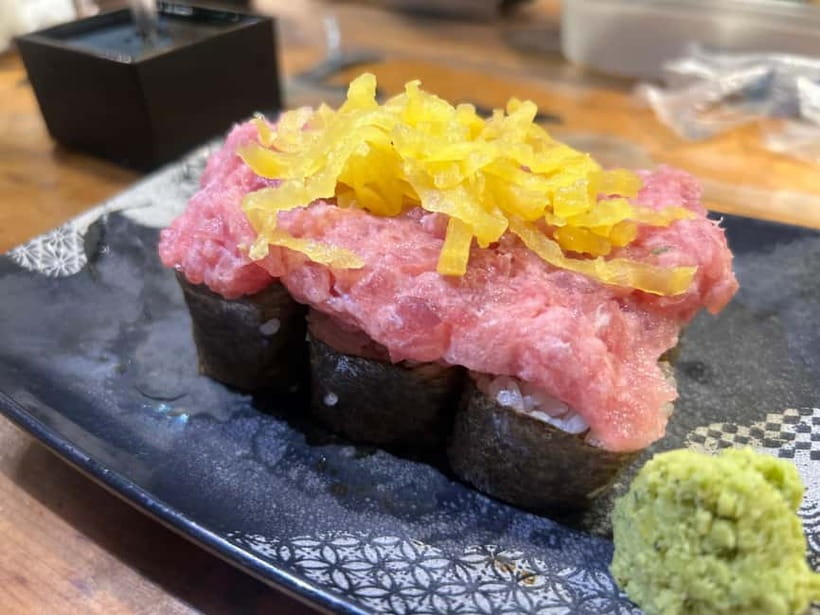
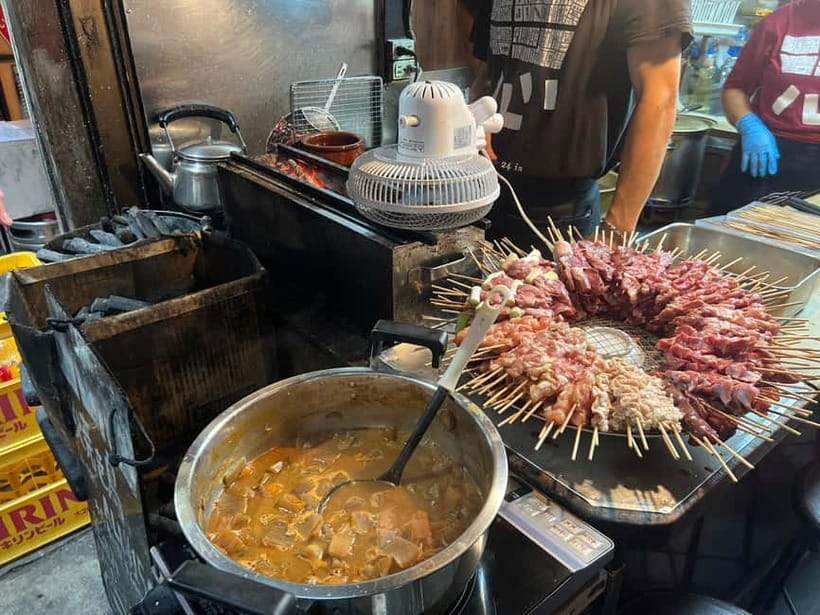
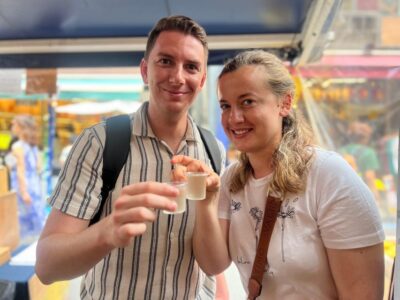
The stall-style stop brings a casual, quick-eating element to the evening. Takoyaki may be included, along with other dishes depending on availability. These round, savory snacks are a friendly introduction to street-style food, particularly if you have never tried them fresh.
A practical drawback is that food from two stops may be eaten in the street rather than inside a restaurant. One participant felt that this did not count as a full restaurant visit. I see the point, but street eating also suits Shinjuku’s narrow lanes and keeps the evening moving.
The izakaya
The izakaya is where the tour’s social side comes into focus. These Japanese drinking-and-dining places are built around sharing small plates, so you can taste several things without committing to one large dish.
Possible dishes include yakitori, sashimi, mackerel, seaweed salad, and other seasonal items. The two included drinks can be alcoholic or non-alcoholic, and sake may be among the options. If you do not drink alcohol, tell the guide clearly so your choices are handled from the start.
I like this stop for first-time diners because the guide can help with ordering and explain how the dishes fit together. You are also able to ask questions as the food arrives, rather than guessing from a menu.
The traditional eatery
Tonkatsu is one of the most appealing anchors of the menu. This breaded pork cutlet is familiar enough for cautious eaters, yet the quality can vary greatly. One stop has been described as a tonkatsu restaurant operating for more than 64 years, and the pork received especially strong praise.
This can be a filling course, so pace yourself. The tour serves many items, and the pork may arrive after earlier fish and snacks. Some people have found the quantity more than they could finish. I would eat lightly before the tour and avoid treating the first stop as a complete dinner.
Okinawan food may also appear at a traditional restaurant. That broadens the experience beyond the standard Tokyo menu and gives you a chance to try regional cooking without adding another destination to your trip.
The gastrobar and sweet finish
The gastrobar provides a modern end to the savory part of the evening. The exact dishes depend on supply and restaurant availability, but the goal is variety rather than repetition.
Taiyaki may serve as dessert. These fish-shaped cakes are usually filled, and their waffle-like texture makes a pleasant final bite. A family with children found the food selection easy to enjoy, including Okinawan dishes and the sweet course, so this is not an adults-only food crawl.
What makes the guide important
The route is useful, but the guide determines how much you gain from it. The most praised qualities are friendliness, clear English, organization, and an ability to connect food with Japanese customs.
Daichi has been praised for handling delays and sharing the full food list afterward. Fu is known for history and area information. Igor has been described as relaxed, professional, and generous with local stories. Aika, Hina, Sabina, Shane, Lloyd, Emma, and others have also been singled out for warmth, food knowledge, and good group management.
Because guides can vary, you should think of the tour as a strong format rather than a promise of one particular host. The guide’s job includes explaining unfamiliar dishes, helping with restaurant communication, and keeping a small group together. That is especially useful if you have allergies, dietary restrictions, or concerns about ordering.
You must advise the operator of food restrictions. Do this before the tour, not when the first dish arrives. The supplied information does not promise that every restriction can be accommodated, so you should ask before paying if your needs are strict.
Is $85 good value?
At $85 per person, the price is not cheap for a three-hour walking activity, but it can be fair if you take advantage of the full package. You receive food at four venues, up to 13 dishes, two drinks, an English-speaking guide, a walking tour, and advice for the rest of your Tokyo visit.
The value is strongest for people who would otherwise spend the evening guessing where to eat. A few poorly chosen Shinjuku meals can quickly approach this cost, without the guide, explanations, or range of dishes. The tour also saves you from trying to identify small local places when signs and menus may be difficult to read.
The value is weaker if you want one long, relaxed restaurant dinner or if you already have strong Japanese dining experience. You may prefer to spend $85 at a restaurant of your choice and explore the district independently.
Remember the dish count carefully. The product title refers to 15 dishes, while the detailed description repeatedly lists 13. Since the menu changes with season and availability, I would book for the variety and guidance, not for a guaranteed exact number.
Who should book this Shinjuku food tour?
I would recommend it to first-time visitors, curious eaters, solo visitors who want an easy social evening, and families willing to try several kinds of food. The family-friendly feedback is useful, and the compact group size makes the walk easier to manage than a large food excursion.
It also suits anyone who wants to try dishes they might not choose alone. Mackerel, Okinawan food, seaweed salad, yakitori, and takoyaki can be more rewarding when somebody explains what you are eating and how it is served.
I would hesitate if you dislike walking, need a guaranteed fixed menu, want a quiet evening, or prefer a formal restaurant setting. You should also be comfortable sharing food and adapting to changes in restaurant or dish availability.
Wear sturdy shoes and arrive hungry. The route is not described as strenuous, but the streets can be crowded and the food is plentiful. I would plan this for an evening when you can stay flexible.
Practical details that affect the evening
The experience lasts three hours, with starting times available according to the date you choose. The meeting point is outside near Starbucks Nishiguchi and the blue AOKI sign, beside the α 107 Building.
The tour is conducted in English by a live guide. WhatsApp is used for contact, so download it before the meeting time. You can cancel up to 24 hours in advance for a full refund, and the reserve-now, pay-later option lets you keep more flexibility in your schedule.
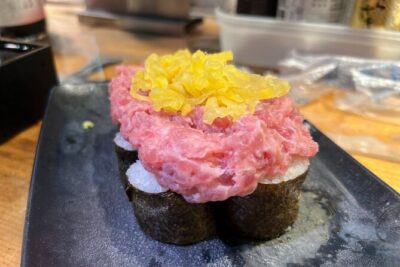
The exact dishes depend on seasonal supply and restaurant availability. The listed examples include sashimi, sake, tonkatsu, yakitori, and takoyaki, while additional food may include mackerel, Okinawan dishes, seaweed salad, tempura tuna, and taiyaki.
Should you book it?
Book this tour if you want Shinjuku explained through food, not just photographed from the street. The strongest reasons are the four-stop format, the mixture of familiar and unfamiliar dishes, and the guides’ ability to connect each bite with local customs and the surrounding neighborhood.
Skip it if you need a precise 15-dish promise or want every course served at a seated restaurant. For most first-time Tokyo visitors, though, $85 buys a useful orientation, a generous dinner, and a practical introduction to Golden Gai, Omoide Yokocho, and Kabukicho in one evening.
FAQ
How long does the Shinjuku food tour last?
The tour is scheduled for three hours. Some experiences have lasted about three and a half hours, so leave some space afterward if you have another booking.
How many dishes are included?
The detailed tour information lists up to 13 Japanese dishes at four eateries. The activity title refers to 15 dishes, but the menu can change based on season, dish availability, and restaurant availability.
Which foods might I try?
Possible dishes include sashimi, Japanese sake, tonkatsu, yakitori, and takoyaki. Other dishes mentioned include mackerel, seaweed salad, tempura tuna, Okinawan cuisine, and taiyaki.
Are drinks included?
Yes. Two complimentary drinks are included, and these can be alcoholic or non-alcoholic. Sake may be served as part of the food selection.
Where does the tour meet?
You meet outside by the blue AOKI sign next to Starbucks Nishiguchi, on the west side of Shinjuku Station. Yodobashi Camera is a nearby landmark.
Is the tour conducted in English?
Yes. The activity includes a live English-speaking guide.
What should I do about food restrictions?
You should advise the operator about any food restrictions before the tour. The menu changes according to availability, so provide clear information in advance.
More Food in Tokyo
- Tokyo Night Foodie Tour in Shinjuku – Seasonal Sushi, Wagyu Beef
★ 5.0 · 1,161 reviews - Tsukiji Fish Market: Street Food & Culture Walking Tour
★ 5.0 · 669 reviews - Tsukiji Fish Market Small-Group Food Walking Tour
★ 5.0 · 621 reviews - Best of Shibuya Food Tour
★ 5.0 · 612 reviews
More Food & Drink in Tokyo
- Tokyo: Tsukiji Fish Market Food and Walking tour
★ 5.0 · 1,724 reviews - Eat and Drink Like a Local: Tokyo Ueno Food Tour-Taverns&Ramen
★ 5.0 · 957 reviews - Tokyo: Shibuya Food Tour (13 dishes and 4 Eateries)
★ 5.0 · 770 reviews - Tokyo: Tsukiji Fish Market Food and Culture Walking Tour
★ 4.7 · 757 reviews
Just added around Tokyo
- Tokyo: Customizable Private Guided Walking Tour★ 4.5 · 129 reviews
- Private Harajuku Omotesando Architecture Tour★ 4.9 · 18 reviews
- Tokyo: Guided Helicopter Ride★ 4.9 · 24 reviews
- Tokyo: Guided Walking Tour of Tsukiji Market with Lunch★ 4.4 · 24 reviews
- Tokyo: Private Personalized Local Food Tour★ 4.5 · 101 reviews
- Tokyo GINZA: KONPARU Japanese Cabaret Show with Drink★ 4.8 · 38 reviews
- Tokyo: Guided Walking Tour of Tsukiji Market with Breakfast★ 4.4 · 134 reviews
- Tokyo: Gotokuji Cat Temple, Shinjuku Cat Cafe & 3D Cat Tour★ 4.9 · 38 reviews
Food Market Tours, compared.
Shinjuku Food Tour (13 Dishes at 4 Local Eateries)
Read our review →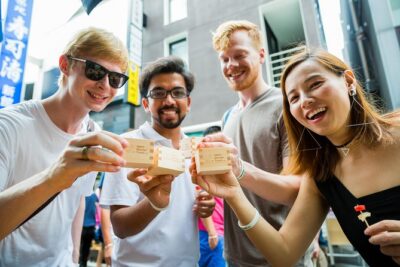
Tokyo Tsukiji Fish Market Food and Culture Walking Tour
Read our review →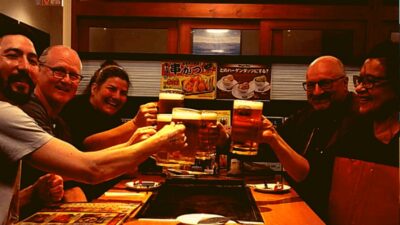
Shinsekai Food Tour with 13-15 Dishes at 5 Eateries
Read our review →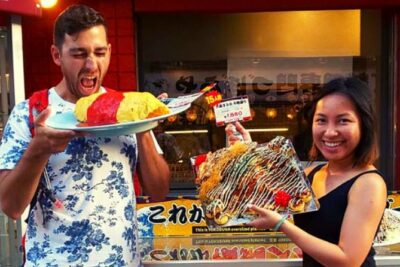
Osaka Food Tour: 13 Dishes at 5 Local Eateries
Read our review →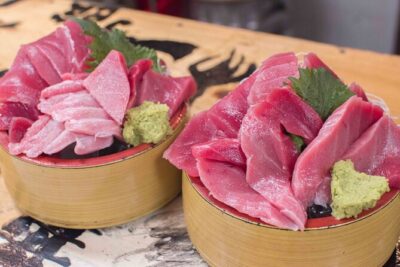
Best of Shinjuku: Izakaya Food Tour (4 Stops, 14+ Tastings)
Read our review →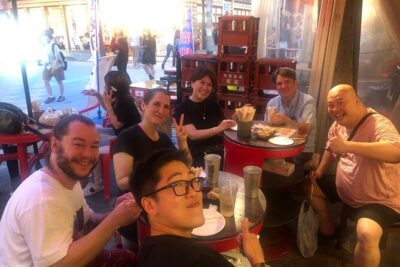
Hungry Osaka Street Food Tour:15 Tastings & 3 Drinks with a Local
Read our review →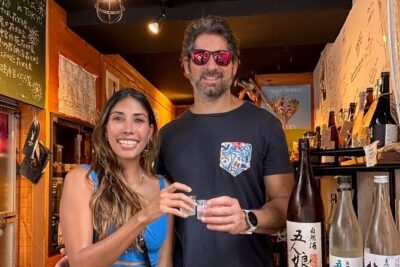
Browse the lists this tour appears in