
REVIEW · TEA CEREMONY EXPERIENCES
Mochi Matcha Gluten Free Japanese Sweets Class near Shibuya area
The best part of this Tokyo activity is that you do not just eat mochi, you learn how to make it. Sakura guides you through four Japanese sweets in a private, hands-on class near Shibuya, with matcha, gluten-free recipes, green tea, and a small photo table for showing off your finished work.
I like the one-on-one attention and the fact that you leave with recipes you can use at home. I also like the setting: this is held in a private home kitchen, giving the lesson a personal feel that a large cooking school cannot match.
The main consideration is price. At $112.01 per person for about two hours, this is not a bargain snack stop. You are paying for a private lesson, instruction, ingredients, and a personal cultural exchange, so it makes the most sense if you want to learn rather than simply taste.
In This Review
- Key points at a glance
- Making mochi with Sakura near Shibuya
- Four sweets, not just one plate of mochi
- Why the gluten-free format matters
- Sakura’s teaching style and private setting
- A photo table and a recipe for later
- Price, timing, and what the booking includes
- Who should book this class
- How to fit it into a Tokyo day
- My booking advice
- FAQ
- How long does the mochi class last?
- Where does the activity begin and end?
- Is this a private activity?
- How many sweets will I make?
- Is the class gluten-free?
- Who teaches the class?
- What is included in the price?
- Can I cancel for a full refund?
Key points at a glance
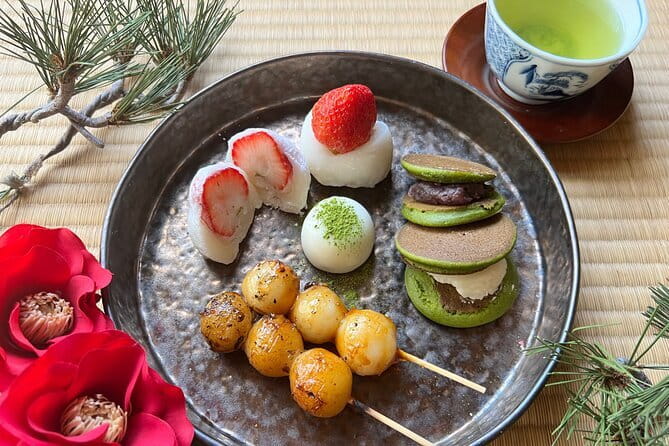
- Four sweets in two hours: You work through several Japanese treats instead of making only one item.
- Gluten-free focus: The class is designed for people avoiding gluten, including those with celiac concerns.
- Sakura teaches the class: She is a qualified teacher with experience teaching children and speaks excellent English.
- Private home setting: Only your group takes part, creating a calm and personal lesson.
- Recipes to take home: You can repeat the sweets for family and friends after returning home.
- A useful rainy-day plan: The indoor class works well in Tokyo heat, rain, or cold.
Making mochi with Sakura near Shibuya
This is a practical introduction to Japanese wagashi, the broad family of traditional Japanese sweets. The focus is matcha green tea mochi and other gluten-free treats, with Sakura explaining what you are doing as you work.
You should expect to handle unfamiliar textures. Mochi dough is soft, stretchy, and sticky, and shaping it is part of the fun. The point is not to produce factory-perfect sweets. It is to understand the basic process, learn how the ingredients behave, and make something you can actually try again in your own kitchen.
The class lasts about two hours. That is long enough for a proper lesson without taking up an entire sightseeing day. I would place it between major Tokyo plans rather than treating it as a quick stop. Since the meeting point is in Sangenjaya, Setagaya City, near the Shibuya area, check your route before booking and allow time to arrive without rushing.
The activity begins and ends at 1-chōme-11-13 Sangenjaya, Setagaya City, Tokyo 154-0024. It is near public transportation, but the supplied details do not name a specific station or give a walking time. Use the full address when planning your journey.
More Tea Ceremony Experiences in Tokyo
- Matcha Making Class in Tokyo with Authentic Japanese Sweets Set
★ 5.0 · 744 reviews - Tokyo: Traditional Tea Ceremony with a Tea Master
★ 5.0 · 528 reviews - Tokyo: Matcha Making Experience with Mochi Sweets in Asakusa
★ 4.9 · 388 reviews
Four sweets, not just one plate of mochi
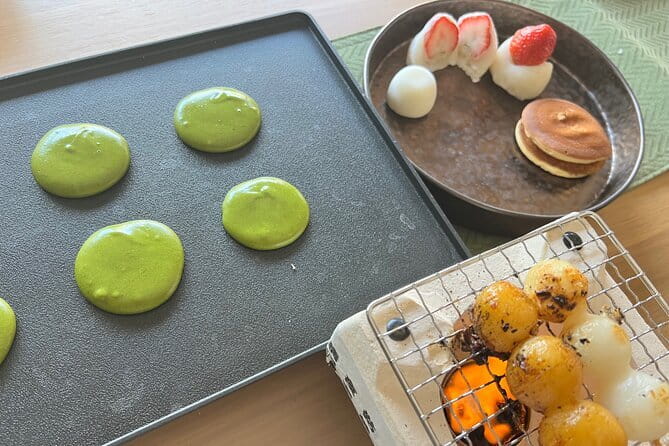
A major strength is the range of the lesson. You make four different types of sweets together, so you get a broader look at Japanese confectionery than you would from a single mochi demonstration.
The exact names and order of the four sweets are not specified, so I would not book expecting a particular seasonal menu beyond the matcha green tea focus. What is clear is that the class combines making, shaping, tasting, and explanation. You should have several finished pieces to arrange on the photo table at the end.
Matcha gives the sweets a distinctly Japanese flavor. Its slightly bitter tea taste helps balance the sweetness, and it makes the finished desserts look good in photographs. If you are new to matcha, this is also a gentler way to try it than ordering a strong bowl of tea on its own.
Sakura also explains the origins and cultural meaning of mochi. That matters because mochi is not simply a trendy chewy dessert. It has a place in Japanese celebrations and everyday food culture, and learning the background gives the activity more meaning than following a recipe silently.
Why the gluten-free format matters
For visitors with celiac disease or gluten sensitivities, Japanese sweets can be difficult to judge in ordinary shops. Ingredients, shared equipment, fillings, and preparation methods are not always obvious. A dedicated class with gluten-free sweets gives you a clearer setting in which to ask questions and control what you eat.
The activity specifically presents itself as gluten-free, and one participant used the class because they wanted to enjoy Japanese sweets without getting sick. That makes this more useful than a standard wagashi tasting for anyone who needs to avoid gluten.
Still, you should explain your dietary needs before arrival. The available details do not list every ingredient, the risk of cross-contact, or whether the kitchen handles other allergens. The class is a strong option for gluten-free visitors, but you should confirm any serious allergy requirements directly with the provider before booking.
The sweets are described as low in fat and healthy, but I would keep expectations sensible. These are still sweets. The useful point is that Japanese confectionery often relies on simple ingredients and careful portions, not that a plate of mochi is a health treatment.
Sakura’s teaching style and private setting
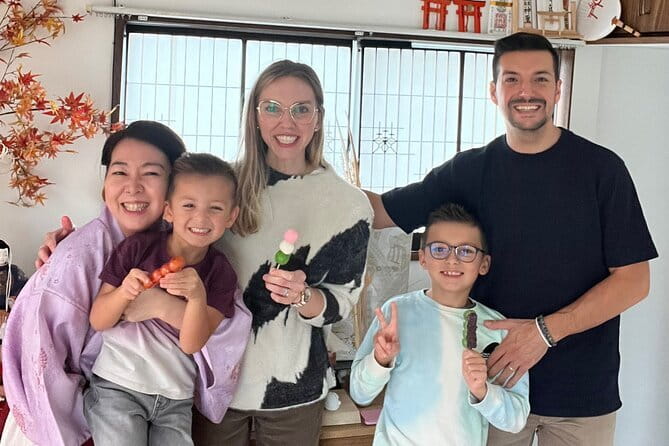
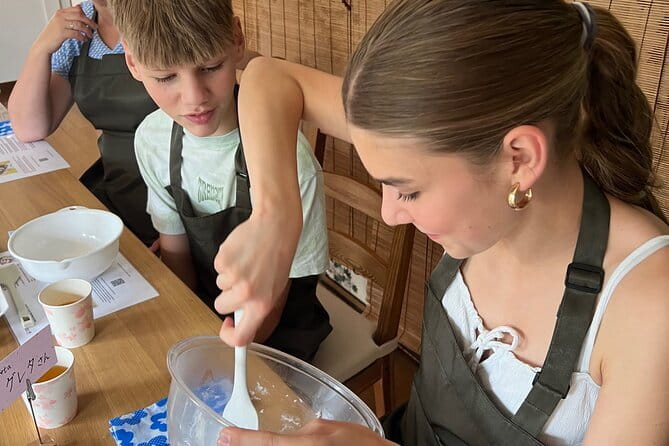
Sakura is a qualified, professional teacher with experience working with children. That makes the class a good choice for families, especially if your children enjoy cooking, crafts, or anything involving colorful food.
Her English is described as excellent, which should help if you want more than a demonstration. You can ask why a step matters, check a technique, and get help when the dough becomes difficult to handle. Beginners should feel more comfortable here than in a fast-paced group class.
The private format is another real advantage. Only your group participates, and the activity is designed as a one-on-one workshop. If you book alone, you might receive a particularly personal lesson. If you book with family or friends, you can work at your own pace without strangers taking over the counter.
The home setting adds warmth and a sense of daily life. It is less formal than a commercial cooking studio, and that can make the cultural exchange feel more natural. One important practical point is that this is not a sightseeing tour through Shibuya. You are visiting the Sangenjaya meeting address for a cooking lesson, so choose it for the class itself, not for views or landmark access.
A small dog named Chocolate was present during one class. If you like animals, that may be a pleasant extra. If anyone in your group has an allergy or is uncomfortable around dogs, ask about the current home environment before you go.
Same city, a completely different kind of day:
- Mt Fuji and Hakone 1-Day Bus Tour Return by Bullet Train
★ 5.0 · 26,383 reviews - 1-Day Tokyo Bus Tour
★ 5.0 · 14,250 reviews - Tokyo: TOKYO SKYTREE® Admission ticket
★ 4.5 · 11,192 reviews - Tokyo: teamLab Planets TOKYO Digital Art Museum Entry Ticket
★ 4.6 · 9,779 reviews
A photo table and a recipe for later
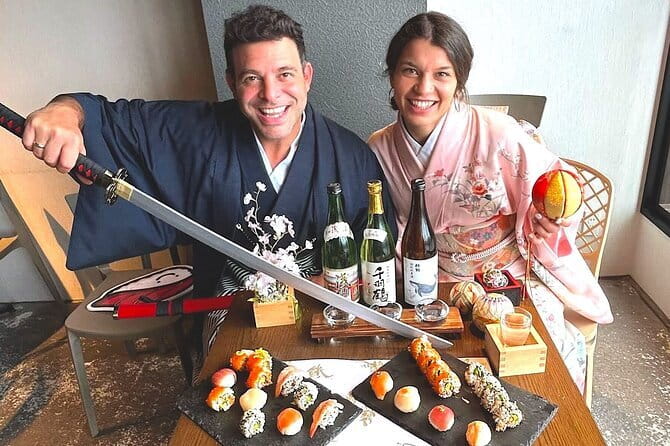
The finishing touch is a dedicated photo-op table. Once your sweets are made, you can arrange them for pictures instead of eating them immediately over a work surface. That is a simple idea, but it gives the class a clear ending and helps you remember what you made.
You also receive recipes to take home. For me, this is one of the strongest reasons to consider the price. A food activity can disappear as soon as the last bite is gone. A usable recipe gives you a way to repeat the experience for family and friends.
Do not expect the recipe alone to replace the lesson. Mochi texture can be tricky, and your first attempt at home may not look exactly like the class version. The value is that you will have watched the technique, handled the dough, and learned what the finished texture should feel like.
If you are traveling with children, the photo table and take-home recipe help turn the class into a shared project rather than just another meal. Adults who enjoy food photography will also have a small, prepared space for pictures without having to improvise in a busy café.
Price, timing, and what the booking includes
The listed price is $112.01 per person, with group discounts available. Confirmation arrives within 48 hours, subject to availability, and the booking uses a mobile ticket. Free cancellation is available if you cancel at least 24 hours before the local start time. Changes or cancellations inside that window are not refunded.
At two hours, the class costs more than buying matcha sweets from a shop. That comparison is fair, but it misses the main point. Here you receive ingredients, guidance, Japanese green tea or coffee, an apron, recipes, and a private lesson with Sakura. You also get the chance to ask questions and practice rather than watch from the sidelines.
I would call it good value for a specific kind of visitor: someone who wants a personal food experience, needs gluten-free sweets, is traveling with children, or enjoys bringing a practical skill home. If you only want an inexpensive dessert, the cost will feel high.
The fact that it is commonly booked 38 days ahead is useful planning information. It suggests you should not leave this until the final morning of your Tokyo stay, especially if your dates are fixed. Confirmation can take up to 48 hours, so build that delay into your plans.
Who should book this class
This is a strong match for several types of Tokyo visitors:
- Gluten-free and celiac visitors: You can focus on Japanese sweets in a setting designed around gluten-free preparation.
- Families: Sakura has experience teaching children, and the hands-on format gives young participants something to do.
- First-time cooks: The class is built around guidance and practice, not prior pastry skills.
- Mochi fans: You will learn how the sweets are made instead of simply buying another box.
- Rainy-day planners: The indoor activity gives you a useful backup when Tokyo weather turns unpleasant.
- Couples and small groups: The private format lets you share the lesson without a large class around you.
It may be less suitable if you want a broad Tokyo food tour, a restaurant meal, or a class in a large professional studio. The private home format is personal and comfortable, but it also means you should be ready for a quieter, more focused activity.
How to fit it into a Tokyo day
Because the class returns to the same Sangenjaya meeting point, plan for roughly the full two-hour session plus your transportation time. Do not schedule a tightly timed attraction immediately afterward unless you know your route well.
Sangenjaya is close enough to the Shibuya area to pair with a day in western central Tokyo, but the activity itself is not based at a major landmark. You will get more from it if you treat the neighborhood as your starting point and avoid crossing the city just before class.
This is also a smart choice during very hot Tokyo weather. The class gives you a cool indoor break while still offering a real activity. Rain is no problem, and you do not lose the day to a weather-dependent view or walking route.
Wear something comfortable for kitchen work. An apron is included, but the details do not specify clothing requirements, footwear rules, or kitchen accessibility. If those points matter to you, ask before arrival.
My booking advice
Book this class if you want to make four gluten-free Japanese sweets, meet Sakura in a private setting, and leave with recipes you can use at home. The personal teaching, green tea, photo table, and child-friendly approach give it more substance than a simple tasting.
I would also recommend it to anyone looking for a meaningful indoor activity during hot or wet weather. The strongest feature is not the final plate, though the sweets should be delicious. It is the chance to work directly with a local teacher and understand mochi through your own hands.
Skip it if your budget is tight or if you want a fast, inexpensive taste of matcha. At $112.01, this is a lesson and cultural exchange, not a snack. For the right visitor, especially a gluten-free family or a serious mochi fan, that distinction makes the cost easier to justify.
FAQ
How long does the mochi class last?
The class lasts approximately two hours.
Where does the activity begin and end?
It begins at 1-chōme-11-13 Sangenjaya, Setagaya City, Tokyo 154-0024, Japan, and ends back at the same meeting point.
Is this a private activity?
Yes. Only your group participates in the activity.
How many sweets will I make?
You will make four different types of Japanese sweets during the lesson.
Is the class gluten-free?
The class focuses on gluten-free Japanese sweets. If you have celiac disease or a serious allergy, confirm ingredient and cross-contact details with the provider before booking.
Who teaches the class?
The teacher is Sakura, a qualified professional instructor with experience teaching children.
What is included in the price?
An apron, coffee or Japanese green tea, and guided instruction are included. Alcoholic beverages are not included.
Can I cancel for a full refund?
Yes, if you cancel at least 24 hours before the experience start time. Cancellations or changes made less than 24 hours before the start time are not refunded.
More Workshops in Tokyo
- Sushi Making Tokyo Roll and Authentic Japanese Sushi Class
★ 5.0 · 3,971 reviews - Tokyo: Roll and Authentic Sushi Making Class in Asakusa
★ 4.9 · 1,957 reviews - Tokyo Shinjuku Chopsticks Making Class
★ 5.0 · 1,763 reviews - Tokyo: Sushi Making Class in a Happi Coat near a Famous Spot
★ 4.9 · 1,377 reviews
More Dessert Tours in Tokyo
- Make Traditional Nerikiri Sweets & Matcha experience in Shibuya
★ 5.0 · 130 reviews - Private Mochi Sweets Making class near Shibuya area
★ 5.0 · 93 reviews - Japanese Traditional Sweets making and Tea Ceremony
★ 4.7 · 50 reviews - Tokyo Local Food Tour: Noodles, Skewers, Dumplings, Sweets
★ 5.0 · 48 reviews
Just added around Tokyo
- Private Memorable Tokyo Tour with English Speaking Driver★ 5.0 · 30 reviews
- Private Tokyo Custom Full-Day Tour by Chartered Vehicle★ 5.0 · 16 reviews
- Private Sightseeing to Mt Fuji and Hakone with English Driver★ 5.0 · 51 reviews
- Tokyo Photography Masterclass – Private Photography Lesson★ 5.0 · 25 reviews
- Private Mt. Fuji Day Trip from Tokyo with English-Speaking Driver★ 5.0 · 33 reviews
- 4 Day Tour – Mount. Fuji, Tokyo, Hakone, Kamakura and Yokohama★ 5.0 · 19 reviews
- Private Unforgettable Mt Fuji Tour with English Speaking Driver★ 5.0 · 142 reviews
- Private Tokyo Food Tour – A Journey Through Time Through Food★ 5.0 · 36 reviews
Tea Ceremony Experiences, compared.
Tea Ceremony in a Traditional Tea House in Kiyomizu
Read our review →

World Heritage Kyoto & Nara Uji Authentic Matcha Experience
Read our review →
Browse the lists this tour appears in