
REVIEW · WALKING TOURS
Osaka: Hotspots & Hidden Gems Walking Tour Private or Group
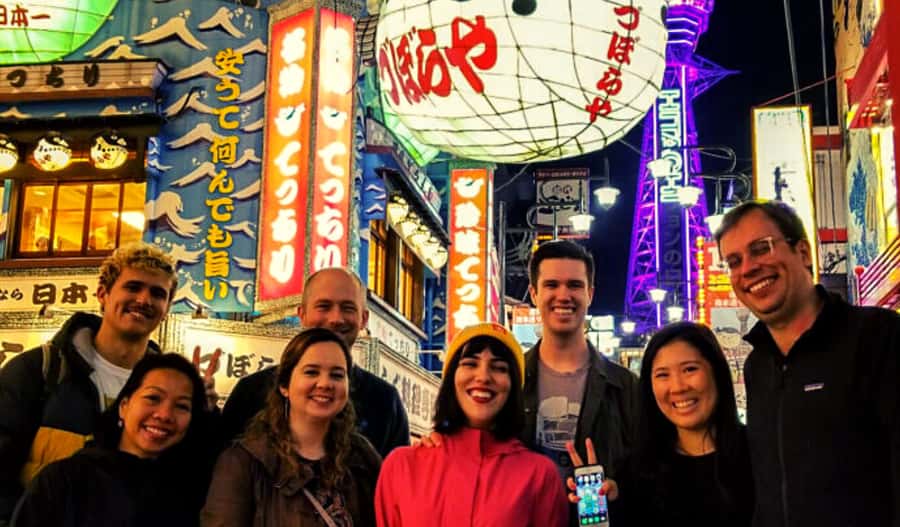
Osaka reveals itself best at street level, where a seafood stall can sit beside a neon arcade and a quiet temple lane can open into the noise of Dotonbori. This tour links those contrasts with local stories, snack stops, and backstreet walks, rather than treating Osaka as a checklist of famous sights.
I like the way the route gives you both the city’s loud public face and its tucked-away corners. I also like the choice of a lively three-hour group walk or a longer private tour that can add Osaka Castle, Shitennoji, a knife lesson, and more food areas. The main catch is that the included food is modest: one small takoyaki snack and a canned drink, not a full food tour.
In This Review
- Key points at a glance
- Why this Osaka walk works so well
- Meeting in Namba and choosing your pace
- Kuromon Ichiba, Osaka’s market classroom
- Takoyaki beside the Dotonbori river
- Quiet alleys, local bars, and a small temple
- America-mura and Japan’s version of America
- Shinsekai and Osaka’s retro edge
- What the private tours add
- Price, value, and what you still pay for
- Practical advice before you book
- Should you book this Osaka walking tour?
- FAQ
- Where does the group tour meet?
- Can I get hotel pickup?
- How long is the tour?
- How large is the group tour?
- Is the tour offered in English?
- Is Osaka Castle included?
- Is food included?
- Do I need to pay for transportation?
- What should I bring?
- What happens if it rains?
Key points at a glance
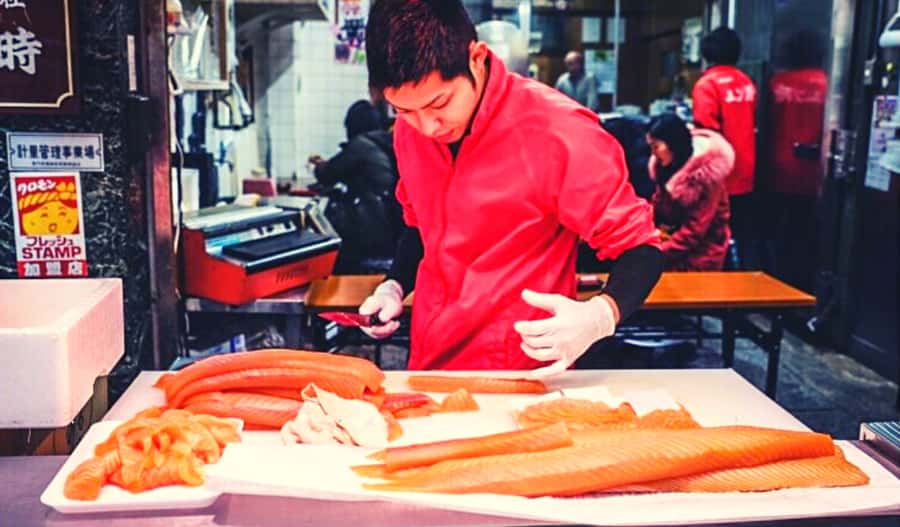
- Kuromon Ichiba Market: See where chefs shop and sample selected local produce, with extra food purchases paid separately.
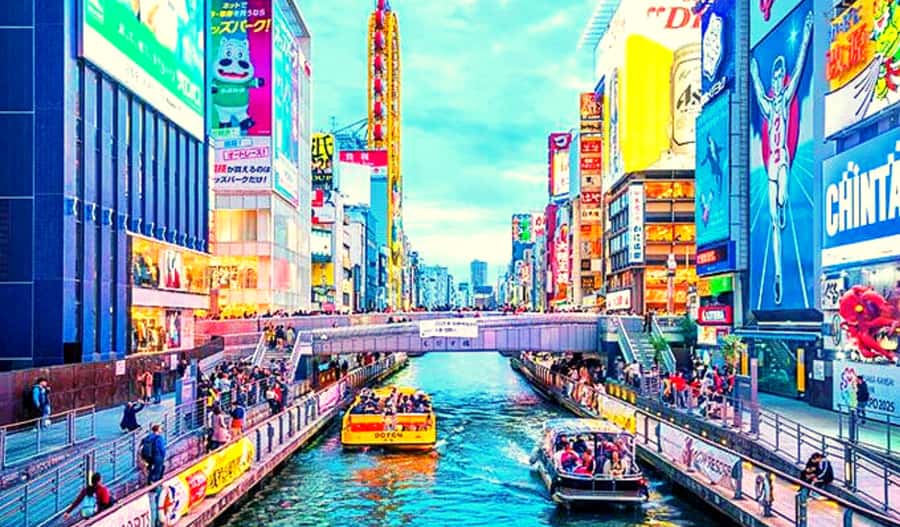
- Dotonbori after dark: Neon signs, the river, oversized restaurant boards, and takoyaki make this the most theatrical part of the walk.
- Backstreets and old neighborhoods: Pass narrow lanes, small bars, quiet shops, Shinsekai restaurants, and traditional gaming parlors.
- Flexible tour lengths: The three-hour group option has a maximum of nine people. Private tours run for four, five, or seven hours.
- Useful first-day orientation: Guides such as Stephanie, Rahat, Josh, Taka, Harry, and others are praised for practical advice, local stories, and easy conversation.
- Walking demands: Wear comfortable shoes, leave luggage behind, and think carefully if stairs, long walks, or uneven streets are difficult for you.
Why this Osaka walk works so well
Osaka can feel like several cities piled together. Namba and Dotonbori deliver bright signs and crowds. Kuromon Ichiba brings raw seafood and market stalls. America-mura looks at the United States through Japanese pop culture, while Shinsekai feels older, stranger, and less polished.
The tour’s strength is this range. In a few hours, you get a useful sense of how Osaka changes from block to block. You are not only shown a restaurant sign or a temple gate. You hear why a lane matters, how a neighborhood developed, and what to look for when you return on your own.
The English-speaking guides are a major part of the experience. Different guides lead the walks, including Stephanie, Rahat, Josh, Taka, Harry, Mary, Tommy, and others. Their styles vary, but the strongest pattern is clear: guides keep the walk conversational, explain customs in plain English, and answer questions about food, transport, history, and local habits.
I would book this near the start of your Osaka stay. It gives you a map in your head, plus ideas for later meals and evening walks. Several people have also appreciated the guides’ help with dinner choices, shopping, photography, vending machines, and getting around.
More Walking Tours in Osaka
- Osaka Kickstart: Hotspots & Hidden Gems Tour
★ 5.0 · 1,306 reviews - Osaka Local Foodie Walking Tour in Dotonbori and Shinsekai
★ 5.0 · 985 reviews - Osaka Bar Hopping Night Walking Tour in Namba (3 bars, 6 tastes)
★ 5.0 · 958 reviews
Meeting in Namba and choosing your pace
The three-hour group tour begins at Exit 24 of Namba Metro Station. Meet at the top of the stairs, near the vehicles. Look for the Exit 24 sign and a bicycle stand about seven meters away. The meeting point is precise, but Namba has many exits, so allow extra time to find the correct one.
The group size is capped at nine. That is small enough for questions without the cost of a private guide. It is also large enough that the pace and interests cannot be tailored entirely to you.
The three-hour route is best viewed as an introduction. It covers much of the Namba and central Osaka area, with enough time for Dotonbori, market scenes, back lanes, and neighborhood contrasts. You will cover ground, but this is not a slow architectural study.
The four-, five-, and seven-hour options are private and more adaptable. Central hotel pickup may be arranged for these private tours, but you need to send your hotel details at least a day ahead. Only centrally located hotels qualify, and the group tour does not offer hotel pickup.
A longer tour is not automatically better. Choose four hours if you want more time for questions and extra neighborhoods. Five hours can make room for Osaka Castle or Shitennoji. Seven hours suits you if you want a full city orientation at a gentler pace, with additional lanes, food areas, or cultural stops.
Kuromon Ichiba, Osaka’s market classroom
Kuromon Ichiba Market is one of the tour’s most useful stops. The market is known as a place where professional chefs buy fresh ingredients, so it offers a practical look at Osaka’s food culture rather than a staged attraction.
Your guide helps explain unfamiliar seafood, produce, and prepared foods. That matters here because market stalls can be confusing if you do not know what you are seeing or how it is usually eaten.
The included tasting is limited, but the setting gives you plenty of chances to buy more if something catches your eye. One person enjoyed trying puffer fish and Kobe beef during the market visit. Those purchases are not part of the basic price, so carry a little spending money if tasting is central to your plan.
This stop works best when you treat it as both a food visit and a lesson in Japanese shopping habits. Ask about the ingredients, preparation, and price before buying. Your guide can point out what is unusual, popular, or worth saving for a later meal.
The drawback is timing. Markets are active places, and the route can feel crowded. If you prefer quiet streets and long visits at each stall, the market portion may seem brisk on a three-hour walk.
Takoyaki beside the Dotonbori river
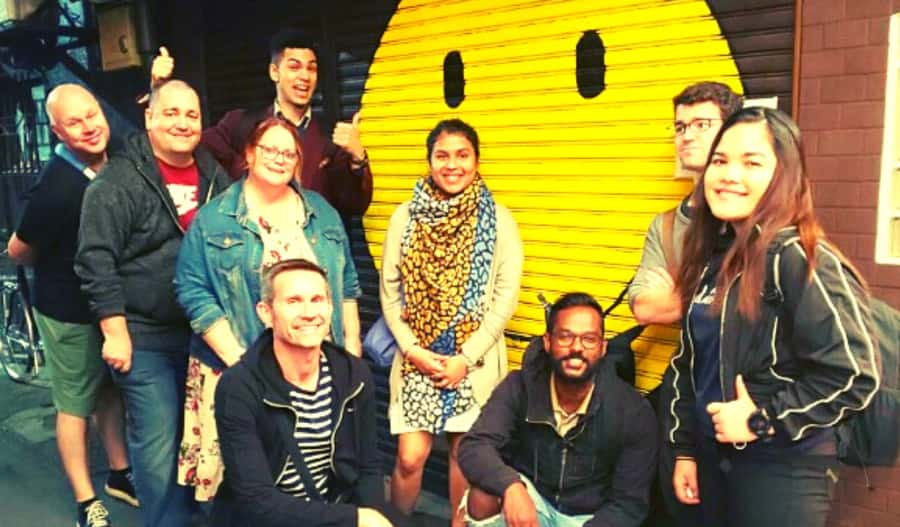
Takoyaki is Osaka’s signature street snack: a small batter ball with octopus inside. The tour includes a taste, along with a can of drink from a vending machine.
Keep your expectations realistic. This is a sample, not lunch. The included snack is described as a very small portion, and other food and drinks cost extra. I would eat something light beforehand if you are booking the walk around mealtime.
The Dotonbori section is the tour’s big visual hit. You will see the river, giant restaurant boards, bright advertising, and the famous sensory overload of central Osaka. At night, the signs are especially striking, and an evening start gives the area a stronger atmosphere than daylight.
There is plenty of noise and foot traffic here. That is part of the point, but it can make conversation harder and photography slower. Stay close to the guide, especially around busy crossings and narrow walkways.
The practical value of this stop is not only the photo opportunity. You learn which parts of Dotonbori deserve a second visit, where the food streets continue, and how the area connects with Namba and Shinsaibashi.
Same city, a completely different kind of day:
- Osaka Go Karting Tour with Funny Costume
★ 5.0 · 2,658 reviews - Osaka Castle: Museum and Tower Entry Ticket
★ 4.5 · 2,380 reviews - Osaka: Shinsekai Food Tour with 13-15 Dishes at 5 Eateries
★ 4.8 · 2,204 reviews - Osaka Food Tour: 13 Dishes at 5 Local Eateries
★ 5.0 · 2,149 reviews
Quiet alleys, local bars, and a small temple
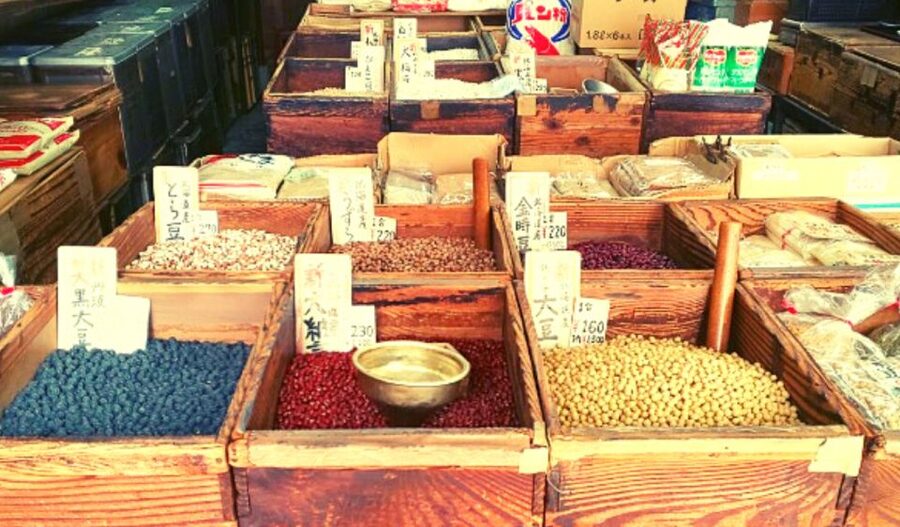
After the market, the route turns away from the main crowds. You may pass old cobblestone lanes, small bars, restaurants, boutique eateries, and shops that are easy to miss when you follow the usual Osaka route.
These alleys are not presented as grand monuments. Their appeal comes from the details: a narrow passage, an old building, a bar with a tiny entrance, or a lane used mainly by people who live and work nearby.
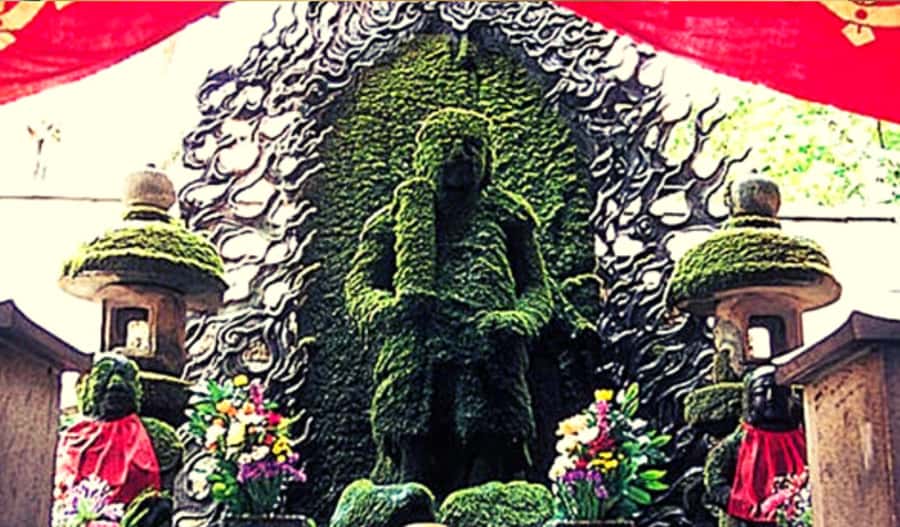
The tour also includes a temple with a distinctive past. The supplied details do not identify the temple by name, so do not book expecting a specific major landmark at this point. The value is the change in mood and the guide’s explanation of the site’s history.
This is where a guide earns the walking fee. A map can show you Dotonbori and Kuromon Market, but it cannot easily explain which lane is worth turning into or why a quiet religious site matters amid the commercial center.
The pace may vary with the group. Private tours give you more control if you want to stop for photographs, ask many questions, or spend longer in a particular neighborhood.
America-mura and Japan’s version of America
America-mura, often called America Town, offers a playful look at how American culture has been interpreted in Japan. Expect fashion, pop references, shops, and a very different mood from the market or temple lanes.
The guide’s explanation is more useful than simply walking through the area. You can ask how the neighborhood gained its identity and what parts of its style are distinctly Japanese rather than direct copies of the United States.
One private group changed its route to visit a vintage shop in America-mura. That example shows the advantage of the private format. If a particular store or local interest matters to you, tell the guide early and ask what can fit within the time.
America-mura is not a museum of American history. It is a commercial neighborhood with a Japanese reading of American culture. Go for the contrast, the people-watching, and the chance to see Osaka’s youth-oriented side.
Shinsekai and Osaka’s retro edge
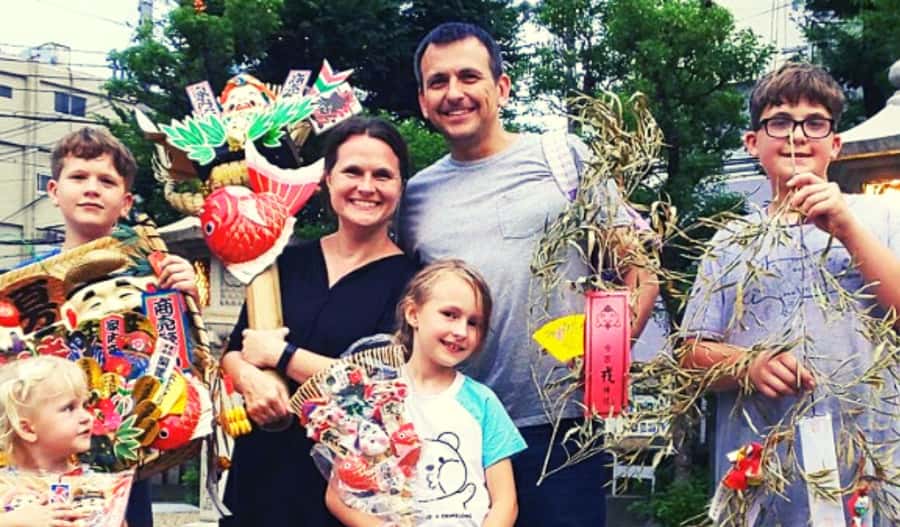
The walk continues to Shinsekai, an older district with a rougher, more eccentric character. Here, the route may pass unusual fishing-themed restaurants and old Japanese gaming parlors.
Shinsekai feels different from the polished shopping streets of central Namba. The signs are still bold, but the atmosphere is more retro and local in tone. It is a useful place to see that Osaka is not only neon, department stores, and fashionable cafes.
Some travelers want a spotless, carefully arranged sightseeing route. This area offers something less tidy and more revealing. The mix of aging streets, entertainment venues, and food businesses is precisely what makes the neighborhood interesting.
The three-hour walk may only provide an overview. A longer private visit can slow down and give you more time to ask about the district, though the exact route depends on your guide and interests.
What the private tours add
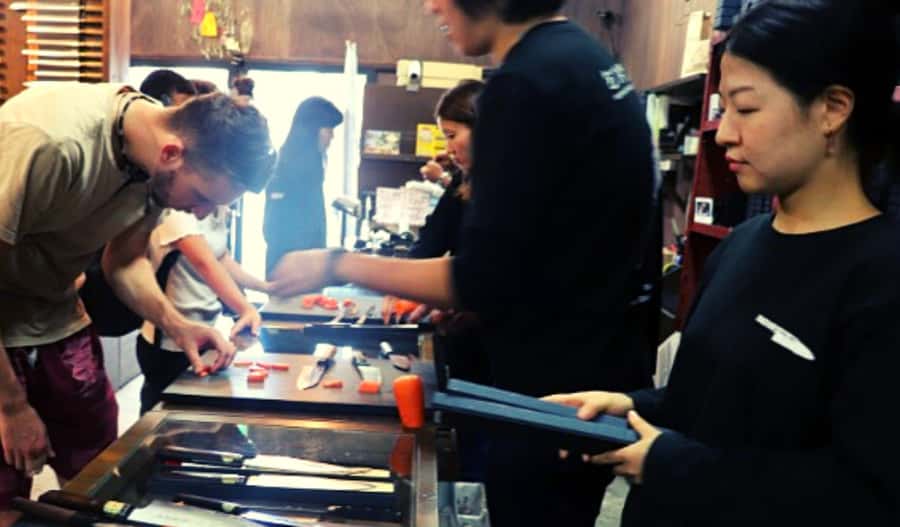
The private four-, five-, and seven-hour tours are the better choice if you want depth or have a clear wish list. Possible additions include Osaka Castle, Shitennoji Temple, a Japanese knife shop, the East Shinsaibashi food area, and the Museum of Housing and Living.
The knife-shop option is especially distinctive. You can arrange a private demonstration and lesson about Japanese knives, which gives the longer tour a hands-on element beyond sightseeing. Confirm this when booking if it is a priority, since the route is personalized.
Osaka Castle can be added only to the private four-, five-, or seven-hour tours. The three-hour group tour does not include it. The castle visit may require public transport, and transportation is not included in the tour price.
One group used IC cards and took the train with the guide to Osaka Castle. That is a practical detail: have an IC card ready if you plan to use Osaka trains, and expect to pay your own fares.
Shitennoji offers a calmer, more traditional stop. It is described as Japan’s oldest temple, and its serene grounds provide a sharp contrast with Dotonbori’s signs and crowds.
The Museum of Housing and Living shows how local life changed from earlier periods toward the present. This is the strongest option for you if you want more social history and less shopping or nightlife.
Price, value, and what you still pay for
At about $33 per person, the three-hour group walk is priced well for a first look at central Osaka. You are paying mainly for the guide’s time, route planning, explanations, and local suggestions. The snack itself is not the reason to book.
The value rises if you use the advice afterward. A good guide can help you choose a dinner area, understand market foods, spot worthwhile lanes, and plan the rest of your Osaka stay. That can save time and reduce the guesswork of your first evening.
Private tours cost more than the advertised per-person group rate, though the exact private price is not provided here. For couples, families, or small groups with specific interests, the extra flexibility may justify the higher cost.
Budget separately for food, drinks, train fares, and paid visits. The included items are a small takoyaki serving and a canned vending-machine drink. Anything beyond that is yours to purchase.
Practical advice before you book
Wear comfortable shoes. This is a real walking tour through crowded commercial areas, narrow lanes, market streets, and neighborhood roads. Pregnant people and those with mobility impairments are advised not to book, and large bags or luggage are not allowed.
Rain does not normally cancel the walk. The tour runs in wet weather and only stops for very serious conditions such as a typhoon or earthquake. Bring suitable clothing and keep your phone protected.
For the best first visit, I would choose an evening three-hour group tour. Dotonbori’s signs look better after dark, and the compact route gives you quick orientation without taking a full day.
Choose a private tour if you want Osaka Castle, Shitennoji, a knife demonstration, the housing museum, or a slower pace. Seven hours can sound long, but the route changes neighborhoods often, and the time can pass quickly if you enjoy questions, food, and local stories.
Should you book this Osaka walking tour?
Book it if you want a lively introduction to Osaka that mixes famous sights with ordinary streets. It suits first-time visitors, food-curious people, couples, and anyone who wants practical ideas for the rest of a stay.
I would skip it if you want a full meal, a museum-heavy day, or a relaxed tour with very little walking. The included food is only a sample, and the busiest sections can be loud and crowded.
For most visitors, the three-hour group walk is the best value. If you already know central Osaka or want a more personal route, pay for the private option and use the extra time for Osaka Castle, Shitennoji, the knife shop, or the Museum of Housing and Living.
FAQ
Where does the group tour meet?
Meet at Exit 24 of Namba Metro Station, at the top of the stairs near the vehicles. The correct spot has an Exit 24 sign and a bicycle stand about seven meters away.
Can I get hotel pickup?
Hotel pickup is available only for private tours with centrally located Osaka hotels. Send your hotel details at least one day ahead if you want to request it.
How long is the tour?
The available durations range from three to seven hours. The group option lasts three hours, while private options last four, five, or seven hours.
How large is the group tour?
The three-hour group tour allows a maximum of nine guests.
Is the tour offered in English?
Yes. The listed live tour language is English.
Is Osaka Castle included?
Osaka Castle is available only on private four-, five-, and seven-hour tours. It is not included on the three-hour group tour.
Is food included?
A small takoyaki snack and a can of drink from a vending machine are included. Additional food and drinks are not included.
Do I need to pay for transportation?
Transportation is not included. A train may be used on a private route that visits Osaka Castle, and you pay your own fare.
What should I bring?
Bring comfortable shoes. Do not bring luggage or large bags.
What happens if it rains?
The tour operates in rain and other normal weather. It is canceled only in very serious conditions, such as a typhoon or earthquake, with a full refund in that situation.
Just added around Osaka
- (Ticket Included) Explore Osaka Castle & Museum of History★ 4.8 · 21 reviews
- Hidden Osaka – Yukaku Red Light Tour & Culinary Adventure★ 4.8 · 96 reviews
- Osaka: Walking Tour and Top Highlights★ 4.8 · 104 reviews
- Osaka: Private Ceramic Painting Workshop★ 5.0 · 13 reviews
- Pickleball in Osaka, Kobe & Kyoto with Locals!★ 4.7 · 80 reviews
- Eat Like a Local in Osaka – Private Custom Street Food Tour★ 4.3 · 33 reviews
- Osaka:SUMO BEATS SHOWCASE: Taiko Drum and Wagyu burger!★ 4.2 · 37 reviews
- Kimono photoshoot-Includes 100 photo data★ 5.0 · 21 reviews
Walking Tours, compared.
Kyoto Geisha Walking Tour: Gion District & Hidden Gems
Read our review →
Tokyo Tsukiji Fish Market Food and Culture Walking Tour
Read our review →
Gion Magical Night Walking Tour with Geisha Trivia
Read our review →
Imperial Palace and Shogun Historical Walking Tour
Read our review →
Gion Geisha District Walking Tour – Stories of Geisha
Read our review →
Asakusa Walking Tour with Sensoji Temple Visit
Read our review →
Kyoto Gion Geisha District Walking Tour – The Stories of Geisha
Read our review →Browse the lists this tour appears in