
REVIEW · FOOD MARKET TOURS
Kyoto: Gion Food Tour 13 Dishes at 4 Eateries
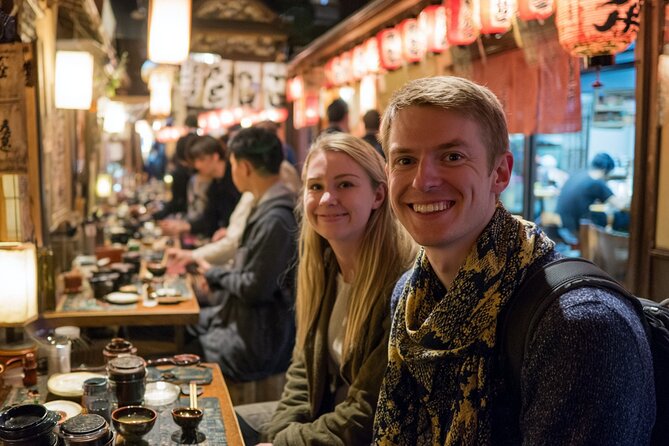
Kyoto’s best evening meal may be a moving one. This three-hour walk links four small eateries around Pontocho and Gion, with 13 dishes ranging from Kyoto-style obanzai and yuba to takoyaki, sushi, drinks, and sweets. Between bites, your guide leads you through narrow lanes lined with lanterns and old teahouses.
I like the variety here: you do not spend the whole night at one restaurant, and you get several chances to try foods you might skip on your own. I also like the cultural setting, especially the walk through Pontocho and the explanations of geisha customs. The main caution is that the food and guiding can feel uneven, and the route may include more walking than the three one-hour itinerary blocks suggest.
In This Review
- Key points to know before you book
- Why this Kyoto food walk works so well at night
- Meeting at Sanjo-ohashi Bridge
- Pontocho: lanterns, teahouses, and the first food stops
- Four eateries and 13 dishes, with plenty of variety
- Kyoto food traditions explained in plain language
- Drinks, shoes, and the small practical details
- Is $72.96 a fair price for this Kyoto experience?
- Who should book this tour?
- My verdict on the Gion 13-dish food tour
- FAQ
- How long does the Kyoto food tour last?
- How many dishes are included?
- Are drinks included?
- Is alcohol available on the tour?
- Where does the tour start?
- Where does the tour finish?
- Does the tour visit both Pontocho and Gion?
- Is the tour suitable for vegans or people following a gluten-free diet?
- How many people can join the tour?
- Can I cancel for a full refund?
Key points to know before you book
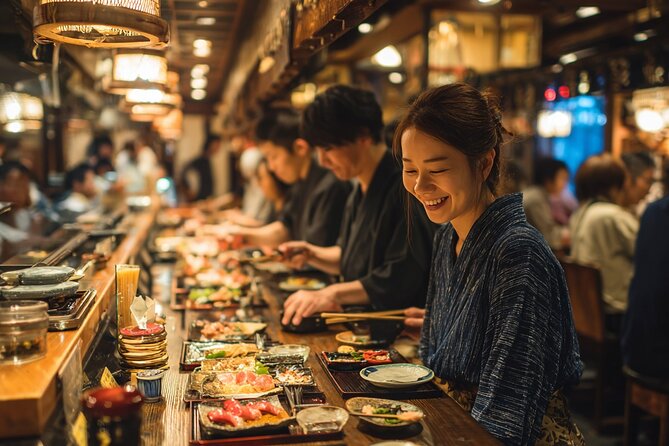
- Thirteen dishes at four eateries: You get a broad sampling rather than one formal dinner.
- Pontocho and Gion after dark: Lantern-lit lanes and traditional teahouses provide the setting.
- Small group of up to 10 people: The size should make it easier to ask questions and follow the guide.
- Guides vary by departure: Amy, Alessio, Pedro, Yuvia, Mehrab, Maggie, Liz, Gui, and Gian have led different tours.
- Two complimentary drinks: One alcoholic or non-alcoholic drink is included at each of two eateries.
- Important food limits: There is no vegan, gluten-free, or celiac-safe option, and the tour is not suitable for FODMAP diets.
Why this Kyoto food walk works so well at night
The appeal is not only what sits on your plate. Kyoto’s Pontocho and Gion districts are at their most atmospheric in the evening, when lanterns glow along narrow lanes and the traditional wooden facades take on a softer look.
Your guide uses the walk to explain the role of geisha in Japanese culture and the way Kyoto’s food traditions differ from those of other Japanese cities. You may pass teahouses where geisha still entertain, though this is not a geisha performance or a guaranteed meeting with one.
That distinction matters. You are paying for a guided introduction to the neighborhood and its food, not a private cultural show. The setting gives the meal a sense of place, but the food remains the main event.
The tour is limited to 10 people, which is a sensible size for small restaurants. You are less likely to get lost in a large crowd, and you can ask about unfamiliar dishes as they arrive. Guides named in the feedback include Amy, Alessio, Pedro, Yuvia, Mehrab, Maggie, Liz, Gui, and Gian. The quality of the evening depends partly on who leads your group. Some guides are praised for warmth, humor, and local food knowledge, while a few have been described as repetitive or difficult to understand.
More Food Market Tours in Kyoto
- Nishiki Market Brunch Walking Tour (7 Tastings + Brunch)
★ 5.0 · 1,355 reviews - Kimono Tea Ceremony at Kyoto Maikoya, NISHIKI
★ 5.0 · 911 reviews - Kyoto Nishiki Market Food and Culture Walking Tour
★ 5.0 · 412 reviews
Meeting at Sanjo-ohashi Bridge
The tour begins at Starbucks Coffee near Kyoto Sanjo-ohashi Bridge, at 113 Nakajimacho in Nakagyo Ward. This is near public transportation and gives you a clear central meeting point.
I would arrive early. Kyoto’s central streets can be confusing, especially after dark, and the meeting point is a busy city location rather than a quiet landmark reserved for the group. Your mobile ticket and booking confirmation should be easy to show if needed.
The end point is Gion-Shijo Station on Miyagawasuji in Higashiyama Ward. That is useful because you finish near public transportation rather than being left in an unfamiliar alley. It also lets you continue exploring central Kyoto or return to your accommodation by train or another local connection.
The activity lasts about three hours. You should expect a walking meal, not three hours sitting down. One notice from the experience is worth taking seriously: some restaurants may require you to remove your shoes. Wear socks and choose footwear that comes off easily.
Pontocho: lanterns, teahouses, and the first food stops
The first scheduled part takes about an hour in Pontocho District. This is one of Kyoto’s most attractive preserved alleyways, with a narrow pedestrian route running between the Kamo River and the main streets.
The guide talks about geisha culture and points out the traditional teahouses. This is where the tour’s cultural side feels strongest. Pontocho is not simply a backdrop for dinner. The buildings, lanterns, and limited street width help you understand why Kyoto dining has long been tied to privacy, ceremony, and careful service.
You may also walk past places that look inviting but are difficult to enter without Japanese language skills or local connections. That is one practical value of a food tour here. Your guide handles the route and restaurant visits, so you can focus on trying the food instead of guessing where to go.
The food may include Kyoto specialties such as obanzai, a style of home cooking based on seasonal vegetables and small prepared dishes. Fresh yuba, the delicate skin that forms on heated soy milk, is another example of the refined but often subtle flavors associated with Kyoto cuisine.
Do not expect every dish to be dramatic. Some food is gentle and simple. If you are used to strong sauces or large portions, Kyoto cooking can seem quiet at first. The reward is learning how vegetables, texture, seasonality, and presentation shape the meal.
Four eateries and 13 dishes, with plenty of variety
The tour visits four eateries, with small walks between them. That format gives you a better sense of local dining than one large restaurant stop, but it also means the evening is paced by the group and the restaurants.
The advertised total is 13 dishes. The precise menu can vary, so you should treat the number as a useful guide rather than a promise of a fixed list of named foods. The available descriptions point to a mix of Kyoto dishes, izakaya-style food, street snacks, drinks, and sweets.
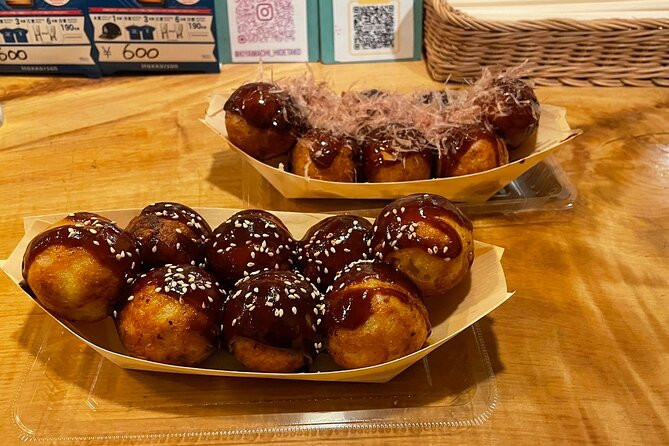
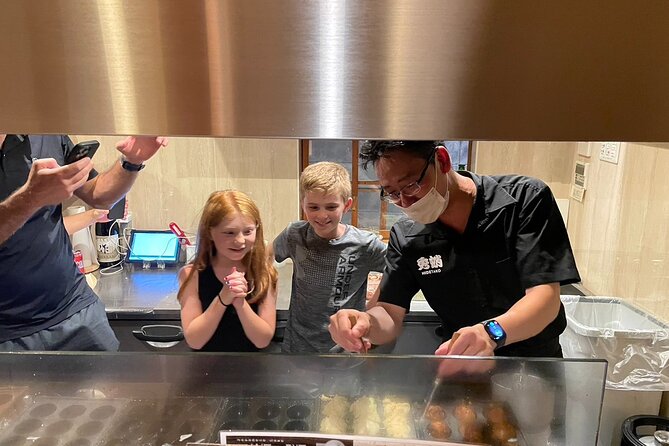
Several dishes receive repeated praise in the tour material. Takoyaki, the hot octopus snack cooked in round molds, is one of the most talked-about stops. You may see the cook turning the pieces quickly and serving them with a spicy sauce. The guide may also explain the difference between Kyoto or local preparations and the Osaka style.
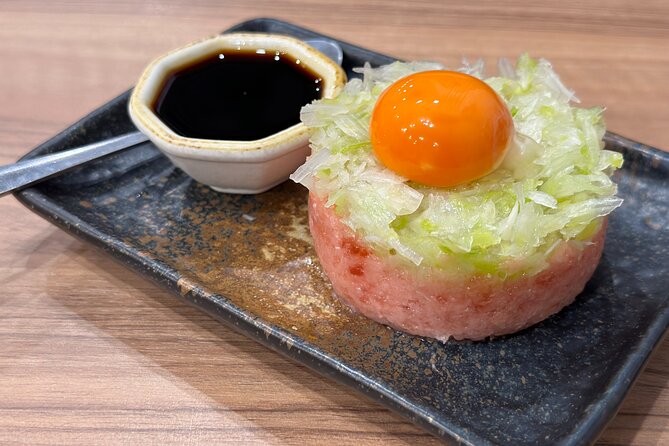
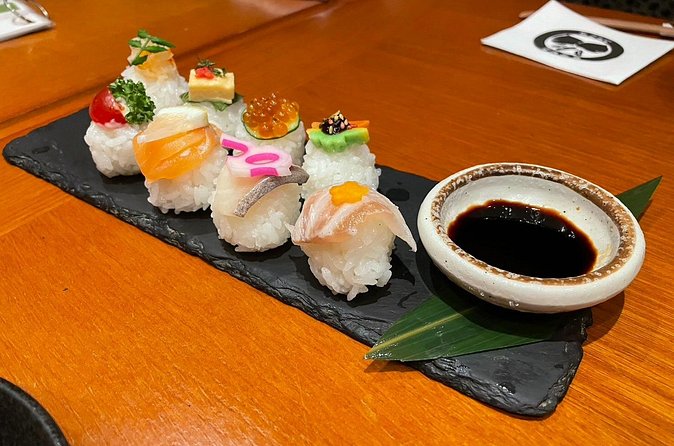
Other food noted from the experience includes sushi, wagyu sushi, tempura, potato salad, and taiyaki filled with custard or sweet potato. Taiyaki is a fish-shaped cake, and the warm filling makes it a pleasant finish to a savory evening.
The range is important. You might try something delicate, something fried, something familiar, and something you would not have ordered without help. That makes this a good first-night activity if you want a quick introduction to Japanese food before choosing restaurants for the rest of your stay.
The tradeoff is that 13 tastes do not equal 13 full courses. You should finish well fed, but this is still a sampling tour. If you want a long, formal dinner with time to linger over each dish, book a restaurant instead.
Same city, a completely different kind of day:
- PERFECT KYOTO 1-Day Bus Tour
★ 5.0 · 13,518 reviews - Kyoto: Fushimi Inari, Kinkakuji, Bamboo Grove 1 Day Bus Tour
★ 4.8 · 4,316 reviews - Kyoto: Tea Ceremony in a Traditional Tea House in Kiyomizu
★ 4.9 · 3,519 reviews - Kyoto Geisha Walking Tour: Gion District & Hidden Gems
★ 4.7 · 3,273 reviews
Kyoto food traditions explained in plain language
A good guide can turn a list of dishes into a useful lesson. The strongest guiding moments described here include explanations of seasonal ingredients, local food history, restaurant customs, and the cultural meaning behind what you eat.
I especially like this approach for foods such as yuba and obanzai. They can be hard to understand from a menu alone. A short explanation of how the dish is made, why it appears in Kyoto cooking, or how it fits a seasonal meal gives you a reason to remember it.
Guides have also explained food differences between Kyoto and Osaka, shared local dining habits, and discussed geisha training and teahouse culture. Those details help connect the street outside with the plate in front of you.
Still, the guiding style is not identical every time. Some hosts, including Alessio, Pedro, Amy, Yuvia, and Mehrab, are singled out for being friendly, engaging, or entertaining. Other accounts describe a guide who sounded rehearsed, repeated points, or moved on too quickly at the end. You should book for the overall route and food, not for a guaranteed personality.
Language clarity can also matter. The tour is conducted in English, but individual communication styles vary. If you have hearing difficulty or want long, detailed historical explanations, this may not be the best format.
Drinks, shoes, and the small practical details
One alcoholic or non-alcoholic drink is included at two of the eateries. The descriptions mention local sake and other refreshing drinks, including sweet or fizzy options. Alcohol is served only to people of legal drinking age.
The two-drink arrangement adds a social touch without turning the evening into a drinking tour. You can choose non-alcoholic drinks, which makes the experience suitable for people who do not drink. Extra drinks are not listed as included, so you should expect to pay separately if you order beyond the provided amount.
Some restaurants may require you to remove your shoes. This is common enough in Japanese dining to plan for, but it can catch you off guard if you wear complicated footwear or dislike walking indoors in socks.
The route is not suitable for someone with a mobility impairment. Most people can participate, but you should be comfortable walking between stops and standing or moving through narrow streets. The tour is not described as strenuous, yet the evening can feel longer than a standard sit-down meal because you change locations several times.
Is $72.96 a fair price for this Kyoto experience?
At $72.96 per person, the value depends on how you use the tour. You are paying for 13 food portions at four eateries, two included drinks, an English-speaking guide, and a three-hour walk through two of Kyoto’s most famous old districts.
That is reasonable if you value convenience and interpretation. Finding four suitable places in Pontocho and Gion, ordering unfamiliar dishes, and explaining the food would take time and some confidence. The guide also helps you move through restaurants where menus may not be easy to read.
The price is less appealing if you mainly want a large dinner. You may find that a single local restaurant gives you more food for less money, especially if you already know what you want to order. A few accounts also describe the food as good but basic rather than exceptional.
For me, the best value comes from the combination of food and neighborhood access. The tour gives you a structured first look at central Kyoto at night, then leaves you near Gion-Shijo Station with ideas for what to eat next.
Who should book this tour?
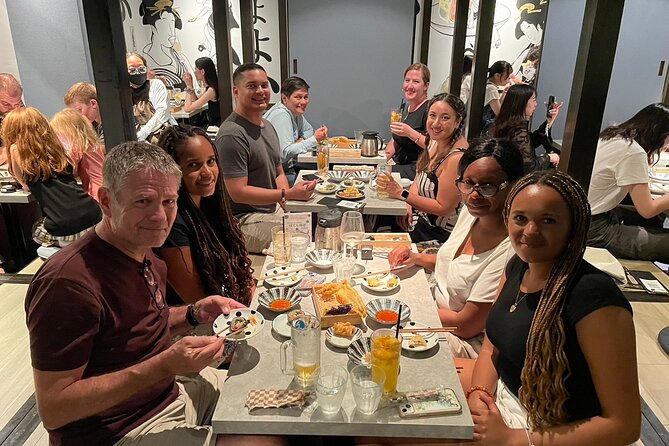
I would recommend it to you if you are visiting Kyoto for the first time, enjoy trying several small dishes, or feel unsure about ordering in Japanese restaurants. It is also a good choice for couples, friends, and solo visitors who like meeting a small group over food.
You will get the most from it if you are open to modest portions and unfamiliar textures. The tour is particularly useful for anyone who wants to try yuba, obanzai, local drinks, takoyaki, and Japanese sweets without planning a restaurant crawl alone.
I would not choose it for a vegan or gluten-free diner. It is also unsuitable for celiac disease and FODMAP diets, with no gluten-free option available. If food allergies are a serious concern, this is not the place to hope for last-minute adjustments.
Families and older participants should consider the walking and the shoe-removal requirement. The activity is not suitable for a person with a mobility impairment, and the exact pace may depend on the group and restaurant locations.
My verdict on the Gion 13-dish food tour
This is a strong introduction to Kyoto’s evening food culture, with the best moments coming from the combination of small eateries, lantern-lit streets, and clear explanations of local dishes. The repeated favorites are the takoyaki, taiyaki, sushi, drinks, and the chance to try foods you may not spot on your own.
The experience is not flawless. Food quality may vary from stop to stop, some dishes may feel ordinary to experienced Japan visitors, and the guide’s delivery is not guaranteed to be equally strong each time. The route may also feel more like a Pontocho and nearby Kyoto walk than a long tour across all of Gion.
Book it if you want a social, well-fed introduction to Kyoto and prefer tasting many things over sitting down for one polished meal. Skip it if you need strict dietary control, dislike walking between restaurants, or already have a detailed list of Kyoto eateries to visit.
FAQ
How long does the Kyoto food tour last?
The tour lasts approximately three hours.
How many dishes are included?
The experience includes 13 dishes at four eateries. The exact dishes may vary, but the food can include Kyoto specialties, snacks, drinks, and sweets.
Are drinks included?
One complimentary alcoholic or non-alcoholic drink is included at two eateries.
Is alcohol available on the tour?
Alcoholic beverages are offered to people who are of legal drinking age. Non-alcoholic drinks are also available.
Where does the tour start?
The meeting point is Starbucks Coffee near Kyoto Sanjo-ohashi Bridge at 113 Nakajimacho, Nakagyo Ward, Kyoto.
Where does the tour finish?
The tour ends at Gion-Shijo Station at 1 Chome Miyagawasuji, Higashiyama Ward, Kyoto.
Does the tour visit both Pontocho and Gion?
The route includes a walk through Pontocho District and a stroll through Gion. The amount of time spent in each area can vary.
Is the tour suitable for vegans or people following a gluten-free diet?
No. The tour cannot cater for vegan or gluten-free diets and is not suitable for people with celiac disease or those following a FODMAP diet.
How many people can join the tour?
The maximum group size is 10 people.
Can I cancel for a full refund?
Yes. You can cancel at least 24 hours before the experience start time for a full refund. Cancellations or changes made less than 24 hours before the start time are not accepted for a refund.
More Food in Kyoto
- Kyoto Foodie Night Tour
★ 5.0 · 376 reviews - Kyoto: Gion & Pontocho Food Tour with 13 Dishes
★ 4.9 · 235 reviews - Kyoto: Local Food Tasting Tour at the Nishiki Market
★ 4.7 · 135 reviews - Kyoto: Nishiki Market and Depachika Food Tour with a Local
★ 4.7 · 76 reviews
More Food & Drink in Kyoto
- Kyoto Night Foodie Tour in Gion (9+ dishes + 6 Sake tastings)
★ 5.0 · 1,762 reviews - 3-Hour Kyoto Insider Sake Brewery Tour with Tastings & Pairings
★ 5.0 · 917 reviews - Arashiyama Bamboo, Temple, Monkeys, or Secret Sake Brewery
★ 4.8 · 886 reviews - Kyoto: Insider Sake Brewery Tour with Sake and Food Pairing
★ 5.0 · 704 reviews
Just added around Kyoto
- Taste of Nishiki Market Walking Food Tour with Local guide★ 5.0 · 17 reviews
- Kyoto: Sushi Making Class with Sushi Chef★ 4.8 · 64 reviews
- Kyoto: City Secrets eBike Tour★ 4.9 · 196 reviews
- Sacred Pathways: Discover the Philosopher’s Path of Kyoto★ 4.9 · 20 reviews
- Private Tour to Monkey Park and Arashiyama Highlights★ 5.0 · 22 reviews
- Private Nara Tour from Osaka – Meet at Your Hotel★ 5.0 · 22 reviews
- Private Sake Tasting in Central Kyoto with Sake Sommelier★ 5.0 · 13 reviews
- Kyoto : Private Custom Walking Tour With A Local Guide★ 4.6 · 144 reviews
Food Market Tours, compared.
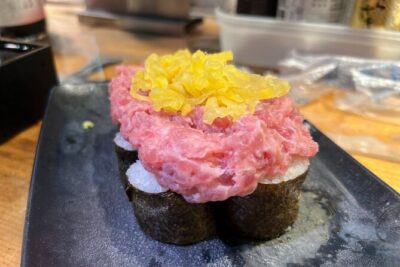
Shinjuku Food Tour (13 Dishes at 4 Local Eateries)
Read our review →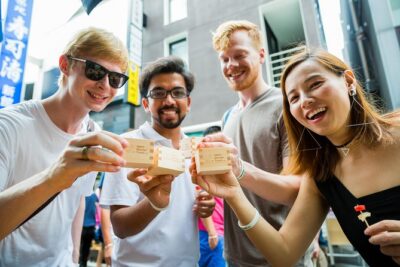
Tokyo Tsukiji Fish Market Food and Culture Walking Tour
Read our review →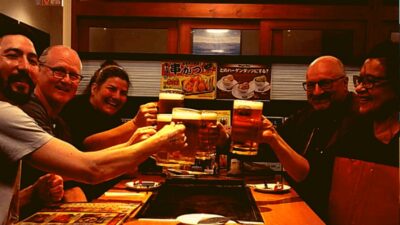
Shinsekai Food Tour with 13-15 Dishes at 5 Eateries
Read our review →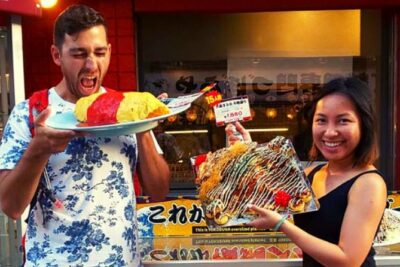
Osaka Food Tour: 13 Dishes at 5 Local Eateries
Read our review →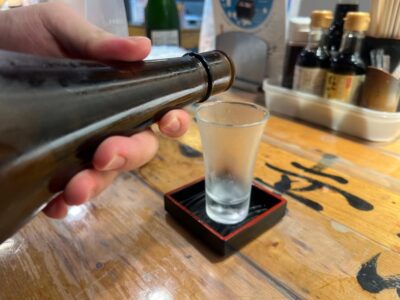
Shinjuku Food Tour (15 Dishes and 4 Eateries)
Read our review →
Best of Shinjuku: Izakaya Food Tour (4 Stops, 14+ Tastings)
Read our review →
Hungry Osaka Street Food Tour:15 Tastings & 3 Drinks with a Local
Read our review →
Browse the lists this tour appears in