
REVIEW · FOOD MARKET TOURS
Kyoto: Gion Local Food Tour (Taste 15 Dishes)
Kyoto’s Gion district is at its most atmospheric after dark, and this tour gives you a useful shortcut into its food scene. You move from an izakaya near Kawaramachidori to a tonkatsu stop and finish with sushi and tempura around Gion Shirakawa. The guide handles ordering and translation, so you can focus on eating rather than decoding a menu.
I like the wide range of dishes and the way the evening mixes food with small cultural details. I also like the small-group format, capped at 15 people, and the fact that guides such as Misaki, Ryu, Jay, Yu, and Lemonie have been praised for clear English, warmth, and local recommendations.
The main thing to consider is that the 15 dishes may not mean 15 completely different styles of food. The first stop can lean heavily toward chicken skewers, and the standard food selection may feel less adventurous than the headline suggests. At $94, you are paying for guidance, drinks, and access to local-style dining, not a luxury meal.
In This Review
- Key points before you book
- Starting near Kawaramachidori with yakitori
- Walking toward Gion and Yasaka Shrine
- Second stop in Gion: tonkatsu on the move
- Finishing in Gion Shirakawa with sushi and tempura
- What the guide adds to the $94 price
- The guides can shape the whole evening
- Who will enjoy this Kyoto food walk
- Timing, meeting point, and practical details
- Should you book the Gion food tour?
- FAQ
- How long does the Kyoto Gion food tour last?
- What time does the tour begin?
- Where does the tour meet?
- Where does the tour finish?
- What food is included?
- Are drinks included?
- How many people can join the tour?
- Can I cancel for a refund?
Key points before you book
- Three food stops in three Kyoto districts: The route links Kawaramachidori, Gion, and Gion Shirakawa in one evening.
- Fifteen local dishes and two drinks: Tastings are included, though the exact selection can vary.
- Yakitori comes first: The opening stop focuses on grilled chicken skewers and izakaya-style plates.
- A cultural walk can be part of the evening: Some guides pause near Yasaka Shrine to explain Shinto customs and lantern inscriptions.
- Small groups make ordering easier: The maximum group size is 15, with the guide managing translation and restaurant communication.
- A $94 introduction to Kyoto food: The price makes the most sense if you value local guidance and variety over a single polished dinner.
Starting near Kawaramachidori with yakitori
The meeting point is outside Doutor Coffee Japan at 391 Komeyacho, inside the Kawaramachi New Tokyo Building. The tour begins at 6:30 p.m., so give yourself time to find the café and confirm the exact entrance before the start. In central Kyoto, small streets and building entrances can be easy to miss.
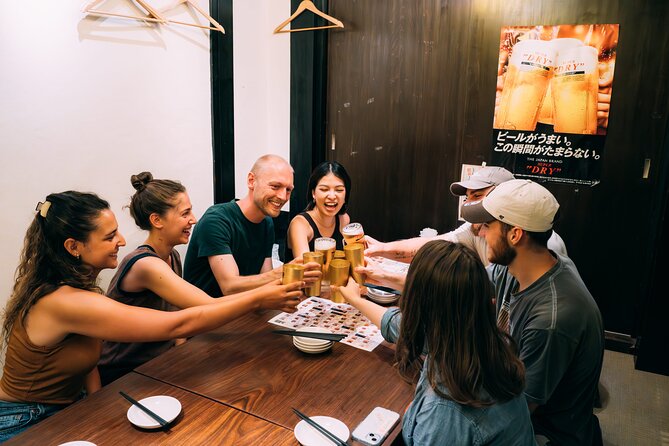
The first hour centers on yakitori, the familiar Japanese food of chicken grilled on skewers. You may also receive other izakaya-style dishes, the kind of plates ordered with drinks in a casual Japanese pub. This is useful for understanding how an evening meal can work in Kyoto: several small servings, shared around the table, rather than one large main course.
The guide orders for the group and explains what arrives. That matters here because yakitori menus can include more than the obvious chicken breast or thigh. If you are comfortable letting someone else choose, this stop should give you a broad taste of the format.
There is a practical limitation. The first venue may account for a large share of the promised dishes, and the selection can be chicken-heavy. One account described the opening stop as five chicken dishes, while another raised concern that many of the first 11 tastings were inexpensive skewers. That does not make the food bad, but it does mean you should not book this expecting 15 unrelated delicacies.
The setting also matters. An izakaya is not fine dining, and the appeal is its everyday character. You are paying to see how casual local eating works, with the guide making the experience easier for an international visitor.
More Food Market Tours in Kyoto
- Nishiki Market Brunch Walking Tour (7 Tastings + Brunch)
★ 5.0 · 1,355 reviews - Kimono Tea Ceremony at Kyoto Maikoya, NISHIKI
★ 5.0 · 911 reviews - Kyoto Nishiki Market Food and Culture Walking Tour
★ 5.0 · 412 reviews
Walking toward Gion and Yasaka Shrine
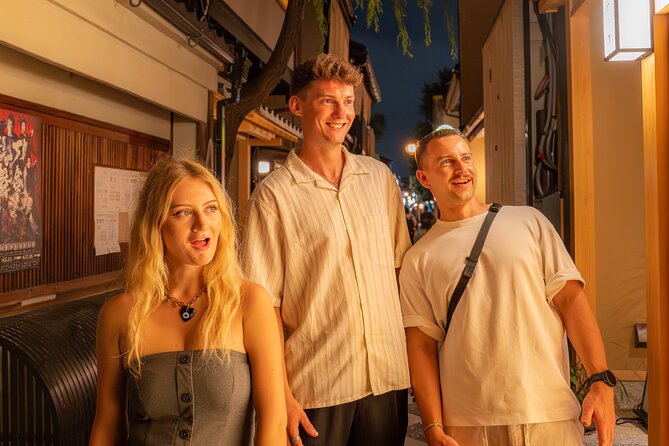
The three-hour schedule is divided into roughly one hour per stop, but the evening is not just a sequence of tables. The group walks between venues, and the route can include Yasaka Shrine while the next food stop is being prepared.
Ryu, one of the named guides, has been praised for explaining Shinto and the writing on the shrine lanterns during this part of the route. Yu has also been noted for explaining the significance of the shrine before the group continued to the next meal. These short talks add something worthwhile because they connect the food to the neighborhood rather than treating Gion as a backdrop.
Do not think of this as a formal shrine tour. The cultural explanation is an added part of the walk, not the main attraction. Still, it helps break up the eating and gives you a better sense of the area’s religious customs.
Wear comfortable shoes. The activity lasts about three hours and includes walking between restaurants and food stops. The meeting point and ending point are the same, which is convenient if you want to continue your evening nearby or return to your hotel from a familiar location.
Second stop in Gion: tonkatsu on the move
The second stop specializes in tonkatsu, a breaded, deep-fried pork cutlet. Depending on the serving style, you may receive the cutlet as a small portion or on a skewer. The latter has appeared in the tour experience and makes sense for a food crawl, since smaller servings leave room for the final stop.
Tonkatsu offers a different texture from yakitori. You move from grilled meat to a crisp coating and a savory center. For someone new to Japanese food, this is an approachable stop. It is filling, familiar in form, and still tied to a distinctly Japanese style of preparation.
This part of the evening also shows why a guide can be useful. The tour is not simply a list of restaurants. You are moving through a popular district, ordering in places where language can be a barrier, and learning how each dish fits into everyday eating. Jay has been praised for helping the group navigate crowded streets and the range of food choices around Gion.
Still, tonkatsu is not an unusual or rare dish. If you have already eaten it several times in Japan, this stop may feel more like a solid local meal than a new discovery. The value comes from the route, the explanations, and the chance to try several dishes without planning the evening yourself.
Finishing in Gion Shirakawa with sushi and tempura
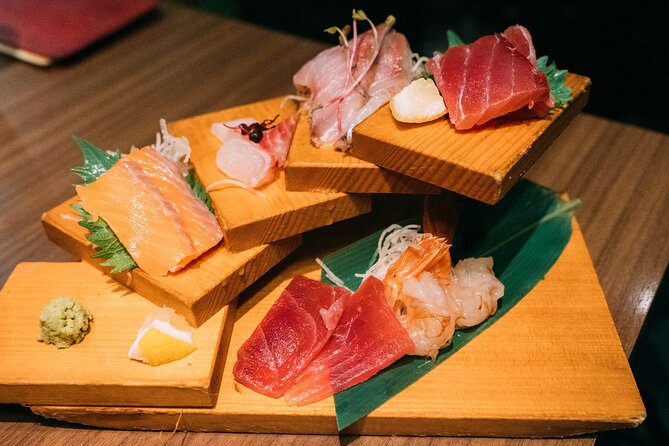
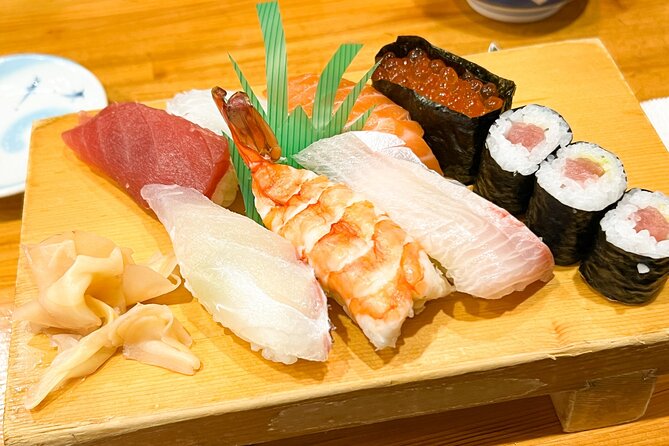
The final stop brings together sushi and tempura, two of Japan’s best-known foods. It is a sensible finish because the meal shifts from grilled and fried meat to seafood, rice, and battered vegetables or other ingredients.
The exact sushi and tempura selection is not specified, so you should treat the menu as variable. That is normal for a food tour, but it is worth keeping in mind if you have dietary restrictions or are hoping for a particular fish. The guide can explain what is served, though the supplied information does not promise substitutions.
Several guides have been praised for making the final stop feel like a proper close to the night. Yu’s route, for example, has included sushi, tempura, and sake. The included package lists two drinks, but it does not state that sake is guaranteed, so do not count on a specific beverage.
Gion Shirakawa gives the final stop a pleasing setting. The area is known for its traditional streets and waterway, and an evening walk here fits the mood of the tour. You are not only sitting down for a meal, you are seeing three connected parts of central Kyoto while tasting different kinds of food.
Same city, a completely different kind of day:
- PERFECT KYOTO 1-Day Bus Tour
★ 5.0 · 13,518 reviews - Kyoto: Fushimi Inari, Kinkakuji, Bamboo Grove 1 Day Bus Tour
★ 4.8 · 4,316 reviews - Kyoto: Tea Ceremony in a Traditional Tea House in Kiyomizu
★ 4.9 · 3,519 reviews - Kyoto Geisha Walking Tour: Gion District & Hidden Gems
★ 4.7 · 3,273 reviews
What the guide adds to the $94 price
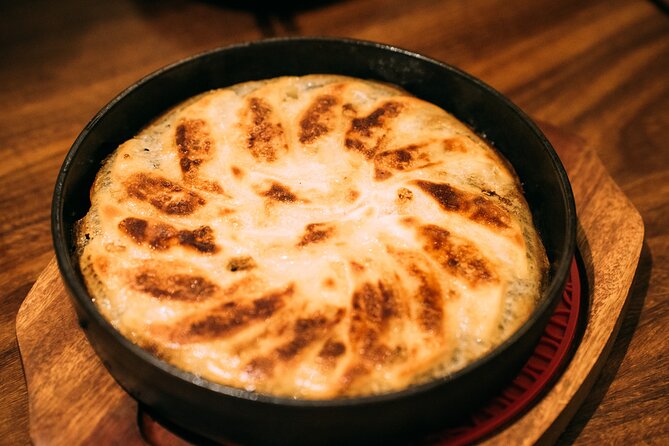
At $94 per person, this is not a cheap way to eat dinner in Kyoto. You could certainly spend less by choosing individual restaurants or convenience-store snacks. The question is what you want your money to do.
The fee includes 15 local dishes, two drinks, and a local guide for about three hours. It also covers the convenience of having someone choose venues, place orders, explain food, and handle translation. For a first night in Kyoto, that can save considerable time and reduce the worry of walking into a small restaurant without knowing how it works.
The food is described as local and casual rather than high-end. One particularly critical account felt that the first stop used inexpensive chain-style skewers and that the overall price was too high for the food served. That criticism is fair to consider. If you judge value by ingredient quality or restaurant prestige, this tour may disappoint.
I see the best value in the tour’s structure. You get an introduction to several everyday dishes, a walk through Gion, two drinks, and a guide who can explain customs along the way. The price is harder to justify if you are already confident ordering in Japanese, have a carefully planned food itinerary, or want a refined tasting menu.
The strong overall rating and 96 percent recommendation suggest that the format works well for many people, but those numbers should not erase the variation in the experience. The exact route, guide, and restaurant coordination matter.
The guides can shape the whole evening
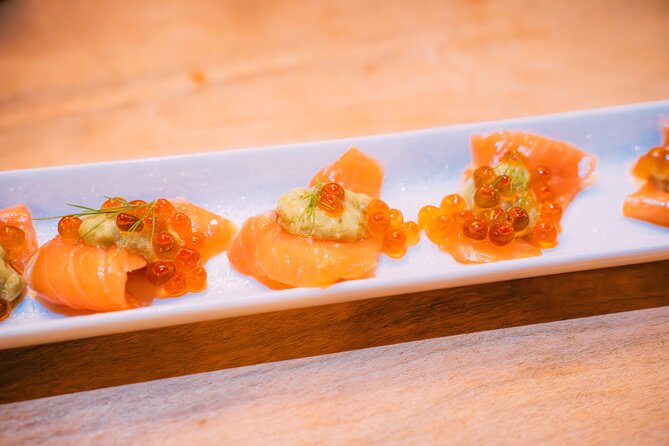
The named guides give you a useful sense of what to expect from the human side of the tour. Misaki has been praised for clear communication, fluent Japanese and English, warmth, and an easy way of including a small group. She has also offered food suggestions for the rest of a visitor’s Kyoto stay.
Ryu has been recognized for combining food explanations with a walk to Yasaka Shrine. Jay has helped groups move through Gion and make sense of the food choices. Yu has been praised for explaining the shrine and guiding a route that included skewers, sushi, tempura, and sake.
Lemonie has been noted for adding food knowledge and practical recommendations for the rest of a Japan trip. Yo has been described as friendly and attentive to a group made up of people from different countries. These details matter because the food itself is fairly familiar. A warm guide can turn standard dishes into a more useful introduction to local habits.
Communication has not always been perfect. One evening involved a changed meeting time and confusion about the starting point. Another account described a first stop that did not happen because of a confirmation problem, leaving the group with only two restaurant visits. These appear to be exceptions, but they are important reasons to check any messages sent before the tour and arrive early at the stated location.
Who will enjoy this Kyoto food walk
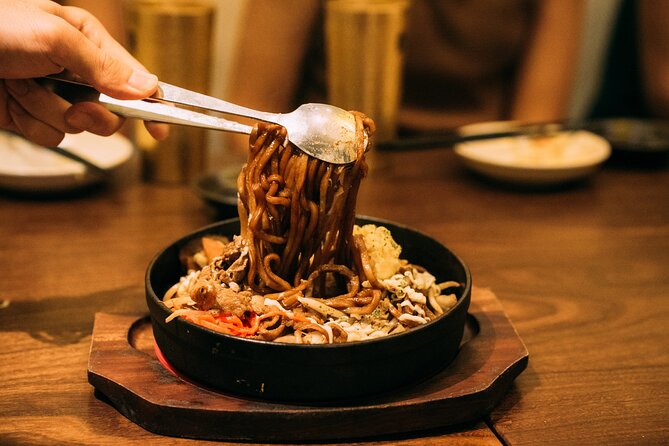
This tour suits you best if you want an easy first look at Kyoto dining without spending hours researching restaurants. It is especially helpful for first-time visitors, solo travelers who want company, and anyone uneasy about menus or ordering customs.
It also works well for people who prefer tasting several small portions instead of committing to one dinner. The mix of yakitori, tonkatsu, sushi, and tempura gives you a broad basic introduction, even if the first stop leans toward skewers.
You may want to skip it if you are looking for rare regional specialties, a luxury meal, or a carefully balanced tasting menu. It may also be a poor match if you need a strict dietary plan, since the menu includes chicken, pork, sushi, and tempura and no specific substitutions are promised.
The group can include up to 15 people. That is small enough for a guide to help with ordering, but it is not an intimate private tour. The experience may feel more personal when the group is smaller, as happened for some evenings, but you should book with the 15-person limit in mind.
Timing, meeting point, and practical details
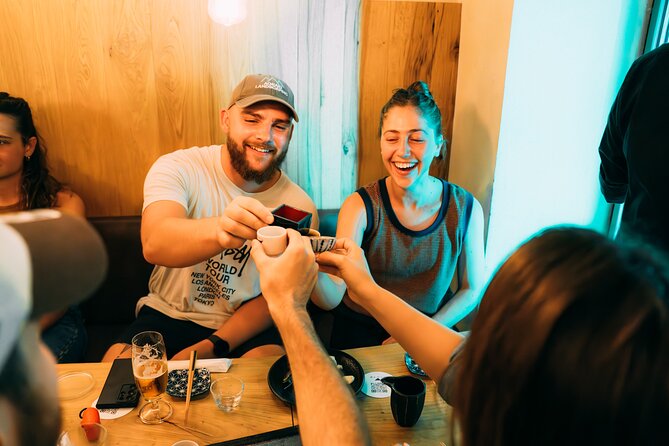
The activity starts at 6:30 p.m. and lasts approximately three hours. It ends back at the meeting point, Doutor Coffee Japan in the Kawaramachi New Tokyo Building at 391 Komeyacho, Nakagyo Ward.
A mobile ticket is provided, and confirmation is received at booking. Most people can participate, though the route includes walking and the tour is built around restaurant tastings.
The booking terms allow free cancellation up to 24 hours before the local start time. Changes or cancellations inside that window are not accepted for a refund. The tour also requires a minimum number of participants, so if the provider cancels for that reason, you are offered another date or experience, or a full refund.
Gratuity is listed as not included. The details use the word gratitude, but you should read this as a reminder that any tip or extra appreciation for the guide is separate from the booking price.
Should you book the Gion food tour?
Book it if you want a guided first evening of Kyoto food, especially if ordering in small local restaurants feels daunting. The best parts are the simple route, the number of tastings, the included drinks, and guides who can add useful context at Yasaka Shrine and along the streets of Gion.
Go in with realistic expectations. The 15 dishes may include several versions of yakitori, and the food is everyday Japanese fare rather than a luxury spread. At $94, the tour earns its value through convenience, explanation, and access to a planned evening, not through expensive ingredients.
I would choose this tour early in a Kyoto visit, when the guide’s food suggestions and neighborhood orientation can help shape the rest of your trip. Check the meeting details carefully, arrive before 6:30 p.m., and book it for the experience of eating like a local with help, not for a grand culinary showcase.
FAQ
How long does the Kyoto Gion food tour last?
The tour lasts approximately three hours, with about one hour allocated to each of the three food stops.
What time does the tour begin?
The tour begins at 6:30 p.m. local time.
Where does the tour meet?
The meeting point is Doutor Coffee Japan at 391 Komeyacho, in the Kawaramachi New Tokyo Building, Nakagyo Ward, Kyoto.
Where does the tour finish?
The activity ends back at the meeting point.
What food is included?
The package includes 15 local dishes. The route features yakitori and izakaya-style dishes, tonkatsu, sushi, and tempura, though the exact dishes may vary.
Are drinks included?
Yes. Two drinks are included with the tour.
How many people can join the tour?
The maximum group size is 15 people.
Can I cancel for a refund?
Yes. You can cancel at least 24 hours before the start time for a full refund. Cancellations or changes made less than 24 hours before the start time are not accepted for a refund.
More Food in Kyoto
- Kyoto: Gion Food Tour 13 Dishes at 4 Eateries
★ 5.0 · 408 reviews - Kyoto Foodie Night Tour
★ 5.0 · 376 reviews - Kyoto: Gion & Pontocho Food Tour with 13 Dishes
★ 4.9 · 235 reviews - Kyoto: Local Food Tasting Tour at the Nishiki Market
★ 4.7 · 135 reviews
More Food & Drink in Kyoto
- Kyoto Night Foodie Tour in Gion (9+ dishes + 6 Sake tastings)
★ 5.0 · 1,762 reviews - 3-Hour Kyoto Insider Sake Brewery Tour with Tastings & Pairings
★ 5.0 · 917 reviews - Arashiyama Bamboo, Temple, Monkeys, or Secret Sake Brewery
★ 4.8 · 886 reviews - Kyoto: Insider Sake Brewery Tour with Sake and Food Pairing
★ 5.0 · 704 reviews
Just added around Kyoto
- Private Guided Traditional Buddhist Cooking in Japan★ 5.0 · 16 reviews
- Kyoto: Gion Geisha District & Sake-in-Hand Walking Tour★ 5.0 · 37 reviews
- Your Private Vacation Photography Session In Kyoto★ 5.0 · 110 reviews
- Kyoto: Zen Meditation at a Private Temple with a Monk★ 5.0 · 25 reviews
- Traditional Japanese Washi Papermaking- Kyoto morning★ 5.0 · 77 reviews
- Kyoto Wagashi(Japanese sweets) Cooking Class near Fushimiinari★ 5.0 · 60 reviews
- Private Pewter Sake Cup Experience with a Kyoto Artisan★ 5.0 · 31 reviews
- Kyoto Private 6 hour Tour: English Speaking Driver Only, No Guide★ 5.0 · 88 reviews
Food Market Tours, compared.
Shinjuku Food Tour (13 Dishes at 4 Local Eateries)
Read our review →
Tokyo Tsukiji Fish Market Food and Culture Walking Tour
Read our review →
Shinsekai Food Tour with 13-15 Dishes at 5 Eateries
Read our review →
Osaka Food Tour: 13 Dishes at 5 Local Eateries
Read our review →
Shinjuku Food Tour (15 Dishes and 4 Eateries)
Read our review →
Best of Shinjuku: Izakaya Food Tour (4 Stops, 14+ Tastings)
Read our review →
Hungry Osaka Street Food Tour:15 Tastings & 3 Drinks with a Local
Read our review →
Browse the lists this tour appears in