
REVIEW · EVENING EXPERIENCES
Kyoto Foodie Night Tour
Kyoto’s best food often hides behind a plain doorway or appears as one small dish at a time. This three-and-a-half-hour evening tour gives you a practical way to find those places, starting with Nishiki Market and continuing into local restaurants for obanzai, izakaya dishes, sake, and beer.
I like the small maximum of eight people, which makes it easier to ask questions and follow your guide through narrow streets. I also like the range: market samples, several restaurant stops, a sake experience, and a walk through Pontocho, Kyoto’s old geisha quarter.
The main thing to consider is the menu style. This is an adventurous Japanese food tour, not a carefully tailored dinner. Portions and dish choices can vary, and limited options are available for vegan, vegetarian, and gluten-free diets. If you dislike sashimi, eel, or alcohol, tell the operator at least a week ahead.
In This Review
- Key points to know before booking
- Why this Kyoto food tour works so well at night
- Nishiki Market: 25 minutes of Kyoto in snack form
- Obanzai and izakaya dishes across two or three restaurants
- Sake, beer, and the balance between food and drink
- Pontocho: a short walk with cultural context
- The guides are a major part of the value
- Is $102.47 a fair price?
- Who should book this Kyoto evening?
- Final verdict: book it for variety, not control
- FAQ
- Where does the Kyoto Foodie Night Tour start?
- Where does the tour finish?
- How long does the tour last?
- How many people can join the tour?
- How much food is included?
- Are drinks included?
- Can the tour accommodate dietary restrictions?
Key points to know before booking
- Seven or more tastings: Try Kyoto-style obanzai, izakaya food, market samples, and other local dishes across several stops.
- Nishiki Market comes first: The tour begins with small portions from two or three family-run shops.
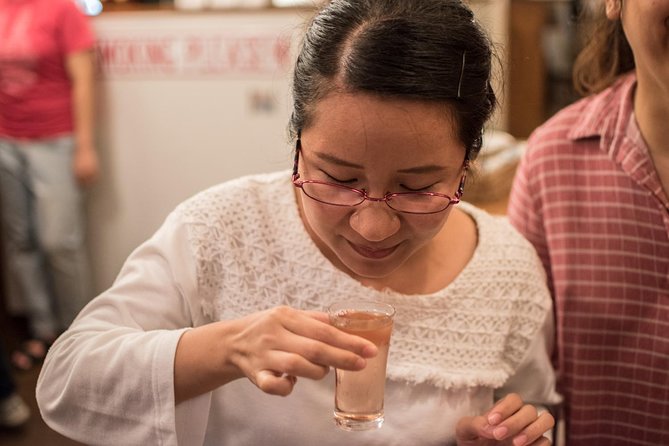
- Two drinks are included: Beer or sake may be served, with a dedicated sake tasting praised as a highlight.
- Maximum eight people: The intimate format suits solo visitors, couples, and families who want conversation with the guide.
- Guides shape the evening: Sora, Chikako, Leandra, Yui, Taishi, Shun, Moe, Mana, Izumi, and others have been praised for warmth, food explanations, and local insight.
- Come hungry: The food is often generous overall, though some dishes are shared, so individual portions may differ.
Why this Kyoto food tour works so well at night
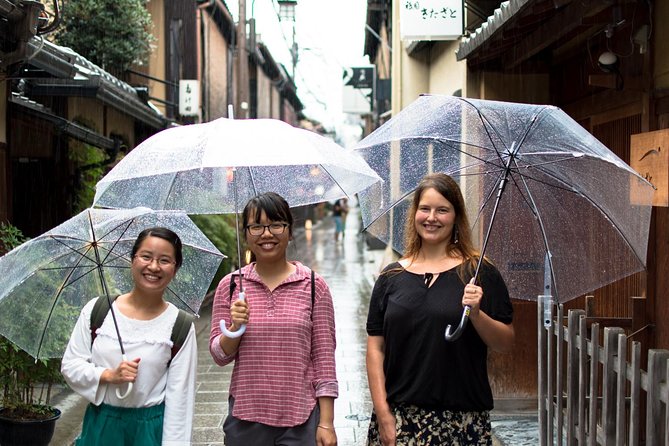
I see this experience as part dinner, part neighborhood walk, and part introduction to Japanese eating customs. You are not simply handed a list of dishes and sent on your way. Your guide chooses the stops, explains what is in front of you, and helps you order in places that may feel difficult to enter alone.
The evening starts at 5 pm, a useful time in Kyoto. You get a little daylight at Nishiki Market, then move into the city’s evening food scene as restaurants and izakayas become the main event. The tour finishes near the old Sanjo Bridge, putting you in a central area with plenty of options for continuing your night.
The small-group format matters here. With no more than eight people, you can hear explanations, ask about unfamiliar ingredients, and keep moving without the delays of a large walking group. Guides including Sora, Chikako, Leandra, Yui, and Taishi receive especially strong praise for combining food knowledge with easy conversation and personal recommendations.
This is also a social experience. Several people may be meeting for the first time, and the shared plates give the group an easy reason to talk. If you enjoy swapping travel stories over food, that is part of the appeal. If you want a quiet, private meal, a restaurant reservation would suit you better.
A few more Kyoto trips to weigh up
- Kyoto Night Foodie Tour in Gion (9+ dishes + 6 Sake tastings)
★ 5.0 · 1,762 reviews - Kyoto: Insider Sake Brewery Tour with Sake and Food Pairing
★ 5.0 · 704 reviews - Kyoto Nishiki Market Food and Culture Walking Tour
★ 5.0 · 412 reviews
Nishiki Market: 25 minutes of Kyoto in snack form
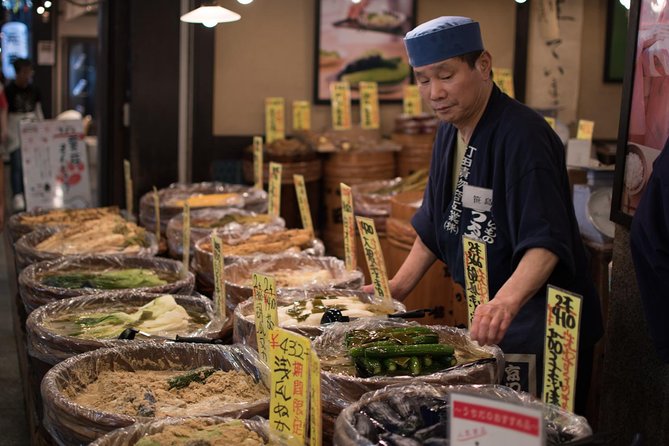
Nishiki Market is a natural first stop because it shows how much of Kyoto’s food culture is built around small tastes. The market runs through downtown Kyoto and is lined with family-owned shops selling ingredients, snacks, and prepared foods.
You spend about 25 minutes here and visit two or three shops. The tastings are sample-size rather than a full meal, but that is useful at the beginning of a food tour. You can try several things without filling up before the restaurant portion begins.
Your guide also provides the context that makes the market more than a snack corridor. You learn how certain foods connect with Kyoto’s cooking traditions and daily life. The market setting gives you a chance to watch local shopping, see how foods are displayed, and ask questions before the evening becomes more focused on seated dishes.
There is one practical point to keep in mind: Nishiki Market is a public shopping district, not a private tasting venue. The stop is relatively brief, and the market portion alone will not satisfy you. Think of it as an opening sampler.
Obanzai and izakaya dishes across two or three restaurants
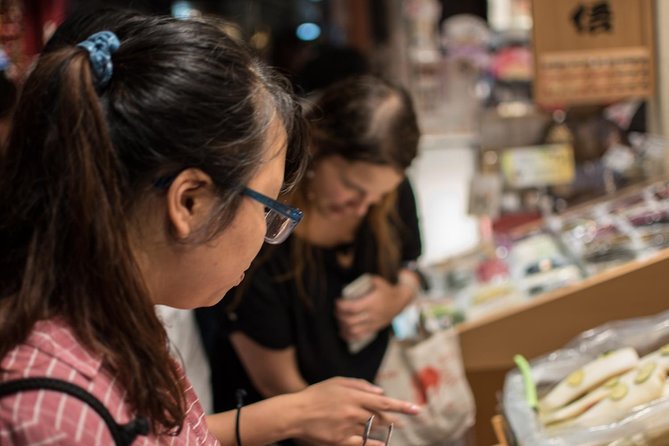
The heart of the experience lasts about two hours. You visit two or three restaurants in central Kyoto and sample food ranging from obanzai to local izakaya fare.
Obanzai is Kyoto-style home cooking, often served in small dishes. It gives you a look at a side of Japanese food that is less about a single famous dish and more about several modest preparations sharing the table. Izakaya food is associated with casual Japanese drinking establishments, where people order a variety of dishes to enjoy with beer or sake.
That variety is one of the tour’s strongest features. You might move from market food to small restaurant plates, then to bar snacks and seafood. The point is not one grand entrée. It is the chance to compare textures, flavors, and settings during one evening.
The guides make a real difference. Chikako is praised for helping families and first-time food-tour participants feel comfortable, while Leandra is noted for selecting casual and more polished places. Sora is praised for taking people to his personal favorites and ordering enough food for the group. Taishi is described as easy to talk with and good at explaining why particular places are worth visiting.
The tour promises at least seven food tastings and two drinks. That can add up to a substantial dinner. Many people find the amount more than enough, so avoid booking a heavy meal immediately beforehand.
Still, the format deserves a clear warning. Some dishes are served for the group to share. If seven people are dividing a small plate, you may get only one bite of a particular item. The overall quantity can be generous while individual servings of a favorite dish remain small.
Your guide may also select foods that are more traditional or unfamiliar than you expect. That is part of the value for an adventurous eater, but it can be a poor fit if you want familiar Japanese favorites or prefer to approve every dish before it arrives. Mention strong dislikes at least a week before the tour. Last-minute food requests cannot be accommodated, and alternative choices are limited.
Sake, beer, and the balance between food and drink
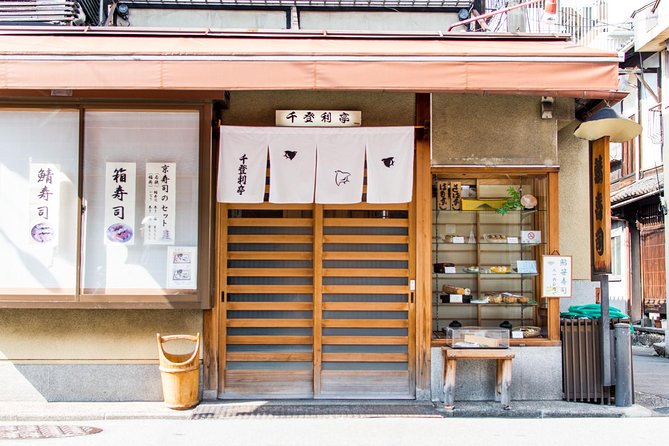
Two drinks are included, usually beer or sake. In several accounts of the tour, the sake tasting is singled out as a memorable part of the evening, especially for people who want to understand how Japanese sake differs by style and flavor.
You do not need to be a sake expert. The useful part is having a guide explain what you are drinking and connect it with the food. Shun, for example, is praised for clear English and strong explanations of local food and culture. Other guides help make the tasting feel approachable rather than technical.
The balance between food and alcohol is worth considering before you pay. This is a food-and-drink experience, not a dry culinary class. One critical account found that the alcohol seemed to receive too much attention, with shared plates feeling too small for the group. That concern may be especially important if you do not drink or if you expect a large individual dinner at every stop.
Soft drinks are mentioned as available in the restaurant setting, but the advertised inclusions specifically highlight two drinks such as beer or sake. If you avoid alcohol, contact the operator ahead of time and explain what you need. Do not assume the menu can be changed at the last minute.
Same city, a completely different kind of day:
- PERFECT KYOTO 1-Day Bus Tour
★ 5.0 · 13,518 reviews - Kyoto: Fushimi Inari, Kinkakuji, Bamboo Grove 1 Day Bus Tour
★ 4.8 · 4,316 reviews - Kyoto: Tea Ceremony in a Traditional Tea House in Kiyomizu
★ 4.9 · 3,519 reviews - Kyoto Geisha Walking Tour: Gion District & Hidden Gems
★ 4.7 · 3,273 reviews
Pontocho: a short walk with cultural context
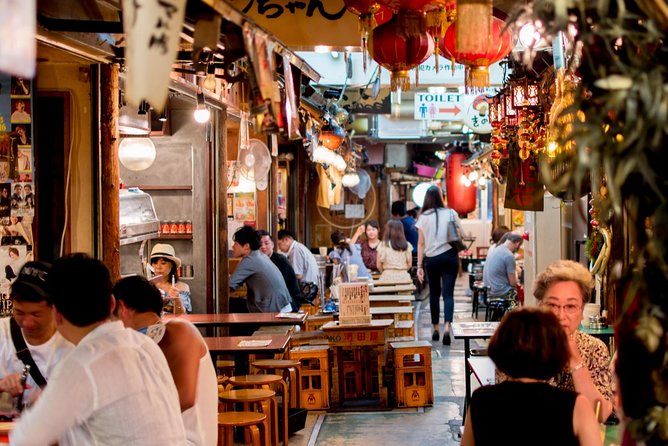
After the food stops, the tour includes about 15 minutes in Pontocho District. This narrow area is known as a small geisha district, and the walk gives you a quick look at one of Kyoto’s most atmospheric evening neighborhoods.
The stop is not a formal performance or a long historical lecture. Instead, your guide explains the area’s past and the role of geisha culture in Kyoto. That makes the walk a helpful bridge between the meal and the city around you.
Pontocho is also a useful place to finish because the old Sanjo Bridge area is central. The ending point is listed near the stone pillar of the former Sanjo Bridge, at 113 Nakajimacho. You can end the evening there or use the central location to continue exploring on your own.
At only 15 minutes, this portion should be treated as an orientation walk. If your main goal is Kyoto history, book a dedicated history tour. Here, Pontocho adds atmosphere and context to a food-focused evening.
The guides are a major part of the value
The food matters, but the guide determines how comfortable and useful the night feels. The strongest guide feedback centers on warmth, clear English, enthusiasm, and the ability to explain unfamiliar dishes without making anyone feel foolish.
Sora is praised for sharing favorite local stops and ordering a wide range of food. Chikako is singled out for making the experience work well for a family with teenagers, while Chica is praised for explaining dishes and making good choices. Leandra is noted for combining food with neighborhood history and personal insight from living in Kyoto.
Yui has helped visitors who were studying Japanese, offering practical language support during the evening. Taishi is praised for his passion for Kyoto, clear English, and relaxed manner. Shun receives similar praise for his communication and understanding of local food culture.
Guide assignments can change, so you should not book on the assumption that one particular person is guaranteed. Still, the repeated pattern is encouraging: the operator appears to rely on guides who can do more than recite facts. They help you understand how to approach a menu, what to try, and why a small local restaurant matters.
Is $102.47 a fair price?
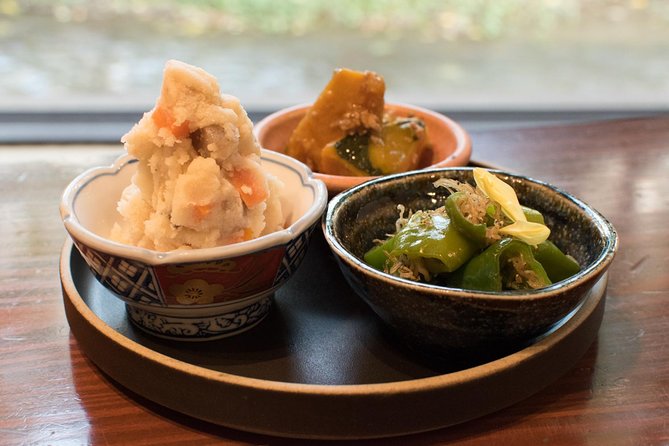
At $102.47 per person, this is not a cheap night out by Kyoto standards. The value depends on how much you want help finding places, interpreting the food, and arranging a progressive meal without handling each order yourself.
The price includes at least seven tastings, two drinks, a guide, and visits to several restaurants. You also receive the benefit of local food selection. For a first evening in Kyoto, that can save time and reduce the stress of choosing among unfamiliar restaurants.
The value is strongest if you are adventurous, enjoy trying many small dishes, and would otherwise spend money on several separate meals. It is weaker if you eat lightly, do not drink, need strict dietary substitutions, or prefer one large entrée over shared tastings.
The tour has been booked more than five times in the past week, and its overall rating is 4.9 from 376 ratings, with 98 percent recommending it. Those figures suggest steady demand, but they do not erase the practical limits around shared portions and restricted diets.
Who should book this Kyoto evening?
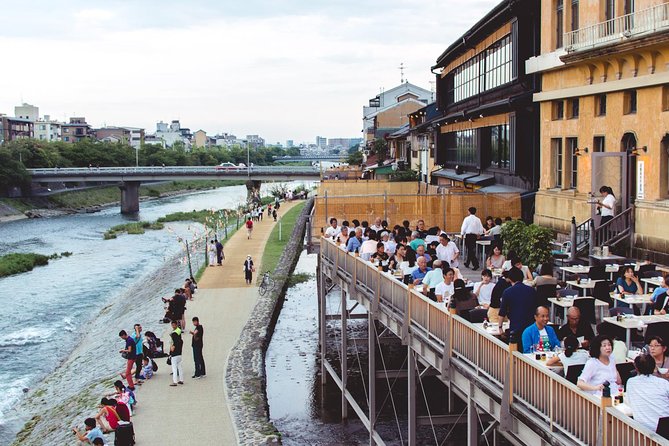
I would recommend it to solo visitors who want company, couples looking for a guided dinner, and families with older children or teenagers who are willing to try new foods. It also suits people who have already seen Kyoto’s temples and want a different way to understand the city.
It is particularly useful early in your stay. The restaurant names, food suggestions, and neighborhood advice can help you plan later meals. One useful feature is the follow-up information some guides provide about the dishes sampled and places worth trying afterward.
You should think twice if you need vegan, vegetarian, or gluten-free food. Options are limited, and advance notice is required at least one week before the date. You should also reconsider if sashimi, eel, or other traditional foods are firm no-go items, since the menu may include ingredients you would not choose independently.
The tour requires good weather and a minimum number of participants. If the operator cancels for either reason, you are offered another date or experience, or a full refund. Your own booking is non-refundable and cannot be changed, so choose the date carefully.
Final verdict: book it for variety, not control
I would book the Kyoto Foodie Night Tour if I wanted a generous introduction to local eating and was happy to let a guide make most of the food choices. Nishiki Market, obanzai, izakaya dishes, sake, and Pontocho create a satisfying picture of Kyoto after dark.
I would not book it expecting a private tasting menu, large portions of every dish, or a fully customized meal. The best approach is to arrive hungry, keep an open mind, and send dietary information early. For an adventurous eater who values local guidance over control, $102.47 is a reasonable price for a full evening of food and neighborhood insight.
FAQ
Where does the Kyoto Foodie Night Tour start?
The tour starts at Alba Creative Boutique Japan, at 358 Naramonocho, Shimogyo Ward, Kyoto, at 5 pm.
Where does the tour finish?
It ends near the stone pillar of the former Sanjo Bridge, at 113 Nakajimacho in Kyoto’s Nakagyo Ward.
How long does the tour last?
The experience lasts approximately three hours and 30 minutes.
How many people can join the tour?
The maximum group size is eight people.
How much food is included?
You receive at least seven food tastings, including market samples, obanzai, and local izakaya dishes.
Are drinks included?
Yes. Two drinks such as beer or sake are included. A sake tasting is also part of the experience.
Can the tour accommodate dietary restrictions?
You must provide food restriction information at least one week before the tour. Vegan, vegetarian, and gluten-free choices are limited, and last-minute requests cannot be accommodated.
Just added around Kyoto
- Taste of Nishiki Market Walking Food Tour with Local guide★ 5.0 · 17 reviews
- Kyoto: Sushi Making Class with Sushi Chef★ 4.8 · 64 reviews
- Kyoto: City Secrets eBike Tour★ 4.9 · 196 reviews
- Sacred Pathways: Discover the Philosopher’s Path of Kyoto★ 4.9 · 20 reviews
- Private Tour to Monkey Park and Arashiyama Highlights★ 5.0 · 22 reviews
- Private Nara Tour from Osaka – Meet at Your Hotel★ 5.0 · 22 reviews
- Private Sake Tasting in Central Kyoto with Sake Sommelier★ 5.0 · 13 reviews
- Kyoto : Private Custom Walking Tour With A Local Guide★ 4.6 · 144 reviews
Evening Experiences, compared.
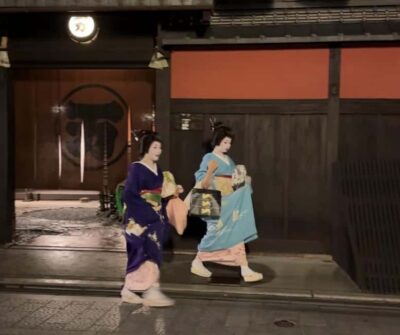
Gion Magical Night Walking Tour with Geisha Trivia
Read our review →
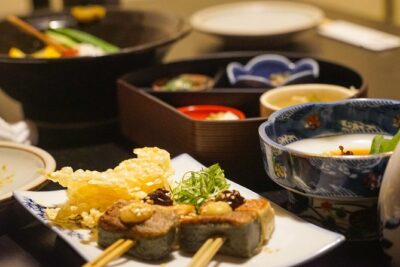
Kyoto Night Foodie Tour in Gion (9+ dishes + 6 Sake tastings)
Read our review →
Tokyo Night Foodie Tour in Shinjuku – Seasonal Sushi, Wagyu Beef
Read our review →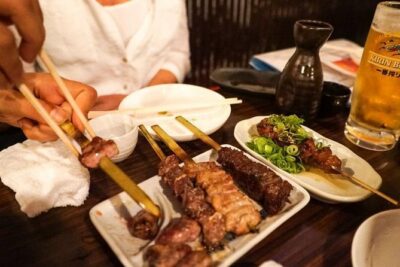
Osaka Bar Hopping Night Walking Tour in Namba (3 bars, 6 tastes)
Read our review →
Kyoto Gion Night Walk & Geisha District Guided Tour
Read our review →
Kyoto Ghost Tour: Dark Tales, Urban Legends, Bamboo Forest Night
Read our review →Browse the lists this tour appears in