
REVIEW · FOOD MARKET TOURS
Kyoto: Local Food Tasting Tour at the Nishiki Market
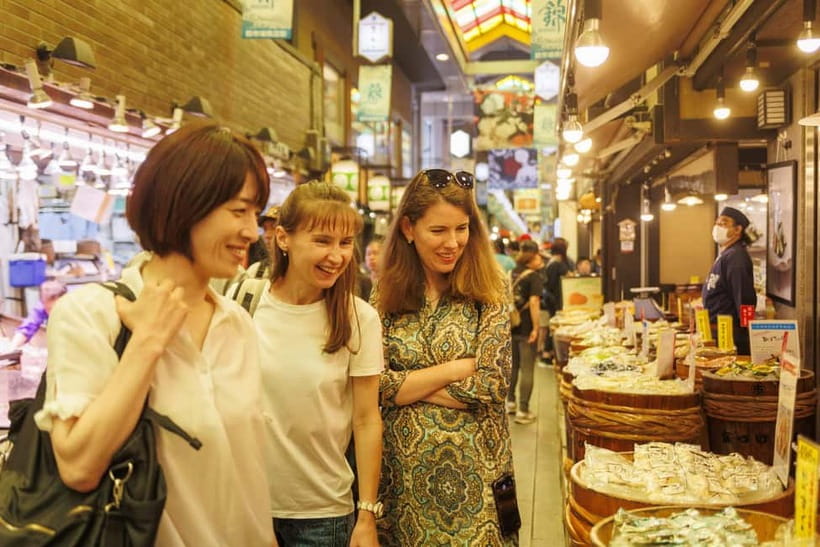
Nishiki Market is best approached hungry and curious. This narrow, 400-year-old food street has about 130 stalls, and it can be hard to know which counter deserves your time. This small-group walk puts a local guide beside you as you sample Kyoto specialties such as yuba, obanzai, hamo tempura, and wagyu steak.
I like two things here. First, the five planned food stops give you a broad taste without forcing you to order a full meal at every shop. Second, guides such as Ayu, Takuma, Toshi, Annie, and Saki have been praised for explaining both the food and the customs behind it. The main drawback is important: the tour cannot accommodate vegetarian, halal, kosher, gluten-free, or allergy-related diets.
In This Review
- Key points at a glance
- Why Nishiki Market works best with a guide
- The five tastings: a useful introduction to Kyoto food
- Walking through the market without guesswork
- Nishiki-Tenmangu Shrine adds a quieter pause
- Shinkyogoku and Teramachi: food tour meets shopping walk
- The guides shape the experience
- What the $78 price buys you
- Timing, pace, and the optional tea ceremony
- Who should book this Nishiki Market walk?
- Should you book it?
- FAQ
- How long does the Nishiki Market food tour last?
- What food is included?
- Is the tour conducted in English?
- How many people are in the group?
- Is this a sit-down meal?
- Where does the tour begin?
- What other places are visited?
- Can I add a tea ceremony?
- Can the tour accommodate dietary restrictions?
- What should I bring?
- Is the tour suitable for wheelchair users?
- Can I cancel the booking?
Key points at a glance
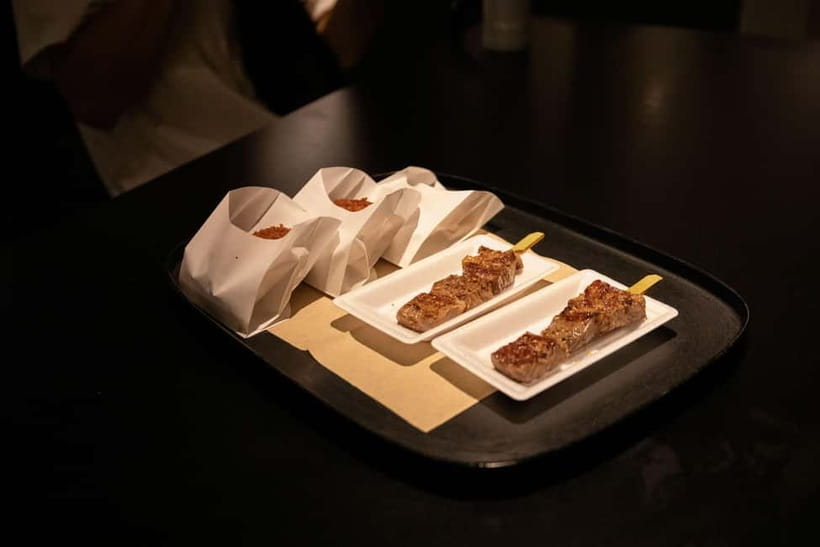
- Five Kyoto specialties included: Try yuba, local home cooking called obanzai, hamo tempura, wagyu steak skewers, and other small tastings.
- Nishiki made easier: Your guide helps you navigate a crowded market and choose foods you might skip on your own.
- Food with context: Learn how Kyoto ingredients, seasonings, and everyday customs connect to the city’s culture.
- More than a market walk: The route includes Nishiki-Tenmangu Shrine, Shinkyogoku Shopping Arcade, and Teramachi Street.
- Very small groups: The maximum group size is six, which leaves room for questions and personal help.
- Optional tea ceremony: Add a 90-minute experience with kimono dressing and instruction from a tea master.
Why Nishiki Market works best with a guide
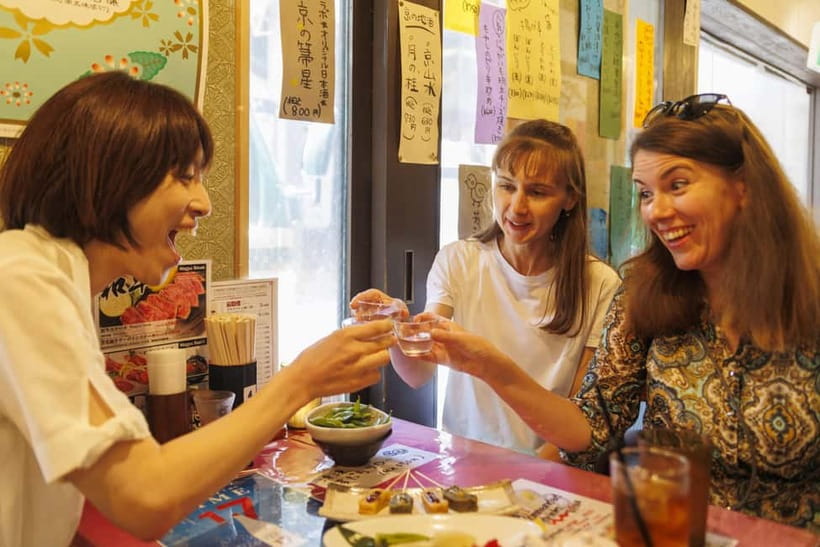
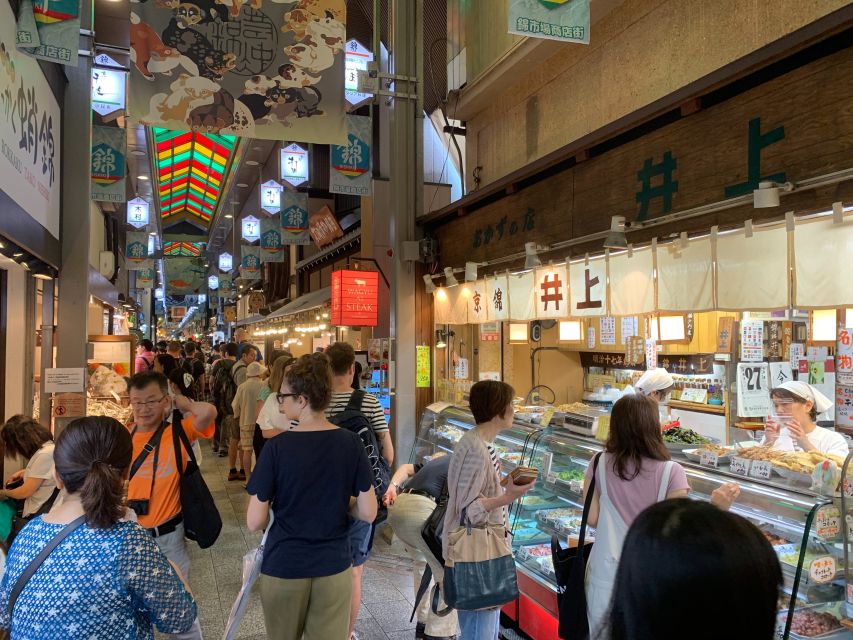
Nishiki Market is not a simple row of souvenir stands. It is a long food corridor where shops sell fresh ingredients, prepared snacks, sweets, pickles, seasonings, and Kyoto specialties. The choices can feel confusing, especially when signs and menus are not familiar to you.
A guide gives the market a useful shape. Instead of wandering until you are too full to continue, you move from one selected shop to the next and taste small portions along the way. You can ask what an ingredient is, how it is eaten, or why it matters in Kyoto cooking.
The food is only half the point. Guides explain the market’s age, the role of local shops, and the connection between food and daily life. Guides have also offered practical advice for the rest of a Kyoto visit, including suggestions for places to see after the tour.
The group limit of six is a real advantage. You are not trying to hear a guide over a large crowd, and you have a better chance to ask about something that catches your eye. Several bookings have also worked like private walks when only one small party joined.
More Food Market Tours in Kyoto
- Nishiki Market Brunch Walking Tour (7 Tastings + Brunch)
★ 5.0 · 1,355 reviews - Kimono Tea Ceremony at Kyoto Maikoya, NISHIKI
★ 5.0 · 911 reviews - Kyoto Nishiki Market Food and Culture Walking Tour
★ 5.0 · 412 reviews
The five tastings: a useful introduction to Kyoto food
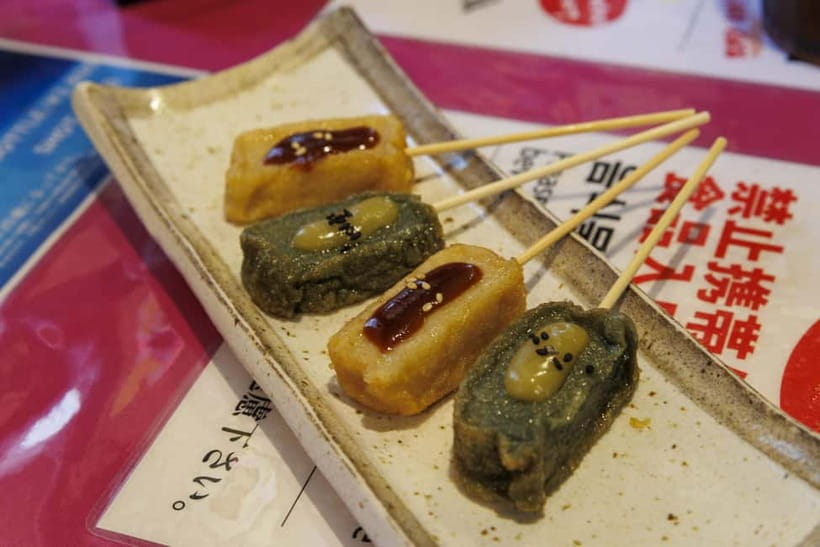
The included tasting selection is designed to show different sides of Kyoto cooking. You may sample yuba, the delicate skin that forms on the surface of simmering soy milk. It has a soft texture and a mild flavor, so it is a good example of how Japanese cooking can prize subtle ingredients.
Obanzai is another useful introduction. This term refers to home-style Kyoto cooking, often built around seasonal vegetables and simple preparation. It is less about one famous dish and more about the kind of food you might associate with an everyday Kyoto kitchen.
Hamo tempura gives the tour a more distinctive local taste. Hamo is a pike conger eel that requires careful preparation because of its fine bones. The tempura treatment makes it approachable, but the guide’s explanation helps you understand why this is more than just another fried snack.
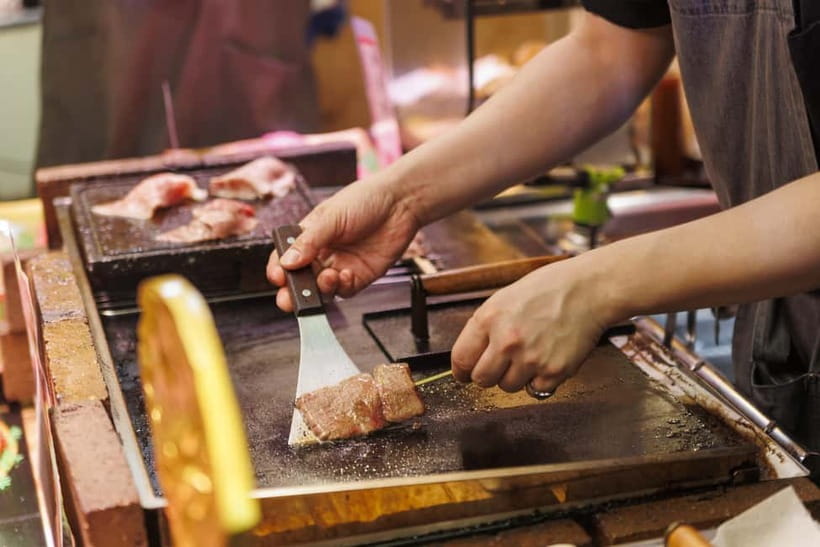
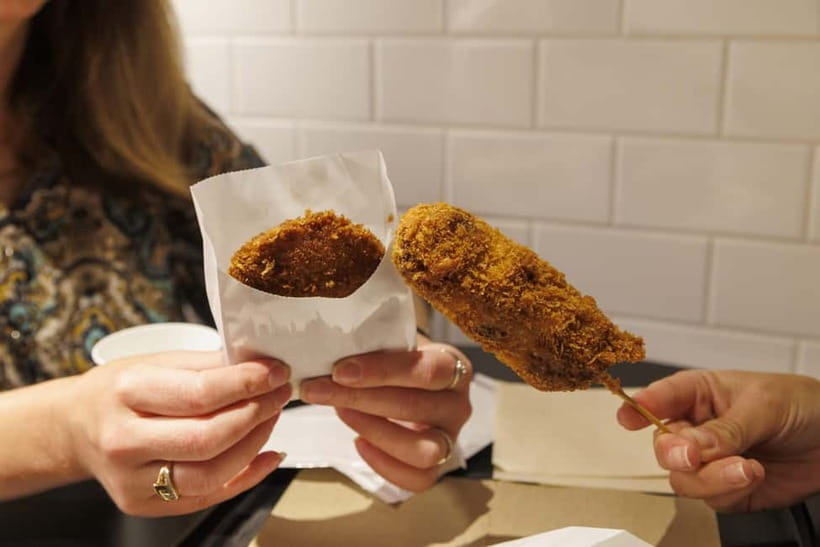
Wagyu steak skewers provide a richer, more immediately familiar bite. The contrast with yuba and obanzai keeps the tasting from feeling repetitive. You also receive other small samples, such as Kyoto seasonings, crackers, and Japanese-flavored honey.
Do not expect a long sit-down lunch. This is a moving tasting tour, with food taken at several stops. I would eat lightly beforehand, especially since earlier participants have found the portions surprisingly filling. You will want room for the foods that catch your eye between the official tasting stops.
Walking through the market without guesswork
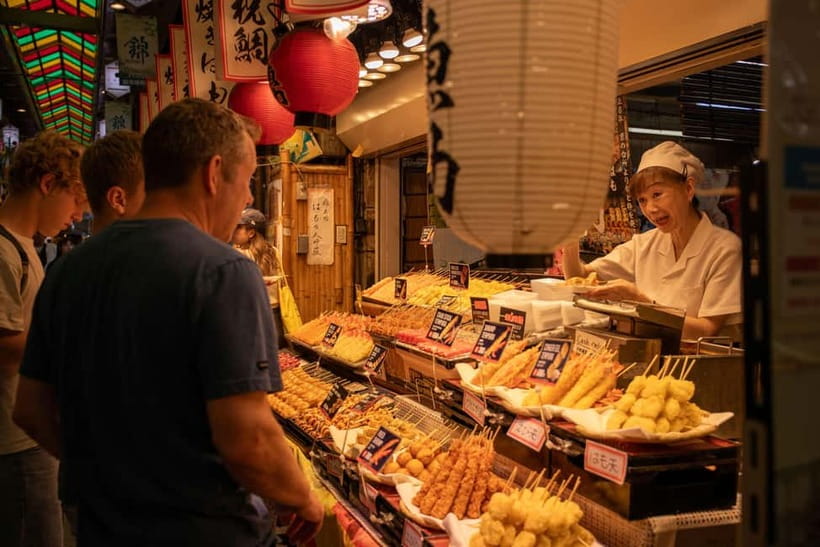
The first 90 minutes are centered on Nishiki Market. Your guide leads you through the stalls, points out selected foods, and helps you understand what you are seeing. This is particularly useful if you are visiting Japan for the first time or feel uncertain about ordering from a busy counter.
The tour also gives you permission to try something unfamiliar. One of the pleasures of Nishiki is discovering foods that do not immediately advertise themselves to an English-speaking visitor. A guide can explain the item before you decide, which takes away much of the risk.
At the same time, you should not expect unlimited freedom to stop at every stall. The group has a schedule, and the five tastings form the backbone of the walk. Some people will prefer exploring alone and buying whatever looks good. For a first visit, though, the structure saves time and reduces the chance of missing the market’s more interesting foods.
The market can be crowded, so comfortable shoes matter. Rain gear is also sensible. Large bags and luggage are not allowed, and pets are not permitted.
Nishiki-Tenmangu Shrine adds a quieter pause
After the main market portion, the route includes a guided visit of about 10 minutes at Nishiki-Tenmangu Shrine. This short stop changes the rhythm from food stalls to a place of worship and gives the guide a chance to explain local customs.
The shrine is not treated as a separate full sightseeing tour. Think of it as a compact cultural stop that helps connect the market to the surrounding neighborhood. Guides have also used nearby shrines to explain Japanese history and religious practice in a way that fits naturally into the walk.
If you are mainly interested in food, this portion will not feel like a major detour. If you want a better sense of Kyoto beyond eating, it adds useful balance.
Same city, a completely different kind of day:
- PERFECT KYOTO 1-Day Bus Tour
★ 5.0 · 13,518 reviews - Kyoto: Fushimi Inari, Kinkakuji, Bamboo Grove 1 Day Bus Tour
★ 4.8 · 4,316 reviews - Kyoto: Tea Ceremony in a Traditional Tea House in Kiyomizu
★ 4.9 · 3,519 reviews - Kyoto Geisha Walking Tour: Gion District & Hidden Gems
★ 4.7 · 3,273 reviews
Shinkyogoku and Teramachi: food tour meets shopping walk
The route continues into Shinkyogoku Shopping Arcade, with about 45 minutes for guided sightseeing and shopping. This is a chance to see how Kyoto’s food culture fits into a broader commercial district. You may also have time to browse and buy something, though the exact amount of shopping time depends on the group’s pace.
Teramachi Street Shopping District follows, with about 30 minutes listed for a visit and guided walk. Together, these arcades make the experience feel broader than a market crawl. You get a look at the shops and streets around Nishiki, not just the tasting counters inside it.
The tradeoff is that this is still a walking tour, not a dedicated shopping excursion. If you stop often to buy things, you may need to balance your own browsing with the group’s movement. One useful feature is that the route finishes near several central drop-off points, including Nishiki Orizuruya and Kyoto Takashimaya S.C.
A short stop described as a local lesser-known spot is also included. The exact location may vary, so I would treat it as a flexible part of the walk rather than a guaranteed landmark.
The guides shape the experience
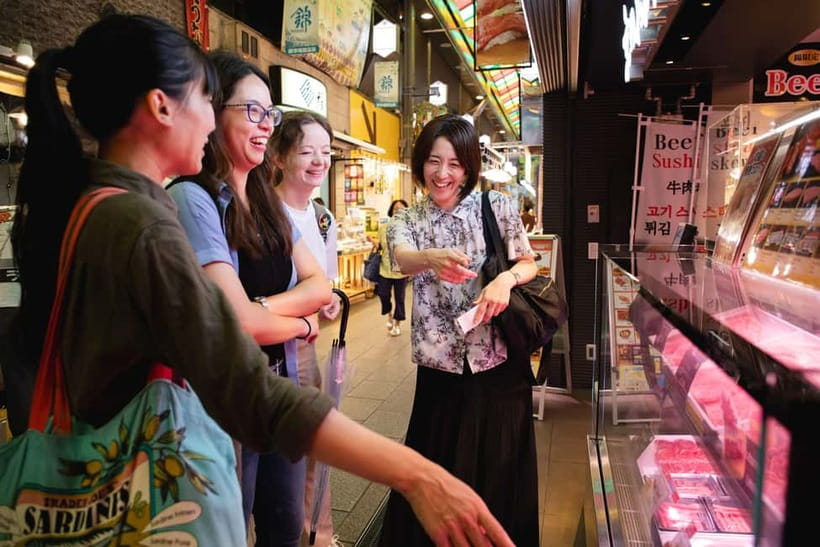
The strongest part of this tour is the human guidance. The supplied guide names include Takuma, Toshi, Ayu, Iku, Yume, Saki, Miho, Annie, Nagisa, Satomi, Nagi, Nao, and others. The individual guide is assigned according to the booking, so you cannot count on a particular person, but the repeated praise points to a consistent emphasis on warmth, patience, and clear English.
Takuma has been singled out for explaining food, shrines, and Japanese culture while adjusting the pace for a family with tweens. Saki was praised for navigating the market, explaining dishes clearly, and paying attention to personal food preferences. Miho’s calm manner was especially useful in crowded areas.
Ayu appears often in the feedback, with guests describing her as friendly and helpful at different food stops. Annie has been praised as a gentle teacher who encouraged cautious eaters to try unfamiliar items. Toshi has been described as both personable and well informed about local cuisine.
The best guides do more than recite facts. They notice what you are willing to try, answer questions, and help you make sense of the market as you walk. That matters here because Nishiki can be visually and verbally overwhelming. You are paying partly for the food, but also for someone who helps you read the place.
What the $78 price buys you
At $78 per person, this is not the cheapest way to eat at Nishiki Market. You could buy individual snacks for less if you already know what you want and do not need help choosing.
The price makes more sense when you count the five included specialties, the English-speaking guide, the small group, and the cultural stops. You are paying for a guided introduction rather than a simple meal. If you would otherwise spend an hour guessing at menus and buying foods at random, the structure has practical value.
It is also a reasonable choice for a first day in Kyoto. You get an overview of the market, learn what ingredients and dishes are worth revisiting, and finish with a better idea of where to return on your own. One useful strategy is to take notes or photos of foods you want to buy later, after you have finished the planned tastings.
The value is weaker if you are an experienced Japan visitor who already knows Nishiki well. It is also less suitable if your main goal is a large lunch. This is a tasting walk, not an all-you-can-eat event.
Timing, pace, and the optional tea ceremony
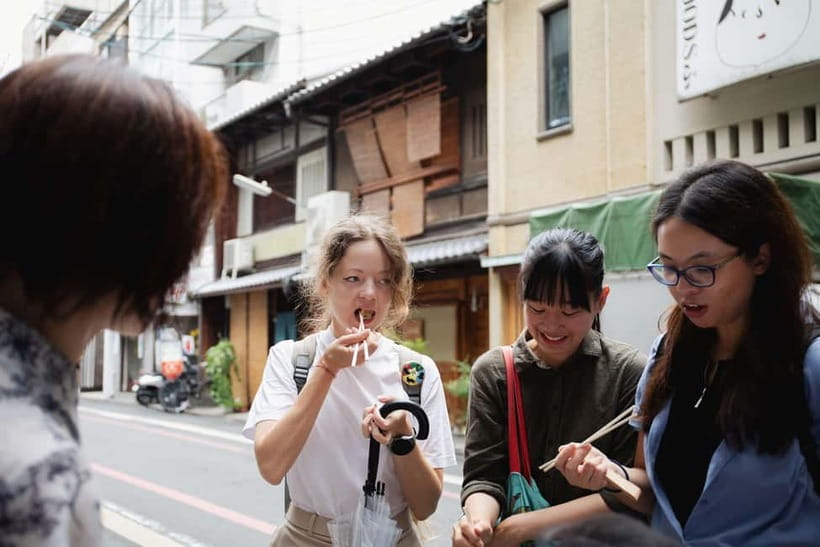
The activity is described as lasting three hours, with the booking information also listing a duration of up to 270 minutes. The route itself includes food tasting, shrines, shopping arcades, and several walking sections, so the pace can vary. Past tours have sometimes lasted around three and a half hours or longer, especially when the group asks many questions or spends time browsing.
Plan for a relaxed but active morning or afternoon. Wear shoes you can walk in, and avoid bringing luggage or a large bag. The meeting point can vary by the option you book, with several possible starting locations around Shijo Street.
The tea ceremony is an optional add-on. It begins at 2:00 PM near Nishiki Market, and you must make your own way to the tea ceremony venue after the food tour. The session lasts 90 minutes and begins with professional kimono dressing.
Once dressed, you take part in a traditional tea ceremony led by a tea master. The guide explains the meaning of the movements and gestures, and you have time for commemorative photos in a traditional setting. This is a separate experience with its own timing, so check that your schedule allows the food tour to finish and gives you enough time to reach the venue.
The tea option suits you if you want a cultural activity after eating and do not mind a more formal setting. Skip it if you prefer to keep the afternoon open for temples, shopping, or a slower meal.
Who should book this Nishiki Market walk?
I would recommend this tour most strongly to first-time Kyoto visitors, solo visitors, couples, and families who want an easy introduction to Japanese food. The small group makes it friendly without feeling like a large organized outing.
It is also useful for cautious eaters. You can see and learn about each dish before committing to it, and the food is served in smaller tasting portions. Families have found the format workable for children and tweens, though everyone should be ready to walk and remain with the group.
Food-focused visitors will appreciate the range from tofu skin to eel and wagyu. People who want only a market lunch may find the walking and history portions less useful. The tour also cannot accommodate dietary restrictions, so you should not book it if you need vegetarian, halal, kosher, gluten-free, or allergy-safe food.
Wheelchair users and people with mobility impairments should choose another activity. This route moves through a market and shopping streets, where crowds and walking conditions can make the experience difficult.
Should you book it?
Book this tour if you want to understand Nishiki Market before exploring it on your own. The best reasons are the small group, five included tastings, and guides who explain why the food matters instead of simply handing you a snack.
I would schedule it early in your Kyoto stay. Afterward, you can return to the market with more confidence, revisit a favorite stall, or use the guide’s local suggestions to shape the rest of your day.
Skip it if you have strict dietary needs, want a full restaurant meal, or already know Nishiki Market well. For everyone else, $78 buys a well-organized introduction to Kyoto food, shopping streets, and local customs, with enough variety to make the market feel far less puzzling.
FAQ
How long does the Nishiki Market food tour last?
The activity is listed as three hours, with the duration also shown as up to 270 minutes. The pace can vary depending on walking, questions, and shopping stops.
What food is included?
The tour includes five special foods, including yuba, obanzai home-style cooking, hamo tempura, and wagyu steak skewers. Other tastings may include Kyoto seasonings, crackers, and Japanese-flavored honey.
Is the tour conducted in English?
Yes. The live tour guide speaks English.
How many people are in the group?
The group is limited to six participants.
Is this a sit-down meal?
No. The experience focuses on small tastings at several market shops while walking through Nishiki Market and nearby areas.
Where does the tour begin?
There are three possible starting locations, and the meeting point depends on the option you book. The listed area is around Shijo Street.
What other places are visited?
The route includes Nishiki Market, Nishiki-Tenmangu Shrine, Shinkyogoku Shopping Arcade, a lesser-known local stop, and Teramachi Street Shopping District.
Can I add a tea ceremony?
Yes. You can choose an option that includes a tea ceremony. It begins at 2:00 PM near Nishiki Market, lasts 90 minutes, and includes kimono dressing, tea ceremony instruction, and time for photos.
Can the tour accommodate dietary restrictions?
No. The activity cannot accommodate vegetarian, halal, kosher, gluten-free, or allergy-related requests.
What should I bring?
Wear comfortable shoes and bring rain gear. Pets, luggage, and large bags are not allowed.
Is the tour suitable for wheelchair users?
No. It is not suitable for wheelchair users or people with mobility impairments.
Can I cancel the booking?
You can cancel up to 24 hours in advance for a full refund. A reserve-now, pay-later option is also available.
More Food in Kyoto
- Kyoto: Gion Food Tour 13 Dishes at 4 Eateries
★ 5.0 · 408 reviews - Kyoto Foodie Night Tour
★ 5.0 · 376 reviews - Kyoto: Gion & Pontocho Food Tour with 13 Dishes
★ 4.9 · 235 reviews - Kyoto: Nishiki Market and Depachika Food Tour with a Local
★ 4.7 · 76 reviews
More Food & Drink in Kyoto
- Kyoto Night Foodie Tour in Gion (9+ dishes + 6 Sake tastings)
★ 5.0 · 1,762 reviews - 3-Hour Kyoto Insider Sake Brewery Tour with Tastings & Pairings
★ 5.0 · 917 reviews - Arashiyama Bamboo, Temple, Monkeys, or Secret Sake Brewery
★ 4.8 · 886 reviews - Kyoto: Insider Sake Brewery Tour with Sake and Food Pairing
★ 5.0 · 704 reviews
Just added around Kyoto
- Taste of Nishiki Market Walking Food Tour with Local guide★ 5.0 · 17 reviews
- Kyoto: Sushi Making Class with Sushi Chef★ 4.8 · 64 reviews
- Kyoto: City Secrets eBike Tour★ 4.9 · 196 reviews
- Sacred Pathways: Discover the Philosopher’s Path of Kyoto★ 4.9 · 20 reviews
- Private Tour to Monkey Park and Arashiyama Highlights★ 5.0 · 22 reviews
- Private Nara Tour from Osaka – Meet at Your Hotel★ 5.0 · 22 reviews
- Private Sake Tasting in Central Kyoto with Sake Sommelier★ 5.0 · 13 reviews
- Kyoto : Private Custom Walking Tour With A Local Guide★ 4.6 · 144 reviews
Food Market Tours, compared.
Shinjuku Food Tour (13 Dishes at 4 Local Eateries)
Read our review →
Tokyo Tsukiji Fish Market Food and Culture Walking Tour
Read our review →
Shinsekai Food Tour with 13-15 Dishes at 5 Eateries
Read our review →
Osaka Food Tour: 13 Dishes at 5 Local Eateries
Read our review →
Shinjuku Food Tour (15 Dishes and 4 Eateries)
Read our review →
Best of Shinjuku: Izakaya Food Tour (4 Stops, 14+ Tastings)
Read our review →
Hungry Osaka Street Food Tour:15 Tastings & 3 Drinks with a Local
Read our review →
Browse the lists this tour appears in