
REVIEW · JAPANESE COOKING CLASSES
Private Ramen or Gyoza Cooking Class in Kyoto with Chef Midori
The best part of this Kyoto experience is the private lesson with Chef Midori, who has taught Japanese cooking for more than 30 years. You cook in a local studio rather than a large class, so there is room for questions, personal help, and conversation. I like the warm start with Japanese tea and the clear introduction to soy sauce, mirin, sake, and miso. I also like that you eat what you make, rather than watching a demonstration and walking away hungry.
The main consideration is the price: $169 per person is a serious spend for two and a half hours. It makes the most sense if you want personal instruction, a private setting, and food advice you can use for the rest of your Kyoto visit. You also need to select your preferred menu when booking and share dietary needs in advance.
In This Review
- Key points to know before booking
- A private Kyoto kitchen near Gion
- Choosing between ramen, gyoza, and other menus
- What the 2.5-hour schedule feels like
- Tea and the Japanese pantry
- Hands-on cooking with Midori
- Eating what you made
- Why Chef Midori’s teaching style matters
- The value of $169 per person
- Getting there and handling the practical details
- Who will enjoy this class most
- A useful food break from Kyoto sightseeing
- Should you book Chef Midori’s class?
- FAQ
- Where does the cooking class take place?
- How long does the experience last?
- Is the class private?
- Who teaches the cooking class?
- What food can I learn to cook?
- Are vegetarian and vegan menus available?
- When do I choose my menu?
- Is there a cat in the home?
- Can I cancel for a refund?
Key points to know before booking
- Chef Midori has over 30 years of teaching experience, and the class combines her demonstrations with hands-on cooking.
- Your group has the studio to itself, making this a good choice for couples, families, and small private groups.
- You choose from five set menu options, with choices that can include ramen, gyoza, tonkatsu, sushi, teriyaki chicken, or Kansai street foods.
- The cooking lasts about 1.5 hours, followed by a shared meal made from your work.
- Vegetarian, vegan, kosher, and halal needs can be accommodated when you give advance notice.
- Midori shares practical Kyoto advice, including food shopping, souvenir ideas, restaurants, and help with dinner reservations.
A private Kyoto kitchen near Gion
This is not a quick stop at a cooking school with a dozen strangers gathered around one counter. You meet Chef Midori at a local cooking studio in Kyoto, where only your own party takes part. That simple difference changes the pace. You can ask about an ingredient, repeat a technique, or slow down when a recipe feels new.
The meeting point is at 713-13 Chudoji Mibukawacho, Shimogyo Ward, Kyoto, postal code 600-8806. The activity ends back at the same point. The studio is described as being near Gion and close to public transportation, though you should allow time to find the exact address and follow the meeting instructions carefully.
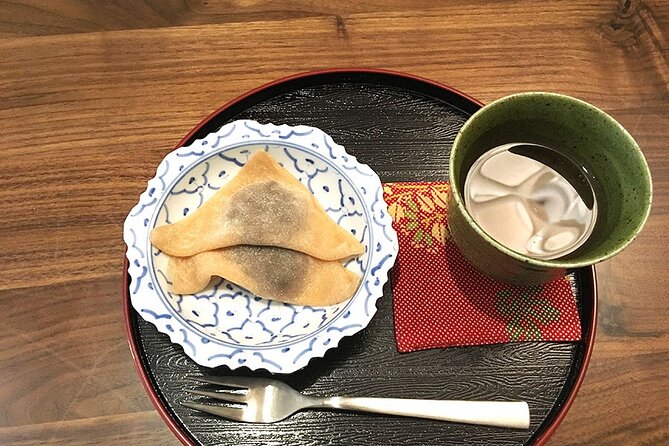
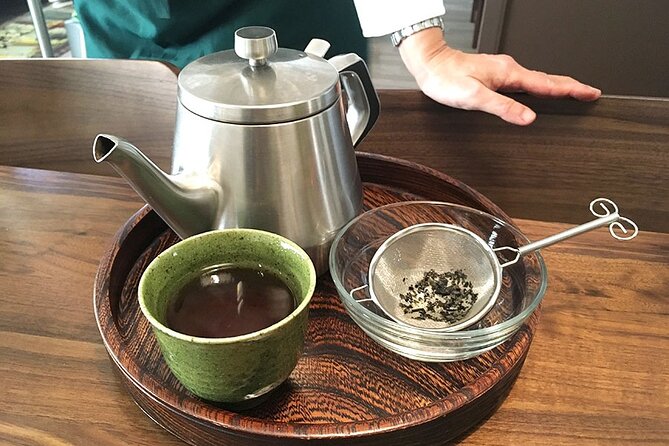
Midori begins with a cup of Japanese tea. It is a small touch, but a useful one. Instead of rushing straight into chopping and measuring, you get a calm introduction to the host and the kitchen. She then explains the basic ingredients behind many home-style Japanese dishes: soy sauce, mirin, sake, and miso.
I like this opening because it gives you a framework for Japanese food. You are not just following a recipe line by line. You begin to see how salty, sweet, fermented, and savory flavors work together.
More Japanese Cooking Classes in Kyoto
- Ramen Cooking Class at Ramen Factory in Kyoto
★ 5.0 · 1,937 reviews - Sushi Making in Kyoto! Same-day bookings welcome!
★ 5.0 · 713 reviews - Kyoto: Ramen Cooking Class at a Ramen Factory with Souvenir
★ 4.9 · 532 reviews
Choosing between ramen, gyoza, and other menus
You choose from five set menu options, and you need to include your selection in the special requirements section when you book. The choices can include ramen or gyoza, along with menus featuring teriyaki chicken, sushi, tonkatsu, or Kansai street foods such as takoyaki and okonomiyaki.
The exact selection matters because these dishes teach different skills. Gyoza gives you practice with filling and folding dumplings. Ramen can introduce you to the balance of broth, noodles, and toppings. Tonkatsu brings attention to coating and frying, while sushi focuses on handling rice and assembling ingredients.
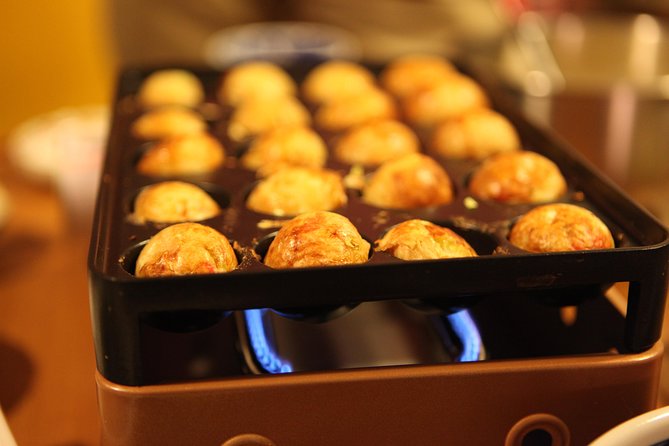
Kansai street-food dishes offer a different view of local food culture. Takoyaki are octopus balls cooked in a special molded pan, and okonomiyaki are savory pancakes. These foods are linked with the Osaka and Kansai area, so they add regional context to a Kyoto cooking lesson.
The menus are designed around recipes that are simple enough to repeat at home. That is important. A class can be entertaining but not very useful if the methods depend on restaurant equipment or hard-to-find ingredients. Midori aims for dishes you can make again after you return home.
You should not assume that every menu is automatically suitable for your diet. Vegetarian, vegan, kosher, and halal options are available, but you must tell the host in advance. The same advice applies to allergies or other food restrictions. The supplied information confirms that accommodations are possible when noted ahead of time, but it does not give a full list of substitutions.
What the 2.5-hour schedule feels like
The experience lasts about two and a half hours. Around an hour and a half is spent cooking, with the remaining time used for the meal and conversation.
Tea and the Japanese pantry
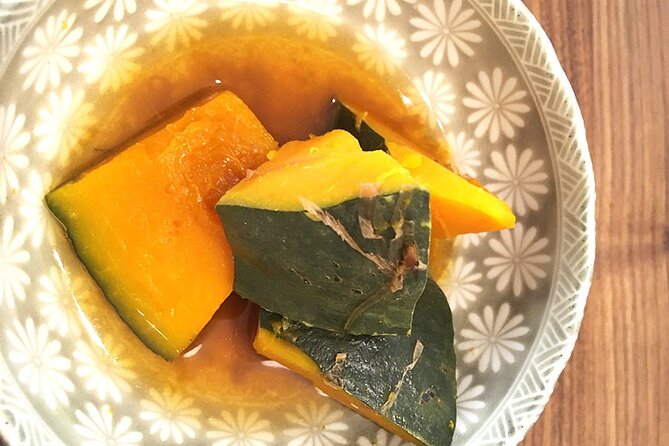
The first stage introduces you to Midori and the ingredients. Expect her to explain the place of soy sauce, mirin, sake, and miso in Japanese cooking. This is especially useful if you plan to shop for food in Japan or try Japanese recipes at home.
The setting is personal and informal. Midori welcomes you into her cooking studio, and the tone is more like cooking with a friend than attending a formal lecture. That does not mean the lesson lacks structure. She demonstrates techniques, then guides you as you work.
Same city, a completely different kind of day:
- PERFECT KYOTO 1-Day Bus Tour
★ 5.0 · 13,518 reviews - Kyoto: Fushimi Inari, Kinkakuji, Bamboo Grove 1 Day Bus Tour
★ 4.8 · 4,316 reviews - Kyoto: Tea Ceremony in a Traditional Tea House in Kiyomizu
★ 4.9 · 3,519 reviews - Kyoto Geisha Walking Tour: Gion District & Hidden Gems
★ 4.7 · 3,273 reviews
Hands-on cooking with Midori
The center of the class is practical. You prepare your chosen menu while Midori shows you how to handle the ingredients and steps. Her long teaching experience matters most here, since she can adjust her help to your group rather than delivering one fixed talk.
If you cook often, you can ask about details such as shopping and ingredient choices. If you are new to Japanese cooking, you can rely on close guidance. One couple even received permission to record the lessons for later use, so it is worth asking Midori if you would like a personal reference, rather than assuming.
The private format also works well for families. Children and adults can take part at a pace that suits the group, though the supplied details do not give a minimum age or specific child policy. For that reason, families should confirm age-related questions before booking.
Eating what you made
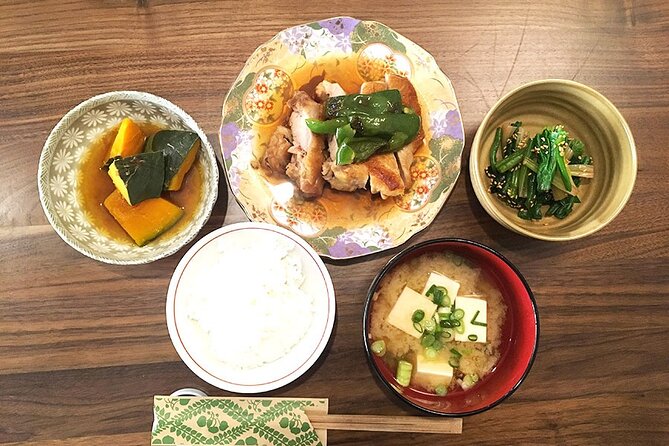
After the cooking, you sit down and eat the dishes you prepared. This gives the class a satisfying finish, but it also helps you understand the recipes as complete meals. You can taste the balance of the seasoning and see which steps made the biggest difference.
The meal is also your main chance to ask Midori about Kyoto beyond the kitchen. She offers suggestions for local restaurants, food shopping, souvenirs, and places to visit in Japan. She has also helped participants with dinner reservations, which can be useful when you are trying to plan an evening in a busy city.
Why Chef Midori’s teaching style matters
The strongest reason to book this experience is Midori herself. She has more than three decades of teaching experience, but the useful point is not simply the number. Her class is built around answering questions and adapting to the people in front of her.
You can expect a warm, humorous host who takes an interest in your plans. That personal exchange is part of the value. You are not only learning how to make a dish. You can also ask what to buy, where to eat, and how to make better use of your time in Kyoto.
This can be especially helpful early in your trip. Food advice is more useful on your second or third day than on your last morning, so consider scheduling the class near the start of your Kyoto stay. The experience listing does not require a particular day or time beyond the booking you choose, so check available times against your wider plans.
The private format is also a good fit for a honeymoon or a special trip. One couple booked it during their honeymoon and appreciated both the cooking and Midori’s help with other plans. You pay more than you would for a basic group lesson, but you get attention focused on your own party.
The value of $169 per person
At $169 per person, this is not a bargain cooking class. You should book it for the combination of instruction, food, privacy, and local guidance, not simply because you want a cheap meal.
The price makes more sense for couples or families who value a private experience. A group can ask questions freely, choose a menu that suits everyone, and spend the meal talking with Midori. For a solo visitor, the cost may feel harder to justify unless private instruction is a top priority.
You also receive more than a recipe card style demonstration. The class includes tea, ingredient guidance, hands-on preparation, and the meal afterward. Midori’s recommendations can add practical value, especially if she helps you find restaurants or food shops that fit your interests.
Still, keep your expectations in check. This is a two-and-a-half-hour home cooking lesson, not a full-day culinary course or a professional chef qualification. You will learn selected dishes and techniques, not the whole range of Japanese cuisine.
Getting there and handling the practical details
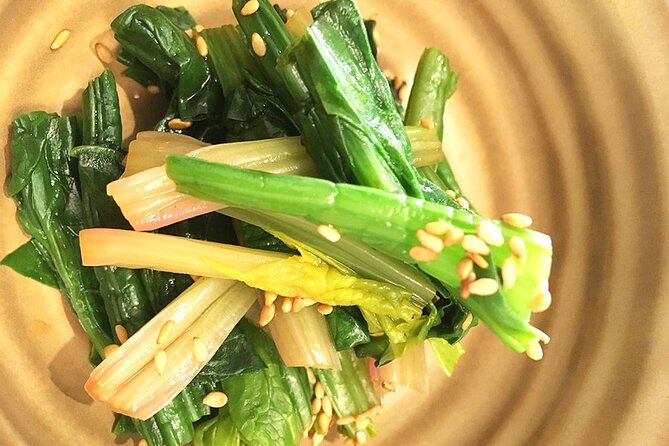
The studio is near public transportation, and the activity begins and ends at the stated meeting point in Kyoto’s Shimogyo Ward. The provided address is precise, but residential addresses can take a little care to locate. Save the details on your phone and give yourself time to arrive without rushing.
The experience uses a mobile ticket, and confirmation is provided when you book. Since the meeting point is not described as a major sightseeing entrance, read the arrival instructions closely.
A cat lives in the home, but it remains upstairs and does not enter the kitchen or dining area. This should ease concerns for many visitors, but anyone with a serious allergy should consider the presence of a cat before booking.
Service animals are allowed. The activity is private, and only your group participates. Free cancellation is available if you cancel at least 24 hours before the local start time. Changes or cancellations made within 24 hours are not accepted for a refund.
Who will enjoy this class most
I would choose this for someone who wants food to be part of the trip, not just something eaten between temple visits. It suits couples, families, and friends who enjoy learning together and prefer a personal exchange over a large class.
It is also a good match for cooks who want practical details. You can ask about ingredients, shopping, and ways to repeat the recipes at home. The dishes are intended to be manageable, so you do not need advanced cooking skills.
Vegetarians and vegans should feel comfortable booking if they give notice in advance. The same applies to kosher and halal requirements. Since menu arrangements are handled ahead of time, do not leave dietary requests until you arrive.
This may not suit you if you want a very cheap, fast activity or a broad survey of Japanese cuisine. It may also disappoint if you expect a restaurant kitchen, professional certification, or a long tour around Kyoto. The focus is a private home-style lesson with one experienced teacher.
A useful food break from Kyoto sightseeing
Kyoto can fill your days with shrines, gardens, lanes, and formal cultural stops. A cooking class changes the rhythm. Instead of looking at Japanese culture from the outside, you spend time with a local host and work with the ingredients yourself.
I like that the lesson connects food with the rest of your visit. Midori can talk about restaurants, markets, souvenirs, and other stops in Japan while you eat. Her advice may help you make better choices for the next few days, especially if you ask specific questions about the foods you want to try.
The class also gives you something concrete to take home. You may forget the name of one temple, but a recipe you practiced with your own hands can return to your kitchen months later. That lasting usefulness helps explain the higher price.
Should you book Chef Midori’s class?
Book this experience if you want private, hands-on cooking and value time with a warm local teacher. Chef Midori’s 30 years of experience, flexible menu choices, dietary accommodations, and practical Kyoto advice make it more personal than a standard group class.
The price is the deciding factor. At $169 per person, I would reserve it for a couple, family, or small group that will make full use of the private attention and conversation. Choose your menu when booking, mention dietary needs early, and schedule it with enough time left in your trip to use Midori’s restaurant and shopping advice.
If those points fit your plans, this is a thoughtful way to spend a morning or afternoon in Kyoto, with a meal you helped make at the end.
FAQ
Where does the cooking class take place?
The class takes place at a local cooking studio near Gion in Kyoto. The stated meeting address is 713-13 Chudoji Mibukawacho, Shimogyo Ward, Kyoto, 600-8806.
How long does the experience last?
The full experience lasts approximately two hours and 30 minutes. The cooking portion lasts about 1.5 hours, followed by a shared meal.
Is the class private?
Yes. Only your group participates in the activity, so the lesson is private and personalized.
Who teaches the cooking class?
Chef Midori teaches the class. She has more than 30 years of Japanese cooking teaching experience.
What food can I learn to cook?
You choose from five set menu options. Choices can include ramen, gyoza, teriyaki chicken, sushi, tonkatsu, takoyaki, and okonomiyaki, depending on the selected menu.
Are vegetarian and vegan menus available?
Yes. Vegetarian and vegan options are available. Kosher and halal requirements can also be accommodated when you provide notice at booking.
When do I choose my menu?
You should choose one of the five set menus when booking and include your selection in the Special Requirements section.
Is there a cat in the home?
Yes. A cat lives in the home, but it remains upstairs and does not enter the kitchen or dining area.
Can I cancel for a refund?
Yes, if you cancel at least 24 hours before the experience starts. Cancellations or changes made less than 24 hours before the local start time are not eligible for a refund.
More Workshops in Kyoto
- Kyoto: 45-Minute Tea Ceremony Lesson Experience
★ 4.3 · 2,378 reviews - Kyoto : Chopsticks Making Workshop in Gion with Engraving Option
★ 5.0 · 958 reviews - Kyoto: Samurai Sword Class by Experts in Traditional Arts
★ 4.9 · 657 reviews - Ninja 1-hour Hands-on Lesson by Japanese master in Kyoto -Entry
★ 5.0 · 489 reviews
More Cooking Classes in Kyoto
- Kyoto: Ramen, Gyoza, and Onigiri Cooking Class
★ 5.0 · 445 reviews - Kyoto: Japanese Washoku Bento Small Group Cooking Class
★ 5.0 · 380 reviews - Kyoto Ramen and Gyoza Cooking Class with Professional Chefs
★ 5.0 · 282 reviews - Kyoto: Afternoon Japanese Izakaya Cooking Class
★ 4.9 · 241 reviews
Just added around Kyoto
- Private Guided Traditional Buddhist Cooking in Japan★ 5.0 · 16 reviews
- Kyoto: Gion Geisha District & Sake-in-Hand Walking Tour★ 5.0 · 37 reviews
- Your Private Vacation Photography Session In Kyoto★ 5.0 · 110 reviews
- Kyoto: Zen Meditation at a Private Temple with a Monk★ 5.0 · 25 reviews
- Traditional Japanese Washi Papermaking- Kyoto morning★ 5.0 · 77 reviews
- Kyoto Wagashi(Japanese sweets) Cooking Class near Fushimiinari★ 5.0 · 60 reviews
- Private Pewter Sake Cup Experience with a Kyoto Artisan★ 5.0 · 31 reviews
- Kyoto Private 6 hour Tour: English Speaking Driver Only, No Guide★ 5.0 · 88 reviews
Japanese Cooking Classes, compared.
Sushi Making Tokyo Roll and Authentic Japanese Sushi Class
Read our review →
Roll and Authentic Sushi Making Class in Asakusa
Read our review →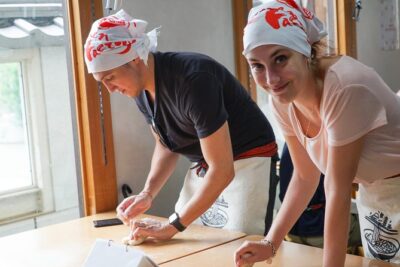
Ramen Cooking Class at Ramen Factory in Kyoto
Read our review →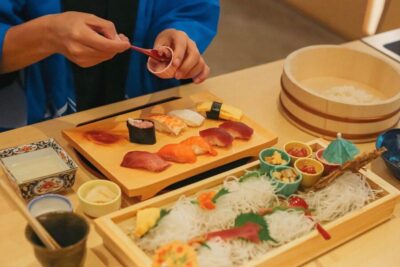
Sushi Making Class in a Happi Coat near a Famous Spot
Read our review →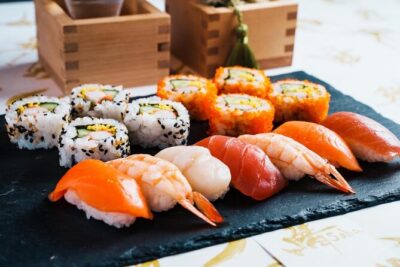
Sushi Making Osaka Roll and Authentic Japanese Sushi Class
Read our review →
Tokyo Sushi Making Class in Tsukiji with Professional Chef
Read our review →
Ramen & Gyoza Cooking Class in Tokyo with Local Supermarket Visit
Read our review →
Tsukiji Fish Market Guided Tour and Sushi Making with Pro Chef
Read our review →Browse the lists this tour appears in