
REVIEW · JAPANESE COOKING CLASSES
Private Kyoto Cooking Class with Aki in a Beautiful Wooden House
The best thing about this Kyoto cooking class is its setting: you cook with Aki in a beautiful wooden house, not in a busy studio filled with several unrelated groups. You prepare seasonal home dishes, ask questions as you go, and then sit down to eat what you made.
I like the private format, which gives you room to work at your own pace. I also like the chance to learn dishes such as chikuzenni, braised burdock root, and miso soup, recipes you may not find on a standard restaurant menu. The main consideration is the price, $95 per person, plus a confusing difference in the information about included drinks and cancellation terms.
In This Review
- Key points to know
- A Kyoto kitchen instead of a cooking school
- What happens during the three-hour visit
- Seasonal dishes with a family connection
- Why the private format matters
- Aki’s teaching style and English guidance
- Is $95 per person a fair value?
- Planning your morning in Kyoto
- Who will get the most from this class?
- Should you book Aki’s Kyoto cooking class?
- FAQ
- How long does the Kyoto cooking class last?
- What time does the class begin?
- Where does the experience meet?
- Is hotel pickup included?
- Is the cooking class private?
- Who leads the cooking class?
- What kinds of dishes might you prepare?
- Are vegetarian meals available?
- Are drinks included?
Key points to know
- Private class with Aki: Only your group takes part, so you can ask questions freely and get personal guidance.
- Cooking lasts about one hour: The full experience runs about three hours, including the shared meal.
- Seasonal Japanese home food: Possible dishes include chikuzenni, braised burdock root, and miso soup.
- Recipes in English: Aki provides written recipes and explains cooking methods as you work.
- Vegetarian and dietary requests: Tell the provider about allergies, restrictions, or preferences when booking.
- Morning meeting in northern Kyoto: Meet at 10:30 am at IpponmatsuShimogamo Matsunokicho in Sakyo Ward.
A Kyoto kitchen instead of a cooking school
Many cooking classes are designed for a roomful of participants moving through the same recipe at the same speed. This one takes place in Aki’s home, which changes the mood right away. You are not simply watching a demonstration. You take part in preparing the food, then share the finished meal with your host.
That private setup is especially useful if you are new to Japanese cooking. You can stop Aki and ask why a certain ingredient is used, how a broth is seasoned, or what a dish is called. In a large class, small questions can get lost. Here, the experience is built around conversation and direct help.
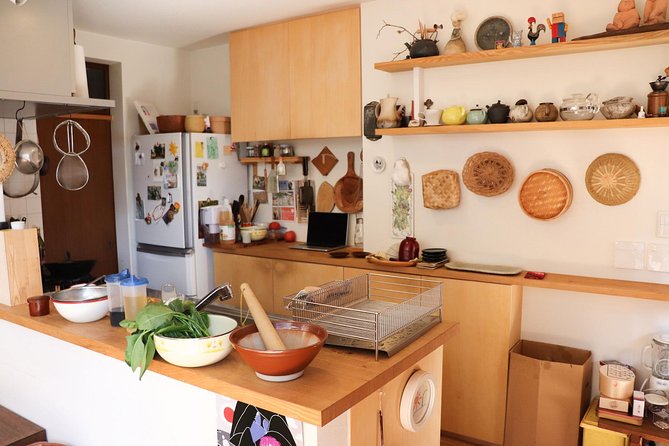
The house itself is part of the appeal. The setting is described as a beautiful wooden home with an atmospheric kitchen. You should not expect a polished restaurant dining room or a commercial teaching kitchen. The charm comes from cooking in a personal space and seeing food presented in a home setting.
Aki speaks English well enough to guide the class and explain the recipes. That matters because the value here is not just the meal. You are learning how Japanese home cooking works, including family tips that may not appear in a standard cookbook.
More Japanese Cooking Classes in Kyoto
- Ramen Cooking Class at Ramen Factory in Kyoto
★ 5.0 · 1,937 reviews - Sushi Making in Kyoto! Same-day bookings welcome!
★ 5.0 · 713 reviews - Kyoto: Ramen Cooking Class at a Ramen Factory with Souvenir
★ 4.9 · 532 reviews
What happens during the three-hour visit
The experience begins at 10:30 am at the meeting point in Kyoto’s Sakyo Ward. The address is IpponmatsuShimogamo Matsunokicho, Kyoto, 606-0816, Japan. Hotel pickup and drop-off are not included, so plan your own route to the house.
Once you arrive, Aki introduces the cooking plan and provides recipes in English. The menu changes with the season, so the exact dishes are not fixed. That is a plus if you want food connected to the time of year, but it also means you should not book expecting one exact set of recipes.
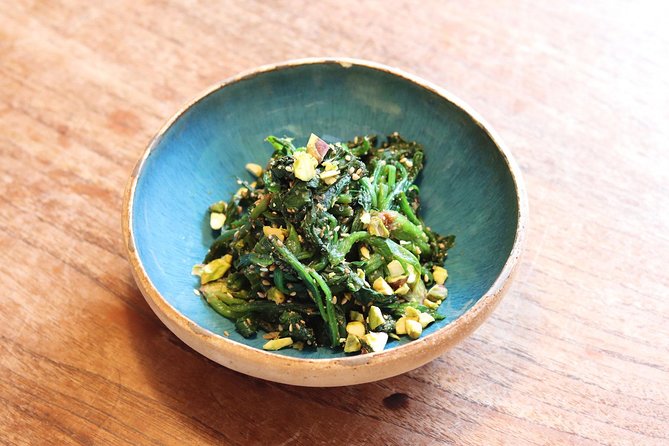
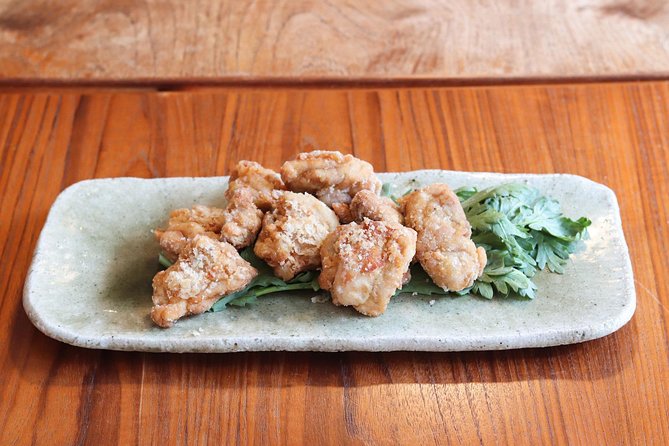
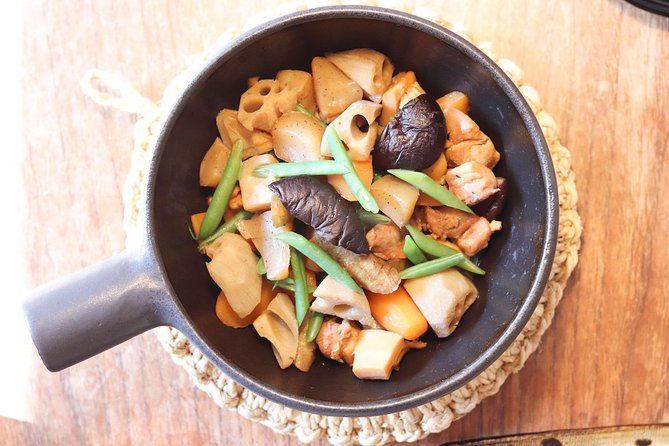
The cooking itself takes about an hour. You help prepare several dishes rather than spending the whole session on one complicated item. Possible menu choices include chikuzenni, a braised chicken and vegetable dish, braised burdock root, and miso soup.
Chikuzenni gives you a look at the gentle, patient side of Japanese home cooking. It combines chicken and vegetables in a braised dish, the kind of food that can carry more meaning in a family kitchen than it does on a tourist menu. Burdock root adds another useful lesson because it is a familiar Japanese ingredient that many visitors rarely handle at home.
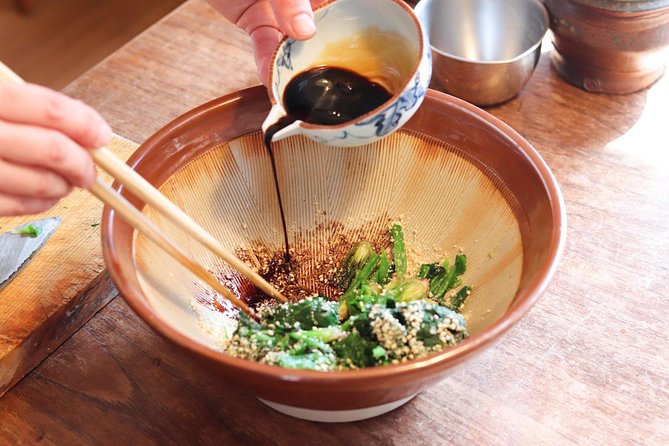
Miso soup may sound basic, but it is exactly the sort of dish where small techniques matter. Aki can show you tips for a familiar classic and explain how it fits into a Japanese meal. You leave with more than a bowl of soup. You gain a practical way to think about stock, seasoning, and balance.
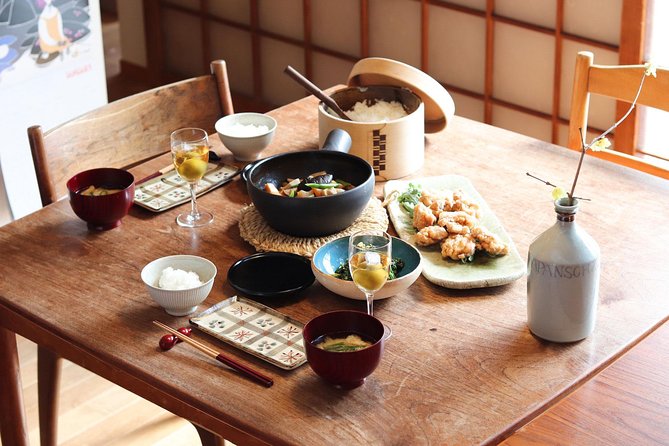
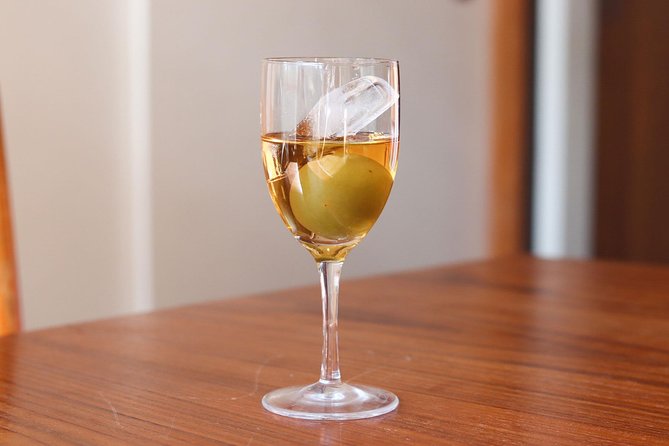
After the cooking, you eat together. The meal is made from the dishes you prepared, so the final table has a satisfying connection to the work in the kitchen. The experience also includes non-alcoholic beverages. The tour description refers to alcoholic drinks as included, but the formal included list names only non-alcoholic beverages. If a drink with alcohol matters to you, confirm this before booking.
The remaining time allows for eating, conversation, and questions about Japanese food and culture. The class is not a quick recipe demonstration followed by an immediate departure. Still, the exact pace can vary because this is a private home experience, not a tightly timed production.
Seasonal dishes with a family connection
The changing menu is one of the strongest reasons to choose this class. Restaurants often give you a finished dish without explaining how it fits into everyday cooking. Here, you might learn food that Aki’s family has prepared across generations.
That does not mean every dish will be rare or unfamiliar. In fact, familiar foods can be the most useful lessons. Miso soup, braised vegetables, and chicken dishes are all recipes you can imagine making again after returning home. The class aims to show how these foods are handled in a Japanese household, including tips that are difficult to pick up from a menu.
The seasonal approach also keeps the class tied to Kyoto’s calendar. The exact menu may change, and you should see that as part of the format rather than a weakness. If you have your heart set on chikuzenni or burdock root, ask about the likely dishes before you pay.
You also have the chance to tell the provider about allergies, dietary restrictions, and cooking preferences at booking. A vegetarian option is available if requested in advance. Do not wait until you arrive to mention an allergy or major restriction. The more notice Aki has, the easier it is to plan a suitable menu.
Why the private format matters
The class is private, meaning only your own group participates. For couples, families, or friends, this makes the three-hour visit feel more personal than a standard group lesson.
I see three practical benefits. First, you can ask questions without holding up a room full of people. Second, Aki can adjust explanations to your cooking level. Third, the meal afterward can feel like a shared visit rather than a scheduled tourist stop.
The private format may be less appealing if you want to meet other people or compare techniques with a large international group. It also means you are paying for a more personal experience instead of a low-cost class with many participants. At $95 per person, the cost makes the most sense for people who value privacy, conversation, and a home setting.
The private class received a five-out-of-five rating from 12 published ratings, with all recommending it. The strongest praise focuses on Aki’s patience, English, kindness, and ability to make people feel comfortable while they cook. One particularly useful detail is that the meal can produce plenty of food, including leftovers. That can make the price feel better for a group that treats the class as both a lesson and a substantial morning meal.
Same city, a completely different kind of day:
- PERFECT KYOTO 1-Day Bus Tour
★ 5.0 · 13,518 reviews - Kyoto: Fushimi Inari, Kinkakuji, Bamboo Grove 1 Day Bus Tour
★ 4.8 · 4,316 reviews - Kyoto: Tea Ceremony in a Traditional Tea House in Kiyomizu
★ 4.9 · 3,519 reviews - Kyoto Geisha Walking Tour: Gion District & Hidden Gems
★ 4.7 · 3,273 reviews
Aki’s teaching style and English guidance
Aki provides recipes in English and guides you through each stage. That makes the class suitable for people who want more than a photo opportunity. You can follow the process, understand what you are doing, and take the recipes home.
The personal feedback about Aki is consistently strong. She is described as patient with cooking instructions and generous with practical advice. She also offers suggestions for things to do later in Kyoto, which can be handy if this is your first morning in the city.
I would still keep your expectations sensible. English guidance is available, but the class is about cooking, not a formal lecture on every part of Japanese culture. The best experience will come if you ask questions and take an active role rather than standing back and waiting for Aki to do the work.
You should also be ready for a home kitchen. It may not offer the space or equipment of a professional cooking studio. That is part of the tradeoff. You get a more personal setting, but the experience is less standardized.
Is $95 per person a fair value?
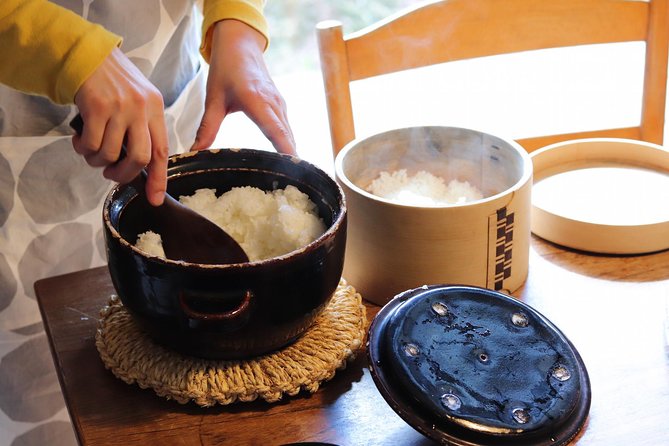
At $95 per person, this is not the cheapest way to eat breakfast or lunch in Kyoto. You are paying for several things at once: a private lesson, a home-cooked meal, English recipes, personal guidance, beverages, and access to a local home setting.
The price works best for you if the cooking lesson is the main point. If you only want a meal, Kyoto restaurants offer less expensive choices. If you want a fast group class with a fixed menu, another option may suit you better.
The value improves for people who cook at home after the trip. A restaurant meal disappears quickly, but written recipes and family techniques can be used again. The class also offers food that may not be served in restaurants, which gives it a clear purpose beyond dining.
The experience is about three hours, with roughly one hour spent cooking and the rest devoted to the meal and conversation. That is a good block of time for a morning activity, but it does limit your sightseeing schedule. Since the meeting point is in Sakyo Ward and transportation is your responsibility, include travel time on both ends when planning your day.
Planning your morning in Kyoto
The 10:30 am start gives you time for a relaxed morning, but you should not place a major timed attraction immediately afterward. The class ends back at the meeting point, and the total duration is approximately three hours.
Mobile ticketing makes it easier to keep the booking details on your phone. Confirmation is sent within 48 hours, subject to availability. This experience is often booked about 38 days ahead, so reserve early if your Kyoto dates are fixed.
The meeting point is near public transportation, but hotel pickup and drop-off are not included. Check your route before the morning of the class, especially if you are staying far from Sakyo Ward. Allow enough time to find the exact address rather than arriving at 10:30 am and hoping to sort it out on the spot.
Service animals are allowed. The activity is private and personalized, with only your group taking part.
There is an important booking issue to check. The supplied terms describe the activity as non-refundable and say that changes are not allowed, yet they also mention a two-week cancellation policy. Those statements do not match. Confirm the current cancellation conditions with the provider before payment, particularly if your Kyoto schedule may change.
Who will get the most from this class?
This class is a good match for you if you:
- Want a private experience instead of a crowded group lesson
- Like learning through hands-on work
- Cook at home and want recipes you can repeat
- Prefer local home dishes to restaurant-only specialties
- Are comfortable spending a full morning on one activity
- Have dietary needs that can be shared in advance
- Enjoy talking with a host as much as preparing food
It may not be right for you if you dislike cooking, need a fully fixed menu, or want a short activity with no schedule commitment. It is also less suitable if you are looking only for a cheap meal.
Families and small groups can benefit from the private format because everyone can take part. Couples may appreciate the quiet setting. Solo participants should note that the price is listed per person and the activity is designed for a private group, so the value depends on the final size of your booking.
Should you book Aki’s Kyoto cooking class?
I would book this if you want to understand Japanese food from inside a home rather than simply ordering it in a restaurant. Aki’s patient instruction, English recipes, seasonal menu, and private wooden-house setting give the experience a clear identity.
The decision comes down to value and timing. At $95, you should care about the cooking lesson and the personal setting, not just the food. Reserve enough of your morning, arrange your own transportation, request vegetarian or allergy-friendly changes early, and confirm exactly which drinks and cancellation terms apply.
If those details suit your plans, this is a thoughtful choice for a slower Kyoto morning and a useful way to bring a piece of Japanese home cooking back with you.
FAQ
How long does the Kyoto cooking class last?
The experience lasts approximately three hours. The cooking portion takes about one hour, followed by the meal and time with your host.
What time does the class begin?
The class begins at 10:30 am.
Where does the experience meet?
You meet at IpponmatsuShimogamo Matsunokicho, Sakyo Ward, Kyoto, 606-0816, Japan.
Is hotel pickup included?
No. Hotel pickup and drop-off are not included, so you must make your own way to and from the meeting point.
Is the cooking class private?
Yes. Only your group participates in the activity.
Who leads the cooking class?
Aki leads the class in her home kitchen.
What kinds of dishes might you prepare?
The seasonal menu can vary. Possible dishes include chikuzenni, braised burdock root, and miso soup.
Are vegetarian meals available?
Yes. A vegetarian option is available, but you should request it when booking. You should also provide details about allergies, dietary restrictions, or cooking preferences at that time.
Are drinks included?
Non-alcoholic beverages are included. The experience description also refers to alcoholic drinks, but the formal included list names only non-alcoholic beverages, so confirm this point before booking.
More Workshops in Kyoto
- Kyoto: 45-Minute Tea Ceremony Lesson Experience
★ 4.3 · 2,378 reviews - Kyoto : Chopsticks Making Workshop in Gion with Engraving Option
★ 5.0 · 958 reviews - Kyoto: Samurai Sword Class by Experts in Traditional Arts
★ 4.9 · 657 reviews - Ninja 1-hour Hands-on Lesson by Japanese master in Kyoto -Entry
★ 5.0 · 489 reviews
More Cooking Classes in Kyoto
- Kyoto: Ramen, Gyoza, and Onigiri Cooking Class
★ 5.0 · 445 reviews - Kyoto: Japanese Washoku Bento Small Group Cooking Class
★ 5.0 · 380 reviews - Kyoto Ramen and Gyoza Cooking Class with Professional Chefs
★ 5.0 · 282 reviews - Kyoto: Afternoon Japanese Izakaya Cooking Class
★ 4.9 · 241 reviews
Just added around Kyoto
- Private Guided Traditional Buddhist Cooking in Japan★ 5.0 · 16 reviews
- Kyoto: Gion Geisha District & Sake-in-Hand Walking Tour★ 5.0 · 37 reviews
- Your Private Vacation Photography Session In Kyoto★ 5.0 · 110 reviews
- Kyoto: Zen Meditation at a Private Temple with a Monk★ 5.0 · 25 reviews
- Traditional Japanese Washi Papermaking- Kyoto morning★ 5.0 · 77 reviews
- Kyoto Wagashi(Japanese sweets) Cooking Class near Fushimiinari★ 5.0 · 60 reviews
- Private Pewter Sake Cup Experience with a Kyoto Artisan★ 5.0 · 31 reviews
- Kyoto Private 6 hour Tour: English Speaking Driver Only, No Guide★ 5.0 · 88 reviews
Japanese Cooking Classes, compared.
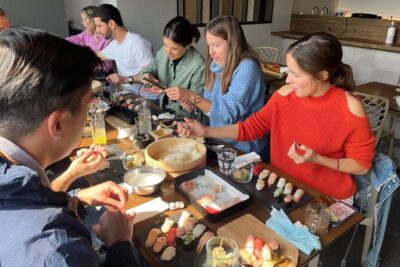
Sushi Making Tokyo Roll and Authentic Japanese Sushi Class
Read our review →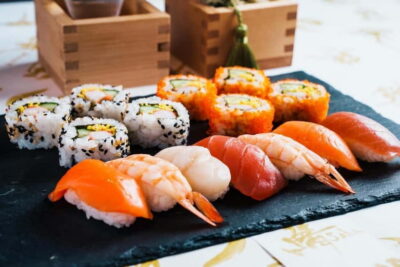
Roll and Authentic Sushi Making Class in Asakusa
Read our review →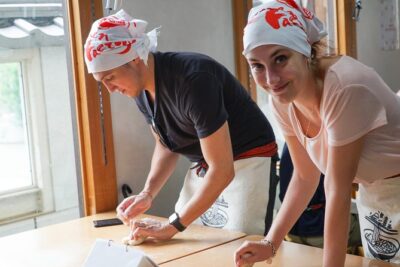
Ramen Cooking Class at Ramen Factory in Kyoto
Read our review →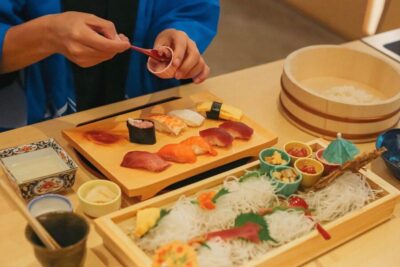
Sushi Making Class in a Happi Coat near a Famous Spot
Read our review →
Sushi Making Osaka Roll and Authentic Japanese Sushi Class
Read our review →
Tokyo Sushi Making Class in Tsukiji with Professional Chef
Read our review →
Ramen & Gyoza Cooking Class in Tokyo with Local Supermarket Visit
Read our review →
Tsukiji Fish Market Guided Tour and Sushi Making with Pro Chef
Read our review →Browse the lists this tour appears in