
REVIEW · JAPANESE COOKING CLASSES
Near Fushimiinari: Kyoto Home Cooking Class & Supermarket tour
The best part of this Kyoto experience is that you do not just watch someone cook Japanese food. You prepare about five dishes yourself, beginning with dashi, the soup stock that forms the base of much of Japanese cooking. Then you sit down for lunch in a traditional room with tatami flooring and a garden view.
I like the small maximum of six people, which gives you room to ask questions and work directly with the instructor. I also like the supermarket visit, since Japanese food labels and unfamiliar ingredients can make shopping a puzzle. The main consideration is the price, $118.92 per person, which is a serious spend for a four-hour activity, and drinks are not included.
In This Review
- Key points to know before booking
- A Kyoto cooking class built around real food
- Starting with dashi, the foundation of Japanese cooking
- Preparing five dishes instead of one showcase recipe
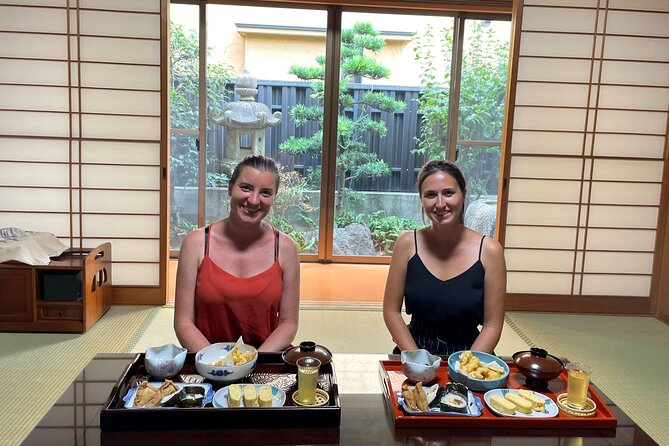
- Lunch in a room with tatami and a garden view
- The supermarket visit makes the recipes usable
- What makes the home setting worthwhile
- The value of a $118.92, four-hour experience
- Who will get the most from this class
- Timing your visit near Fushimi Inari
- Small details that affect your day
- Should you book this Kyoto cooking class?
- FAQ
- Where does the cooking class begin?
- What time does the class start?
- How long does the experience last?
- How many people can join the class?
- Is lunch included?
- Is the supermarket visit included?
- Is the class taught in English?
- What happens if I need to cancel?
Key points to know before booking
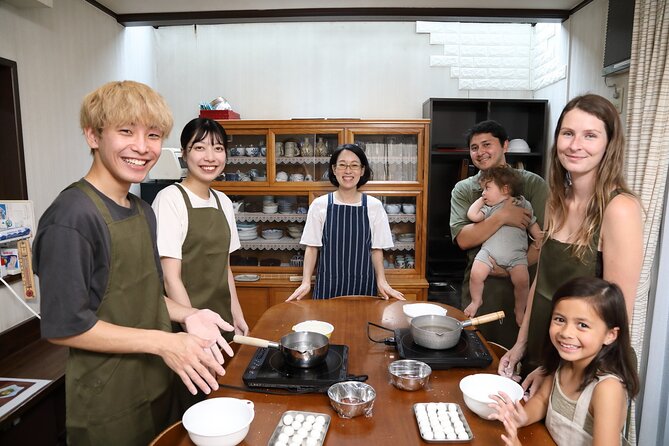
- Cook in a traditional Kyoto home: The class takes place in a Japanese house with a tatami room, tokonoma display area, and garden view.
- Learn dashi first: You begin with several types of Japanese soup stock, an important foundation for understanding local cooking.
- Prepare about five dishes: The menu can include dishes such as miso soup, sushi, spinach salad, tempura, and mochi.
- Small group of six or fewer: You get more direct instruction and time to ask questions.
- Shop at a local supermarket: A 30-minute guided visit helps you identify the ingredients used in class.
- Recipes are provided: You can try making the dishes again at home for family and friends.
A Kyoto cooking class built around real food
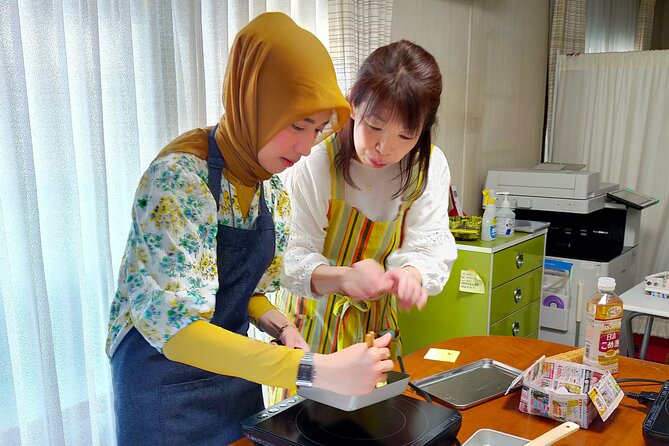
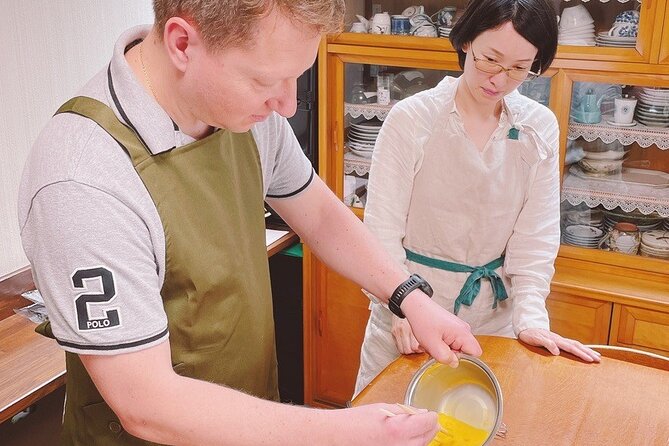
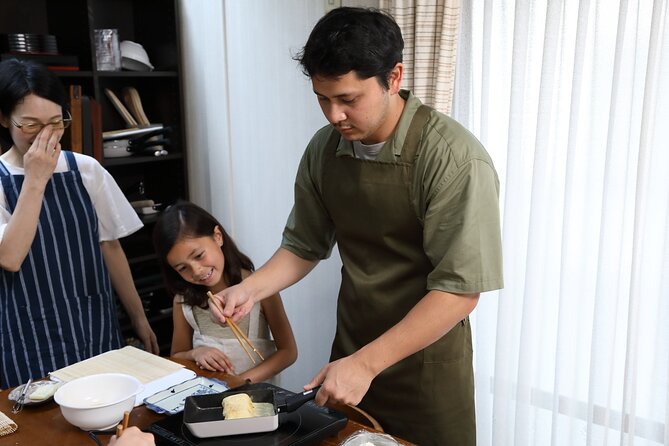
This is a hands-on lesson rather than a demonstration where you sit quietly and take notes. The instructor shows you how to handle each part of the preparation, then you and your partner prepare the food yourselves.
The class is conducted in English. The instructors are licensed guide interpreters, so the explanations cover both the cooking methods and the food culture behind them. Miho is the instructor most often named in the available information, and she is described as friendly, clear, and patient when answering questions.
You start at 9:30 a.m. at 38-4 Fukakusa Watamoricho in Fushimi Ward. The location is near public transportation and close to Fushimi Inari Shrine, making it practical to place this class on the same morning or afternoon as a visit to the shrine, depending on your schedule.
The full experience lasts about four hours. The cooking and lunch take up most of that time, followed by roughly 30 minutes at a nearby supermarket. The activity ends back at the starting point.
More Japanese Cooking Classes in Kyoto
- Ramen Cooking Class at Ramen Factory in Kyoto
★ 5.0 · 1,937 reviews - Sushi Making in Kyoto! Same-day bookings welcome!
★ 5.0 · 713 reviews - Kyoto: Ramen Cooking Class at a Ramen Factory with Souvenir
★ 4.9 · 532 reviews
Starting with dashi, the foundation of Japanese cooking
The first lesson focuses on dashi. This is a smart place to begin because dashi appears in many Japanese dishes, especially soups and sauces. Instead of treating Japanese food as a list of recipes, the class gives you a basic idea of how flavor is built.
You learn about different kinds of dashi found in Japanese cooking. The supplied information does not list every type or ingredient, so you should not expect a fixed technical lesson on a particular stock. What you can expect is an introduction to the role of soup stock and how it supports the dishes you prepare.
This part is especially useful if you want to continue cooking Japanese food at home. A recipe can tell you what to add, but understanding the stock helps you make sense of why the dish tastes the way it does.
The instructor demonstrates some techniques before you begin. That matters for dishes such as sushi and tempura, where preparation and handling are as important as the ingredient list. You are not left to guess your way through the recipe.
Preparing five dishes instead of one showcase recipe
The class typically includes about five dishes. The exact menu may vary, but examples from the experience include miso soup, matcha, sushi, spinach salad, tempura, and mochi.
That range gives you a useful cross-section of Japanese home cooking. Miso soup introduces a familiar staple. Sushi gives you a chance to work with rice and shaping. Tempura adds a different cooking method, while spinach salad shows how a simple vegetable dish can fit into a Japanese meal.
Mochi is another memorable part when it appears on the menu. One class format has included mochi at the end, and the dessert can make the session feel more complete. You may also prepare mochi ice cream, based on the menu described for one class, though you should confirm the exact dishes if a particular recipe matters to you.
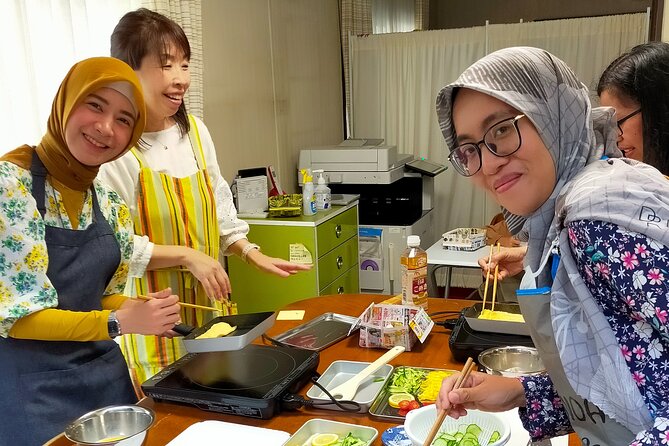
You cook alone or with a partner. That shared format keeps the work social and makes the class a good fit for solo visitors who want an easy way to meet people without joining a large tour group.
The small group size is important here. With no more than six participants, the instructor has a better chance to see how you are handling the food and correct your technique. You also have a reasonable opportunity to ask about substitutions, cooking order, and how to repeat the recipe at home.
Lunch in a room with tatami and a garden view
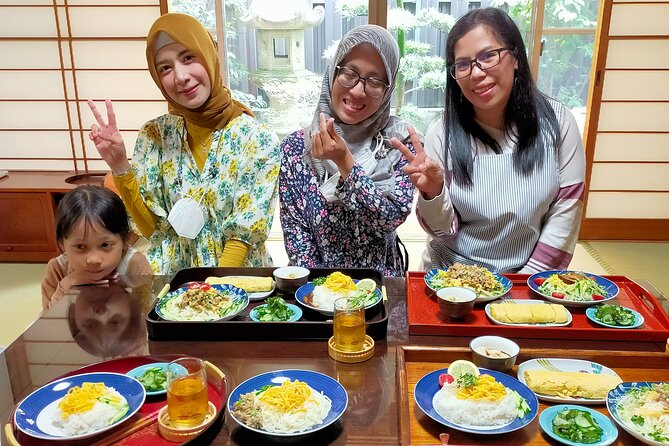
Once the cooking is finished, everyone sits together and eats the meal. Lunch is included in the price, along with the ingredients, seasonings, and taxes.
The setting adds something that a standard cooking studio would not. You eat in a traditional Japanese room with tatami flooring, a tokonoma display area, and a view of a quiet garden. It is not only a place to consume the food you made. The room helps connect the meal with the home setting and Japanese customs discussed during the class.
The atmosphere is traditional, but the experience remains practical. You are not just looking at a Japanese room. You are using the kitchen, preparing food, and then sharing the result in that setting.
Drinks are not included, so plan for that small extra cost. The information does not specify which drinks are available or whether you may bring your own, so ask the provider if this matters to you.
Same city, a completely different kind of day:
- PERFECT KYOTO 1-Day Bus Tour
★ 5.0 · 13,518 reviews - Kyoto: Fushimi Inari, Kinkakuji, Bamboo Grove 1 Day Bus Tour
★ 4.8 · 4,316 reviews - Kyoto: Tea Ceremony in a Traditional Tea House in Kiyomizu
★ 4.9 · 3,519 reviews - Kyoto Geisha Walking Tour: Gion District & Hidden Gems
★ 4.7 · 3,273 reviews
The supermarket visit makes the recipes usable
After lunch, you walk to a local supermarket for about 30 minutes. This is one of the most useful parts of the experience for anyone who plans to cook Japanese food after returning home.
Japanese supermarkets can be confusing even when you know what you are looking for. Labels may be unfamiliar, package sizes can differ from those at home, and many ingredients are sold in forms you may not recognize. The instructor helps you find the ingredients used in class and explains what you are seeing around the store.
You can also buy ingredients for your own kitchen if you wish. That turns the supermarket visit into more than a sightseeing stop. You leave with a clearer idea of what to look for when preparing the recipes again.
The visit lasts only about half an hour, so it is an introduction rather than a full food tour. It will not cover every aisle or every Japanese ingredient. Its value comes from the direct connection to the dishes you have just prepared.
For first-time visitors to Japan, this short stop may be more practical than a general market walk. You learn about food you have already handled, which makes the information easier to remember.
What makes the home setting worthwhile
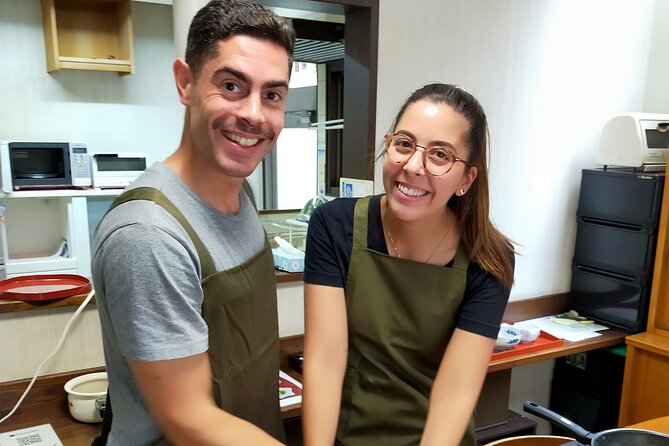
A cooking class in a local home offers a different feel from a hotel kitchen or a purpose-built school. You see the food prepared in a domestic setting, then eat it in a traditional room.
The setting also opens the door to questions about Japanese customs and daily life. The class description specifically presents the experience as more than cooking alone, with instructors explaining local food and customs during the activity.
You should keep your expectations realistic. This is not a formal history lecture or a full tour of a private house. The focus is cooking, eating, and learning about ingredients. The home is part of the experience, not a separate attraction with a long architectural tour.
Still, the combination works well. You learn a recipe, see the ingredients in a supermarket, and eat the finished food in a Japanese room. Each part supports the next.
The value of a $118.92, four-hour experience
At $118.92 per person, this class costs more than a simple group cooking lesson. The price includes lunch, all cooking ingredients and seasonings, taxes, an English-speaking instructor, and the supermarket visit.
The value depends on what you want from your Kyoto activities. If you only want to learn one inexpensive recipe, this is probably not the best use of your money. You are paying for several parts at once: small-group teaching, a traditional home setting, a meal, recipes to take away, and help understanding Japanese supermarket ingredients.
The maximum group size of six improves the value. A large class can leave you watching from the side, but this format gives you more time with the instructor. It also works well for a solo visitor, since the group is small enough to become a shared meal rather than a crowded workshop.
The price may make more sense if you are interested in Japanese food beyond the meal itself. You get practical information that can continue to help after your trip, especially if you buy ingredients and repeat the recipes at home.
The activity is booked an average of 28 days in advance, so it is sensible to reserve early if your Kyoto schedule is fixed. Confirmation is provided at booking, and the ticket is mobile.
Who will get the most from this class
I would point this experience toward several types of visitors:
- Solo visitors: The small group gives you a natural setting for meeting people.
- Home cooks: You receive recipes and learn about ingredients you can seek out later.
- First-time visitors to Japan: The supermarket stop helps explain products that can otherwise be hard to identify.
- Couples and families: Preparing dishes together gives everyone a role.
- Food-focused visitors: The class connects cooking methods, ingredients, customs, and a shared meal.
- People staying near Fushimi Inari: The meeting point is convenient for combining with time around the shrine.
It is less suitable if you want a fast, highly polished restaurant-style lesson or a large menu of advanced dishes. The class is built around participation and explanation, not speed.
Vegetarians may be accommodated, based on the experience information. If you have a specific dietary restriction, contact the provider before booking rather than assuming every menu can be changed.
Timing your visit near Fushimi Inari
The 9:30 a.m. start gives you a clear planning choice. You can attend the class first and visit Fushimi Inari afterward, or see part of the shrine before class if you are staying close enough and can reach the meeting point on time.
Because the activity lasts about four hours and ends where it begins, it uses a substantial part of your day. That is helpful if you prefer one focused cultural activity rather than several short stops. It also means you should avoid scheduling a timed attraction immediately afterward.
The meeting address is in Fushimi Ward, near public transportation. Check the route carefully before the morning of the class, especially if you are unfamiliar with Kyoto’s train and bus system.
The experience requires good weather. If poor weather causes cancellation, you are offered another date or a full refund. You can cancel for a full refund up to 24 hours before the start time. Changes or cancellations made less than 24 hours before the experience are not accepted for a refund.
Small details that affect your day
Lunch is included, but drinks are not. All seasonings and cooking ingredients are supplied, so you do not need to shop for the class beforehand.
Hotel pickup and drop-off are not included. You make your own way to the meeting point and return there at the end. Gratuity is also separate.
The activity has a maximum of six participants. That number is worth checking when comparing cooking classes, since personal guidance is one of the main reasons to choose this format over a large workshop.
The class is in English, with licensed guide interpreters leading the explanations. The information also says the activity allows English and non-English speakers, but the stated class language is English, so English ability is the safe expectation for following the lesson.
Should you book this Kyoto cooking class?
Book it if you want to do more than eat Japanese food. You will prepare several dishes, learn why dashi matters, sit down to a home-cooked lunch, and see where the ingredients are sold. The traditional room and garden view add a calm sense of place, while the small group keeps the lesson personal.
I would be more cautious if $118.92 feels high for a half-day activity or if you are looking for a dedicated market tour. The supermarket visit is only about 30 minutes, and the exact menu can vary.
For solo visitors, home cooks, and anyone curious about everyday Japanese food, this is a strong choice near Fushimi Inari. The recipes and supermarket guidance give it lasting value, not just a pleasant meal during your Kyoto stay.
FAQ
Where does the cooking class begin?
The class begins at 38-4 Fukakusa Watamoricho, Fushimi Ward, Kyoto, 612-0022, Japan.
What time does the class start?
The start time is 9:30 a.m.
How long does the experience last?
The activity lasts approximately four hours.
How many people can join the class?
The class has a maximum of six participants.
Is lunch included?
Yes. Lunch, cooking ingredients, seasonings, and all fees and taxes are included.
Is the supermarket visit included?
Yes. The experience includes a guided visit to a local supermarket for about 30 minutes.
Is the class taught in English?
Yes. The class is conducted in English, and the instructors are licensed guide interpreters.
What happens if I need to cancel?
You can cancel at least 24 hours before the start time for a full refund. Cancellations or changes made less than 24 hours before the start time are not accepted for a refund. If poor weather causes the activity to be canceled, you are offered another date or a full refund.
More Workshops in Kyoto
- Kyoto: 45-Minute Tea Ceremony Lesson Experience
★ 4.3 · 2,378 reviews - Kyoto : Chopsticks Making Workshop in Gion with Engraving Option
★ 5.0 · 958 reviews - Kyoto: Samurai Sword Class by Experts in Traditional Arts
★ 4.9 · 657 reviews - Ninja 1-hour Hands-on Lesson by Japanese master in Kyoto -Entry
★ 5.0 · 489 reviews
More Cooking Classes in Kyoto
- Kyoto: Ramen, Gyoza, and Onigiri Cooking Class
★ 5.0 · 445 reviews - Kyoto: Japanese Washoku Bento Small Group Cooking Class
★ 5.0 · 380 reviews - Kyoto Ramen and Gyoza Cooking Class with Professional Chefs
★ 5.0 · 282 reviews - Kyoto: Afternoon Japanese Izakaya Cooking Class
★ 4.9 · 241 reviews
Just added around Kyoto
- Private Guided Traditional Buddhist Cooking in Japan★ 5.0 · 16 reviews
- Kyoto: Gion Geisha District & Sake-in-Hand Walking Tour★ 5.0 · 37 reviews
- Your Private Vacation Photography Session In Kyoto★ 5.0 · 110 reviews
- Kyoto: Zen Meditation at a Private Temple with a Monk★ 5.0 · 25 reviews
- Traditional Japanese Washi Papermaking- Kyoto morning★ 5.0 · 77 reviews
- Kyoto Wagashi(Japanese sweets) Cooking Class near Fushimiinari★ 5.0 · 60 reviews
- Private Pewter Sake Cup Experience with a Kyoto Artisan★ 5.0 · 31 reviews
- Kyoto Private 6 hour Tour: English Speaking Driver Only, No Guide★ 5.0 · 88 reviews
Japanese Cooking Classes, compared.
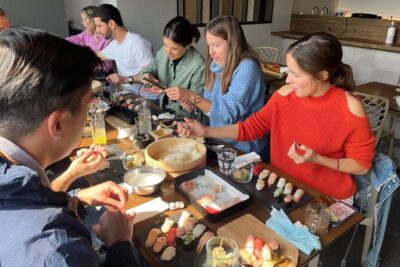
Sushi Making Tokyo Roll and Authentic Japanese Sushi Class
Read our review →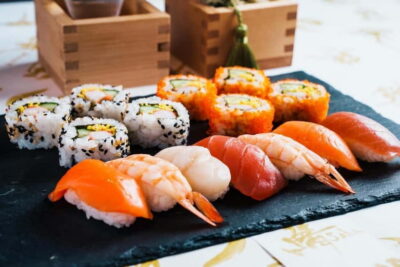
Roll and Authentic Sushi Making Class in Asakusa
Read our review →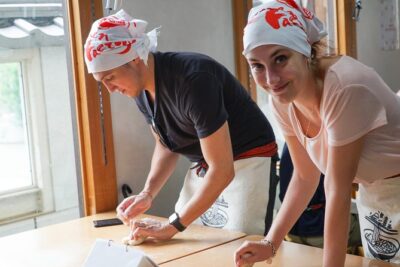
Ramen Cooking Class at Ramen Factory in Kyoto
Read our review →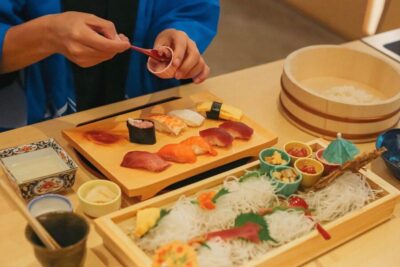
Sushi Making Class in a Happi Coat near a Famous Spot
Read our review →
Sushi Making Osaka Roll and Authentic Japanese Sushi Class
Read our review →
Tokyo Sushi Making Class in Tsukiji with Professional Chef
Read our review →
Ramen & Gyoza Cooking Class in Tokyo with Local Supermarket Visit
Read our review →
Tsukiji Fish Market Guided Tour and Sushi Making with Pro Chef
Read our review →Browse the lists this tour appears in