
REVIEW · JAPANESE COOKING CLASSES
Kyoto: Morning Japanese Bento Cooking Class
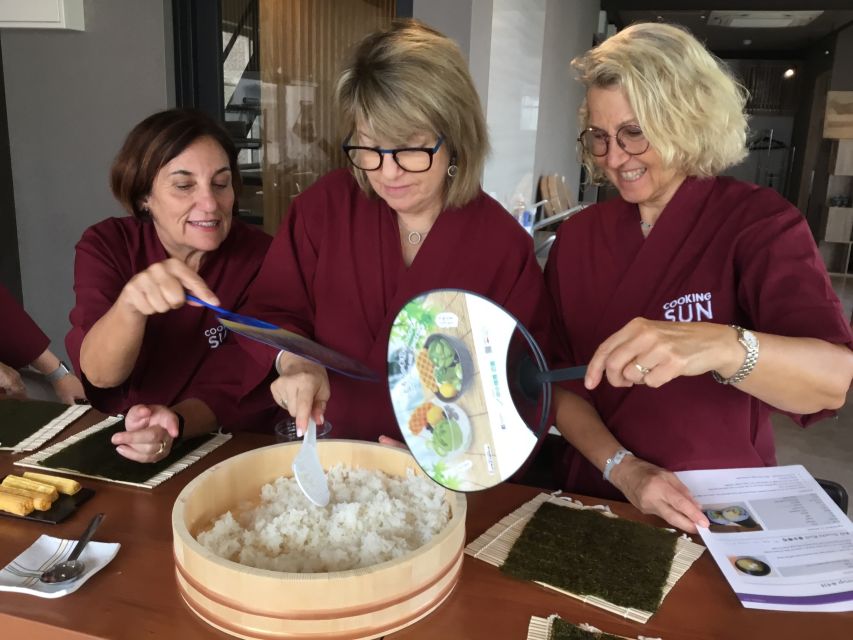
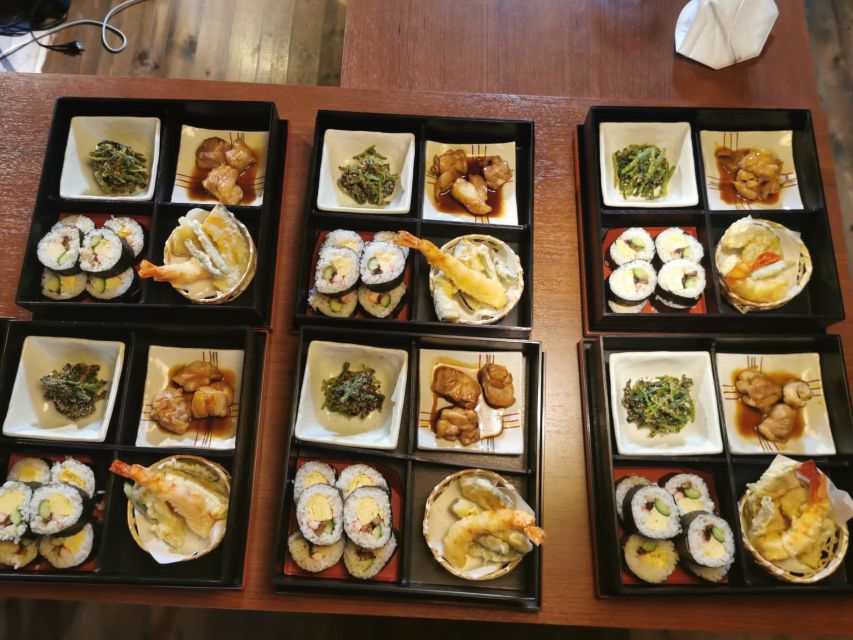
A bento box is more than a neat lunch with separate compartments. It is a small portrait of Japanese home cooking, and this Kyoto class lets you build one dish by dish. You will prepare sushi, tempura, teriyaki chicken, miso soup, and other familiar foods, then eat the finished meal while the techniques are still fresh in your mind.
I like the hands-on pace and the fact that the recipes are practical enough to repeat at home. I also like the small-group setting, which gives instructors such as Mei, Mae, Tomoko, and Yukari time to explain steps and offer help. The main consideration is that ingredients are largely prepared before class, so this is more about learning dishes and methods than practicing knife skills.
In This Review
- Key points to know before booking
- What the morning at Cooking Sun is really about
- Starting with ingredients, aprons, and a clear plan
- Sushi, tempura, and teriyaki in one sitting
- The cultural lesson behind the bento box
- Eating the bento you made
- How much personal help can you expect?
- Dietary needs and accessibility
- Is $67 a fair price?
- Who will enjoy this class most?
- Booking details that matter
- Should you book the Kyoto morning bento class?
- FAQ
- Where does the Kyoto bento cooking class meet?
- How long does the cooking class last?
- What dishes will I learn to make?
- Is lunch included?
- Are ingredients and cooking equipment provided?
- Is the class taught in English?
- Can dietary requirements be accommodated?
- Is the activity wheelchair accessible?
- Is hotel pickup included?
Key points to know before booking
- A full bento meal in about three hours: You cook several Japanese dishes, then sit down to eat them for lunch.
- English instruction: The class is taught in English, with clear explanations and written recipes to take home.
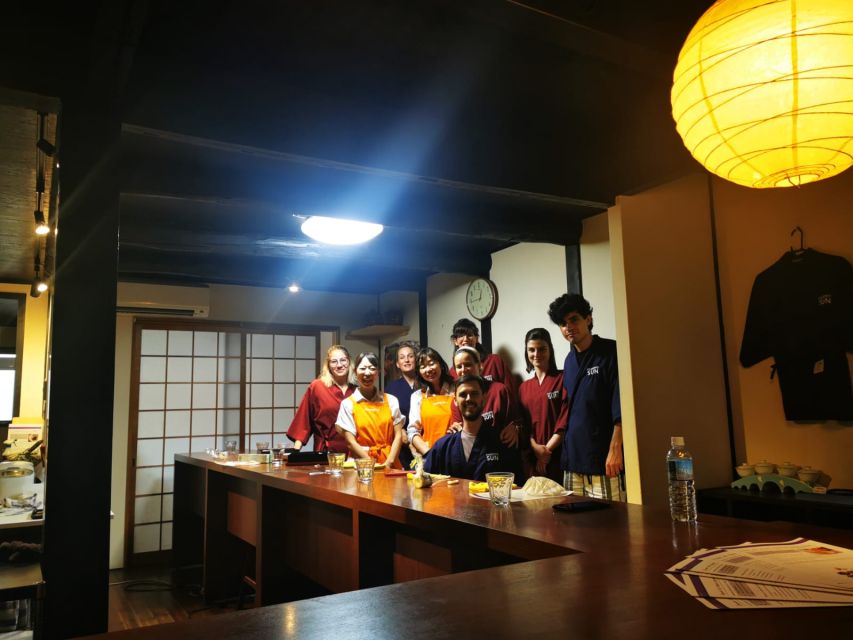
- Small-group attention: Past groups have ranged from four to ten people, with several instructors helping.
- Useful cultural context: You learn why bento became such an important part of Japanese food culture, not just how to fill the box.
- Dietary requests are possible: Shellfish-free and vegetarian meals have been accommodated, but you must give notice when booking.
- Good value at $67: The price covers the class, ingredients, apron, utensils, and lunch, but not transportation to Cooking Sun.
What the morning at Cooking Sun is really about
This is a cooking lesson with lunch built in, but it also works as a friendly introduction to everyday Japanese food. The focus is not on restaurant theatrics or hard-to-find ingredients. You learn dishes that many people associate with Japan and can try to make again once you are home.
The bento tradition reaches back to the late Kamakura Period, from 1185 to 1333. Over time, the box became a practical way to carry a balanced meal, with different foods arranged together rather than served as one large plate.
That idea shapes the class. Instead of spending three hours on one complicated recipe, you move through several dishes and see how they work together. The result is colorful, varied, and satisfying, but the real reward is understanding how separate small portions can make a complete Japanese meal.
More Japanese Cooking Classes in Kyoto
- Ramen Cooking Class at Ramen Factory in Kyoto
★ 5.0 · 1,937 reviews - Sushi Making in Kyoto! Same-day bookings welcome!
★ 5.0 · 713 reviews - Kyoto: Ramen Cooking Class at a Ramen Factory with Souvenir
★ 4.9 · 532 reviews
Starting with ingredients, aprons, and a clear plan
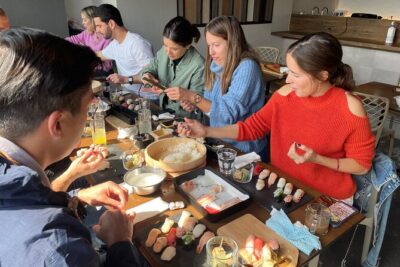
At Cooking Sun, you collect your ingredients, apron, and utensils before the cooking begins. The class lasts about two and a half to three hours, with the published duration listed as three hours, so leave enough room in your morning schedule.
The lesson follows a demonstration-and-practice format. An instructor shows you the process, explains the reason behind important steps, and then has you follow along. This is a good arrangement for beginners because you can watch the finished movement before attempting it yourself.
The instructors use English, and the class has been praised for clear directions and helpful written recipes. That matters in a cooking class abroad. You are not left trying to decode gestures or guess whether a sauce needs another minute. You can listen, watch, and then work at your own station.
The available information does not promise a fixed group size every day. Past classes have been as small as four people and as large as ten, with reports of two or three instructors helping. A small class gives you more direct contact, while a fuller group can make the morning more social.
Sushi, tempura, and teriyaki in one sitting
The menu includes sushi, tempura, teriyaki chicken, and miso soup. You may also prepare several additional traditional dishes, with past classes covering six or seven items in total.
Sushi gives you a chance to practice careful assembly and presentation. Tempura brings a different lesson, since batter and cooking technique affect the final texture. Teriyaki chicken shows how a simple sweet-savory sauce can turn familiar ingredients into a classic Japanese dish.
Miso soup rounds out the meal. It is a useful reminder that Japanese cooking is not only about headline dishes. A bento needs contrast: soft and crisp textures, savory and sweet flavors, and foods that look good packed side by side.
The class also includes the small touches that make home cooking easier. Participants have learned tips about ingredients and where to find suitable products outside Japan. Some have bought equipment after class so they could repeat the recipes at home.
Do not expect a dedicated lesson in chopping. One past participant specifically noted that the ingredients were already prepared, so the class was not a knife-skills course. That is a drawback if you want to learn every stage of professional kitchen preparation, but it is helpful if you would rather focus on cooking several dishes within a limited morning.
The cultural lesson behind the bento box
The class gives the food a setting. You are not simply following recipes from a page. You learn about the bento as a Japanese takeaway meal and about the role of familiar dishes in daily food culture.
That context makes the lunch more meaningful. A bento is designed to be portable, orderly, and varied. The format encourages modest portions of several foods rather than one oversized serving. You can see those choices come together as you arrange your own box.
The cultural information appears to be woven into the cooking rather than delivered as a long lecture. That suits the format. You get useful background while handling ingredients, watching demonstrations, and asking questions.
Several instructors have also been praised for taking photos and videos during the class. This is not listed as a formal inclusion, so treat it as a possible kindness rather than a guaranteed service. Still, it can be useful when your hands are busy and you want a record of a particular technique.
Same city, a completely different kind of day:
- PERFECT KYOTO 1-Day Bus Tour
★ 5.0 · 13,518 reviews - Kyoto: Fushimi Inari, Kinkakuji, Bamboo Grove 1 Day Bus Tour
★ 4.8 · 4,316 reviews - Kyoto: Tea Ceremony in a Traditional Tea House in Kiyomizu
★ 4.9 · 3,519 reviews - Kyoto Geisha Walking Tour: Gion District & Hidden Gems
★ 4.7 · 3,273 reviews
Eating the bento you made
Once the cooking is finished, you sit down to eat your bento lunch. This is the payoff, but it is also part of the lesson. You can taste the balance between the dishes and see how the separate recipes work as one meal.
The food is prepared in class rather than served as a separate restaurant lunch. That gives you a better sense of what each step achieved. If the tempura texture is right or the teriyaki sauce has the balance you want, you know why. If something needs adjustment, the instructor can explain what happened.
The meal is substantial for a morning activity because you make several dishes. It is also social. You share the room with people from different countries, work through the same recipes, and then eat together.
Families can use the class well. Children around ten years old have taken part and enjoyed the food, and instructors have provided extra help to teenagers who needed it. The work is hands-on, but the class is not presented as a children-only activity, so adults who enjoy cooking will have plenty to learn too.
How much personal help can you expect?
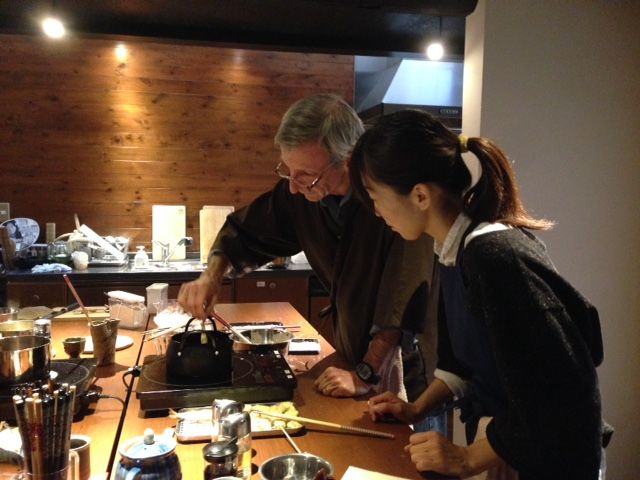
The strongest feature of this class is the teaching style. Instructors have been described as patient, warm, easy to understand, and willing to give extra guidance when needed. That is especially helpful with dishes such as sushi and tempura, where a small change in handling can affect the result.
The names associated with past classes include Mei, Mae, Tomoko, Yukari, Coco, and Ikari. Staff may vary, so do not book expecting one specific instructor unless the provider confirms it.
The written recipes are another practical advantage. You leave with more than a pleasant memory and a full stomach. You have a reference for making the food again, plus tips about finding ingredients at home.
One minor limitation is that a shared kitchen setup can mean sharing some cooking equipment. A participant who wanted more individual interaction felt that this reduced personal practice time. If one-on-one coaching is important to you, ask about the group size when you book.
Dietary needs and accessibility
You should state dietary requirements when booking. The class has handled a no-shellfish version and has catered well to vegetarians, but the information does not promise every dietary adaptation.
Do not wait until the morning of the class to explain an allergy or restriction. Early notice gives the cooking team a fair chance to adjust the ingredients and plan a suitable meal.
The activity is listed as wheelchair accessible. Hotel pickup and drop-off are not included, so you need to make your own way to Cooking Sun at Funayacho, Shimogyo Ward, Kyoto, Kyoto 600-8466.
One older participant had trouble finding the location. That is a useful warning: save the address before leaving your hotel and allow time to get your bearings. The meeting point is in Kyoto, but the class does not include a transfer service.
Is $67 a fair price?
At $67 per person, this is not the cheapest lunch in Kyoto. It is also not simply a lunch. The price includes the cooking class, ingredients, apron, utensils, and the meal you prepare.
The value is strongest if you want instruction you can use later. You learn multiple dishes in one session, receive written recipes, and get answers from English-speaking instructors. A basic meal at a local restaurant may cost less, but it will not teach you how to make sushi, tempura, teriyaki chicken, and miso soup.
The price also makes sense for families and pairs who want an activity beyond temple visits. You get a morning indoors, a shared task, and lunch in the same booking. For a solo visitor, the social side can be just as useful as the recipes.
The value is weaker if you already have strong Japanese cooking skills and want advanced technique. The class aims at a practical, accessible level. Even confident home cooks can pick up useful details, but the lesson is not designed as a professional culinary course.
Who will enjoy this class most?
I would recommend it to first-time visitors who want a direct connection with Japanese food. It suits people who like to understand what they are eating, not just photograph it.
It is also a good fit for:
- Families with children who can take part in simple cooking tasks
- Couples and friends looking for a shared morning activity
- Vegetarians and people with manageable dietary needs who give notice
- Home cooks who want repeatable recipes
- Visitors who enjoy small groups and personal instruction
- Anyone needing a break from Kyoto sightseeing without giving up cultural content
You may want to skip it if you dislike group cooking, have highly complex dietary requirements, or want advanced knife and preparation training. The class is structured and practical, not an open-ended kitchen workshop.
Booking details that matter
The class is offered in the morning, though you need to check availability for the exact starting time. Plan for three hours rather than assuming you will be finished quickly.
The instructor language is English. The booking terms allow free cancellation up to 24 hours in advance for a full refund, and a reserve-now, pay-later option is available. These policies are useful when you are arranging a Kyoto schedule around weather, train plans, or other timed visits.
The class is operated by Cooking Sun. Transportation is not included, and the meeting point is the cooking school at Funayacho in Kyoto’s Shimogyo Ward.
Should you book the Kyoto morning bento class?
Book it if you want to make a full Japanese meal, eat it at the end, and leave with recipes you can use at home. The mix of sushi, tempura, teriyaki chicken, miso soup, cultural background, and small-group help gives the morning more substance than a single-recipe lesson.
I especially like it for families, curious beginners, and home cooks who want practical guidance. Give dietary information in advance, allow time to find Cooking Sun, and remember that prepared ingredients mean less knife practice.
For $67, you are paying for instruction, food, equipment, and a three-hour cultural activity. If that combination fits your Kyoto plans, this is a smart way to spend a morning.
FAQ
Where does the Kyoto bento cooking class meet?
The meeting point is Cooking Sun at Funayacho, Shimogyo Ward, Kyoto, Kyoto 600-8466.
How long does the cooking class last?
The activity lasts about three hours. The class description also gives a range of two and a half to three hours.
What dishes will I learn to make?
The class includes sushi, tempura, teriyaki chicken, and miso soup. You may also prepare additional traditional dishes as part of the bento meal.
Is lunch included?
Yes. You eat the bento lunch you prepare during the class.
Are ingredients and cooking equipment provided?
Yes. Ingredients, an apron, and utensils are included in the booking.
Is the class taught in English?
Yes. The instructor language is English.
Can dietary requirements be accommodated?
You should advise the provider of dietary requirements when booking. A shellfish-free version and vegetarian adaptations have been provided, but the available information does not guarantee every request.
Is the activity wheelchair accessible?
Yes. The activity is listed as wheelchair accessible.
Is hotel pickup included?
No. Hotel pickup and drop-off are not included, so you must arrange transportation to and from Cooking Sun.
More Workshops in Kyoto
- Kyoto: 45-Minute Tea Ceremony Lesson Experience
★ 4.3 · 2,378 reviews - Kyoto : Chopsticks Making Workshop in Gion with Engraving Option
★ 5.0 · 958 reviews - Kyoto: Samurai Sword Class by Experts in Traditional Arts
★ 4.9 · 657 reviews - Ninja 1-hour Hands-on Lesson by Japanese master in Kyoto -Entry
★ 5.0 · 489 reviews
More Cooking Classes in Kyoto
- Kyoto: Ramen, Gyoza, and Onigiri Cooking Class
★ 5.0 · 445 reviews - Kyoto: Japanese Washoku Bento Small Group Cooking Class
★ 5.0 · 380 reviews - Kyoto Ramen and Gyoza Cooking Class with Professional Chefs
★ 5.0 · 282 reviews - Kyoto: Afternoon Japanese Izakaya Cooking Class
★ 4.9 · 241 reviews
Just added around Kyoto
- Taste of Nishiki Market Walking Food Tour with Local guide★ 5.0 · 17 reviews
- Kyoto: Sushi Making Class with Sushi Chef★ 4.8 · 64 reviews
- Kyoto: City Secrets eBike Tour★ 4.9 · 196 reviews
- Sacred Pathways: Discover the Philosopher’s Path of Kyoto★ 4.9 · 20 reviews
- Private Tour to Monkey Park and Arashiyama Highlights★ 5.0 · 22 reviews
- Private Nara Tour from Osaka – Meet at Your Hotel★ 5.0 · 22 reviews
- Private Sake Tasting in Central Kyoto with Sake Sommelier★ 5.0 · 13 reviews
- Kyoto : Private Custom Walking Tour With A Local Guide★ 4.6 · 144 reviews
Japanese Cooking Classes, compared.
Sushi Making Tokyo Roll and Authentic Japanese Sushi Class
Read our review →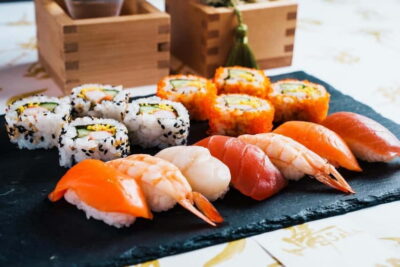
Roll and Authentic Sushi Making Class in Asakusa
Read our review →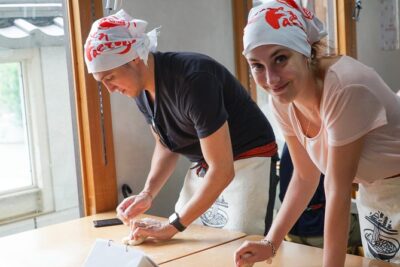
Ramen Cooking Class at Ramen Factory in Kyoto
Read our review →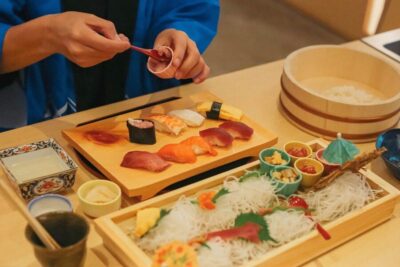
Sushi Making Class in a Happi Coat near a Famous Spot
Read our review →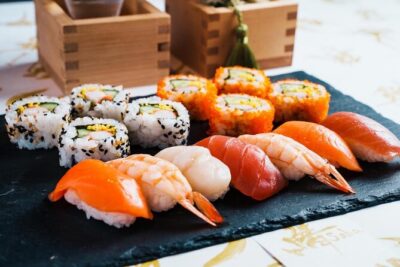
Sushi Making Osaka Roll and Authentic Japanese Sushi Class
Read our review →
Tokyo Sushi Making Class in Tsukiji with Professional Chef
Read our review →
Ramen & Gyoza Cooking Class in Tokyo with Local Supermarket Visit
Read our review →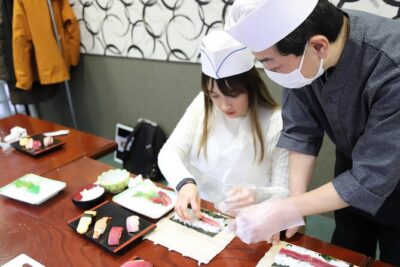
Tsukiji Fish Market Guided Tour and Sushi Making with Pro Chef
Read our review →Browse the lists this tour appears in