
REVIEW · JAPANESE COOKING CLASSES
Kyoto Home Cooking Class &Supermarket tour near Fushimiinari
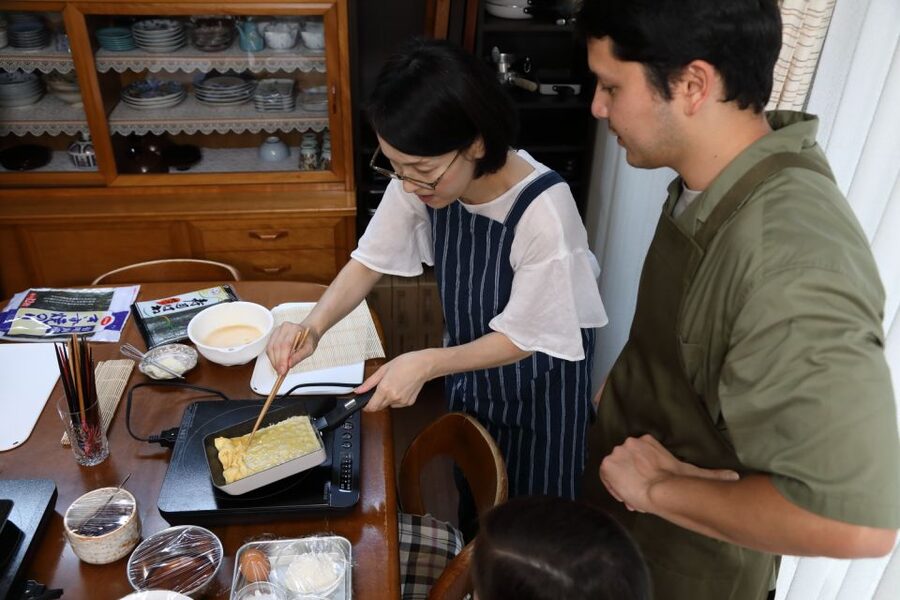
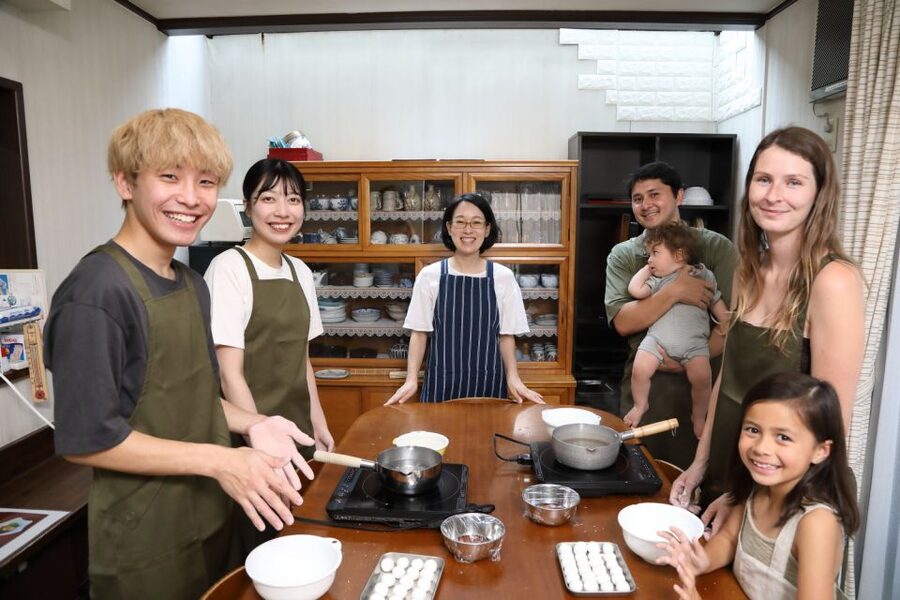
The best part of this Kyoto cooking class is that it feels less like a staged food demonstration and more like being invited into a Japanese home. You’ll prepare several dishes with Miho, eat them in a traditional room overlooking a garden, then walk through a local supermarket to find the ingredients again.
I especially like the small maximum of six people, which gives you room to ask questions and actually handle the cooking. I also like the supermarket visit, since learning what to buy is often more useful than watching someone else cook. The main consideration is the price: at $127 per person, this is not a cheap lunch, though the four-hour lesson, meal, ingredients, instruction, and recipes make it a fair value for serious food lovers.
In This Review
- Key points to know before booking
- A Japanese cooking lesson inside a real home
- Why learning dashi changes the whole class
- Preparing five or more dishes by hand
- Lunch in a garden-view Japanese room
- The supermarket tour adds real value
- What the $127 price includes
- A good choice for solo participants and families
- Vegetarian, vegan, and seasonal considerations
- How this compares with a standard Kyoto food tour
- Should you book this Kyoto cooking class?
- FAQ
- Where does the Kyoto cooking class take place?
- How long does the activity last?
- How many people can join the class?
- Is the class taught in English?
- Is lunch included?
- Can vegetarians and vegans participate?
Key points to know before booking
- Dashi comes first: You’ll learn about the Japanese soup stock that forms the base of many familiar dishes.
- Miho teaches in English: Instructions are clear, practical, and suited to beginners.
- You cook several dishes: The menu usually includes about five dishes, though the exact selection changes by season.
- Lunch is served in a traditional room: A garden view and Japanese-style setting add a cultural side to the meal.
- The supermarket tour makes the lesson useful at home: You’ll see the products and ingredients needed to repeat the recipes.
- Vegetarians and vegans can join: Vegetarian dashi is used, but tell the host about your needs in advance.
A Japanese cooking lesson inside a real home
Many cooking classes give you a polished workroom, a printed recipe, and a quick meal at the end. This one takes place in a traditional Japanese house near Fushimi Inari, where the setting is part of the lesson.
You’ll spend time in an authentic Japanese room with a garden view, then sit down to eat in the same home. That changes the mood. You are not simply learning how to make a dish. You are seeing how food, rooms, table manners, and hospitality fit together in a Japanese household.
The class is conducted entirely in English, and the instructors are licensed guide interpreters. Miho is the instructor most often named in the available information, and her teaching style comes across as direct, patient, and friendly. She demonstrates each task before you begin, then guides you as you work alone or with a partner.
That format suits beginners well. You do not need a background in Japanese cooking, and you will not be left to guess what to do next. At the same time, this is not just a demonstration where you watch a chef do everything. You prepare the food yourself, which gives you a much better chance of repeating it later.
More Japanese Cooking Classes in Kyoto
- Ramen Cooking Class at Ramen Factory in Kyoto
★ 5.0 · 1,937 reviews - Sushi Making in Kyoto! Same-day bookings welcome!
★ 5.0 · 713 reviews - Kyoto: Ramen Cooking Class at a Ramen Factory with Souvenir
★ 4.9 · 532 reviews
Why learning dashi changes the whole class
The first major lesson is dashi, the soup stock used in a wide range of Japanese cooking. This is an important starting point because Japanese flavor often depends less on heavy sauces and more on a carefully built base.
You will learn how dashi fits into Japanese cuisine before moving on to the other dishes. That context matters. It helps you understand why a simple soup, seasoning, or simmered dish can taste full without being rich or heavy.
The class uses vegetarian dashi, making it suitable for vegetarian and vegan participants. You should still tell Miho about your dietary needs before the class so the menu can be handled properly. The menu may differ by season, so you should think of the stated dishes as examples rather than a fixed promise.
The recipes are provided after the cooking session. This is a real advantage. Japanese ingredients can seem confusing when you first shop for them, and a recipe sheet gives you a practical reference once you are back home.
Preparing five or more dishes by hand
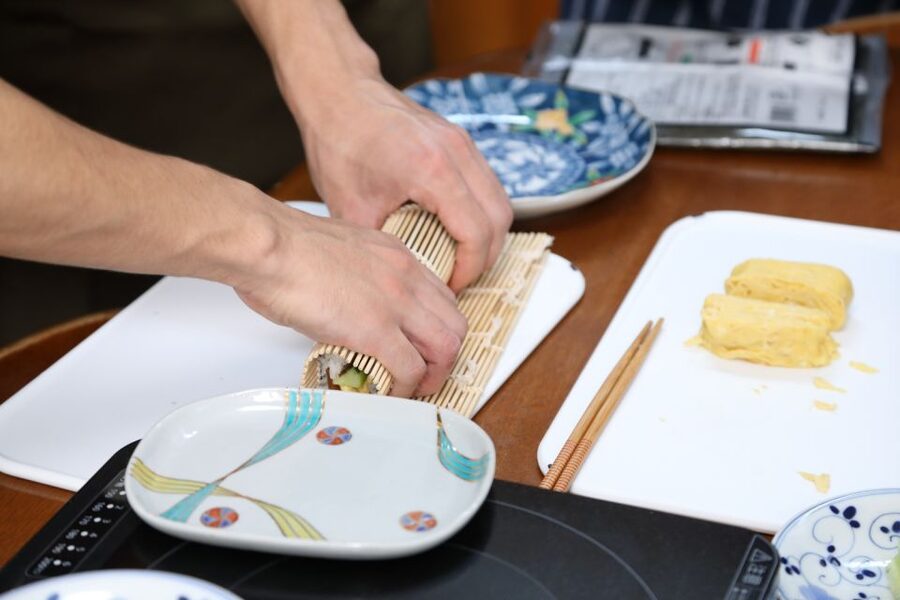
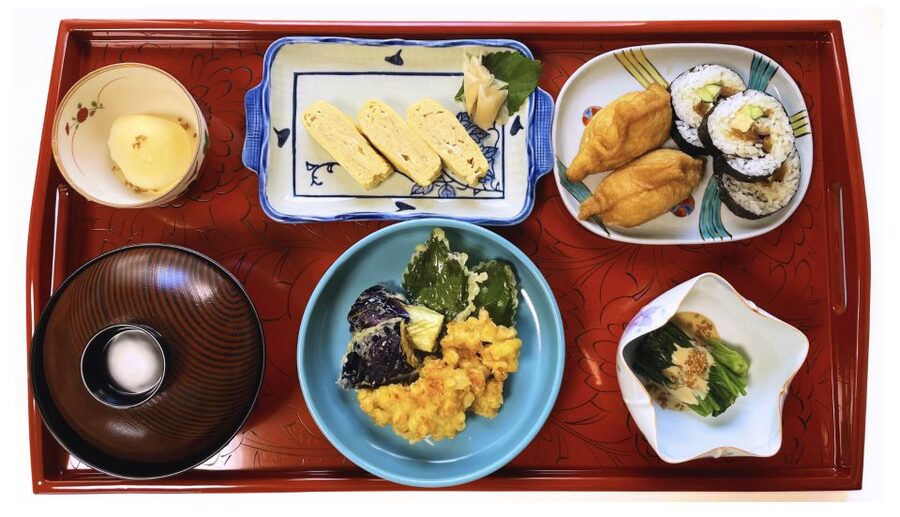
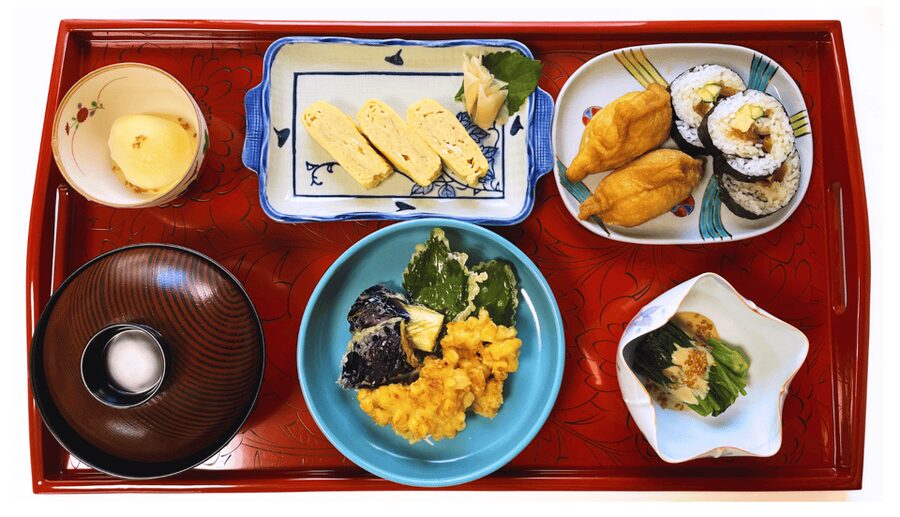
The advertised plan is to prepare about five dishes, but the exact number can vary. One class included seven dishes, while other menus featured combinations such as miso soup, tempura, sushi, Japanese omelet, salad, and dessert.
The range is part of the appeal. You may learn several different techniques in one morning instead of spending four hours on a single dish. Reviews describe sushi, tempura, rolled egg, mochi, soup, and salad among the food prepared in different sessions. The seasonal menu means your class may not include all of these.
Miho demonstrates the cooking steps in front of you, then you take over. This is where the small group matters. With no more than six participants, the instructor can keep an eye on your work and correct small mistakes before they become large ones.
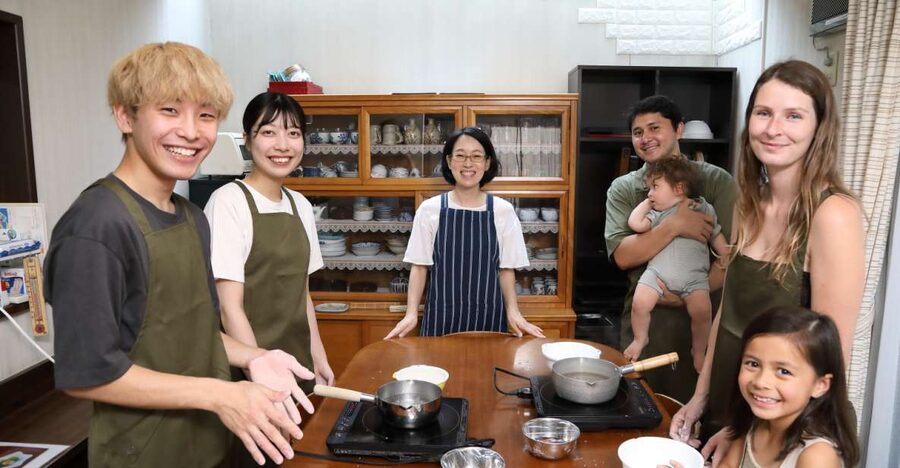
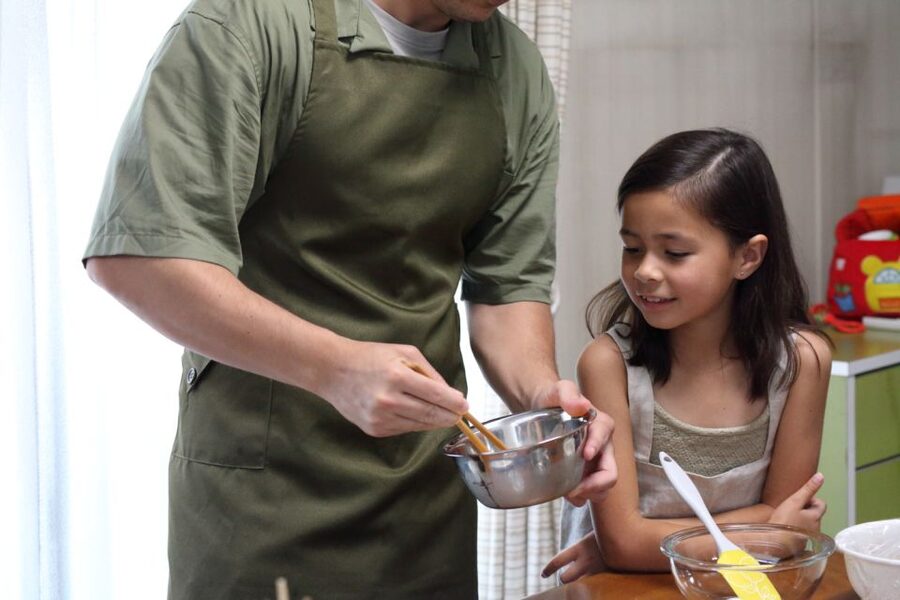
You may cook individually or with a partner. That makes the class suitable for solo participants, couples, friends, and families. One family with three young children had the menu adapted for them, but children aged 12 and under must take part with a guardian. Children under six are not accepted.
The cooking is hands-on, but the class is not presented as a professional culinary course. You are learning useful home techniques, ingredient basics, and ways to make recognizable Japanese food. If you want advanced knife training or restaurant-level plating, this may feel too simple. If you want to cook a Japanese meal with confidence, the level is more useful.
Lunch in a garden-view Japanese room
After cooking, you sit together and eat the food you prepared. The meal is included in the price, along with the ingredients and seasonings used during class.
The dining room is one of the strongest parts of the experience. You eat in a very traditional Japanese room with a view of the garden, which gives the lunch a calm sense of place. This is not a separate restaurant stop. You are enjoying the food in the same home where you cooked it.
That setting also gives the class a social rhythm. The work is finished, the dishes are on the table, and you can appreciate what you made without rushing off to the next sightseeing stop. Previous participants describe the food as delicious and, in one case, better than some restaurant meals. You should not treat that as a guarantee, but it does point to the satisfaction of eating food you prepared yourself.
Bring socks. This is a small requirement, but it matters in a traditional Japanese home where you may remove your shoes. Wear something comfortable for four hours of cooking and walking, and avoid clothing you would worry about around oil used for tempura.
Same city, a completely different kind of day:
- PERFECT KYOTO 1-Day Bus Tour
★ 5.0 · 13,518 reviews - Kyoto: Fushimi Inari, Kinkakuji, Bamboo Grove 1 Day Bus Tour
★ 4.8 · 4,316 reviews - Kyoto: Tea Ceremony in a Traditional Tea House in Kiyomizu
★ 4.9 · 3,519 reviews - Kyoto Geisha Walking Tour: Gion District & Hidden Gems
★ 4.7 · 3,273 reviews
The supermarket tour adds real value
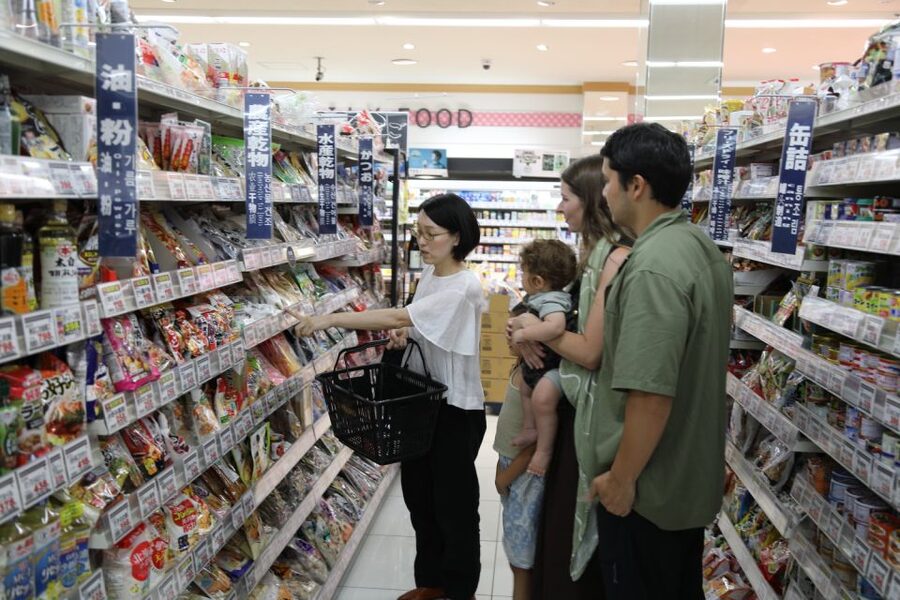
The supermarket visit comes after lunch and is more than a quick stop. Miho helps you find the ingredients used in the class and explains Japanese products throughout the aisles.
This is especially useful for anyone who has stood in a Japanese supermarket and wondered which package contains miso, which seasoning belongs in a soup, or how to identify an unfamiliar vegetable. The class gives you a foundation, and the store tour connects that lesson to real shopping.
Miho can explain products beyond the ingredients used in your menu. You may see Japanese fruit, vegetables, spices, seasonings, and other cooking products while learning how they are used. The tour can make the difference between remembering a dish fondly and actually making it at home.
You can buy ingredients for your family and friends if you wish. The activity does not include food purchases, so budget separately if you want to shop. The tour is also a practical ending because it sends you back into Kyoto with a better sense of how local food shopping works.
What the $127 price includes
At $127 per person, this class costs more than a basic cooking lesson or a restaurant lunch. The value comes from the full four-hour format and the number of elements packed into it:
- English instruction in a group of no more than six
- All ingredients and seasonings
- Hands-on preparation of about five dishes
- Lunch in a traditional Japanese room
- A local supermarket tour
- Recipes for the dishes prepared
The licensed guide interpreter format also matters. You are paying for clear explanations, not only for access to a kitchen. The supermarket tour would lose much of its value without someone who can explain labels, ingredients, and cooking uses in English.
I would consider this good value if you care about Japanese food and want skills to take home. It is less attractive if you mainly want a cheap meal or a short activity between temple visits. The four-hour commitment is substantial, so you should reserve it for a morning or afternoon when you do not need to hurry elsewhere.
Gratuity is not included, and hotel pickup and drop-off are not provided. You need to make your own way to the class location near Fushimi Inari. Check the starting time when booking, since several start times may be available.
A good choice for solo participants and families
The six-person limit keeps the class intimate without requiring you to book a private session. Solo participants can join without feeling stranded, since the instructor works with everyone and the group prepares and eats together.
Couples and friends will enjoy splitting tasks, especially when several dishes are being prepared at once. The format also works for families, provided children follow the age rules and those aged 12 or younger have a guardian present.
The class is best for people who enjoy learning by doing. You will get more from it if you ask questions, pay attention to ingredient names, and take note of techniques you want to repeat later. The recipes help, but they cannot replace remembering the small tips Miho gives while you cook.
This is not suitable for children under six or wheelchair users. Accessibility details are limited, so anyone with mobility concerns should contact the provider before booking rather than assume the traditional home setting will work for them.
Vegetarian, vegan, and seasonal considerations
Vegetarian and vegan participants are welcome because the class uses vegetarian dashi. You should notify the host in advance so the menu can be planned around your requirements.
The menu changes with the season. That is good for freshness and gives the class a more local feel, but it means you cannot count on a particular dish unless the provider confirms it. If you have your heart set on sushi, tempura, mochi, or Japanese omelet, ask before reserving.
The same point applies to allergies and other dietary restrictions. The supplied information confirms vegetarian and vegan accommodation, but it does not give a full allergy policy. Ask specific questions before booking if you need to avoid particular ingredients.
How this compares with a standard Kyoto food tour
A food tour lets you sample dishes prepared by someone else. This class gives you a slower look at the ingredients, methods, and home setting behind those dishes.
The supermarket visit makes it especially useful for repeat cooking. You are not only told the name of an ingredient. You get help finding it on a Japanese shelf. That is a practical skill many food tours do not provide.
The tradeoff is variety. You may taste fewer restaurant dishes than you would on a walking food tour, and you will spend four hours in one main setting. The reward is a deeper understanding of how a Japanese meal comes together, plus recipes you can use after your holiday.
I also like that the class is near Fushimi Inari. You can pair it with sightseeing in the area, but do not schedule the cooking too tightly against another booking. The activity includes cooking, eating, and a supermarket visit, so allow the full four hours and some extra time for getting to your next stop.
Should you book this Kyoto cooking class?
Book it if you want an authentic home setting, clear English instruction, and food skills you can use after Japan. The combination of dashi instruction, hands-on cooking, garden-view lunch, and supermarket shopping gives the class more substance than a simple recipe demonstration.
I would particularly recommend it to first-time visitors who want a personal cultural activity, couples who enjoy cooking together, solo participants, and families with older children. It also suits vegetarians and vegans, provided you notify Miho ahead of time.
Skip it if your main goal is a low-cost lunch, a quick activity, or a fully accessible venue. At $127, the class asks you to pay for teaching, ingredients, a meal, and a slice of home life rather than just food. For someone who wants to understand Japanese cooking and recreate it at home, that is a sensible use of four hours in Kyoto.
FAQ
Where does the Kyoto cooking class take place?
The class takes place in a traditional Japanese home near Fushimi Inari in Kyoto, on Honshu.
How long does the activity last?
The cooking class and supermarket tour last four hours.
How many people can join the class?
The group is limited to a maximum of six participants.
Is the class taught in English?
Yes. The class is conducted entirely in English, and the instructors are licensed guide interpreters.
Is lunch included?
Yes. Lunch, all seasonings, and all ingredients used in the class are included.
Can vegetarians and vegans participate?
Yes. Vegetarian dashi is used, and vegetarian and vegan participants are welcome. You should inform the host in advance about your dietary needs.
More Workshops in Kyoto
- Kyoto: 45-Minute Tea Ceremony Lesson Experience
★ 4.3 · 2,378 reviews - Kyoto : Chopsticks Making Workshop in Gion with Engraving Option
★ 5.0 · 958 reviews - Kyoto: Samurai Sword Class by Experts in Traditional Arts
★ 4.9 · 657 reviews - Ninja 1-hour Hands-on Lesson by Japanese master in Kyoto -Entry
★ 5.0 · 489 reviews
More Cooking Classes in Kyoto
- Kyoto: Ramen, Gyoza, and Onigiri Cooking Class
★ 5.0 · 445 reviews - Kyoto: Japanese Washoku Bento Small Group Cooking Class
★ 5.0 · 380 reviews - Kyoto Ramen and Gyoza Cooking Class with Professional Chefs
★ 5.0 · 282 reviews - Kyoto: Afternoon Japanese Izakaya Cooking Class
★ 4.9 · 241 reviews
Just added around Kyoto
- Taste of Nishiki Market Walking Food Tour with Local guide★ 5.0 · 17 reviews
- Kyoto: Sushi Making Class with Sushi Chef★ 4.8 · 64 reviews
- Kyoto: City Secrets eBike Tour★ 4.9 · 196 reviews
- Sacred Pathways: Discover the Philosopher’s Path of Kyoto★ 4.9 · 20 reviews
- Private Tour to Monkey Park and Arashiyama Highlights★ 5.0 · 22 reviews
- Private Nara Tour from Osaka – Meet at Your Hotel★ 5.0 · 22 reviews
- Private Sake Tasting in Central Kyoto with Sake Sommelier★ 5.0 · 13 reviews
- Kyoto : Private Custom Walking Tour With A Local Guide★ 4.6 · 144 reviews
Japanese Cooking Classes, compared.
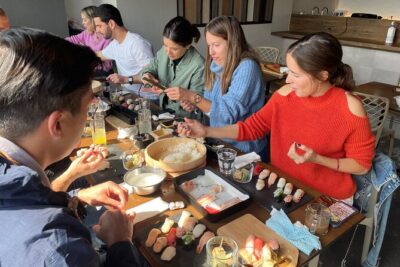
Sushi Making Tokyo Roll and Authentic Japanese Sushi Class
Read our review →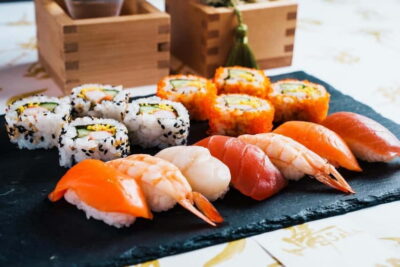
Roll and Authentic Sushi Making Class in Asakusa
Read our review →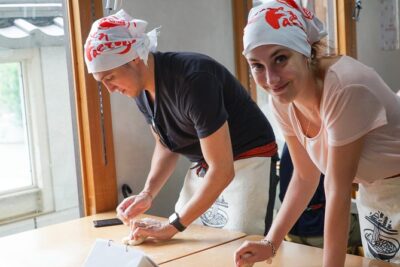
Ramen Cooking Class at Ramen Factory in Kyoto
Read our review →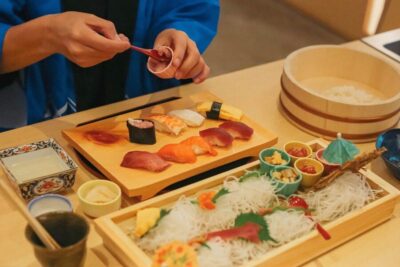
Sushi Making Class in a Happi Coat near a Famous Spot
Read our review →
Sushi Making Osaka Roll and Authentic Japanese Sushi Class
Read our review →
Tokyo Sushi Making Class in Tsukiji with Professional Chef
Read our review →
Ramen & Gyoza Cooking Class in Tokyo with Local Supermarket Visit
Read our review →
Tsukiji Fish Market Guided Tour and Sushi Making with Pro Chef
Read our review →Browse the lists this tour appears in