
REVIEW · JAPANESE COOKING CLASSES
Bento Box Cooking Class
Kyoto’s Bento Box Cooking Class turns an everyday Japanese lunch into a hands-on lesson in technique, balance, and presentation. You watch the chefs demonstrate each dish, then prepare your own bento with plenty of help along the way. It is a good fit if you want more than a market snack and have only one morning to spare.
I especially like the variety of dishes and the fact that you actually make them rather than simply watch. The class also gives you useful recipes and tips for home cooking, including dashi, teriyaki chicken, sushi rolling, tempura, and Japanese egg rolls. The main drawback is that the morning starts at 9:30, and you may want a light breakfast first because the meal comes only after the cooking is finished.
In This Review
- Key points to know before booking
- What makes a bento class worthwhile in Kyoto
- Arriving at Cooking Sun Kyoto at 9:30
- The chef demonstration sets the pace
- Making the bento, one dish at a time
- Japanese egg roll
- Tempura vegetables or shrimp
- Sushi rolling
- Teriyaki chicken and seasoned vegetables
- Miso soup and dashi
- Lunch is part of the lesson
- The instruction suits beginners and serious home cooks
- How much value do you get for $71.35?
- Who should book this class?
- Cancellation and planning tips
- Should you book the Bento Box Cooking Class?
- FAQ
- Where does the Bento Box Cooking Class take place?
- What time does the class start?
- How long does the cooking class last?
- What food will I make?
- Is lunch included?
- Are ingredients and cooking equipment provided?
- Is the class taught in English?
- Can I cancel for a refund?
Key points to know before booking
- Several dishes, one lunch: You may prepare miso soup, tempura vegetables or shrimp, teriyaki chicken, sushi, spinach with sesame, and layered egg rolls, depending on the seasonal menu.
- English-speaking instruction: Chefs demonstrate the more technical steps and then guide you through your own preparation.
- A compact Kyoto activity: Plan on about three to three and a half hours, including cooking and lunch.
- Small advertised group size: Bookings are limited to a maximum of eight people, though class arrangements can vary.
- Recipes go home with you: You receive copies of the recipes so you can repeat the meal after your Japan trip.
- Good for mixed skill levels: Clear demonstrations and patient help make this suitable for beginners, while experienced home cooks can pick up new methods.
What makes a bento class worthwhile in Kyoto
A bento is not simply food packed into a box. It is a small meal arranged with care, usually balancing rice, protein, vegetables, color, texture, and portion size. That makes this class more useful than a lesson focused on one famous dish.
You get to see how several modest components work together. An egg roll, a little fried food, seasoned greens, sushi, soup, and chicken can look simple on their own. Prepared together, they show how Japanese home cooking relies on careful seasoning and neat presentation rather than heavy sauces or complicated equipment.
The class also gives you a glimpse into the practical side of Japanese food culture. Bento meals are made for convenience, but convenience does not mean careless cooking. The word has roots reaching back to the 13th century, when bento was used as a term connected with convenience during the Song Dynasty. The modern box grew into one of Japan’s familiar daily meals.
That cultural background is brief and useful. You are not sitting through a long lecture before touching a knife. Instead, the explanation gives meaning to the food you are about to prepare.
More Japanese Cooking Classes in Kyoto
- Ramen Cooking Class at Ramen Factory in Kyoto
★ 5.0 · 1,937 reviews - Sushi Making in Kyoto! Same-day bookings welcome!
★ 5.0 · 713 reviews - Kyoto: Ramen Cooking Class at a Ramen Factory with Souvenir
★ 4.9 · 532 reviews
Arriving at Cooking Sun Kyoto at 9:30
The meeting point is Cooking Sun at 679 Funayachō in Kyoto’s Shimogyo Ward. The studio is near public transportation, but hotel pickup and drop-off are not included, so you need to make your own way there.
The scheduled start is 9:30 am. Allow enough time to reach the studio without rushing, especially if this is your first morning navigating Kyoto. The experience ends back at the meeting point, which makes it easy to continue sightseeing afterward.
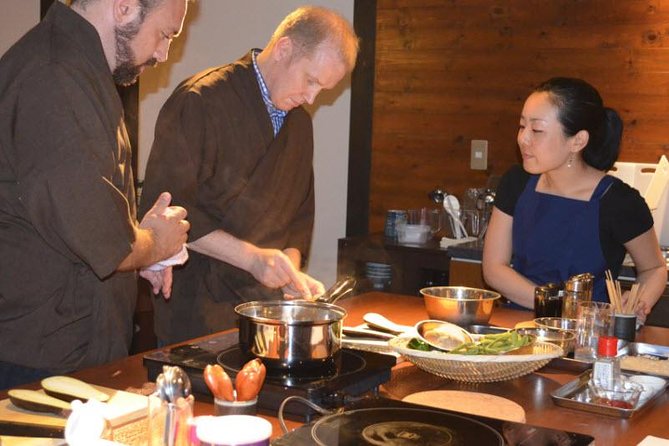
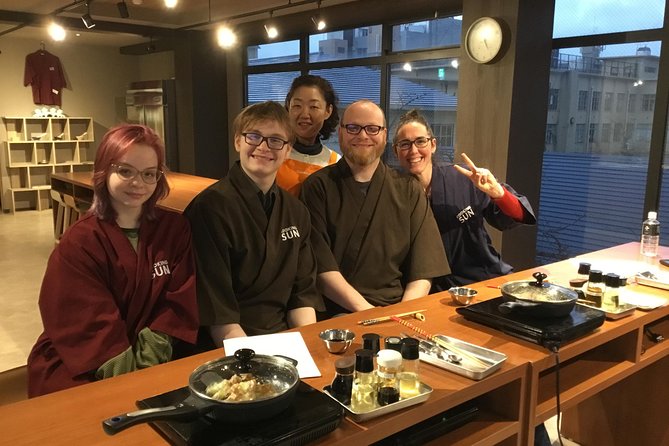
The setting is practical rather than theatrical. You arrive, put on the supplied apron, and settle into a cooking session led in English. The class is designed for participation, so wear clothes you do not mind cooking in and be ready to stand, handle ingredients, and follow instructions for several dishes.
All cooking ingredients are included, as is lunch. Food and drinks are not included unless specified, but the meal you prepare is part of the class.
The chef demonstration sets the pace
The class begins with an introduction to bento and an explanation of the food you will make. The chefs then show the key techniques before you try them yourself.
This order matters. Japanese cooking can look easy when an experienced cook rolls an omelet or shapes sushi in seconds. It is less mysterious once you have seen the hand position, the timing, and the order of each step.
The instructors are praised for speaking clear English and giving precise directions. The teaching style appears patient rather than rushed. In one class arrangement, three chefs supervised a larger group, while the advertised booking limit is eight people. Either way, the important point is that the format includes hands-on help instead of leaving you to decode a recipe by yourself.
You can ask questions as you cook, including why certain ingredients are used and how Japanese cooks think about seasoning. The demonstrations are especially useful for tasks that are awkward the first time, such as rolling a layered egg omelet, making sushi, and frying tempura.
Making the bento, one dish at a time
The menu changes about every three months to use seasonal ingredients. That means the exact contents of your box can vary, so do not book expecting one fixed list of dishes. The core idea remains the same: prepare several Japanese specialties, arrange them in a bento, and eat the finished meal.
Same city, a completely different kind of day:
- PERFECT KYOTO 1-Day Bus Tour
★ 5.0 · 13,518 reviews - Kyoto: Fushimi Inari, Kinkakuji, Bamboo Grove 1 Day Bus Tour
★ 4.8 · 4,316 reviews - Kyoto: Tea Ceremony in a Traditional Tea House in Kiyomizu
★ 4.9 · 3,519 reviews - Kyoto Geisha Walking Tour: Gion District & Hidden Gems
★ 4.7 · 3,273 reviews
Japanese egg roll
The rolled egg is one of the most engaging parts of the lesson. It is a favorite in Japanese schoolchildren’s lunches, and its layered shape requires more control than a standard scrambled egg.
The chef demonstrates how to build the roll, then you get a chance to make your own. This is the sort of small technique that can transform a home-cooked meal. It also gives you a better feel for the patience behind a tidy bento.
Tempura vegetables or shrimp
Tempura adds a crisp, fried element to the box. You learn the basic process for preparing and cooking it, with the chefs handling or demonstrating the more technical parts as needed.
This is useful because tempura batter and frying temperature can be tricky at home. The class gives you a practical starting point without turning the morning into a professional chef exam. You may prepare vegetables, shrimp, or both, depending on the menu.
Sushi rolling
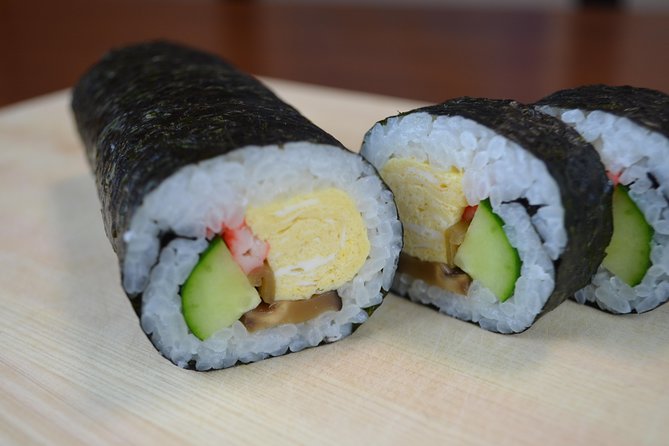
Sushi rolling is another hands-on favorite. You learn how to spread and roll the ingredients into a neat shape, then place the finished piece in your box.
The value here is not just the final roll. You begin to understand how much preparation and coordination goes into a small portion of sushi. The class helps you see why a bento can require more work than its compact size suggests.
Teriyaki chicken and seasoned vegetables
Teriyaki chicken offers a familiar flavor, but the lesson can help you get better control over the sauce and cooking process. One particularly useful takeaway is learning how to make chicken that is simple, savory, and suitable for a packed lunch.
The vegetable dishes add balance. Spinach with sesame, for example, brings a fresh and nutty note beside the fried and glazed foods. This mix is part of what makes the finished bento feel like a complete meal instead of a box of unrelated samples.
Miso soup and dashi
Miso soup may be included among the bento specialties, and the class also gives attention to dashi, the stock that forms the base of many Japanese dishes. You may learn practical tips about making dashi and when to use different types of soy sauce.
These details are valuable because they reach beyond the individual lunch. Once you understand the basic stock and seasoning choices, you can adapt them to soups, sauces, vegetables, and other Japanese meals at home.
Lunch is part of the lesson
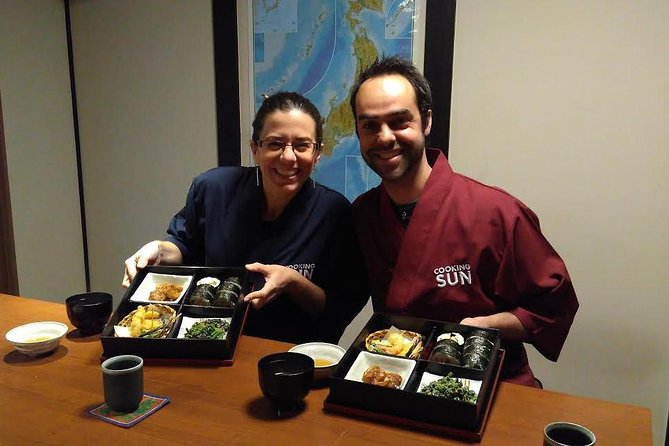
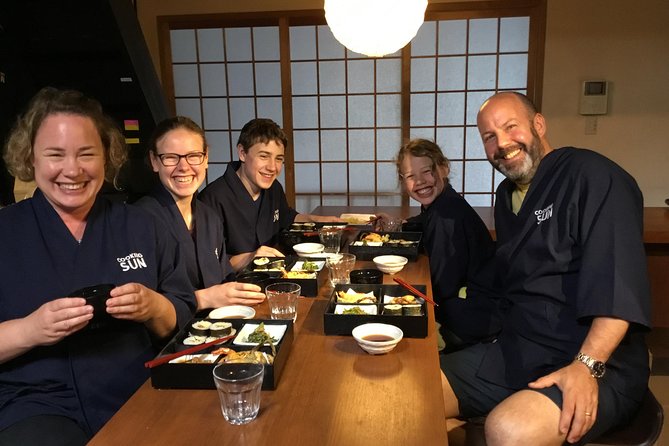
After cooking, you put away the knife and apron and sit down with the group to eat your bento. This is not a separate restaurant meal. You are tasting the food you just prepared, arranged in the box you made.
The portion can be generous. Some people may find it is more than they can finish, so arrive ready for a substantial lunch. If you skip breakfast, the cooking period can feel long because the food is prepared before it is eaten. A light breakfast is the sensible plan.
The shared meal also gives the class a social finish. You cook alongside other food lovers, compare the results, and get a chance to enjoy the meal without having to rush straight into the next activity.
The instruction suits beginners and serious home cooks
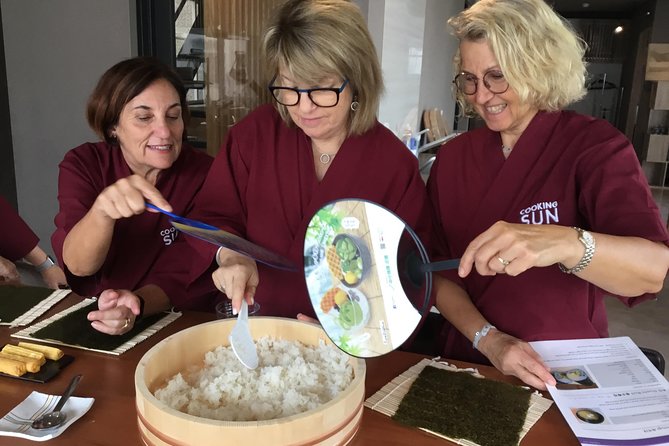
You do not need advanced kitchen skills. The lessons are structured around demonstrations, simple explanations, and guided practice. The chefs help with tasks that demand more precision, while you still get to do the meaningful work yourself.
At the same time, this is not only for people who rarely cook. Experienced home cooks can learn new ways to make egg rolls, tempura, sushi, teriyaki, dashi, and Japanese vegetable dishes. One useful feature is that ingredients are prepared in advance enough to keep the class moving, but you still take part in many of the actual cooking steps.
That balance makes the three-hour length feel sensible. You cover a broad range of food without spending the entire session chopping. Still, do not expect a slow, single-dish workshop. The class moves through several recipes, so you need to listen and keep pace.
How much value do you get for $71.35?
At $71.35 per person, this is not the cheapest way to eat lunch in Kyoto. You can buy a bento from a shop for far less. The comparison changes once you count the instruction, ingredients, apron, prepared meal, cultural context, and recipes you take home.
I see the price as fair for someone who wants an activity rather than just food. You are paying for a three-hour lesson with English-speaking chefs and access to several techniques. A couple, family, or small group can make a morning of it and leave with ideas for future meals.
The value is strongest if you cook at home after the trip. Recipes for teriyaki chicken or sushi may be easy to find, but seeing the process in person can make them easier to repeat. The class is less valuable if you are mainly looking for a quick lunch or if you dislike structured group activities.
Group discounts are available, which may help families and larger parties. The advertised maximum is eight people per booking and eight travelers for the activity, so check the current arrangement when you reserve.
Who should book this class?
I would put this near the top of the list for:
- Couples looking for a shared Kyoto activity
- Families with teenagers
- People who enjoy cooking and want several recipes in one class
- Beginners who want clear instruction
- Visitors with a free morning before another Kyoto plan
- Anyone interested in everyday Japanese food rather than only restaurant specialties
It is also a good rainy-day choice because the activity is contained indoors and does not depend on good weather.
The class may be less suitable if you want a quiet, private lesson, a very short activity, or a single focused subject such as ramen or sushi alone. The bento format gives you variety, but variety also means you will not spend an hour perfecting one dish.
Specific dietary needs should be shared when booking. Service animals are allowed, and the studio is near public transportation. Confirmation is provided at booking.
Cancellation and planning tips
You can cancel for a full refund up to 24 hours before the 9:30 am start time. Changes or cancellations inside that 24-hour window are not accepted for a refund, with cut-off times based on Kyoto local time.
I would place this class early in your Kyoto schedule if you want to use the recipes later in the trip. It also works well on a morning when you plan to explore Shimogyo Ward afterward. Since the meal is filling, you can make it your main midday food rather than scheduling a large restaurant lunch right away.
Bring curiosity and a reasonable appetite. The cooking itself takes time, and the best part is not just eating the finished box. It is noticing how a few careful techniques turn ordinary ingredients into a meal that looks organized, tastes varied, and travels well.
Should you book the Bento Box Cooking Class?
Yes, if you want a practical introduction to Japanese home cooking and enjoy being involved. The class covers an unusually broad range of dishes for three hours, and the English instruction, hands-on guidance, lunch, and take-home recipes make the $71.35 price easier to justify.
I would book it especially for a couple, family, or first-time visitor who wants one friendly food activity in Kyoto. Just eat something light beforehand, disclose dietary requirements early, and understand that the seasonal menu may change. If you want a private or highly specialized cooking lesson, choose another format. For a well-organized introduction to bento and everyday Japanese techniques, this is a strong choice.
FAQ
Where does the Bento Box Cooking Class take place?
The class takes place at Cooking Sun, 679 Funayachō, Shimogyo Ward, Kyoto, Japan. The studio is near public transportation.
What time does the class start?
The scheduled start time is 9:30 am.
How long does the cooking class last?
The experience lasts approximately three hours, with the full course described as about three to three and a half hours.
What food will I make?
The menu can change every three months with the seasons. Possible dishes include miso soup, tempura vegetables or shrimp, egg rolls, teriyaki chicken, sushi, and spinach with sesame.
Is lunch included?
Yes. You eat the bento you prepare during the class, and lunch is included in the experience.
Are ingredients and cooking equipment provided?
All cooking ingredients and an apron are included. Hotel pickup and drop-off are not included.
Is the class taught in English?
Yes. An English-speaking cooking instructor leads the class, and the chefs demonstrate the cooking techniques before you try them.
Can I cancel for a refund?
You can cancel at least 24 hours before the start time for a full refund. Cancellations or changes made less than 24 hours before the experience are not accepted for a refund.
More Workshops in Kyoto
- Kyoto: 45-Minute Tea Ceremony Lesson Experience
★ 4.3 · 2,378 reviews - Kyoto : Chopsticks Making Workshop in Gion with Engraving Option
★ 5.0 · 958 reviews - Kyoto: Samurai Sword Class by Experts in Traditional Arts
★ 4.9 · 657 reviews - Ninja 1-hour Hands-on Lesson by Japanese master in Kyoto -Entry
★ 5.0 · 489 reviews
More Cooking Classes in Kyoto
- Kyoto: Ramen, Gyoza, and Onigiri Cooking Class
★ 5.0 · 445 reviews - Kyoto: Japanese Washoku Bento Small Group Cooking Class
★ 5.0 · 380 reviews - Kyoto Ramen and Gyoza Cooking Class with Professional Chefs
★ 5.0 · 282 reviews - Kyoto: Afternoon Japanese Izakaya Cooking Class
★ 4.9 · 241 reviews
Just added around Kyoto
- Private Guided Traditional Buddhist Cooking in Japan★ 5.0 · 16 reviews
- Kyoto: Gion Geisha District & Sake-in-Hand Walking Tour★ 5.0 · 37 reviews
- Your Private Vacation Photography Session In Kyoto★ 5.0 · 110 reviews
- Kyoto: Zen Meditation at a Private Temple with a Monk★ 5.0 · 25 reviews
- Private Pewter Sake Cup Experience with a Kyoto Artisan★ 5.0 · 31 reviews
- Traditional Japanese Washi Papermaking- Kyoto morning★ 5.0 · 77 reviews
- Kyoto Wagashi(Japanese sweets) Cooking Class near Fushimiinari★ 5.0 · 60 reviews
- Kyoto Private 6 hour Tour: English Speaking Driver Only, No Guide★ 5.0 · 88 reviews
Japanese Cooking Classes, compared.
Sushi Making Tokyo Roll and Authentic Japanese Sushi Class
Read our review →
Roll and Authentic Sushi Making Class in Asakusa
Read our review →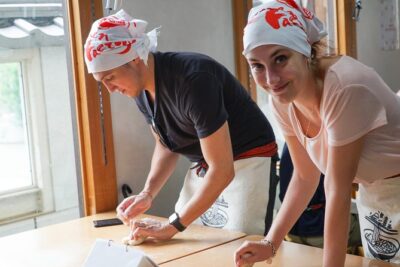
Ramen Cooking Class at Ramen Factory in Kyoto
Read our review →
Sushi Making Class in a Happi Coat near a Famous Spot
Read our review →
Sushi Making Osaka Roll and Authentic Japanese Sushi Class
Read our review →
Tokyo Sushi Making Class in Tsukiji with Professional Chef
Read our review →
Ramen & Gyoza Cooking Class in Tokyo with Local Supermarket Visit
Read our review →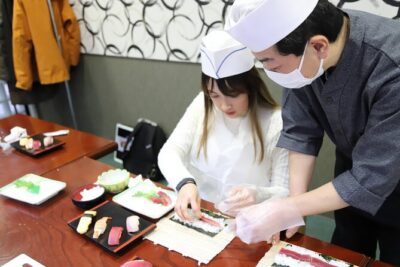
Tsukiji Fish Market Guided Tour and Sushi Making with Pro Chef
Read our review →Browse the lists this tour appears in