
REVIEW · TEA CEREMONY EXPERIENCES
Private Kyoto Sushi Cooking Class & Tea Ceremony with Emika
Kyoto’s food culture becomes much clearer when you cook in Emika’s family home, not just watch a chef work behind a counter. In about three hours, you prepare sushi or a Kyoto-style meal, make side dishes and miso soup, then sit down to eat what you made. Emika or her father also prepares matcha for the tea portion.
I like the small, private setting, where you can ask questions and adjust the menu to suit your group. I also like the use of seasonal produce, including organic vegetables grown by Emika herself. The main point to consider is location: from Katsura Station, you should allow a 10 to 15-minute walk through residential streets, and there is no hotel pickup.
In This Review
- Key points to know before booking
- A home kitchen instead of a sightseeing stage
- Choosing between sushi and Kyoto Obanzai
- Seasonal vegetables from Emika’s garden
- The tea ceremony closes the meal
- What the three hours feel like
- Why the private format matters
- Dietary needs and family groups
- Getting there and planning the day
- Who will get the most from this class
- Should you book Emika’s Kyoto cooking class?
- FAQ
- How long does the private Kyoto cooking class last?
- Where does the activity begin and end?
- Can I choose sushi or Obanzai?
- Is the market tour included?
- How long is the market visit?
- Are drinks included?
- Can dietary restrictions be accommodated?
- Is hotel transportation provided?
Key points to know before booking
- Cook in a local home: This is a personal kitchen visit, not a large studio class.
- Choose your main menu: Request sushi or Kyoto Obanzai when you book.
- Use seasonal ingredients: Some vegetables may come from Emika’s own organic garden.
- Share drinks with the meal: The class includes one or two glasses of local alcohol, with matcha also available.
- Add the market option: After lunch, walk about 10 minutes with Emika to a supermarket and produce shop.
- Plan ahead: The class is often reserved about 49 days in advance, so popular dates may fill early.
A home kitchen instead of a sightseeing stage
This experience gives you a look at ordinary Kyoto life that a temple visit cannot provide. Emika welcomes you into her home in the Nishikyo Ward, away from Kyoto’s busiest tourist streets. The setting matters because the meal is connected to a real household, a local shopping area and family cooking habits.
You will not simply watch a demonstration. You help prepare the food, learn basic techniques and sit down with your host to eat. That makes the three-hour visit feel social as well as practical. You can ask about Japanese ingredients, customs, etiquette and places to shop in Kyoto.
The class is private, so only your own group takes part. That is especially useful for families, couples or groups with different cooking abilities. Children and teenagers can take part, and the relaxed format gives Emika room to help each person rather than rushing through a fixed demonstration.
The experience is arranged for either lunch or dinner. That flexibility makes it easier to fit around temple visits, shopping or an evening reservation. Still, remember that the cooking portion may last about an hour, followed by the meal and tea. The full visit is approximately three hours.
More Japanese Cooking Classes in Kyoto
- Ramen Cooking Class at Ramen Factory in Kyoto
★ 5.0 · 1,937 reviews - Sushi Making in Kyoto! Same-day bookings welcome!
★ 5.0 · 713 reviews - Kyoto: Ramen Cooking Class at a Ramen Factory with Souvenir
★ 4.9 · 532 reviews
Choosing between sushi and Kyoto Obanzai
You should tell Emika at booking if you prefer sushi or Obanzai. The choice changes the feel of the class.
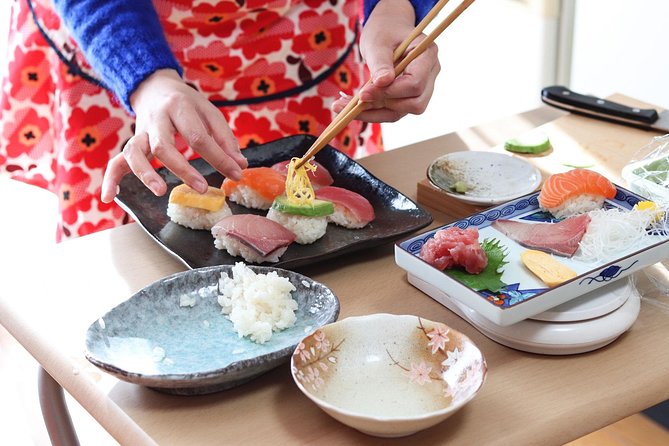
The sushi option can include sushi rice, hand-shaped nigiri, rolled sushi and related dishes. You learn how to season and handle the rice, shape it with your hands and add fish or other toppings. One visitor specifically found it useful to learn how to prepare the rice, make miso soup and work with seasonal vegetables before shaping the sushi.
This is not a professional sushi-chef apprenticeship. You are learning home-friendly methods that you can try again after returning home. Emika also shares tips about ingredients and where to find supplies for making sushi yourself.
Obanzai is a Kyoto home-cooking tradition built around simple vegetable dishes and careful preparation. A meal may include marinated mushrooms, slow-cooked vegetables, tofu, miso soup and a traditional main dish. Depending on your arrangement, you might also prepare Osaka-style okonomiyaki, which has appeared as a favorite menu choice for some groups.
The value of Obanzai is that it shows you a different side of Japanese food. Kyoto cuisine is not only delicate restaurant sushi and formal kaiseki meals. It also includes everyday dishes that use vegetables, tofu, miso and seasonings in sensible, economical ways.
If you are unsure, ask for the menu that best fits your interests. Sushi suits anyone eager to practice a recognizable Japanese technique. Obanzai is the better choice if you want to understand home cooking and seasonal vegetables.
Seasonal vegetables from Emika’s garden
The ingredients give this class much of its character. Emika grows organic vegetables, and some of them are used during your meal. That small detail turns the food into a direct link between the garden, the kitchen and the plate.
You may prepare a vegetable side dish before moving on to sushi or another main course. The exact produce will depend on the season, so do not book this expecting one fixed menu all year. That changing element is part of the appeal, though it also means your meal may differ from a friend’s experience.
Emika explains the ingredients and seasonings as you work. You get to handle products that can seem unfamiliar in a supermarket outside Japan, and you can ask what they are used for at home.
If you choose the market option, you can continue this lesson after eating. Emika walks with you for about 10 minutes to a supermarket and produce store used by local residents. The walk is not a pre-class shopping trip. It takes place after the cooking class and lunch, an important detail if you expected to choose ingredients before cooking.
At the market, Emika helps identify Japanese food products, spices and seasonings. She can also help you buy ingredients to take home. This is a useful extra for anyone who plans to cook Japanese food after the trip, though it adds about an hour to the visit.
The tea ceremony closes the meal
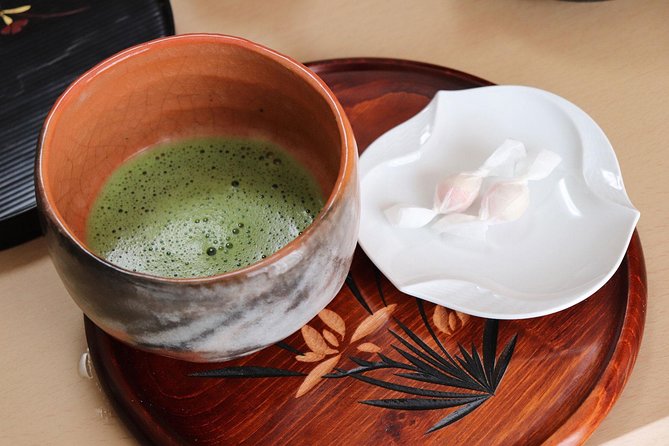
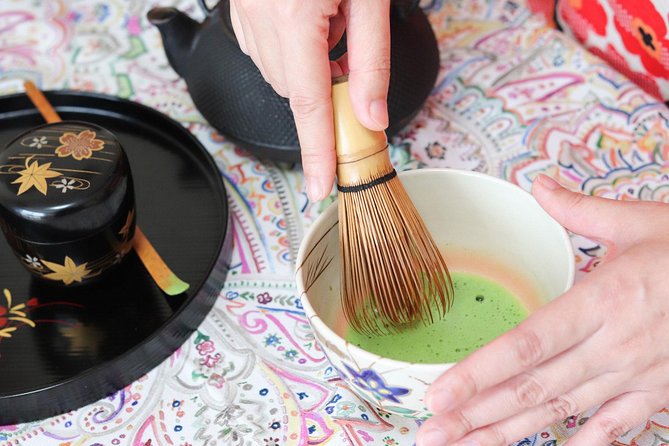
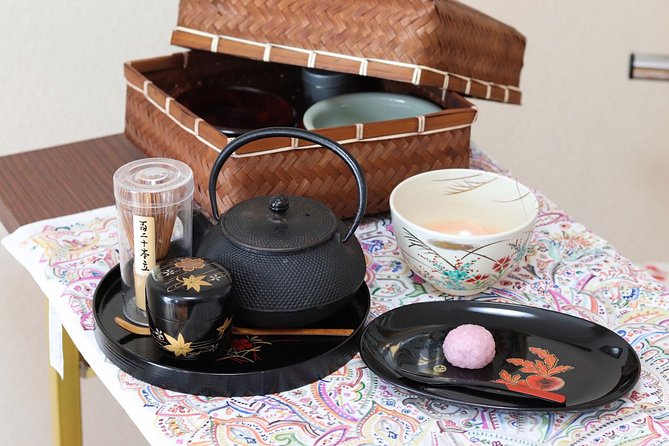
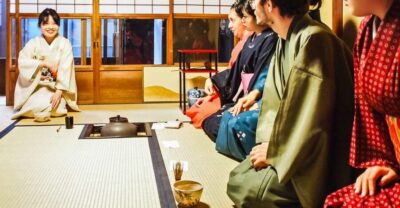
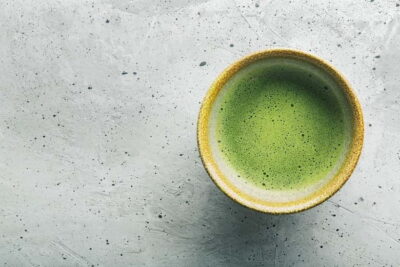
Matcha gives the class a quiet finish. Emika or her father prepares a fresh cup of traditional matcha, either at the beginning or at the end of the cooking experience. The meal itself ends with a tea ceremony, so expect the final part of the visit to slow down after the hands-on cooking.
This is not presented as a long formal ceremony. It is a chance to see how matcha is prepared and to learn about a familiar part of Japanese culture in a home setting. You can pair the meal with matcha, or choose one or two glasses of local alcohol instead.
The drink choice helps you shape the mood of the visit. Nigori sake has been a popular pick, but other local alcohol options are available. If you do not drink, matcha provides the cultural element without alcohol.
More Tea Ceremony Experiences in Kyoto
- Kyoto: Tea Ceremony in a Traditional Tea House in Kiyomizu
★ 4.9 · 3,519 reviews - Kyoto: Tea Ceremony Ju-An at Jotokuji Temple
★ 4.9 · 3,207 reviews - Kyoto: 45-Minute Tea Ceremony Lesson Experience
★ 4.3 · 2,378 reviews - Kyoto: Table-Style Tea Ceremony at a Kyo-Machiya
★ 4.9 · 1,211 reviews
What the three hours feel like
The class begins at Emika’s home, at 31-30 Katsurainariyamacho in Kyoto’s Nishikyo Ward. The neighborhood walk from Katsura Station takes around 10 to 15 minutes, and the winding streets can make Google Maps useful. Give yourself extra time so you are not trying to find the house at the last moment.
Once inside, you discuss the menu and begin preparing the food. Emika demonstrates the steps, then guides you as you work. The cooking period is usually around an hour, although the full schedule depends on the dishes selected and the pace of your group.
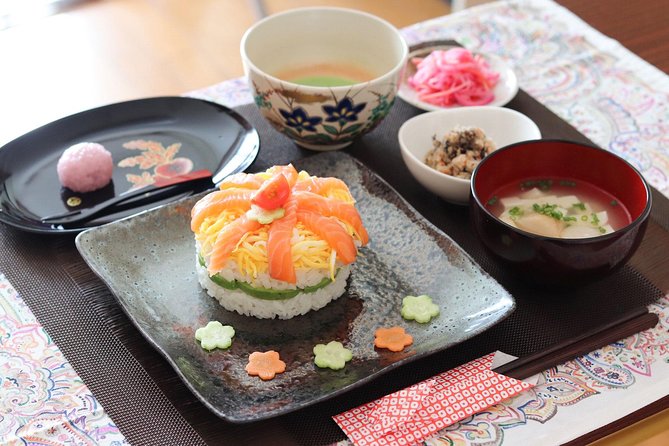
You can expect to prepare a main dish, two Obanzai-style vegetable dishes and miso soup, or a sushi-focused meal with related sides. The class is suitable for beginners. You do not need special cooking experience, and the private format makes it easier to stop and ask for another explanation.
After cooking, you eat the meal together. This is the part that separates the class from a standard food lesson. The conversation can move beyond recipes to Japanese etiquette, culture and daily life. Emika also gives practical suggestions about food products and places to buy supplies.
The tea ceremony follows the meal. If you add the market option, the supermarket and produce tour comes after lunch, then you return to the meeting point. The activity ends where it began.
Why the private format matters
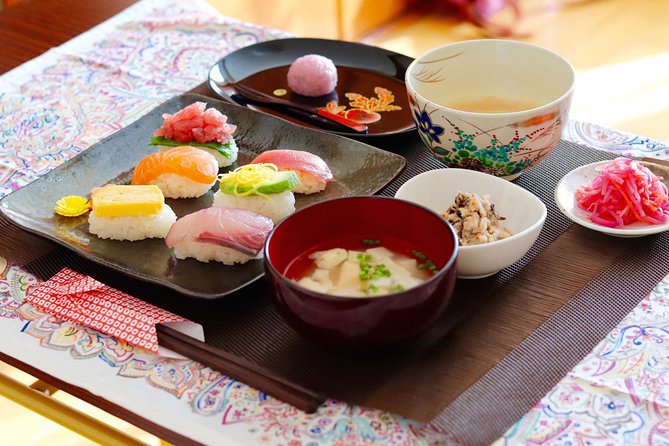
A private class costs $109 per person, which is not the cheapest way to eat lunch in Kyoto. You can find an inexpensive bowl of noodles or a set meal for far less.
The comparison changes when you include what you are receiving. The fee covers instruction, ingredients, a meal, the tea experience and one or two glasses of local alcohol. It also buys time with a Kyoto resident, a home visit and the ability to shape the menu around your group.
For a couple or small family, that can be good value. You are not paying only for food. You are paying for guidance, conversation and a meal you helped create. The market option adds more practical value if you want to take Japanese cooking techniques home.
The price is harder to justify if you mainly want a quick meal or have little interest in cooking. It is also worth checking your budget if you are booking for several people, since the price is charged per person. Group discounts may be available, which can help larger private parties.
Dietary needs and family groups
Tell Emika about allergies, dietary restrictions and cooking preferences when you book. Vegetarian cooking has been accommodated, and the private format allows the food to be adjusted for your group.
Do not wait until arrival to raise an allergy or dietary concern. Japanese sauces, stocks and seasonings can contain ingredients that are not obvious, so early notice gives your host a chance to plan safely.
Families are a strong fit for this activity. The class gives teenagers something active to do, and younger participants can take part in shaping, mixing or preparing vegetables with help. The meal also creates a shared result, which is more rewarding than splitting up for separate restaurant orders.
Groups with mixed interests can work well too. One person can ask about Japanese culture, another can focus on technique, and another can enjoy the food. Since the activity is private, you do not have to match the pace or interests of strangers.
Getting there and planning the day
There is no hotel pickup or drop-off. You meet at Emika’s home and finish there, so check your route before leaving your hotel.
The home is near public transportation, with Katsura Station serving as the practical landmark mentioned in the directions. From the station, plan on a 10 to 15-minute walk through residential streets. A phone map is helpful because the route includes winding neighborhood roads.
The class can be booked for lunch or dinner. Lunch works well if you want the market visit afterward, since the market option specifically follows the cooking class and meal. Dinner may suit you better if you plan to spend the day around central Kyoto and want a quieter evening activity.
The experience is often booked about 49 days ahead. That does not guarantee every date sells out, but it is a useful signal to reserve early if you have fixed travel dates or want a particular lunch or dinner time.
A mobile ticket is provided, and confirmation is received when you book. Service animals are allowed. You should also note the free cancellation rule: cancel at least 24 hours before the local start time for a full refund. Changes or cancellations inside that 24-hour window are not accepted.
Who will get the most from this class
I would choose this activity if you want personal contact with a Kyoto resident and enjoy learning by doing. It is especially suited to:
- Couples who want a shared meal away from the main tourist areas
- Families looking for an activity that keeps teenagers involved
- First-time cooks who want clear, home-style instruction
- Food lovers interested in ingredients they can use at home
- Vegetarians or groups with dietary needs who arrange them in advance
- Visitors who prefer a private setting to a large group class
I would think twice if you want a formal, highly polished culinary school session. This is a home visit, and the charm comes from its personal, informal nature. The experience also requires a little flexibility because seasonal ingredients and the chosen menu shape the meal.
You should also consider how much time you have in Kyoto. Three hours is a meaningful block, and the market option makes it longer. If your day is already packed with temples and trains, a rushed cooking class will not be as enjoyable.
Should you book Emika’s Kyoto cooking class?
Book it if you want to eat something you helped prepare, ask a local about daily life and see how Japanese home cooking works. The strongest reasons are the private home setting, the chance to use vegetables from Emika’s garden and the useful mix of cooking, conversation and tea.
Choose sushi if you want hands-on practice with rice, nigiri and rolls. Choose Obanzai if you want a better feel for Kyoto’s vegetable-based home dishes. Add the market tour if you plan to recreate the meal at home and want help identifying seasonings and ingredients.
Skip it if you are looking only for a low-cost meal, a central Kyoto location or a professional chef demonstration. For everyone else, this is a thoughtful way to spend half a day, with food, culture and a real neighborhood visit folded into one private experience.
FAQ
How long does the private Kyoto cooking class last?
The experience lasts approximately three hours. The cooking portion may take about one hour, followed by the meal and tea ceremony.
Where does the activity begin and end?
It begins at Emika’s home at 31-30 Katsurainariyamacho, Nishikyo Ward, Kyoto, 615-8025, Japan. The activity ends back at the same meeting point.
Can I choose sushi or Obanzai?
Yes. Tell Emika when you make your booking if you prefer a sushi menu or a traditional Kyoto Obanzai menu.
Is the market tour included?
The supermarket and produce market tour is included only if you choose the Market tour option. It takes place after the cooking class and lunch.
How long is the market visit?
The market option includes about one hour at a supermarket and produce store. The walk to the supermarket takes about 10 minutes after the meal.
Are drinks included?
The experience includes one or two glasses of local alcohol. Matcha is also available as part of the meal and tea ceremony.
Can dietary restrictions be accommodated?
You should advise Emika about allergies, dietary restrictions and cooking preferences when booking. Vegetarian needs have been accommodated in the private class.
Is hotel transportation provided?
No. Hotel pickup and drop-off are not included. You travel to Emika’s home independently, and the location is near public transportation.
More Workshops in Kyoto
- Kyoto : Chopsticks Making Workshop in Gion with Engraving Option
★ 5.0 · 958 reviews - Kyoto: Samurai Sword Class by Experts in Traditional Arts
★ 4.9 · 657 reviews - Ninja 1-hour Hands-on Lesson by Japanese master in Kyoto -Entry
★ 5.0 · 489 reviews - The Original Small-Group Sushi Making Class in Kyoto
★ 5.0 · 436 reviews
More Cooking Classes in Kyoto
- Kyoto: Ramen, Gyoza, and Onigiri Cooking Class
★ 5.0 · 445 reviews - Kyoto: Japanese Washoku Bento Small Group Cooking Class
★ 5.0 · 380 reviews - Kyoto Ramen and Gyoza Cooking Class with Professional Chefs
★ 5.0 · 282 reviews - Kyoto: Afternoon Japanese Izakaya Cooking Class
★ 4.9 · 241 reviews
Just added around Kyoto
- Private Guided Traditional Buddhist Cooking in Japan★ 5.0 · 16 reviews
- Kyoto: Gion Geisha District & Sake-in-Hand Walking Tour★ 5.0 · 37 reviews
- Kyoto: Zen Meditation at a Private Temple with a Monk★ 5.0 · 25 reviews
- Your Private Vacation Photography Session In Kyoto★ 5.0 · 110 reviews
- Traditional Japanese Washi Papermaking- Kyoto morning★ 5.0 · 77 reviews
- Kyoto Wagashi(Japanese sweets) Cooking Class near Fushimiinari★ 5.0 · 60 reviews
- Private Pewter Sake Cup Experience with a Kyoto Artisan★ 5.0 · 31 reviews
- Kyoto Private 6 hour Tour: English Speaking Driver Only, No Guide★ 5.0 · 88 reviews
Tea Ceremony Experiences, compared.
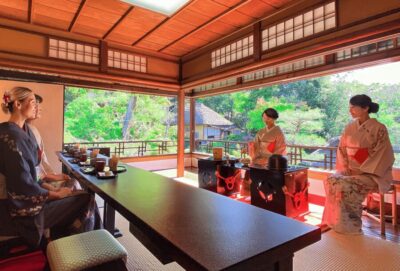
Tea Ceremony in a Traditional Tea House in Kiyomizu
Read our review →
World Heritage Kyoto & Nara Uji Authentic Matcha Experience
Read our review →
Browse the lists this tour appears in