
REVIEW · JAPANESE COOKING CLASSES
The Original Small-Group Sushi Making Class in Kyoto
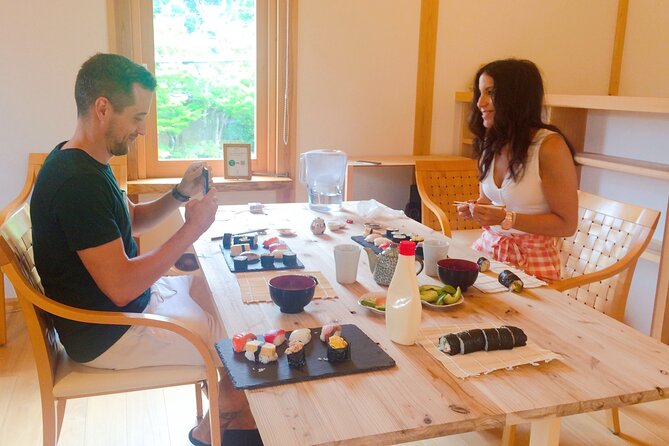
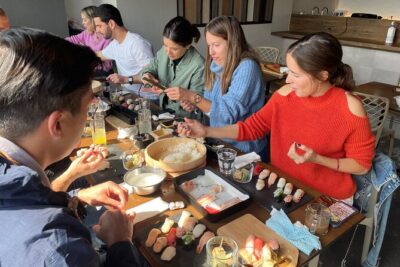
The best part of this Kyoto experience is its tiny eight-person format. Kana leads the English-language class with a patient, friendly teaching style, and the setting is a restored townhouse near Kiyomizu-dera and Gion. You learn the basics properly, then eat the sushi you have made.
I like two things here. First, the class covers both nigiri and maki, so you learn more than one simple roll. Second, the pace leaves room for questions, cultural conversation, and individual help. The main consideration is food choice: there is no vegetarian or vegan option, so this class suits sushi eaters best.
In This Review
- At a glance: what makes this class useful
- Entering a Kyoto townhouse near Kiyomizu-dera
- The first lesson: seasoning sushi rice
- Shaping nigiri by hand
- Rolling maki without making a mess
- Eating what you prepare
- Kana, culture, and conversation
- What you take home
- Price, timing, and group size
- Dietary needs and who should skip it
- My practical booking advice
- Should you book the Atelier SUSHI class?
- FAQ
- Where does the sushi-making class take place?
- How long does the experience last?
- How many people can join the class?
- Is the class taught in English?
- What is included in the price?
- Is there a vegetarian or vegan option?
- What is the cancellation policy?
At a glance: what makes this class useful
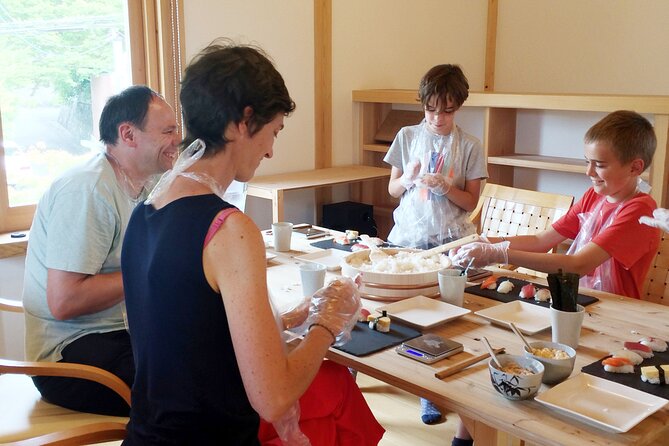
- Up to eight people: The small group gives you more time with Kana and her assistant.
- Nigiri and maki practice: You learn how to season rice, shape hand-pressed sushi, and roll maki.
- Fresh fish and local ingredients: The class focuses on simple preparation and ingredient quality.
- Historic Kyoto setting: You work inside a restored townhouse close to two of Kyoto’s busiest sightseeing areas.
- A meal, not just a demonstration: You eat the sushi you prepare, served as lunch or dinner.
- Take-home value: Some sessions include recipes, a sushi mat, chopsticks, class notes, or a small gift bag.
Entering a Kyoto townhouse near Kiyomizu-dera
Atelier SUSHI is at 311-1 Kitatōryōchō in Higashiyama Ward, near public transportation, Kiyomizu-dera, and Gion. The location matters because it lets you pair the class with a day of eastern Kyoto sightseeing without crossing the city for a separate cooking activity.
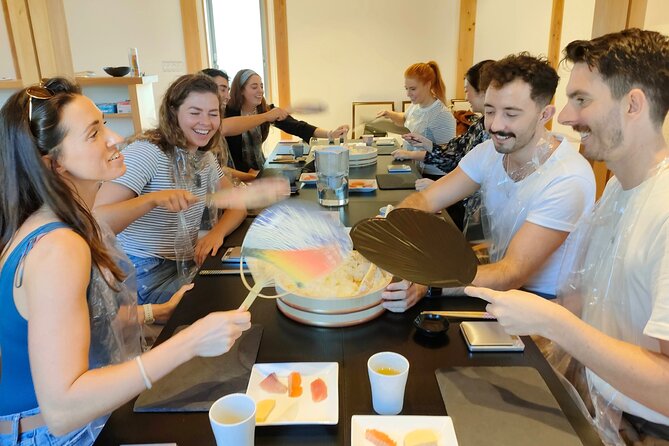
The setting is part of the appeal. Instead of a large commercial kitchen or a short stand-up demonstration, you work in a traditional Kyoto townhouse with a calm, refined feel. That atmosphere fits the subject. Sushi is built on control, clean handling, and attention to small details, so a quieter room helps you focus.
I would place this class on a day when you are already exploring Higashiyama. You can visit nearby temples and old lanes before or after class, though the exact timing depends on whether you book the lunch or dinner session. The activity ends where it begins, so you do not need to arrange a separate return transfer.
The class is mobile-ticket friendly, and confirmation arrives when you book. You should still allow enough time to find the address, since Kyoto’s historic streets can be confusing and nearby sightseeing areas attract plenty of foot traffic.
More Japanese Cooking Classes in Kyoto
- Ramen Cooking Class at Ramen Factory in Kyoto
★ 5.0 · 1,937 reviews - Sushi Making in Kyoto! Same-day bookings welcome!
★ 5.0 · 713 reviews - Kyoto: Ramen Cooking Class at a Ramen Factory with Souvenir
★ 4.9 · 532 reviews
The first lesson: seasoning sushi rice
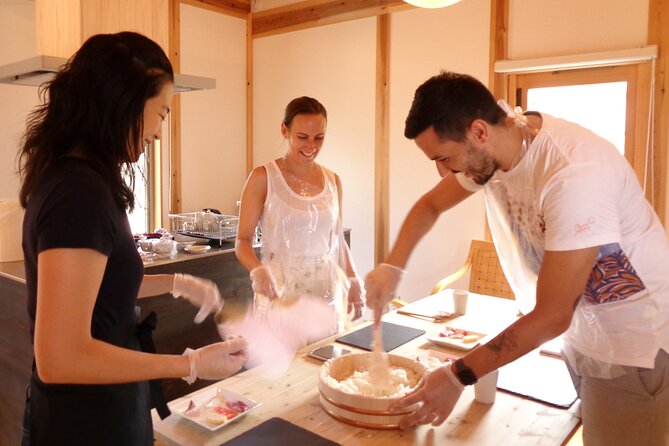
The class begins with the foundation of sushi: rice. That may sound basic, but seasoned rice is where many home attempts go wrong. The balance of vinegar, sugar, salt, moisture, and temperature affects every piece that follows.
Kana teaches you how the rice should be handled before you shape it. The point is not simply to follow a recipe. You learn why the rice needs the right texture and seasoning, and why firm but gentle handling matters. This is the sort of instruction you can use at home, even if your first homemade sushi does not look restaurant-perfect.
Much of the preparation is ready when you arrive, which keeps a 90-minute workshop moving. That also means this is not a full cooking course from raw ingredients to finished plate. You will have hands-on work, but you are not spending the session washing rice, cutting every ingredient, or preparing a professional kitchen.
I see that as a sensible trade-off. The class gives you enough practical work to learn the techniques, while the ready preparation leaves time for shaping sushi, asking questions, and talking about Japanese food culture.
Shaping nigiri by hand
Nigiri is the clearest test of sushi technique. You place a small amount of rice in your hand, shape it without crushing it, and pair it with fish in a neat, balanced form. It looks simple. It is not always simple on the first try.
Kana demonstrates the proper method and then lets you practice. Her patient approach is useful here because beginners often press too hard or make the rice portion too large. Individual correction can make the difference between a loose mound of rice and a piece that holds together comfortably.
The fish and other ingredients are selected for freshness and quality. That gives you a direct lesson in a central sushi idea: the preparation can remain simple when the ingredients are good. You are not covering the fish in heavy sauce or complicated toppings.
The result is also practical. You make several pieces of nigiri, so you have enough repetition to understand the movement rather than trying it once and moving on. The finished sushi becomes your lunch or dinner, which gives the class a satisfying end point.
Rolling maki without making a mess
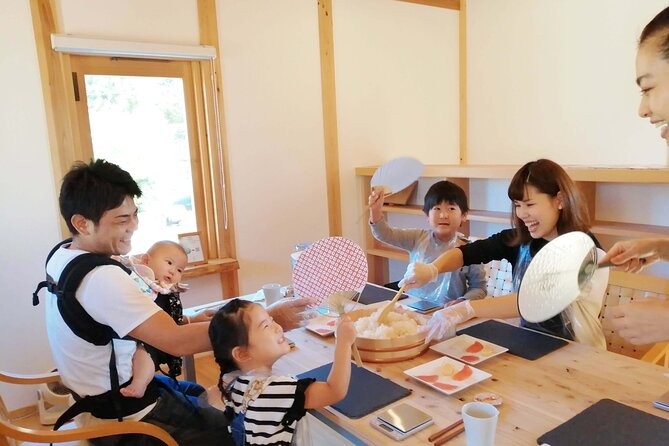
The second main technique is maki, the rolled sushi that most people recognize. You work with a sushi mat and learn how to arrange the rice and fillings before rolling everything into a firm cylinder.
Maki is more forgiving than nigiri in some ways, but it brings its own problems. Too much rice makes the roll bulky. Too much filling makes it difficult to close. Uneven pressure can leave one end loose and the other end squeezed flat.
The class simplifies the process so a first attempt can succeed. You should not expect to leave with professional knife skills, but you can expect to understand the basic sequence and feel able to repeat it at home. That is important for a short class. The goal is not to turn you into a sushi chef in an hour and a half. The goal is to give you a strong starting point.
The combination of nigiri and maki makes the workshop more worthwhile than a class devoted to a single easy roll. You get two different kinds of hand skills, and the contrast helps you understand how varied sushi can be.
Same city, a completely different kind of day:
- PERFECT KYOTO 1-Day Bus Tour
★ 5.0 · 13,518 reviews - Kyoto: Fushimi Inari, Kinkakuji, Bamboo Grove 1 Day Bus Tour
★ 4.8 · 4,316 reviews - Kyoto: Tea Ceremony in a Traditional Tea House in Kiyomizu
★ 4.9 · 3,519 reviews - Kyoto Geisha Walking Tour: Gion District & Hidden Gems
★ 4.7 · 3,273 reviews
Eating what you prepare
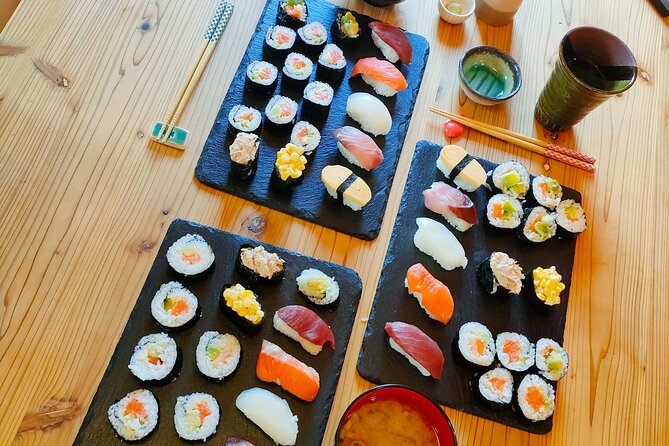
The finished sushi is served as a meal, either lunch or dinner depending on your booking time. This is not a tasting where you receive one small sample after watching someone else cook. You prepare a substantial amount of sushi and then sit down to enjoy it.
I would arrive hungry. Several parts of the experience indicate that the food portion is generous, and the class is meant to function as a meal as well as a lesson. That makes the $69.64 price easier to judge. You are paying for instruction, ingredients, a guided cultural experience, and a filling meal in a central Kyoto setting.
The food quality also matters. Premium fresh fish and selected local ingredients give you a chance to notice how much freshness affects a simple dish. For someone unsure about raw fish, this can be a comfortable introduction, although the class remains firmly centered on sushi and is not designed as a cooked-food alternative.
Coffee, tea, or Japanese tea is included. The drink is a small detail, but it helps make the workshop feel like a shared meal rather than a rushed activity with food at the end.
Kana, culture, and conversation
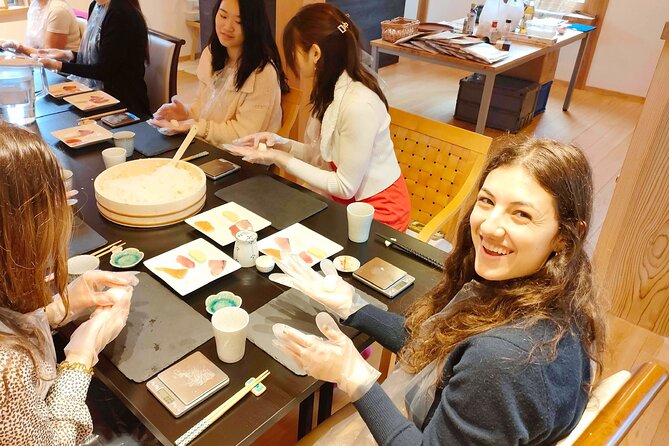
Kana is the main instructor, and the teaching is conducted in English. Her role goes beyond showing hand movements. She also talks about her own journey, Japanese culture, and the place sushi holds in daily life.
That cultural layer gives the class more weight. You are not just memorizing how to roll seaweed around rice. You are learning how a familiar Japanese food is approached, presented, and enjoyed. The hosts also offer local advice and travel suggestions, which can be handy if you schedule this early in your Kyoto stay.
The family-run atmosphere is another reason the small group matters. Kana is sometimes assisted by her husband, Kerim, and the pair create a warm, personal setting. The experience can feel social without being a loud group event. Couples, families, solo visitors, and small groups can all take part without the class becoming impersonal.
For families, the format has particular appeal. A 12-year-old participant was described as enjoying the class, and the activity gives children something active to do while still connecting them with Japanese food and culture. You should keep in mind that the work involves raw fish and careful food handling, so the best fit is a child who is comfortable with those elements.
What you take home
The class can include more than a full stomach. Take-home items described with the experience include class notes, rice recipes, chopsticks, a sushi mat, and a small gift bag.
These are useful rather than decorative extras. A sushi mat gives you the basic tool for making maki at home, while recipes help you remember the rice seasoning after the details of your Japan trip start to blur. You still need suitable ingredients and some practice, but the workshop gives you a practical starting kit.
I especially value this part because it extends the experience beyond Kyoto. Many cooking activities end when you leave the room. Here, you can try the techniques again for friends or family, even if your home version is less polished than the one you made under Kana’s guidance.
The exact contents of the keepsake may vary, so I would treat the gift bag as a bonus rather than a reason to book. The real value remains the instruction, meal, and personal guidance.
Price, timing, and group size
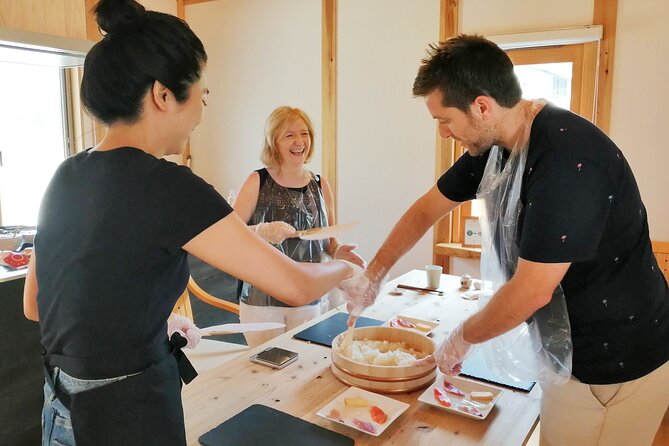
The listed price is $69.64 per person for about 90 minutes. That is not the cheapest way to eat sushi in Kyoto, but it is a fair price if you want to learn, not simply dine.
The small group is the key value point. With a maximum of eight people, you have a better chance of receiving direct feedback than in a large cooking-school session. You also get a more relaxed chance to ask about rice, technique, ingredients, and Japanese customs.
The workshop is short enough to fit into a busy Kyoto schedule. At the same time, 90 minutes is long enough to cover several sushi styles and eat your work. I would not book it if you want a full market-to-table cooking day. I would book it if you want one focused, manageable food activity between temple visits.
The class includes an apron and gloves. Those details make the session more comfortable and hygienic, especially when working with fish and sticky rice. Tea or coffee is also included, along with the sushi meal.
Free cancellation is available when you cancel at least 24 hours before the local start time. Changes or cancellations inside that window are not accepted for a refund, so check your sightseeing plans before committing.
Dietary needs and who should skip it
The clearest limitation is the lack of a vegetarian or vegan option. If you do not eat fish, this is probably not the right cooking class for you.
The supplied information also includes accounts of accommodations for gluten and shellfish allergies. I would not assume every dietary need can be handled automatically. Contact Atelier SUSHI before booking and explain your requirements clearly, especially if cross-contact or particular ingredients could cause a serious reaction.
For sushi lovers, first-time home cooks, couples, families, and solo visitors, the class is a strong fit. It also suits anyone looking for an activity with more conversation than a standard restaurant meal.
You may enjoy it less if you want a formal chef demonstration, a large menu of cooked Japanese dishes, or a class focused entirely on advanced knife work. This is an approachable introduction, not professional culinary training.
My practical booking advice
I would book this near the beginning of your Kyoto stay if you want local food tips and a useful introduction to Japanese culture. The Higashiyama location makes it easy to connect with sightseeing, and the hosts may help you think through the rest of your time in the city.
Choose the class when you can give it your full attention. It is tempting to pack every Kyoto activity into one day, but the value comes from the hands-on pace and the conversation. Rushing in from another appointment would work against what makes this workshop appealing.
Bring an appetite and a willingness to handle raw fish. Wear something comfortable, and leave room in your schedule for the meal and conversation. The workshop is only about 90 minutes, but the friendly format may make you want to linger.
Should you book the Atelier SUSHI class?
I would book it if you want to do more than photograph sushi in Kyoto. You learn two useful styles, eat a generous meal, receive English guidance from Kana, and spend time in a traditional townhouse with a small group.
The class earns its price through personal attention, fresh ingredients, and practical take-home tools. Its limits are clear: no vegetarian or vegan option, no full ingredient-preparation course, and only about 90 minutes for instruction.
For an authentic, social, beginner-friendly food activity near Kiyomizu-dera and Gion, this is an easy recommendation. If sushi is already part of your diet and you want a skill you can carry home, the class gives you plenty to work with.
FAQ
Where does the sushi-making class take place?
The class begins and ends at Atelier SUSHI, 311-1 Kitatōryōchō, Higashiyama Ward, Kyoto, Japan. It is near public transportation, Kiyomizu-dera, and Gion.
How long does the experience last?
The workshop lasts approximately 1 hour and 30 minutes.
How many people can join the class?
The class has a maximum of eight participants, allowing for an intimate group and more individual guidance.
Is the class taught in English?
Yes. The experience is conducted in English by a Japanese instructor.
What is included in the price?
The price includes the hands-on sushi workshop, the sushi meal you prepare, an English-speaking instructor, an apron, gloves, coffee or tea, and Japanese tea. Take-home items such as notes, recipes, chopsticks, or a sushi mat may also be provided.
Is there a vegetarian or vegan option?
No. A vegetarian or vegan option is not offered. If you have another dietary restriction, contact Atelier SUSHI before booking to discuss what may be possible.
What is the cancellation policy?
You can cancel at least 24 hours before the local start time for a full refund. Cancellations or changes made less than 24 hours before the start time are not accepted for a refund.
More Workshops in Kyoto
- Kyoto: 45-Minute Tea Ceremony Lesson Experience
★ 4.3 · 2,378 reviews - Kyoto : Chopsticks Making Workshop in Gion with Engraving Option
★ 5.0 · 958 reviews - Kyoto: Samurai Sword Class by Experts in Traditional Arts
★ 4.9 · 657 reviews - Ninja 1-hour Hands-on Lesson by Japanese master in Kyoto -Entry
★ 5.0 · 489 reviews
Just added around Kyoto
- Taste of Nishiki Market Walking Food Tour with Local guide★ 5.0 · 17 reviews
- Kyoto: Sushi Making Class with Sushi Chef★ 4.8 · 64 reviews
- Kyoto: City Secrets eBike Tour★ 4.9 · 196 reviews
- Sacred Pathways: Discover the Philosopher’s Path of Kyoto★ 4.9 · 20 reviews
- Private Tour to Monkey Park and Arashiyama Highlights★ 5.0 · 22 reviews
- Private Nara Tour from Osaka – Meet at Your Hotel★ 5.0 · 22 reviews
- Private Sake Tasting in Central Kyoto with Sake Sommelier★ 5.0 · 13 reviews
- Kyoto : Private Custom Walking Tour With A Local Guide★ 4.6 · 144 reviews
Japanese Cooking Classes, compared.
Sushi Making Tokyo Roll and Authentic Japanese Sushi Class
Read our review →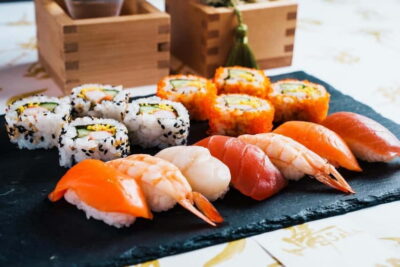
Roll and Authentic Sushi Making Class in Asakusa
Read our review →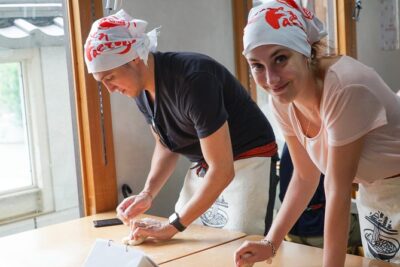
Ramen Cooking Class at Ramen Factory in Kyoto
Read our review →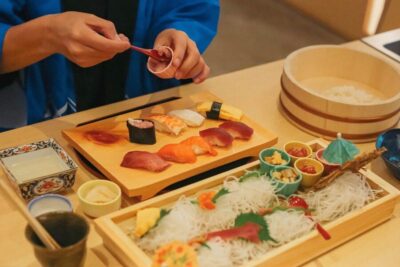
Sushi Making Class in a Happi Coat near a Famous Spot
Read our review →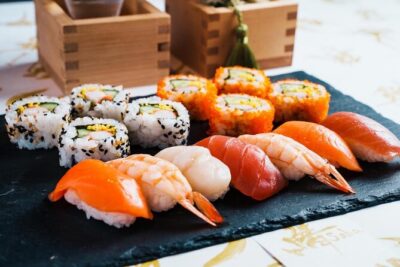
Sushi Making Osaka Roll and Authentic Japanese Sushi Class
Read our review →
Tokyo Sushi Making Class in Tsukiji with Professional Chef
Read our review →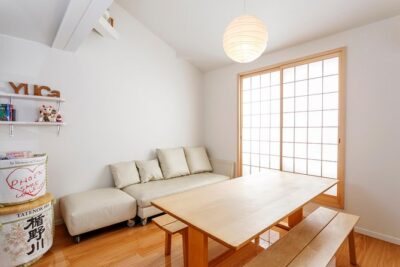
Ramen & Gyoza Cooking Class in Tokyo with Local Supermarket Visit
Read our review →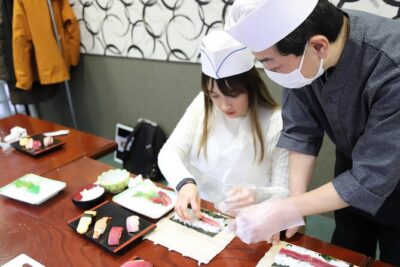
Tsukiji Fish Market Guided Tour and Sushi Making with Pro Chef
Read our review →Browse the lists this tour appears in