
REVIEW · KIMONO & CULTURE EXPERIENCES
Kyoto Gion Cultural Walk & Geisha Show with Dining Options
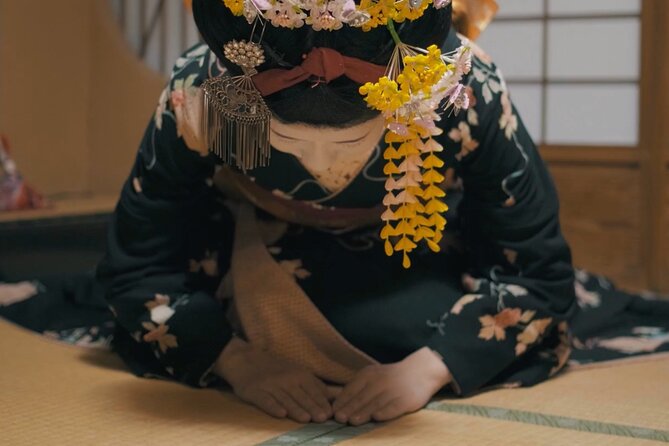
Kyoto’s geisha world becomes far less mysterious when you meet a maiko, watch her perform, and ask about her training face to face. This experience starts at the Izumo-no-Okuni statue near Gion Shijo Station, then leads you through Gion and Miyagawa-cho with an English-speaking guide such as Kenta, Ken, or Akari.
I like the way the walking tour corrects Hollywood myths and explains the difference between geiko and maiko in plain English. I also like the small group, limited to eight people, which gives you a real chance to ask questions instead of simply watching from the back of a crowd.
The main consideration is that this is a walking tour through historic streets, followed by a seated cultural meeting, so it is not suitable for people with mobility impairments. The meal portions are carefully arranged rather than huge, and the best choice of lunch, tea, or dinner depends on what matters most to you.
In This Review
- Key points at a glance
- Why this is more than a staged photo stop
- Starting at the Izumo-no-Okuni statue
- Walking through Gion for 90 minutes to two hours
- Meeting the maiko in Miyagawasuji
- Choosing lunch, tea, or dinner
- The guides make the history easier to understand
- Is $108 a fair price?
- Who will enjoy this Kyoto experience?
- Should you book the Gion Cultural Walk and Geisha Show?
- FAQ
- How long does the Kyoto Gion Cultural Walk and Geisha Show last?
- Where is the meeting point?
- Which languages are available?
- How many people are in the group?
- Can I choose lunch, tea, or dinner?
- Is photography allowed during the maiko meeting?
- Can I bring luggage?
Key points at a glance
- Meet a maiko in person: Ask questions about her work, training, daily routine, kimono, hair, and makeup.
- See two Kyoto entertainment districts: Walk through Gion and Miyagawa-cho while learning how the districts function today.
- Watch live traditional dance: The maiko performs one or two songs and dances during the 50-minute meeting.
- Choose your style of meal: Pick a Japanese lunch plate, a tea break, or dinner with eight shared dishes.
- Keep the group intimate: The tour is limited to eight participants, though one booking may have been accompanied by a guide for a larger party.
- Learn proper etiquette: Your guide explains how to behave respectfully around geiko, maiko, residents, and working businesses.
Why this is more than a staged photo stop
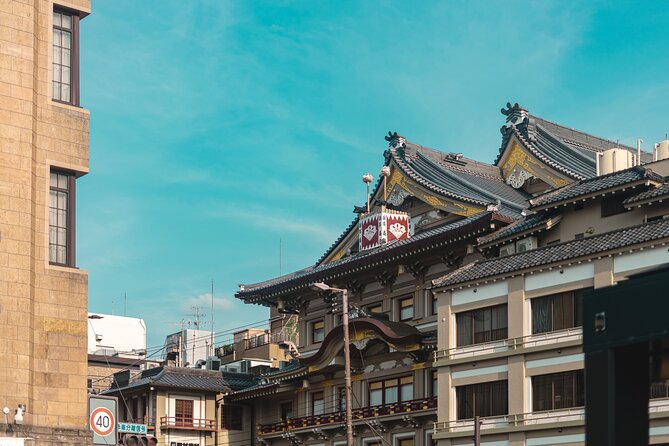
A maiko meeting can sound like a polished tourist performance, but the value here comes from the conversation as much as the show. You do not simply watch a dancer appear, perform, and leave. You have time to ask questions, listen to her answers, admire the details of her formal appearance, and understand that this is a demanding cultural profession rather than a costume display.
The 50-minute session includes a question-and-answer period, a performance with one or two songs, and time connected to your chosen food or drink option. Some experiences also include a game, adding a relaxed note after the formal dance. That mix helps the meeting feel human and approachable while keeping proper respect for the performer.
You should also expect the guide to do some cultural translation. The terms geisha, geiko, and maiko are often mixed together in English-language media. In Kyoto, geiko refers to an established traditional entertainer, while maiko is an apprentice. The guide explains these distinctions, along with the training, rituals, and expectations behind the role.
This background matters. Without it, you might see an elaborate kimono and makeup but miss the years of study, discipline, and artistic practice represented by the person in front of you. With it, the performance has more meaning.
More Kimono & Culture Experiences in Kyoto
- Kyoto Geisha Walking Tour: Gion District & Hidden Gems
★ 4.7 · 3,273 reviews - Kyoto: Gion Magical Night Walking Tour with Geisha Trivia
★ 4.9 · 2,393 reviews - Kyoto: Gion Geisha District Walking Tour – Stories of Geisha
★ 4.7 · 2,187 reviews
Starting at the Izumo-no-Okuni statue
The meeting point is in front of the statue of Izumo no Okuni, near Exit 4 of Keihan Gion Shijo Station. This is a practical place to begin because it puts you right beside the entertainment quarter rather than wasting time on a long transfer from another part of Kyoto.
Arrive ready to walk. Large bags and luggage are not allowed, and the experience is not suitable for people with mobility impairments. Wear comfortable shoes and keep your belongings light. The route is part of the lesson, not just a way to get from the station to the show.
The guide meets you in English and sets the tone for the afternoon or evening. Kenta and Ken are particularly strong at making complicated cultural details easy to follow, while Akari’s style is warm and interactive. The guides also answer questions about other Kyoto sights, which can be useful if this is one of your first days in the city.
Walking through Gion for 90 minutes to two hours
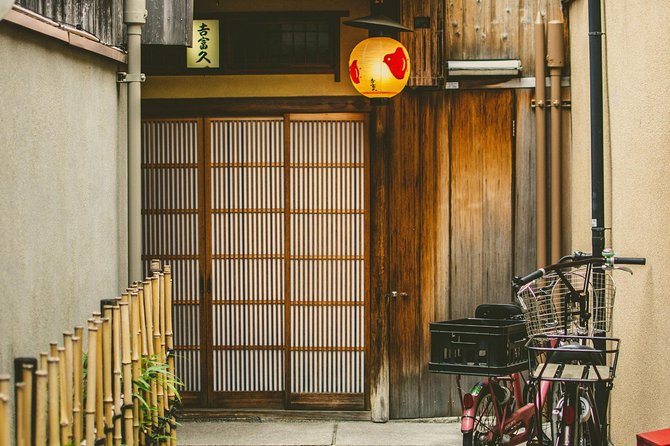
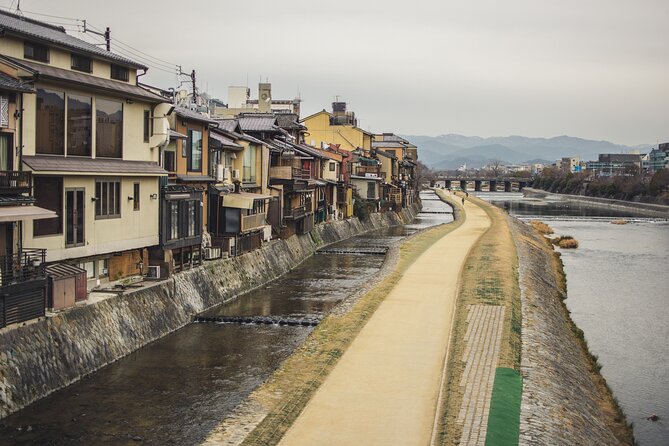
The first half takes you through Gion, Kyoto’s best-known geisha district. This is not simply a walk past attractive wooden buildings. You learn how the district developed, how the traditional entertainment houses operate, and how geiko and maiko fit into the wider life of Kyoto.
The walk can include temples, a shrine, the school where geiko and maiko study, and streets connected with the traditional entertainment trade. You also move through historic areas connected with Miyagawa-cho, one of Kyoto’s other geisha districts. The exact route can vary, but the purpose stays clear: connect the buildings and streets with the people and traditions that use them.
I especially like this part because Gion is easy to misunderstand. It can look like a film set to someone seeing it for the first time, yet it is also a working neighborhood. Residents live here, businesses operate here, and geiko and maiko are not public figures waiting to be photographed on demand.
Your guide explains the etiquette that keeps the area respectful. This includes how to behave around people in traditional dress and why you should not treat every maiko you see on the street as a photo opportunity. That advice is practical, not scolding. It helps you enjoy the district without adding to the pressures caused by crowds.
The pace is described as moderate, and guides make an effort to keep the whole group together. Kenta has been praised for taking photos for participants, while also paying attention to the needs of the group. In hot weather, Akari and Kenta have provided cold or frozen drinks, a thoughtful touch during a sunny walk.
For the best atmosphere, I would choose a daylight departure if you want to see architectural details and understand the layout of the districts. An evening departure gives you a different mood, with lanterns and quieter streets, but details can be harder to see. The tour runs at several starting times, including options around 10:30 a.m., 2:30 p.m., and 6:30 p.m.
Meeting the maiko in Miyagawasuji
After the walking portion, you go to a performance venue in the Miyagawasuji area. The setting is tied to the traditional district, so the transition from street history to live performance feels logical. Depending on your booking, the next part includes lunch, tea, or dinner.
The maiko meeting lasts about 50 minutes. You watch a traditional dance performance with one or two songs, then have time for questions. You may ask about her training, work, daily routine, reasons for entering the profession, or the meaning of aspects of her appearance, as long as your questions remain polite and appropriate.
This is the emotional center of the experience. The dance is brief enough to remain focused, but long enough to show the controlled movements, posture, and formal presentation involved. The chance to speak with the maiko gives you context that a theater performance alone could not provide.
Photography may be allowed during the meeting, but follow the guide’s instructions carefully. One important point is that permission to take photos does not automatically mean you should post them online. If the guide or maiko asks you to keep images private, respect that request. A quick photo is never more important than the person’s dignity.
The meeting is also a good fit for families with older children who can listen and behave respectfully. One family described it as a strong cultural experience for children, but the format is not a free-for-all. This is a formal setting, and young children who cannot sit quietly or wait their turn may find it difficult.
Same city, a completely different kind of day:
- PERFECT KYOTO 1-Day Bus Tour
★ 5.0 · 13,518 reviews - Kyoto: Fushimi Inari, Kinkakuji, Bamboo Grove 1 Day Bus Tour
★ 4.8 · 4,316 reviews - Kyoto: Tea Ceremony in a Traditional Tea House in Kiyomizu
★ 4.9 · 3,519 reviews - Kyoto: Tea Ceremony Ju-An at Jotokuji Temple
★ 4.9 · 3,207 reviews
Choosing lunch, tea, or dinner
The booking options let you shape the experience around your schedule and appetite. The cultural content remains the main event, but the food changes the rhythm and value of the outing.
Lunch with the maiko: The daytime option includes a Japanese lunch plate and begins around 10:30 a.m. This is a good pick if you want to see Gion in daylight, have a full afternoon afterward, and avoid being out late. The meal is described as beautifully arranged and tasty, though you should not expect a large, filling banquet.
Tea break with the maiko: The tea option begins around 2:30 p.m. and includes a cup of tea. It is the lightest and usually the most flexible choice if you have a large dinner planned or want the meeting itself to take center stage. Tea also suits you if you prefer a shorter food stop, though it offers less sustenance than lunch or dinner.
Dinner with the maiko: The evening option begins around 6:30 p.m. and includes eight shared dishes at a local restaurant. The dishes are served in small portions, in the style of a Japanese multi-course meal. The format lets you sample a range of foods without ordering a full meal yourself, though the portions may not satisfy a very large appetite.
The dinner setting has been described as kaiseki-style, with carefully presented courses and a pleasant selection of drinks. The food is part of the experience, not the sole reason to book it. If your priority is a substantial dinner, you may want to eat a little before or after. If your priority is atmosphere and variety, the eight shared plates are a useful addition.
For value, lunch is likely the smartest option for many people because it combines the full cultural meeting with a proper Japanese meal and leaves the evening open. Tea is best for a lighter schedule. Dinner gives you the most complete evening program, especially if you want to see Gion after dark.
The guides make the history easier to understand
The guide matters a great deal here because the subject is full of misconceptions. Kenta and Ken explain the origins of geiko culture, the difference between the roles, and the way training works without turning the walk into a dry lecture.
Akari has a clear, enthusiastic approach and is especially good at inviting questions. She has also helped participants with ideas for other things to do in Kyoto. That kind of local guidance is useful, but the main strength is her ability to keep the conversation moving while making room for the whole group.
English ability is important on a tour built around cultural explanation. The guides are described as easy to understand, and one guide adjusted his pace for participants who needed slower English. You should still expect a fair amount of information in three hours. If you prefer a quiet stroll with only a few facts, this may feel busy. If you enjoy asking questions, it should suit you well.
The small-group format is another advantage. With a limit of eight, you are close enough to hear the guide, see the details of the performance, and get a chance to speak during the question period. Group size can vary by booking, so check the available option when you reserve, but the experience is designed around personal attention rather than a large coach group.
Is $108 a fair price?
At $108 per person, this is not a cheap walk, but it combines several services that would be difficult to arrange independently. You receive an English-language tour lasting about three hours, a guided visit through Gion, a 50-minute meeting with a maiko, a traditional dance performance, and food or tea depending on your selection.
The strongest value comes from access. Walking through Gion costs nothing, but understanding the district, learning the etiquette, and meeting a maiko in a proper setting are different matters. A public dance show might give you a performance, while this experience adds direct conversation and cultural explanation.
The meal affects the calculation. Dinner includes eight shared dishes, while lunch includes a Japanese plate and the tea option includes one cup of tea. If you choose tea, much of the price is paying for the guide and the cultural meeting rather than food. If you choose dinner, you are paying for a fuller evening with a multi-course meal, but you should not expect oversized portions.
The tour also offers free cancellation up to 24 hours before the start and a reserve-now, pay-later option. Those policies are useful if your Kyoto plans are still shifting, though the core decision should be based on your interest in the subject and comfort with walking.
Who will enjoy this Kyoto experience?
I would recommend it most strongly to first-time visitors who want a cultural explanation alongside the scenery. It is also a good choice if you have seen Gion on your own but felt you were only looking at beautiful streets without understanding what happens behind them.
You will get the most from it if you:
- Enjoy asking questions and learning through conversation
- Want a respectful introduction to geiko and maiko culture
- Prefer small groups to large guided tours
- Are comfortable walking for up to two hours
- Like combining sightseeing with a meal or tea
- Want a structured evening rather than searching for a performance on your own
It may be less suitable if you dislike scheduled dining, have limited mobility, need a very substantial meal, or want a purely private encounter. The maiko meeting is personal but still formal, and the group shares the time.
Should you book the Gion Cultural Walk and Geisha Show?
Yes, if you want more than a quick glimpse of Kyoto’s geisha district. The most useful part is not simply seeing a maiko dance. It is learning how to look at Gion with respect, then meeting a performer who can put the tradition into personal terms.
Choose lunch for daylight and a balanced day, tea for the lightest food commitment, or dinner for the fullest evening program. Pack lightly, wear good walking shoes, and arrive ready to listen as much as you photograph.
At $108, the experience makes sense for you if direct cultural access and clear English explanation are worth paying for. If that sounds appealing, this is one of the stronger ways to connect Gion’s streets with the living tradition behind them.
FAQ
How long does the Kyoto Gion Cultural Walk and Geisha Show last?
The experience lasts three hours, or 210 minutes. The walking portion takes about 1.5 to 2 hours, followed by a 50-minute meeting with a maiko that includes questions and a performance.
Where is the meeting point?
Meet in front of the statue of Izumo no Okuni near Exit 4 of Keihan Gion Shijo Station.
Which languages are available?
The tour is conducted in English with a live English-speaking guide.
How many people are in the group?
The activity is offered as a small-group tour limited to eight participants.
Can I choose lunch, tea, or dinner?
Yes. Available options include a Japanese lunch plate, a tea break with one cup of tea, or dinner with eight shared dishes. The listed start times are around 10:30 a.m. for lunch, 2:30 p.m. for tea, and 6:30 p.m. for dinner.
Is photography allowed during the maiko meeting?
Photography may be permitted during the meeting, but you should follow the guide’s instructions. Respect any request not to share photographs online.
Can I bring luggage?
Large bags and luggage are not allowed. Bring only what you can comfortably carry during the walking portion.
More Dining Experiences in Kyoto
- Tokyo Bar Hopping Tour in Shinjuku (All-You-Can-Drink + Dinner)
★ 5.0 · 3,587 reviews - Tokyo: Sumo Show and Dining Experience
★ 4.8 · 2,742 reviews - Tokyo: Samurai Restaurant Show Ticket with 2 Drinks
★ 4.5 · 1,307 reviews - Deep Backstreet Osaka Tours (Option to add Dinner)
★ 5.0 · 1,290 reviews
More Dinner Experiences in Kyoto
- Kyoto Gion Cultural Walk & Geisha Show with Dining Options
★ 5.0 · 483 reviews - Kyoto: Geisha Dinner & Gion Cultural Walk
★ 5.0 · 73 reviews - Kyoto: Maiko Dinner in Traditional Restaurant and Tour
★ 4.8 · 55 reviews - Kyoto: Lunch or Dinner with Maiko
★ 4.2 · 52 reviews
Just added around Kyoto
- Taste of Nishiki Market Walking Food Tour with Local guide★ 5.0 · 17 reviews
- Kyoto: Sushi Making Class with Sushi Chef★ 4.8 · 64 reviews
- Kyoto: City Secrets eBike Tour★ 4.9 · 196 reviews
- Sacred Pathways: Discover the Philosopher’s Path of Kyoto★ 4.9 · 20 reviews
- Private Tour to Monkey Park and Arashiyama Highlights★ 5.0 · 22 reviews
- Private Nara Tour from Osaka – Meet at Your Hotel★ 5.0 · 22 reviews
- Private Sake Tasting in Central Kyoto with Sake Sommelier★ 5.0 · 13 reviews
- Kyoto : Private Custom Walking Tour With A Local Guide★ 4.6 · 144 reviews
Kimono & Culture Experiences, compared.
Kyoto Geisha Walking Tour: Gion District & Hidden Gems
Read our review →
Gion Magical Night Walking Tour with Geisha Trivia
Read our review →
Gion Geisha District Walking Tour – Stories of Geisha
Read our review →
Best of Kyoto: Gion, Geisha, Pagodas & Cobblestones
Read our review →
Kyoto Gion Geisha District Walking Tour – The Stories of Geisha
Read our review →
Browse the lists this tour appears in