
REVIEW · DINNER EXPERIENCES
Kyoto: Maiko Dinner in Traditional Restaurant and Tour
Gion is the rare Kyoto neighborhood where an evening walk can lead to a real maiko performance over dinner. This experience begins with traditional machiya streets and ends with dance, conversation, games, and a group photo with a maiko, a geisha apprentice.
I like the small group of seven, which makes questions and translation easier. I also like the guide’s role in explaining how to behave respectfully around a maiko, rather than dropping you into an unfamiliar social setting. The main drawback is the price: at $292 per person, this is a major splurge, and the walking route is not suitable for wheelchairs or strollers.
In This Review
- Key points to know before booking
- Why this Gion evening feels different
- Starting at Gion Shijo Station
- A 100-year-old machiya sets the mood
- What the Kyoto meal is really worth
- Meeting the maiko during dinner
- How to behave respectfully
- Food restrictions and age limits
- Weather, clothing, and seasonal comfort
- Who will enjoy this experience most
- How the evening has worked for past groups
- Should you book the Gion maiko dinner?
- FAQ
- Where does the tour meet?
- How long does the experience last?
- Is the tour conducted in English?
- What is included in the price?
- Can vegetarians join?
- Are children or wheelchair users allowed?
Key points to know before booking
- A 40-minute Gion walk puts maiko culture in its historic setting before dinner.
- A roughly 100-year-old machiya restaurant provides the evening’s traditional atmosphere.
- Kyoto cuisine, sake, and all-you-can-drink service are included in the price.
- A maiko performs, answers questions, and plays drinking games with the group.
- English-speaking guides such as Yusuke, Hikari, Eri, and Pico have helped explain customs and translate conversations.
- The group photo with the maiko gives you a lasting souvenir of the evening.
Why this Gion evening feels different
Many Kyoto activities show you beautiful buildings or serve you a meal. This one connects the two. You walk through Gion, hear how maiko culture developed, and then sit down in a traditional restaurant where the evening’s main encounter takes place.
That setting matters. A maiko is not simply a performer in a costume. She is an apprentice in Kyoto’s geiko tradition, learning dance, music, manners, conversation, and the formal arts of entertaining. The guide helps you understand that distinction and gives you a better sense of what you are seeing.
You should also expect a social evening, not a quiet cultural demonstration. The maiko speaks with the group, takes questions, performs traditional dances, and joins drinking games set to Japanese music. The guide helps translate and explains how to take part without being rude or overly familiar.
The format works especially well for first-time visitors to Japan who want a direct introduction to a part of Kyoto culture that can otherwise be difficult to encounter. It also suits people returning to Kyoto who have already seen temples and gardens and want a more personal evening.
A few more Kyoto trips to weigh up
- Kyoto Gion Cultural Walk & Geisha Show with Dining Options
★ 5.0 · 518 reviews - Kyoto Gion Cultural Walk & Geisha Show with Dining Options
★ 5.0 · 483 reviews - Kyoto: Geisha Dinner & Gion Cultural Walk
★ 5.0 · 73 reviews
Starting at Gion Shijo Station
The meeting point is in front of the Izumo no Okuni Statue, just outside Exit 5 of Gion Shijo Station. Look for the guide holding a board marked Magical Trip.
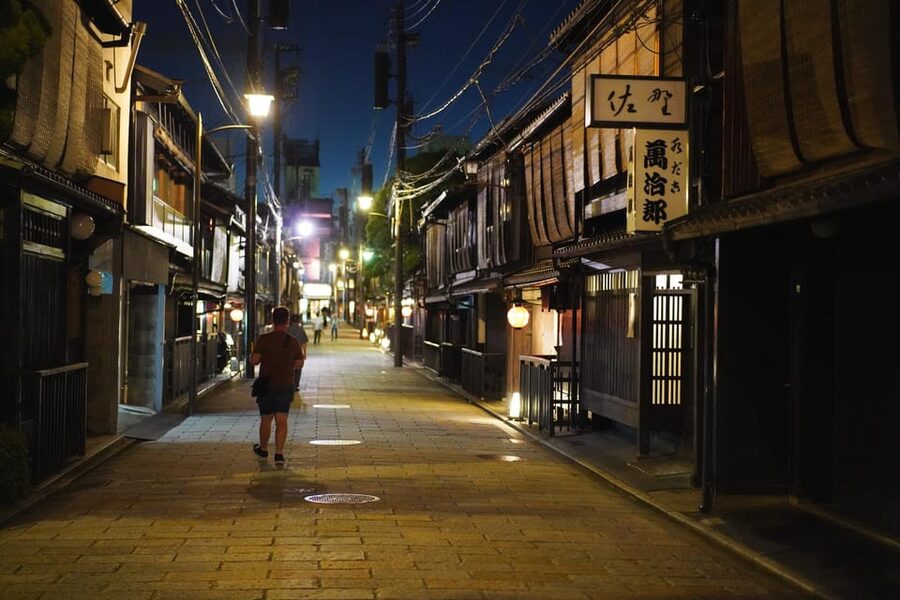
This is a useful meeting point because it puts you right beside the Kamogawa River and the Gion district. Arrive ready to walk. The first part lasts about 40 minutes, and the route passes through traditional streets and machiya architecture.
Your guide explains the origins of maiko culture and points out details you could easily pass without context. This is not a long architectural lecture. The value comes from connecting the buildings and streets with the women who trained and worked in this district.
Past guides have included Yusuke, Hikari, Eri, and Pico. The guide is an important part of the experience, especially once the dinner begins. Several aspects of the evening rely on translation and cultural explanation, so an attentive guide can make the difference between watching from the sidelines and joining in comfortably.
Wear shoes you can walk in without trouble. Gion’s traditional streets are attractive, but this is not a smooth, fully accessible route. The activity is not recommended for people with mobility issues, and a private tour is suggested for anyone who has difficulty walking.
A 100-year-old machiya sets the mood
After the walk, you continue to a restaurant housed in a roughly 100-year-old machiya building. These narrow wooden townhouses are closely tied to Kyoto’s old urban character. Here, the building is part of the experience, not just a dining room selected for convenience.
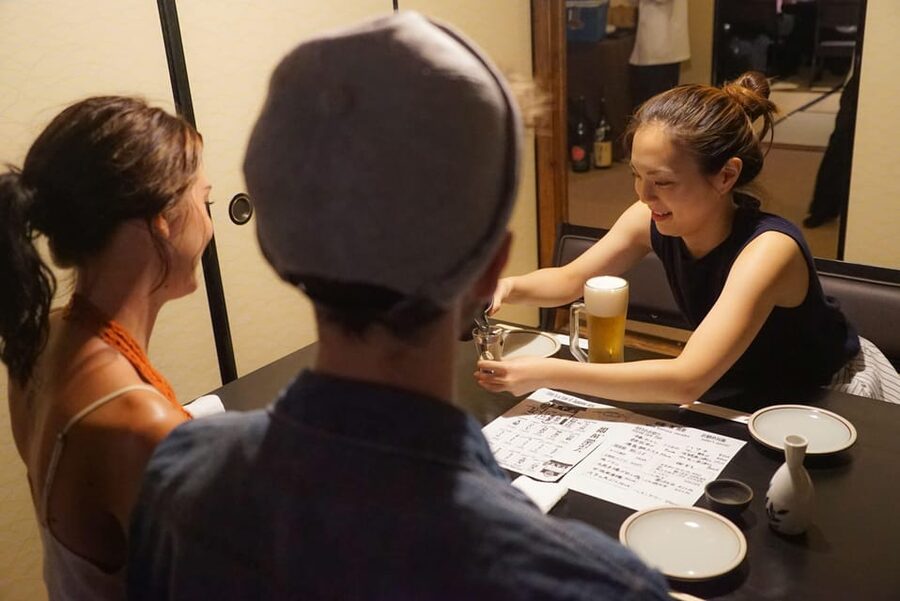
The restaurant gives you time to settle in before the maiko arrives. The guide explains Kyoto cuisine, local drinks, and basic points of etiquette. This short introduction is useful because a formal Kyoto meal can include unfamiliar dishes, serving styles, and flavors.
You are served a full Kyoto-style course meal. The food is described as delicate and visually prepared, with the sort of careful presentation associated with Kyoto cooking. The exact dishes can vary, so you should not book this expecting one fixed menu.
The all-you-can-drink package includes Japanese sake and Kyoto sake. This adds value for people who want to sample local drinks rather than pay separately for each glass. It also shapes the evening’s tone. The meal is not rushed, and conversation and games become easier as the group settles in.
You do not need to drink alcohol to appreciate the cultural side, but the supplied information does not specify a separate nonalcoholic package. Ask about your needs before booking if alcohol is a concern.
What the Kyoto meal is really worth
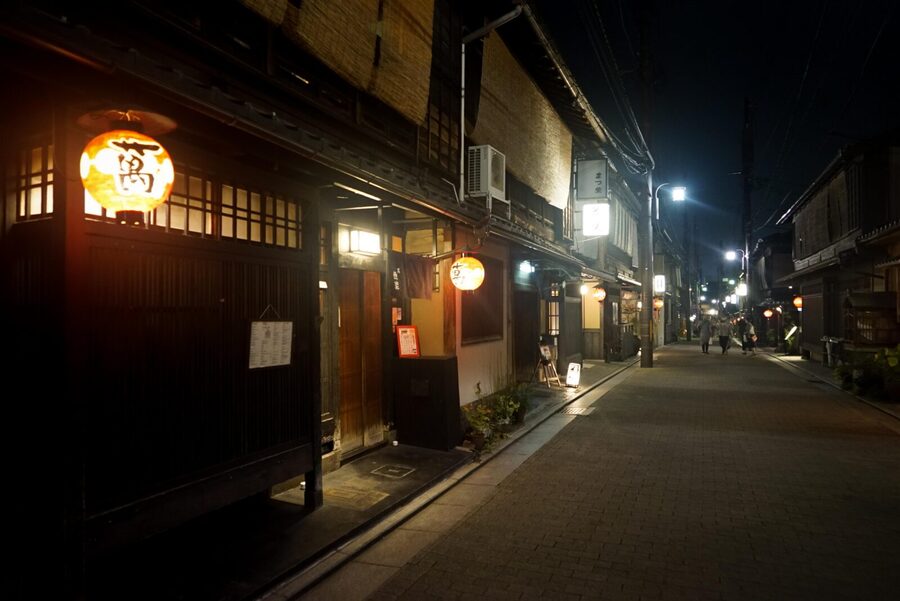
At $292 per person, the dinner alone does not explain the price. You are paying for a small-group cultural program, an English-speaking guide, the Gion walk, a full meal, all-you-can-drink service, the maiko performance, translation, photos during the tour, and the chance to interact directly with the maiko.
That is a lot for one evening, but it is still a splurge. I would compare it with the cost of a high-end dinner and a separate cultural performance, then ask how much you value personal access and a small group. A standard stage show may be cheaper, but it will not usually offer the same chance to ask questions or play games with the performer.
The strongest value here is access. The guide prepares you for the interaction, and the maiko spends time with your group rather than appearing only for a short dance. The experience has received a 4.8 rating from 55 bookings, with repeated praise for the food, guide support, and direct interaction. Those are the parts that justify the price for the right person.
It is less suitable if your main goal is simply to eat excellent Kyoto food. You can find a memorable meal elsewhere for less. Book this for the combination of setting, cultural explanation, performance, and conversation.
Same city, a completely different kind of day:
- PERFECT KYOTO 1-Day Bus Tour
★ 5.0 · 13,518 reviews - Kyoto: Fushimi Inari, Kinkakuji, Bamboo Grove 1 Day Bus Tour
★ 4.8 · 4,316 reviews - Kyoto: Tea Ceremony in a Traditional Tea House in Kiyomizu
★ 4.9 · 3,519 reviews - Kyoto Geisha Walking Tour: Gion District & Hidden Gems
★ 4.7 · 3,273 reviews
Meeting the maiko during dinner
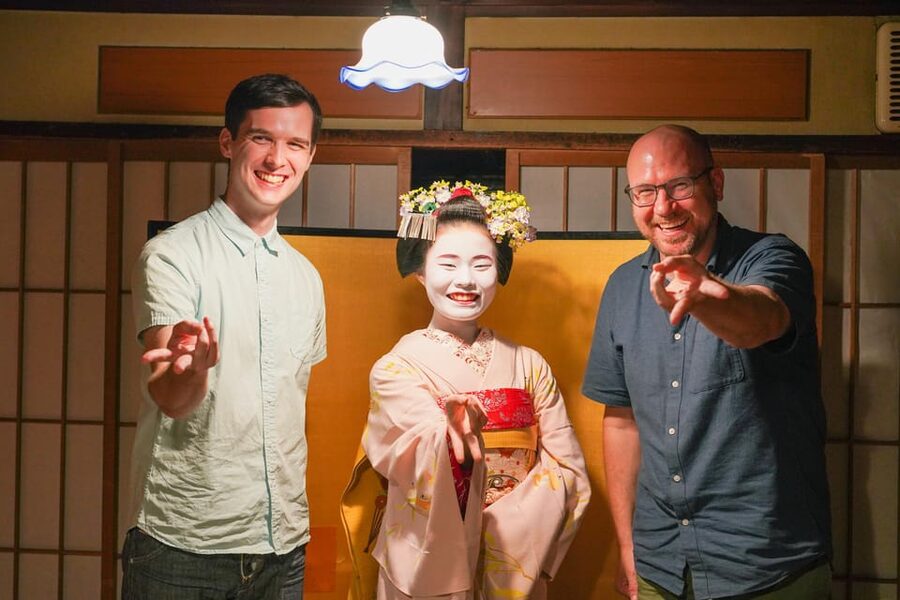
The maiko arrives after the meal is underway. The timing gives you a chance to understand the setting first, rather than meeting her immediately with no idea how to respond.
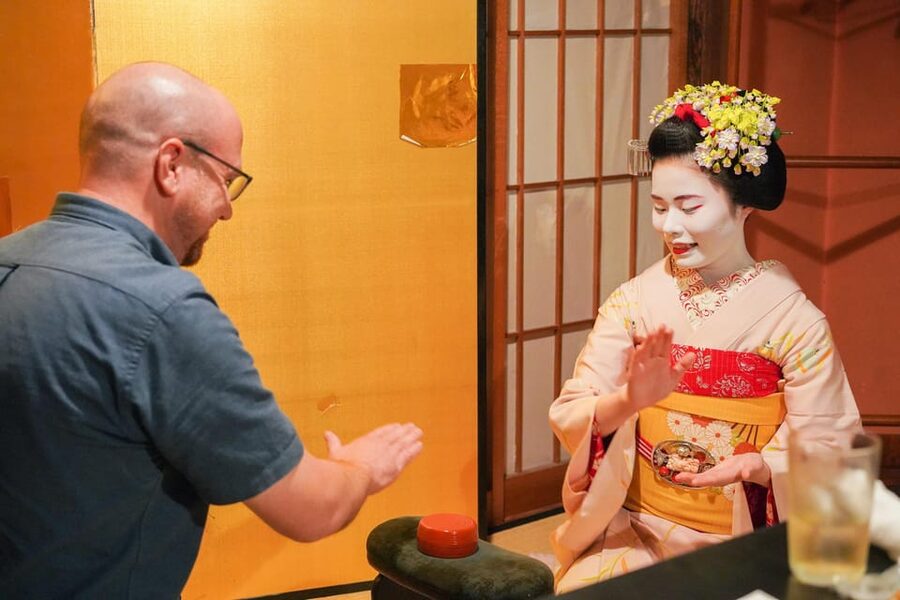
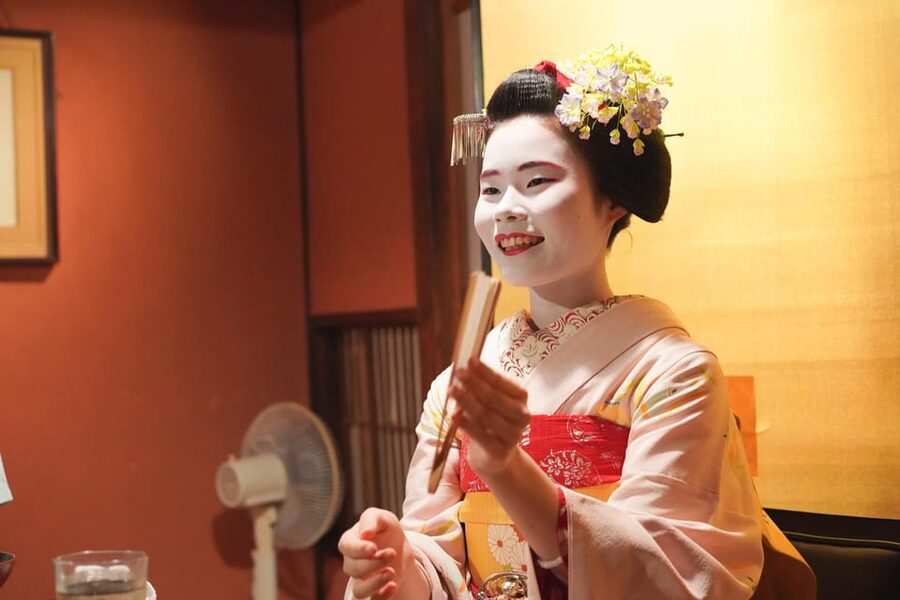
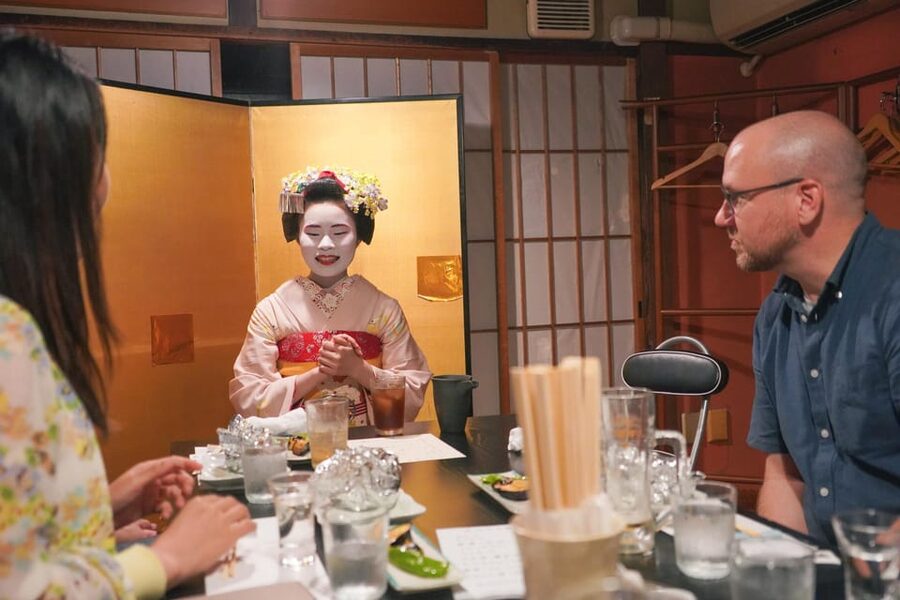
She performs traditional dances and speaks with the group. The guide translates questions and conversation, allowing you to ask about her life and career. Past sessions have included questions about maiko training, daily life, and the path toward becoming a geiko, although the conversation naturally depends on the maiko and the group.
The dance is a central moment. You are seeing a formal art connected to Kyoto’s geiko and maiko districts, performed in the intimate setting of the restaurant. The traditional Japanese music adds to the atmosphere.
Then the mood becomes more playful. The maiko joins drinking games with the group, and everyone can take part. You will want to follow the guide’s cues here. The point is friendly interaction, not loud or careless behavior.
This is also where the small group matters. With no more than seven participants, you have a better chance to ask a question, understand the translation, and take part in a game. Larger groups can make this sort of encounter feel distant. A small group cannot guarantee a particular conversation, but it gives the evening room to breathe.
How to behave respectfully

The guide provides instructions on how to interact with the maiko without causing offense. Pay attention to this part. You are entering a professional setting with formal customs, not meeting a costumed character at a theme park.
Ask questions politely and let the guide manage translation. Avoid interrupting the dance or treating the maiko as a photo prop. The evening is designed to be lively, but it still calls for good manners.
The photo opportunity comes toward the end. You can take a group photo with the maiko, and photos during the tour are included. This is one of the clearest benefits of the format: you leave with a personal record of the occasion, not only a memory of watching from a distance.
Photography rules can vary in any traditional setting, so follow the guide’s instructions. The provided details promise a group photo, but they do not promise unlimited individual portraits.
Food restrictions and age limits
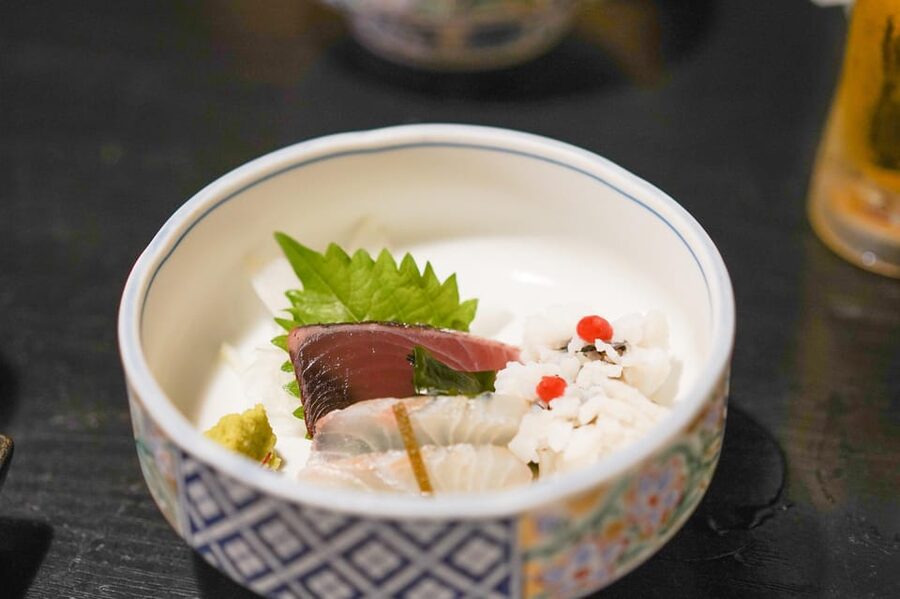
A vegetarian menu is available with advance notice, but it has limits. Some dishes may still use fish stock, and the kitchen cannot guarantee an allergy-free meal or full substitution of ingredients.
There are no vegan or gluten-free options. Dietary requests and allergies must be sent at least one day before the tour. Requests made on the day cannot be accommodated, so this is not a good choice if you require strict vegan, gluten-free, or allergy-safe dining.
Children under 15 cannot join the shared tour. If you want to bring a child aged 14 or younger, you must book a private tour. The activity is also unsuitable for wheelchair users, strollers, and people with mobility issues because some locations are not accessible.
The tour lasts 210 minutes, or three and a half hours. That is long enough for a proper evening without taking up the whole night. Still, you should plan for a continuous outing that combines walking, sitting, dining, and social activity.
Weather, clothing, and seasonal comfort
Kyoto’s weather can be severe. Summer highs may reach 40°C, while winter lows can fall to -5°C. Dress for the season, especially because the first part takes place outdoors in Gion.
In hot weather, comfortable clothing and water for the walk are sensible. In winter, wear warm layers and shoes that remain comfortable through the outdoor section. The tour may be cancelled for safety if weather conditions are unsuitable.
A private tour is recommended for people who have trouble walking. That option may also offer more flexibility, but the supplied details do not state its price or exact format, so confirm those points before booking.
Who will enjoy this experience most
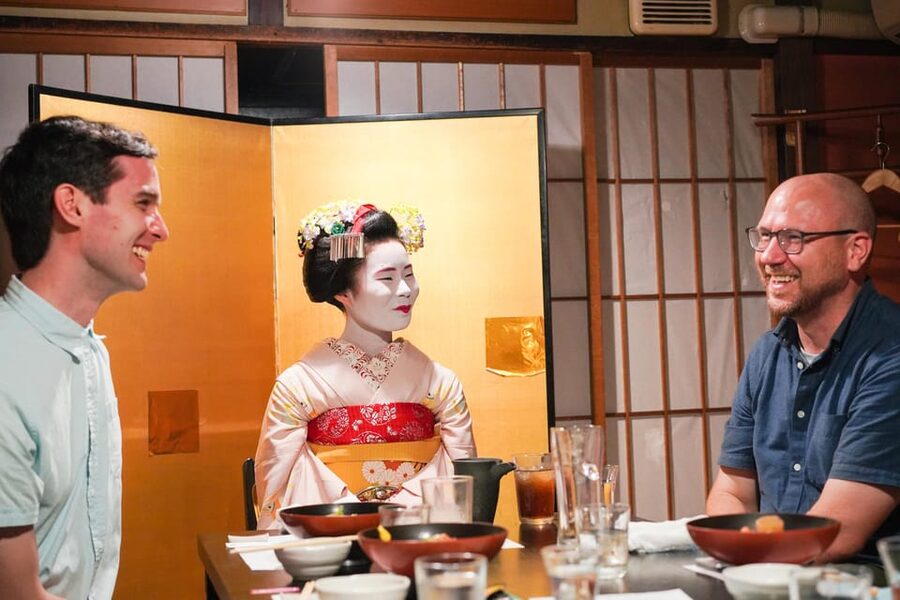
I would recommend this evening to you if you:
- Want a guided introduction to maiko and geiko culture
- Enjoy traditional food and Japanese sake
- Prefer small groups to large staged shows
- Like asking questions and taking part in games
- Can walk comfortably through Gion
- Are willing to spend for a rare cultural encounter
- Are at least 15 years old and have no strict vegan or gluten-free needs
It is a particularly good fit for a special occasion or for a final Kyoto evening. The progression feels natural: streets first, dinner next, then performance and conversation.
I would think twice if you dislike alcohol-centered social events, need complete dietary control, or prefer an entirely passive performance. The drinking games are part of the evening’s design, and the interaction is more important than a long formal show.
How the evening has worked for past groups
The guide names attached to earlier sessions include Yusuke, Hikari, Eri, and Pico. Their roles have included explaining Gion, describing geisha and geiko customs, explaining the food, and translating between the group and the maiko.
That support comes up again and again in the practical details of the experience. The maiko may speak some English, but the guide remains the bridge for deeper questions and cultural points. You should see that as a feature, not a barrier.
The strongest moments are likely to be personal: learning about the maiko’s training, watching two traditional dances, joining a game, or hearing an answer that changes how you view the district you just walked through.
Should you book the Gion maiko dinner?
Book it if you want more than a photograph outside a tea house. You get a 40-minute walk, a traditional machiya restaurant, a Kyoto course meal, unlimited drinks including sake, a performance, conversation, games, guide translation, and a group photo.
Skip it if $292 feels too high for one evening, or if accessibility and dietary restrictions make the format difficult. For everyone else, this is one of Kyoto’s more direct ways to encounter a living cultural tradition. The cost is high, but the small group and personal interaction give it a clear reason to exist.
FAQ
Where does the tour meet?
Meet in front of the Izumo no Okuni Statue, just outside Exit 5 of Gion Shijo Station. The guide will hold a Magical Trip board.
How long does the experience last?
The experience lasts 210 minutes, or three and a half hours.
Is the tour conducted in English?
Yes. An English-speaking live guide leads the experience.
What is included in the price?
The price includes photos during the tour, a Kyoto-style course meal, all-you-can-drink service, an English-speaking guide, and a maiko performance.
Can vegetarians join?
Yes, a vegetarian menu is available with advance notice. Some dishes may contain fish stock, and the kitchen cannot guarantee allergy-free meals or all dietary substitutions.
Are children or wheelchair users allowed?
Children under 15 cannot join the shared tour. The activity is not suitable for wheelchair users, strollers, or people with mobility issues. A private tour is recommended for people who have difficulty walking.
Just added around Kyoto
- Taste of Nishiki Market Walking Food Tour with Local guide★ 5.0 · 17 reviews
- Kyoto: Sushi Making Class with Sushi Chef★ 4.8 · 64 reviews
- Kyoto: City Secrets eBike Tour★ 4.9 · 196 reviews
- Sacred Pathways: Discover the Philosopher’s Path of Kyoto★ 4.9 · 20 reviews
- Private Tour to Monkey Park and Arashiyama Highlights★ 5.0 · 22 reviews
- Private Nara Tour from Osaka – Meet at Your Hotel★ 5.0 · 22 reviews
- Private Sake Tasting in Central Kyoto with Sake Sommelier★ 5.0 · 13 reviews
- Kyoto : Private Custom Walking Tour With A Local Guide★ 4.6 · 144 reviews
Dinner Experiences, compared.
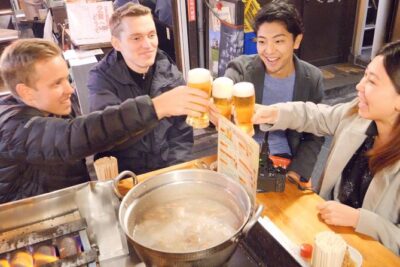
Tokyo Bar Hopping Tour in Shinjuku (All-You-Can-Drink + Dinner)
Read our review →
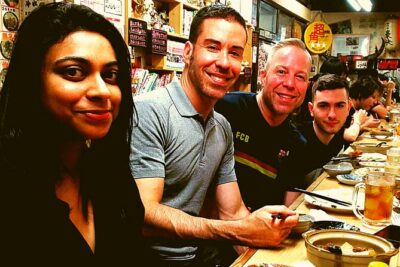
Deep Backstreet Osaka Tours (Option to add Dinner)
Read our review →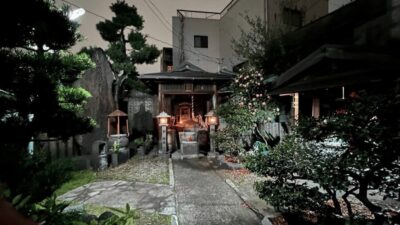
Deep Backstreets Walking Tour with Dinner Option
Read our review →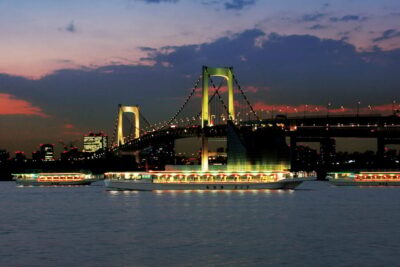
Sumida River: Japanese Traditional Yakatabune Dinner Cruise
Read our review →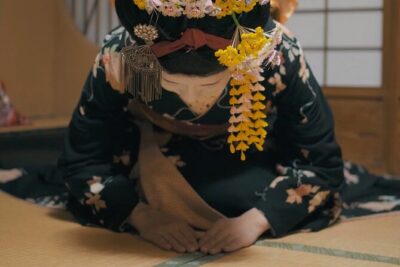
Kyoto Gion Cultural Walk & Geisha Show with Dining Options
Read our review →Kyoto Gion Cultural Walk & Geisha Show with Dining Options
Read our review →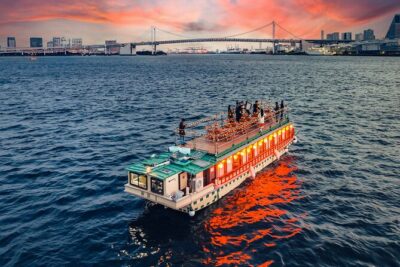
Tokyo Bay Yakatabune Dinner/Day Cruise with Japan Show and Drinks
Read our review →Browse the lists this tour appears in