
REVIEW · KIMONO & CULTURE EXPERIENCES
Kyoto Gion Cultural Walk & Geisha Show with Dining Options
Kyoto’s Gion district is best understood on foot, with someone who can explain what you are seeing. This experience pairs a 1.5 to 2-hour walk through Gion with a 45-minute meeting and performance by a maiko, or apprentice geisha. You learn the difference between geiko and maiko, see the old entertainment quarter, and have a chance to ask questions directly.
I especially like the route’s cultural range, from the statue linked to the beginnings of Kabuki to Shinto and Zen Buddhist sites. I also like the small maximum of nine people, which gives guides such as Akari, Ken, and Kenta room to translate, answer questions, and include solo guests.
The main caution is the dining option. Some bookings include a satisfying meal, while one detailed account found the portion too small for the price. If dinner matters to you, check the package details before paying, and consider eating a little beforehand.
In This Review
- Key points to know before booking
- Why this Gion experience works
- From Izumo-no-Okuni to Kyoto’s Kabuki stage
- Gion Shirakawa and the streets of the geiko district
- Tatsumi-jinja and the many layers of Kyoto belief
- Hanamikoji Street and the chance of a maiko sighting
- Kennin-ji and Zenkyoan add a Buddhist perspective
- The 45-minute maiko meeting and show
- Dining options and what the price really buys
- Timing, meeting point, and physical demands
- Who should book this Kyoto evening?
- Should you book the Gion Cultural Walk and Geisha Show?
- FAQ
- How long does the Gion Cultural Walk and Geisha Show last?
- What is included in the activity?
- Will I definitely see a geisha walking in Gion?
- Is dinner included?
- Is the meal suitable for dietary restrictions?
- Is the maiko’s tip included?
- Where does the tour begin?
- Does the tour finish where it starts?
- Can everyone participate?
Key points to know before booking
- A maiko meeting is the heart of the evening: You can ask questions, enjoy tea, and watch one or two dances during the 45-minute session.
- The walking route gives useful context: Kabuki, Shinto, Zen Buddhism, and Gion’s entertainment districts all fit into the first part of the experience.
- The group is capped at nine people: That is a helpful size for conversation and interpretation.
- Guide quality matters here: Akari, Ken, and Kenta are praised for clear explanations, cultural respect, and warm hosting.
- Kennin-ji and Zenkyoan are not included admissions: The route passes these sites, but entrance fees are separate.
- Plan for three hours on foot: The activity is not recommended if you have leg problems, and bad weather can cause a cancellation or date change.
Why this Gion experience works
Many Gion outings are really photo walks. This one tries to explain the customs behind the streets, buildings, clothing, and performances. That distinction matters because geisha culture is often reduced to costume and mystery.
Your guide leads you through the district before the show, so the later meeting has a setting and a story. You hear about geiko, the Kyoto term for an accomplished geisha, and maiko, an apprentice geisha. You also get help with translation during the question period, an important feature since the maiko’s answers and personality are central to the evening.
The experience lasts about three hours. The first 1.5 to 2 hours are spent walking, followed by a 45-minute meeting and show. With a maximum of nine people, this feels more personal than a large city tour, though the route still covers several stops at a steady pace.
The guides receive especially strong praise for their approach. Akari is described as warm, attentive, and eager to correct common misunderstandings. Ken and Kenta are praised for explaining the connection between Kabuki and geiko culture, translating during the meeting, and helping with practical details such as drinks, umbrellas, photographs, and restaurant service.
That personal hosting is not a minor extra. It helps turn a short performance into a cultural exchange.
More Kimono & Culture Experiences in Kyoto
- Kyoto Geisha Walking Tour: Gion District & Hidden Gems
★ 4.7 · 3,273 reviews - Kyoto: Gion Magical Night Walking Tour with Geisha Trivia
★ 4.9 · 2,393 reviews - Kyoto: Gion Geisha District Walking Tour – Stories of Geisha
★ 4.7 · 2,187 reviews
From Izumo-no-Okuni to Kyoto’s Kabuki stage
The walk begins at the Statue of Izumo-no-Okuni, near the Kamogawa River. This is a fitting starting point because Okuni is associated with the beginnings of Kabuki.
Your guide explains that early Kabuki was performed by women, even though modern Kabuki is performed by men. It is a brief stop, about 15 minutes, but it gives you an immediate reminder that Japanese theater traditions have changed over time.
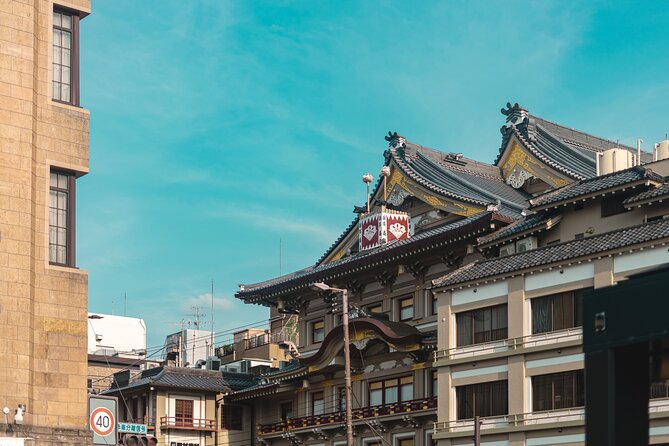
Next comes Minamiza Theater, one of Kyoto’s oldest Kabuki theaters. You spend about 10 minutes looking at its architecture and hearing about the relationship between traditional Kabuki and newer technology, including a VR collaboration.
This stop is more about orientation than admission. You do not go inside as part of the listed route, so anyone hoping for a theater performance should treat Minamiza as an exterior visit. Still, it helps explain why this part of Kyoto has long been linked with performance, ceremony, and carefully maintained artistic traditions.
The Kabuki connection is one of the walk’s strongest teaching points. It gives you a way to see geiko and maiko culture as part of a wider world of Japanese theater, music, dance, and hospitality, rather than as an isolated attraction.
Gion Shirakawa and the streets of the geiko district
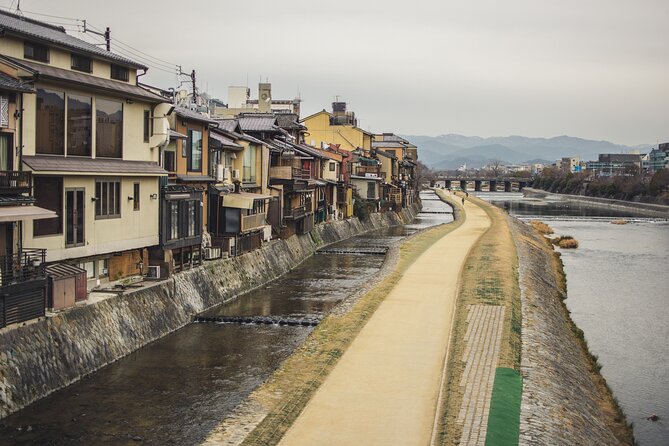
Gion Shirakawa is often the prettiest section of the route. The walk takes about 15 minutes here, along old-fashioned streets, traditional buildings, theaters, and the riverside.
The setting is atmospheric, but the guide’s explanation is what makes it useful. You learn how the geiko district functions and why the area has such a carefully preserved appearance. The walk also gives you a chance to notice the details that are easy to miss if you are simply passing through with a camera.
Your guide may point out places connected to geiko life, but you should keep expectations sensible. Seeing a maiko or geiko walking between appointments is possible, not guaranteed. The point of this tour is not to chase people for photographs. It is to understand the district and meet a performer in a planned, respectful setting.
That difference is important. Gion is a working cultural district, not a theme park. A good guide helps you observe without treating local residents and performers as scenery.
Tatsumi-jinja and the many layers of Kyoto belief
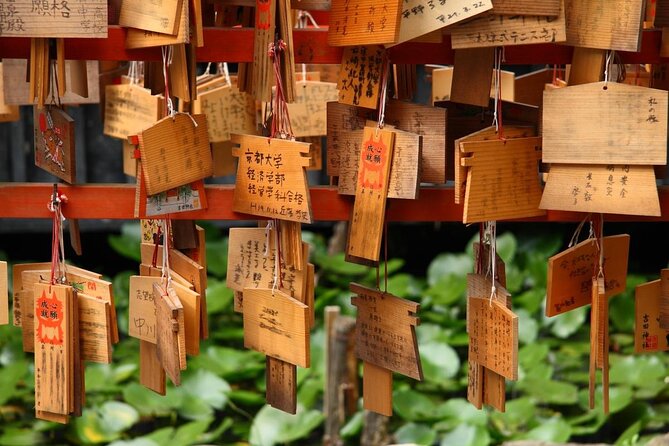
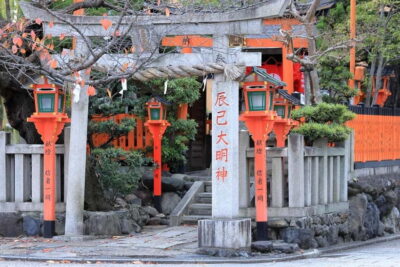
At Tatsumi-jinja Shrine, the focus shifts to Shinto. You spend about 15 minutes learning about Japan’s native religion and the idea that there are eight million gods.
This small shrine makes a useful contrast with the theaters and teahouse districts. Kyoto’s cultural life is not divided into neat boxes. Religious practice, seasonal events, theater, food, clothing, and social customs often overlap.
You will not receive a full course in Shinto in a quarter hour, but the stop gives you a simple framework for understanding shrine gates, worship customs, and the role of local shrines. I like this kind of short explanation because it keeps the walk moving while giving you enough context to recognize what you see elsewhere in Japan.
Same city, a completely different kind of day:
- PERFECT KYOTO 1-Day Bus Tour
★ 5.0 · 13,518 reviews - Kyoto: Fushimi Inari, Kinkakuji, Bamboo Grove 1 Day Bus Tour
★ 4.8 · 4,316 reviews - Kyoto: Tea Ceremony in a Traditional Tea House in Kiyomizu
★ 4.9 · 3,519 reviews - Kyoto: Tea Ceremony Ju-An at Jotokuji Temple
★ 4.9 · 3,207 reviews
Hanamikoji Street and the chance of a maiko sighting
Hanamikoji Street is Gion’s main street and another key stop. The scheduled visit lasts about 10 minutes.
This is the part of the walk where many people hope to see a geiko or maiko in traditional dress. You might find one passing by, but the timing is luck. The guide’s commentary is the dependable part of the stop.
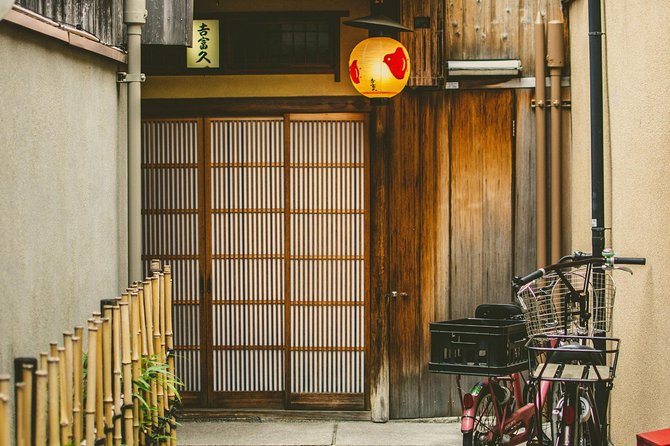
Hanamikoji also helps you see the contrast between public streets and the private world behind traditional entrances. You can appreciate the architecture and atmosphere without expecting every doorway to be open. Keep your voice low, stay aware of signs, and follow local rules about photography.
The walk is likely to be most rewarding if you arrive curious about daily life in the district, not just the chance for a dramatic picture. The later meeting provides the real opportunity for conversation and performance.
Kennin-ji and Zenkyoan add a Buddhist perspective
The route continues to Kennin-ji, a Zen Buddhist temple founded in 1202. The stop lasts around 15 minutes. Admission is not included, so treat it as a passing visit unless you separately arrange entry.
Kennin-ji gives the guide another useful subject: Zen Buddhism. After hearing about Kabuki and Shinto, you get a brief look at the Buddhist traditions that also shaped Kyoto.
The next stop is Zenkyoan, also called Marishitendo, a Kennin-ji subtemple in Gion. It is known for boar guardians and associations with luck and safety. Again, admission is not included.
These stops make the walking portion feel broader than a standard geisha district tour. You are not only following a maiko theme. You are moving through several parts of Kyoto’s cultural story, from theater and religion to neighborhood life.
The drawback is time. Fifteen minutes at each site is enough for an explanation and a look around, but not enough for a full temple visit. If Kennin-ji is high on your Kyoto list, return independently when you have more time.
The 45-minute maiko meeting and show
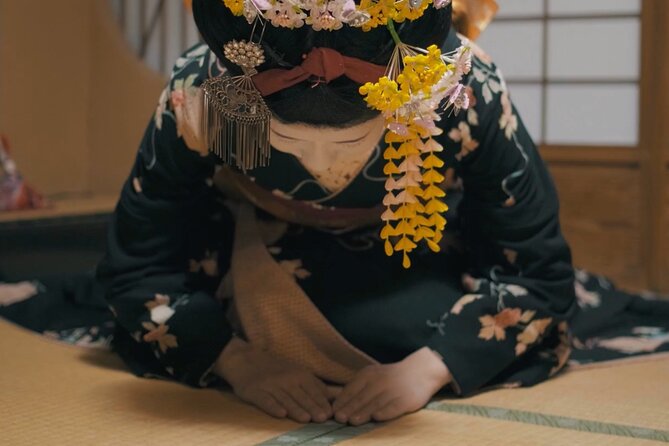
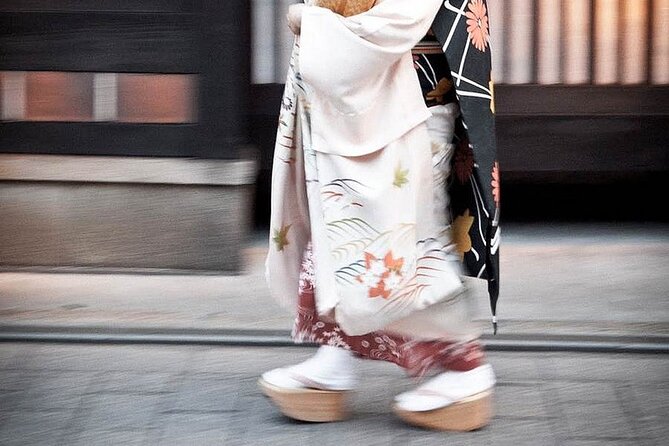
The final part is the reason most people book this experience. You meet an apprentice geisha, enjoy tea, watch a dance performance, and ask questions. The session lasts about 45 minutes and includes one or two songs or dances.
The format is more personal than watching a stage show from a distant seat. You have time to see the maiko’s formal presentation and then hear about her work and traditions. Your guide translates and helps manage the conversation, so you are not left guessing at the meaning.
The question period is especially valuable. It gives you a chance to ask about the training and customs that the walking route introduces. The exact conversation depends on the group, but the experience is designed as a meeting, not only a performance.
Several practical touches can make a difference. Guides have helped with photographs, translated questions, assisted with restaurant service, and made sure solo participants felt included. One guide even offered a jacket to someone who arrived unprepared for the weather. Another carried cold cloths, icy drinks, umbrellas, and rain ponchos during difficult conditions.
Those details show why the guide is important. The maiko is the featured performer, but the guide connects the two cultures in the room.
Photography and social media rules deserve respect. At least one account specifically noted that photographs from the meeting could not be shared on social media. Follow the instructions given on the night, and do not assume every image is yours to publish.
Dining options and what the price really buys
The listed price is about $121.37 per person. That is a substantial amount for a three-hour activity, but the value depends on what you want from the evening.
The walking tour itself includes a private-style cultural guide, a route through Gion, and explanations of several major traditions. The maiko meeting, translation, tea, and performance are the larger part of the cost. Comparable access to a private geiko performance can be difficult to arrange independently, so the chance to ask questions is a meaningful benefit.
Dining options can change the calculation. Several accounts describe the meal as delicious or high quality, and one describes family-style service with plenty of choice and attention to dietary restrictions. Another account found the meal too small and felt the added cost was poor value.
That mixed picture suggests a simple rule: do not book the meal blindly. Check whether your selected price includes dinner, what style of meal is provided, and whether drinks are included. If you have a large appetite, eat a light snack first. That protects you from paying for the cultural experience while worrying about hunger.
Tips for the maiko are not included. The supplied details specifically list a tip for the maiko as an extra cost, so carry some money and ask your guide how this is handled.
Timing, meeting point, and physical demands
The starting point is the Statue of Izumo-no-Okuni at Kawabatacho in Kyoto’s Higashiyama Ward. It is near public transportation, which makes the beginning fairly practical.
The activity ends at a different location from the start. Check the final meeting and ending details carefully when you book, especially if you have an evening train, a restaurant reservation, or a long ride back to your accommodation.
You will be walking for most of the first two hours, with stops along the way. The experience is not recommended for people with leg problems. Wear comfortable shoes, and prepare for changing weather. The activity requires good weather, and poor conditions can lead to a new date or a full refund.
The group maximum is nine people. That is large enough for conversation but small enough for the guide to keep track of everyone in narrow streets and during the meeting. Confirmation arrives at booking, and most people can participate, but the walking requirement remains the main physical issue.
Who should book this Kyoto evening?
I would choose this experience if you want cultural explanation as much as photographs. It suits first-time visitors to Kyoto who want a clear introduction to Gion, and it works well early in a Japan trip because it gives you context for geiko, maiko, Kabuki, Shinto, and Zen.
It is also a strong choice for solo visitors. The small group and attentive guides can make the evening feel social without forcing you to arrange a private tour.
Families with older children may enjoy the meeting and question period, provided everyone can manage the walking and understands the need for respectful behavior. Anyone mainly seeking a large stage production should choose a different type of show. This is a small cultural presentation, not a theater spectacle.
I would be cautious if your priority is a full dinner. The meal option has received both strong praise and a clear complaint about quantity. I would also skip it if you have limited mobility or want long visits inside the temples.
Should you book the Gion Cultural Walk and Geisha Show?
For most visitors who want a respectful introduction to Kyoto’s geiko and maiko traditions, yes. The combination of a well-planned Gion walk, a small group, direct questions, translation, and a live maiko performance gives you more context than a simple street tour.
The current score is 5 out of 5 from 483 ratings, with 99 percent recommending it. More important than the numbers is the consistent strength of the guide-hosting: Akari, Ken, and Kenta are repeatedly praised for clear explanations, warmth, cultural respect, and careful help during the meal and meeting.
Book it for the maiko conversation and cultural background, not for a guaranteed street sighting or a large dinner. Confirm the dining package, budget for the maiko’s tip, wear good shoes, and leave room in your schedule for the walk to finish at another location.
Free cancellation is available up to 24 hours before the start time. Late cancellations and changes are not accepted, while weather or minimum-group cancellations can bring a new date or full refund.
FAQ
How long does the Gion Cultural Walk and Geisha Show last?
The experience lasts approximately three hours. About 1.5 to 2 hours are spent walking through Gion, followed by a 45-minute maiko meeting and show.
What is included in the activity?
The experience includes guided touring in Gion and a 45-minute meeting and show with an apprentice geisha. The session includes one or two dances or songs.
Will I definitely see a geisha walking in Gion?
No. Hanamikoji Street offers a chance to see a geiko or maiko, but a street sighting depends on timing and is not guaranteed. The planned maiko meeting is the dependable part of the experience.
Is dinner included?
Dining options are available, but the supplied details do not confirm that every booking includes a meal. Check the exact package before booking because the value and food arrangements can differ.
Is the meal suitable for dietary restrictions?
One dining account describes family-style food with many options and attention to dietary restrictions. You should still confirm your needs when booking or with the tour provider.
Is the maiko’s tip included?
No. A tip for the maiko is listed as an additional expense.
Where does the tour begin?
The tour begins at the Statue of Izumo-no-Okuni in Kawabatacho, Higashiyama Ward, Kyoto. The starting point is near public transportation.
Does the tour finish where it starts?
No. The activity ends at a different location. Check the ending details before booking if you have evening transport or another reservation.
Can everyone participate?
Most people can participate, but the activity is not recommended for people with leg problems. The experience also requires good weather and a minimum number of participants to operate.
More Dining Experiences in Kyoto
- Tokyo Bar Hopping Tour in Shinjuku (All-You-Can-Drink + Dinner)
★ 5.0 · 3,587 reviews - Tokyo: Sumo Show and Dining Experience
★ 4.8 · 2,742 reviews - Tokyo: Samurai Restaurant Show Ticket with 2 Drinks
★ 4.5 · 1,307 reviews - Deep Backstreet Osaka Tours (Option to add Dinner)
★ 5.0 · 1,290 reviews
More Dinner Experiences in Kyoto
- Kyoto Gion Cultural Walk & Geisha Show with Dining Options
★ 5.0 · 518 reviews - Kyoto: Geisha Dinner & Gion Cultural Walk
★ 5.0 · 73 reviews - Kyoto: Maiko Dinner in Traditional Restaurant and Tour
★ 4.8 · 55 reviews - Kyoto: Lunch or Dinner with Maiko
★ 4.2 · 52 reviews
Just added around Kyoto
- Taste of Nishiki Market Walking Food Tour with Local guide★ 5.0 · 17 reviews
- Kyoto: Sushi Making Class with Sushi Chef★ 4.8 · 64 reviews
- Kyoto: City Secrets eBike Tour★ 4.9 · 196 reviews
- Sacred Pathways: Discover the Philosopher’s Path of Kyoto★ 4.9 · 20 reviews
- Private Tour to Monkey Park and Arashiyama Highlights★ 5.0 · 22 reviews
- Private Nara Tour from Osaka – Meet at Your Hotel★ 5.0 · 22 reviews
- Private Sake Tasting in Central Kyoto with Sake Sommelier★ 5.0 · 13 reviews
- Kyoto : Private Custom Walking Tour With A Local Guide★ 4.6 · 144 reviews
Kimono & Culture Experiences, compared.
Kyoto Geisha Walking Tour: Gion District & Hidden Gems
Read our review →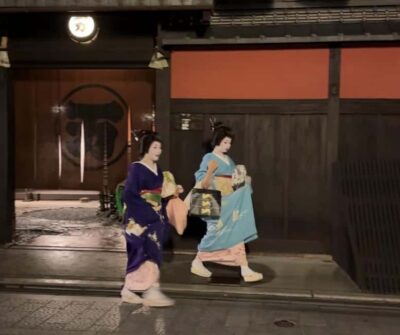
Gion Magical Night Walking Tour with Geisha Trivia
Read our review →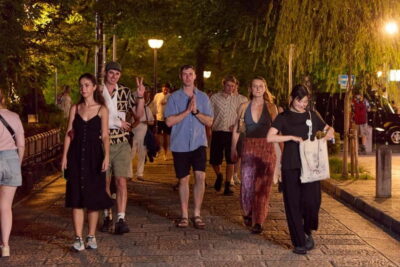
Gion Geisha District Walking Tour – Stories of Geisha
Read our review →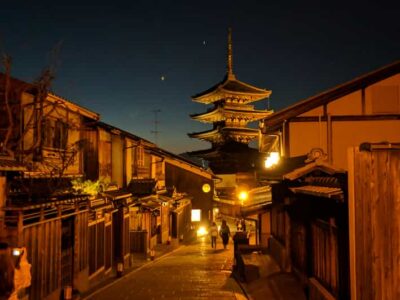
Best of Kyoto: Gion, Geisha, Pagodas & Cobblestones
Read our review →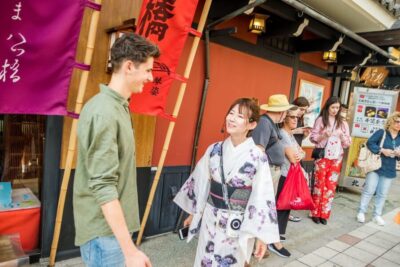
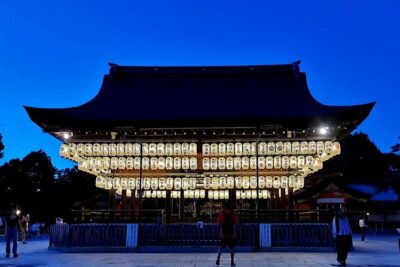
Kyoto Gion Geisha District Walking Tour – The Stories of Geisha
Read our review →
Browse the lists this tour appears in