
REVIEW · FOOD MARKET TOURS
Kyoto Evening Gion Food Tour Including Kaiseki Dinner
Kyoto’s evening magic begins on foot, with the Kamo River terraces leading you toward Pontocho and Gion as lanterns come on and wooden tea houses take over the streets. The walk ends with a 10-course kaiseki dinner, so this is part neighborhood tour and part introduction to Japan’s most formal style of cooking.
I like two things here: the guide provides cultural context that is hard to pick up while wandering alone, and the small group, capped at 10 people, leaves room for questions. The route also includes local tastings, such as matcha cookies and other Kyoto treats, before dinner.
The catch is the price: $276 per person is a serious outlay, and the dinner may feel less generous or refined than you expect if you have already had top-level kaiseki in Kyoto or Tokyo. You are paying for the guide, the setting, the meal, and the evening’s structure, not simply for dinner.
In This Review
- Key Points Before You Book
- From the Kanji Museum to the Kamogawa River
- Pontocho After Dark
- Gion’s Wooden Streets and Shirakawa
- What the Geisha Explanation Adds
- The Ten-Course Kaiseki Dinner
- Guide Quality Makes the Difference
- Walking, Weather, and Timing
- Is $276 a Fair Price?
- Who Will Enjoy This Evening Most
- Should You Book It?
- FAQ
- How long is the Kyoto Evening Gion Food Tour?
- Where does the tour start?
- Where does the tour end?
- What food and drinks are included?
- Is the tour suitable for dietary restrictions?
- How many people can join the tour?
- What is the cancellation policy?
Key Points Before You Book
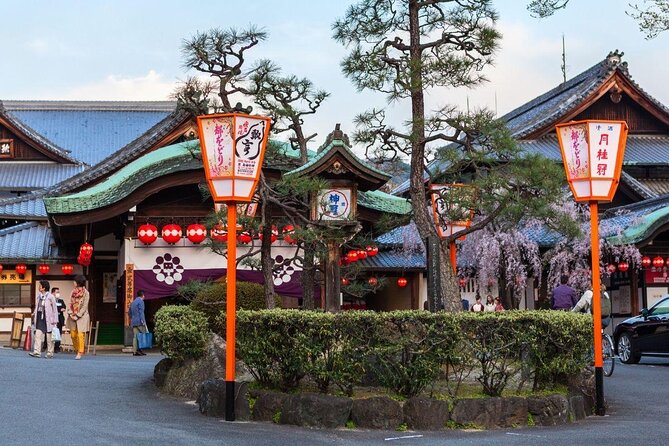
- A 5 pm walk through Gion and Pontocho: See Kyoto’s old entertainment districts at the hour when the streets begin to change character.
- A 10-course kaiseki dinner: Seasonal ingredients, green tea, dessert, and one included drink are part of the evening.
- Small groups up to 10 people: The format is better for questions and conversation than a large bus tour.
- Guides who explain more than landmarks: Guides including Yoshiko, Thomas, Sae, Bernard, Akari, and others have been praised for making geisha culture and Japanese food easy to understand.
- Plenty of walking: The route crosses the Kamogawa bridge and continues through streets and lanes in Gion, so good fitness and comfortable shoes matter.
- A costly but convenient first-night introduction: It can cover a lot of cultural ground in three hours, but the value depends on how much you want the guide and dinner experience.
From the Kanji Museum to the Kamogawa River
The meeting point is the Japan Kanji Museum and Library at 551 Gionmachi Minamigawa. You meet at 5 pm, then set out with your guide toward the Kamogawa River.
The opening walk helps you get your bearings in eastern Kyoto. Instead of dropping you straight into a restaurant, the tour gives you a short look at how the river, bridges, entertainment districts, and old lanes fit together. That matters in Gion, where a few turns can take you from a busy main road to a quiet street lined with wooden buildings.
Crossing the Kamogawa bridge is one of the simple pleasures of the route. Along the river, long terraces provide a place for local people to sit and relax in the evening. Your guide points out this everyday Kyoto scene, which can be more revealing than racing from one famous temple to the next.
There are also tastings along the way. The exact stops can change, but the experience has included Kyoto sweets such as matcha cookies and visits to small specialty shops, including a plum shop. These stops add flavor to the walk and give your guide a chance to explain ingredients and food customs.
Do not expect a full tasting crawl before dinner. The meal is the main food event, and the early samples are best viewed as small introductions to Kyoto’s local tastes.
More Food Market Tours in Kyoto
- Nishiki Market Brunch Walking Tour (7 Tastings + Brunch)
★ 5.0 · 1,355 reviews - Kimono Tea Ceremony at Kyoto Maikoya, NISHIKI
★ 5.0 · 911 reviews - Kyoto Nishiki Market Food and Culture Walking Tour
★ 5.0 · 412 reviews
Pontocho After Dark
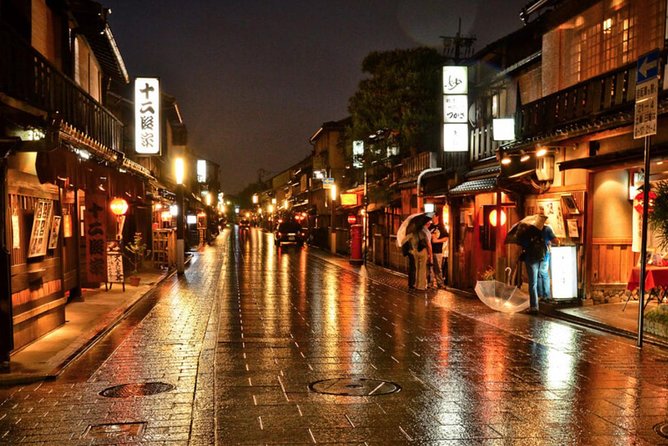
From the river, the route heads toward Pontocho, a narrow entertainment area traditionally linked with geisha culture since the 16th century. It is one of Kyoto’s most atmospheric places to walk in the evening, with old-style buildings, small restaurants, and teahouses packed along tight lanes.
Pontocho is also a place where appearances can mislead. A restaurant may look modest from the street yet serve an expensive meal behind its door. Many venues are exclusive, and some are invitation-only, so having a guide explain the area gives you useful context even when you are not entering every restaurant.
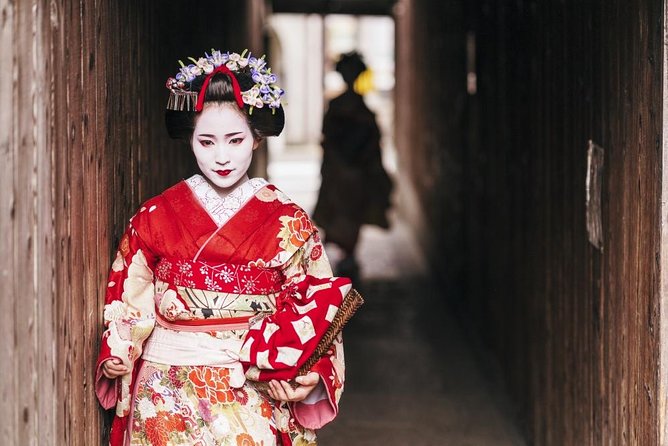
You may see geiko or maiko moving between teahouses in kimono. That possibility should be treated as a bonus, not a promise. The tour explains how the geisha system works and helps you understand the difference between the entertainment district, the tea houses, and the women who work within that tradition.
The best guides keep this subject respectful. Several guides named in the feedback, including Thomas, Yoshiko, Sae, Bernard, and Akari, were praised for explaining the culture in clear English without turning the walk into a lecture. That balance matters. Gion is a living neighborhood, not a stage set built for photographs.
Gion’s Wooden Streets and Shirakawa
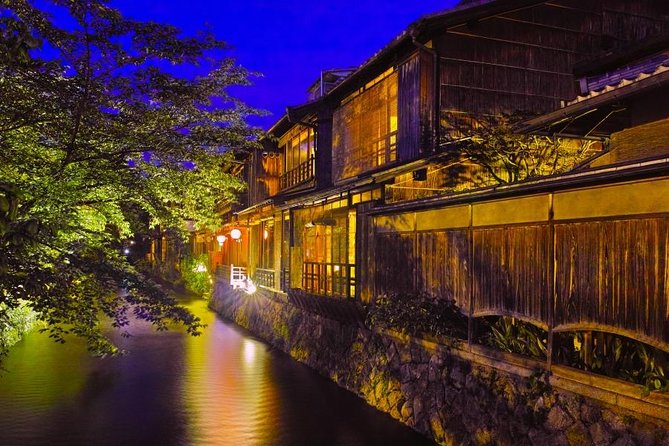
The walk continues into Gion, Kyoto’s best-known traditional entertainment district. Here, wooden buildings, tea houses, restaurants, and small shrines create a strong sense of old Kyoto.
The route can include Gionmachi, Gion Shirakawa, Tatsumi Daimyojin Shrine, Tatsumi Bridge, Hanamikoji Street, Gion Corner, the Statue of Izumo-no-Okuni, Yasaka Pagoda, and other nearby sights. The exact order and stops can change because of restaurant schedules, holidays, weather, or other local conditions.
Gion Shirakawa is especially appealing. The Shirakawa neighborhood follows a smaller canal and offers a quieter setting than the main streets. You get a chance to walk at a slower pace, take in the old architecture, and hear about the lives of geiko and maiko.
Hanamikoji Street provides a different view. It is one of the main roads through the district, and it shows how Gion’s polished public face connects with its smaller lanes. Your guide may take you along both broad streets and back alleys, giving you a better feel for the area than a quick photo stop.
The shrines and statues add cultural detail. Tatsumi Daimyojin Shrine is a small local place of worship, while the statue of Izumo-no-Okuni recalls the performer traditionally associated with the beginnings of kabuki. These are not long temple visits, but they help connect Gion’s entertainment traditions with Kyoto’s wider arts culture.
The stop at Yasaka Pagoda and Hōkanji Temple may appeal to photographers, though the tour does not present itself as a temple tour. If your main goal is a detailed visit inside major religious sites, you will need separate time for that.
What the Geisha Explanation Adds
Gion can be difficult to read without help. You may see a woman in kimono and have no idea if she is a maiko, a geiko, a visitor in rented clothing, or someone simply dressed for an evening out.
A guide gives you a framework for understanding what you see. The discussion covers the training and working life connected with geisha culture, as well as the role of tea houses and traditional entertainment. Several guides have been singled out for explaining these customs with warmth and enthusiasm.
This is one of the tour’s strongest features. A self-guided walk can show you the buildings, but it may not explain why the district has such strict customs or why certain restaurants are difficult to enter. The guide also helps you observe politely. You should not block narrow lanes, touch anyone’s clothing, or chase after a maiko for a photograph.
Sightings are not guaranteed. The walk may still be worthwhile on a quiet evening because the district itself, and the explanations around it, are the main attraction.
Same city, a completely different kind of day:
- PERFECT KYOTO 1-Day Bus Tour
★ 5.0 · 13,518 reviews - Kyoto: Fushimi Inari, Kinkakuji, Bamboo Grove 1 Day Bus Tour
★ 4.8 · 4,316 reviews - Kyoto: Tea Ceremony in a Traditional Tea House in Kiyomizu
★ 4.9 · 3,519 reviews - Kyoto Geisha Walking Tour: Gion District & Hidden Gems
★ 4.7 · 3,273 reviews
The Ten-Course Kaiseki Dinner
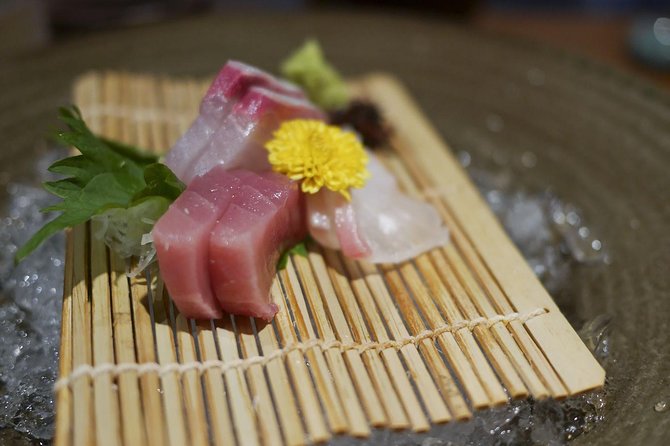
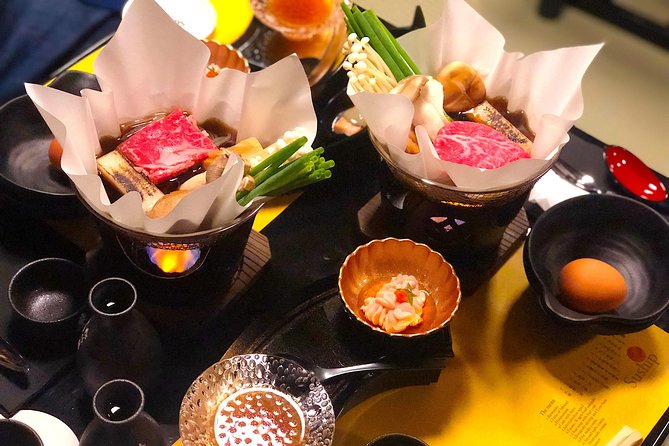
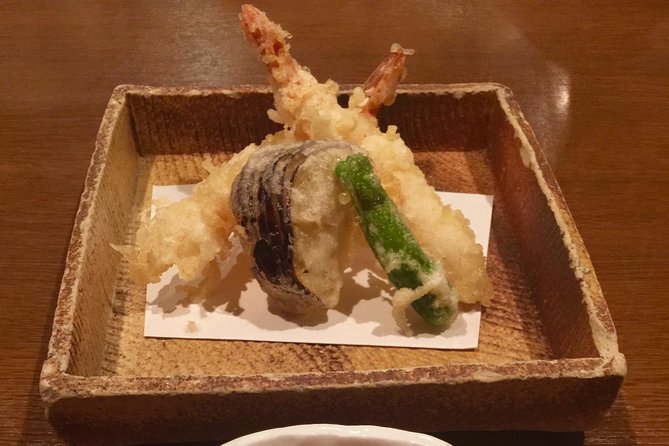
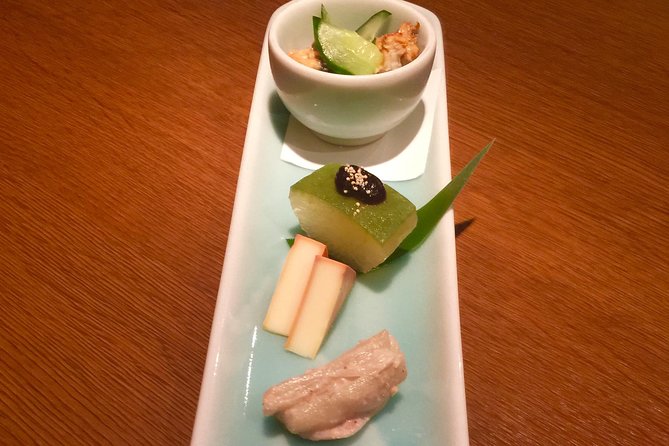
The evening finishes with a 10-course kaiseki meal, green tea, dessert, and one included drink. The final destination is in the Pontocho area, at Pontocho Idumoya, 173-2 Kashiwayacho. The tour ends there rather than returning you to your hotel.
Kaiseki is built around balance, seasonality, presentation, and carefully handled ingredients. Courses are generally served in a deliberate sequence, with each dish offering a different texture, color, or flavor. Your guide explains what you are eating and why the meal is arranged in this style.
That explanation makes a big difference. If you are new to kaiseki, a small dish can otherwise seem mysterious or easy to dismiss as too little food. With context, you can pay attention to the changes from course to course and understand that the meal is designed as a progression rather than a single large plate.
The meal has received strong praise for its variety and taste. Some people described it as delicious and filling, with one person advising you to arrive hungry because there is a lot of food. Others found the food solid but not impressive enough for the price, especially after having excellent kaiseki elsewhere.
That mixed value judgment is important. This is not necessarily the finest kaiseki dinner available in Kyoto. It is a guided introduction that combines food with neighborhood history and customs. If you want a serious, stand-alone culinary splurge, you may prefer to spend the same money on a higher-end restaurant reservation. If you want someone to explain the meal as it arrives, this format has more to offer.
The included beverage is limited to one drink, plus green tea and dessert. Extra food and drinks cost more. Vegetarian, pescatarian, and gluten-free diets are supported, and the tour has also handled food allergies well, but you should provide accurate details when booking.
Guide Quality Makes the Difference
The guide is the most important variable in this experience. The strongest guide feedback centers on people who are warm, clear, and able to answer questions about both Gion and Japanese food.
Yoshiko has been praised for her kindness and enthusiasm. Thomas has been noted for his strong English and ability to connect the meal with Japanese culture. Sae, Bernard, Akari, Rosalia, Russ, G, and Sabreena have also been praised for making the walk personal and enjoyable.
Guide assignments can change, so you should not book on the assumption that one particular person will lead your group. Still, the pattern is clear: the experience works best when the guide treats the evening as a conversation rather than a memorized script.
Small groups help. Some outings have had only a couple of people, while others have included families with children. A smaller party gives you more time to ask about food, manners, Kyoto neighborhoods, and the parts of Japan you have already seen.
One family even brought a baby and found the dinner setting accommodating. Children must be accompanied by an adult, and passport information is required for children aged 10 and above. The minimum drinking age is 21.
Walking, Weather, and Timing
This is a three-hour experience, but you should think of it as an active evening on foot. You cross the Kamogawa bridge, walk through Gion and Shirakawa, and continue between several districts before sitting down to dinner.
The operator asks for a strong fitness level. That is sensible. Even without steep climbs, several hours of walking on city streets can tire you, especially after a full day of sightseeing. Wear comfortable shoes and avoid scheduling a demanding temple visit immediately before the tour.
The 5 pm start is well chosen for atmosphere. You get some daylight at the beginning, then see the districts shift into evening mode. It also leaves you at the Pontocho end of town after dinner, close to restaurants and nightlife if you want to continue your evening.
Transportation is not included. You make your own way to the meeting point and arrange your return from Pontocho. The tour is near public transportation, but hotel pickup and drop-off are not provided.
Weather can affect the outing. The tour requires good weather, and heavy rain can make the river walk and narrow lanes less comfortable. Tours canceled for poor weather are offered another date or a full refund. Changes to the route can also happen because of holidays, restaurant schedules, or other unforeseen conditions.
Is $276 a Fair Price?
At $276 per person, this is among the more expensive ways to spend three hours in Kyoto. The price includes a local guide, the walking tour, a 10-course dinner, green tea, dessert, and one drink.
The value improves if you are new to Japan and want several experiences combined into one evening. You get an introduction to Gion, Pontocho, geisha culture, local sweets, and kaiseki without having to research restaurants or work out the etiquette yourself.
The value is weaker if you have already explored Gion, understand kaiseki, or are comparing the cost strictly with dinner prices. A few people found the meal too ordinary for the fee. That is a fair concern, especially for repeat visitors who already know Kyoto’s food scene.
I would see this as a cultural orientation with dinner, not simply a food tour. First-time visitors often get more from it because the guide gives meaning to sights that might otherwise blur together. Repeat visitors may want a more specialized cooking experience or a restaurant chosen for the meal alone.
Who Will Enjoy This Evening Most
This tour suits you if you want a polished introduction to Kyoto’s traditional side and prefer learning through conversation. It is especially useful on a first visit, or early in your stay, when you still have questions about geisha culture and Japanese dining.
Families can fit comfortably if children handle walking and a long, formal meal. Couples may appreciate the evening setting and small-group format. Solo visitors are welcome to ask about joining, but the operator requests that solo participants email in advance.
You should think twice if you dislike structured meals, have limited mobility, or want a casual series of large food portions. The route requires walking, and kaiseki is measured and artistic rather than buffet-like.
Should You Book It?
Book this Kyoto Gion food tour if you want a guide to connect the streets, customs, and dinner into one organized evening. The best reason to choose it is not the promise of the city’s most extraordinary meal. It is the chance to understand Gion and kaiseki at the same time, with a small group and a guide who can answer your questions.
Skip it if $276 feels too high for a dinner-led tour, or if you already know Kyoto’s geisha districts and have eaten high-end kaiseki. For a first-time visitor with one free evening, though, the combination of Kamogawa scenery, Gion lanes, Pontocho atmosphere, and a 10-course meal can justify the cost.
Free cancellation is available up to 24 hours before the 5 pm start time. Same-day booking is offered, but solo visitors should contact the operator directly. Plan your route to the meeting point carefully, arrive ready to walk, and leave room in your budget for any extra drinks.
FAQ
How long is the Kyoto Evening Gion Food Tour?
The experience lasts approximately three hours and starts at 5 pm.
Where does the tour start?
The meeting point is the Japan Kanji Museum and Library at 551 Gionmachi Minamigawa, Higashiyama Ward, Kyoto.
Where does the tour end?
The tour ends in the Pontocho area at Pontocho Idumoya, 173-2 Kashiwayacho, Nakagyo Ward, Kyoto.
What food and drinks are included?
You receive a 10-course kaiseki dinner, green tea, dessert, and one included drink. Additional drinks or food are not included.
Is the tour suitable for dietary restrictions?
Vegetarian, pescatarian, and gluten-free options are supported. Food allergies have also been accommodated, but you should provide your requirements when booking.
How many people can join the tour?
The maximum group size is 10 people.
What is the cancellation policy?
You can cancel at least 24 hours before the start time for a full refund. Changes or cancellations made less than 24 hours before the tour are not accepted for a refund. If poor weather or insufficient bookings cancel the experience, you are offered another date or a full refund.
More Dining Experiences in Kyoto
- Private Dinner with a Geisha
★ 5.0 · 65 reviews - Kyoto: Maiko Dinner in Traditional Restaurant and Tour
★ 4.8 · 55 reviews - Kyoto: Lunch or Dinner with Maiko
★ 4.2 · 52 reviews - Private Dinner with Maiko and Geiko in Kyoto
★ 5.0 · 28 reviews
More Dinner Experiences in Kyoto
- Kyoto Gion Cultural Walk & Geisha Show with Dining Options
★ 5.0 · 518 reviews - Kyoto Gion Cultural Walk & Geisha Show with Dining Options
★ 5.0 · 483 reviews - Dinner with Maiko in a Traditional Kyoto Style Restaurant Tour
★ 5.0 · 175 reviews - Kyoto: Geisha Dinner & Gion Cultural Walk
★ 5.0 · 73 reviews
Just added around Kyoto
- Private Guided Traditional Buddhist Cooking in Japan★ 5.0 · 16 reviews
- Kyoto: Gion Geisha District & Sake-in-Hand Walking Tour★ 5.0 · 37 reviews
- Your Private Vacation Photography Session In Kyoto★ 5.0 · 110 reviews
- Kyoto: Zen Meditation at a Private Temple with a Monk★ 5.0 · 25 reviews
- Traditional Japanese Washi Papermaking- Kyoto morning★ 5.0 · 77 reviews
- Kyoto Wagashi(Japanese sweets) Cooking Class near Fushimiinari★ 5.0 · 60 reviews
- Private Pewter Sake Cup Experience with a Kyoto Artisan★ 5.0 · 31 reviews
- Private Cooking Class Udon in Kyoto Japan★ 5.0 · 23 reviews
Food Market Tours, compared.
Shinjuku Food Tour (13 Dishes at 4 Local Eateries)
Read our review →
Tokyo Tsukiji Fish Market Food and Culture Walking Tour
Read our review →
Shinsekai Food Tour with 13-15 Dishes at 5 Eateries
Read our review →
Osaka Food Tour: 13 Dishes at 5 Local Eateries
Read our review →
Shinjuku Food Tour (15 Dishes and 4 Eateries)
Read our review →
Best of Shinjuku: Izakaya Food Tour (4 Stops, 14+ Tastings)
Read our review →
Hungry Osaka Street Food Tour:15 Tastings & 3 Drinks with a Local
Read our review →
Browse the lists this tour appears in