
REVIEW · SUMO EXPERIENCES
Tokyo: Sumo Show and Dining Experience
Sumo is much more than two enormous men pushing each other out of a circle. At Tokyo Sumo Room, you sit close to the action, learn the rules and rituals in English, then watch former wrestlers show what the sport demands. If you are willing, you can even enter the ring for a lighthearted bout with a rikishi.
I like the small, friendly setting, where the host and wrestlers can joke with the audience instead of treating the event like a distant stage show. I also like the food connection, especially the chanko-nabe inspired meal, which helps explain how sumo culture reaches beyond the dohyo.
The main thing to watch is the booking choice. The 3:00 PM show has no meal plan, and the wording around show-with-dinner options can be confusing, so check that your selected time and ticket actually include food. Transportation is also on you.
In This Review
- Key points to know before booking
- Entering Tokyo Sumo Room in Kiyosumi-Shirakawa
- The English introduction makes sumo easier to understand
- Watching the former wrestlers demonstrate their craft
- Trying sumo yourself in the ring
- Eating chanko-nabe and Japanese dishes
- How long the experience takes and who will enjoy it
- Accessibility, language, and practical planning
- Is $79 a fair price for Tokyo sumo?
- Should you book Tokyo Sumo Room?
- FAQ
- Where is Tokyo Sumo Room located?
- How long does the sumo experience last?
- Is the instruction available in English?
- Does every show include food?
- Are vegetarian dishes available?
- Can I participate in a sumo bout?
- Is the venue wheelchair accessible?
Key points to know before booking
- Former Makuuchi wrestler Tokitsumi runs the venue, giving the presentation a direct link to professional sumo.
- The wrestlers perform practice bouts and competitions before inviting audience members to try the sport.
- Audience participation is a major part of the fun, but you can watch without entering the ring.
- The 11:00 AM and 7:00 PM meal options include Japanese cuisine, while the 3:00 PM show does not offer a meal plan.
- English instruction, vegetarian food on request, and wheelchair access make this easier for many international visitors.
- Kiyosumi-Shirakawa is reachable by public transport, but you must arrange your own way to and from the venue.
Entering Tokyo Sumo Room in Kiyosumi-Shirakawa
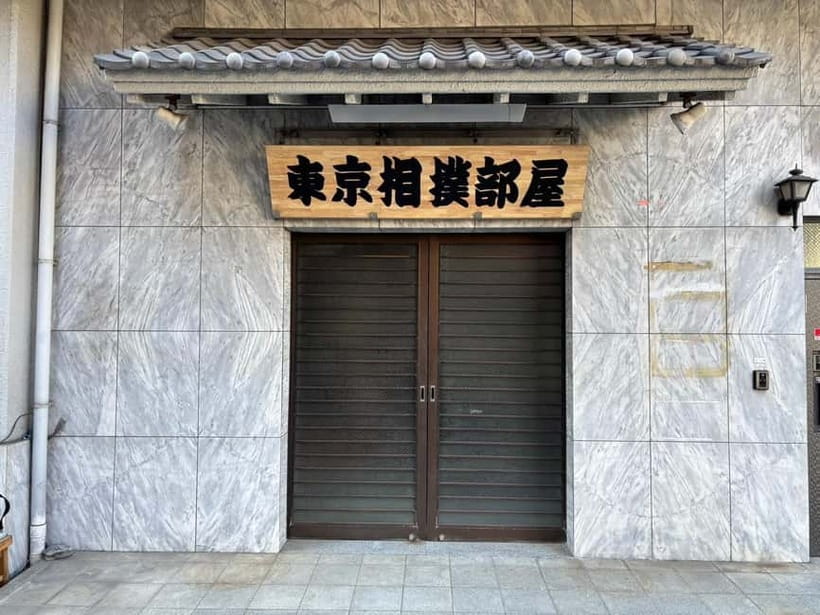
Tokyo Sumo Room is in Kiyosumi-Shirakawa, a district on Tokyo’s Honshu side that is easy to reach by public transport. The venue is operated by former Makuuchi wrestler Tokitsumi, which matters: this is not simply a restaurant that has added a few sumo costumes to the evening.
The room is designed around close contact with the action. You are near the ring, not in a large arena several sections away. That makes the experience especially useful for a first look at sumo, since you can see the wrestlers’ footwork, balance, body control, and preparation at close range.
The listed price is $79 per person. I consider that reasonable for a two-hour cultural evening if you choose a meal option and take part in the full program. You are paying for a hosted explanation, live performances, interaction with former wrestlers, and Japanese food, rather than only for a short demonstration.
The value is weaker if you expect a full professional tournament. This is a cultural show and hands-on introduction, not a day at the Ryogoku Kokugikan during an official tournament. The wrestlers demonstrate their skill and stage friendly bouts, but the purpose is education and entertainment.
More Sumo Experiences in Tokyo
- the SUMO show
★ 5.0 · 1,960 reviews - Tokyo Shinjuku Sumo Show & Experience with Photo
★ 5.0 · 1,750 reviews - Tokyo: Sumo Show and Experience in Shinjuku
★ 4.8 · 1,001 reviews
The English introduction makes sumo easier to understand
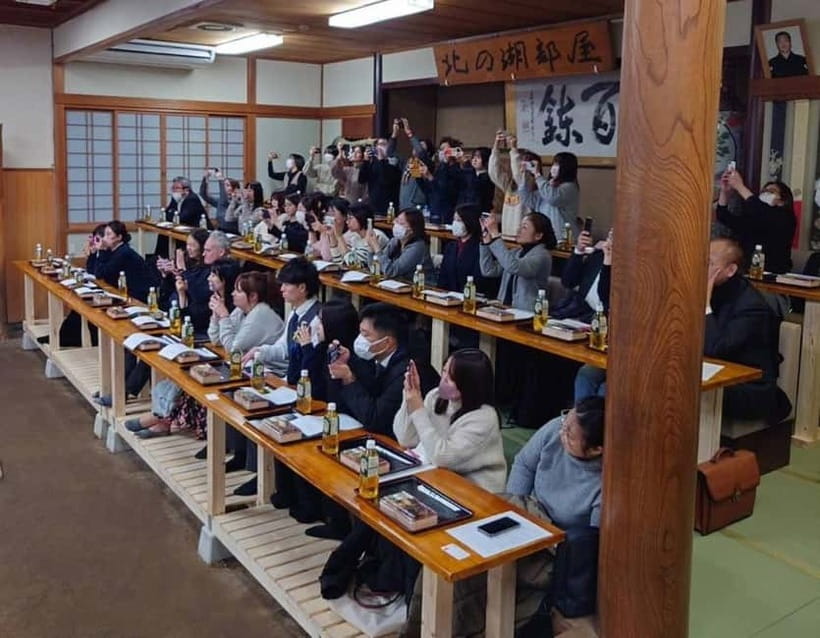
The event begins with an English presentation about sumo’s history, customs, rules, and basic movements. Sumo can look simple at first glance: two wrestlers, one circular ring, and a quick push. The introduction shows why the sport has more layers than that.
You learn about the traditional structure of a bout and what counts as victory. The host also explains the physical preparation involved, so the wrestlers’ later demonstrations have more meaning. Their movement is not just about size. Balance, timing, leverage, and explosive strength all matter.
This English guidance is one of the strongest reasons to book the experience. Without an explanation, a match can be over before you understand what happened. Here, the host gives you enough background to follow the action and appreciate the small details.
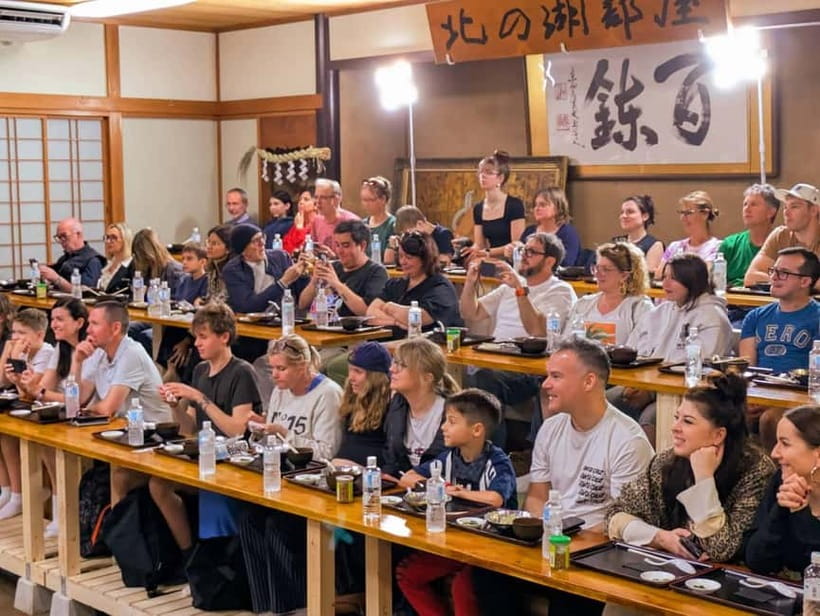
The tone is intentionally relaxed. The host uses humor, answers questions, and keeps the presentation moving. That makes the event suitable for people who know almost nothing about sumo. It also works for families, since children can follow the demonstrations without sitting through a long formal lecture.
Do not expect an academic seminar. The history section is short and practical, designed to prepare you for the show. If you want a detailed account of every rank, ceremony, and rule in professional sumo, you will need a separate visit to a tournament or museum.
Watching the former wrestlers demonstrate their craft
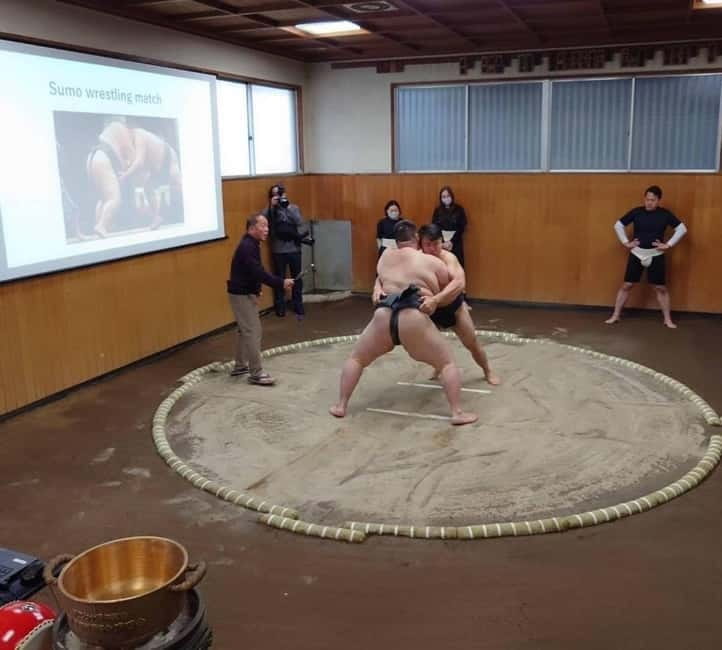
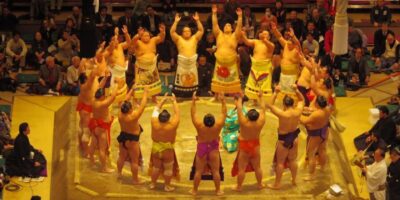
After the introduction, the rikishi show the strength and control behind sumo. The program can include practice, demonstrations, and several friendly competitions. The exact number of wrestlers may vary, and some sessions have featured two former wrestlers while others have included three.
This variation can affect the feel of the event. A smaller group may make the room feel more personal, with more direct conversation and attention. The venue can accommodate a larger group, but the supplied details note that some sessions have had only eight people, with space for more than 20. A quiet night could be a bonus if you prefer an intimate setting.
The demonstrations are physical but also playful. The wrestlers show their technique, tease one another, and involve the audience in the fun. The humor keeps the presentation from feeling stiff, but it does not erase the athletic side. You can see quickly that the exercises and bouts require serious conditioning.
I especially like the contrast between the wrestlers’ friendly manner and their power in the ring. Several parts of the program are built to make that contrast clear. A wrestler may appear relaxed while speaking with you, then show how difficult it is to resist even a controlled push.
The entertainment is close-up rather than grand. There may not be the ceremony and scale of a tournament, but you gain access to the people explaining the sport. That personal contact is the reason this works better as a cultural activity than as a substitute for a professional match.
Trying sumo yourself in the ring
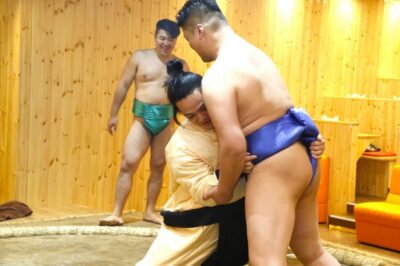
The audience participation is the part many people remember most. Willing participants can receive a sumo lesson and then simulate a fight with one of the wrestlers. You do not have to participate, so cautious visitors can watch from their seats while more adventurous members of the group try the ring.
This is not a serious contest. The former wrestlers control the encounter and keep it playful, making it possible for children and adults to join in. Still, you will feel the difference in strength immediately. A brief push against a trained rikishi can make the physical demands of sumo clear in a way no explanation can.
Wear comfortable shoes. You may also want clothing that allows easy movement, especially if you think you might volunteer. The venue specifically recommends bringing a camera, and one account describes the owners helping record participants’ bouts. Treat that as a useful possibility, not a guaranteed service for every session.
Some participants have worn a mawashi for the activity and found it less uncomfortable than expected. If that option is offered during your visit, staff will guide you through it. If you would rather not wear one, you can simply watch the demonstrations and enjoy the show.
This section is a good test of your travel style. If you like interactive activities, volunteer early or be ready when the host asks for participants. If you dislike being put on the spot, sit back with no guilt. You will still see the technique up close, and the audience reaction is part of the entertainment.
Same city, a completely different kind of day:
- Mt Fuji and Hakone 1-Day Bus Tour Return by Bullet Train
★ 5.0 · 26,383 reviews - 1-Day Tokyo Bus Tour
★ 5.0 · 14,250 reviews - Tokyo: TOKYO SKYTREE® Admission ticket
★ 4.5 · 11,192 reviews - Tokyo: teamLab Planets TOKYO Digital Art Museum Entry Ticket
★ 4.6 · 9,779 reviews
Eating chanko-nabe and Japanese dishes
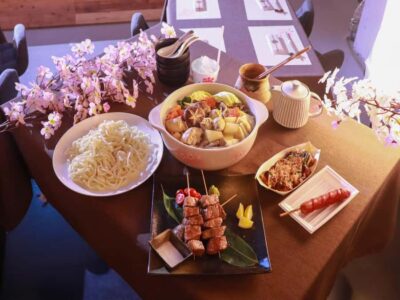
The meal option adds a useful cultural layer. Chanko-nabe is the hearty hot pot associated with sumo wrestlers, and the food served here is inspired by what rikishi eat. It is filling rather than delicate, which suits the theme and helps connect the meal to the wrestlers’ daily routine.
Several diners have especially enjoyed the hot pot, and some sessions have offered additional servings. Food is served alongside the presentation, so you can listen to the explanation while eating instead of treating dinner and the show as two separate activities.
The broader menu is described as Japanese cuisine with seasonal dishes. Exact items can vary, so do not book expecting a fixed list of particular plates. The important point is that the meal is part of the sumo setting, not a random restaurant dinner added to the ticket.
Vegetarian options are available if you request them. The information also says dishes can be modified on the day, but I would still make your preference clear when booking. That gives the kitchen more time to prepare and avoids relying on last-minute changes.
Here is the booking detail worth repeating: meal service is associated with the 11:00 AM and 7:00 PM shows when you select the meal option. The 3:00 PM show has no meal plan. One account specifically found the show-with-dinner wording unclear, so read the chosen ticket carefully and do not assume that every evening performance includes food.
Sake may be available as a personal purchase, but it is not listed as included. Budget for drinks and other personal expenses separately.
How long the experience takes and who will enjoy it
The stated duration is 90 minutes to two hours. That is long enough for the introduction, demonstrations, competitions, audience participation, and meal service when included, but short enough to fit into a busy Tokyo schedule.
The 11:00 AM time suits a daytime plan, especially if you want to pair it with other activities in eastern Tokyo. The 3:00 PM session can work as an afternoon cultural stop, but remember that it has no meal plan. The 7:00 PM show is the natural choice for dinner, provided you select the meal option.
I would recommend this most strongly to:
- Families with children who enjoy participation and comedy
- First-time visitors who want a clear introduction to sumo
- Adults who want a cultural evening without the formality of a theater performance
- Small groups celebrating a birthday or special occasion
- Visitors who cannot attend an official sumo tournament during their Tokyo stay
The event has also worked well for solo visitors. The social format gives you something to do beyond sitting quietly, and the staff are described as welcoming to people attending alone.
It may not suit you if you want a completely quiet meal, a serious athletic competition, or a long, technical lecture. The room is designed for interaction, and the humor and audience involvement are central rather than optional decoration.
Accessibility, language, and practical planning
The activity is wheelchair accessible, and the instruction is in English. That makes it one of the easier ways for international visitors to learn about sumo without needing Japanese language skills.
Transportation is not included. Use public transport to reach Kiyosumi-Shirakawa, and allow enough time to find the venue. The district is accessible, but Tokyo’s large rail and subway network can still make a short journey take longer than expected if you change lines.
Book ahead, particularly if you need a specific time or want the meal option. The activity is popular, and the venue’s smaller format means spaces can fill even when the total capacity is not huge.
Bring comfortable shoes and a camera. Smoking is not allowed, including indoors. Personal expenses, such as drinks, are separate from the listed price.
You can cancel up to 24 hours in advance for a full refund, and the reserve-now, pay-later option helps if your Tokyo plans are still shifting. That flexibility is useful, but check the terms attached to your selected booking before finalizing it.
Is $79 a fair price for Tokyo sumo?
At $79, the experience is good value if you choose a meal ticket and take part in the full program. A restaurant dinner alone can cost a wide range in Tokyo, but this price also covers an English explanation, live sumo demonstrations, audience interaction, and access to former professional wrestlers.
The value is strongest for families. A child may not appreciate a formal museum visit, but watching a wrestler demonstrate power and then seeing a parent try the ring creates a memorable shared activity. The meal makes the two-hour visit feel like a complete evening rather than a short photo stop.
For solo visitors, the price is still sensible if you enjoy hosted cultural events. The interaction reduces the awkwardness of dining alone, and the staff have shown care with individual visitors, including help with recording the activity.
If you are mainly interested in watching serious sumo, put the money toward a tournament ticket when one is available. Official competition offers a different level of ceremony and sporting tension. Tokyo Sumo Room is the better pick when you want explanation, access, humor, and a chance to try the sport yourself.
Should you book Tokyo Sumo Room?
Book it if you want sumo explained in plain English and prefer a close, friendly event over a large arena. The combination of former wrestlers, demonstrations, food, and audience participation gives you a clear sense of the sport’s physical demands without requiring prior knowledge.
Choose the 11:00 AM or 7:00 PM meal option if food matters to you, and verify the ticket details before paying. Pick the 3:00 PM show only if you want the performance and lesson without dinner.
I would make this a strong choice for families, first-time visitors, and anyone who likes hands-on cultural activities. Go ready to laugh, learn, and possibly push against a rikishi. You may not win, but you will understand sumo much better afterward.
FAQ
Where is Tokyo Sumo Room located?
Tokyo Sumo Room is located in the Kiyosumi-Shirakawa district of Tokyo on Honshu. The venue is accessible by public transport.
How long does the sumo experience last?
The activity lasts between 90 minutes and two hours, depending on the selected session and program.
Is the instruction available in English?
Yes. The instructor and presentation are in English.
Does every show include food?
No. Japanese cuisine is included when you select the meal option for the 11:00 AM or 7:00 PM show. The 3:00 PM show has no meal plan.
Are vegetarian dishes available?
Yes. Vegetarian options can be requested in advance and may also be modified on the day of your visit.
Can I participate in a sumo bout?
Yes, audience members may have the chance to receive a sumo lesson and simulate a fight with a former wrestler. Participation is optional.
Is the venue wheelchair accessible?
Yes. Tokyo Sumo Room is wheelchair accessible.
More Dining Experiences in Tokyo
- Tokyo Dinner Cruise & Tradition Show & Drinks & Tokyo Tower
★ 4.7 · 315 reviews - Professional Ramen & Gyoza with Ramen Chef in a restaurant!
★ 5.0 · 223 reviews - Tokyo: Samurai Restaurant Show Ticket with 2 Drinks
★ 4.5 · 1,307 reviews - Deep Backstreet Osaka Tours (Option to add Dinner)
★ 5.0 · 1,290 reviews
More Dinner Experiences in Tokyo
- Tokyo Bar Hopping Tour in Shinjuku (All-You-Can-Drink + Dinner)
★ 5.0 · 3,587 reviews - Sumida River: Japanese Traditional Yakatabune Dinner Cruise
★ 4.6 · 779 reviews - Tokyo Bay Yakatabune Dinner/Day Cruise with Japan Show and Drinks
★ 4.5 · 473 reviews - Tokyo: Shinjuku Bar Hopping with All-You-Can-Drink & Dinner
★ 4.9 · 440 reviews
Just added around Tokyo
- Tokyo: Customizable Private Guided Walking Tour★ 4.5 · 129 reviews
- Private Harajuku Omotesando Architecture Tour★ 4.9 · 18 reviews
- Tokyo: Guided Helicopter Ride★ 4.9 · 24 reviews
- Tokyo: Guided Walking Tour of Tsukiji Market with Lunch★ 4.4 · 24 reviews
- Tokyo: Private Personalized Local Food Tour★ 4.5 · 101 reviews
- Tokyo GINZA: KONPARU Japanese Cabaret Show with Drink★ 4.8 · 38 reviews
- Tokyo: Guided Walking Tour of Tsukiji Market with Breakfast★ 4.4 · 134 reviews
- Tokyo: Gotokuji Cat Temple, Shinjuku Cat Cafe & 3D Cat Tour★ 4.9 · 38 reviews
Sumo Experiences, compared.
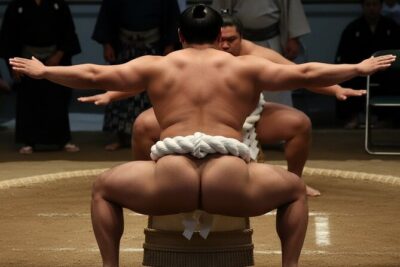
Sumo Show Experience with Chicken Hot Pot and a Photo
Read our review →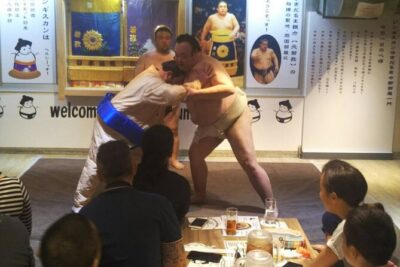
Tokyo Shinjuku Sumo Show & Experience with Photo
Read our review →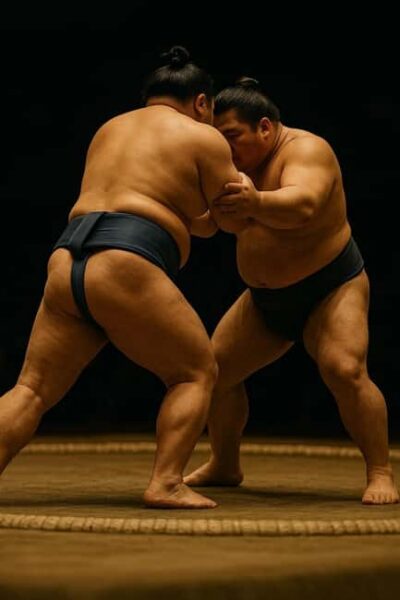
Sumo Show & Experience w/ Optional Kimono & Hot Pot
Read our review →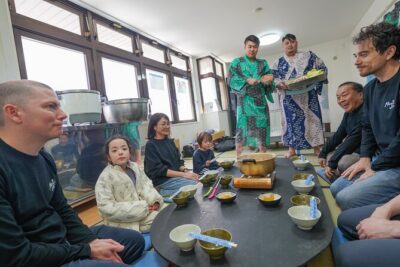
Authentic Sumo Experience in Tokyo: Enter the Sanctuary
Read our review →
Luxury Sumo Show Experience & Japanese cuisine & Drink
Read our review →Browse the lists this tour appears in