
REVIEW · SUMO EXPERIENCES
Authentic Sumo Experience in Tokyo: Enter the Sanctuary
A visit to a real sumo stable gives you something a tournament seat cannot: a look at the daily life behind the ring. In Kawasaki, you tour a former stable, sit close to morning practice, learn the basic movements, and share lunch at a table once used by the wrestlers. The atmosphere begins quietly, then often turns playful once you step onto the practice floor.
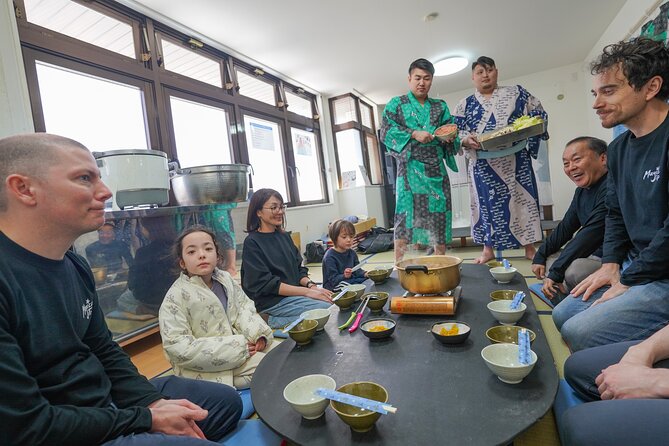
I like the small-group format, with a maximum of 15 people, and the way the tour connects customs, training, food, and personal contact. I also like that lunch is part of the plan, not an afterthought: you help make chicken dumplings for chanko-nabe and eat alongside the wrestlers.
The main consideration is the price, $171.12 per person. That is a serious outlay for four hours, and the visit can be canceled if the stable has an unexpected scheduling problem. Still, for anyone who wants more than a quick photo at a tournament, the access and hands-on time give the cost a clear purpose.
In This Review
- What makes this sumo visit special
- From Shin-Kawasaki Station to the former stable
- Entering a sumo world built around routine
- Sitting close to morning practice
- Trying the footwork, stretching, and ring work
- Making chanko-nabe at the wrestler’s table
- What the $171.12 price really buys
- Who will get the most from the experience
- Timing, cancellation, and small practical details
- Is this Kawasaki sumo experience worth booking?
- FAQ
- Where does the sumo experience begin?
- How long does the experience last?
- Is lunch included?
- Can I participate in sumo exercises?
- What happens if I have a food allergy or dietary request?
- What is the cancellation policy?
What makes this sumo visit special
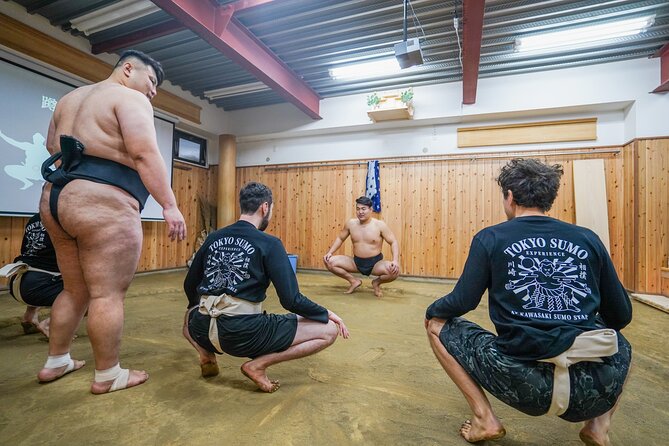
- A real former stable: See the dining room, bath, practice area, and ring in a place officially used until 2022.
- Practice from ringside: Watch a morning training session from a seat directly in front of the sumo ring.
- Hands-on instruction: Try sumo movements and, when offered, challenge a retired wrestler in the ring.
- Chanko-nabe lunch: Make chicken dumplings with the wrestlers and eat the hot pot together.
- Guides with personality: Past sessions have featured Charlie, Jim, Lily, and Fuji, all praised for clear English and lively explanations.
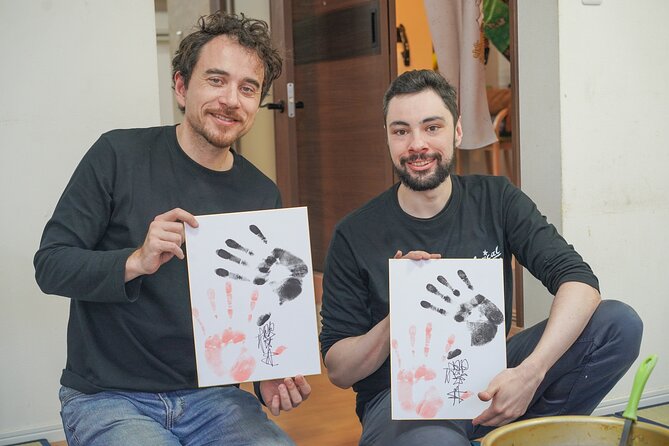
- Useful extras: The package includes tour photos and an original designed T-shirt.
From Shin-Kawasaki Station to the former stable
Your morning begins at 9:30 am at the meeting point near Shin-Kawasaki Station, at 1-chōme-2-1 Kashimada in Kawasaki’s Saiwai Ward. The meeting arrangement matters here. This is not a central Tokyo attraction that you can casually find after breakfast, so allow time to reach Shin-Kawasaki and do not cut it close.
The guide meets you at the station and explains how sumo wrestlers live, train, eat, and follow the customs of their stable. Guides who have led this experience include Charlie, Jim, Lily, and Fuji, although your guide is assigned rather than selected in advance. English-language explanations, visual material, and plenty of questions are part of the format.
The transfer from the station to the stable is one of the practical touches that makes the outing easier. Past sessions have used a taxi or comfortable van for this short ride. Large suitcases are not permitted, so arrive with only a small day bag.
Kawasaki is a useful setting for this visit. You leave the usual sightseeing circuit and go to a working residential area connected to the sport. The stable was officially used until 2022, which gives the building a genuine connection to sumo life while also making clear that this is a former training home rather than a current tournament arena.
More sumo experiences in Japan:
- Tokyo: Sumo Show Experience with Chicken Hot Pot and a Photo
★ 4.8 · 6,678 reviews - Tokyo: Sumo Show and Dining Experience
★ 4.8 · 2,742 reviews - the SUMO show
★ 5.0 · 1,960 reviews
Entering a sumo world built around routine
Sumo is often presented through dramatic bouts, colorful belts, and tournament rituals. This visit begins earlier in the chain of events, with the routines that shape a wrestler’s day.
Your guide introduces the traditions and rules of the sumo world before showing you around the building. The room tour includes the dining room, bath, and practice area. These spaces may sound ordinary, but together they explain how much of sumo life happens away from public competition.
The dining room is tied to the sport’s communal structure. Wrestlers eat together, and food is part of the daily effort to build and maintain a large body. The bath is another reminder that a stable is not simply a gym. It is a shared home with its own habits, expectations, and hierarchy.
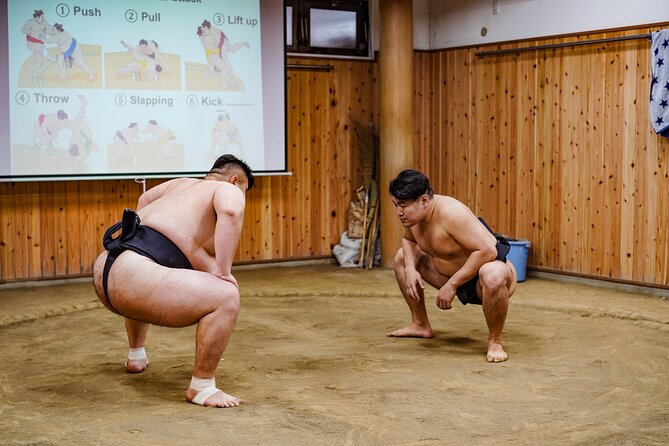
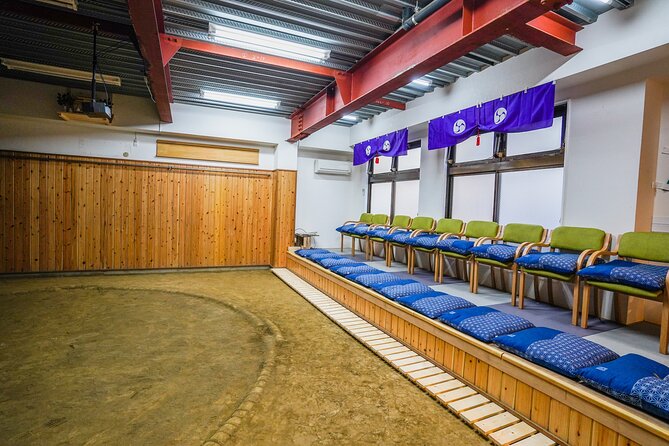
The practice area is the heart of the visit. Sumo training is not limited to wrestling matches. It includes repeated footwork, stretching, balance work, strength exercises, and the forceful movements that make the sport look both simple and punishing. A guide gives the cultural context, while the wrestlers show how the actions work in practice.
I find this part especially useful if you are new to sumo. You do not need prior knowledge to follow along, and the explanations help you see the discipline behind the spectacle. If you already follow the sport, the stable setting gives familiar rituals a more personal frame.
Sitting close to morning practice
After the room tour, you sit directly in front of the ring for a morning training session. This is the point where the visit becomes less like a museum talk and more like a close observation of physical work.
Morning practice usually begins around 7:00 am and can last three to four hours. Since this tour begins at 9:30 am, you will see a portion of the session rather than the full morning. The exact amount of practice available can depend on the stable’s schedule, so keep that in mind when picturing the itinerary.
The training tradition reaches back to the samurai era, but the value here is not simply its age. You can watch how repetition, posture, ritual, and effort fit together. A sumo bout may last only seconds, yet the preparation behind that moment is long and demanding.
The viewing position is a major advantage. You are not looking down from a distant arena seat. You are placed close to the practice ring, where the scale and sound of the movements are easier to appreciate. The guide provides commentary so you can understand what you are seeing rather than simply watch large athletes collide.
There is also a quiet etiquette to this portion. Practice is not a staged show in the usual sense. The guide’s explanation helps you observe respectfully, and you should follow instructions about when to speak, move, or take photos.
Trying the footwork, stretching, and ring work
The interactive section is the tour’s biggest draw for families and first-time visitors. After watching the wrestlers, you can try some of the movements yourself. The exercises are presented with humor, which helps ease the awkwardness of stepping into a serious training space.
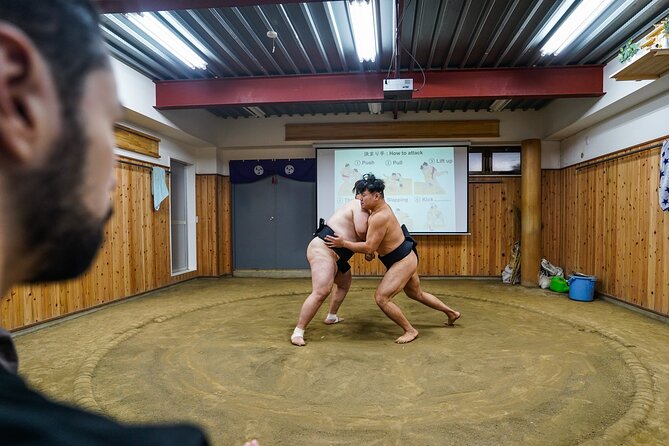
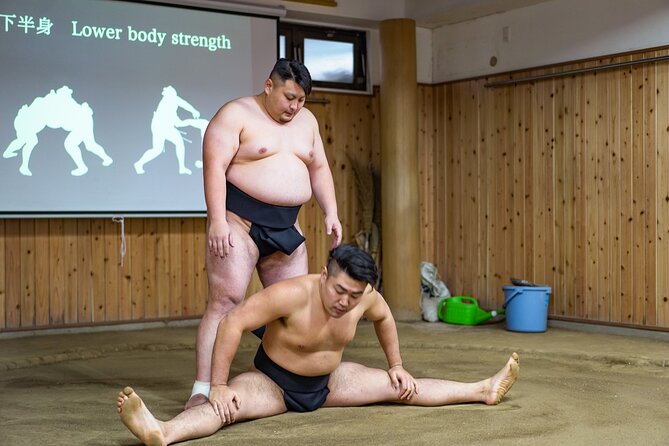
You might practice the broad, recognizable actions of sumo, including the low stance and forceful leg movements. The supplied information does not promise that every person will wrestle a full bout, but the hands-on format can include a chance to challenge a retired wrestler in the ring. Participation is optional, so you can watch if physical activity is not appealing.
This is not a substitute for actual sumo training. The point is to feel, for a moment, how difficult the stance and movements are. Even basic exercises can make you aware of balance, leg strength, and timing in a way that a demonstration cannot.
Children and teenagers often get the most comic energy from this part, but adults should not sit it out too quickly. The wrestlers are described as friendly and eager to teach, and the atmosphere tends to shift from serious observation to shared laughter. You will probably remember the attempt, even if your sumo technique is less than impressive.
Wear clothes that allow easy movement. Japan’s summer heat and humidity add another factor, so bring water and a hat. The tour lasts more than four hours, and the training portion can be warm even before lunch.
Same city, a completely different kind of day:
- Mt Fuji and Hakone 1-Day Bus Tour Return by Bullet Train
★ 5.0 · 26,383 reviews - 1-Day Tokyo Bus Tour
★ 5.0 · 14,250 reviews - PERFECT KYOTO 1-Day Bus Tour
★ 5.0 · 13,518 reviews - Tokyo: TOKYO SKYTREE® Admission ticket
★ 4.5 · 11,192 reviews
Making chanko-nabe at the wrestler’s table
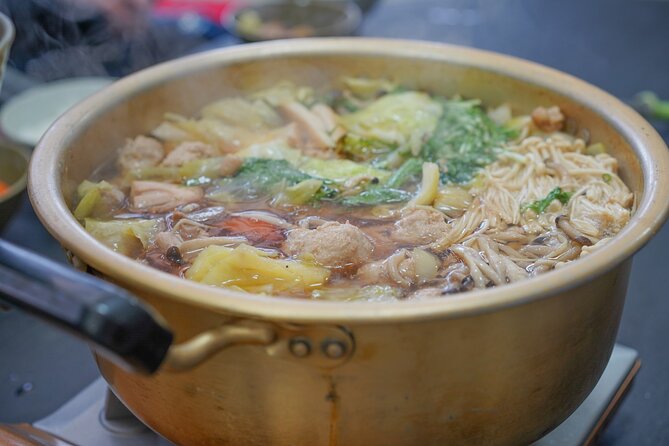
The final major part of the visit is lunch. Chanko-nabe is the hearty hot pot associated with sumo stables and the goal of helping wrestlers build a large, strong body. Here, you do not simply receive a prepared meal. You make chicken dumplings with the wrestlers and then eat together.
That small cooking step changes the meal from a standard tour lunch into a shared activity. You get a chance to ask questions, watch how the food comes together, and sit at a table that was actually used in the sumo room. The meal also gives you time to speak with the wrestlers after the more formal training session.
The chicken dumplings are the main ingredient mentioned for this version of chanko-nabe. The hot pot has been widely praised for its flavor, and hearty portions are part of the appeal. One young participant reportedly ate four bowls, which tells you something about the meal’s family appeal.
Additional food and drinks are not included, so plan around the provided lunch rather than expecting a full restaurant menu. Dietary requests and allergies must be shared at least one day before the tour. The operator cannot guarantee an allergy-free meal because the food is prepared in kitchens it does not control, and substitutions may not always be possible.
If you have serious food allergies or strict dietary needs, this is an important limitation. Tell the operator in advance, but understand that notice does not guarantee a safe or suitable replacement.
What the $171.12 price really buys
At $171.12 per person, this is not a cheap cultural activity. You are paying more than you would for a museum ticket or a basic walking tour. The value comes from access: a former stable, a close practice viewing, instruction from sumo wrestlers, a shared meal, guide commentary, photos, and a T-shirt are bundled into roughly four hours and ten minutes.
Lunch alone does not justify the price. The strongest reasons to book are the setting and the personal contact. Watching a tournament is the right choice if you want formal competition, official ceremonies, and a full day of matches. This experience is better if you want to understand the private routines that support the sport and take part in the exercises yourself.
The group limit of 15 is also worth noting. It is large enough to create a social atmosphere but small enough for the guide and wrestlers to involve individuals. A very small private tour might offer more personal attention, but this format gives you the fun of trying the exercises with other people.
The included tour photos are useful because you can concentrate on the activity instead of keeping your phone raised. The original T-shirt is a simple souvenir, though its value depends on how much you enjoy wearing tour merchandise.
Who will get the most from the experience
I would recommend this outing to several kinds of visitors:
- First-time sumo fans: You get the basic history, customs, training, and food context in one morning.
- Dedicated sumo followers: The former stable and direct conversation with wrestlers offer more than a general introduction.
- Families with older children: The exercise session gives children something active to do, while the food and demonstrations keep the morning varied.
- Couples and friends: The shared cooking and lighthearted ring practice create plenty of conversation.
- Solo visitors: A maximum of 15 people and a guide-led structure make it easy to follow the program without arranging anything yourself.
It may be less suitable if you want to watch a full tournament bout, dislike group activities, or need a highly controlled menu. It is also a poor fit for a rushed final morning in Tokyo. The meeting is strict, and missing the start can mean losing the entire booking.
Timing, cancellation, and small practical details
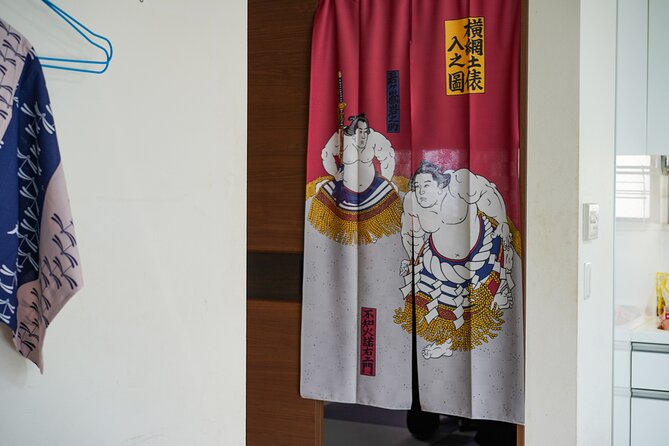
The experience starts at 9:30 am and ends back at the meeting point. Be at Shin-Kawasaki Station early enough to find the exact meeting location and greet the guide without stress. If you are more than five minutes late without contacting the operator, the booking may be treated as a cancellation, with no refund or rescheduling.
The activity is near public transportation, and most people can take part. You do not need to be a sumo fan or an athlete. Still, the practice section involves movement, so tell the guide if you need to observe rather than participate.
The stable can cancel unexpectedly a few days or even a couple of days before the visit. That is a real risk when an activity depends on a sports organization’s schedule. If the minimum number of participants is not met, the operator will offer another date or experience, or provide a full refund.
You can cancel for a full refund up to 24 hours before the local start time. Cancellations or changes inside that 24-hour window are not refunded, and no-shows are not eligible for a date change.
Is this Kawasaki sumo experience worth booking?
Book it if you want a personal, active introduction to sumo rather than a formal tournament day. The combination of a former stable, ringside practice, retired wrestlers, chanko-nabe, and a small group gives you a clear look at the sport’s daily side.
The price is high, and the possibility of a stable cancellation means you should avoid placing it on the day before an important flight. But if you can spare the morning, follow the strict meeting time, and eat the provided lunch, this is one of the more distinctive cultural activities available from Tokyo.
I would choose it especially for families, curious first-time visitors, and anyone who has watched sumo on television but wants to understand the work behind the bouts. Skip it if your main goal is live tournament competition. Choose it if you want to sit near the ring, try the movements, ask questions over hot pot, and leave with a better sense of how sumo wrestlers live.
FAQ
Where does the sumo experience begin?
The meeting point is at 1-chōme-2-1 Kashimada, Saiwai Ward, Kawasaki, Kanagawa 212-0058, near Shin-Kawasaki Station. The tour starts at 9:30 am and ends back at the meeting point.
How long does the experience last?
The activity lasts approximately four hours and ten minutes.
Is lunch included?
Yes. A sumo-style chanko-nabe lunch is included. You help make chicken dumplings with the wrestlers and eat together at a table used in the sumo room. Additional food and drinks are not included.
Can I participate in sumo exercises?
Yes. Participants have the opportunity to try sumo movements during the training session. The activity may also include a chance to wrestle a retired sumo wrestler, while participation remains optional.
What happens if I have a food allergy or dietary request?
You must tell the operator at least one day before the tour. Requests made on the day cannot be accommodated. The operator cannot guarantee an allergy-free meal or every dietary substitution because the food is prepared in kitchens it does not control.
What is the cancellation policy?
You can cancel up to 24 hours before the local start time for a full refund. Cancellations, changes, and no-shows within 24 hours are not refunded. If the minimum number of participants is not reached, you will be offered another date or experience, or a full refund.
Just added around Japan
- Tokyo: Customizable Private Guided Walking Tour★ 4.5 · 129 reviews
- Private Harajuku Omotesando Architecture Tour★ 4.9 · 18 reviews
- Tokyo: Guided Helicopter Ride★ 4.9 · 24 reviews
- Tokyo: Guided Walking Tour of Tsukiji Market with Lunch★ 4.4 · 24 reviews
- Tokyo: Private Personalized Local Food Tour★ 4.5 · 101 reviews
- Tokyo GINZA: KONPARU Japanese Cabaret Show with Drink★ 4.8 · 38 reviews
- Tokyo: Guided Walking Tour of Tsukiji Market with Breakfast★ 4.4 · 134 reviews
- Tokyo: Gotokuji Cat Temple, Shinjuku Cat Cafe & 3D Cat Tour★ 4.9 · 38 reviews
Sumo Experiences, compared.
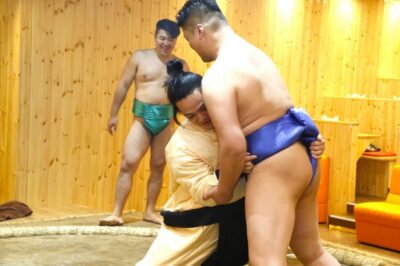
Sumo Show Experience with Chicken Hot Pot and a Photo
Read our review →
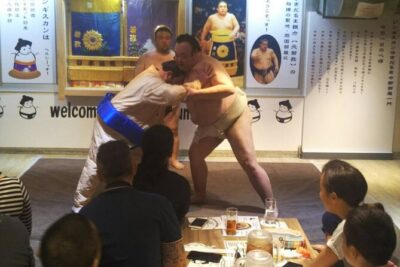
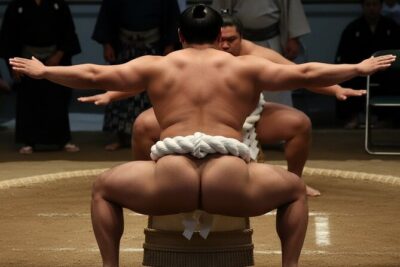
Tokyo Shinjuku Sumo Show & Experience with Photo
Read our review →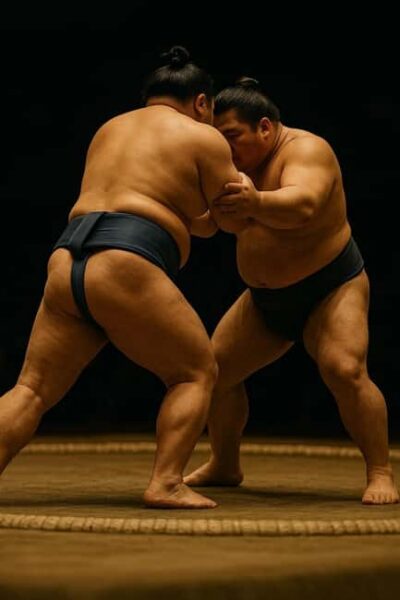
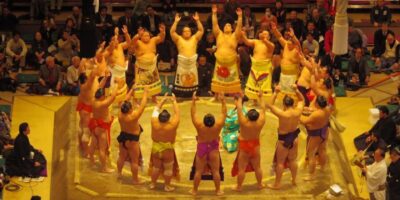
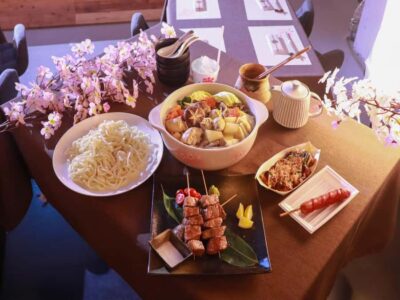
Sumo Show & Experience w/ Optional Kimono & Hot Pot
Read our review →
Luxury Sumo Show Experience & Japanese cuisine & Drink
Read our review →Browse the lists this tour appears in