
REVIEW · SUMO EXPERIENCES
Tokyo: Sumo Show Experience with Chicken Hot Pot and a Photo
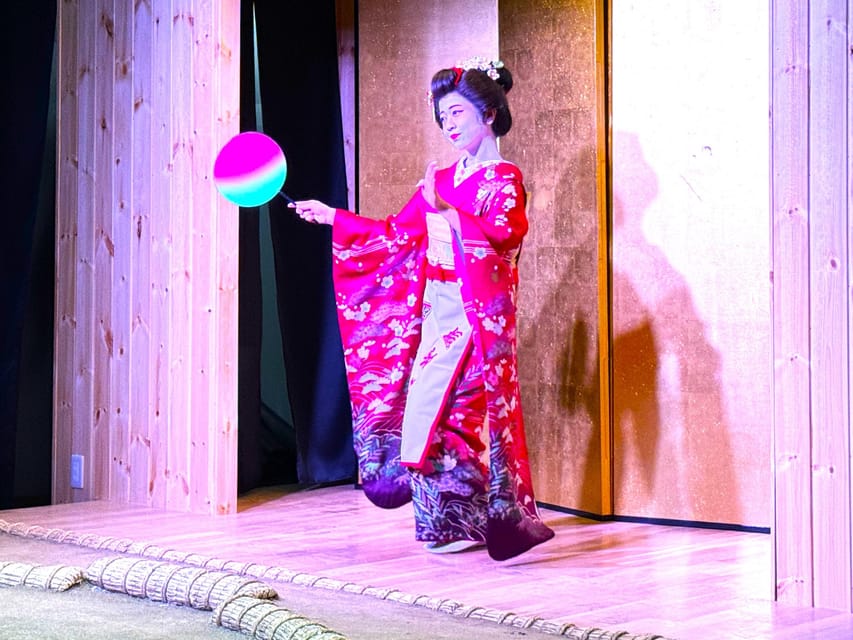
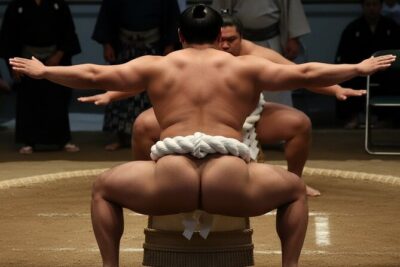
Tokyo’s Asakusa Sumo Club puts a real dohyo, or sumo ring, in the middle of the dining room, then builds a two-hour show around it. You’ll see warm-up exercises, traditional moves, a geisha dance, and a best-of-three match between retired professional wrestlers. The tone is playful rather than solemn, which makes it a good introduction for first-time visitors and families.
I especially like the clear bilingual explanations and the chance to learn why wrestlers stamp, clap, and throw salt before a bout. I also like the practical value: chicken chanko-nabe is served all-you-can-eat, one drink is included, and you leave with a printed photo and souvenir set.
The main thing to understand is that this is entertainment, not a live tournament or morning stable practice. The matches are performed by retired wrestlers, and the comedy and audience interaction are part of the package. That is a plus for many people, but serious sumo fans may want a different experience.
In This Review
- Key points to know before booking
- A sumo ring in the middle of dinner
- The opening: geisha dance and the language of sumo
- Warm-ups, rituals, and classic sumo techniques
- The best-of-three match with retired wrestlers
- The Sumo Challenge: your chance to enter the dohyo
- Chicken chanko-nabe and the all-you-can-eat meal
- Souvenir photo and the final gift bag
- Is the $103 price good value?
- Who will enjoy this two-hour Asakusa evening?
- Practical booking advice for your visit
- Should you book the Asakusa Sumo Club show?
- FAQ
- How long does the Tokyo Sumo Show Experience last?
- Is this a real professional sumo tournament?
- Is English commentary available?
- What food is included?
- Can I request a vegetarian or vegan meal?
- Are gluten-free or halal meals available?
- Can I challenge a sumo wrestler?
- Is the experience wheelchair accessible?
Key points to know before booking
- A real dohyo anchors the restaurant: Every seat has a view, though VIP and VVIP places sit closest to the action.
- The show explains sumo as it goes: A moderator uses English and Japanese to cover rules, rituals, and classic techniques.
- The food is part of the event: Chicken chanko-nabe, edamame, inari sushi, and other Japanese dishes are served, with more available through a QR code.
- You may enter the ring: A few audience members can challenge a wrestler, but spots are limited and may be assigned by lottery.
- The opening includes geisha dance: A performer in an elegant kimono sets a traditional tone before the comic wrestling begins.
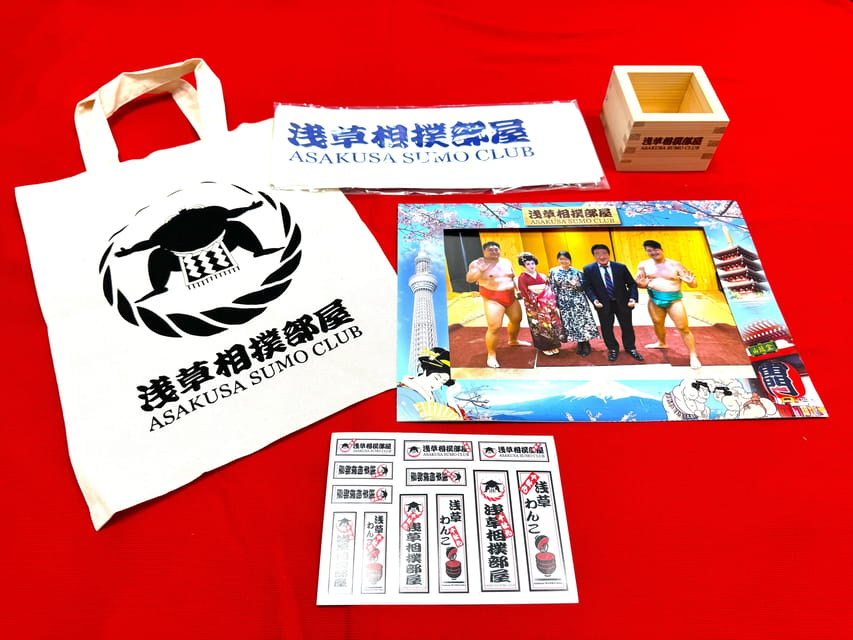
- The ending is nicely handled: You receive a framed or printed photo with the wrestlers and geisha, plus a souvenir gift bag.
A sumo ring in the middle of dinner
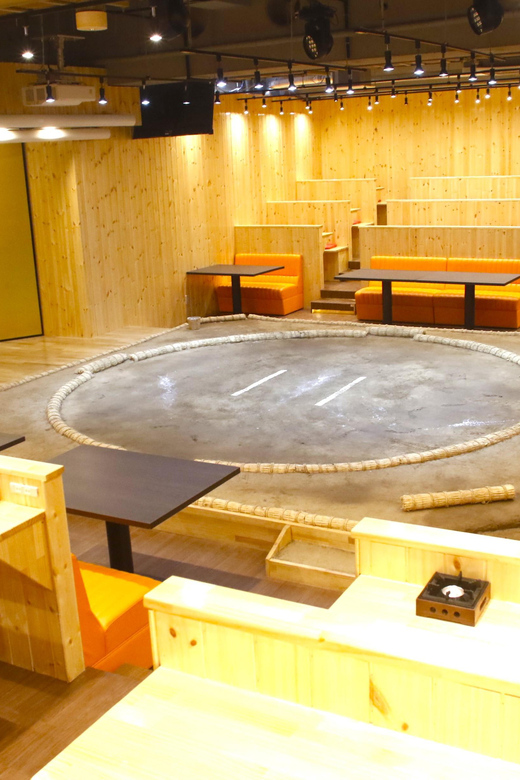
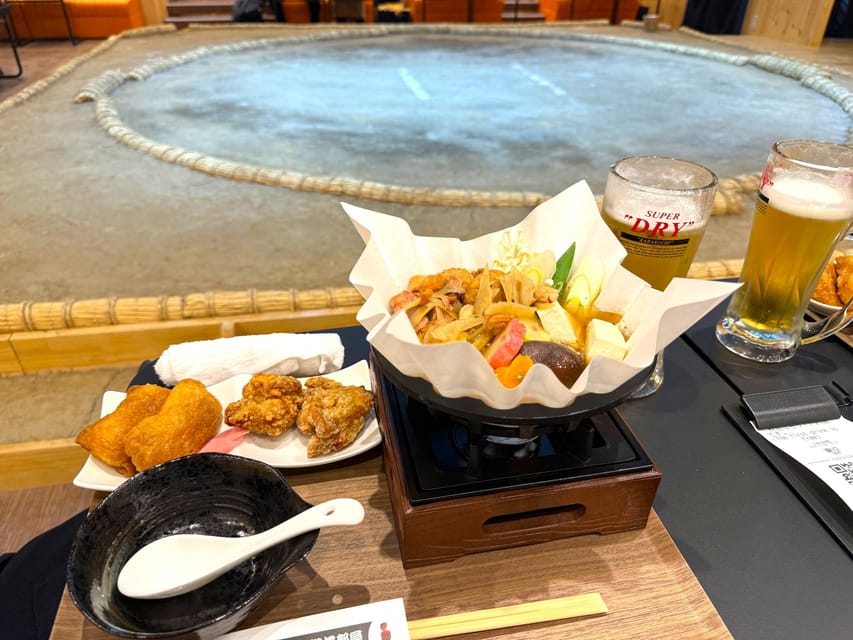
The setting does much of the work here. Instead of watching a performance from a distant stage, you sit around a real dohyo placed at the center of the restaurant. The ring gives the room a clear focus, and even standard seats have a direct view.
That layout matters because sumo is a sport of small details. A wrestler’s foot placement, the crouch before a charge, and the force of a single shove are easier to understand when you can see them close by. You are not watching a large arena bout from high in the stands. You are seeing a compact, carefully staged presentation at close range.
The seating is divided into Standard, VIP, and VVIP options. Standard seats should suit most people who want to follow the show without paying extra. VIP offers front-row proximity, while VVIP gives you the most central and unobstructed view of the dohyo.
I would consider upgrading if sumo is a major reason for your visit, or if you want the strongest chance of seeing the wrestlers’ expressions and movements up close. For a family trying to control the total cost, Standard should still work well because the room is designed for an intimate view from every section.
You may be seated with other parties. That is worth knowing if you expect a private dinner, but it also helps create the shared cheering that makes the show lively.
More sumo experiences in Japan:
- Tokyo: Sumo Show and Dining Experience
★ 4.8 · 2,742 reviews - the SUMO show
★ 5.0 · 1,960 reviews - Tokyo Shinjuku Sumo Show & Experience with Photo
★ 5.0 · 1,750 reviews
The opening: geisha dance and the language of sumo
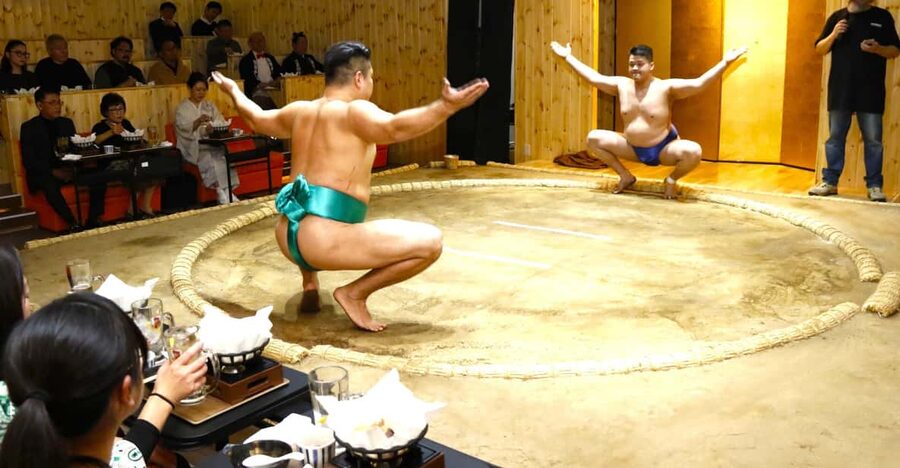
The program begins with a traditional Japanese dance performed by a geisha in an elegant kimono. It gives the evening a graceful opening before the louder, more comic part of the program begins.
The sumo presentation then moves through the basic structure of the sport. A moderator explains the history of sumo, the rules, the rituals, and the do’s and don’ts. Commentary is provided in English and Japanese, so you do not need prior knowledge to follow what is happening.
This is one of the strongest parts of the experience. Sumo can seem mysterious if you only see two large wrestlers collide for a few seconds. The explanations give meaning to the motions around the bout, including morning exercises, classic techniques, and the formal behavior expected inside and around the ring.
The host is important here. Lala is named by several customers as a lively presenter, and Benjamin is also praised for helping make the program entertaining and well organized. The exact host may vary, but you can expect an outgoing moderator who keeps the pace moving and brings the audience into the conversation.
The explanations are aimed at a general audience. You will learn enough to recognize basic techniques and rituals, but this is not a technical seminar for specialists. That balance works well for families and first-time visitors.
Warm-ups, rituals, and classic sumo techniques
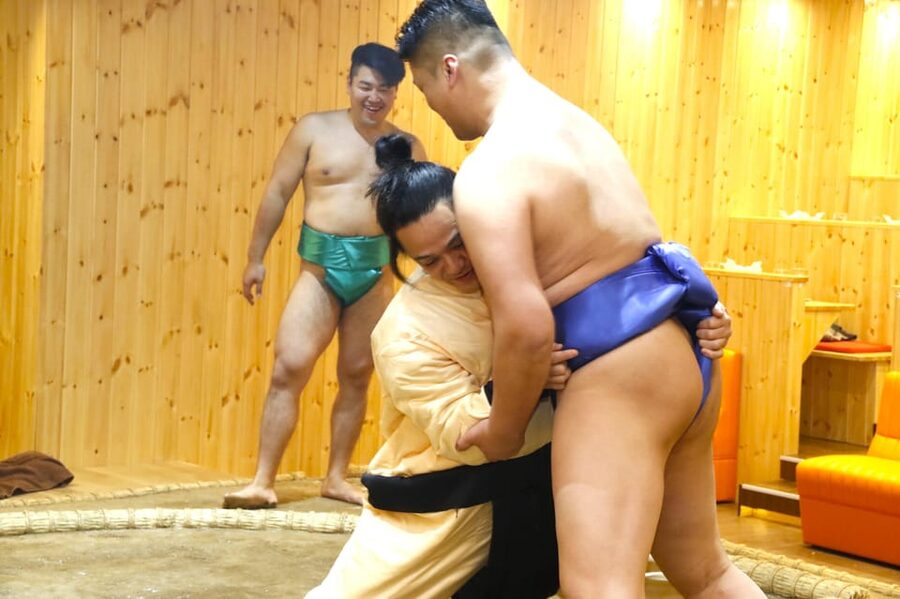
The demonstration of morning exercises gives you a look at how a wrestler prepares the body. These movements are simple in appearance but demanding in practice, and they help explain the strength, balance, and flexibility needed in the ring.
You also learn about the rituals connected with sumo. The program shows you how ceremonial actions fit into the sport, rather than presenting wrestling as nothing more than a physical contest. That context is valuable because sumo combines athletics with strict rules and long-established customs.
The demonstrations are presented for understanding and fun. Expect the moderator to explain what you are seeing and the wrestlers to play to the room. There is humor throughout, but the physical skill remains impressive.
This is a good place to set your expectations. The show gives you an introduction to sumo culture and performance, but it cannot reproduce the seriousness of a professional tournament. If you want official rankings, active top-division competitors, and the tension of a real competition, you should attend a tournament or book a stable-related experience instead.
The best-of-three match with retired wrestlers
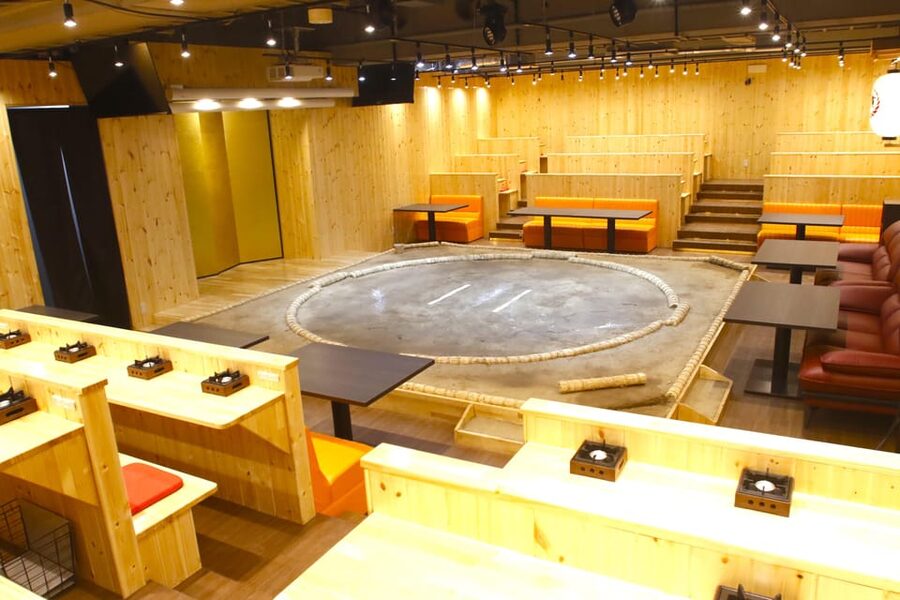
The main contest is a best-of-three match between retired professional sumo wrestlers. It gives the program a proper shape: explanation first, demonstration next, then a match that lets you see the techniques in action.
Because the wrestlers are retired, the event can use humor and audience interaction without pretending to be an official sporting contest. The performers know how to work a room. They play up the size difference, invite cheers, and keep the energy high between bouts.
I would describe the match as a show with real sumo elements, not as a serious fight. That distinction appears again and again in the experience itself. The value is the close view, the explanations, and the personality of the performers.
For children, this format is often easier to enjoy than a formal tournament. The pace is clear, the wrestlers interact with the audience, and the moderator explains what is happening. Adults also get something worthwhile from the history and ritual sections, especially if sumo is new to you.
The presentation has enough physical action to feel substantial, but it is not a long evening of matches. The full visit lasts about two hours, including food, dancing, commentary, audience participation, and the photo opportunity.
A few more Japan trips to weigh up
- Mt Fuji & Hakone Cruise, Drum Show Bullet Train 1 Day from Tokyo
★ 4.0 · 7,413 reviews - Tokyo: Samurai Restaurant Show Ticket with 2 Drinks
★ 4.5 · 1,307 reviews - Mt Fuji & Hakone Cruise, Drum Show Bus 1 Day from Tokyo
★ 4.0 · 1,287 reviews - Tokyo: Sumo Show and Experience in Shinjuku
★ 4.8 · 1,001 reviews
The Sumo Challenge: your chance to enter the dohyo
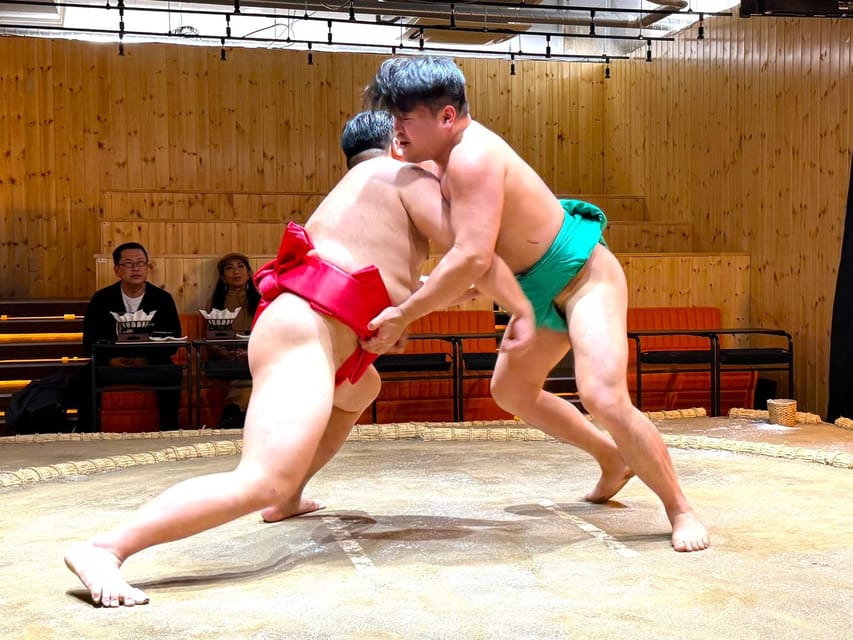
The most memorable part for many people is the chance to step into the ring and challenge a sumo wrestler. This is not guaranteed for every person who wants to participate. Only a few challenger spots are available at each show, and if too many people apply, names are selected by lottery.
That rule keeps the activity fair, but you should not buy a ticket assuming you will wrestle. Think of the challenge as a bonus. You can still enjoy the event fully from your seat if you are not selected.
If you do enter the ring, expect a lighthearted contest designed for audience involvement. The show is family-friendly, and the wrestlers guide the moment. Children and adults can find it funny and exciting, although the exact participants depend on the selection process.
You may want to wear clothing that lets you move comfortably. The supplied information does not set a formal dress code, but a ring challenge is easier in practical clothes than in a tight skirt or restrictive outfit.
The challenge also gives the show a strong ending because the audience stops being passive. You are no longer just watching a demonstration. You are cheering for friends, family members, or fellow diners as they try to move a retired wrestler.
Chicken chanko-nabe and the all-you-can-eat meal
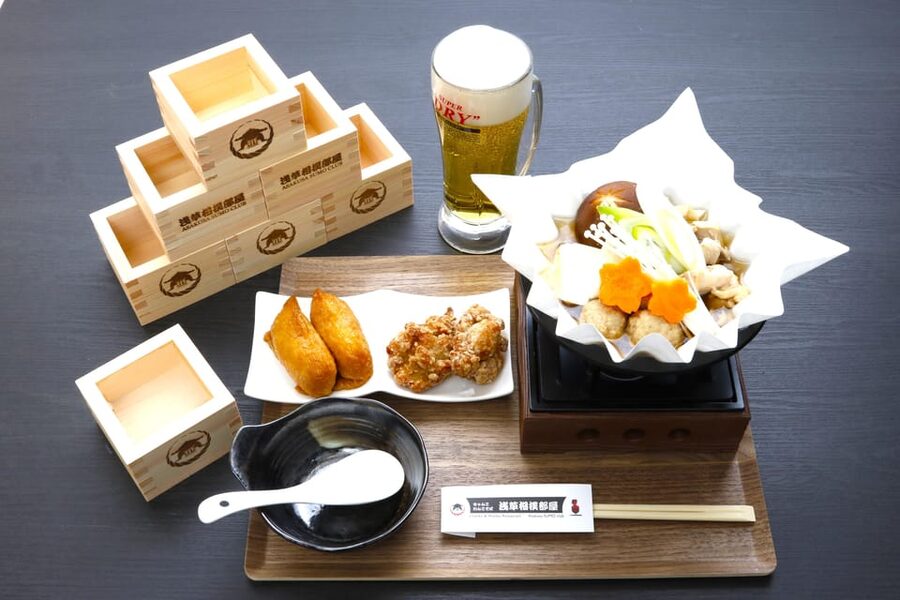
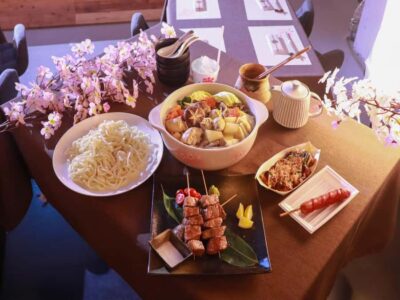
Chanko-nabe is the meal associated with sumo wrestlers, and here it is served as a chicken hot pot. It comes with Japanese side dishes, including edamame and inari sushi, while sweet rolls are also mentioned as part of the meal on some visits.
The hot pot is cooked at the table, giving dinner a warm, shared quality. One drink is included, and you can buy additional drinks if you want beer or something else during the show. More food can be ordered through a QR code, which is useful if your group has different appetites.
The all-you-can-eat setup adds real value to the ticket price of about $103 per person. You are not paying only for a short performance and a photo. The price also covers a full meal, a drink, the dance, bilingual commentary, audience activities, and the souvenirs.
Food quality can be a personal matter, and this is not a refined multi-course kaiseki dinner. One customer found the food more limited than expected, while many others found the chicken hot pot tasty and plentiful. I would book this for the combination of food and entertainment, not as a destination meal by itself.
The open-flame hot pot may make some diners nervous, especially when served in lightweight bowls. Staff are present, but you should take care around the heated dish and follow the instructions at your table.
Vegetarian and vegan meals are available if requested at least two days in advance. Gluten-free and halal meals are not available, although you may bring your own food to meet those needs. Infants do not receive meals, seating, or souvenirs as part of the package.
Souvenir photo and the final gift bag
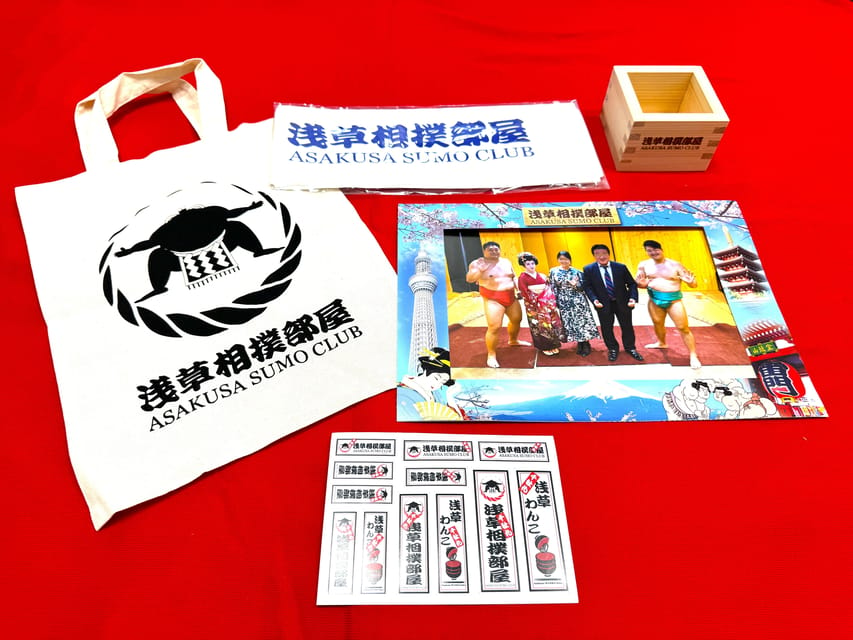
After the show, you can take a photo with the sumo wrestlers and geisha. A printed photo is included, and the materials describe it as a framed or printed souvenir photo, depending on the presentation. You also receive a souvenir set or gift bag, with contents that can change by season.
This is a small feature, but it helps justify the price for families. You leave with something physical rather than only a memory on your phone. The photo also gives children a clear memento of the night, especially if one of them takes part in the Sumo Challenge.
The farewell is handled as part of the program rather than as an awkward afterthought. Allow a little patience at the end while photos and gifts are distributed.
Is the $103 price good value?
At roughly $103 per person, this is not a cheap meal. Tokyo offers many less expensive ways to eat, and you can watch sumo-related videos or demonstrations elsewhere for less.
The comparison changes when you count what is included. You receive two hours of organized entertainment, bilingual commentary, a geisha dance, a traditional hot pot meal, side dishes, one drink, the chance to enter the ring, and a photo and souvenir set. For a family that wants one easy evening activity in Asakusa, the package can be good value.
The ticket makes the most sense if you want cultural context without committing to a full tournament visit. It also works for mixed-age groups because the show combines education, food, comedy, and physical action.
The value is weaker if you are seeking serious sport, an active sumo stable, or a quiet Japanese dinner. In those cases, the performance style may feel too theatrical. The show is open about being entertainment, so the right choice depends on what you want from sumo.
Who will enjoy this two-hour Asakusa evening?
I would recommend it most strongly to families with school-age children, first-time visitors to Japan, and adults who want an easy cultural evening with food included. The format has enough jokes and interaction for children, while the ritual explanations give adults something to take away.
It also suits multigenerational groups. The program does not require much walking, and the show takes place in one location. Wheelchair-accessible seating is available but limited, so you should request it when booking.
This is not suitable for babies under one year old. Young children may enjoy the spectacle, but the two-hour duration and hot food mean parents should decide if the timing fits their family.
Small groups are available, but you may still share tables or seating areas with other parties. That is normal for this experience and part of the communal feel.
If the main aim is to watch a real tournament, choose a tournament ticket instead. If you want to see active wrestlers during serious morning practice, book a stable visit. Asakusa Sumo Club is the better choice when you want a friendly, accessible introduction with dinner and audience participation.
Practical booking advice for your visit
Check the meeting point carefully because it can vary by seating or ticket option. The activity lasts two hours, but starting times depend on availability, so choose a session that leaves you enough time to reach Asakusa without rushing.
Front-row seating is worth considering for keen sumo fans, photographers, and anyone who wants a closer look at the ring. Standard seating should be enough for most families, particularly if the difference in price is significant.
Reserve vegetarian or vegan food at least two days ahead. If you need gluten-free or halal food, plan to bring your own meal because those options cannot be provided.
The show allows free cancellation up to 24 hours before the start time, and reserve-now, pay-later booking is available. Those policies help if your Tokyo schedule is still changing.
Should you book the Asakusa Sumo Club show?
Book it if you want sumo explained in plain English, a warm meal, and a cheerful two-hour program that works for adults and children. The live ring, retired wrestlers, geisha dance, audience challenge, and souvenir photo give the evening plenty of variety.
Skip it if you want a serious professional bout or a behind-the-scenes look at an active stable. The matches are staged entertainment, and the food is practical hot-pot fare rather than a special-occasion banquet.
For most first-time visitors, I think the package offers a satisfying introduction to sumo without requiring specialist knowledge. Choose Standard for the best overall value, and consider VIP or VVIP if being close to the dohyo matters to you.
FAQ
How long does the Tokyo Sumo Show Experience last?
The experience lasts two hours. It includes the geisha dance, sumo demonstrations, explanations, a best-of-three match, the possible audience challenge, the meal, and the souvenir photo.
Is this a real professional sumo tournament?
No. The show is performed by retired professional sumo wrestlers and is designed as family-friendly entertainment. It is different from a serious tournament or an active stable’s morning practice.
Is English commentary available?
Yes. A moderator provides live commentary in English and Japanese, explaining sumo rules, techniques, rituals, and etiquette.
What food is included?
The meal includes all-you-can-eat chicken chanko-nabe and Japanese dishes. Items mentioned include edamame, inari sushi, and sweet rolls. One drink is included, and extra drinks can be purchased.
Can I request a vegetarian or vegan meal?
Yes. Vegetarian and vegan meals are available if you request them at least two days before the experience.
Are gluten-free or halal meals available?
No. Gluten-free and halal meals cannot be provided. You may bring your own food to meet those dietary needs.
Can I challenge a sumo wrestler?
You can apply to take part in the Sumo Challenge, but only a limited number of people are selected for each show. If there are too many applicants, participants are chosen by lottery.
Is the experience wheelchair accessible?
Yes, but wheelchair-accessible seating is limited. Tell the provider when booking if you need accessible seating.
Just added around Japan
- Tokyo: Customizable Private Guided Walking Tour★ 4.5 · 129 reviews
- Private Harajuku Omotesando Architecture Tour★ 4.9 · 18 reviews
- Tokyo: Guided Helicopter Ride★ 4.9 · 24 reviews
- Tokyo: Guided Walking Tour of Tsukiji Market with Lunch★ 4.4 · 24 reviews
- Tokyo: Private Personalized Local Food Tour★ 4.5 · 101 reviews
- Tokyo GINZA: KONPARU Japanese Cabaret Show with Drink★ 4.8 · 38 reviews
- Tokyo: Guided Walking Tour of Tsukiji Market with Breakfast★ 4.4 · 134 reviews
- Tokyo: Gotokuji Cat Temple, Shinjuku Cat Cafe & 3D Cat Tour★ 4.9 · 38 reviews
Sumo Experiences, compared.
Tokyo Shinjuku Sumo Show & Experience with Photo
Read our review →
Sumo Show & Experience w/ Optional Kimono & Hot Pot
Read our review →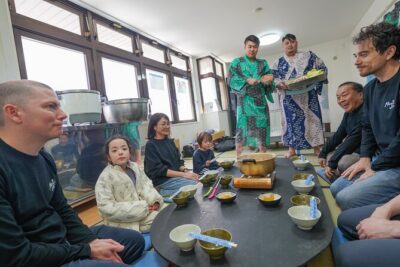
Authentic Sumo Experience in Tokyo: Enter the Sanctuary
Read our review →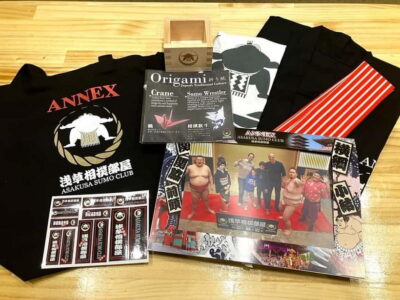
Luxury Sumo Show Experience & Japanese cuisine & Drink
Read our review →Browse the lists this tour appears in