
REVIEW · SUMO EXPERIENCES
the SUMO show
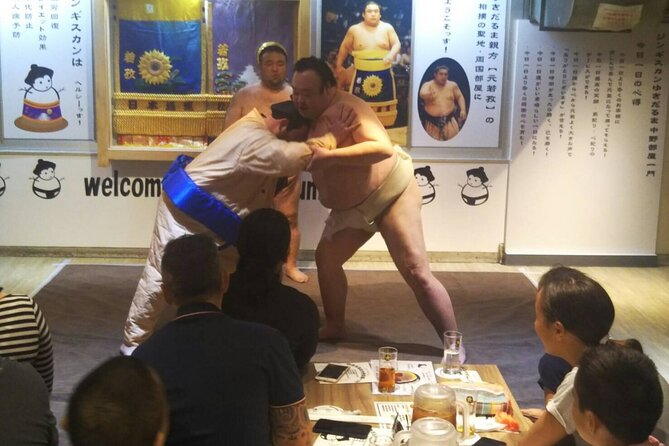
The best part of this Tokyo experience is that sumo does not stay on a stage. Retired wrestlers explain the sport, demonstrate its basic moves, and invite willing participants into the ring for a playful bout. You get a close look at a Japanese tradition that can seem mysterious from the outside.
I like the small-group feel, which gives many people a clear view and lets the wrestlers spend time with each table. I also like the way lunch fits into the experience: tonkatsu and chanko soup turn a short performance into a cultural meal, not just a photo stop.
The main caution is price. At about $89.54 per person, this is not a cheap lunch or a formal sumo tournament. It is best value for families and first-time visitors who want food, explanation, comedy, photos, and audience participation in one compact outing.
In This Review
- Key points to know before booking
- What the Sumo Show actually offers
- Arriving at Yokozuna Tonkatsu in Sumida
- Learning the rules before the action
- Watching retired wrestlers demonstrate their craft
- Trying sumo yourself in a costume
- Eating tonkatsu and chanko soup
- How the seating and group size affect your visit
- Is $89.54 a fair price?
- Who should book this experience
- Booking, changes, and useful planning tips
- Should you book the Tokyo Sumo Show?
- FAQ
- Where does the Sumo Show take place?
- What time does the experience start?
- How long does the Sumo Show last?
- Where does the activity end?
- What food is included?
- Are drinks included?
- Can I participate in a sumo bout?
- Can I request a special meal?
- How many people can join the activity?
- Can I cancel for a refund?
Key points to know before booking
- Retired wrestlers lead the action: You learn directly from former competitors, then may challenge one in the ring.
- The 90-minute format is easy to fit into a Tokyo day: The show starts at 1:00 pm and ends back at the meeting point.
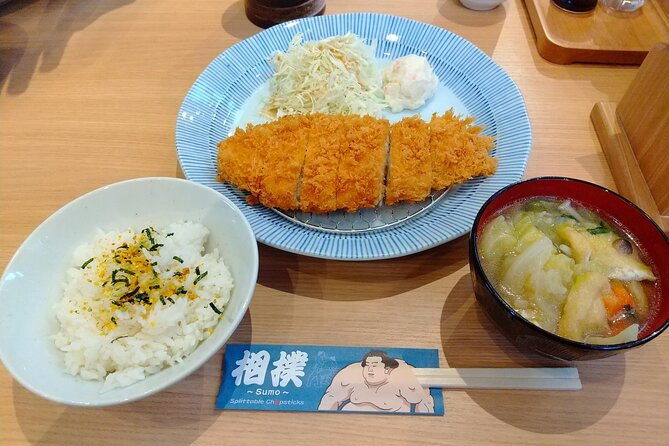
- Lunch is part of the culture lesson: Tonkatsu and chanko soup are included, but drinks cost extra.
- Participation is optional: You can watch quietly, ask questions, take photos, or put on a sumo costume and try a bout.
- The venue is in Sumida City: You make your own way to Yokozuna Tonkatsu, near public transportation.
- Seating can affect your view: Tables are assigned by reservation order, and some seats may be farther from the dohyo.
What the Sumo Show actually offers
This is a staged introduction to sumo, not a professional tournament. That distinction matters. You will not see a championship match between active top-division wrestlers, but you will get something a tournament cannot provide: direct contact, simple explanations, and a chance to test the sport yourself.
The experience lasts about one hour and 30 minutes. It is designed for people who know little about sumo, though children and adults with a passing interest can enjoy it alike. The tone is friendly and light, with plenty of humor and chances to interact.
The format also helps families. Children as young as nine have enjoyed the activity, and the show gives you freedom to participate as much or as little as you like. You can watch from your seat, join a demonstration, pose in traditional clothing, or volunteer for a bout.
The provider limits the group to a maximum of 60 people. That is not tiny, but it is more personal than watching a large public performance. Some tables may be shared with another party, and a larger group may not all sit together.
More Sumo Experiences in Tokyo
- Tokyo: Sumo Show and Dining Experience
★ 4.8 · 2,742 reviews - Tokyo Shinjuku Sumo Show & Experience with Photo
★ 5.0 · 1,750 reviews - Tokyo: Sumo Show and Experience in Shinjuku
★ 4.8 · 1,001 reviews
Arriving at Yokozuna Tonkatsu in Sumida
You meet at Yokozuna Tonkatsu, at 3-chōme-1-11 Tatekawa in Sumida City. The activity begins at 1:00 pm, and you make your own way there. Your confirmation supplies the final tour details, so check those carefully before setting out.
The venue is near public transportation, which makes this a practical stop if you are exploring eastern Tokyo. Allow enough time to find the restaurant and settle in. Arriving early does not guarantee a better seat, since seating is assigned according to when reservations are received.
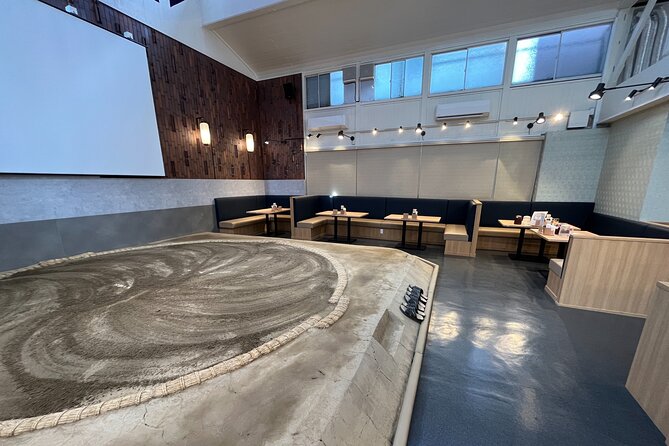
That last point is worth keeping in mind. A few people have found that tables near the dohyo give a better view, while seats farther away may require you to stand during parts of the demonstration. If seeing every move matters to you, pay attention to the room when you arrive and be ready to stand briefly if needed.
The activity ends where it begins. That makes it easy to continue around Sumida afterward, though the supplied details do not promise a specific nearby sightseeing route.
Learning the rules before the action
The show begins with an introduction to sumo’s origins, rules, techniques, and training rituals. The explanation is aimed at beginners, so you do not need to study the sport before arriving.
This is one of the most useful parts of the event. Sumo has rules that are simple at first glance but less obvious once you watch a bout. Learning what counts as a winning move, how wrestlers use balance, and why certain rituals matter gives the demonstrations more meaning.
You also get a glimpse of the daily discipline behind the sport. The wrestlers show exercises and techniques before the more playful bouts begin. That helps you see sumo as more than two large people pushing each other. Timing, footwork, posture, and leverage matter greatly.
The information is a broad introduction rather than an advanced study. If you already follow professional sumo closely, you may want more technical detail. For a first encounter, though, the short format keeps the pace moving and avoids turning lunch into a lecture.
One practical note: if a video is used during the explanation, it may be hard to hear the presenter over the sound. Sit where you can see the speaker, and do not hesitate to ask for clarification if you miss a point.
Watching retired wrestlers demonstrate their craft
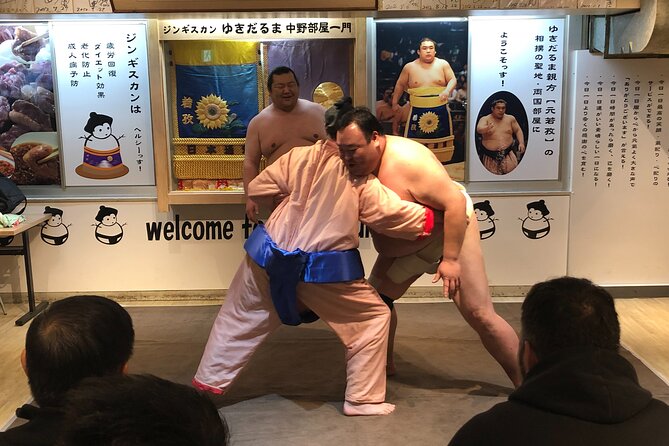
After the introduction, the retired wrestlers demonstrate sumo moves and techniques. This is the show’s central performance, but it does not feel distant or formal. The wrestlers explain what they are doing, interact with the room, and keep the mood warm.
The demonstrations are entertaining because you understand the mechanics behind them. A shove, trip, or change of direction becomes easier to appreciate once you know what the wrestler is trying to achieve. You also get to see how quickly a bout can turn when balance shifts.
The former wrestlers are not simply performers standing at the front of the room. They answer questions, pose for photographs, and take time with individual tables. That personal contact is a major reason the experience feels different from a standard cultural show.
The atmosphere is family-friendly, but it is not passive. The host keeps the energy up and encourages participation. If you prefer a quiet museum-style presentation, this may feel noisy or playful. If you enjoy laughing and being included, the tone should suit you well.
Same city, a completely different kind of day:
- Mt Fuji and Hakone 1-Day Bus Tour Return by Bullet Train
★ 5.0 · 26,383 reviews - 1-Day Tokyo Bus Tour
★ 5.0 · 14,250 reviews - Tokyo: TOKYO SKYTREE® Admission ticket
★ 4.5 · 11,192 reviews - Tokyo: teamLab Planets TOKYO Digital Art Museum Entry Ticket
★ 4.6 · 9,779 reviews
Trying sumo yourself in a costume
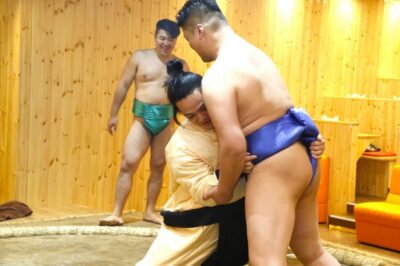
The most memorable option is stepping into the ring. You may put on a traditional sumo costume and challenge a retired wrestler in a friendly bout. The emphasis is on fun, not on proving your strength.
You should take the invitation seriously enough to follow staff instructions. Sumo involves physical contact, and the organizers can ask anyone causing trouble to leave without a refund. Use good judgment, especially when children or older family members are considering participation.
The wrestlers make this approachable by using techniques rather than simply overpowering every volunteer. One useful lesson is that size alone is not the whole sport. Balance and timing can make a large difference, which is why the bouts are funny as well as educational.
You do not have to wrestle. You can enjoy the demonstrations, take pictures, and watch other people volunteer. That flexibility makes the experience work for mixed groups, where one person wants the spotlight and another would rather stay seated.
Photo time follows the demonstrations and participation. Bring your phone, since photographs with the wrestlers and in costume are part of the appeal. The staff is accustomed to helping people capture the moment.
Eating tonkatsu and chanko soup
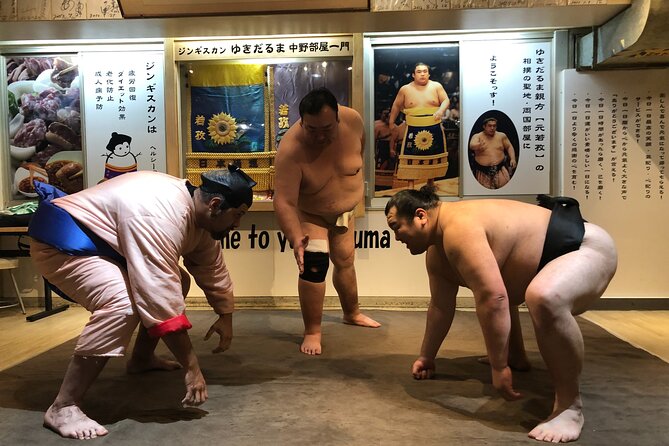
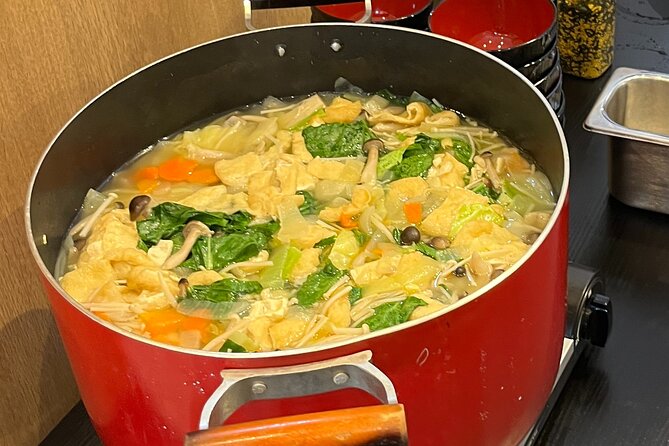
Lunch includes tonkatsu and chanko soup. Tonkatsu is breaded, fried pork or chicken-style cutlet, while chanko is the hearty soup associated with sumo wrestlers’ meals. Together, they make the food more than a filler between demonstrations.
The tonkatsu has been a strong part of the experience for many people, and the chanko soup often gets special praise for its flavor. One useful tip is to consider the soup carefully if you are especially hungry or enjoy brothy dishes. It is possible to prefer a larger serving of chanko to the cutlet.
Portions may not satisfy every big appetite. Some diners have left wanting more food, while others found the meal generous and better than expected. I would treat lunch as a substantial cultural meal, but not assume it will match the enormous portions associated with a sumo wrestler’s diet.
Drinks are not included, so budget a little extra if you want one. Vegetarian and other dietary arrangements may be available, but you must note allergies or restrictions when booking. Requests made less than five days before the event may not be handled.
The meal also creates time for conversation. You can ask about training, competition, and the wrestlers’ experience while eating. That informal setting is a good counterpoint to the more structured demonstration.
How the seating and group size affect your visit
The room can hold up to 60 people. That keeps the event lively, but the experience is not guaranteed to feel equally close from every table.
Some tables sit farther from the dohyo. You may need to stand for a better view during certain demonstrations, particularly if someone taller is seated ahead of you. Seating is assigned by reservation order, and early arrival does not change that arrangement.
You might also share a table with another group. This helps the venue fit more people, but it means the setting is not fully private. Larger parties may not be seated at one table, so families or friends who want to sit together should consider this before booking.
Even with those limits, the format allows interaction around the room. The wrestlers make time for each table, and the host keeps the program moving. The setting works best if you accept a little shared seating and do not expect a private lesson.
Is $89.54 a fair price?
At $89.54 per person, the cost is high if you think of this as lunch with a short show. It becomes more reasonable when you count the retired wrestlers, the guided explanation, live demonstrations, costume photos, optional wrestling, and included meal.
You are paying for access and participation rather than a long sightseeing itinerary. The experience lasts only 90 minutes, so it will not fill half a day. That short length is useful if your Tokyo schedule is tight, but it also limits how much technical detail you can receive.
For a family, the price can make sense because one booking covers several kinds of entertainment. Children can watch, ask questions, pose for photos, and possibly enter the ring. Adults get a cultural introduction and a meal without needing to understand Japanese sumo customs beforehand.
For a solo visitor who already knows sumo well, the value is less clear. You may prefer attending an actual tournament if your dates match the sumo calendar. This show is better for direct interaction and accessible explanation than for serious competition.
The 4.9 rating from 1,960 ratings and a 98 percent recommendation rate suggest broad appeal, but price sensitivity remains real. One person found it too expensive for what was offered. I would book it for the unusual access, not simply for the food.
Who should book this experience
I would recommend it most strongly to families, first-time visitors to Japan, and anyone who wants a light cultural activity with a chance to participate. It also suits visitors who want an indoor lunchtime plan and do not want to spend several hours at a tournament.
It is a particularly good fit if you enjoy:
- Learning basic cultural context without a long lecture
- Meeting former athletes in person
- Taking playful holiday photographs
- Trying an activity instead of only watching
- Sharing a meal with other people
- Giving children a memorable introduction to Japan
You may want to skip it if you want an authentic professional match, a private dining experience, or a large meal at the lowest possible price. The show is an introduction and performance, not a replacement for seeing active wrestlers compete.
The event is accessible to most people, but participation requires sensible physical judgment. You can remain seated if you do not want to wrestle. Follow the staff’s instructions, and tell the organizers about food restrictions well ahead of time.
Booking, changes, and useful planning tips
Confirmation arrives within 48 hours, subject to availability. The experience offers mobile tickets and group discounts, which may help if you are booking for several people.
Free cancellation is available up to 24 hours before the local start time. Cancellations or changes inside that window are not accepted for a refund. Date changes are also not allowed within three days of the activity, and flight delays or illness are treated as cancellations under the stated terms.
I would reserve early if seating position matters or if you are traveling with a larger party. A group of more than a few people may be split across tables, and reservation order affects seating.
Bring a phone for photos, allow time to reach Sumida, and keep lunch expectations realistic. Most important, decide in advance if you want to volunteer. You can change your mind at the venue, but knowing your comfort level makes the experience easier.
Should you book the Tokyo Sumo Show?
Book it if you want a cheerful, hands-on introduction to sumo. The combination of retired wrestlers, clear explanations, live demonstrations, optional bouts, costume photographs, tonkatsu, and chanko soup gives you several experiences in one 90-minute visit.
I especially recommend it for families and first-time visitors who want more than a staged dance or a quick photo opportunity. The wrestlers’ friendliness and willingness to interact are central to the value.
Think twice if $89.54 feels steep for a short activity, if you need a guaranteed front-row seat, or if you are seeking serious professional sumo. For everyone else, this is a lively way to understand the sport, laugh a lot, and leave Tokyo with a story you could not get from watching a match on television.
FAQ
Where does the Sumo Show take place?
The meeting point is Yokozuna Tonkatsu, at 3-chōme-1-11 Tatekawa, Sumida City, Tokyo 130-0023, Japan.
What time does the experience start?
The activity starts at 1:00 pm.
How long does the Sumo Show last?
The sumo demonstration and meal take about one hour and 30 minutes.
Where does the activity end?
It ends back at the meeting point at Yokozuna Tonkatsu.
What food is included?
Tonkatsu and chanko soup are included.
Are drinks included?
No. Drinks are not included in the stated price.
Can I participate in a sumo bout?
Yes. If you feel comfortable, you can challenge a retired wrestler to a friendly bout. Participation is optional.
Can I request a special meal?
Vegetarian and dietary accommodations may be available. You must add allergies or dietary restrictions to your reservation at least five days before the event.
How many people can join the activity?
The maximum group size is 60 people.
Can I cancel for a refund?
Yes. You can cancel at least 24 hours before the local start time for a full refund. Cancellations or changes made less than 24 hours before the start time are not accepted.
More Show in Tokyo
- Mt Fuji & Hakone Cruise, Drum Show Bullet Train 1 Day from Tokyo
★ 4.0 · 7,413 reviews - Mt Fuji & Hakone Cruise, Drum Show Bus 1 Day from Tokyo
★ 4.0 · 1,287 reviews - Tokyo:Luxury Sumo Show Experience & Japanese cuisine & Drink
★ 4.7 · 577 reviews - Tokyo Bay Yakatabune Dinner/Day Cruise with Japan Show and Drinks
★ 4.5 · 473 reviews
Just added around Tokyo
- Tokyo: Customizable Private Guided Walking Tour★ 4.5 · 129 reviews
- Private Harajuku Omotesando Architecture Tour★ 4.9 · 18 reviews
- Tokyo: Guided Helicopter Ride★ 4.9 · 24 reviews
- Tokyo: Guided Walking Tour of Tsukiji Market with Lunch★ 4.4 · 24 reviews
- Tokyo: Private Personalized Local Food Tour★ 4.5 · 101 reviews
- Tokyo GINZA: KONPARU Japanese Cabaret Show with Drink★ 4.8 · 38 reviews
- Tokyo: Guided Walking Tour of Tsukiji Market with Breakfast★ 4.4 · 134 reviews
- Tokyo: Gotokuji Cat Temple, Shinjuku Cat Cafe & 3D Cat Tour★ 4.9 · 38 reviews
Sumo Experiences, compared.
Sumo Show Experience with Chicken Hot Pot and a Photo
Read our review →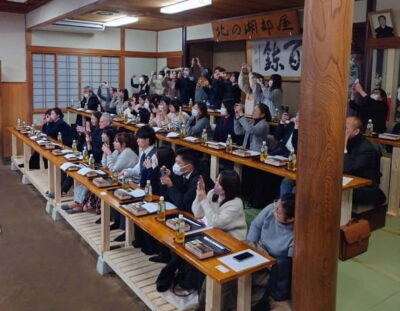
Tokyo Shinjuku Sumo Show & Experience with Photo
Read our review →
Sumo Show & Experience w/ Optional Kimono & Hot Pot
Read our review →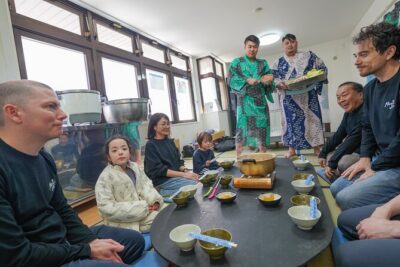
Authentic Sumo Experience in Tokyo: Enter the Sanctuary
Read our review →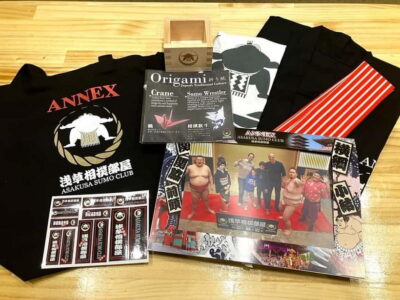
Luxury Sumo Show Experience & Japanese cuisine & Drink
Read our review →Browse the lists this tour appears in