
REVIEW · SUMO EXPERIENCES
Tokyo:Luxury Sumo Show Experience & Japanese cuisine & Drink
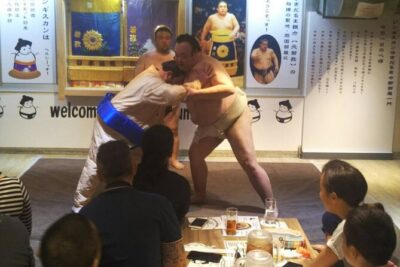
Tokyo’s Asakusa Sumo Club Annex turns Japan’s national sport into a dinner theater show, with a real ring in the center of the room and retired wrestlers performing just a few steps away. You’ll learn the basic rules, watch training techniques, and see comic bouts explained in English and Japanese. I especially like the geisha dance at the start and the chance to ask questions instead of simply watching from a distance.
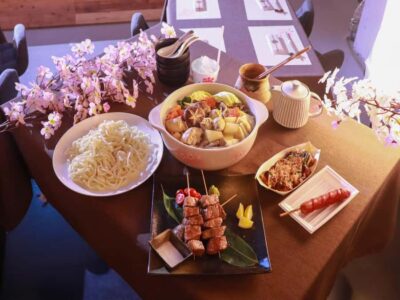
The meal is another strong point: A5 wagyu sukiyaki, chanko hot pot, and matcha dessert give the evening real substance. I also like the friendly sumo challenge, particularly for families and teenagers. The main consideration is that this is a polished entertainment show, not a visit to an active sumo stable, and the $103 starting price may feel high if you do not value the meal, drinks, photos, and interaction.
In This Review
- Key points to know before booking
- What the two-hour Asakusa evening feels like
- The geisha dance starts the program with grace
- Sumo rules become clear before the bouts begin
- Training demonstrations show the sport’s physical side
- The bouts are close, funny, and made for participation
- What you eat depends on your seating category
- Choosing between Standard, Business, and First Class
- Photos and souvenirs give the evening a finish
- Who will enjoy this most
- Practical tips for making the most of the show
- Should you book the Asakusa Sumo Club Annex?
- FAQ
- How long does the sumo show last?
- Where is the meeting point?
- Is the sumo show suitable for children?
- Can I participate in a sumo challenge?
- Are vegetarian or vegan meals available?
- Is the venue wheelchair accessible?
Key points to know before booking
- A real sumo ring sits in the middle of the restaurant, keeping the action close even in the standard seating area.
- The English commentary makes the sport easy to follow, including rules, rituals, training moves, and match tactics.
- A geisha dance opens the program, with a photo opportunity afterward.
- The dinner includes A5 wagyu sukiyaki, chanko hot pot, and matcha dessert, while higher seating categories add tempura and more drinks.
- You may enter the ring for a friendly challenge, although places are limited and may be assigned by lottery.
- The show is performed by retired wrestlers, so book it for fun, cultural explanation, and interaction rather than serious professional training.
What the two-hour Asakusa evening feels like
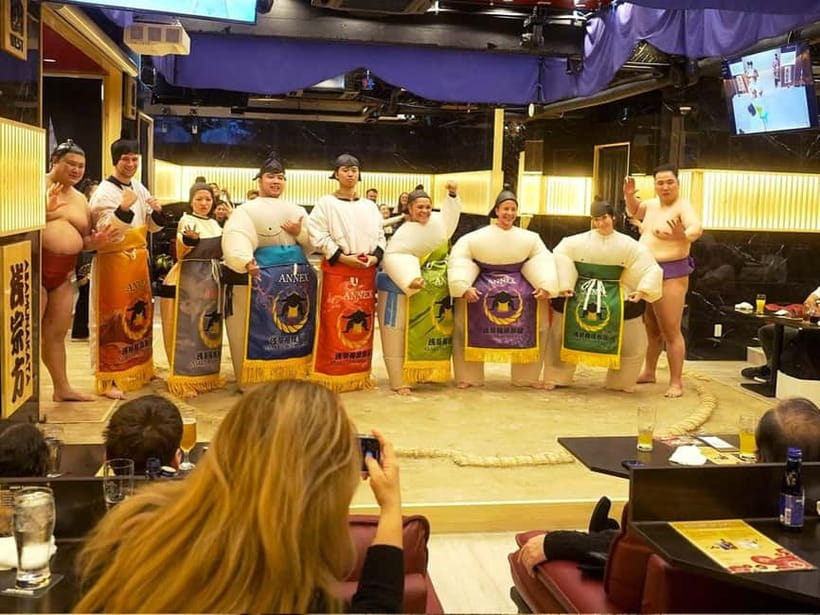
This is a compact, carefully timed evening rather than a long dinner with a little entertainment added. The ring is the room’s focal point, and the program moves between performance, explanation, food, and audience participation.
The Annex is the smaller, more private branch of Asakusa Sumo Club. That matters because the room is designed to feel personal. You are not watching a distant stage from the back of a large hall. Depending on your seat, you may be close enough to see the wrestlers’ expressions and hear the impact of their movements clearly.
You may be seated with other people, so do not book expecting a completely private table. Still, the format welcomes families, couples, and solo visitors. One solo diner was helped with photos during the ring challenge and even received assistance when needing to leave a few minutes early. That gives you a good sense of the staff’s hands-on approach.
The meeting point is along Asakusa Kokusai Street, next to Matsuya Restaurant. If you are already visiting Senso-ji and the surrounding Asakusa streets, the location fits neatly into an evening plan.
More Sumo Experiences in Tokyo
- Tokyo: Sumo Show and Dining Experience
★ 4.8 · 2,742 reviews - the SUMO show
★ 5.0 · 1,960 reviews - Tokyo Shinjuku Sumo Show & Experience with Photo
★ 5.0 · 1,750 reviews
The geisha dance starts the program with grace
The opening geisha dance provides a useful change of pace before the louder sumo demonstrations begin. The performance focuses on controlled movement and traditional gestures, with the small motions carrying much of the meaning.
You can take a photo with the geisha after the dance. For many people, this will be a highlight because the opportunity is brief but personal, rather than simply watching a performer from across a stage. One family particularly appreciated the kindness shown to a young child during the photo moment.
It is worth setting your expectations correctly. This is a staged cultural performance in a restaurant, not a private geisha appointment or a formal arts presentation. Even so, it adds a graceful Japanese element to an evening that otherwise centers on physical comedy, food, and crowd participation.
Sumo rules become clear before the bouts begin
Sumo can look simple at first: push the other wrestler out of the ring or force part of the body, other than the soles of the feet, to touch the ground. The formal rituals, training exercises, rank system, footwork, and strategies make the sport far more interesting.
The host explains these ideas in English and Japanese, with demonstrations from the wrestlers. Hosts named Luke and Go were singled out for making the event easy to follow and fun. The English is strong enough for questions, explanations, and jokes, which helps if you have never watched a tournament before.
The explanations are pitched for a general audience. You will not receive a technical seminar for serious sumo fans, but you will leave with enough background to understand what you see at a professional tournament. The light humor also keeps children and teenagers involved.
I find this introductory section important because it gives the bouts meaning. Without it, the show would mostly be large men pushing one another around a ring. With the rules and rituals in place, you can notice the stance, timing, balance, and ceremony.
Training demonstrations show the sport’s physical side
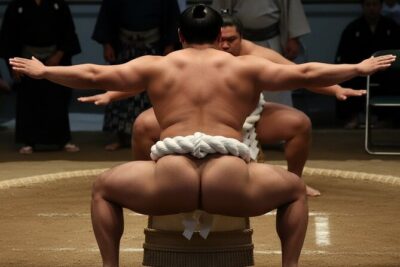
The retired wrestlers demonstrate real training techniques before the main matches. These exercises show how much sumo depends on balance, leg strength, timing, and control rather than simple bulk.
The demonstrations are performed close to the audience, and the ring gives the program a proper visual center. You may also see traditional elements such as salt being tossed into the ring, a small detail that connects the show to sumo ceremony. One playful comment about needing more salt gives you an idea of the tone: respectful enough to explain the custom, but relaxed enough to make room for jokes.
This is not an active stable’s morning training session. The wrestlers no longer compete as active professionals, and the event is built for entertainment. That distinction is stated clearly and is worth remembering if your main aim is to observe current wrestlers preparing for competition.
If you want to understand sumo before attending a tournament, this format is useful. You receive the basic vocabulary and visual clues that make a later match easier to appreciate.
Same city, a completely different kind of day:
- Mt Fuji and Hakone 1-Day Bus Tour Return by Bullet Train
★ 5.0 · 26,383 reviews - 1-Day Tokyo Bus Tour
★ 5.0 · 14,250 reviews - Tokyo: TOKYO SKYTREE® Admission ticket
★ 4.5 · 11,192 reviews - Tokyo: teamLab Planets TOKYO Digital Art Museum Entry Ticket
★ 4.6 · 9,779 reviews
The bouts are close, funny, and made for participation
The main sumo matches are the evening’s loudest and funniest section. The wrestlers demonstrate techniques, face one another in dynamic bouts, and play to the room without losing the physical force of the sport.
Audience interaction is built into the program. The host asks questions, invites reactions, and explains what is happening as the wrestlers move. You are encouraged to take photos and videos, so keep your phone ready, but also watch the action rather than viewing the entire show through a screen.
The sumo challenge is the most memorable option for anyone willing to step into the ring. You may test your strength against one of the wrestlers in a friendly contest. Children and teenagers can take part when selected, and the format is clearly meant to be humorous rather than intimidating.
There is one catch: the number of challengers is limited. If too many people want a turn, participants are chosen by drawing lots. Do not promise the challenge to a child before you know your family has been selected.
Even if you do not enter the ring, you can still enjoy the spectacle. The wrestlers interact with the audience throughout the show, and the staff help with photos. If you are shy, you will not need to perform. If you are bold, this is your chance to become part of the evening.
What you eat depends on your seating category
The Standard package includes table seating, a sukiyaki meal with chanko hot pot, matcha dessert, and one complimentary drink. It gives you the central food and entertainment without paying for the additional bar service.
The Business package moves you to sofa seating and adds tempura and unlimited drinks. The wider, more relaxed seats also offer a premium feel, which may matter during a two-hour show when you are eating, watching, and turning toward the ring.
First Class places you in front-row sofa seats. It includes the meal, tempura, unlimited drinks, premium Japanese whisky such as Yamazaki, and an exclusive souvenir set with a happi coat. This is the choice for someone who wants the closest view and plans to make full use of the drinks included.
The food is a substantial part of the value. The A5 wagyu sukiyaki is the centerpiece, while chanko nabe connects directly to the food traditionally associated with sumo wrestlers. Matcha dessert finishes the meal without making the dinner feel too heavy.
Food quality can vary slightly in presentation and temperature. Most people found the meal delicious or very good, but one person felt the food needed to be hotter. That is a fair caution for anyone booking mainly for a fine-dining experience. This is dinner theater, not a specialist restaurant tasting menu.
Standard seating includes one drink, with more available for purchase. Business and First Class include unlimited drinks, and First Class adds premium whisky. If you drink very little, the higher categories may not justify their extra cost. If you plan to enjoy sake, beer, or whisky during the show, the calculation changes.
Vegetarian and vegan meals can be prepared, but you must request them at least two days before the reservation date. A request made on the day cannot be guaranteed. Gluten-free and halal meals are not available, although you may bring your own food if needed.
Choosing between Standard, Business, and First Class
The seating categories affect more than the chair. They change how much you pay for comfort, viewing position, food, drink, and souvenirs.
Standard works best for value-conscious visitors. You still receive the core sumo show, the A5 wagyu sukiyaki, chanko hot pot, dessert, and one drink. The table seats provide a clear view, so you are not giving up the central experience.
Business suits a relaxed dinner night. Sofa seating, tempura, and unlimited drinks make it a better pick for couples or adults who want to settle in for the full two hours. A United States visitor specifically felt the Business option was worth the extra money because of the food and drinks.
First Class is for proximity and extras. The front-row seats put you closest to the ring, and the premium whisky and happi coat souvenir add a sense of occasion. I would choose it for a birthday, anniversary, or serious sumo fan, but not simply because the name sounds luxurious.
The base price of $103 per person needs to be judged against the whole package. You are paying for a two-hour performance, a full Japanese meal, bilingual hosting, a geisha dance, drinks depending on your category, a printed photo with the wrestlers, and souvenirs.
That is strong value if you want one easy evening activity with food and culture combined. It is less attractive if you only want to watch real competitive sumo or if you do not drink and would be satisfied with a less polished cultural presentation.
Photos and souvenirs give the evening a finish
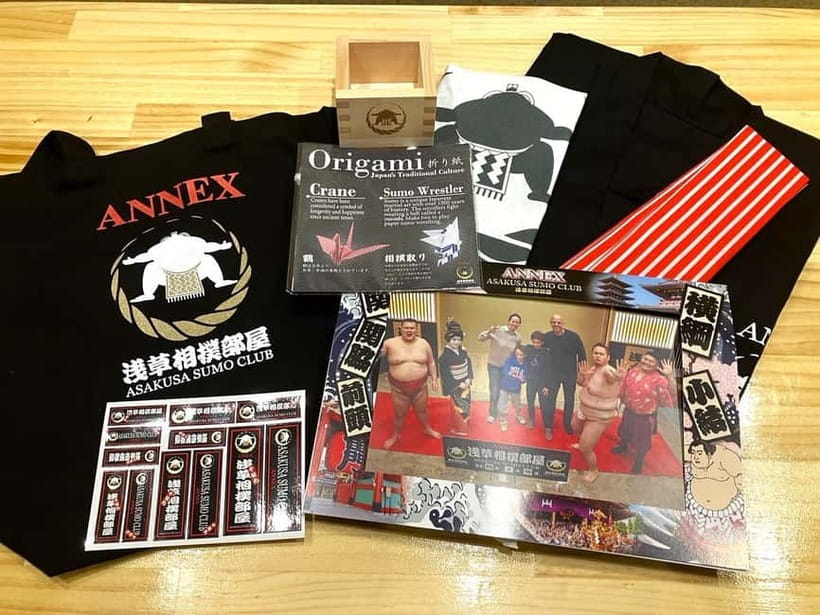
The final photo session is not an afterthought. You receive a printed commemorative photo with the sumo wrestlers, along with souvenirs based on your seating category.
The staff also take photos and videos during the event, which is especially helpful if you are traveling alone or want pictures of a family member in the ring. Souvenir items can change with the season, so do not book with one exact gift in mind.
The First Class package includes an exclusive souvenir set with a happi coat. Standard and Business packages also include gifts, but the exact items depend on the category and current season.
This closing section gives the evening a clear ending. You are not simply shown back to the door after the final bout. You have time for photos, questions, and a small physical reminder of the experience.
Who will enjoy this most
I would recommend the Annex to families with school-age children, couples looking for a lively Tokyo night, and solo visitors who want an activity where it is easy to join in.
Children are welcome, and several parts are designed to hold their attention: the humor, the simple explanations, the chance to see wrestlers up close, and the possibility of a ring challenge. Babies under one year are not suitable for the activity, and meals, seating, and souvenirs are not included for infants.
It also works well for adults who know little about sumo. The host gives you the basics without expecting prior knowledge. Bring questions, since the question-and-answer time is one of the best chances to learn how the rituals and techniques fit together.
Serious sumo followers should decide what kind of experience they want. If you want a current tournament, active wrestlers, or an authentic stable training session, this is not the right substitute. If you want a friendly introduction before attending a tournament, it can be a smart choice.
The venue is not wheelchair accessible because of stairs. You may also be seated with other people, so visitors seeking a private dinner should take note.
Practical tips for making the most of the show
Arrive ready to take part, even if you do not plan to wrestle. The host may invite audience members to answer questions, try a movement, or react to a demonstration.
Keep some room on your phone for photos and videos. The staff help record the important moments, but the show moves quickly and you will want to capture the ring, the geisha dance, and the wrestlers.
If you are considering vegetarian or vegan food, make the request at least two days before your booking. Do not wait until arrival, since the ingredients cannot be arranged on the same day.
Think about your drinking habits before choosing a seat. Business and First Class make more sense if you will use the unlimited drinks. Standard is the sensible choice if the meal and show matter more to you than the bar service.
Late time slots can still work well. One visitor enjoyed an 8:30 p.m. weekday show and used the waiting time to see Asakusa’s temple and smaller streets at night. Some nearby businesses may be closed then, but the area can still make a pleasant pre-show walk.
The activity lasts two hours, so it fits neatly into an evening without taking over your full day. Free cancellation is available up to 24 hours in advance, and you can reserve now and pay later if your schedule is still moving.
Should you book the Asakusa Sumo Club Annex?
Book this experience if you want an easy, social introduction to sumo with dinner, a geisha dance, bilingual explanations, and plenty of chances to laugh. The warm staff, funny wrestlers, clear host, and close seating create the kind of evening that works even when members of your group have different interests.
I would choose Standard for the strongest basic value, Business if you want sofa seating and unlimited drinks, and First Class only when front-row seats, premium whisky, and the larger souvenir package matter to you.
Skip it if you are looking for active-stable training, a quiet traditional meal, or serious tournament competition. For everyone else, especially families and first-time visitors, the Annex offers a polished and highly interactive way to understand why sumo is more than a simple pushing contest.
FAQ
How long does the sumo show last?
The experience lasts two hours.
Where is the meeting point?
The meeting point is along Asakusa Kokusai Street, next to Matsuya Restaurant.
Is the sumo show suitable for children?
Yes. The show is designed for adults and children, and children may be invited to take part in the sumo challenge. Babies under one year are not suitable for the activity.
Can I participate in a sumo challenge?
You may be able to enter the ring for a friendly challenge. Places are limited, and if many people want to participate, the final challengers are selected by lottery.
Are vegetarian or vegan meals available?
Yes, but you must request a vegetarian or vegan meal at least two days before the reservation date. A regular meal will be prepared if you do not make the request in advance.
Is the venue wheelchair accessible?
No. The restaurant has stairs and is not wheelchair accessible.
More Show in Tokyo
- Mt Fuji & Hakone Cruise, Drum Show Bullet Train 1 Day from Tokyo
★ 4.0 · 7,413 reviews - Mt Fuji & Hakone Cruise, Drum Show Bus 1 Day from Tokyo
★ 4.0 · 1,287 reviews - Tokyo: Sumo Show and Experience in Shinjuku
★ 4.8 · 1,001 reviews - Tokyo Bay Yakatabune Dinner/Day Cruise with Japan Show and Drinks
★ 4.5 · 473 reviews
Just added around Tokyo
- Tokyo: Customizable Private Guided Walking Tour★ 4.5 · 129 reviews
- Private Harajuku Omotesando Architecture Tour★ 4.9 · 18 reviews
- Tokyo: Private Personalized Local Food Tour★ 4.5 · 101 reviews
- Tokyo: Guided Helicopter Ride★ 4.9 · 24 reviews
- Tokyo: Guided Walking Tour of Tsukiji Market with Lunch★ 4.4 · 24 reviews
- Tokyo GINZA: KONPARU Japanese Cabaret Show with Drink★ 4.8 · 38 reviews
- Tokyo: Guided Walking Tour of Tsukiji Market with Breakfast★ 4.4 · 134 reviews
- Tokyo: Gotokuji Cat Temple, Shinjuku Cat Cafe & 3D Cat Tour★ 4.9 · 38 reviews
Sumo Experiences, compared.
Sumo Show Experience with Chicken Hot Pot and a Photo
Read our review →
Tokyo Shinjuku Sumo Show & Experience with Photo
Read our review →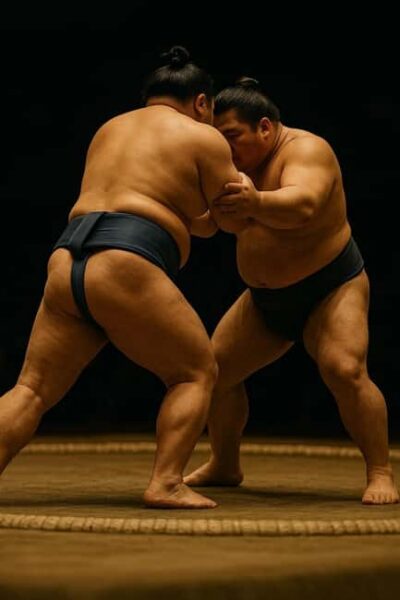
Sumo Show & Experience w/ Optional Kimono & Hot Pot
Read our review →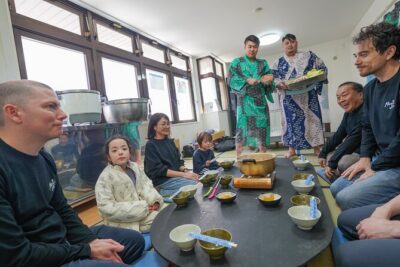
Authentic Sumo Experience in Tokyo: Enter the Sanctuary
Read our review →Browse the lists this tour appears in