
REVIEW · SUMO EXPERIENCES
Tokyo: Sumo Show and Experience in Shinjuku
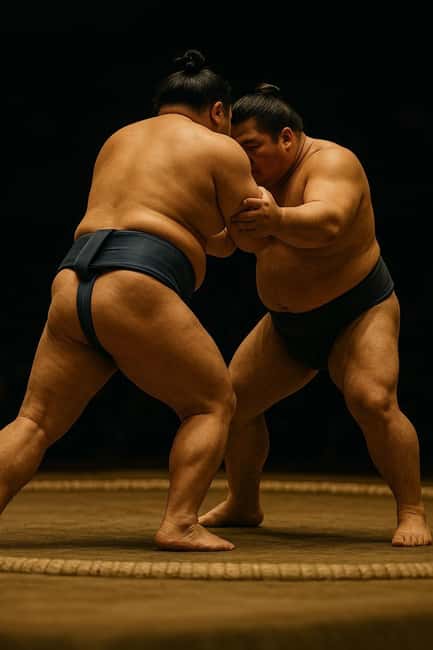
The best part of this Shinjuku show is the chance to see sumo at close range, then step into the dohyo yourself. You’ll watch shiko foot stomping, salt throwing, technique demonstrations, and live sparring before some audience members face the rikishi in a traditional outfit.
I like the clear English explanations and the warm crowd interaction. Hosts including Paula, Dai, and Ari have a lively style, while wrestlers such as George and Guchi help turn rules and ritual into something you can see and feel. The main consideration is simple: this is an exhibition show, not a tournament, so serious sumo fans may want it as an introduction rather than a replacement for a professional competition.
In This Review
- Key points to know
- What this Shinjuku sumo show really offers
- Entering the building near Daiso
- The opening lesson: rituals before the clash
- Watching professional wrestlers at close range
- Taking your turn in the dohyo
- Why the host matters so much
- The $69 price and what you get
- Who should book this experience
- Practical tips for a smoother visit
- Should you book the Shinjuku sumo show?
- FAQ
- Is this a real sumo tournament?
- How long does the experience last?
- Is the show conducted in English?
- Where is the meeting point?
- Which entrance should I use?
- Can I enter if I arrive late?
- Can I wear a sumo outfit?
- Can I challenge a sumo wrestler?
- Is food included?
Key points to know
- Live sparring and demonstrations: See professional sumo wrestlers show techniques, training moves, rituals, and exhibition bouts.
- English guidance: The host explains rules, history, Japanese phrases, fouls, and the discipline behind the sport.
- A real dohyo challenge: Put on a traditional sumo outfit and test yourself against a rikishi in a playful audience match.
- Family-friendly format: The mix of jokes, demonstrations, and participation works for children and adults.
- Central Shinjuku setting: The event takes place on the second floor of the Sekisaku Building, near Daiso.
- Bring your punctuality: Enter through the front door next to Daiso, and arrive on time because late entry may not be accepted.
What this Shinjuku sumo show really offers
Sumo can look simple from a distance. Two wrestlers face each other, push, pull, and try to force one another out of the ring. This 90-minute experience helps you see the skill hidden inside that short burst of action.
You’ll learn that the match begins long before the collision. Foot stomping, salt throwing, bowing, positioning, and other rituals give the bout its formal shape. The host also explains techniques and fouls, so you can follow what is happening instead of watching two large bodies collide without context.
The program mixes instruction with comedy and audience participation. That balance matters. A serious lecture about sumo rules could feel dry, while a simple stage show might leave you with little understanding of the sport. Here, the explanations lead into demonstrations and matches, so each point has a physical example.
The wrestlers are professional rikishi, but the mood is friendly and accessible. You are not expected to know Japanese or understand sumo before arriving. English is used throughout, and the host invites questions and keeps the room involved.
More Sumo Experiences in Tokyo
- Tokyo: Sumo Show and Dining Experience
★ 4.8 · 2,742 reviews - the SUMO show
★ 5.0 · 1,960 reviews - Tokyo Shinjuku Sumo Show & Experience with Photo
★ 5.0 · 1,750 reviews
Entering the building near Daiso
The meeting point is on the second floor of the Sekisaku Building in Shinjuku. Use the front entrance facing the main door next to Daiso. This detail is worth saving on your phone because the building has a specific entry route, and the show follows a fixed schedule.
Arrive early enough to find the door without rushing. Late entry may not be accepted at the front desk, partly because the program runs in set stages and interruptions would disturb the presentation. This is not the kind of activity to squeeze between two uncertain train connections.
The location makes sense for a Tokyo evening or morning plan. You can pair it with time in Shinjuku, but allow enough space to locate the building and reach the second floor. The event lasts 90 minutes, which gives you a full cultural activity without taking half a day from your itinerary.
A welcome bottled water is included. Food is not, so eat before the show if you expect to be hungry. The information provided does not promise a meal, snack, or full drink service, although one audience member noted receiving a lemon sour at the beginning. I would treat the bottled water as the dependable inclusion and not book this as a dining experience.
The opening lesson: rituals before the clash
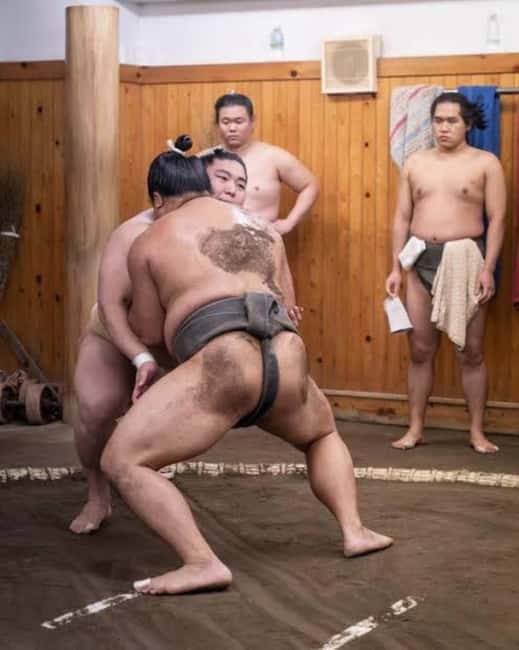
The host begins by giving you the setting for sumo. You’ll hear about the sport’s customs, rules, training, and place in Japanese culture before the wrestlers demonstrate what those ideas look like in the ring.
The ritual section is one of the strongest reasons to book this experience before attending a professional tournament. At a tournament, you might see salt thrown and feet stamped but have no idea why. Here, the host explains the purpose and order of the actions in English, giving you a useful framework for watching sumo later.
The foot stomping, called shiko, is especially striking. It is not simply theatrical preparation. The movement shows control, balance, strength, and a deliberate connection between ritual and physical training. When you see it close by, you can better appreciate that sumo is built on repeated discipline, not just body weight.
The presentation also covers Japanese phrases and the rules that determine a win or a foul. This gives the show practical value for a first-time viewer. You leave better prepared to watch a match on television or attend a tournament, where bouts can end in seconds.
The host’s personality shapes this part of the program. Paula is noted for an energetic, funny approach, while Dai is praised for answering questions and explaining the sport clearly. Ari and Ali are also named as engaging hosts. Since the host can vary, think of these names as examples of the style you may encounter rather than a guaranteed schedule.
Watching professional wrestlers at close range
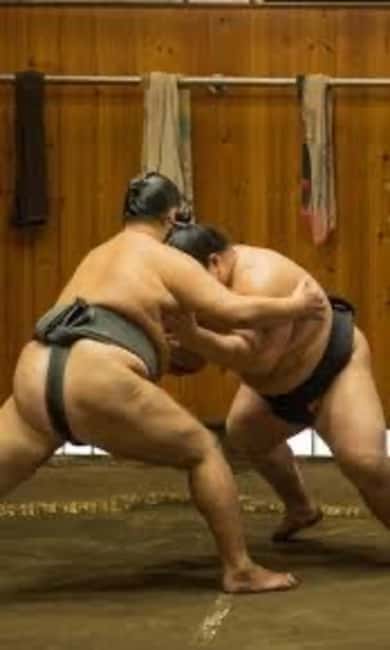
After the introduction, the rikishi demonstrate different sumo techniques and training movements. This is more useful than a string of unexplained matches because the host can point out what to watch.
You’ll see how a wrestler tries to use balance, leverage, timing, and footwork. The emphasis helps correct the common idea that sumo is only about size. A well-placed shove, a turn, or a grip can change the result quickly. The show makes the physical and mental sides of the sport easier to recognize.
The live sparring brings the power. Sumo is compact and explosive, and the action may be over quickly. That short duration is part of the sport’s character, but it can surprise people who expect a long wrestling bout.
This is exhibition sumo, not a scheduled tournament match. The wrestlers are putting on a demonstration designed to teach and entertain. You get a close, personal look at the movements and rituals, but you should not expect the tension, ranking stakes, or full ceremony of a major professional competition.
For most first-time viewers, that tradeoff works well. You can see the action clearly, hear the explanation, and ask questions. A committed sumo follower who has already attended tournaments may find the event less essential, but it remains a lively way to introduce someone else to the sport.
Same city, a completely different kind of day:
- Mt Fuji and Hakone 1-Day Bus Tour Return by Bullet Train
★ 5.0 · 26,383 reviews - 1-Day Tokyo Bus Tour
★ 5.0 · 14,250 reviews - Tokyo: TOKYO SKYTREE® Admission ticket
★ 4.5 · 11,192 reviews - Tokyo: teamLab Planets TOKYO Digital Art Museum Entry Ticket
★ 4.6 · 9,779 reviews
Taking your turn in the dohyo
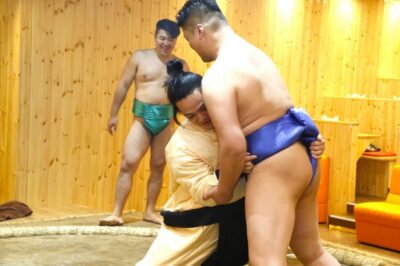
The most memorable section for many people is the audience challenge. Selected participants put on a traditional sumo outfit and enter the ring to face one of the wrestlers.
You should understand the spirit of this activity. It is a playful demonstration, not a fair contest between equal athletes. The rikishi controls the encounter, and the humor comes from watching ordinary people attempt a sport built around years of training.
That does not make the moment empty. Entering the dohyo gives you a physical sense of the space and changes your view of the wrestler’s size and balance. Even a brief push can show how much force and control the rikishi has.
Children can find this especially exciting, and adults often enjoy it just as much. One parent described a child leaving convinced that a family member could defeat a sumo wrestler after a playful exchange. That is a good sign of the show’s comic, welcoming tone, though you should not assume every person will be selected.
If you prefer to watch, you can still enjoy the participation. The audience gets involved as volunteers take their turns, and the final challenges often produce the biggest laughs. The wrestlers are presented as friendly and approachable rather than distant figures, with opportunities for interaction and photographs noted as part of the experience.
Why the host matters so much
An English-speaking MC is included, but the quality of this role matters more than the label. The host has to explain unfamiliar customs, keep the timing moving, handle questions, and make audience participation feel comfortable.
The strongest accounts of the event point to hosts who combine clear instruction with humor. Paula is repeatedly praised for her enthusiasm and jokes. Dai is described as engaging and able to answer detailed questions. Ari is singled out for commanding the room, and Ali is remembered as a strong host.
You will not receive a quiet museum lecture. Expect a social presentation with music, jokes, questions, and direct interaction. That suits people who want help understanding Japanese culture without sitting through a formal academic talk.
The format also works well for mixed groups. If one person in your party already follows sumo and another knows nothing about it, the demonstrations give both something to enjoy. The expert can focus on technique, while the beginner gets the basic rules and story first.
The $69 price and what you get
At $69 per person, this is not the cheapest short activity in Tokyo. The value depends on what you want from it.
You are paying for a 90-minute hosted show, professional rikishi demonstrations, live sparring, English interpretation, audience interaction, a traditional outfit opportunity, and the chance to enter the dohyo. You also receive bottled water. Food is not included, so compare the price with cultural shows that include a meal before deciding.
I think the price is reasonable if you want a ready-made introduction to sumo and do not have the time or confidence to arrange a tournament visit. The host gives you context quickly, and the audience challenge adds an experience you cannot get from watching a match on television.
The value is weaker if your main goal is authentic competitive sport. This is not a tournament, and the exhibition structure means the matches are made for teaching and entertainment. A professional sumo competition offers greater sporting stakes, but usually requires more planning and does not provide the same direct chance to ask questions or enter the ring.
The option to reserve now and pay later can help if your Tokyo schedule is still changing. Free cancellation is available up to 24 hours in advance for a full refund. Check the exact start time when booking, since several sessions may be offered and availability can change.
Who should book this experience
I would recommend it most strongly to first-time sumo viewers, families, and people who want a cultural activity with plenty of laughter. The English commentary removes much of the guesswork, and the program gives children a clear visual lesson rather than asking them to sit quietly through a long talk.
It also suits you if you have recently started watching sumo and want to understand the vocabulary, rules, and movements. The show can make a later tournament much easier to follow.
It is a good choice for a mixed-age group because people can enjoy it at different levels. Some will focus on the history and ritual. Others will wait for the sparring and audience challenges.
I would hesitate only if you expect a genuine tournament or a full meal. You should also consider your comfort with audience participation. You can watch without volunteering, but the event does encourage people to become part of the show.
Practical tips for a smoother visit
Save the Sekisaku Building name and the Daiso landmark before leaving your hotel. Use the front entrance facing the main door next to Daiso, then go to the second floor.
Arrive early. The organizers warn that late entry may not be accepted because the show follows a fixed schedule. A late arrival could mean missing the opening explanation or losing entry altogether.
Eat beforehand if you need more than water. Food is not included, and the activity is too short to function as a meal stop.
If you hope to ask questions, listen closely during the host’s presentation and use the chance to speak with the wrestlers when invited. The question period is one of the useful differences between this experience and simply watching sumo online.
Plan a tournament visit separately if competitive sumo is your main aim. This show works best as preparation, a cultural introduction, or a fun close-up encounter.
Should you book the Shinjuku sumo show?
Book it if you want to understand sumo while seeing its rituals and power up close. The English host, short 90-minute format, demonstrations, live sparring, and possible dohyo challenge make it easy to fit into a Tokyo schedule.
Skip it if you want an official tournament, serious ranking stakes, or food included. For most first-time visitors, though, the combination of instruction and comedy offers solid value at $69, especially for families and anyone who wants more than a distant look at Japan’s national sport.
FAQ
Is this a real sumo tournament?
No. This is an exhibition show with professional sumo wrestlers, demonstrations, and live sparring. It does not replace an official tournament.
How long does the experience last?
The activity lasts 90 minutes.
Is the show conducted in English?
Yes. An English-speaking live guide or MC explains the rituals, techniques, rules, history, and other parts of the program.
Where is the meeting point?
Meet on the second floor of the Sekisaku Building in Shinjuku.
Which entrance should I use?
Entry is permitted through the front of the building, facing the main door next to Daiso.
Can I enter if I arrive late?
Late entry may not be accepted because the show follows a set schedule. Arriving on time is important.
Can I wear a sumo outfit?
Yes. The experience includes the opportunity to wear a traditional sumo outfit.
Can I challenge a sumo wrestler?
Yes. Audience members have the chance to enter the dohyo and challenge a sumo wrestler in a playful match.
Is food included?
No. Food is not included. A welcome bottled water is provided.
More Show in Tokyo
- Mt Fuji & Hakone Cruise, Drum Show Bullet Train 1 Day from Tokyo
★ 4.0 · 7,413 reviews - Mt Fuji & Hakone Cruise, Drum Show Bus 1 Day from Tokyo
★ 4.0 · 1,287 reviews - Tokyo:Luxury Sumo Show Experience & Japanese cuisine & Drink
★ 4.7 · 577 reviews - Tokyo Bay Yakatabune Dinner/Day Cruise with Japan Show and Drinks
★ 4.5 · 473 reviews
Just added around Tokyo
- Tokyo: Customizable Private Guided Walking Tour★ 4.5 · 129 reviews
- Private Harajuku Omotesando Architecture Tour★ 4.9 · 18 reviews
- Tokyo: Guided Walking Tour of Tsukiji Market with Lunch★ 4.4 · 24 reviews
- Tokyo: Private Personalized Local Food Tour★ 4.5 · 101 reviews
- Tokyo: Guided Helicopter Ride★ 4.9 · 24 reviews
- Tokyo GINZA: KONPARU Japanese Cabaret Show with Drink★ 4.8 · 38 reviews
- Tokyo: Guided Walking Tour of Tsukiji Market with Breakfast★ 4.4 · 134 reviews
- Tokyo: Gotokuji Cat Temple, Shinjuku Cat Cafe & 3D Cat Tour★ 4.9 · 38 reviews
Sumo Experiences, compared.
Sumo Show Experience with Chicken Hot Pot and a Photo
Read our review →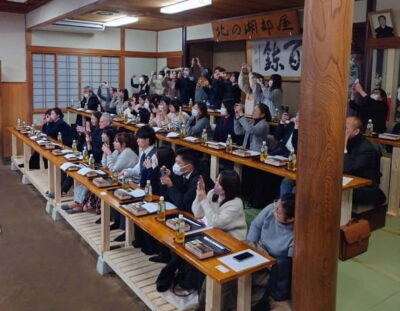
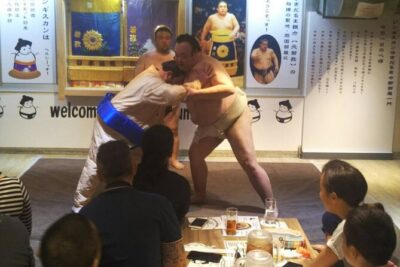
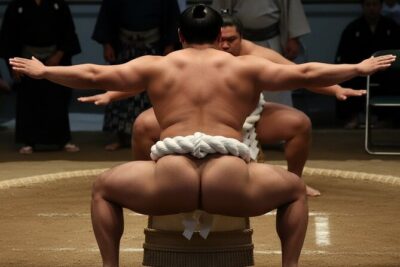
Tokyo Shinjuku Sumo Show & Experience with Photo
Read our review →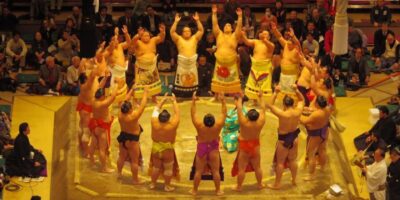
Sumo Show & Experience w/ Optional Kimono & Hot Pot
Read our review →
Authentic Sumo Experience in Tokyo: Enter the Sanctuary
Read our review →
Luxury Sumo Show Experience & Japanese cuisine & Drink
Read our review →Browse the lists this tour appears in