
REVIEW · KIMONO & CULTURE EXPERIENCES
Samurai Sword Experience (Family Friendly)at SAMURAI MUSEUM KYOTO
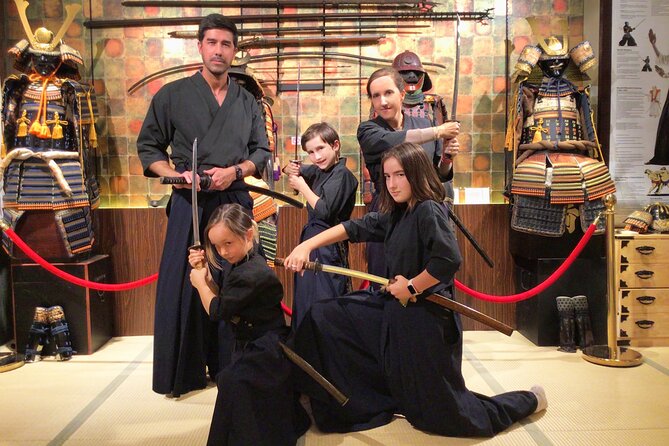
The main draw here is simple: you get into samurai clothing, pick up a sword, and learn how to handle it under an instructor’s direction. This is more than a costume photo stop, but it is also a beginner activity rather than formal martial-arts training. The hands-on sword lesson and the chance to pose in armor make it easy for children to enjoy.
I like the family-friendly pace and the history talk, which gives the costumes some meaning. I also like the small-group format advertised for many sessions, since a patient instructor can make a big difference when children are learning sword movements. The main caution is that the experience may feel too basic or too short for adults who expect serious sword study or a long session with a genuine katana.
In This Review
- Key points at a glance
- Putting on the armor at Kyoto Samurai Ninja Museum
- The history talk gives the sword lesson some meaning
- Learning basic sword movements with an instructor
- Armor photos and the family-friendly balance
- What the two-hour schedule really means
- Is $65.39 a fair price?
- Who will enjoy this most?
- Practical booking advice for Kyoto
- My recommendation
- FAQ
- Where does the Samurai Sword Experience begin?
- Where does the activity end?
- How long does the experience last?
- How much does the experience cost?
- Are children allowed to join?
- Can I wear samurai armor?
- Will I use a sword?
- How many people can join a session?
- Are morning and afternoon times available?
- Can I cancel for a full refund?
Key points at a glance
- Two hours of samurai-themed activity: Plan on history, dressing up, sword instruction, and posing for photographs.
- Best for children and families: Teenagers can enjoy it too, while adults seeking advanced sword work may find it light.
- Armor and themed backgrounds: You get more than a quick rental costume photo.
- Morning and afternoon departures: The time choices make it easier to fit around Kyoto sightseeing.
- Small-group potential: The experience is advertised with a maximum of 10 people, though other booking details state limits of 17 or 4, so confirm your exact session.
- Young-child restriction: Children under 3 cannot enter the samurai venue.
Putting on the armor at Kyoto Samurai Ninja Museum
The activity begins at the experience floor of the Kyoto Samurai Ninja Museum, at 292 Higashidaimonjicho in Kyoto’s Nakagyo Ward. You return to this same place at the end, so you do not need to arrange a separate pickup or navigate to a second location.
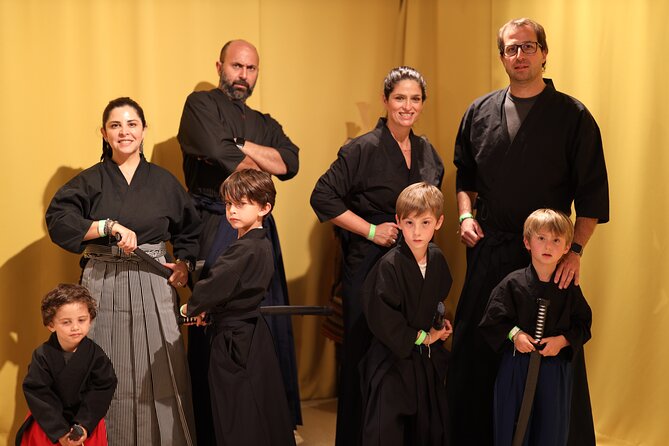
The first change in mood comes when you put on the traditional samurai outfit. For children, this is often the moment the activity becomes real. A museum explanation can be interesting, but wearing the clothing gives young participants a role to play and makes the history easier to picture.
The clothing is also useful for photographs. You can pose in front of several samurai-themed backgrounds, not just stand for one quick snapshot. I would allow extra time before the start to arrive at the museum, find the experience floor, and settle children before the costume portion begins.
The venue is near public transportation, and confirmation is sent when you book. Mobile tickets make arrival simple. Service animals are allowed, and the activity states that most people can participate, though the under-3 restriction is firm.
One practical note matters for anyone visiting between January 24 and February 19, 2026: the elevator is scheduled to be out of service. If someone in your group depends on the elevator, contact the provider before booking.
More Kimono & Culture Experiences in Kyoto
- Kyoto Geisha Walking Tour: Gion District & Hidden Gems
★ 4.7 · 3,273 reviews - Kyoto: Gion Magical Night Walking Tour with Geisha Trivia
★ 4.9 · 2,393 reviews - Kyoto: Gion Geisha District Walking Tour – Stories of Geisha
★ 4.7 · 2,187 reviews
The history talk gives the sword lesson some meaning
This is not only a dress-up session. The instructor explains samurai history before or around the practical activities, helping you understand the culture behind the clothing and weapons.
The history portion is especially useful for families. Children may not remember every date or name, but they can connect the explanation to the armor, sword, and movements they are about to use. I like this order because the activity does not treat samurai culture as a simple action-movie theme.
The amount of history can vary with the group and the instructor. Some families have found the explanation interesting and well suited to children, while others have felt that the activity leans more toward entertainment than serious historical study. That is a fair expectation to set before you arrive.
If you are hoping for a museum tour with detailed examination of many swords, this may not be the right choice. The main purpose is participation. You learn enough context to understand the activity, then move on to the physical part.
Learning basic sword movements with an instructor
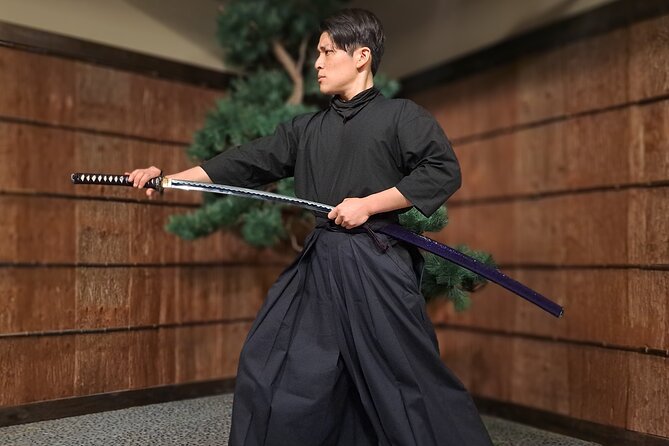
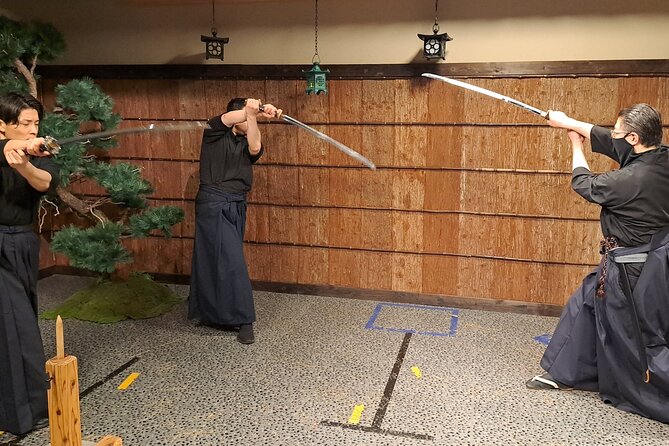
After the introduction, you watch a demonstration of how to swing a sword correctly. Then you try the movements yourself. The instructor’s patience matters here, especially when a child is nervous, excited, or having trouble following the sequence.
A positive account of the experience describes learning a form with a wooden sword and praises the instructor’s patience. That detail is important. You should think of this as controlled beginner practice, not combat training. The emphasis is on following directions, handling the sword safely, and enjoying the role.
The wording for the activity refers to wielding a katana, but you should not book this expecting to handle a sharp or historic blade. The available feedback includes disappointment from an adult who wanted to see or use a real katana. The safest way to understand the offer is as a samurai-themed sword lesson using practice equipment, with the exact sword type best confirmed directly with the provider.
That distinction affects the value. For a child who wants to swing a sword under supervision, the activity can be memorable. For an adult with a serious interest in Japanese sword construction, blade types, or formal technique, it may feel introductory.
Armor photos and the family-friendly balance
The photo portion gives the experience a clear payoff. You get to wear samurai armor and pose against several themed backgrounds, creating pictures that look more intentional than a rushed costume snapshot.
Families with young children often value this part because it gives everyone something to do, even if a child is less interested in the history talk. Teenagers can also enjoy it, particularly when the group treats the poses with a sense of humor.
The family focus is both a strength and a limit. One adult participant described the session as fun and relaxed but later felt an adults-only option would have been a better fit. Another adult assessment found the activity mainly suited to families with small children. That does not make the experience poor. It simply tells you to match the booking to your interests.
If your group includes young children, the costumes, backgrounds, sword practice, and history talk create variety. If you are two adults looking for a serious samurai lesson, check the museum’s adult option before paying for this family-friendly session.
Same city, a completely different kind of day:
- PERFECT KYOTO 1-Day Bus Tour
★ 5.0 · 13,518 reviews - Kyoto: Fushimi Inari, Kinkakuji, Bamboo Grove 1 Day Bus Tour
★ 4.8 · 4,316 reviews - Kyoto: Tea Ceremony in a Traditional Tea House in Kiyomizu
★ 4.9 · 3,519 reviews - Kyoto: Tea Ceremony Ju-An at Jotokuji Temple
★ 4.9 · 3,207 reviews
What the two-hour schedule really means
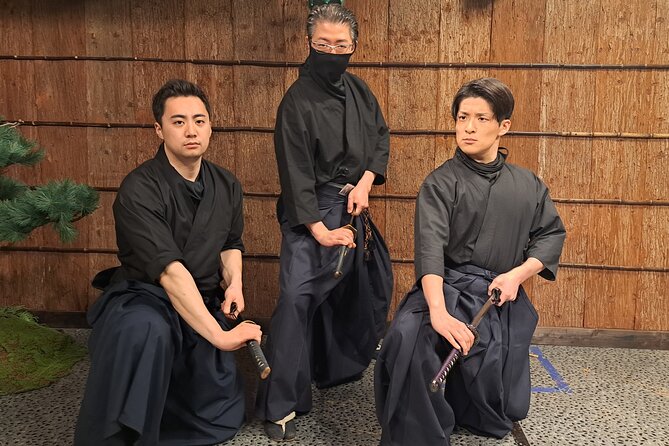
The advertised duration is about two hours. That sounds generous, but the time covers several elements: arrival, changing, historical instruction, a demonstration, sword practice, and photographs.
Do not assume you will spend two full hours practicing sword forms. The hands-on section is only one part of the program. One poor experience described uniforms being distributed late, leaving less than 30 minutes for the main activity. That appears to have been an unhappy session rather than the intended format, but it points to a useful concern: punctual organization can shape your impression of the tour.
I would arrive early, keep your booking confirmation ready, and avoid scheduling a tight attraction immediately afterward. Morning and afternoon time slots give you flexibility, but the experience ends back at the museum, not at another sightseeing stop.
The group-size information needs a little caution. The main description says a maximum of 10 people, while other booking details give limits of 17 and 4. These figures may apply to different sales channels or sessions. Ask for the expected group size if that matters to you, especially if you want close instruction or are booking for a larger family.
Is $65.39 a fair price?
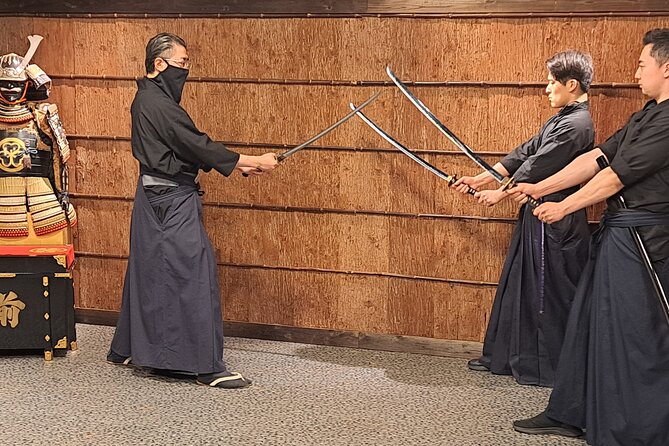
At $65.39 per person, this is not a cheap photo opportunity. The value depends on what you want to take home from the session.
For a family, the price covers a two-hour indoor activity with costumes, a history component, guided sword practice, and photographs. That can be worthwhile on a rainy Kyoto day or when children need a break from temples and walking. The activity gives them a role, a physical task, and a story they can remember.
For an adult who wants detailed sword instruction, the price is harder to justify. The session is designed for broad appeal, and the sword work is basic. You are paying for the full package, not a specialist lesson.
I would compare the cost with the age and interests of your group. Two adults who mainly want a photograph may find the price high. A family with children who are fascinated by samurai may find the variety makes the fee reasonable.
The strong overall rating of 4.7 from 62 ratings and the 92 percent recommendation figure suggest that the activity usually delivers what many families expect. Still, those numbers do not remove the basic mismatch between a family program and an adult-focused sword class.
Who will enjoy this most?
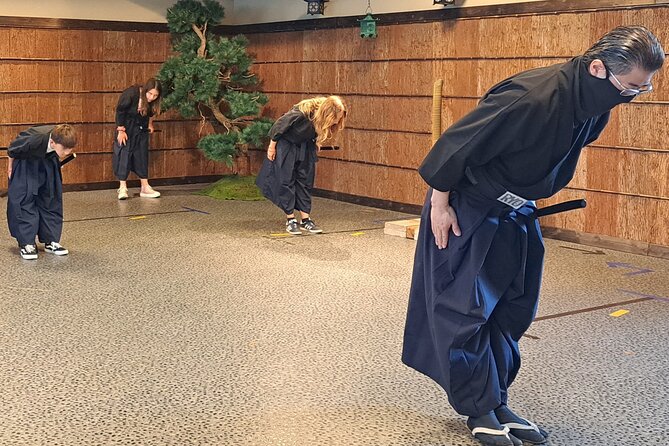
I would book this for families with children over 3, particularly if the children enjoy costumes, action-based activities, or Japanese history. It also suits families with teenagers, as one family found when bringing three teenagers to the session.
The patient-instructor element is important. Children do not need prior experience, and the activity is built around learning a form rather than performing difficult techniques. An instructor who keeps the group moving and explains the history clearly can make the session work for several ages at once.
I would hesitate if you are mainly interested in authentic swordsmanship. This is a cultural activity with a performance and photo element. It lets you try samurai-themed clothing and sword movements, but it should not be confused with a formal martial-arts class or a specialist examination of real blades.
It is also not suitable for children under 3, since they cannot enter the venue. Most other participants can take part, but anyone with specific mobility needs should check the elevator situation and venue access before booking.
Practical booking advice for Kyoto
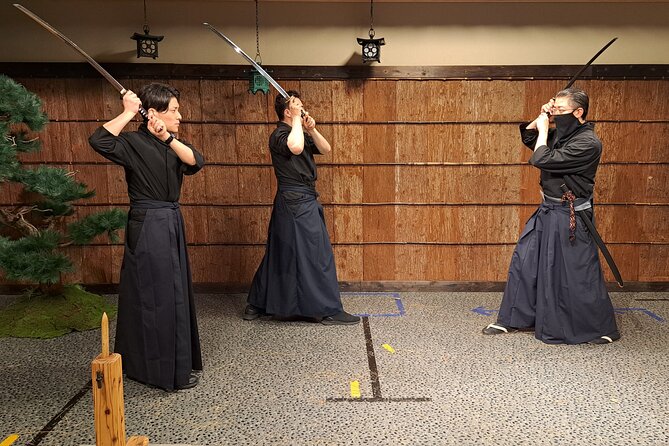
The museum is at 292 Higashidaimonjicho in Nakagyo Ward, Kyoto, and the activity begins and ends there. Use the mobile ticket sent with your confirmation, and keep the booking time visible on your phone.
Morning and afternoon sessions let you fit the activity around Kyoto’s temples, markets, and evening plans. I would avoid placing a major reservation immediately afterward because the stated duration is approximate and changing into costume takes time.
Free cancellation is available if you cancel at least 24 hours before the start time. Changes or cancellations inside that window are not accepted for a refund, and the cut-off uses Kyoto local time.
Because the stated group maximum appears in more than one form, confirm the size for your chosen departure. A group of four feels quite different from a group of 17, especially during costume changes and sword instruction.
My recommendation
I would book this if you want a cheerful, structured family activity that combines samurai history with costumes, photographs, and beginner sword practice. The best parts are the variety, the child-friendly format, and the chance to take part rather than only look at exhibits.
I would skip it, or seek the adults-only option, if your main goal is serious sword training, long practice time, or handling a genuine katana. For the right audience, $65.39 buys a memorable Kyoto break. For the wrong audience, it can feel like an expensive costume session that ends too soon.
FAQ
Where does the Samurai Sword Experience begin?
It begins on the Experience Floor of the Kyoto Samurai Ninja Museum at 292 Higashidaimonjicho, Nakagyo Ward, Kyoto, 604-8073, Japan.
Where does the activity end?
The activity ends back at the meeting point at the Kyoto Samurai Ninja Museum.
How long does the experience last?
The experience lasts approximately two hours.
How much does the experience cost?
The listed price is $65.39 per person.
Are children allowed to join?
Yes, the activity is family-friendly, but children under 3 cannot enter the samurai venue.
Can I wear samurai armor?
Yes. The activity includes wearing a samurai outfit and posing in front of samurai-themed backgrounds.
Will I use a sword?
Yes. You watch a demonstration of sword movements and then practice them yourself. The supplied details do not guarantee that you will handle a sharp or historic katana, so confirm the equipment if that is important to you.
How many people can join a session?
The main description gives a maximum of 10 people. Other booking information states limits of 17 or 4, so confirm the group size for your selected session.
Are morning and afternoon times available?
Yes. Time slots are available in both the morning and afternoon.
Can I cancel for a full refund?
Yes, if you cancel at least 24 hours before the experience starts. Cancellations or changes made less than 24 hours before the start time are not refunded or accepted.
More Museums in Kyoto
- Kyoto: Tea Museum Tickets and Matcha Grinding Experience
★ 4.9 · 739 reviews - Skip the lines Basic Ticket at SAMURAI NINJA MUSEUM KYOTO
★ 4.5 · 632 reviews - Kyoto : Geiko Maiko Dance of Kyoto & Visits of Gion Museum
★ 4.6 · 415 reviews - Kyoto Sword Experience – includes Museum Ticket/Ninja Experience
★ 4.5 · 149 reviews
Just added around Kyoto
- Private Guided Traditional Buddhist Cooking in Japan★ 5.0 · 16 reviews
- Kyoto: Gion Geisha District & Sake-in-Hand Walking Tour★ 5.0 · 37 reviews
- Kyoto: Zen Meditation at a Private Temple with a Monk★ 5.0 · 25 reviews
- Your Private Vacation Photography Session In Kyoto★ 5.0 · 110 reviews
- Traditional Japanese Washi Papermaking- Kyoto morning★ 5.0 · 77 reviews
- Kyoto Wagashi(Japanese sweets) Cooking Class near Fushimiinari★ 5.0 · 60 reviews
- Private Pewter Sake Cup Experience with a Kyoto Artisan★ 5.0 · 31 reviews
- Kyoto Private 6 hour Tour: English Speaking Driver Only, No Guide★ 5.0 · 88 reviews
Kimono & Culture Experiences, compared.

Kyoto Geisha Walking Tour: Gion District & Hidden Gems
Read our review →
Gion Magical Night Walking Tour with Geisha Trivia
Read our review →
Gion Geisha District Walking Tour – Stories of Geisha
Read our review →
Best of Kyoto: Gion, Geisha, Pagodas & Cobblestones
Read our review →
Kyoto Gion Geisha District Walking Tour – The Stories of Geisha
Read our review →
Browse the lists this tour appears in