
REVIEW · TEA CEREMONY EXPERIENCES
Kyoto: Tea Museum Tickets and Matcha Grinding Experience
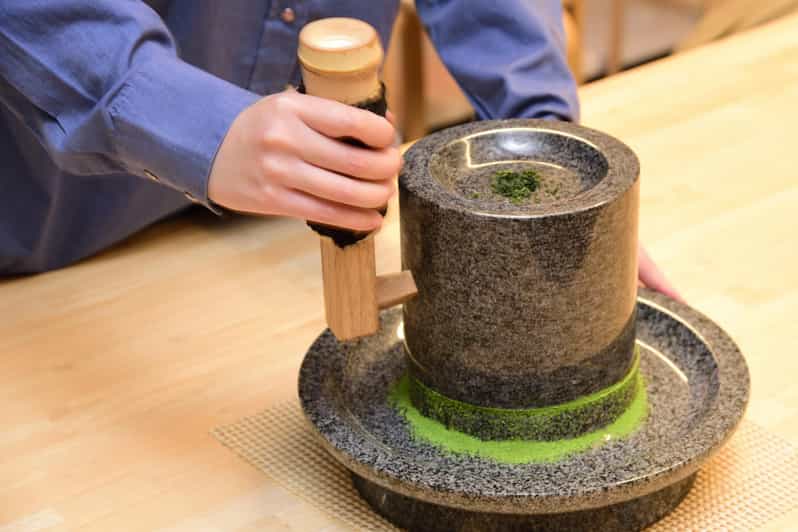
The best part of this Uji experience is simple: you turn tea leaves into your own bowl of matcha. You grind the tencha yourself, watch the powder gather in the mill, then learn how to whisk it properly with help from an instructor. I especially like the hands-on tea making and the included museum, which gives the activity useful context instead of treating matcha as just a trendy drink.
The guides, including instructors such as Hideko, Keiko, Yano-san, and Sukimoto, are praised for being warm, funny, and patient. I also like that Chazuna is easy to reach from Uji Station and that the class fits neatly into a day that includes Byodoin Temple and Uji’s tea shops. The main drawback is the strict start time: arrive 15 minutes early, since late entry can be refused after 30 minutes and the fee will not be refunded.
In This Review
- Key points to know before you book
- Turning tencha into a bowl of matcha
- Chazuna’s interactive museum before or after class
- Views toward tea fields and gardens
- A one-hour stop that fits a Uji day
- What the $23 price really includes
- The seasonal ice cream option at 2:45 p.m.
- Who will get the most from this experience
- What to keep in mind about the instruction
- Booking, cancellation, and access
- Should you book the Chazuna matcha workshop?
- FAQ
- Where does the matcha experience take place?
- How far is Chazuna from Uji Station?
- How long does the activity last?
- Is the museum ticket included?
- Is the workshop offered in English?
- How early should I arrive?
- Can I cancel the booking?
Key points to know before you book
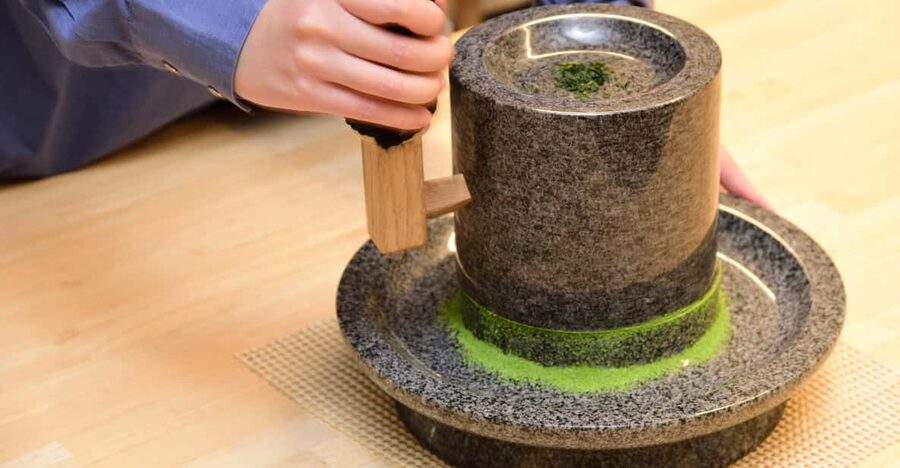
- You grind tencha into matcha yourself: This is not a simple demonstration. You handle the tea mill and prepare your own drink.
- The museum ticket is included: Touch-friendly exhibits, videos, and digital displays explain Uji tea in a clear, accessible way.
- English instruction is available: The class is offered in Japanese and English, though some guides may rely on a prepared script.
- The setting connects tea to Uji: You can look toward tea fields and gardens while learning how Uji tea is grown and processed.
- The full visit lasts about one hour: It is a manageable cultural stop, not an all-day ceremony.
- Summer visitors have an extra treat: At 2:45 p.m., the seasonal option lets you pour fresh matcha over ice cream.
Turning tencha into a bowl of matcha
Most matcha tastings hand you a finished bowl. Chazuna lets you see the work behind it. You begin with tea leaves and a traditional mill, grinding them slowly until they become the fine green powder used for matcha.
That physical step gives the class its purpose. You feel how much effort goes into producing a small amount of powder, and you gain a better sense of why careful grinding matters. It is a gentle activity, but not a completely passive one. You need to follow the instructor’s pace and handle the mill with care.
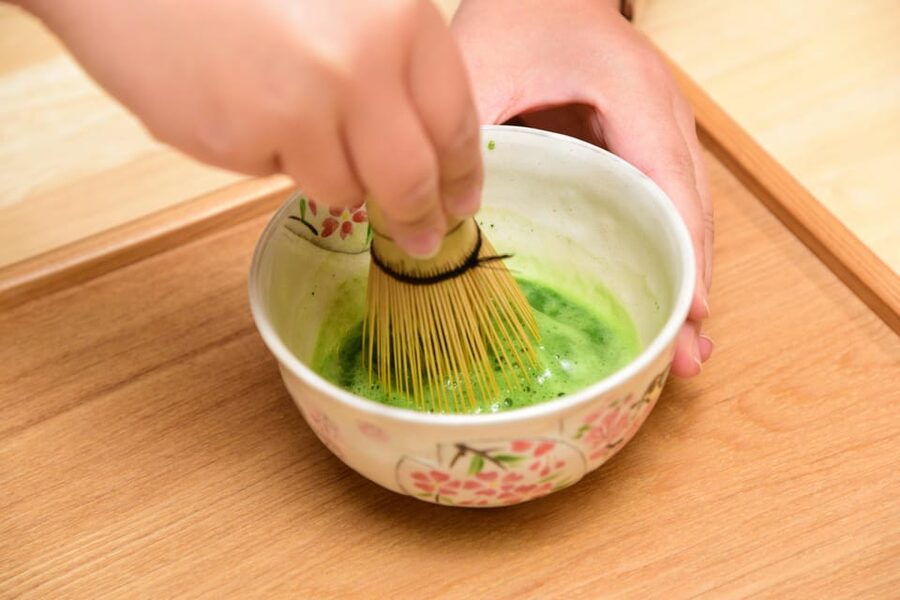
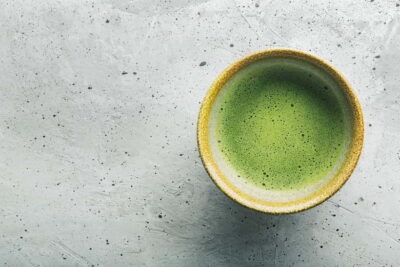
The class then moves from grinding to preparation. An instructor shows you how to add water and whisk the powder into a smooth drink. You get to taste what you made, often alongside sweets. The pleasure comes from the contrast between the quiet preparation and the bright, fresh flavor in the cup.
I would not book this expecting a formal, highly ceremonial tea performance from start to finish. The experience is designed as an introduction. It explains the process in a friendly, practical way, making it suitable for someone who drinks matcha every week and someone who has never prepared it before.
The instructors are a major part of the experience. Hideko is praised for her warmth and clear teaching, while Keiko is described as both professional and funny. Sukimoto has also been singled out for lively explanations. Yano-san offers close guidance in small groups, although English delivery may sometimes follow a written script. That can feel less natural, but it also helps keep the information organized.
More Tea Ceremony Experiences in Kyoto
- Kyoto: Tea Ceremony in a Traditional Tea House in Kiyomizu
★ 4.9 · 3,519 reviews - Kyoto: Tea Ceremony Ju-An at Jotokuji Temple
★ 4.9 · 3,207 reviews - Kyoto: 45-Minute Tea Ceremony Lesson Experience
★ 4.3 · 2,378 reviews
Chazuna’s interactive museum before or after class
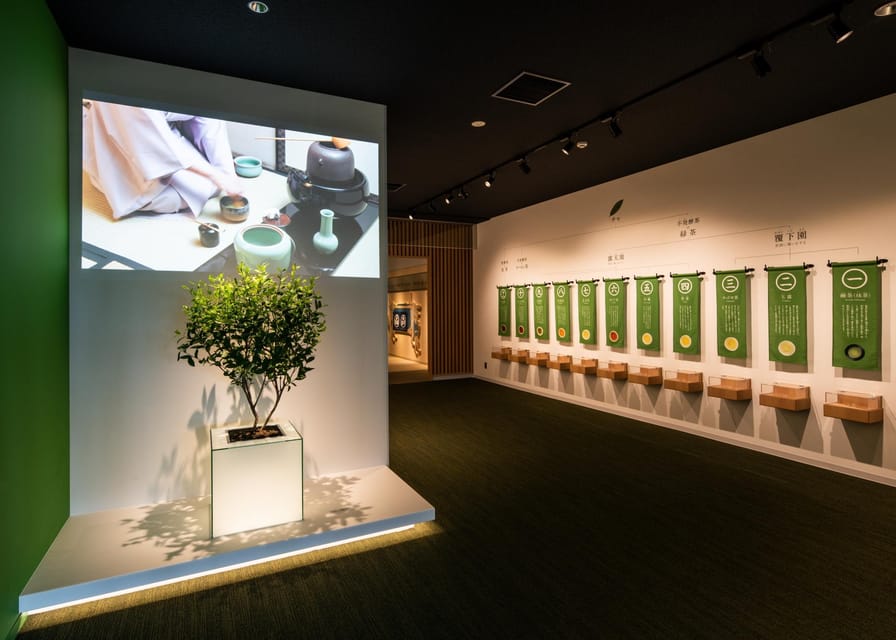
Your admission includes the Chazuna Museum, located in the Historical Park of Tea and Uji Town. The museum is not huge, so do not expect a full morning of galleries. Its strength is the way it explains tea through touch, images, video, and digital displays.
The History Room begins with a large 10-yen coin featuring Byodoin Phoenix Hall. It is an unusual welcome and ties the museum to Uji’s best-known landmark. From there, digital exhibits introduce the town, its tea-growing traditions, and the stages of production.
One large 4K screen presents modern drawings of Uji’s townscape, based on old illustrated guide maps known as Meisho-zue. This gives you a visual sense of how the town and its tea culture fit together. The displays are made to be understandable even if you know little about Japanese tea.
I like the museum as a companion to the workshop. Without it, grinding leaves could feel like a pleasant craft with no wider meaning. The exhibits show where tea fits into Uji’s identity and explain the difference between several types of Japanese tea. You leave with a better idea of why matcha is made from particular leaves and why processing changes the final drink.
The museum also has a playful photo area. One feature lets you pose as if you are swimming in matcha. It is a light finish after the more focused class, especially for families and groups of friends.
Plan your museum visit around the class time. The available details do not specify a required order, so ask at the reception counter when you arrive. If you have a tight schedule, the museum is short enough to fit before or after the workshop, but I would not cut your arrival too close to the start of class.
Views toward tea fields and gardens
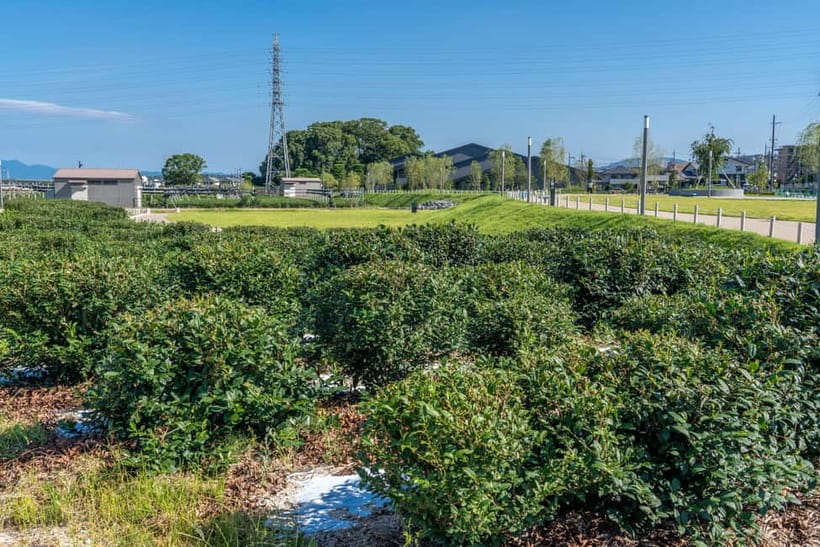
Chazuna sits in a park setting, with views toward tea fields and gardens. That matters because the experience is not sealed inside a generic cooking room. You are learning about Uji tea in Uji, with the growing environment close at hand.
The setting is described as clean, peaceful, and intimate. It suits the pace of the activity. Grinding tea is not a fast photo opportunity, and the calmer room helps you pay attention to the instructor’s method.
You should keep expectations sensible. This is not a farm visit, and the activity does not promise a long walk through working tea plantations. The tea-field views add context and atmosphere, but the main focus remains the museum and workshop.
A one-hour stop that fits a Uji day
The scheduled activity lasts one hour. That makes it easy to add to a day trip from Kyoto, especially if you also want to see Byodoin Temple, browse Uji’s main market street, or sample matcha sweets.
The meeting point is the first-floor reception area at Chazuna. From Keihan Uji Station, it is about a four-minute walk. From the South Exit of JR Uji Station, allow about 12 minutes on foot. One useful planning detail is that the JR walk can feel longer if you are rushing, so build in extra time rather than arriving at the station at the last minute.
Uji’s market street is about a 10-minute walk from the center, according to the practical directions supplied for the experience. The area is known for matcha foods and tea souvenirs. Byodoin Temple is also within walking range, making Chazuna a natural part of a compact Uji itinerary.
If you drive from Osaka, use the Keiji Bypass Uji Nishi Interchange and follow the side road toward Uji, a trip of about 10 minutes after exiting. From Tokyo or Nagoya, turn left at the traffic light outside the Keiji Bypass Uji-higashi Interchange, which is about three minutes away. The train is likely simpler for many Kyoto day trips, but the driving directions are useful if Uji is one stop on a wider road trip.
Arrive 15 minutes before your reserved time and go to reception. This is not a casual drop-in activity. After 30 minutes from the start, entry or participation can be refused, and the participation fee will not be refunded.
Same city, a completely different kind of day:
- PERFECT KYOTO 1-Day Bus Tour
★ 5.0 · 13,518 reviews - Kyoto: Fushimi Inari, Kinkakuji, Bamboo Grove 1 Day Bus Tour
★ 4.8 · 4,316 reviews - Kyoto Geisha Walking Tour: Gion District & Hidden Gems
★ 4.7 · 3,273 reviews - Kyoto: Gion Magical Night Walking Tour with Geisha Trivia
★ 4.9 · 2,393 reviews
What the $23 price really includes

At $23 per person, this is good value if you want more than a cup of prepared matcha. You receive the museum ticket, the grinding workshop, the instructor’s guidance, and the tea you prepare. The museum alone gives you something to do before or after the class, so the price covers both a cultural exhibit and an activity.
The value is strongest for first-time visitors to Uji. You are not merely buying a drink. You are learning the difference between tea leaves and matcha powder, seeing how the powder is produced, and trying the whisking technique yourself.
The value is also good for families and small groups. Several people can take part at once, and the physical task gives children and teenagers something concrete to do. The museum’s digital features and photo area add variety, so the visit is not dependent on everyone already caring about tea.
Matcha enthusiasts may find the price worthwhile for a different reason. Making a bowl from the ground leaves changes the way you taste it. One visitor wished the full amount of ground tea could be taken home rather than only one portion being used during the class. That is worth knowing if you are hoping to leave with a substantial tea supply. This is a tasting and learning experience, not a take-home tea workshop.
Tea sets and tea products are available for purchase, and some people choose to buy matcha equipment or tea afterward. Those purchases are separate from the $23 admission.
The seasonal ice cream option at 2:45 p.m.
During summer, the restaurant offers an extra cool treat at 2:45 p.m. You can pour your freshly ground matcha over ice cream, then eat it, or prepare it as a drink with the ice cream experience. Tea, ice cream, and mochi have all been part of the seasonal enjoyment described for this option.
This is a good choice on a hot day, but it comes with a clear scheduling limit. The information provided specifies 2:45 p.m. only, so do not assume the ice cream version is available at every class time or in every season.
If the seasonal add-on matters to you, check the exact start time before booking. If it does not, the standard matcha preparation remains the heart of the experience.
Who will get the most from this experience
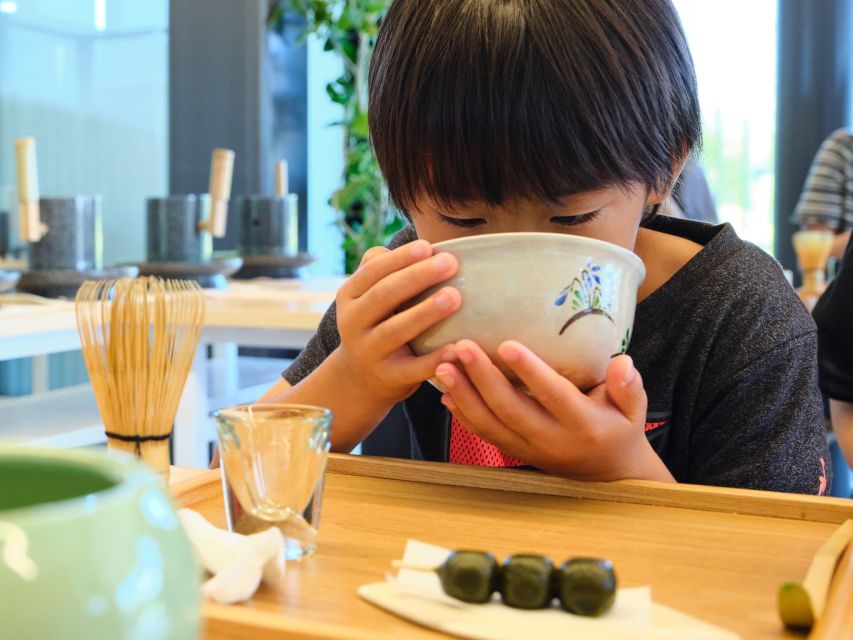
I would recommend Chazuna first to people who already enjoy matcha and want to understand how it reaches the cup. Grinding the leaves gives you a small but memorable connection to the process.
It also suits anyone looking for a short cultural activity in Uji. You get local history, tea education, a practical lesson, and a drink in about an hour. That is a good balance for a day already filled with temples and walking.
Families should find the format approachable, since the workshop is active and the museum is interactive. Solo visitors can also fit in comfortably. One participant who arrived alone was seated with other solo women and found the group friendly, though seating arrangements can vary.
Couples and groups of friends will enjoy the shared task and the photo stop. It is also a good rainy-day choice because the central activities take place indoors, while the park and garden setting still give you a sense of place.
I would be more cautious if you want a long, quiet tea ceremony with elaborate formal rules. The class teaches traditional preparation, but it is built for a broad international audience. Its tone is welcoming and sometimes funny rather than solemn.
What to keep in mind about the instruction

English is available, and the instructors make a clear effort to guide participants through each step. Still, the level of spoken English can vary by instructor. Some explanations may follow a script or printed material closely.
That should not stop most people from booking. The process is visual and hands-on, and the staff are there to demonstrate, correct, and answer questions. If a fine point of tea production matters to you, ask questions slowly and use the available written material to reinforce what you hear.
The class is not only about technique. Instructors explain tea types, cultivation, harvesting, and the role of matcha in Japanese culture. That broader lesson is what turns a simple tasting into a useful introduction to Uji.
Booking, cancellation, and access
You can reserve now and pay later, which helps if your Kyoto plans are still shifting. Free cancellation is available up to 24 hours before the scheduled activity for a full refund.
Date and time changes must be made through the website’s change procedure. The provider does not handle schedule-change requests by phone, so make adjustments online as soon as you know your plans.
Chazuna is wheelchair accessible. English and Japanese are the listed languages, and the class lasts one hour. The most important practical rule is still punctuality: reach the first-floor reception desk 15 minutes early.
Should you book the Chazuna matcha workshop?
Yes, if you are visiting Uji and want a hands-on tea experience with useful museum context. The combination is the real strength: you learn about Uji tea, grind tencha, whisk matcha, drink what you made, and then explore digital exhibits at your own pace.
The activity is especially good value at $23 because the museum admission is included. Book it alongside Byodoin Temple and the market street, and you have the outline of a satisfying Uji day.
Skip it only if your schedule is too tight for a fixed appointment or if you want a lengthy, formal tea ceremony. For everyone else, this is an easy, friendly way to understand why Uji is so closely linked with matcha.
FAQ
Where does the matcha experience take place?
It takes place at Chazuna in the Historical Park of Tea and Uji Town. Go to the first-floor reception area when you arrive.
How far is Chazuna from Uji Station?
Chazuna is about a four-minute walk from Uji Station on the Keihan Uji Line. From the South Exit of Uji Station on the JR Nara Line, it is about a 12-minute walk.
How long does the activity last?
The matcha grinding and museum experience lasts one hour.
Is the museum ticket included?
Yes. The Chazuna Museum ticket is included with the matcha making experience.
Is the workshop offered in English?
Yes. The listed instructor languages are Japanese and English.
How early should I arrive?
Arrive 15 minutes before your reservation and check in at the reception counter. Entry or participation may be refused after 30 minutes from the start, with no refund.
Can I cancel the booking?
You can cancel up to 24 hours in advance for a full refund. You can also reserve now and pay later.
More Museums in Kyoto
- Skip the lines Basic Ticket at SAMURAI NINJA MUSEUM KYOTO
★ 4.5 · 632 reviews - Kyoto : Geiko Maiko Dance of Kyoto & Visits of Gion Museum
★ 4.6 · 415 reviews - Kyoto: Samurai Ninja Museum guided tour
★ 4.8 · 145 reviews - Kyoto Railway Museum Admission Ticket
★ 4.3 · 23 reviews
Just added around Kyoto
- Taste of Nishiki Market Walking Food Tour with Local guide★ 5.0 · 17 reviews
- Kyoto: Sushi Making Class with Sushi Chef★ 4.8 · 64 reviews
- Kyoto: City Secrets eBike Tour★ 4.9 · 196 reviews
- Sacred Pathways: Discover the Philosopher’s Path of Kyoto★ 4.9 · 20 reviews
- Private Tour to Monkey Park and Arashiyama Highlights★ 5.0 · 22 reviews
- Private Nara Tour from Osaka – Meet at Your Hotel★ 5.0 · 22 reviews
- Private Sake Tasting in Central Kyoto with Sake Sommelier★ 5.0 · 13 reviews
- Kyoto : Private Custom Walking Tour With A Local Guide★ 4.6 · 144 reviews
Tea Ceremony Experiences, compared.
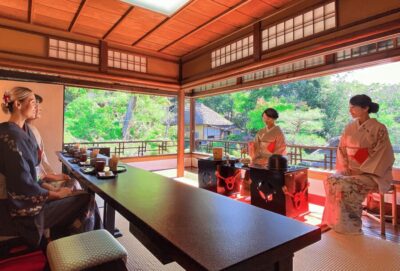
Tea Ceremony in a Traditional Tea House in Kiyomizu
Read our review →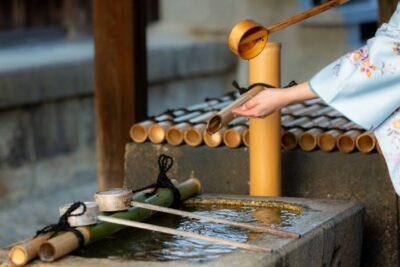
World Heritage Kyoto & Nara Uji Authentic Matcha Experience
Read our review →
Browse the lists this tour appears in