
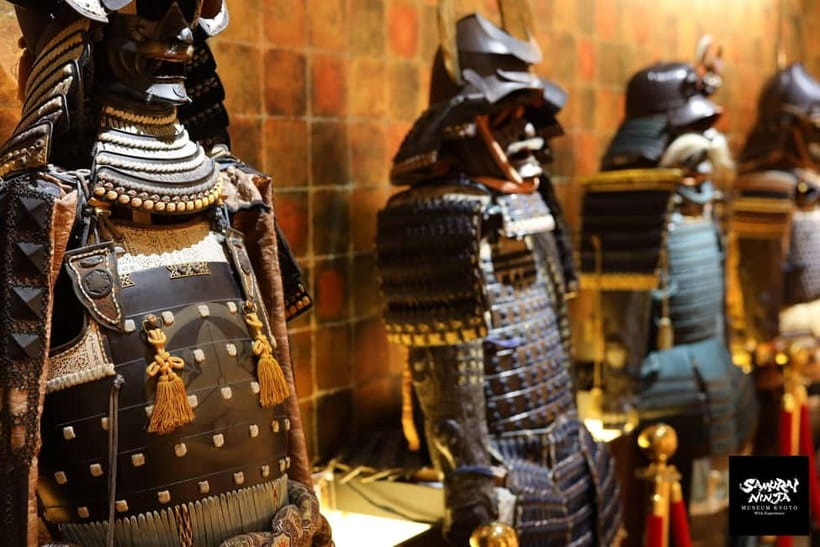
REVIEW · KIMONO & CULTURE EXPERIENCES
Samurai Ninja Museum Asakusa: Samurai Sword Lesson & Tour
A katana lesson gives this Asakusa experience its hook. You do not just look at swords behind glass. You put on a hakama, helmet, and armor, learn a short sequence of movements, and take part in supervised sword play, usually with foam swords for the partner exercises. Sensei Ryo is especially praised for patient instruction and a little humor.
I like two things here: the lesson turns Japanese history into something physical and memorable, and the museum tour adds useful context instead of leaving you with a costume photo alone. You also get ninja weapon practice, including shuriken throwing, and several photo setups. The main caution is time. Two hours passes quickly, and the museum portion can feel rushed when the group is full.
In This Review
- Key points to know before booking
- What the two-hour Asakusa experience is really like
- Hakama, armor, and the first samurai photos
- The katana lesson with Ryo, Koki, or Kenny
- The museum tour and Japan’s warrior story
- Ninja weapons and the shuriken challenge
- Why families tend to get good value here
- Space, group size, and the small-group choice
- English instruction and the role of the sensei
- Practical booking advice for the $63 price
- Who should book this Asakusa activity?
- Should you book the Samurai Ninja Museum experience?
- FAQ
- How long does the Samurai Ninja Museum activity last?
- How much does the activity cost?
- Is the activity conducted in English?
- What is included in the booking?
- Can children join the activity?
- What is the maximum group size?
- Are private or small-group options available?
- Is the venue wheelchair accessible?
- Can I cancel for a refund?
- Can I reserve now and pay later?
Key points to know before booking
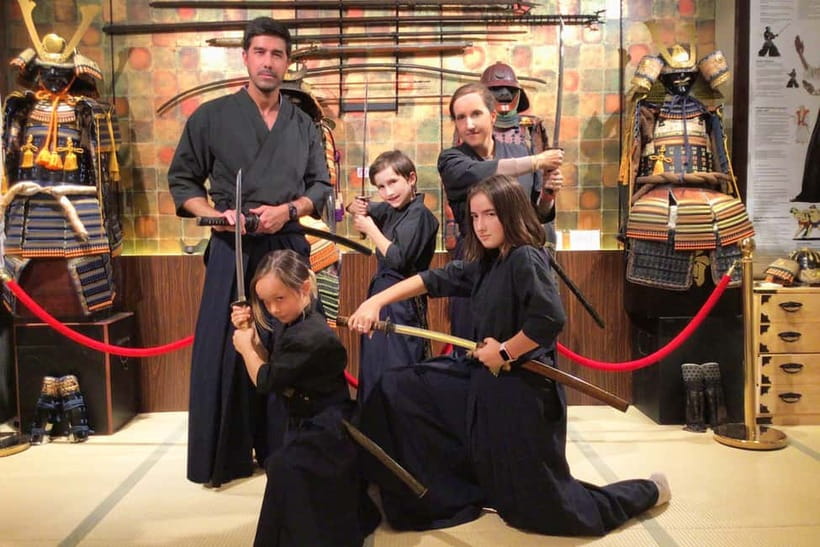
- Learn a complete katana routine: Instructors break the movements into simple steps, so beginners can take part without prior training.
- Wear the full samurai look: Hakama, armor, and helmet are provided for the lesson and photos.
- Meet instructors who make a difference: Ryo, Koki, Kenny, Kai, Momo, and Nao have all been singled out for clear, friendly teaching.
- Add ninja activities: You can try ninja weapons, including shuriken throwing, alongside the samurai lesson.
- Good for families: Children ages 7 to 14 have enjoyed the activity, but children under six cannot enter the venue.
- Small-group format: The maximum group size is 16, with private and smaller options available.
What the two-hour Asakusa experience is really like
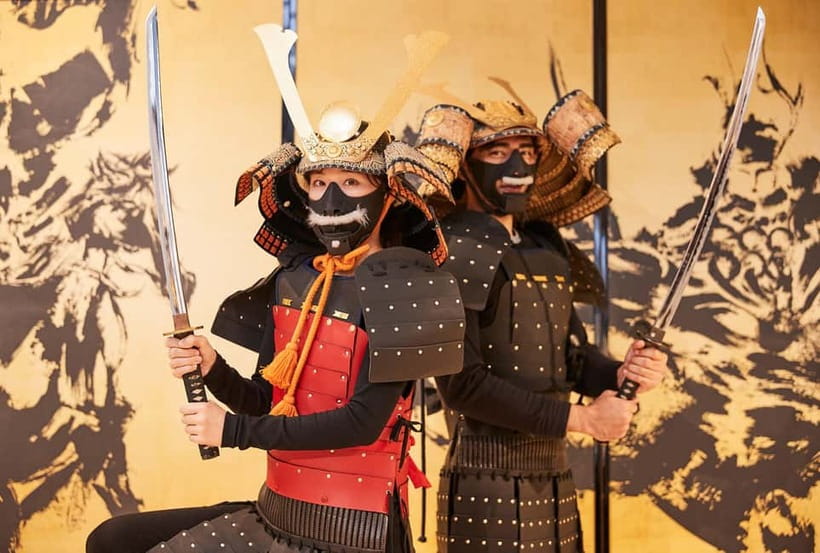
This is a compact, activity-led introduction to samurai and ninja culture. It is not a large museum visit, and it is not a serious martial arts course. Think of it as a friendly cultural workshop, with enough history to give the sword lesson meaning and enough hands-on action to keep children and restless adults involved.
The setting is in Asakusa, one of Tokyo’s most useful sightseeing areas. The exact meeting point can change with the option you book, so check your confirmation rather than assuming every package begins at the same door. The activity is offered in English, and the group limit is 16 people. Private and small-group versions are also available.
At $63 per person, the price makes more sense if you use the whole package. You are paying for the museum tour, clothing and armor, sword instruction, photos, and ninja weapon practice. If you want only a quick costume photo, it is more than you need. If you want an organized family activity that mixes history with participation, the package offers fair value.
More Kimono & Culture Experiences in Tokyo
- Tokyo: Samurai Ninja Museum Guided tour and Experience
★ 4.6 · 1,010 reviews - Tokyo: Samurai Sword & Archery Class from Samurai Descendant
★ 5.0 · 603 reviews - Best Samurai Experience in Tokyo
★ 5.0 · 458 reviews
Hakama, armor, and the first samurai photos
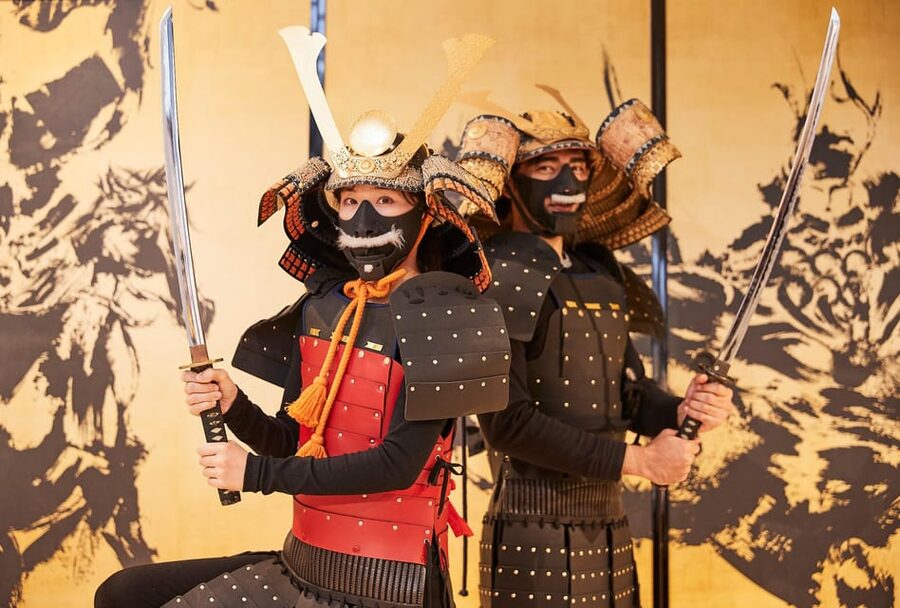
The experience begins with the visual transformation. You put on a hakama, then use samurai armor and a helmet before posing against samurai-themed backgrounds. This is a smart opening because it gets everyone involved right away, even people who are less eager to handle a sword.
The clothing is also useful for photos. You can take individual pictures, family shots, and playful warrior poses. Several people particularly liked having lasting photos from the session, and that matters in a city where many cultural activities are mainly watched rather than joined.
Do not expect museum-quality armor fitting or a long photo shoot. The venue is relatively small, and the schedule has several parts to fit into two hours. If photos are important to you, take them when the staff gives you the chance instead of waiting until the final minutes.
The outfit can feel warm and a little awkward, especially for young children. That is part of the fun, but it also means this is not a quiet, polished fashion session. You are there to move, pose, and learn.
The katana lesson with Ryo, Koki, or Kenny
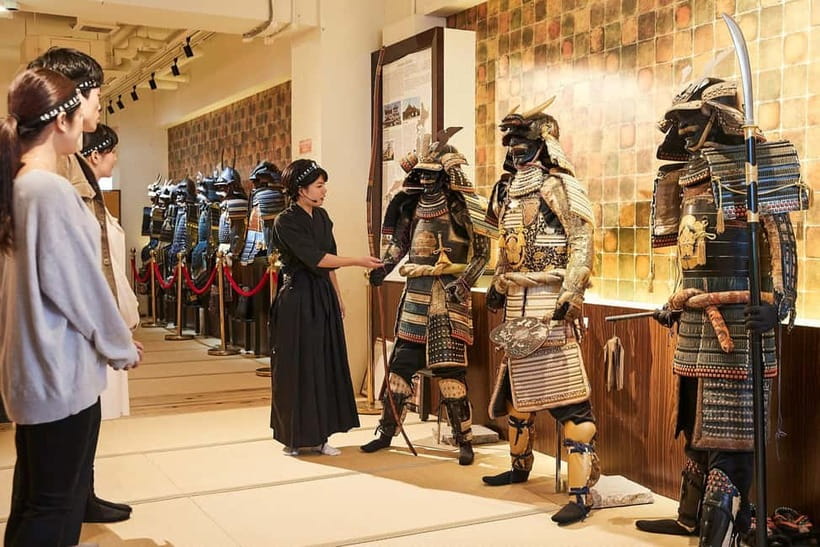
The sword lesson is the heart of the experience. The instructor first explains basic handling and posture, then builds a short choreographed routine. You practice the movements step by step, rather than being expected to know anything in advance.
Ryo has received repeated praise for being patient, polite, professional, and funny. That combination is valuable for first-timers. A sword can look intimidating, but a calm teacher helps you focus on the sequence instead of worrying about getting every movement right.
Koki has also led sessions that included a katana routine, cultural explanations, and repeated chances to try shuriken. Kenny is noted for clear English and an entertaining style. The exact instructor may vary, but the useful pattern is consistent: the lesson is designed for beginners and relies on demonstration, repetition, and a bit of theatrical flair.
You may handle a katana during the instructional portion, while partner fighting is done with foam or rubber swords under supervision. This distinction matters. The activity gives you the feeling of a samurai training session, but it is not a combat class and should not be treated as one.
Some sessions finish with a short sword performance or a friendly tournament. These moments add energy and give you a clear goal after practicing the basic motions. They are also where the group format becomes most noticeable. With children and adults moving at different speeds, the instructor may need to simplify or shorten parts of the routine.
One complaint is fair: a lesson can feel brief if the class is crowded or if the schedule gives only a few minutes to the actual instruction. If sword technique is your main reason for booking, choose a private or small-group option if available. If you want a fun introduction rather than serious training, the standard session should be enough.
The museum tour and Japan’s warrior story
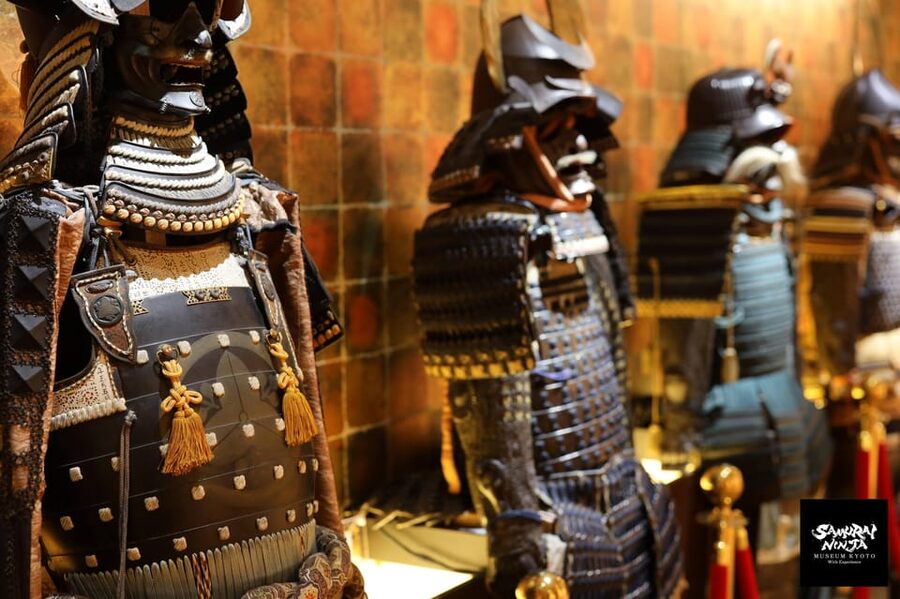
The museum portion gives the activity its educational backbone. A guide leads you through displays about samurai and ninja history, explaining their origins, development, and place in Japan’s past. The tour covers the beginning of the samurai era through its end and connects that story with modern interest in these figures.
The collection is small, so do not arrive expecting a major national museum. Its strength is the guided explanation. A good guide turns armor, swords, and ninja displays into a story that children can follow and adults can appreciate.
Ren has been praised for lively explanations, while Momo has been noted for keeping children engaged. Other guides, including Nao for the ninja section, add a more focused look at the less visible side of the subject. The teaching style appears to be informal and energetic, not a long academic lecture.
This balance is one of the better features of the package. You first learn what samurai and ninja represent, then you try some of the equipment and movements yourself. The physical activities are more meaningful when you understand at least a little about the people and periods behind them.
The drawback is pacing. One guide may spend more time on the displays, while another may move quickly to keep the lesson on schedule. Several parts are packed into two hours: dressing, photos, sword handling, history, ninja activities, and sometimes a game or tournament. If you want to read every label or ask many detailed questions, you may feel hurried.
Same city, a completely different kind of day:
- Mt Fuji and Hakone 1-Day Bus Tour Return by Bullet Train
★ 5.0 · 26,383 reviews - 1-Day Tokyo Bus Tour
★ 5.0 · 14,250 reviews - Tokyo: TOKYO SKYTREE® Admission ticket
★ 4.5 · 11,192 reviews - Tokyo: teamLab Planets TOKYO Digital Art Museum Entry Ticket
★ 4.6 · 9,779 reviews
Ninja weapons and the shuriken challenge
The ninja portion gives the session a change of pace. After the samurai focus, you can try ninja weapons, including shuriken throwing at a target. This is simple, supervised, and playful rather than a technical weapons course.
Children often respond strongly to this section because it feels like a clear challenge. Adults usually enjoy it for the same reason. You get repeated throws in some sessions, which gives you time to adjust your aim rather than making the activity a one-shot gimmick.
The ninja lesson is also useful for families with different interests. One person may care about samurai armor and sword movements, while another is more excited by ninja tools. The package keeps both themes in the same visit.
Keep your expectations sensible. The activity is about trying the motion, not mastering a weapon. The main value is the chance to take part, laugh at imperfect throws, and connect the activity with the museum’s explanations.
Why families tend to get good value here
This is one of the stronger Tokyo options for families with children old enough to follow simple instructions. Children ages 7 and 9 have enjoyed the ninja lesson, and families with children around 8, 10, 11, and 14 have found the mix of dressing up, history, sword practice, and throwing activities easy to enjoy together.
The schedule changes activities often enough to hold attention. You are not sitting through two hours of talk. You dress, pose, move, listen, throw, and possibly join a friendly sword contest.
The staff’s approach matters. Instructors such as Kai have been praised for working well with children, while Ryo is often described as patient with complete beginners. That does not mean every child will follow every instruction perfectly, especially in a full group, but the format gives young participants something active to do.
There is a firm age limit: children under six cannot enter the samurai venue. Families with older children should still consider energy levels and space. The venue is small, and one child’s excitement can make it harder for others to complete every movement in the routine.
Space, group size, and the small-group choice
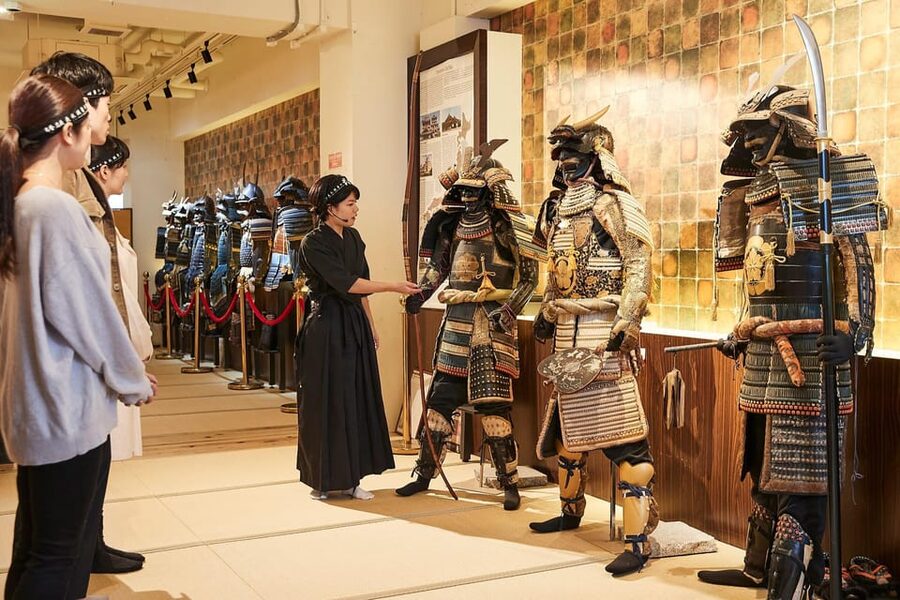
The maximum group size is 16. That is not a huge number, but a compact room can still feel busy when everyone is wearing armor, holding practice swords, and taking photos.
A full group can create two tradeoffs. You may get a lively atmosphere and more people for partner practice, but you may also receive less individual correction and less time at each display. Some sessions have felt rushed, particularly during the museum tour or the final movements of the lesson.
If you prefer more personal instruction, ask about the private or small-group option when comparing packages. This is especially sensible for couples who want focused sword practice, families with several children, or anyone who considers the lesson the main event.
The experience is wheelchair accessible, which makes it easier for more people to consider. Still, because the activity includes dressing, armor, and movement, check the precise arrangements for your chosen option if you need particular assistance. The supplied information confirms accessibility, but it does not describe every stage of the venue.
English instruction and the role of the sensei
The activity is conducted in English. The instructors named in session feedback include Ryo, Koki, Kenny, Kai, Momo, Ren, and Nao, with different people handling the sword, museum, or ninja portions.
You should expect clear demonstrations and basic cultural explanations rather than specialist-level historical instruction. The strongest part of the teaching is its accessibility. Complete beginners can learn the routine, and guides use humor and encouragement to keep the mood relaxed.
That style suits this experience. A formal lecture would not pair well with armor photos and foam sword play. The best instructors make the history understandable, then get you moving before your attention wanders.
Practical booking advice for the $63 price
The experience costs $63 per person and lasts two hours. Availability determines the starting time, and the meeting point may vary depending on the option. Read the selected package carefully so you know where to go and which version you have booked.
You can cancel up to 24 hours before the activity for a full refund. A reserve-now, pay-later option is also available, which helps if your Tokyo schedule is still changing.
The price is strongest for a family or small group that will use every part of the visit. The museum alone is likely too brief for someone seeking a full day of historical study, while the lesson alone may feel short for a martial arts enthusiast. Together, the parts create a well-shaped two-hour outing.
Wear something that allows comfortable movement under the provided clothing, and avoid planning a tight appointment immediately afterward. The timing is advertised as two hours, but dressing, photos, and group transitions can make the experience feel busy right up to the end.
Who should book this Asakusa activity?
I would point families with school-age children toward this experience first. It gives children a clear story, a costume, movement, a target, and photos. It also gives adults enough Japanese history to make the activity more than simple dress-up.
It suits first-time visitors who want a cultural activity with a playful side. You do not need sword experience, and the instructors teach the basics. It also works well for couples and friends who want unusual Tokyo photos without spending half a day at a formal museum.
I would be more cautious if you want a long, quiet museum visit or advanced sword instruction. The collection is small, the schedule is full, and the group may include young children. In that case, a private or smaller option is worth considering.
Should you book the Samurai Ninja Museum experience?
Book it if you want a lively two-hour activity that combines Japanese history with hands-on fun. The best reasons are the clear beginner-level katana routine, full samurai clothing and armor, friendly English instruction, useful museum context, and ninja weapon practice.
The main limits are equally clear. The museum is compact, the lesson can feel short in a full group, and children under six cannot enter. At $63, I think it is good value for families and first-time visitors who want to participate rather than simply look.
If you choose it, give yourself room in the schedule, check the meeting point for your option, and consider a small-group format if sword practice matters most. For a memorable Asakusa activity with plenty of photos and a little history behind the fun, this is a solid choice.
FAQ
How long does the Samurai Ninja Museum activity last?
The experience lasts two hours.
How much does the activity cost?
The listed price is $63 per person.
Is the activity conducted in English?
Yes. The live tour guide and activity instruction are available in English.
What is included in the booking?
The package includes the samurai sword lesson, hakama use, samurai helmet use, samurai armor use, themed photo opportunities, and a ninja weapons trial.
Can children join the activity?
Yes, children can join, and the experience is suitable for families. Children under six cannot enter the samurai venue.
What is the maximum group size?
The activity has a maximum of 16 participants.
Are private or small-group options available?
Yes. Private and small-group options are available.
Is the venue wheelchair accessible?
Yes. The activity is listed as wheelchair accessible.
Can I cancel for a refund?
You can cancel up to 24 hours in advance for a full refund.
Can I reserve now and pay later?
Yes. A reserve-now, pay-later option is available.
More Museums in Tokyo
- Ninja Experience (Family Friendly) at Samurai Ninja Museum TOKYO
★ 5.0 · 441 reviews - Tokyo Studio Ghibli Museum and Ghibli Film Appreciation Tour
★ 4.5 · 421 reviews - Tokyo Sword Experience – includes Museum Ticket/Ninja Experience
★ 5.0 · 314 reviews - Tokyo: Art Aquarium Museum GINZA Entry Ticket
★ 4.5 · 278 reviews
More Workshops in Tokyo
- Sushi Making Tokyo Roll and Authentic Japanese Sushi Class
★ 5.0 · 3,971 reviews - Tokyo: Roll and Authentic Sushi Making Class in Asakusa
★ 4.9 · 1,957 reviews - Tokyo Shinjuku Chopsticks Making Class
★ 5.0 · 1,763 reviews - Tokyo: Sushi Making Class in a Happi Coat near a Famous Spot
★ 4.9 · 1,377 reviews
Just added around Tokyo
- Tokyo: Customizable Private Guided Walking Tour★ 4.5 · 129 reviews
- Private Harajuku Omotesando Architecture Tour★ 4.9 · 18 reviews
- Tokyo: Guided Helicopter Ride★ 4.9 · 24 reviews
- Tokyo: Guided Walking Tour of Tsukiji Market with Lunch★ 4.4 · 24 reviews
- Tokyo: Private Personalized Local Food Tour★ 4.5 · 101 reviews
- Tokyo GINZA: KONPARU Japanese Cabaret Show with Drink★ 4.8 · 38 reviews
- Tokyo: Guided Walking Tour of Tsukiji Market with Breakfast★ 4.4 · 134 reviews
- Tokyo: Gotokuji Cat Temple, Shinjuku Cat Cafe & 3D Cat Tour★ 4.9 · 38 reviews
Kimono & Culture Experiences, compared.
Kyoto Geisha Walking Tour: Gion District & Hidden Gems
Read our review →
Gion Magical Night Walking Tour with Geisha Trivia
Read our review →
Gion Geisha District Walking Tour – Stories of Geisha
Read our review →
Best of Kyoto: Gion, Geisha, Pagodas & Cobblestones
Read our review →
Kyoto Gion Geisha District Walking Tour – The Stories of Geisha
Read our review →
Browse the lists this tour appears in