
REVIEW · TEA CEREMONY EXPERIENCES
Osaka Japanese Cooking And Matcha Class near Osaka Castle
The most appealing part of this small-group cooking class is its personal, home-style feel. Ikuko leads the session with help from her son Takumi, and the class focuses on food Japanese families actually enjoy, not just a polished restaurant demonstration. You choose home-cooked dishes, okonomiyaki, or bento, then learn to prepare matcha.
I like the choice of a sake tasting upgrade, and I like the handy location near Osaka Castle, just one station from Osaka Castle Station by JR and a seven-minute walk from Morinomiya Station. The main consideration is the limited English support. Ikuko is eager to interact, and Takumi helps translate, but you should expect a warm, hands-on class rather than a formal lecture in perfect English.
In This Review
- Key points to know before booking
- A family kitchen near Osaka Castle
- Choosing between home cooking, okonomiyaki, and bento
- Hands-on cooking with Ikuko and Takumi
- What the two-hour session is likely to feel like
- Why the matcha lesson adds real value
- Adding sake to the meal
- Getting there from Osaka Castle and central Osaka
- The English-language question
- Who will enjoy this Osaka cooking class
- Booking details worth checking
- Should you book it?
- FAQ
- How long does the Osaka cooking and matcha class last?
- Where does the class meet?
- What time does the class start?
- What dishes can I choose to prepare?
- Is matcha included in the experience?
- Is sake tasting included?
- What is the cancellation policy?
Key points to know before booking
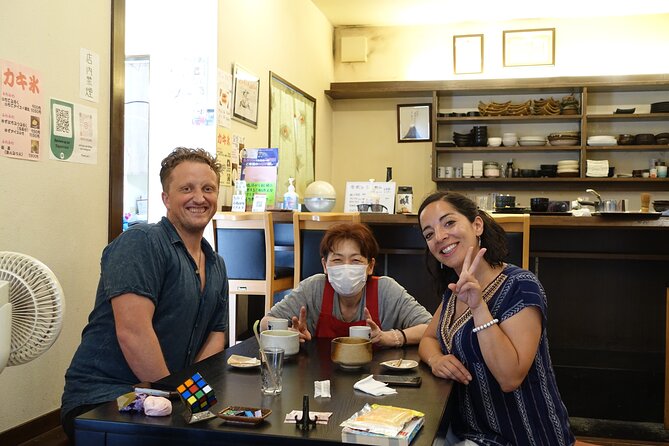
- Ikuko and Takumi lead the class: Their family approach gives the experience a friendly, personal tone.
- Choose one Japanese meal style: Options include home-cooked dishes, okonomiyaki, and bento.
- Matcha is part of the experience: You learn how to prepare authentic matcha at home.
- Sake tasting is optional: Select the upgrade if you want a drink pairing with your meal.
- The group is capped at 10 people: That leaves more room for questions and individual help.
- The class lasts about two hours: The listed meeting time is 5:30 pm, with the activity ending at the starting point.
A family kitchen near Osaka Castle
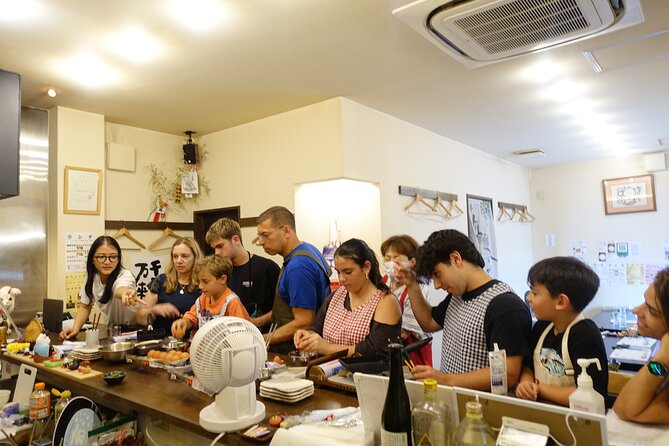
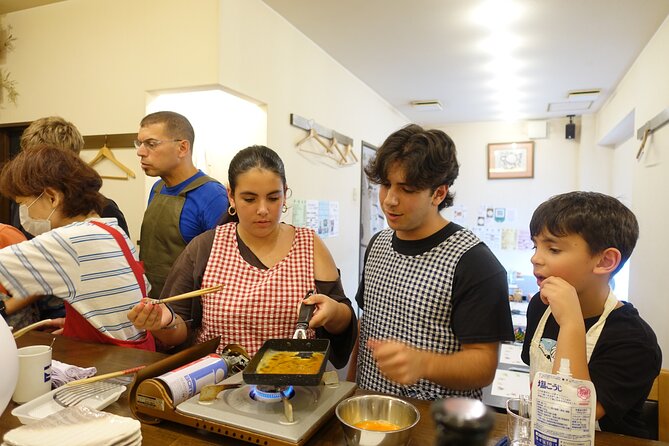
This is a good choice if you want more than a quick food sample. You spend the session making a Japanese meal, learning techniques you can try again at home, and preparing matcha as part of the same visit.
The class takes place at 3-chōme-8-2 Nakamichi in Osaka’s Higashinari Ward. It is close to Osaka Castle, with the venue located one station from Osaka Castle Station on the JR line and about a seven-minute walk from Morinomiya Station. You can also reach the area from Shinsaibashi and Namba, making it easy to fit into a day based in central Osaka.
The setting also operates as a cafe. If you arrive early, you can sit down with a coffee before the cooking begins. That small detail matters. A cooking class can feel rushed when you are racing from a castle visit or train connection, so having a place to pause is useful.
The listed start time is 5:30 pm, and the class lasts roughly two hours. The activity ends back at the meeting point. Lunch and dinner class options are available, so check the specific time attached to your booking, particularly if you are planning the class around Osaka Castle or an evening in Namba.
More Garden & Palace Tours in Osaka
- Osaka Castle: Museum and Tower Entry Ticket
★ 4.5 · 2,380 reviews - Ultimate Osaka Walking Tour: Castle, Dotonbori & Hidden Gems
★ 5.0 · 862 reviews - Osaka Castle Walking Tour and Castle Tower Admission
★ 5.0 · 561 reviews
Choosing between home cooking, okonomiyaki, and bento
You choose one dish path from three broad options: home-cooked dishes, okonomiyaki, or bento. That choice gives the class a clear focus, while still keeping the experience rooted in everyday Japanese food.
Home-cooked dishes are likely the best fit if you want practical food for your own kitchen. The class has included dishes such as salmon and a Japanese rolled omelette, giving you a taste of the sort of meal that feels less like a festival snack and more like something served at home.
Okonomiyaki is the natural pick if you want a dish strongly associated with Osaka. This savory pancake is one of the city’s best-known foods, and making it yourself helps you understand the process rather than simply ordering one from a restaurant.
Bento suits anyone interested in how Japanese meals are arranged and presented. A bento is not just food packed into a box. The appeal lies in the balance of dishes, colors, and portions, so this option may be especially useful if you enjoy food presentation.
The exact recipes can vary. The available information confirms the three main choices and examples such as salmon, rolled omelette, and takoyaki from particular classes, but it does not promise one fixed menu for every date. If a specific dish matters to you, ask the provider before booking.
Hands-on cooking with Ikuko and Takumi
Ikuko is the main host, with Takumi helping when translation is needed. The class is built around participation, so you should expect to handle ingredients and follow each stage rather than sit back and watch a chef do everything.
That family teamwork is one of the strongest reasons to choose this class. Ikuko is described as warm and keen to interact, even though her English is limited. Takumi provides language help, which makes it easier to follow instructions and ask questions.
You should not expect a highly polished cooking-school production with a long technical talk. Instead, the experience appears to rely on demonstration, simple guidance, and direct help as you cook. For many people, that is the point. You get a more natural exchange and a chance to see how Japanese food is approached in a family setting.
The small group limit of 10 people works in your favor. You have a better chance of receiving corrections and tips than in a large demonstration class. If you are a complete beginner, that personal help can make the difference between merely copying steps and understanding what you are doing.
Families are a particularly good match. The relaxed tone, shared preparation, and choice of familiar food styles make this easier to enjoy together than a demanding professional cooking lesson. Couples and solo participants can also benefit, especially if they want a social activity with a strong local focus.
What the two-hour session is likely to feel like
The class begins at the Nakamichi meeting point. If you arrive before the start, the cafe gives you a place to have coffee and settle in. The published meeting time is 5:30 pm, so allow enough time to find the address and walk from Morinomiya Station.
The first practical decision is your food selection. You prepare one of the available options: home-cooked dishes, okonomiyaki, or bento. The instructor then guides you through the process, with Takumi available to help explain instructions.
The cooking portion is the heart of the class. You learn techniques connected to the chosen meal, and the format leaves room for questions. Past sessions have included salmon and a Japanese rolled omelette, while another class prepared takoyaki. Those examples show the range of food that may appear, though you should not treat them as a guaranteed menu.
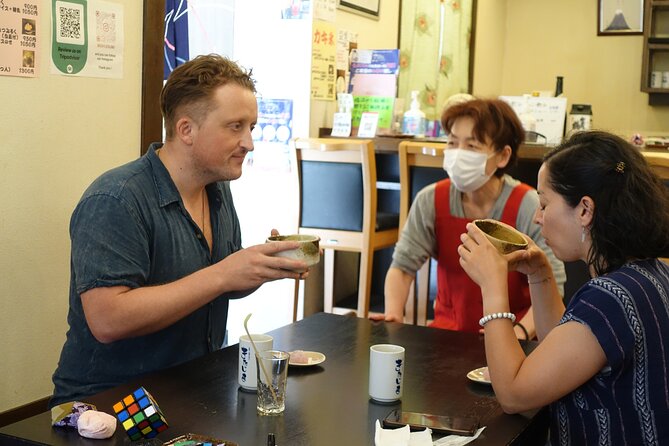
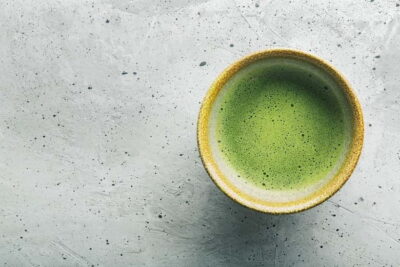
After the meal, you learn how to make authentic matcha at home. This adds a cultural element without turning the class into a long sightseeing lecture. You leave with more than a full stomach. You also have a basic method for preparing matcha yourself.
If you select the sake tasting upgrade, it is served with the meal. The upgrade makes sense if you enjoy trying local drinks and want the food to feel more like a complete Japanese dining experience. If you do not drink sake, the standard class keeps the focus on cooking and matcha.
More Tea Ceremony Experiences in Osaka
- Osaka: Tea Ceremony Experience
★ 4.9 · 1,426 reviews - Tea Ceremony Experience in Osaka Doutonbori
★ 5.0 · 754 reviews - Matcha Making Class in Osaka with Authentic Japanese Sweets Set
★ 5.0 · 509 reviews - Osaka: Matcha Making Experience with Japanese Sweets
★ 5.0 · 146 reviews
Why the matcha lesson adds real value
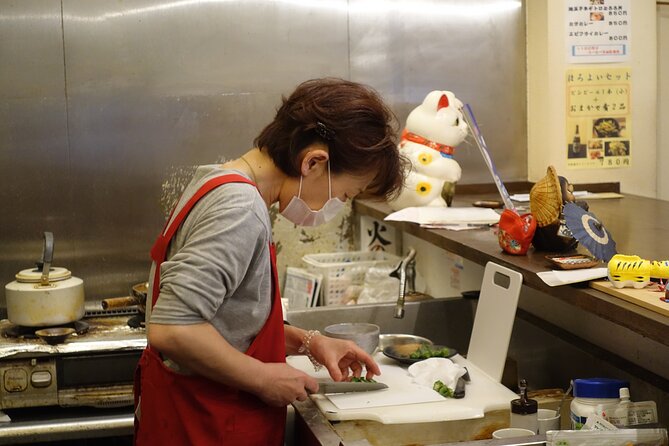
Osaka is famous for its food, but a cooking class can easily become only a meal with a few instructions attached. The matcha segment helps broaden the experience.
You learn how to prepare matcha at home, giving you a simple skill to take beyond Japan. It also creates a calm contrast with the more active cooking portion. After working through a savory dish, preparing the tea offers a different pace and a chance to pay attention to a familiar Japanese ritual.
The word authentic should be used carefully, since the class is not presented as a formal tea ceremony. The useful point is simpler: you are learning a home method for making matcha, not only watching a ceremonial performance. That makes it practical for someone who wants to recreate part of the experience after returning home.
Adding sake to the meal
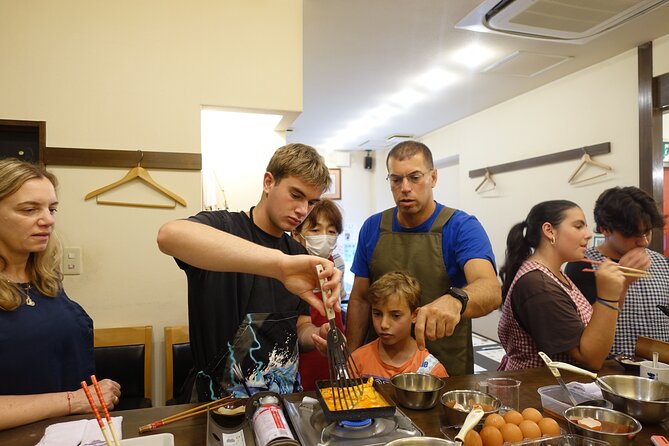
The sake tasting is an optional upgrade, not part of the base experience. This keeps the starting price lower for people who would rather spend their budget on food and instruction.
At $65.69 per person, the class is not the cheapest meal in Osaka. You could eat okonomiyaki or another casual dish for less. But the price includes roughly two hours of guided activity, a prepared meal, cooking instruction, matcha preparation, and the chance to ask questions in a small group.
I see the value mainly in the instruction and setting. You are paying for time with a local host, the chance to cook rather than simply eat, and a format limited to 10 people. The sake upgrade is worth considering only if you specifically want that tasting. It should not be treated as necessary for enjoying the class.
For families, compare the total cost carefully. A family meal at a casual restaurant may cost less, but this activity also fills an evening with something everyone can do together. For solo participants, the price buys a structured social experience in addition to dinner.
The activity is commonly booked about 14 days ahead. That suggests you should not leave it until the final day of an Osaka stay if the timing matters to you.
Getting there from Osaka Castle and central Osaka
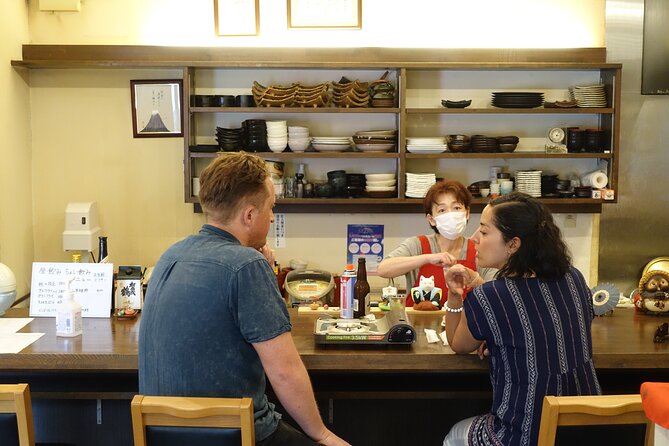
The location is well suited to a day that includes Osaka Castle. From Osaka Castle Station, the venue is just one JR station away. Morinomiya Station is about a seven-minute walk from the address.
The same location is also accessible from Shinsaibashi and Namba. That makes the class useful when you want to finish an afternoon of shopping or sightseeing with a meal-based activity. Since the class ends where it starts, you do not need to arrange a second pickup point.
The area is served by public transportation, but you should still allow time for the final walk. A seven-minute walk is short, yet finding a residential-style address after dark can take longer than expected if you are unfamiliar with Osaka. Keep the mobile ticket and meeting details available on your phone.
The cafe is a practical bonus for early arrivals, not a separate sightseeing stop. Use it to avoid waiting outside or arriving flustered.
The English-language question
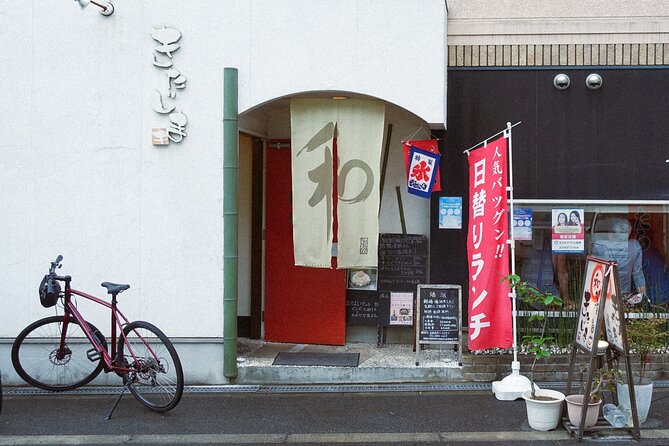
Language is the main point to consider before you reserve. Ikuko speaks limited English, and Takumi helps with translation. That arrangement can work well in a small, friendly class, especially when instructions are demonstrated directly.
Still, the experience may not suit you if you need every culinary detail explained in fluent English. A hands-on lesson often involves timing, texture, and small adjustments. Some of those points may be communicated through gestures, demonstration, or brief translation.
I would approach this as a relaxed cultural exchange. Be ready to watch closely, ask simple questions, and accept a little back-and-forth. The family hosts make an effort to include participants, and the small group gives you a better chance to get help when you need it.
Who will enjoy this Osaka cooking class
This class is a strong match for you if you want to:
- Learn Japanese recipes you can try at home
- Spend time with a local family rather than attend a large food workshop
- Combine a meal with a cultural activity
- Visit near Osaka Castle or connect easily from Namba and Shinsaibashi
- Include children or different generations in one shared activity
- Add sake tasting to a cooking session
- Try okonomiyaki, bento, or home-style Japanese food in a guided setting
It is less suitable if you want a long, formal explanation of Japanese culinary history, a guaranteed list of exact dishes, or a fully fluent English lecture. It is also not the right pick if you only want a fast dinner. Two hours is a meaningful part of an evening, and the value comes from taking part.
Booking details worth checking
The price is $65.69 per person, with a mobile ticket and confirmation at booking. The group maximum is 10 people, and the experience is near public transportation.
Free cancellation is available when you cancel at least 24 hours before the local start time. Cancellations or changes made less than 24 hours before the start are not refunded or accepted, so keep that deadline in mind when building your Osaka schedule.
The activity is listed as about two hours. Lunch and dinner options are available, while the supplied meeting information gives a 5:30 pm start. Confirm the exact session time you select, especially if you are combining it with an Osaka Castle visit.
Should you book it?
Book this class if you want a personal, food-centered evening with a local family, practical cooking instruction, and matcha in the same session. Ikuko and Takumi give it a human touch, while the small group makes it easier to ask questions and receive help.
The best value comes when you actively want to cook. If you only want to eat Osaka specialties, a restaurant will cost less and take less time. But if you want to make okonomiyaki, bento, or home-style dishes yourself, then prepare matcha and perhaps taste sake, the $65.69 price is reasonable for a two-hour experience near Osaka Castle.
FAQ
How long does the Osaka cooking and matcha class last?
The activity lasts approximately two hours.
Where does the class meet?
It meets at 3-chōme-8-2 Nakamichi, Higashinari Ward, Osaka, 537-0025, Japan.
What time does the class start?
The supplied meeting information lists a 5:30 pm start time. Lunch and dinner class options are available, so confirm the time connected to your selected session.
What dishes can I choose to prepare?
You can choose one option from home-cooked dishes, okonomiyaki, or bento.
Is matcha included in the experience?
Yes. The class includes instruction on how to make authentic matcha at home.
Is sake tasting included?
Sake tasting is available as an optional upgrade with the meal.
What is the cancellation policy?
You can receive a full refund if you cancel at least 24 hours before the experience start time. Cancellations or changes made less than 24 hours before the start are not accepted for a refund.
More Workshops in Osaka
- Sushi Making Osaka Roll and Authentic Japanese Sushi Class
★ 5.0 · 1,220 reviews - Osaka Sushi Making Class – Hands-On Nigiri & Rolls (Same-Day OK)
★ 5.0 · 352 reviews - Osaka: Roll and Authentic Sushi Making Class in Dotonbori
★ 4.9 · 239 reviews - Osaka: Sushi Class in Dotonbori
★ 4.9 · 160 reviews
More Cooking Classes in Osaka
- Osaka: Ramen and Gyoza Cooking Class in Dotonbori
★ 5.0 · 378 reviews - Osaka Cooking Class: Okonomiyaki &Japanese cuisines experience
★ 5.0 · 261 reviews - Ramen and Gyoza Cooking Class in Osaka
★ 5.0 · 202 reviews - Osaka Sake Tasting with Takoyaki Cooking
★ 5.0 · 156 reviews
Just added around Osaka
- Samurai dress-up and shows, plus Tea Ceremony & Calligraphy★ 5.0 · 27 reviews
- Kyoto & Nara Private customized tour with English speaking Guide★ 4.5 · 99 reviews
- Well-balanced BENTO (lunch box) Cooking Class★ 5.0 · 35 reviews
- Urban Canvas: Osaka Street Art Bike Tour★ 5.0 · 47 reviews
- OSAKA:Feel the Power! Learn Taiko Drum from Professionals★ 5.0 · 28 reviews
- Volleyball in Osaka & Kyoto with Locals!★ 5.0 · 21 reviews
- 1.5〜2 Hours Traditional Kintsugi Work Shop in Namba Osaka★ 5.0 · 75 reviews
- Umami Town Street Food Tour★ 5.0 · 120 reviews
Tea Ceremony Experiences, compared.
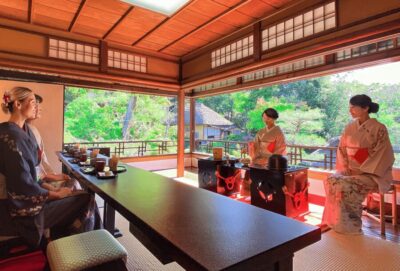
Tea Ceremony in a Traditional Tea House in Kiyomizu
Read our review →
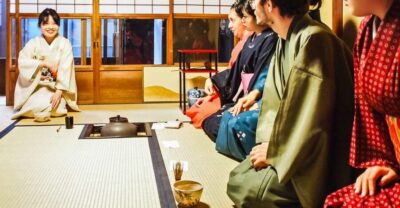
World Heritage Kyoto & Nara Uji Authentic Matcha Experience
Read our review →
Browse the lists this tour appears in