
REVIEW · JAPANESE COOKING CLASSES
Kyoto: Sushi Making Class with Sushi Chef
Kyoto’s sushi-making class turns lunch into a hands-on lesson. You begin with a sample sushi toy, learn the motions, then make real nigiri and maki with fish bought fresh that morning at Kyoto Central Wholesale Market. The best part is that you eat your work at the end, not just admire it.
I like the small group of up to eight, since instructors such as Hide, Nami, Yutaka, Yune, and Yone can give patient, individual help. I also like the practical extras: sushi etiquette, knife use, fish details, and photos taken during class so you can focus on your hands.
The main consideration is that you do not prepare the rice or cut the fish yourself. The chef handles those skilled steps, which keeps the class friendly for beginners and children, but may disappoint confident home cooks who want a full lesson from market preparation onward.
In This Review
- Key points before you book
- Why this sushi class works so well for first-timers
- From morning market fish to your lunch plate
- Making nigiri, one piece at a time
- Rolling maki with the special tool
- Plating, photos, and the lunch you made yourself
- A friendly class with enough personal attention
- Finding the meeting point near Shijo Karasuma
- Is $74 good value for Kyoto?
- Who should book this experience?
- My call: book it if you want a meal with a skill attached
- FAQ
- Where does the sushi-making class meet?
- How long does the class last?
- What types of sushi will I make?
- Is lunch included?
- Is the fish fresh?
- Is the class taught in English?
- How many people are in each group?
- Are photos included?
- Can people with food allergies join?
Key points before you book
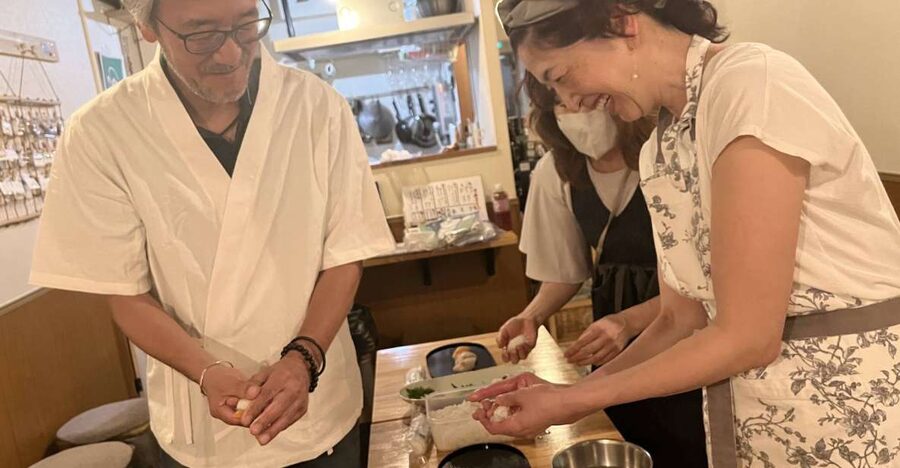
- Fresh fish from Kyoto Central Wholesale Market: Ingredients are purchased early each morning and prepared shortly before class.
- Three-hour maximum, 90-minute minimum: The exact length depends on the selected session and pace of the group.
- Nigiri and maki are both included: You practice shaping hand-pressed sushi and making rolls with a special tool.
- Designed for beginners and children: The sample sushi toy helps you learn the motions before using real food.
- Photos and videos are provided afterward: You can leave your phone aside while you work.
- Two central venues near Shijo Karasuma: The exact meeting place is sent by email, so check your messages before setting out.
Why this sushi class works so well for first-timers
Sushi can look simple until you try to make it. A slice of fish on rice seems to require only two ingredients, yet the shape, pressure, rice handling, and balance all matter. This class gives you a gentle way to understand that craft without needing previous cooking experience.
The lesson starts with a practice sushi sample toy. That may sound basic, but it is useful. You can learn how to form the rice and place the topping without worrying about wasting food or making a mess. Once the movement feels familiar, the chef guides you through real nigiri.
That gradual approach is one reason the class suits families. A five-year-old participant reportedly enjoyed the activity most of all, and several parents found the instructors patient with children and teenagers. You still need to follow food-safety instructions and handle raw fish responsibly, but the teaching style is built for beginners rather than culinary specialists.
The class is taught in English and Japanese. Names of instructors connected with the sessions include Hide, Nami, Yutaka, Yune, Yone, Yukihide, and others. The exact chef may vary, but the common thread is a patient, personal teaching style.
More Japanese Cooking Classes in Kyoto
- Ramen Cooking Class at Ramen Factory in Kyoto
★ 5.0 · 1,937 reviews - Sushi Making in Kyoto! Same-day bookings welcome!
★ 5.0 · 713 reviews - Kyoto: Ramen Cooking Class at a Ramen Factory with Souvenir
★ 4.9 · 532 reviews
From morning market fish to your lunch plate
The fish is purchased early each morning from Kyoto Central Wholesale Market. It is then prepared shortly before the class, giving the meal a clear connection to Kyoto’s food culture rather than treating sushi as a generic craft project.
You will not tour the wholesale market as part of the class, and you do not do the shopping yourself. Still, knowing that the fish was selected that morning adds useful context. The chef can explain the different fish and show you how ingredients prepared by a professional differ from the tidy pieces you see at a restaurant counter.
Several participants especially appreciated the fish quality and careful preparation. One useful point for cautious eaters is that even someone who did not usually enjoy raw fish found the finished sushi appealing. That is not a promise for every palate, but it shows how much freshness and preparation affect the result.
The chef also explains the tools used in sushi preparation. You may learn why different knives serve different purposes, along with details about sushi etiquette and how to eat at a sushi restaurant. These details make the class more valuable than a simple roll-and-eat activity.
Making nigiri, one piece at a time
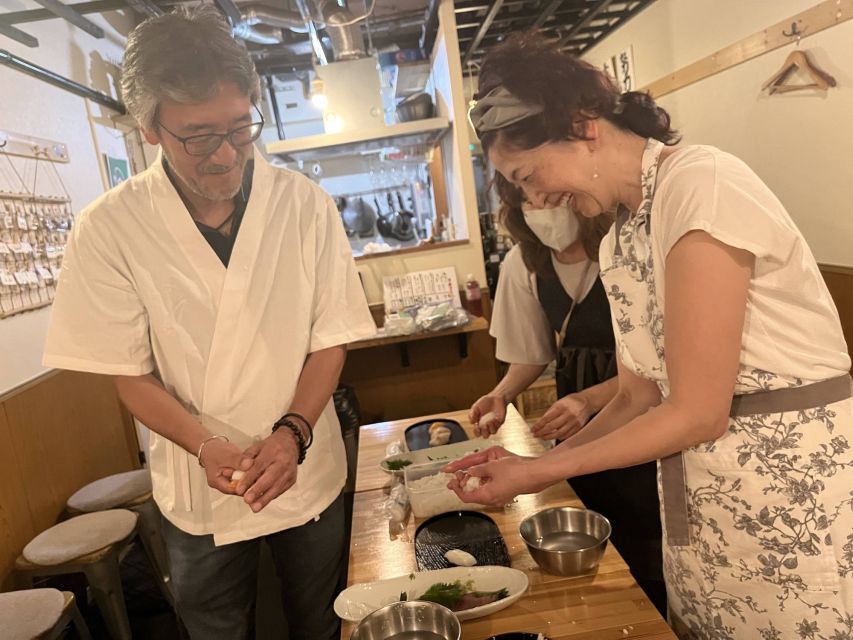
After the practice round, you begin making real nigiri sushi. The chef demonstrates the process step by step, then lets you repeat it under guidance. Expect your first pieces to look less tidy than the chef’s. That is part of the fun, and the instructor’s job is to help you improve rather than expect restaurant-counter perfection.
Nigiri teaches you how little pressure is needed. Press too hard and the rice becomes dense. Press too lightly and the piece falls apart. The lesson gives you a better feel for the balance between rice and fish, something that is hard to understand from watching a video at home.
The pace appears to be forgiving. Hide is often praised for explaining clearly and taking time with each person, while Nami is described as kind and patient with children. If your group has mixed ages or very different cooking skills, that personal attention matters.
You also learn how sushi should be handled and eaten. The etiquette lesson can be particularly helpful if you feel unsure at a traditional sushi restaurant. You are not simply copying hand movements, you are learning some of the customs that surround the food.
Rolling maki with the special tool
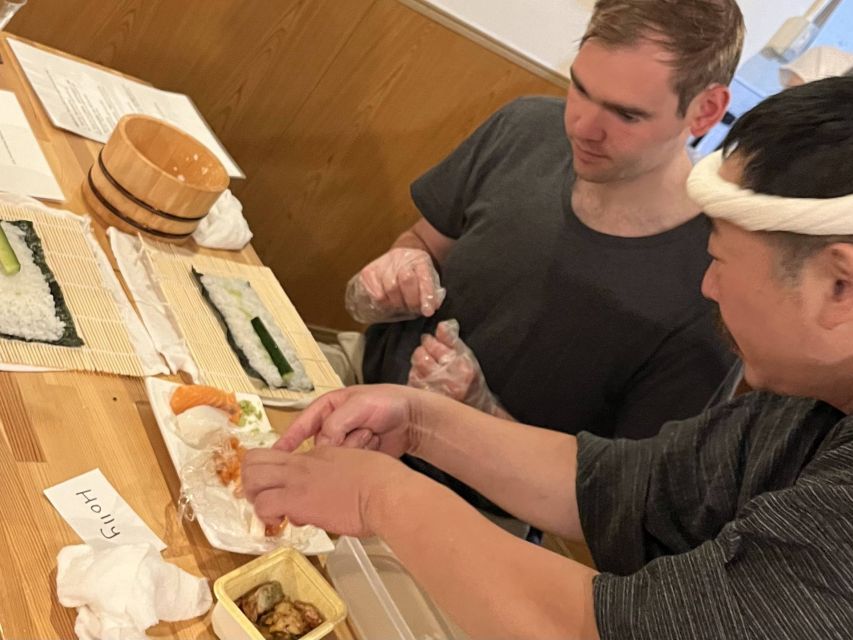
Once the nigiri is finished, the class moves to sushi rolls, or maki. A special tool helps you shape the roll, making this section easier for beginners than trying to control every movement by hand.
The roll-making stage brings a different kind of challenge. Nigiri is about small, controlled shaping. Maki requires even filling, firm but careful rolling, and a clean cut. You will get plenty of fish and a chance to make your own roll under the chef’s direction.
One point worth knowing is that the class does not appear to include preparing the sushi rice or cutting the fish. The chef provides those components ready to use. That choice keeps the 90-minute-to-three-hour format manageable and puts the focus on shaping and assembly.
For most people, this is a fair trade. You get to make three types of sushi from scratch according to one account, including nigiri and maki, without turning the session into a long professional kitchen course. If your goal is to recreate sushi at home, ask questions during the class about rice texture, fish handling, and tools. The chef can still give you useful guidance even when the most technical preparation is done in advance.
Same city, a completely different kind of day:
- PERFECT KYOTO 1-Day Bus Tour
★ 5.0 · 13,518 reviews - Kyoto: Fushimi Inari, Kinkakuji, Bamboo Grove 1 Day Bus Tour
★ 4.8 · 4,316 reviews - Kyoto: Tea Ceremony in a Traditional Tea House in Kiyomizu
★ 4.9 · 3,519 reviews - Kyoto Geisha Walking Tour: Gion District & Hidden Gems
★ 4.7 · 3,273 reviews
Plating, photos, and the lunch you made yourself
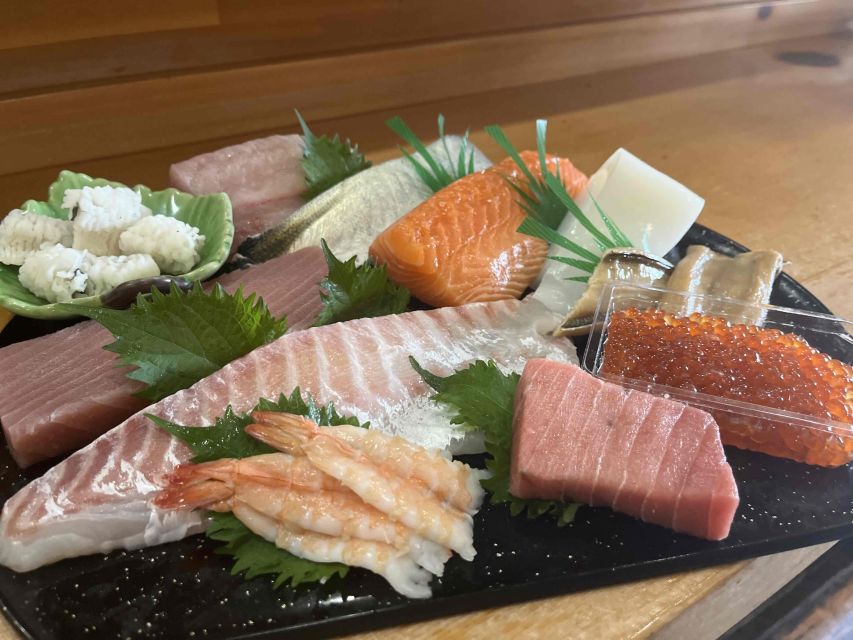
At the end, you decorate all the sushi on a plate. This final step gives the class a satisfying finish. Your pieces may not match the chef’s display, but arranging them carefully helps you see what you have made and turns the meal into a proper lunch.
You then eat the sushi with Japanese-style dashi soup and tea or water. The soup is a simple but fitting addition, giving you a warm partner for the cool fish and rice. Since you eat what you prepare, the meal also becomes a useful test of your new skills.
A photo-taking service is included. The staff take photos and videos during the class and share the files afterward. I see real value here: you can keep your hands clean, listen to the instructor, and concentrate on the food instead of trying to document every stage.
The photos also record the parts you might otherwise forget, such as your first uneven nigiri or the finished plate. Data is shared after the class, so you should not expect an instant printed souvenir.
A friendly class with enough personal attention
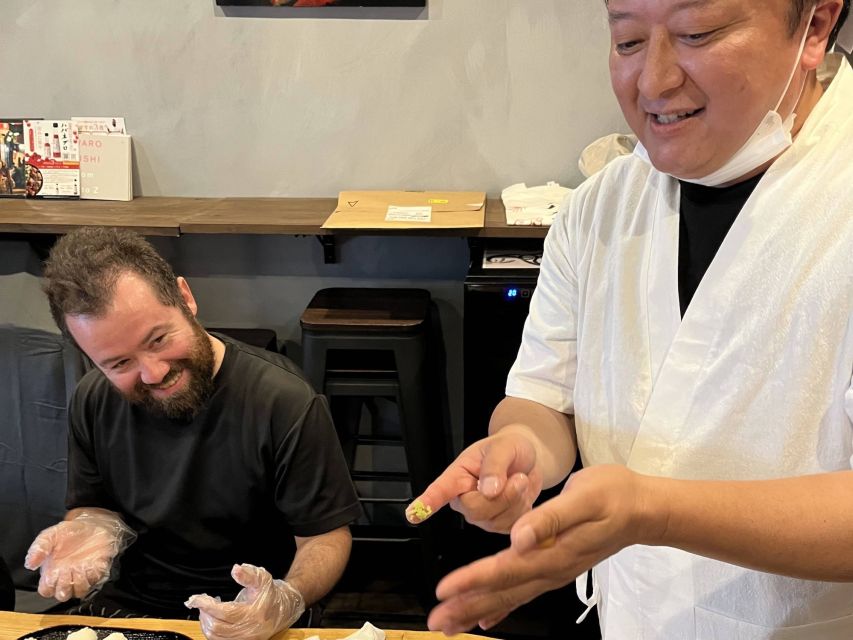
The group is limited to eight people. That is small enough to allow questions and corrections, but large enough that the experience is social. Several instructors are praised for creating an easygoing class with plenty of laughter, while still keeping hygiene and instruction in view.
Hide receives especially strong praise for his relaxed teaching style and decades of experience as a sushi chef. Other sessions with Yutaka, Yune, Yone, Nami, and Yukihide are also described as clear, friendly, and patient. You should not assume you will have a specific instructor unless the booking confirms it, but the range of positive comments suggests a consistent teaching approach.
The language options are English and Japanese. The class is not advertised as a formal language lesson, yet the practical explanations are aimed at international participants. One participant with gluten concerns received help, including assistance with translations for other restaurants. Still, the formal information says the experience is not suitable for people with food allergies, so you should contact the provider before booking if you have any food restriction.
Strong fragrances are not allowed. This rule makes sense in a small food-preparation space, where perfume or heavily scented products could interfere with the meal and the comfort of others.
Finding the meeting point near Shijo Karasuma
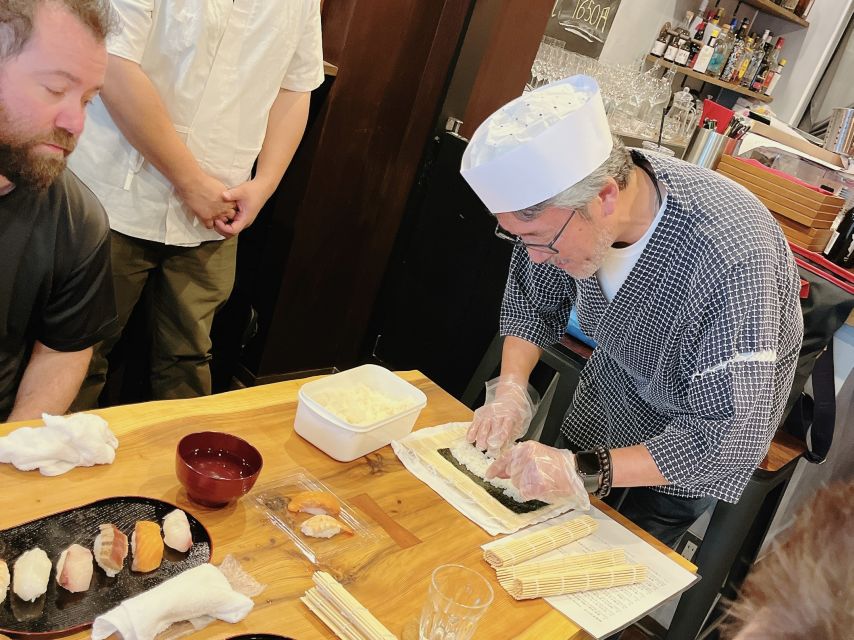
There are two venues around Shijo Karasuma. The organizer chooses the venue according to the number of people booked and sends the Google Maps link by email. At the meeting time, staff appear with a welcome board.
This setup is central, but it requires a little attention from you. Do not rely on a venue name remembered from a booking page. Check your email for the final map link, and allow time to locate the correct entrance. One location has been described as close to Kyoto-Kawaramachi Station, and another setting has offered a pleasant river view, but the exact venue can change.
The changing location is a minor inconvenience, not a serious problem. Shijo Karasuma is a practical part of Kyoto for a food activity, and a central meeting point fits well into a day of sightseeing. Just confirm the message before leaving your hotel.
Is $74 good value for Kyoto?
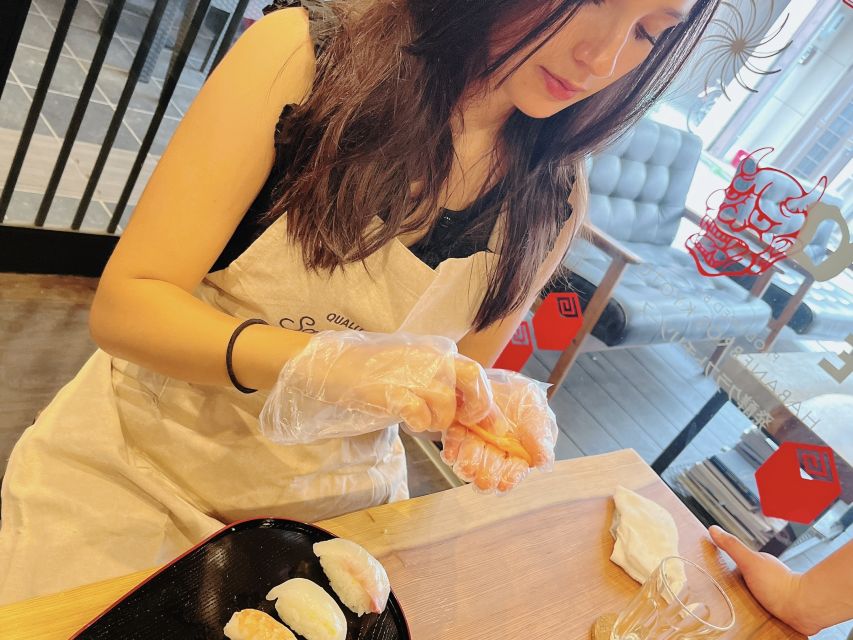
At $74 per person, this is not the cheapest sushi lunch you can buy in Kyoto. You could spend less on prepared sushi at a market or restaurant. But that comparison misses the main point: you are paying for the chef’s instruction, fresh fish bought that morning, the meal, soup, drinks, a small group, and shared photos and videos.
The value improves if you are traveling with children or want an activity that works across generations. A five-year-old, teenagers, and adults can all take part at different levels. You are also getting a skill you can continue practicing at home, even if the class does not cover every part of professional sushi preparation.
The class is less useful for an advanced cook who wants to fillet fish, season rice, or study knife technique in depth. One participant specifically wished they could prepare the rice and cut the fish, and even offered that an added fee would have been worthwhile. That is the clearest limitation in the experience.
For a first sushi lesson, though, $74 is reasonable. You receive more than lunch, but you should book it for the teaching and shared experience, not simply for the amount of food.
Who should book this experience?
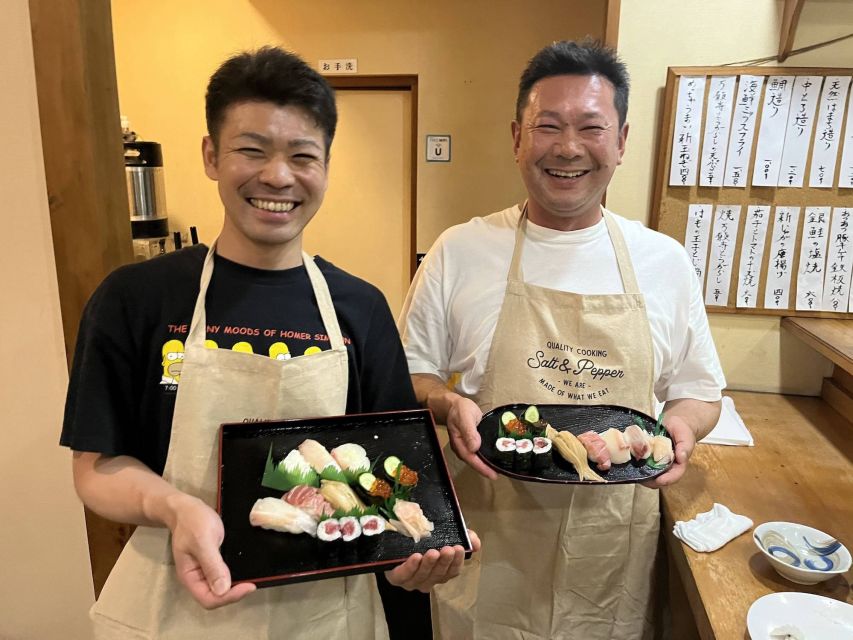
I would choose this class for families, couples, first-time sushi makers, and anyone who wants a food activity with a clear Japanese connection. It is also a good choice for people who enjoy learning by doing rather than sitting through a demonstration.
You will get the most from it if you are curious about sushi etiquette, fish, tools, and the small details behind a restaurant meal. The lesson is also a smart pick for a rainy day or for a break from temple visits, since it gives you a seated activity and lunch in one booking.
I would hesitate if you have a serious food allergy, strongly dislike raw fish, or want to handle every technical stage yourself. The allergy restriction is explicit, and the fish preparation is done for you. People with dietary concerns should ask before reserving rather than hope the class can adjust on the day.
The duration can range from 90 minutes to three hours, depending on availability and the session. That makes it possible to fit into different schedules, but check the actual start time and expected length when booking. Free cancellation is available up to two days in advance for a full refund, which gives you some flexibility as you build a Kyoto plan.
My call: book it if you want a meal with a skill attached
This is a strong pick for an approachable Kyoto food experience. The fresh market fish, careful chefs, small group, and chance to eat your own nigiri and maki give the class a satisfying shape from start to finish.
Book it if you want friendly instruction and a memorable lunch, especially with children or relatives who may not enjoy a long formal cooking course. Skip it if your main aim is fish cutting or rice preparation. For most beginners, the practical teaching, generous help, and photos make the $74 price worthwhile.
FAQ
Where does the sushi-making class meet?
The class uses two venues around Shijo Karasuma. The organizer selects the venue based on the number of participants and sends a Google Maps link by email. Staff meet you with a welcome board.
How long does the class last?
The activity can last from 90 minutes to three hours. Check the available session when choosing a start time.
What types of sushi will I make?
You will make nigiri sushi and sushi rolls, also called maki. The class begins with practice using a sushi sample toy before you handle real sushi.
Is lunch included?
Yes. You eat the sushi you make, along with Japanese-style dashi soup and tea or water.
Is the fish fresh?
The fish is purchased early each morning from Kyoto Central Wholesale Market and prepared shortly before the class.
Is the class taught in English?
Yes. Instruction is available in English and Japanese.
How many people are in each group?
The class is limited to eight participants.
Are photos included?
Yes. Photos and videos are taken during the class, and the data is shared with you afterward.
Can people with food allergies join?
The activity is listed as unsuitable for people with food allergies. If you have a food restriction, contact the provider before booking.
More Workshops in Kyoto
- Kyoto: 45-Minute Tea Ceremony Lesson Experience
★ 4.3 · 2,378 reviews - Kyoto : Chopsticks Making Workshop in Gion with Engraving Option
★ 5.0 · 958 reviews - Kyoto: Samurai Sword Class by Experts in Traditional Arts
★ 4.9 · 657 reviews - Ninja 1-hour Hands-on Lesson by Japanese master in Kyoto -Entry
★ 5.0 · 489 reviews
Just added around Kyoto
- Taste of Nishiki Market Walking Food Tour with Local guide★ 5.0 · 17 reviews
- Kyoto: City Secrets eBike Tour★ 4.9 · 196 reviews
- Sacred Pathways: Discover the Philosopher’s Path of Kyoto★ 4.9 · 20 reviews
- Private Tour to Monkey Park and Arashiyama Highlights★ 5.0 · 22 reviews
- Private Nara Tour from Osaka – Meet at Your Hotel★ 5.0 · 22 reviews
- Private Sake Tasting in Central Kyoto with Sake Sommelier★ 5.0 · 13 reviews
- Kyoto : Private Custom Walking Tour With A Local Guide★ 4.6 · 144 reviews
- Osaka/Kyoto: Katsuoji, Kinkakuji, Arashiyama 1-Day Bus Tour★ 4.6 · 33 reviews
Japanese Cooking Classes, compared.
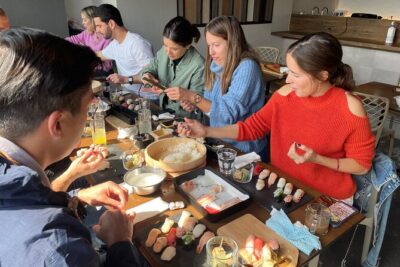
Sushi Making Tokyo Roll and Authentic Japanese Sushi Class
Read our review →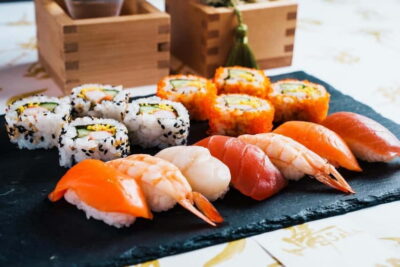
Roll and Authentic Sushi Making Class in Asakusa
Read our review →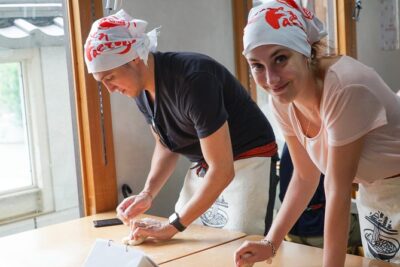
Ramen Cooking Class at Ramen Factory in Kyoto
Read our review →
Sushi Making Class in a Happi Coat near a Famous Spot
Read our review →
Sushi Making Osaka Roll and Authentic Japanese Sushi Class
Read our review →
Tokyo Sushi Making Class in Tsukiji with Professional Chef
Read our review →
Ramen & Gyoza Cooking Class in Tokyo with Local Supermarket Visit
Read our review →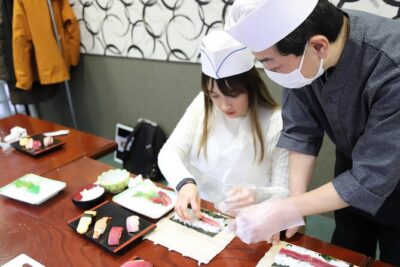
Tsukiji Fish Market Guided Tour and Sushi Making with Pro Chef
Read our review →Browse the lists this tour appears in