
REVIEW · JAPANESE COOKING CLASSES
Kyoto: Small-Group Authentic Sushi Making Workshop
Kyoto’s original small-group sushi workshop puts you at the counter with rice, fresh fish, and an instructor who shows you exactly what to do. In 90 minutes, you make nigiri and maki, then eat your own lunch in a traditional Kyoto townhouse.
I like the eight-person limit, which gives you room to ask questions and fix your technique without feeling rushed. I also like the friendly cultural exchange: Kana and her team are happy to discuss Japanese food, Kyoto, local history, and practical places to eat.
The main consideration is the menu. This class uses fish and is not suitable for vegetarians, and the venue cannot accommodate wheelchair users. You also need to make your own way there, though the central location is easy to pair with Gion or Kiyomizu-dera.
In This Review
- Key points for choosing this Kyoto sushi class
- A quiet townhouse near Kyoto’s best-known sights
- What happens during the 90-minute class
- Learning from Kana and the workshop team
- The food: fresh fish, family rice, and a real lunch
- Why the small-group format is worth the price
- A good break from temples and long walking days
- What you take home besides the sushi
- Practical details before you book
- Who should book this sushi workshop?
- Should you book the Atelier SUSHI workshop?
- FAQ
- Where does the Kyoto sushi-making workshop take place?
- How long does the sushi class last?
- How many people can join the class?
- Is the class taught in English?
- What types of sushi will I make?
- Is lunch included?
- What comes in the gift bag?
- Can vegetarians or wheelchair users join?
Key points for choosing this Kyoto sushi class
- Small class, personal help: The workshop is limited to eight participants, and some sessions have only a few people.
- Several sushi styles: You learn nigiri and maki, with gunkan also included in some class menus.
- Fresh local ingredients: Fish is sourced locally, including fish purchased from Nishiki Market, and some rice comes from the instructor Kana’s family.
- Traditional setting: The class takes place in the Kyoto Wand building, a restored townhouse near Kiyomizu-Gojō Station.
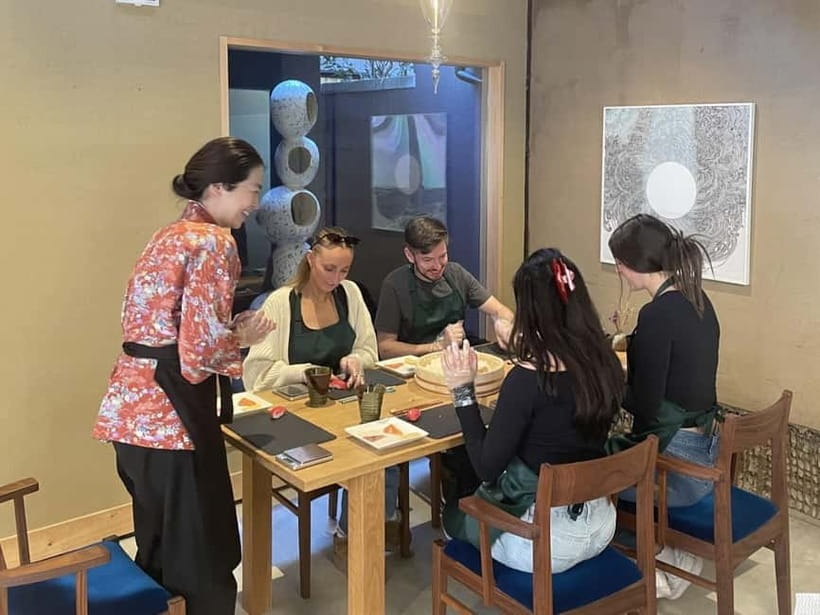
- A generous lunch: You eat the sushi you make, along with miso soup. Several participants found the serving large enough to count as a full meal.
- Useful take-home gift: You receive a sushi rolling mat, chopsticks, and recipe card, plus apron and disposable gloves for the class.
A quiet townhouse near Kyoto’s best-known sights
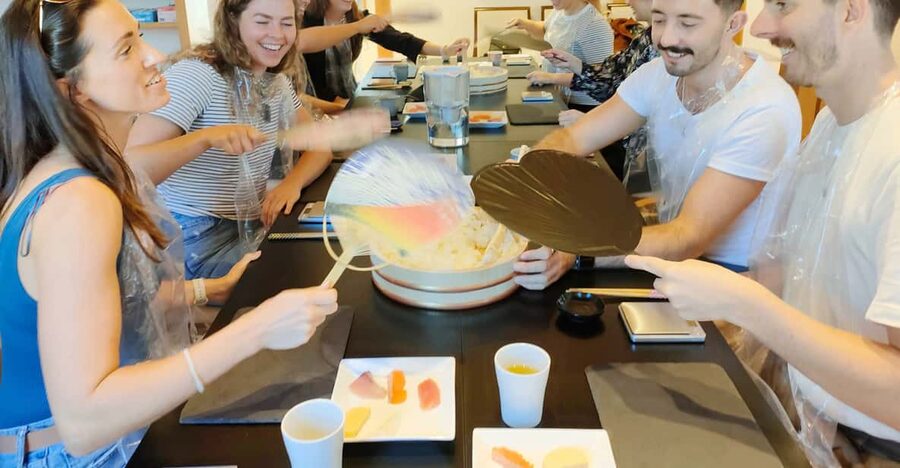
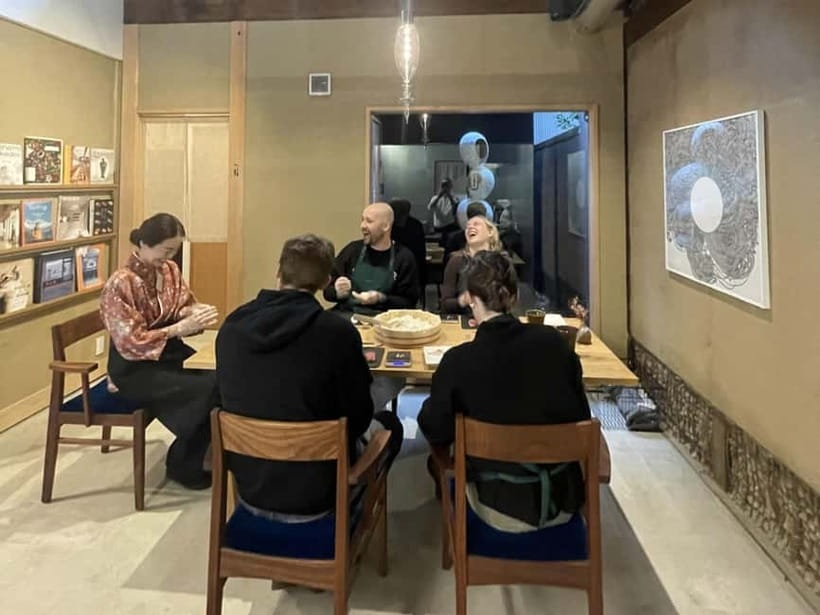
The class takes place in the Kyoto Wand building, a beautifully restored traditional townhouse a short walk from Kiyomizu-Gojō Station on the Keihan Main Line. That setting matters. You are not learning sushi in a generic cooking studio with a busy commercial feel. You sit in a calm space that fits Kyoto’s restrained food culture.
The location is central enough to combine with a day around Gion, Kiyomizu-dera Temple, or the streets near the Kamo River. It is within walking distance of several popular districts, but you should still check the route before leaving. The supplied Google Plus Code is XQVC+J7 Kyoto, which can help if your map app has trouble with the townhouse address.
There is no hotel pickup or drop-off. That is normal for a short city class, but it means you need to allow time to reach the meeting point yourself. Kiyomizu-Gojō Station is the clearest transport reference provided, and the workshop is only minutes away on foot.
More Japanese Cooking Classes in Kyoto
- Ramen Cooking Class at Ramen Factory in Kyoto
★ 5.0 · 1,937 reviews - Sushi Making in Kyoto! Same-day bookings welcome!
★ 5.0 · 713 reviews - Kyoto: Ramen Cooking Class at a Ramen Factory with Souvenir
★ 4.9 · 532 reviews
What happens during the 90-minute class
The workshop begins with an introduction to sushi and the basic ingredients. Your English-speaking host then guides you through the rice, the most important part of good sushi and the part many home cooks treat as an afterthought.
You learn how to season properly cooked rice before shaping it. That lesson gives the class more value than simply pressing ingredients into a mold. Rice temperature, seasoning, and handling affect the texture and balance of the finished sushi, so this early stage helps you understand why restaurant sushi feels different from a hurried homemade version.
Next comes the hands-on work. The main styles are nigiri sushi, the hand-shaped rice topped with fish, and maki rolls, wrapped in nori. Gunkan sushi, a small seaweed-wrapped style designed to hold softer toppings, is also included in some sessions.
The instructors demonstrate each step slowly, then let you try. You can expect close guidance rather than a long talk followed by a rushed scramble at your station. The small format gives Kana and her assistants time to watch your hands, explain the pressure to use, and answer questions as you go.
Menus can vary by the day’s ingredients, but class details have included salmon, tuna, squid, yellowtail, egg omelet, corn, tuna salad, avocado, and salmon. One detailed session included nigiri with several fish and egg omelet, gunkan with corn and tuna salad, and a salmon and avocado maki roll. That gives you a useful mix of raw fish, cooked or prepared fillings, and different shaping methods.
You do not cut the fish yourself. The ingredients arrive prepared for the lesson, allowing the class to focus on rice seasoning, shaping, filling, and presentation. If you hoped for a fish-filleting lesson, this is not that. For most first-time sushi makers, though, the choice keeps the 90 minutes focused and manageable.
Learning from Kana and the workshop team
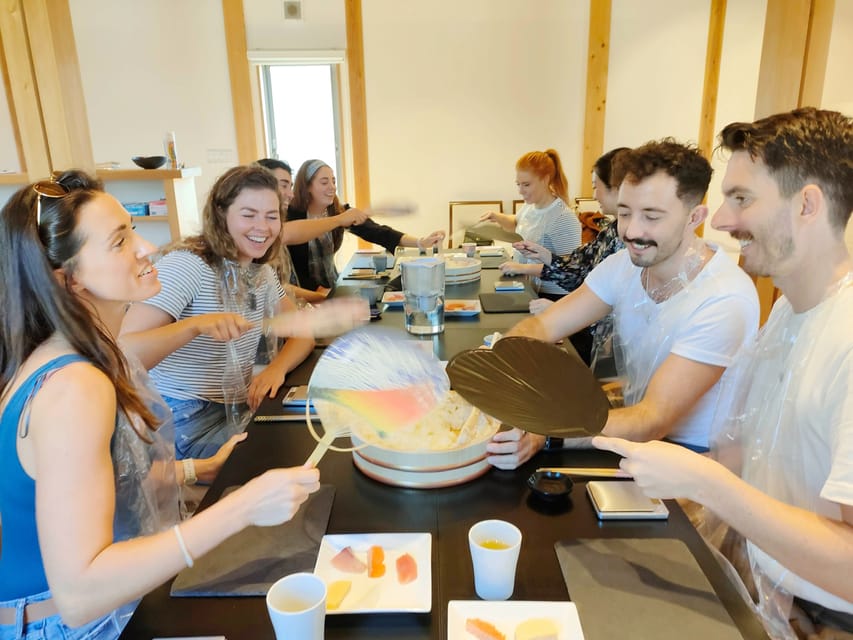
Kana is the main instructor named throughout the experience, and her style is patient, calm, and practical. Her husband Karim has helped with classes, while Kenneth, Aya, and Ayumi have also assisted at different sessions. The exact team may vary, but English instruction is provided.
One of the strongest reasons to book this class is the personal tone. Kana has shared stories about growing up in Osaka, moving to Kyoto, Japanese history, and local food customs. Her team also offers restaurant and sightseeing suggestions when asked. You get a cooking lesson, but the conversation can add a useful local layer to your time in Kyoto.
The teaching is friendly without being loose. Instructions are explained in detail, then repeated as you work. This helps if you have never made sushi before, and it still gives experienced home cooks something to refine. People who already make sushi at home have used the class to learn more about traditional local technique rather than simply repeating a familiar recipe.
The hosts also make an effort to remember names and include everyone. That small touch can make a difference in a mixed class, especially if you arrive alone or with a young family member. Some sessions have had only two or three participants, while the maximum is eight. A smaller turnout means even more direct help.
The food: fresh fish, family rice, and a real lunch
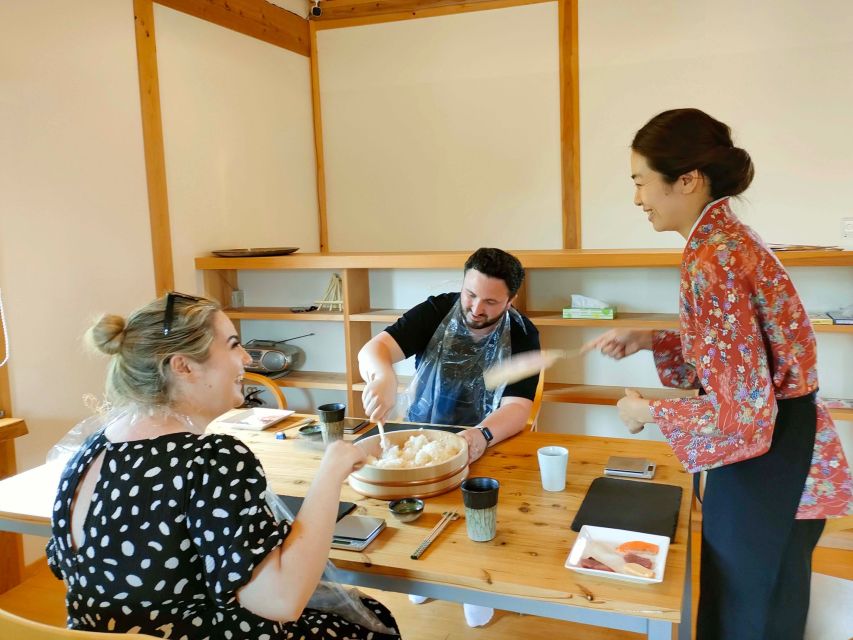
The ingredients are a major part of the value. Fish is described as fresh and high quality, with some supplies coming from Nishiki Market in Kyoto. One class also used rice grown by Kana’s family, which gives the meal a more personal connection to Japanese food production.
You should not expect a luxury omakase tasting. This is a working lunch that you prepare yourself. The point is to understand how the pieces come together, not to sit back while a sushi chef creates a formal sequence. Still, the quality of the fish and rice matters because it rewards your new skills. Fresh toppings make even a beginner’s first pieces taste good.
After the making portion, you eat the sushi you created with soy sauce, wasabi, and ginger. Miso soup is included. The amount can be surprisingly generous, so plan this as a meal rather than a snack. If you have a busy food itinerary in Kyoto, schedule the class when you can comfortably make room for lunch.
The menu includes raw fish, and that is central to the experience. If you have dietary restrictions, tell the provider when booking. Vegetarian participants should not book this class, since the activity is specifically marked as unsuitable for vegetarians. No broader list of substitutions is provided, so you should ask before reserving if you have allergies or other food concerns.
Same city, a completely different kind of day:
- PERFECT KYOTO 1-Day Bus Tour
★ 5.0 · 13,518 reviews - Kyoto: Fushimi Inari, Kinkakuji, Bamboo Grove 1 Day Bus Tour
★ 4.8 · 4,316 reviews - Kyoto: Tea Ceremony in a Traditional Tea House in Kiyomizu
★ 4.9 · 3,519 reviews - Kyoto Geisha Walking Tour: Gion District & Hidden Gems
★ 4.7 · 3,273 reviews
Why the small-group format is worth the price
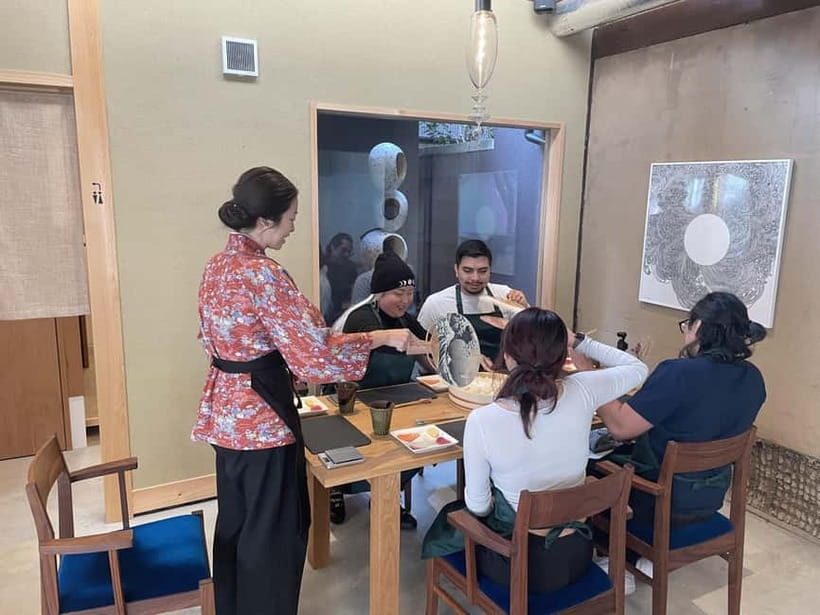
At $60 per person, this is not the cheapest way to eat sushi in Kyoto. It is also not simply a meal. You receive instruction, ingredients, a substantial lunch, miso soup, and a take-home sushi mat, chopsticks, and recipe card.
The eight-person cap is the key value. In a larger cooking demonstration, you might watch someone make sushi and then copy the broad movements at a distance. Here, the format allows the instructor to correct your technique and respond to individual questions. If your main goal is to gain a skill you can use at home, that personal help justifies much of the cost.
The gift bag adds practical value rather than being a throwaway souvenir. A rolling mat and recipe card give you the basic tools to try maki again after your Japan trip. You still need ingredients at home, of course, but the class removes the mystery from the first attempt.
I would also count the setting and cultural conversation as part of the price. You are spending 90 minutes in a traditional Kyoto building with English-speaking hosts who can talk about food and the city. That makes this a stronger choice than a purely mechanical cooking lesson.
A good break from temples and long walking days
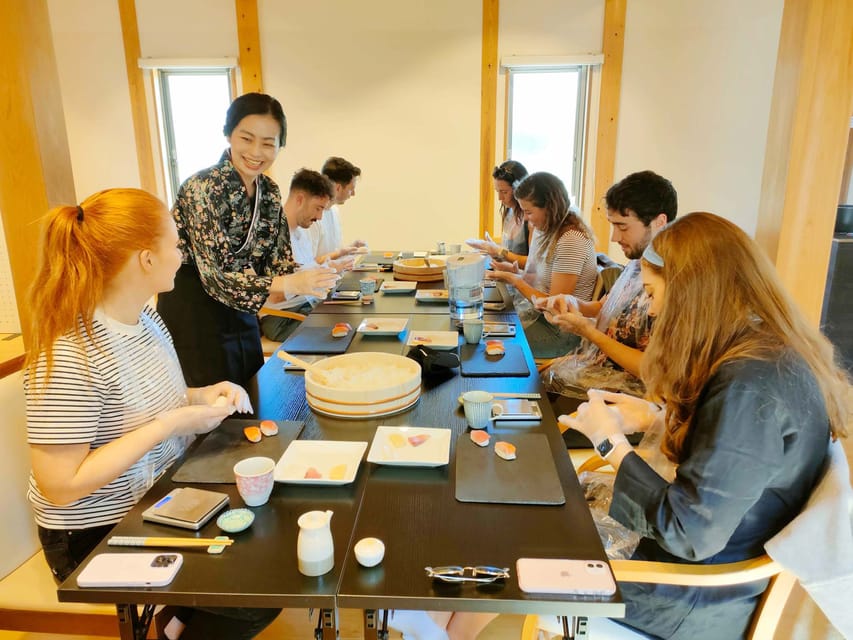
Kyoto sightseeing can mean hours on your feet, especially around eastern Kyoto. This workshop offers a calm indoor pause without feeling like dead time. You remain active, but the pace is slower and more focused than a temple circuit.
It works well in a day built around Kiyomizu-dera and Gion. You can visit the temple area before or after class, then use the sushi lunch as a fixed point in your schedule. Since the activity lasts 90 minutes, it is easier to fit into a packed itinerary than a longer cooking course.
Families also have good reason to consider it. A family group of seven, ranging from a grandmother to young grandchildren, completed the class together and enjoyed making both nigiri and maki. Another parent attended with a 10-year-old son, who took part in the preparation and ate his full share.
That said, the class requires hands-on participation and careful food handling. Very young children may need close help from an adult, and the supplied information does not give a minimum age. If you are booking for children, confirm the arrangement with the provider first.
Couples and solo visitors can enjoy it too. A two-person session can feel almost private, while a full class gives you a chance to talk with people from different countries. The atmosphere is social, but the small size keeps it from becoming noisy or impersonal.
What you take home besides the sushi
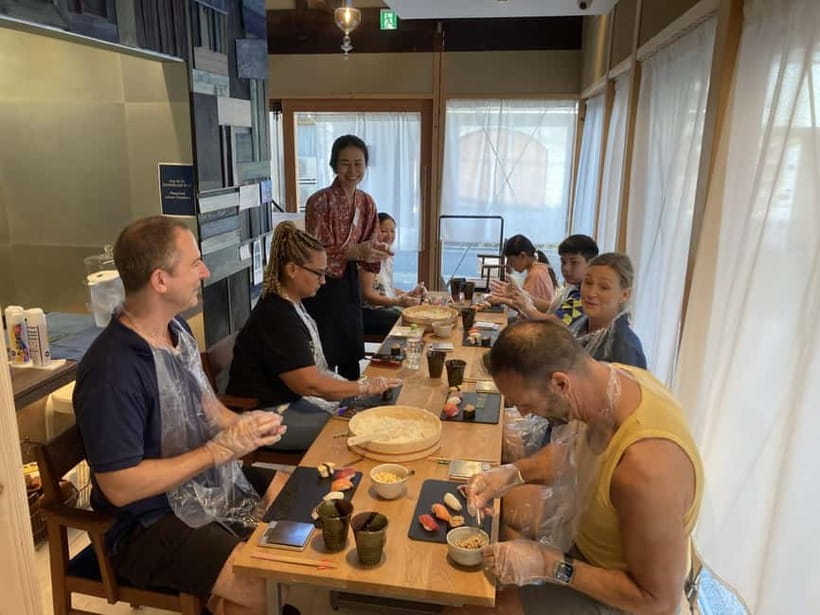
The most obvious souvenir is the meal itself, but the recipe card and rolling mat are the lasting benefits. After watching and practicing the process, you can try maki at home with a clearer sense of how tightly to roll and how to portion the rice.
You also leave with a better understanding of the balance between rice and topping. Sushi is not just raw fish. The class shows how rice seasoning, nori, fillings, garnishes, soy sauce, wasabi, and ginger work together.
The cultural side can last longer than the technique. Conversations with Kana and the team may touch on Japanese history, Kyoto food traditions, local neighborhoods, and places to eat. If you arrive with questions, this is a good setting to ask them. The hosts are not simply moving you from one step to the next.
Some classes have run a little beyond the scheduled 90 minutes when the group stayed to talk. You should not count on extra time, especially if the instructors have another session, but the relaxed mood can make the experience feel less transactional.
Practical details before you book
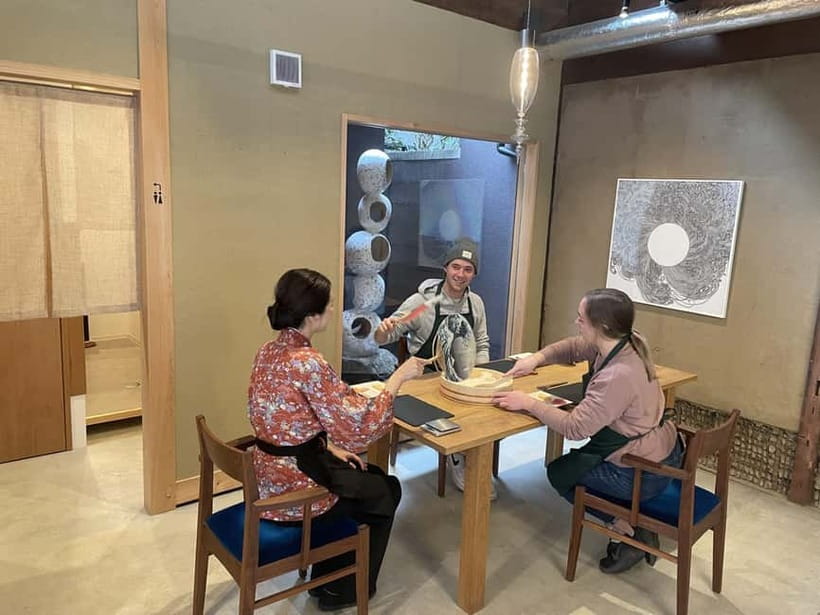
The workshop costs $60 per person and lasts 90 minutes. It is conducted in English and is limited to eight participants. Starting times vary, so you need to check availability for your date.
Wear something comfortable and suitable for food preparation. An apron and disposable gloves are included, so you do not need to bring those. Hotel transfers are not included, and you must reach the Kyoto Wand building independently.
The experience is not suitable for wheelchair users. It is also not suitable for vegetarians. State any dietary restrictions while booking rather than waiting until you arrive.
The cancellation terms are traveler-friendly: you can cancel up to 24 hours in advance for a full refund. A reserve-now, pay-later option is also available, which helps if your Kyoto schedule is still shifting.
One small planning tip: come hungry. The meal can be large, particularly if you make a full set of nigiri and rolls. You may also want to leave room in your luggage for the gift bag, though it is compact and useful.
Who should book this sushi workshop?
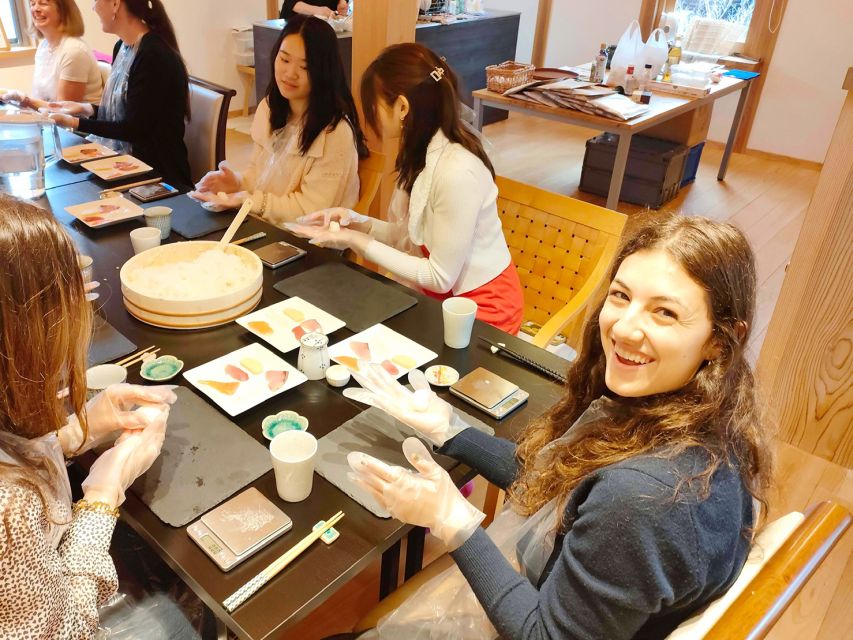
I would choose this class if you want to do something active in Kyoto and bring home a skill, not just a photograph. It suits first-time sushi makers, food-focused visitors, families, couples, and home cooks who want guidance on traditional Japanese styles.
It is especially good for people who value conversation. Kana and her team add context about Kyoto and Japan, and the small class gives you a real chance to ask questions. The traditional townhouse also makes the setting feel connected to the city.
I would skip it if you are vegetarian, cannot use the venue because of wheelchair access, or want an advanced fish-preparation course. It is also not the right pick if you prefer a formal sushi tasting where someone else does all the work.
Should you book the Atelier SUSHI workshop?
Yes, if fresh fish, hands-on instruction, and a relaxed Kyoto setting appeal to you. The $60 price is fair because it covers a full lunch, English teaching, a small class, and tools you can use later.
Book it for a quieter part of your sightseeing day, ideally near your time around Gion or Kiyomizu-dera. Tell the provider about dietary restrictions in advance, arrive with an appetite, and expect to leave with more sushi than you may have planned to eat. For a short Kyoto activity that combines food, culture, and a practical skill, this is a strong choice.
FAQ
Where does the Kyoto sushi-making workshop take place?
It takes place in the Kyoto Wand building, a restored traditional Kyoto townhouse near Kiyomizu-Gojō Station on the Keihan Main Line. The building is within walking distance of areas including Gion and Kiyomizu-dera Temple.
How long does the sushi class last?
The scheduled workshop lasts 90 minutes. Starting times vary, so you need to check availability for your preferred date.
How many people can join the class?
The small-group class is limited to eight participants. Some sessions may have fewer people.
Is the class taught in English?
Yes. The workshop includes an English-speaking host and English instruction.
What types of sushi will I make?
You will learn to prepare sushi rice and make nigiri and maki rolls. Gunkan sushi is also included in some class menus.
Is lunch included?
Yes. You eat the sushi you make during the workshop, and miso soup is included.
What comes in the gift bag?
The gift bag includes a sushi rolling mat, chopsticks, and a recipe card. Disposable gloves and an apron are also provided for use during the class.
Can vegetarians or wheelchair users join?
The activity is not suitable for vegetarians or wheelchair users. You should provide any other dietary restrictions when booking.
More Workshops in Kyoto
- Kyoto: 45-Minute Tea Ceremony Lesson Experience
★ 4.3 · 2,378 reviews - Kyoto : Chopsticks Making Workshop in Gion with Engraving Option
★ 5.0 · 958 reviews - Kyoto: Samurai Sword Class by Experts in Traditional Arts
★ 4.9 · 657 reviews - Ninja 1-hour Hands-on Lesson by Japanese master in Kyoto -Entry
★ 5.0 · 489 reviews
Just added around Kyoto
- Taste of Nishiki Market Walking Food Tour with Local guide★ 5.0 · 17 reviews
- Kyoto: Sushi Making Class with Sushi Chef★ 4.8 · 64 reviews
- Kyoto: City Secrets eBike Tour★ 4.9 · 196 reviews
- Sacred Pathways: Discover the Philosopher’s Path of Kyoto★ 4.9 · 20 reviews
- Private Tour to Monkey Park and Arashiyama Highlights★ 5.0 · 22 reviews
- Private Nara Tour from Osaka – Meet at Your Hotel★ 5.0 · 22 reviews
- Private Sake Tasting in Central Kyoto with Sake Sommelier★ 5.0 · 13 reviews
- Kyoto : Private Custom Walking Tour With A Local Guide★ 4.6 · 144 reviews
Japanese Cooking Classes, compared.
Sushi Making Tokyo Roll and Authentic Japanese Sushi Class
Read our review →
Roll and Authentic Sushi Making Class in Asakusa
Read our review →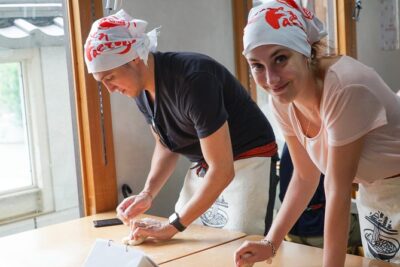
Ramen Cooking Class at Ramen Factory in Kyoto
Read our review →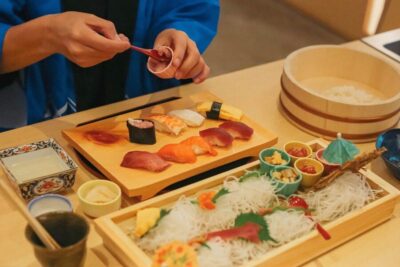
Sushi Making Class in a Happi Coat near a Famous Spot
Read our review →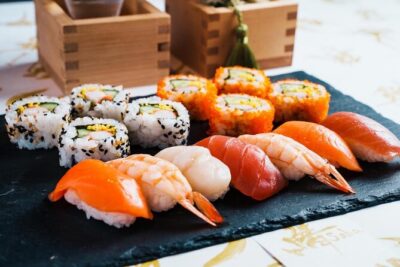
Sushi Making Osaka Roll and Authentic Japanese Sushi Class
Read our review →
Tokyo Sushi Making Class in Tsukiji with Professional Chef
Read our review →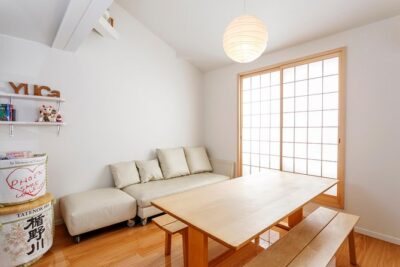
Ramen & Gyoza Cooking Class in Tokyo with Local Supermarket Visit
Read our review →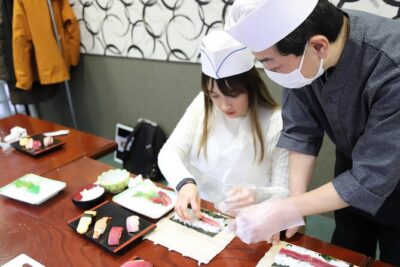
Tsukiji Fish Market Guided Tour and Sushi Making with Pro Chef
Read our review →Browse the lists this tour appears in