
REVIEW · WALKING TOURS
Kyoto: Historic Higashiyama Walking Tour
The red torii gates of Fushimi Inari Taisha make a grand opening to this Kyoto walk. You pass beneath rows of vermilion gates, then move by train into Gion and the old lanes of Higashiyama, finishing at Kiyomizu-dera with Kyoto spread below.
I like the route because it joins several major sights without wasting time on complicated transfers. I also like the small group, capped at 10 people, and the way guides such as Damian, Ferdinand, and Lito add small shrines, local customs, food tips, and useful context along the way.
The catch is the hills and steps. The walking is not unusually hard, but it is steady, and the tour is not suited to people with mobility impairments. At $106 per person, the value depends on how much you want explanation and structure rather than simply seeing the sights on your own.
In This Review
- Key points at a glance
- Starting under the torii at Fushimi Inari
- The short train ride from Fushimi Inari to Gion
- Gion, where old traditions meet modern Kyoto
- Kodaiji and its calm bamboo grove
- Sannenzaka, snacks, and the old Higashiyama streets
- Kiyomizu-dera and the final Kyoto view
- What $106 includes, and what it does not
- Who will enjoy this four-hour walk?
- Practical advice before you go
- Should you book the Historic Higashiyama Walking Tour?
- FAQ
- Where does the tour meet?
- How long does the tour last?
- Which places does the tour visit?
- Are admission fees included?
- Is food included?
- What languages are available?
- Is the tour suitable for people with mobility impairments?
Key points at a glance
- Fushimi Inari comes first: Walk through the famous Senbon Torii gates with a guide before continuing into the shrine grounds.
- A smart route through eastern Kyoto: The included train ride from Fushimi Inari to Gion saves time and links two major areas.
- Kodaiji offers a quieter pause: Admission includes the temple gardens and bamboo grove, with time for a slower look.
- Sannenzaka makes the walk feel local: You can browse snacks and souvenirs while moving through old Higashiyama streets.
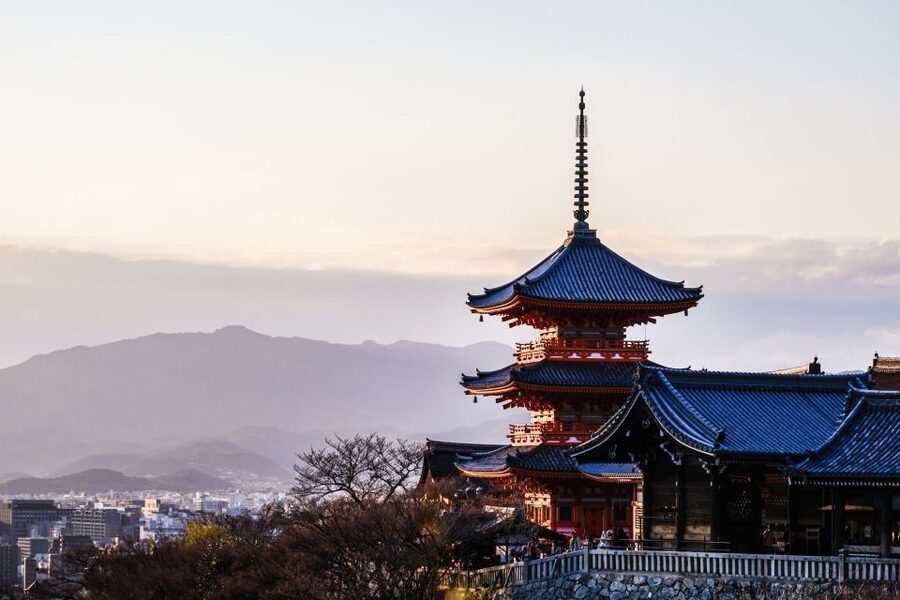
- Kiyomizu-dera finishes the tour: Admission is included, and you are free to stay in the area after the guided visit.
- Small groups matter: With no more than 10 people, it is easier to ask questions and adjust the pace.
Starting under the torii at Fushimi Inari
Meet just outside the fare gates of JR Inari Station. This is an easy start if you are coming by JR train, though the Keihan line may be more convenient from some parts of Kyoto. In that case, walk a few minutes to the station entrance.
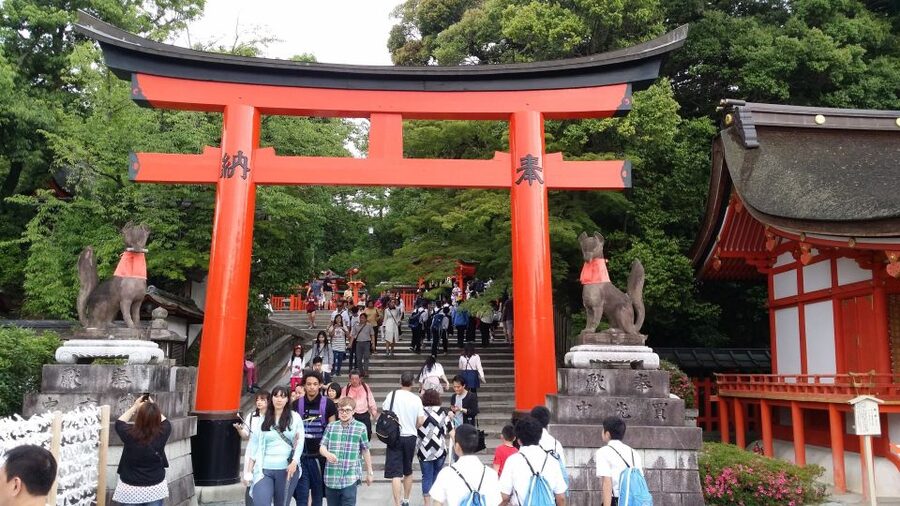
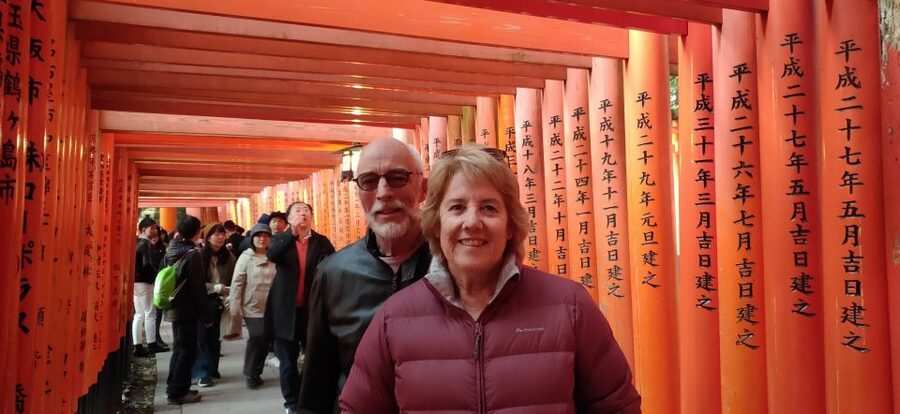
Fushimi Inari Taisha is one of Kyoto’s most recognizable sights, but the experience is more than a quick photo beneath a gate. The shrine is devoted to Inari, a Shinto deity linked with rice, prosperity, and business, and the long rows of donated torii gates climb into the wooded foothills of the eastern mountains.
Your guide leads a roughly one-hour visit through the shrine area and the Senbon Torii section. The gates begin close together, creating the famous red corridor, then the setting gradually feels quieter as the path heads uphill. You will hear about Shinto customs and the role of the shrine, rather than simply walking through and moving on.
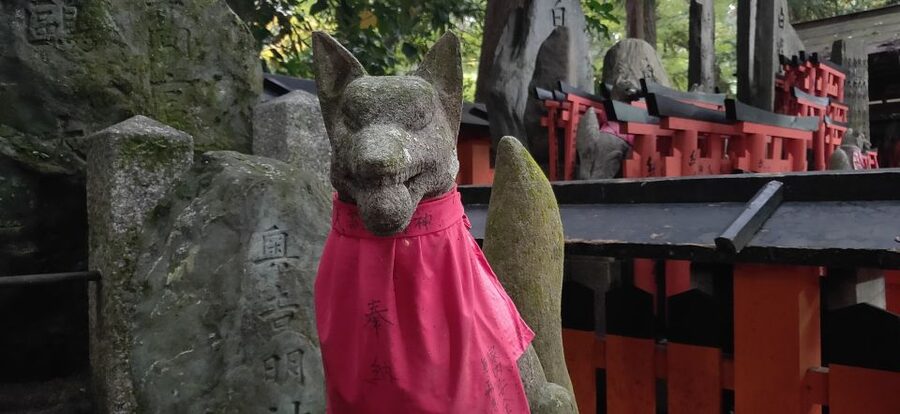
I find a guide especially useful here because Fushimi Inari can feel confusing at first. There are multiple paths, stone fox figures, worship spaces, and side shrines. A guide can explain what you are looking at and help you notice details that are easy to miss when you are focused on the gates.
The route does include uphill walking. It is not described as exceptionally steep or demanding, but you should still arrive in comfortable shoes and expect steps. If you want to walk far up the mountain, you may need more time than this tour allows, so think of this stop as a well-guided introduction rather than an exhaustive hike.
More Walking Tours in Kyoto
- Kyoto Geisha Walking Tour: Gion District & Hidden Gems
★ 4.7 · 3,273 reviews - Kyoto: Gion Magical Night Walking Tour with Geisha Trivia
★ 4.9 · 2,393 reviews - Kyoto: Gion Geisha District Walking Tour – Stories of Geisha
★ 4.7 · 2,187 reviews
The short train ride from Fushimi Inari to Gion
After Fushimi Inari, the group takes a short train ride to Gion, with the ticket included in the price. This small bit of transport makes a real difference. Instead of retracing your steps or arranging your own connection, you move directly from the southern part of the Higashiyama area toward Kyoto’s traditional entertainment quarter.
The train ride also breaks up the walking. Four hours on foot can feel long in Kyoto, particularly during the humid summer months. One guide adjusted the route when a participant became tired from the heat, hills, and steps, which is a useful reminder that this is a guided walk, not a race.
The group limit of 10 gives the guide room to respond to questions and make minor adjustments. Some departures may be even smaller. One booking had only two people, creating the feel of a private tour without the full private-tour price.
Gion, where old traditions meet modern Kyoto
Gion is often presented as the place to see geisha, but the district is more interesting when you understand that it remains part of working Kyoto culture. Your guide spends about 30 minutes here, explaining the streets, customs, and connection to evening entertainment.
You should keep expectations sensible. This is a brief orientation, not an evening geisha performance or a long restaurant visit. The value is in learning how the district developed and how it functions today. The best guides also help you look beyond the most photographed lanes.
The information available for this tour points to guides who bring different strengths. Hugo has been especially flexible with guests’ interests and timing. Damian, also written as Damien in one account, has a strong grasp of Japanese history and customs. Ferdinand is energetic and happy to answer questions about Kyoto, religion, and Japan more broadly. Lito has shared practical suggestions for places to eat and helped younger participants connect with temple stories and local rituals.
That range matters. Gion can be visually attractive but thin on meaning if you only stroll through it. A good explanation turns wooden facades, narrow lanes, and evening traditions into a clearer picture of Kyoto life.
Kodaiji and its calm bamboo grove
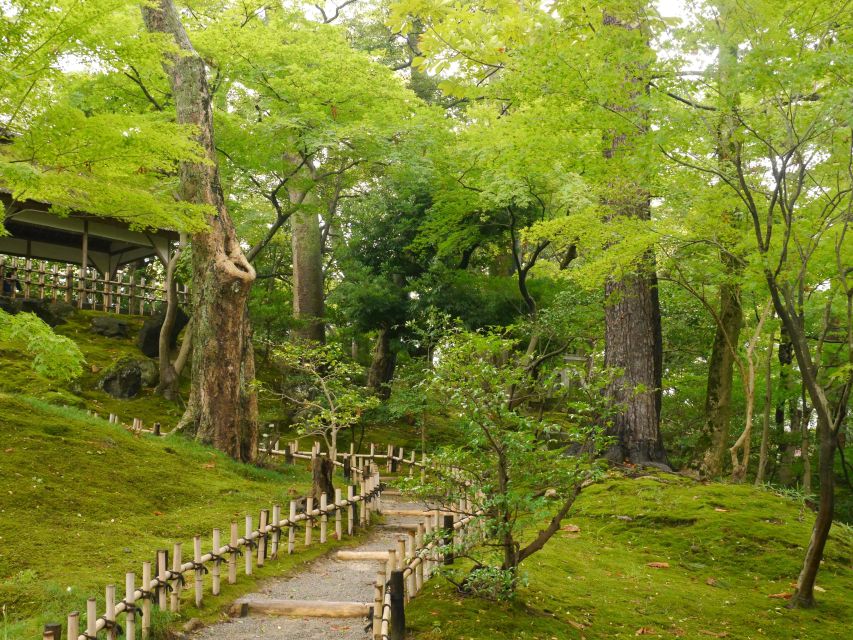
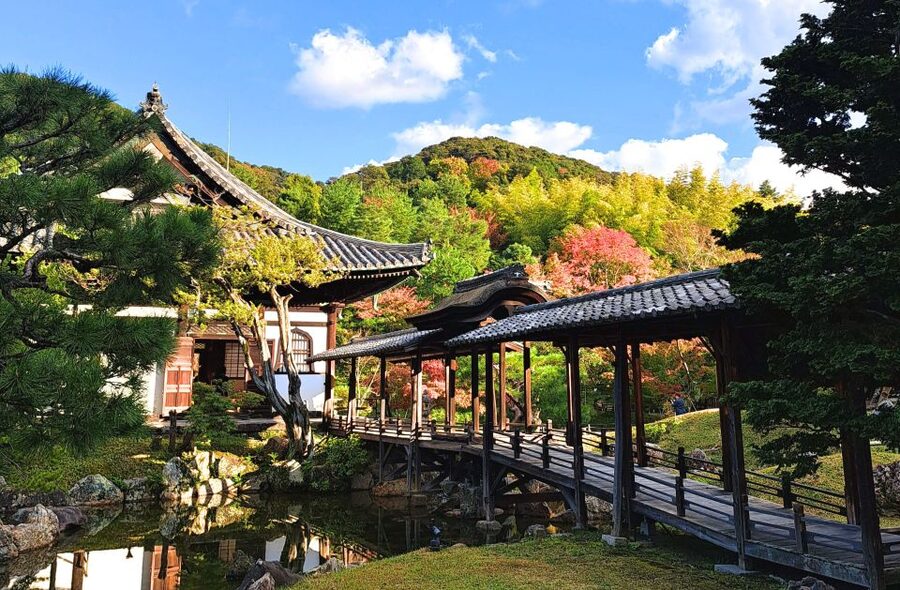
From Gion, the walk continues into Higashiyama and Kodaiji Temple. The temple dates from the early 17th century and is known for its gardens and bamboo grove. Admission is included, so you do not need to stop and handle a separate ticket.
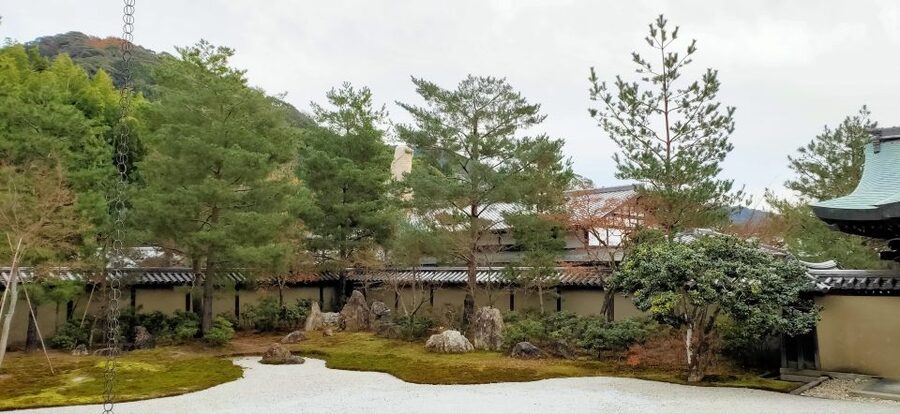
Kodaiji provides a welcome change of mood after the famous torii gates and busy streets. The grounds offer space to slow down, look across the gardens, and appreciate the temple setting. The bamboo grove is not the same kind of major photo stop as Arashiyama, but its presence adds a peaceful stretch to the route.
The guided portion here lasts about 40 minutes. That is enough time for an explanation of the temple and a walk through the main areas, though not enough for a long, unhurried visit to every corner. I like this balance because the tour keeps moving while still allowing a proper pause.
Pay attention to your footing. Higashiyama’s historic lanes and temple approaches are made for walking, but the route has hills and steps. Comfortable shoes are essential, and large bags or luggage are not allowed. A small day bag is the practical choice.
Same city, a completely different kind of day:
- PERFECT KYOTO 1-Day Bus Tour
★ 5.0 · 13,518 reviews - Kyoto: Fushimi Inari, Kinkakuji, Bamboo Grove 1 Day Bus Tour
★ 4.8 · 4,316 reviews - Kyoto: Tea Ceremony in a Traditional Tea House in Kiyomizu
★ 4.9 · 3,519 reviews - Kyoto: Tea Ceremony Ju-An at Jotokuji Temple
★ 4.9 · 3,207 reviews
Sannenzaka, snacks, and the old Higashiyama streets
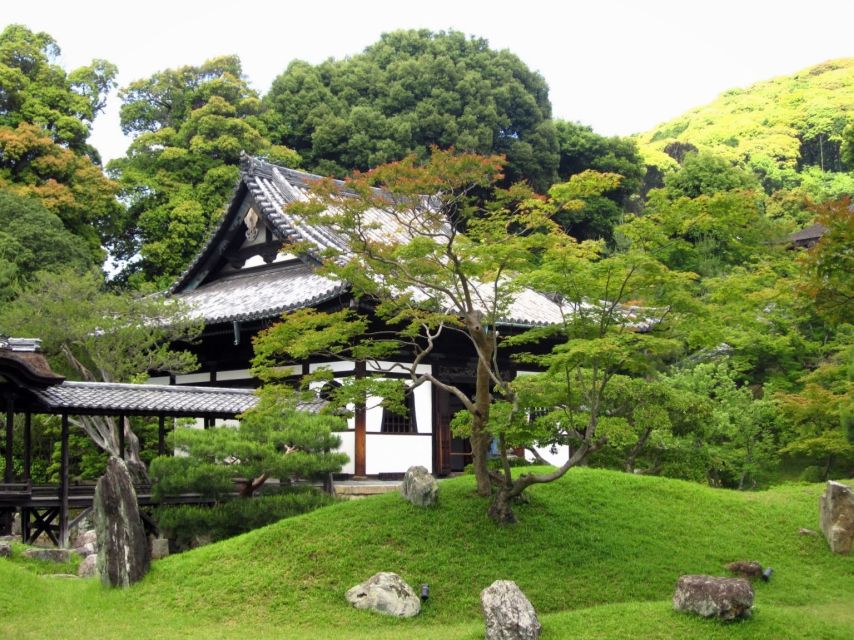
The route then winds through Sannenzaka and nearby backstreets. This part helps connect the temples. Instead of jumping from one admission gate to the next, you walk through a traditional-looking district filled with shops, food stops, and souvenir possibilities.
Sannenzaka is a good place to pick up a snack or note something you would like to revisit later. Since food and drinks are not included, you should budget for your own purchases. The tour does not turn into a dedicated food walk, but the street time gives you a chance to sample something if the pace allows.
I also value the smaller lanes because they show a quieter side of Higashiyama. One guide took the group to small shrines away from the main path, which is exactly the sort of addition that can make a standard sightseeing route feel more personal. You should not expect every departure to follow an identical detour, but the small-group format gives the guide some freedom.
Keep your camera ready, but remember that this is a residential and cultural district, not just a backdrop. Walk respectfully, avoid blocking narrow lanes, and follow any local signs about photography or private areas.
Kiyomizu-dera and the final Kyoto view
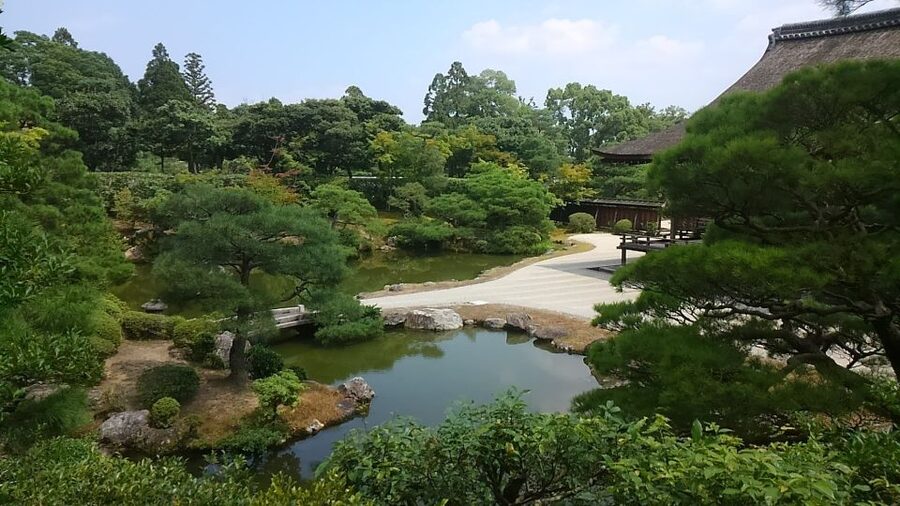
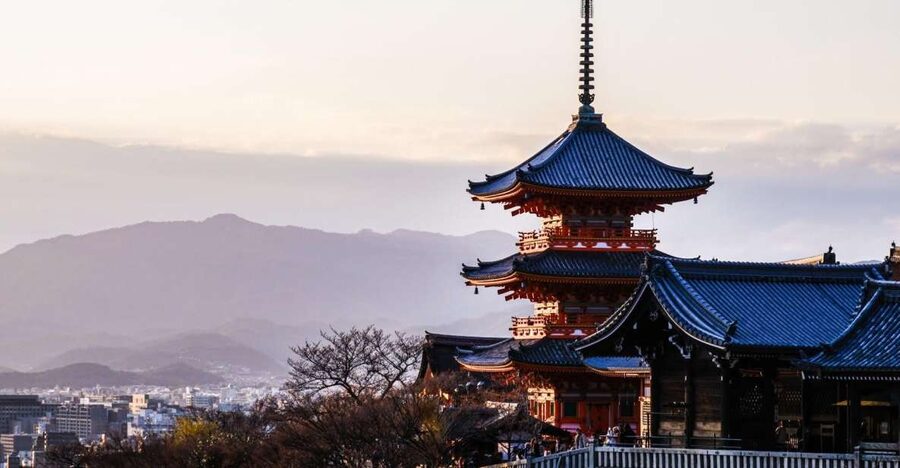
Kiyomizu-dera is the grand finish. The temple is famous for its broad wooden stage and views across Kyoto, and admission is included in the tour price. The guided visit lasts about 30 minutes.
The temple’s name refers to pure or clear water, and the Otowa Waterfall is part of the visit. Its water flows into three streams, traditionally linked with health, wealth, and happiness. The familiar warning is that choosing all three out of greed means none of the wishes will come true. Your guide can explain how this custom fits into the wider pattern of Japanese temple rituals.
Kiyomizu-dera can be the most crowded stop on the route, so the guide’s role is useful here. You get help understanding the layout, the religious meaning, and the main points to see without spending your limited time wandering around the complex.
The views are a strong reason to save energy for the end. After the more enclosed torii gates, shrine grounds, and narrow lanes, Kiyomizu-dera opens the scene toward Kyoto. Weather and crowd levels will affect how much you enjoy the overlook, but the setting gives the tour a satisfying finish.
Once the guided visit ends, you are free to remain in the area and explore at your own pace. That is a practical advantage. You can revisit a shop, find a snack, continue through Higashiyama, or make your own way back without being hurried into transport.
What $106 includes, and what it does not
The $106 price includes a four-hour guided walk, admission to Kodaiji and Kiyomizu-dera, and the train ticket from Fushimi Inari to Gion. Those inclusions reduce the small expenses and decisions that come with arranging the same route independently.
The bigger question is the value of the guide. You can visit Fushimi Inari, Gion, Kodaiji, and Kiyomizu-dera on your own for less than $106, especially if you already understand Kyoto’s rail system and temple customs. You will give up the explanations, route planning, and chance to ask questions.
For a first visit, I think the price is easier to justify. The tour covers a lot of ground in four hours and links sights that otherwise require some planning. It also offers a practical introduction to Shinto, Buddhist temples, local customs, and Kyoto’s traditional districts.
Food and drinks are not included. Plan for your own snacks and water, particularly in hot or humid weather. The reservation can be canceled up to 24 hours before the start for a full refund, and you can reserve now and pay later, which helps if your Kyoto schedule is still changing.
Who will enjoy this four-hour walk?
I would choose this tour if you want a strong first look at eastern Kyoto and prefer context over a simple checklist of sights. It suits solo visitors, couples, families, and small groups who want a guide but do not want a large coach tour.
It also works well for families with older children. One guide kept children aged 11 and 18 engaged by explaining temple customs, wishes, luck, and traditional rituals in an approachable way. The walking still requires stamina, so very young children or anyone who struggles with hills may find the route tiring.
Language choice is another plus. Tours are offered in English, French, Spanish, and Hebrew. The guide names can vary by departure, but the available examples include Hugo, Damian or Damien, Ferdinand, and Lito.
I would hesitate if you have already spent several days exploring Higashiyama and prefer long, quiet visits at each temple. The tour moves at a set pace, and 30 minutes at Gion or Kiyomizu-dera may feel short if you want detailed photography or extended browsing.
Practical advice before you go
Wear shoes that handle steps and uneven streets. The route is manageable for most reasonably active walkers, but the hills are real, and heat can make them harder.
Do not bring luggage or a large bag. The meeting point is outside the JR Inari Station fare gates, so confirm the station carefully before setting out. If you arrive through the Keihan system, allow time to walk to JR Inari Station.
A small group is helpful, but it does not remove the need to stay with the guide. Fushimi Inari has many paths, and the route continues through several busy areas before reaching the final temple.
I would also leave room after the tour. Since the walk ends at Kiyomizu-dera and you are free to continue on your own, you can turn the tour into a half-day base for more Higashiyama exploring.
Should you book the Historic Higashiyama Walking Tour?
Book it if you want four major Kyoto experiences connected by a sensible route, with temple admissions and transport handled for you. The strongest reasons are the small group, the range of guides, the mix of famous sights and lesser-known shrine stops, and the useful cultural explanations.
Skip it if you dislike hills, need a fully accessible route, or prefer to linger at one temple for hours. At $106, this is not a budget sightseeing walk, but it can be good value for a first visit when you want Kyoto to make sense rather than simply look beautiful.
FAQ
Where does the tour meet?
The meeting point is just outside the fare gates of JR Inari Station. Depending on where you are staying in Kyoto, you may find it convenient to use the Keihan train line and walk a few minutes to the JR station.
How long does the tour last?
The tour lasts four hours. Starting times vary, so check availability when booking.
Which places does the tour visit?
The route includes Fushimi Inari Taisha, the Senbon Torii gates, Gion, Kodaiji Temple, Sannenzaka and other Higashiyama streets, and Kiyomizu-dera.
Are admission fees included?
Admission to Kodaiji Temple and Kiyomizu-dera is included. The train ticket from Fushimi Inari to Gion is also included.
Is food included?
No. Food and drinks are not included, though you can buy snacks along the Sannenzaka streets.
What languages are available?
The tour is available in French, Hebrew, Spanish, and English. The specific guide depends on the departure.
Is the tour suitable for people with mobility impairments?
No. The route includes uphill walking, steps, and several hours on foot, so it is not suitable for people with mobility impairments. Comfortable shoes are recommended, and luggage or large bags are not allowed.
More Historical Tours in Kyoto
- Kyoto Gion: 2-Hour Geisha Culture & History Walking Tour
★ 5.0 · 1,186 reviews - Kyoto: Private 2.5 Hour Historical Walking Tour
★ 4.9 · 121 reviews - From Kyoto: Nara History Guided Half Day Bus Tour with Lunch
★ 4.8 · 114 reviews - Kyoto/Osaka: Kobe & Himeji Journey Through Culture & History
★ 3.7 · 18 reviews
Just added around Kyoto
- Taste of Nishiki Market Walking Food Tour with Local guide★ 5.0 · 17 reviews
- Kyoto: Sushi Making Class with Sushi Chef★ 4.8 · 64 reviews
- Kyoto: City Secrets eBike Tour★ 4.9 · 196 reviews
- Sacred Pathways: Discover the Philosopher’s Path of Kyoto★ 4.9 · 20 reviews
- Private Tour to Monkey Park and Arashiyama Highlights★ 5.0 · 22 reviews
- Private Nara Tour from Osaka – Meet at Your Hotel★ 5.0 · 22 reviews
- Private Sake Tasting in Central Kyoto with Sake Sommelier★ 5.0 · 13 reviews
- Kyoto : Private Custom Walking Tour With A Local Guide★ 4.6 · 144 reviews
Walking Tours, compared.
Kyoto Geisha Walking Tour: Gion District & Hidden Gems
Read our review →
Tokyo Tsukiji Fish Market Food and Culture Walking Tour
Read our review →
Gion Magical Night Walking Tour with Geisha Trivia
Read our review →
Imperial Palace and Shogun Historical Walking Tour
Read our review →
Gion Geisha District Walking Tour – Stories of Geisha
Read our review →
Asakusa Walking Tour with Sensoji Temple Visit
Read our review →
Kyoto Gion Geisha District Walking Tour – The Stories of Geisha
Read our review →Browse the lists this tour appears in