
REVIEW · TEMPLE & SHRINE TOURS
Kyoto Early Morning E Biking Tour Fushimi Inari Kiyomizu Temple
Kyoto’s best-known sights are far more pleasant before the tour buses arrive. This five-hour morning e-bike ride takes you from Kyoto Station to Fushimi Inari, Sanjusangendo, and Kiyomizu-dera while the streets and shrine paths are still relatively calm.
I like the practical design: the e-bike is supplied, so you do not need to find a rental shop, and the electric assist helps on Kyoto’s eastern hills. I also like the small group limit of eight, which gives your guide room to answer questions. The main caution is the admission wording. Temple entry is listed as included, but one guest reported paying ¥3,300 for three entries at two temples, so confirm exactly what your booking covers.
In This Review
- At a glance
- Why an early start changes Kyoto
- Meeting at Kyoto Station and getting on the bike
- Fushimi Inari and the red torii
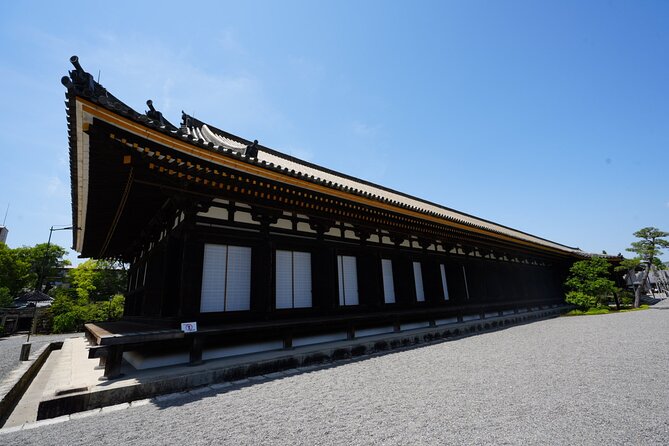
- Sanjusangendo and its 1,000 Kannon figures
- Kiyomizu-dera on Kyoto’s eastern hill
- What the guides add to the ride
- What the $67.41 price delivers
- The physical effort and practical fit
- Should you book this Kyoto e-bike tour?
- FAQ
- How long does the Kyoto early morning e-bike tour last?
- Where does the tour begin?
- Where does the tour end?
- Which places does the tour visit?
- Is the e-bike included?
- Is temple admission included?
- What happens if bad weather cancels the tour?
At a glance
- Red torii before the crowds: Spend about an hour at Fushimi Inari-taisha, famous for its long rows of vermilion gates.
- A remarkable temple interior: Sanjusangendo centers on 1,000 statues of Kannon, the goddess of mercy.
- A hilltop Kyoto view: Kiyomizu-dera brings architecture, religious history, and city views into the final major stop.
- Guides with a personal touch: Rin has been praised for both historical explanations and taking photographs, while Hiro is described as personable and informative.
- A manageable small group: The maximum is eight people, useful at busy religious sites and during bike travel.
- Weather matters: The tour requires good weather, and cancellation for poor conditions means a new date or full refund.
Why an early start changes Kyoto
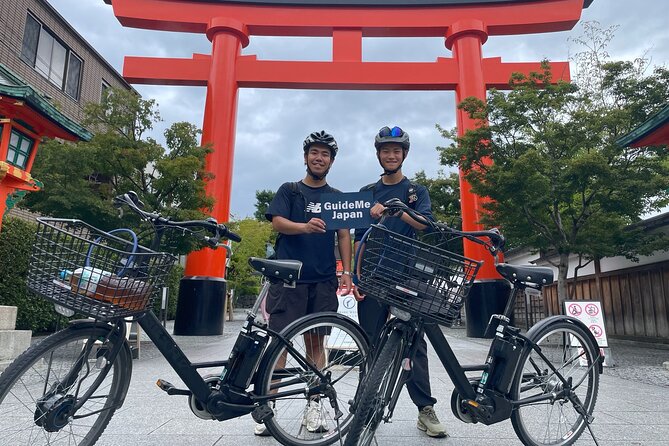
Fushimi Inari is one of Kyoto’s most photographed places, and that fame brings crowds. The rows of red torii are striking at any hour, but an early visit gives you a better chance to walk through the lower shrine area without constant stopping.
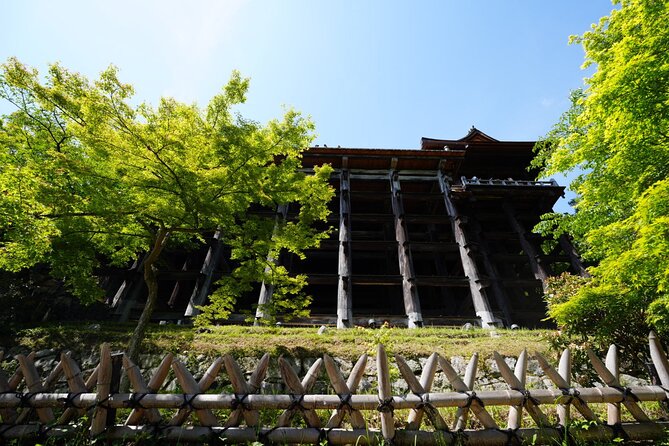
The timing also helps at Kiyomizu-dera. This temple sits on a hillside in eastern Kyoto, and its famous wooden structure attracts a steady stream of visitors later in the day. A morning arrival makes the visit easier on both foot and bicycle.
You are not simply riding past the sights. At each stop, the guide gives stories and background, helping connect the buildings, statues, and rituals to Kyoto’s religious life. That matters here because the three stops offer different experiences: a shrine path, a sculpture-filled temple hall, and a hillside temple complex.
The early hour does not make Kyoto empty. Fushimi Inari remains a major attraction, and Kiyomizu-dera can still be active. But the timing is a sensible way to see these places before the heaviest afternoon flow.
More Temple & Shrine Tours in Kyoto
- Kyoto: Fushimi Inari, Kinkakuji, Bamboo Grove 1 Day Bus Tour
★ 4.8 · 4,316 reviews - Kyoto: Tea Ceremony in a Traditional Tea House in Kiyomizu
★ 4.9 · 3,519 reviews - Kyoto: Tea Ceremony Ju-An at Jotokuji Temple
★ 4.9 · 3,207 reviews
Meeting at Kyoto Station and getting on the bike
The tour begins at the JR-Central Ticket Office near the Shinkansen Hachijo Entrance at Kyoto Station. The listed address places it on the first floor at the Hachijo Exit side of the station.
Kyoto Station is large, so allow enough time to find the correct entrance and meeting point. The important detail is the Hachijo side, not the central north side facing Kyoto Tower. Your confirmation arrives at booking, and the mobile ticket makes it easier to keep the tour details on your phone.
The supplied e-bike is a major convenience. You do not spend the morning comparing rental shops, arranging a separate return, or wondering if the bicycle is suitable for Kyoto’s hills. The electric assist is especially useful around eastern Kyoto, where the route includes uphill sections near Kiyomizu-dera.
This is still a bike tour, not a sightseeing bus. You need a moderate level of physical fitness, and you should be comfortable riding in an urban setting. The e-bike reduces the effort, but it does not remove the need to pedal, balance, and pay attention.
The group size is capped at eight. That is small enough for a guide to keep the group together and give individual help. It also makes a difference inside busy temple grounds, where a large group can easily scatter.
Fushimi Inari and the red torii
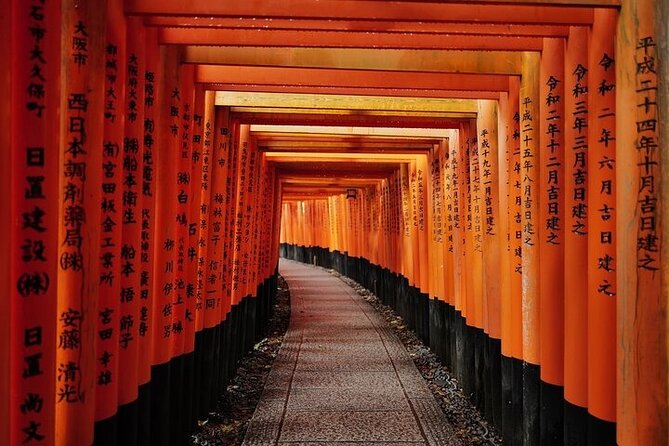
The first stop is Fushimi Inari-taisha, the shrine famous for thousands of red torii gates. These gates form corridors that climb through wooded slopes, creating one of Kyoto’s most recognizable scenes.
You spend about an hour here. That is enough time to experience the lower shrine area and walk through a section of the torii paths, though it is not enough for every route on the mountain. The full shrine grounds cover a large area, so keep your expectations sensible. This tour gives you a strong introduction rather than an all-day hike.
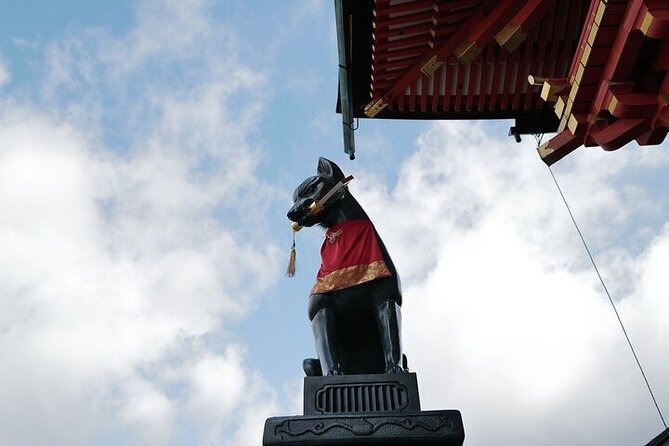
The guide adds useful context to what you are seeing. Fushimi Inari is not just a photo stop. It is a working Shinto shrine, and the repeated gates reflect devotional offerings. The visual effect is dramatic, but the place also has a quiet religious purpose.
This is where the early start pays off most clearly. The red gates look best when you can move at your own pace instead of forming a slow line. You should still be respectful with photographs, especially near worshippers and shrine buildings.
The one-hour limit keeps the tour moving toward the other temples. If you want to walk deep into the upper mountain trails, this experience may feel too brief. If you want the famous gates without giving half a day to the shrine, the timing is useful.
Sanjusangendo and its 1,000 Kannon figures
Sanjusangendo offers a sharp change of mood. After the open-air torii paths, you enter a temple known for its interior arrangement of 1,000 statues of Kannon, the goddess of mercy.
The statues stand in formation, and each figure has its own expression and details. This is not a stop that depends on a sweeping view or a famous exterior. Its power comes from the scale and order of the interior, along with the work required to create and preserve so many carefully made figures.
You spend about an hour here, including the guide’s explanation. That time allows you to take in the main hall without rushing from one photo point to another. The indoor setting also gives the tour some balance if the morning is hot, cool, or damp, though the activity as a whole remains weather dependent.
Photography rules and temple conduct matter at religious sites, so follow the guide’s instructions inside. The experience is more rewarding when you give the statues your full attention rather than treating the hall as a quick stop between bicycle rides.
Sanjusangendo is a good reason to choose this tour over a simple Fushimi Inari and Kiyomizu route. It adds a quieter, more focused cultural visit. The tradeoff is that the morning covers three major places, so you will not have unlimited time at any one of them.
Same city, a completely different kind of day:
- PERFECT KYOTO 1-Day Bus Tour
★ 5.0 · 13,518 reviews - Kyoto Geisha Walking Tour: Gion District & Hidden Gems
★ 4.7 · 3,273 reviews - Kyoto: Gion Magical Night Walking Tour with Geisha Trivia
★ 4.9 · 2,393 reviews - Kyoto: 45-Minute Tea Ceremony Lesson Experience
★ 4.3 · 2,378 reviews
Kiyomizu-dera on Kyoto’s eastern hill
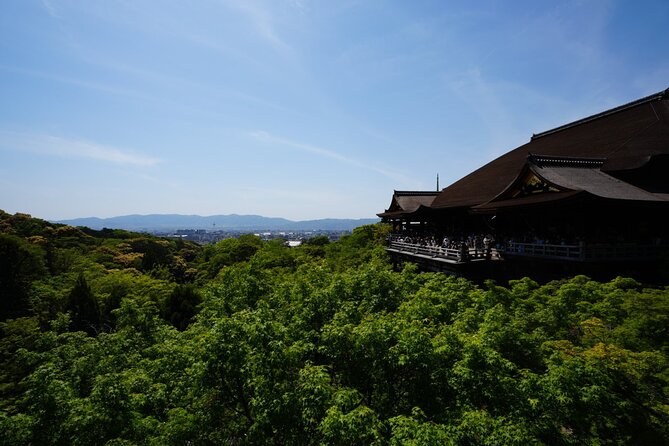
Kiyomizu-dera is the route’s final major sight and perhaps its most varied. The temple sits on a hillside in eastern Kyoto, with impressive wooden architecture and views over the city and nearby surroundings.
The e-bike is particularly helpful here. You still need to handle the ride and the walking inside the temple grounds, but electric assistance makes the approach less tiring than using a standard bicycle. The route is designed to help you cover more ground without arriving exhausted.
Kiyomizu-dera rewards both close attention and a wider look. The architecture gives you plenty to study, while the hillside position opens views beyond the temple buildings. Your guide can explain the site’s history and point out details that are easy to miss when you visit alone.
Plan for about an hour at this stop. That gives you a useful introduction, but Kiyomizu-dera is a large complex, and you may want to return later if you prefer a slow visit. The tour is best for seeing the major setting and learning what you are looking at, not for exploring every corner at leisure.
This stop also brings the most practical concern about admission fees. The tour details say temple admission is included, but a guest reported paying ¥3,300 for three entries to two temples and asked for clarification. Since the exact charge was not resolved in the information provided, check the current inclusions before you pay. Keep any receipts if you are charged on the day.
What the guides add to the ride
The guide is central to the experience because the route itself is not difficult to arrange with a map. You can reach these sights independently. The value comes from combining transport, timing, explanations, and a ready-to-use e-bike.
Rin has been singled out for strong explanations at Kiyomizu-dera, the Senbon Torii area at Fushimi Inari, and Sanjusangendo. Rin also takes photographs, which is a nice extra if you want pictures of your visit without relying only on phone selfies.
Hiro has been described as personable and informative. That points to the kind of guide interaction you should expect: practical help during the ride, conversation at the stops, and explanations that make the sites easier to understand.
The group limit helps here. With eight people or fewer, you have a better chance to hear the guide and ask about details. A private tour would offer more control, but this small-group format keeps the price lower while preserving some personal attention.
The guide’s style can affect the day. If you prefer to move independently and spend long stretches alone, a guided route may feel structured. If you want to understand what you are seeing and avoid organizing several transfers, the guide is a real benefit.
What the $67.41 price delivers
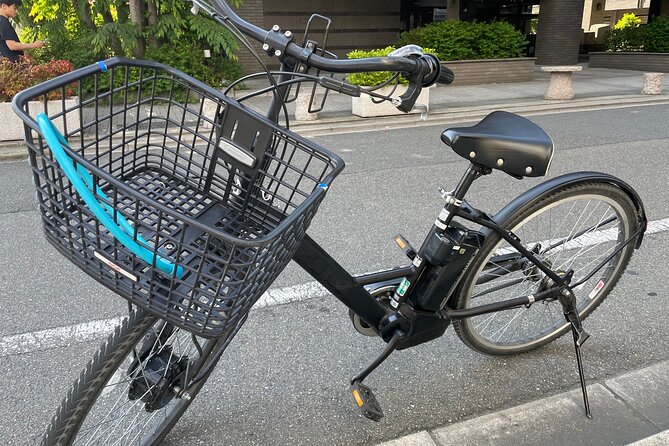
At $67.41 per person, the price is reasonable if you value convenience. You receive the e-bike, an English-speaking guide, and temple admission as described. You also cover three major Kyoto sights in roughly five hours, with transportation between them handled as part of the activity.
The value is not just the bicycle rental. Renting on your own would still leave you to plan the route, locate each entrance, judge how much time to allow, and manage Kyoto’s hills. This tour packages those decisions into one morning.
The price is less compelling if you already have a bicycle, know Kyoto well, and prefer to set your own pace. You may spend less by using public transport and visiting the temples independently, though that approach requires more planning and may not offer the same early route or guide commentary.
Food and drinks are not included. Bring your own water and plan to eat after the tour, since the supplied details do not include a meal stop. The activity ends back at the starting point, which makes it easy to continue sightseeing from Kyoto Station afterward.
The admission question deserves special attention. Because one guest paid additional fees despite the stated inclusion, ask GuideMe Japan to confirm which admissions are covered before booking. This is the single detail most likely to affect the final value.
The physical effort and practical fit
You need moderate physical fitness for this activity. The e-bike helps with hills, but you will still ride, stop, walk through shrine and temple grounds, and remain active for about five hours.
This tour suits you if you want an efficient first look at eastern Kyoto and do not mind a planned schedule. It is also a good choice if you are short on time, since the morning links three major places without requiring you to work out the route yourself.
It may not suit you if you dislike bicycles, feel uncomfortable riding in a city, or want long, unhurried visits. The hour allotted to each stop is useful but fixed. You will see a lot, but you will need to keep moving.
The weather policy is important. The experience requires good weather, and if poor conditions force cancellation, you are offered another date or a full refund. The standard cancellation rule allows a full refund when you cancel at least 24 hours before the start time. Cancellations or changes inside that window are not accepted for a refund.
The tour is near public transportation, and the Kyoto Station meeting point is convenient for rail connections. Since the activity ends where it starts, you do not need to arrange a separate return transfer.
Should you book this Kyoto e-bike tour?
Book it if you want to see Fushimi Inari, Sanjusangendo, and Kiyomizu-dera in one well-timed morning, especially if Kyoto is part of a short Japan trip. The early start, included e-bike, small group, and guide commentary give you more than a basic bicycle rental.
I would choose it for a first Kyoto visit when the hills and transport connections feel like a nuisance. Rin’s photography and explanations, along with Hiro’s friendly, informative approach, add a human touch to what could otherwise be a rushed sightseeing circuit.
I would hesitate if you want to linger at one temple, walk far up Fushimi Inari, or avoid cycling altogether. Also confirm the admission policy before payment, since the reported ¥3,300 extra charge conflicts with the stated inclusions.
For the right person, this is a smart morning plan: three very different Kyoto sights, useful local explanation, and electric assistance where the route gets hilly.
FAQ
How long does the Kyoto early morning e-bike tour last?
The tour lasts approximately five hours.
Where does the tour begin?
It begins at the JR-Central Ticket Office at the Kyoto Station Shinkansen Hachijo Entrance, on the first floor at the Hachijo Exit side.
Where does the tour end?
The activity ends back at the meeting point at Kyoto Station.
Which places does the tour visit?
The route visits Fushimi Inari-taisha Shrine, Sanjusangendo Temple, and Kiyomizu-dera Temple.
Is the e-bike included?
Yes. An e-bike is provided as part of the tour.
Is temple admission included?
The tour information states that temple admission is included. However, one guest reported paying ¥3,300 for three entries to two temples, so confirm the current admission details with GuideMe Japan before booking.
What happens if bad weather cancels the tour?
If poor weather causes cancellation, you are offered a different date or a full refund. You can also cancel for a full refund up to 24 hours before the experience starts.
More Morning in Kyoto
- Kyoto Early Morning Tour with English-Speaking Guide
★ 5.0 · 1,427 reviews - Kyoto: Early Morning Tour with English-Speaking Guide
★ 4.9 · 1,128 reviews - From Kyoto: Nara Guided Morning Tour
★ 4.6 · 335 reviews - Kyoto Morning Tour from Kyoto or Osaka
★ 4.0 · 281 reviews
More Cycling Tours in Kyoto
- Hidden Kyoto E-Biking tour
★ 5.0 · 1,843 reviews - Bike Tour Exploring North Kyoto plus Lunch
★ 5.0 · 1,087 reviews - Arashiyama Bamboo Forest & Hidden Gems Bike Tour (Early Bird)
★ 5.0 · 613 reviews - 5 Top Highlights of Kyoto Full Day Bike Tour (E-bike option)
★ 5.0 · 511 reviews
Just added around Kyoto
- Private Guided Traditional Buddhist Cooking in Japan★ 5.0 · 16 reviews
- Kyoto: Gion Geisha District & Sake-in-Hand Walking Tour★ 5.0 · 37 reviews
- Your Private Vacation Photography Session In Kyoto★ 5.0 · 110 reviews
- Kyoto: Zen Meditation at a Private Temple with a Monk★ 5.0 · 25 reviews
- Traditional Japanese Washi Papermaking- Kyoto morning★ 5.0 · 77 reviews
- Kyoto Wagashi(Japanese sweets) Cooking Class near Fushimiinari★ 5.0 · 60 reviews
- Private Pewter Sake Cup Experience with a Kyoto Artisan★ 5.0 · 31 reviews
- Kyoto Private 6 hour Tour: English Speaking Driver Only, No Guide★ 5.0 · 88 reviews
Temple & Shrine Tours, compared.
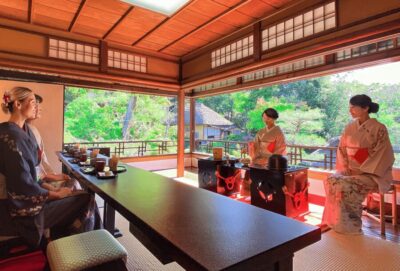
Tea Ceremony in a Traditional Tea House in Kiyomizu
Read our review →
Meiji Shrine, Asakusa, Skytree Bus Tour and Cruise
Read our review →
Asakusa Walking Tour with Sensoji Temple Visit
Read our review →
Kamakura & Enoshima Day Trip including Temple Tickets
Read our review →
Kyoto/Osaka: Nara, Fushimi Inari Taisha, Arashiyama Bus Tour
Read our review →
Nikko Toshogu Shrine and Kegon Waterfall Tour
Read our review →
Tokyo Panoramic 1 Day: Meiji Shrine, Asakusa, Odaiba and SKYTREE®
Read our review →Browse the lists this tour appears in