
REVIEW · CYCLING TOURS
Hidden Kyoto E-Biking tour
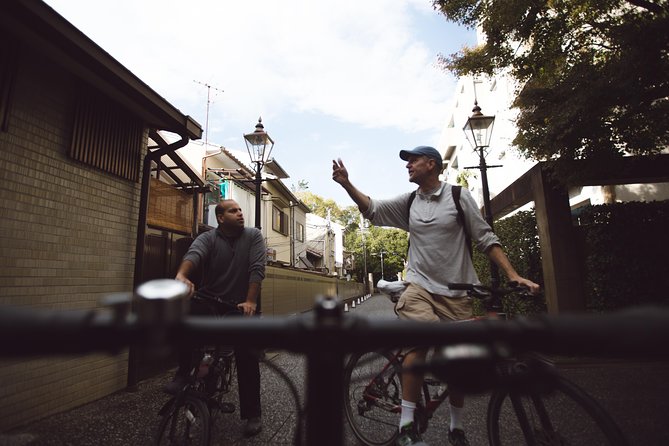
Kyoto’s best moments often come between the famous sights. This small-group e-bike tour links Kinkakuji and Kitano Tenmangu with quiet lanes, Zen temple grounds, and neighborhood views that are easy to miss from a bus or train. I like the easy pace and the chance to cover more ground without turning your morning into a workout.
I especially like the foldable electric bikes, which help with Kyoto’s hills, and the guides’ strong storytelling. Yuta is often praised for explaining Zen Buddhism, Shinto, geisha culture, and temple manners, while Michael, Sean, and Henry bring their own experience and humor. The main consideration is that this is still a bicycle tour: you need to ride confidently enough to handle streets, descents, and some hills.
In This Review
- Key points to know before you book
- Why this bike ride shows you a different Kyoto
- Kinkakuji: start with Kyoto’s famous golden face
- Daitokuji: a temple complex with room to breathe
- Kitano Tenmangu: a shrine with a different character
- Koto-in and Zuihoin: the quiet heart of the route
- What the guides add to the ride
- E-bikes, hills, and how hard the ride feels
- Timing, meeting point, and tour value
- Who should book the Hidden Kyoto E-Biking tour
- Should you book this Kyoto bike tour?
- FAQ
- How long does the Hidden Kyoto E-Biking tour last?
- How far do you ride?
- Which sights are included?
- Are the bike and helmet included?
- What is the minimum age?
- How many people can join the tour?
- Where does the tour begin and end?
- What departure times are available?
- What happens if the weather is poor?
Key points to know before you book
- A calm route through northern Kyoto: The ride links major sights with backstreets and quieter temple areas.
- E-bike assistance matters: The motor makes hills far more manageable, especially on warm or humid days.
- Strong English-speaking guides: Yuta, Michael, Sean, Henry, and Shizuka have all led highly praised outings, with history and cultural context at the center.
- Small groups feel personal: The maximum group size is eight, so the guide can watch the pace and answer questions.
- A 3-hour-45-minute introduction: It is long enough to orient yourself in Kyoto, yet short enough to leave the rest of the day free.
- Plan carefully for weather and timing: Arrive 15 minutes early, and remember that late arrivals and missed bookings are not refunded.
Why this bike ride shows you a different Kyoto
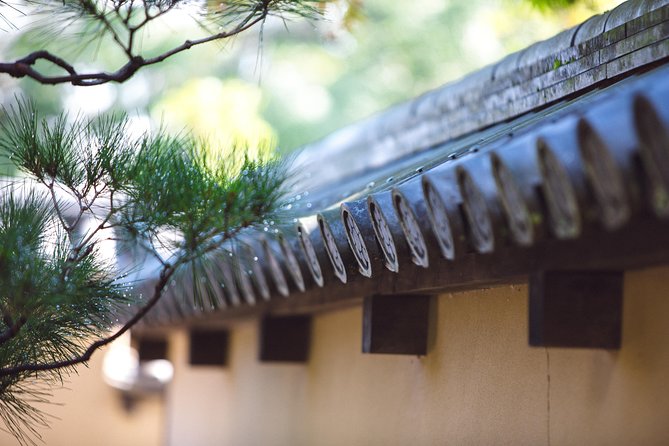
Kyoto can be tiring when every sight requires a train, a crowded bus, or a long walk. This tour solves part of that problem by using an e-bike to connect places that sit beyond the usual central sightseeing circuit.
You begin at NORU Kyoto Bike Tours in the Kamigyo Ward, near public transportation. After receiving a bike, helmet, and water, you set out with an English-speaking route coordinator. The ride covers approximately 7 kilometers, or about 4.3 miles, in the detailed route description, while the tour summary gives 8 kilometers. Either way, this is a modest distance for a half-day outing.
The pace is described as laid-back and easy. That does not mean you simply coast along without attention. You still need to steer, brake, and ride safely through Kyoto streets. The electric assistance takes much of the strain out of hills, which is why the experience suits people who may not have cycled for years but still want to see the city on two wheels.
The group limit of eight is important. A big bike convoy can feel awkward on narrow streets. With a smaller group, the guide can explain a shrine, pause for questions, and keep an eye on anyone who needs a slower pace.
A few more Kyoto trips to weigh up
- Bike Tour Exploring North Kyoto plus Lunch
★ 5.0 · 1,087 reviews - Arashiyama Bamboo Forest & Hidden Gems Bike Tour (Early Bird)
★ 5.0 · 613 reviews - 5 Top Highlights of Kyoto Full Day Bike Tour (E-bike option)
★ 5.0 · 511 reviews
Kinkakuji: start with Kyoto’s famous golden face
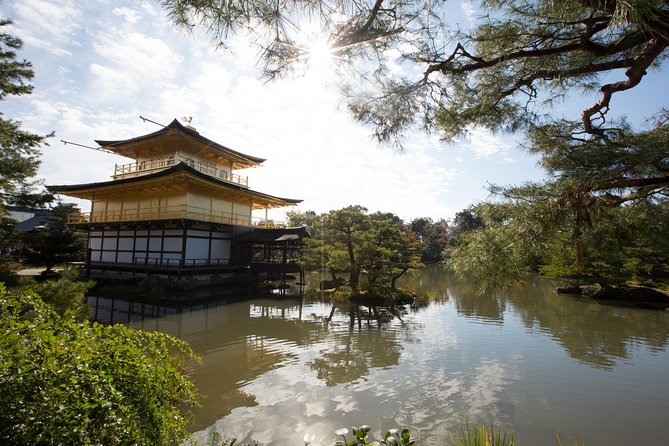
The first stop is Kinkakuji, the Golden Pavilion and one of Kyoto’s best-known UNESCO-listed sites. Its bright exterior and pond setting make it an obvious draw, but it also means this part of the outing can be the busiest.
The value here is not simply checking off a famous building. Starting at Kinkakuji gives you a shared reference point for the rest of the ride. You see the Kyoto that appears in guidebooks, then move toward the quieter places that most visitors do not fit into a first-day schedule.
Your guide can also give the temple cultural context before you continue. The strongest guides on this route do not limit the talk to dates and architectural labels. Yuta, in particular, is praised for explaining Buddhist and Shinto traditions in a clear, engaging way. That background helps you understand why later temples feel different, rather than treating every gate, statue, and garden as part of one large blur.
You should expect visitors around Kinkakuji, especially during popular sightseeing hours. The tour’s quieter character develops as you leave this major stop behind.
Daitokuji: a temple complex with room to breathe
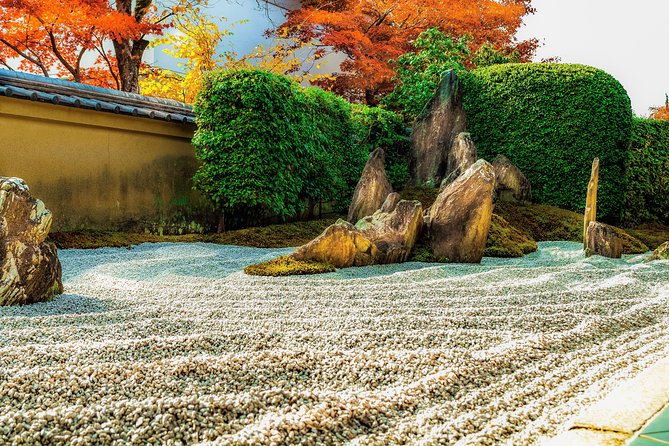
Daitokuji is not one single temple in the simple sense. It is a temple complex with a strong connection to Zen practice, and it provides a useful change of mood after Kinkakuji.
The route includes Daitokuji Temple Complex, but the exact access to individual subtemples can depend on the day and operating conditions. Do not assume every building within the complex is included in your admission or open for a full visit. The experience is still valuable because your guide can help you read the setting, its religious purpose, and the differences between a busy sightseeing temple and a more contemplative Zen site.
Several guides bring Zen teachings into the tour. Yuta is often singled out for making Zen Buddhism understandable without turning the outing into a lecture. Michael has also been praised for connecting Japanese history and culture to the places along the ride.
This is where the tour’s balance matters. Most of the route is spent riding between stops, but the guides may take time to explain what you are seeing. One participant felt the historical storytelling lasted too long for a short tour. That is a fair warning if you prefer quick facts and more independent wandering. If you enjoy cultural explanation, the pauses are one of the main reasons to choose this outing.
Kitano Tenmangu: a shrine with a different character
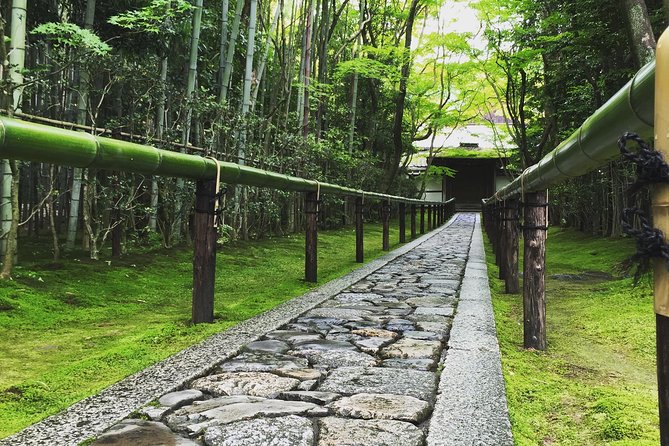
Kitano Tenmangu, also written as Kitanotenmangu, is the next major religious site. Unlike the Buddhist temples on the route, it is a Shinto shrine. Seeing both types of sites in one morning gives you a practical way to compare Japan’s two major religious traditions.
The guide can explain how to behave at a shrine, what the gates signify, and how Shinto spaces differ from Buddhist temple grounds. The cultural guidance is useful because Kyoto’s religious sites are not museum displays. Small actions, such as where to bow or how to approach a worship area, feel more meaningful when someone explains the custom instead of leaving you to copy the nearest person.
The shrine also helps break up the tour’s rhythm. You are not just cycling from one photograph to another. You move through a series of places with different purposes, histories, and visual styles.
The route through this part of Kyoto is also a major attraction. You pedal away from the main tourist flow and into streets where the city feels more residential. That change is hard to appreciate from a sightseeing bus. On a bicycle, you notice the spaces between monuments: low buildings, narrow lanes, small gardens, and the ordinary parts of Kyoto that make the famous sites feel connected to a living city.
Same city, a completely different kind of day:
- PERFECT KYOTO 1-Day Bus Tour
★ 5.0 · 13,518 reviews - Kyoto: Fushimi Inari, Kinkakuji, Bamboo Grove 1 Day Bus Tour
★ 4.8 · 4,316 reviews - Kyoto: Tea Ceremony in a Traditional Tea House in Kiyomizu
★ 4.9 · 3,519 reviews - Kyoto Geisha Walking Tour: Gion District & Hidden Gems
★ 4.7 · 3,273 reviews
Koto-in and Zuihoin: the quiet heart of the route
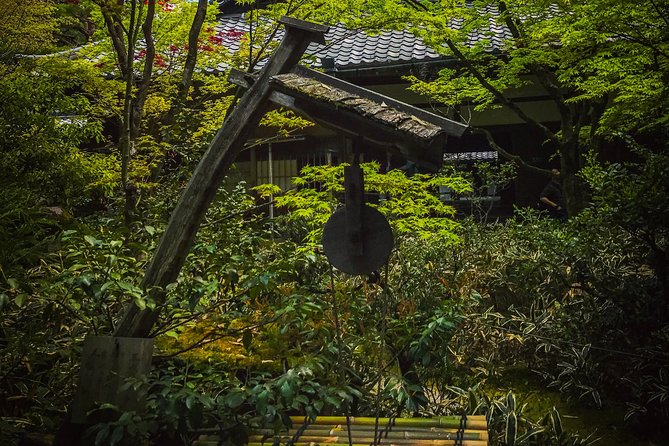
Koto-in and Zuihoin are the stops that best fit the tour’s Hidden Kyoto name. Both are associated with Daitokuji and offer a more intimate Zen atmosphere than Kinkakuji.
Koto-in is known for its calm approach and garden setting, while Zuihoin is another Zen subtemple with a quieter feel. The itinerary lists both stops, but admission and access details are not specified, so your guide will determine how the visit works on the day.
Do not expect a long, self-guided temple visit at each location. The tour has several stops and must return to NORU within roughly four hours. Instead, think of these places as focused encounters. You get enough time to notice the design, hear the story, and enjoy a slower moment before getting back on the bike.
This portion will appeal most to you if you like gardens, religious architecture, and small details. It is less suitable if your main goal is to spend an hour photographing every corner of one temple. The tour favors variety and context over extended time at a single site.
Some outings also include a charming tea stop, connected with a shop or tea tradition said to stretch back 1,025 years and 28 generations. Because that stop is not listed as a formal itinerary point, treat it as a possible route feature rather than a guaranteed inclusion. If it happens on your departure, it adds a memorable local detail and a welcome pause.
What the guides add to the ride
The guides are a major part of the experience. You are not hiring a bike and following a map. You are joining a moving history and culture lesson, with the city itself as the classroom.
Yuta receives especially strong praise for his English, patient instruction, and ability to explain difficult subjects in a friendly way. His topics can include Zen Buddhism, Shinto, geisha and maiko culture, samurai history, temple etiquette, and Japanese traditions. He has also offered restaurant and shopping suggestions after the ride.
Michael is described as a gifted storyteller, with a background in Japanese history teaching. Sean is praised for answering questions, adapting to rain, and sharing food recommendations. Henry brings long experience living in Japan and a clear appreciation for the country’s culture. Shizuka has also led a small group through temples, backstreets, and hilly sections.
Guide quality can vary from one departure to another, and each person will have a different style. That is worth understanding before you book. You may get a lively story-driven morning with frequent cultural explanations. You may prefer that style, or you may find it leaves less time for quiet observation. The tour works best for people who want a guide to interpret Kyoto rather than simply lead the way.
E-bikes, hills, and how hard the ride feels
The rental bikes are electric and come with helmets. The motor assistance is the reason this tour is accessible to a wider range of riders, including people who are out of practice. Several participants who had not cycled in many years found the ride manageable, and the e-bikes helped on steep sections.
Still, do not confuse electric assistance with no effort. You must be comfortable balancing and controlling a bicycle. The route includes hills, steep descents, and city streets. You should also be able to follow the guide’s instructions and maintain a safe position in the group.
The minimum age is 13. The supplied information says most people can participate, but it does not provide height, weight, or bike-fit limits. If you have a specific concern about the equipment, ask NORU before booking.
A helmet is included, and water is provided. Food and other drinks are not included. Wear clothes suited to cycling and shoes that feel secure on pedals. For rain, bring your own raincoat or poncho if the forecast looks poor. One guide has provided extra rain equipment on wet days, but that should not be treated as a standard promise for every departure.
Timing, meeting point, and tour value
The listed price is $116 per person. That is not the cheapest way to move around Kyoto, since local trains and buses cost far less. The comparison is not really public transportation versus a bike rental. You are paying for the e-bike, helmet, route planning, a small group, an English-speaking guide, and access to a sequence of sights that would take more effort to arrange alone.
I consider the price reasonable if you value interpretation and a carefully planned route. It is particularly useful at the start of a Kyoto stay. The ride helps you understand the northern part of the city, learn basic shrine and temple etiquette, and collect ideas for meals and shopping afterward.
The scheduled departures are 8:30 a.m., 9 a.m., 12:30 p.m., and 1 p.m. The tour lasts about 3 hours and 45 minutes and finishes where it begins. A morning departure leaves the afternoon open for another major sight. An afternoon ride may work better if you want a slower morning, though warmer weather can make cycling less comfortable.
Arrive at least 15 minutes before departure at NORU Kyoto Bike Tours, 429-22 Takigahanacho, Kamigyo Ward, Kyoto, 602-8336. The activity returns to this meeting point, so plan your next stop from there rather than assuming you will finish near Kyoto Station.
Who should book the Hidden Kyoto E-Biking tour
I would choose this tour for a first visit if you want an overview that feels more personal than a bus loop. It is also a smart pick for a second or third visit, when you have already seen the headline sights and want a quieter side of Kyoto.
It suits you especially well if you:
- Enjoy temples, shrines, gardens, and cultural explanation
- Want to avoid spending the entire day in crowded sightseeing districts
- Are comfortable on a bicycle but would prefer help with hills
- Like small groups and an active way to see a city
- Want practical tips on etiquette, food, and neighborhoods
I would hesitate if you cannot ride a bicycle, dislike guided storytelling, or want long, unhurried visits inside each temple. The operator does not refund people who choose not to participate or cannot ride, so be honest about your ability before booking.
The tour also requires good weather. If NORU cancels because of poor weather or because the minimum number of participants is not reached, you are offered another date or a full refund. You can cancel for a full refund up to 24 hours before the start time. Changes and cancellations inside that window are not accepted, and a late arrival or no-show is nonrefundable.
Should you book this Kyoto bike tour?
Yes, if you want to connect famous Kyoto sights with quieter streets and Zen temples in one well-planned morning. The strongest reasons are the e-bike assistance, the maximum group size of eight, and the guides’ ability to explain how Buddhism, Shinto, etiquette, and Japanese history fit together.
Book it early in your Kyoto stay if you want orientation and restaurant suggestions. Book it later if you have already visited Kinkakuji and prefer to focus on the quieter stops. Just arrive early, check the forecast, and be ready to ride rather than simply walk from one monument to the next.
FAQ
How long does the Hidden Kyoto E-Biking tour last?
The tour lasts approximately 3 hours and 45 minutes.
How far do you ride?
The detailed route describes a ride of about 7 kilometers, or 4.3 miles. The tour summary gives approximately 8 kilometers, or 4.9 miles.
Which sights are included?
The route includes Kinkakuji Temple, Daitokuji Temple Complex, Kitano Tenmangu Shrine, Koto-in, and Zuihoin.
Are the bike and helmet included?
Yes. A rental bike and helmet are included, along with water.
What is the minimum age?
The minimum age is 13.
How many people can join the tour?
The activity has a maximum of eight travelers.
Where does the tour begin and end?
It begins and ends at NORU Kyoto Bike Tours, 429-22 Takigahanacho, Kamigyo Ward, Kyoto, 602-8336, Japan.
What departure times are available?
Listed departure times are 8:30 a.m., 9 a.m., 12:30 p.m., and 1 p.m. You must arrive 15 minutes before departure.
What happens if the weather is poor?
If the tour is canceled because of poor weather, you are offered a different date or a full refund.
Just added around Kyoto
- Taste of Nishiki Market Walking Food Tour with Local guide★ 5.0 · 17 reviews
- Kyoto: Sushi Making Class with Sushi Chef★ 4.8 · 64 reviews
- Kyoto: City Secrets eBike Tour★ 4.9 · 196 reviews
- Sacred Pathways: Discover the Philosopher’s Path of Kyoto★ 4.9 · 20 reviews
- Private Tour to Monkey Park and Arashiyama Highlights★ 5.0 · 22 reviews
- Private Nara Tour from Osaka – Meet at Your Hotel★ 5.0 · 22 reviews
- Private Sake Tasting in Central Kyoto with Sake Sommelier★ 5.0 · 13 reviews
- Kyoto : Private Custom Walking Tour With A Local Guide★ 4.6 · 144 reviews
Cycling Tours, compared.
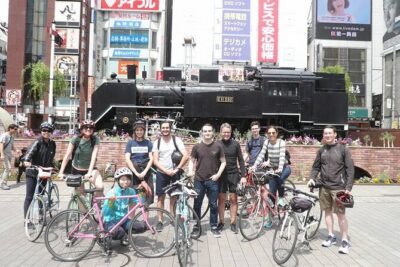


3h Tokyo E-Bike Tour: Hidden Gems, and Local Life with guide
Read our review →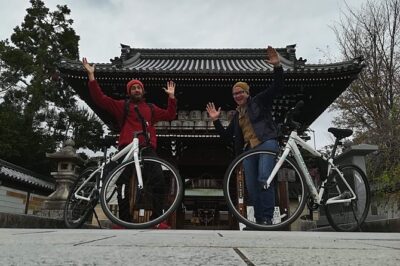
Arashiyama Bamboo Forest & Hidden Gems Bike Tour (Early Bird)
Read our review →
Hiroshima in a Nutshell: Morning Bike Adventure
Read our review →
5 Top Highlights of Kyoto Full Day Bike Tour (E-bike option)
Read our review →Browse the lists this tour appears in