
REVIEW · CYCLING TOURS
3h Tokyo E-Bike Tour: Hidden Gems, and Local Life with guide
Tokyo is easier to understand from a bicycle seat than from a train window. This three-hour ride links grand sights with quiet lanes, local shopping streets, and ordinary neighborhoods that are easy to miss on foot. The electric assist saves your legs, while guides such as Yo, Jenny, Take, Ted, Kazu, Ninja, and Yoshiko add local stories and practical tips.
I especially like the choice of two distinct routes and the small groups, capped at six people. I also like that the ride covers enough ground to help you plan the rest of your stay, with several riders using it as an early orientation to Tokyo. The main caution is simple: you must be comfortable riding on busy city streets, and summer heat can be serious.
In This Review
- Key points to know before you book
- Why an e-bike is a smart way to see Tokyo
- Starting in Kanda, Tokyo’s compact downtown
- The morning route: grand Tokyo and local lanes
- Tokyo Station and Marunouchi
- Imperial Palace gates and palace gardens
- Ginza by back street
- Tsukiji Outer Market
- Local streets and Nihonbashi
- The afternoon route: subculture, crafts, temples, and sumo
- Akihabara and youth culture
- Kappabashi Tool Street
- Asakusa and Tokyo’s oldest famous temple
- Ryogoku and the world of sumo
- Nihonbashi as the common finish
- The guides make the difference
- Heat, rain, traffic, and riding comfort
- What the $63.01 price gets you
- Who should book this Tokyo bike tour?
- Should you book it?
- FAQ
- Where does the Tokyo e-bike tour begin and end?
- How long does the tour last?
- What is included in the price?
- What places does the morning tour visit?
- What places does the afternoon tour visit?
- Is the tour suitable for children?
- What happens if it rains?
Key points to know before you book
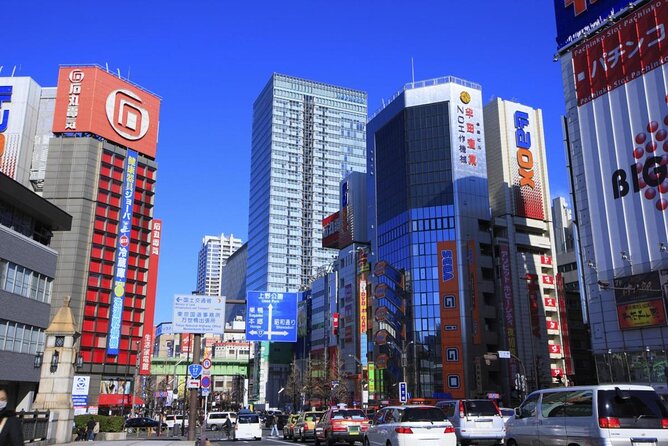
- Two different Tokyo rides: The morning route focuses on Tokyo Station, the Imperial Palace, Ginza, Tsukiji, and Nihonbashi. The afternoon route heads toward Akihabara, Kappabashi, Asakusa, Ryogoku, and Nihonbashi.
- Electric assistance helps on a long city ride: You still pedal, but the e-bike makes the distance and Tokyo heat easier to manage.
- Groups stay small: A maximum of six people per booking allows for questions, regular stops, and closer attention from the guide.
- The guides add more than directions: Yo, Jenny, Take, Ted, Kazu, Yoshiko, and Ninja are among the guides praised for clear explanations, patience, humor, and careful riding.
- Practical extras are included: You get a helmet, insurance, simple rain gear, seasonal gloves or cooling products, and a place to leave luggage other than valuables.
- Riding ability matters: The minimum age is 12, the minimum height is 147 centimeters, and anyone joining must already know how to ride a bicycle.
Why an e-bike is a smart way to see Tokyo
Tokyo is enormous, yet many of its most interesting districts sit relatively close together. On foot, you may spend much of a day covering the distance between the Imperial Palace and Tsukiji. By train, you move quickly but lose the small streets, changing architecture, and daily rhythm between stations.
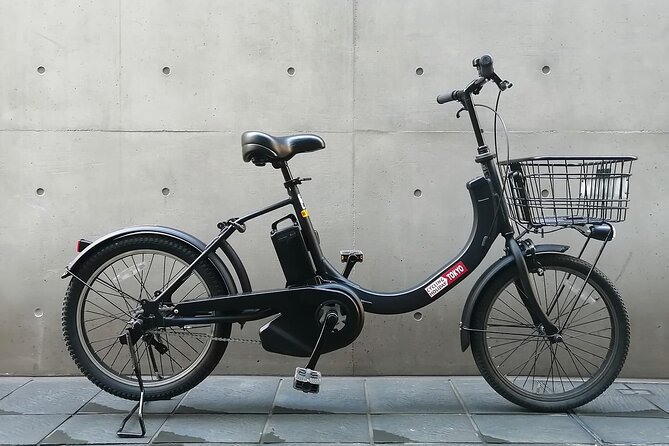
An e-bike gives you a useful middle ground. You can cover a broad slice of central Tokyo without arriving exhausted, then stop for photos and short explanations. The front basket is handy for a water bottle or small bag, and the electric motor is especially welcome in humid weather.
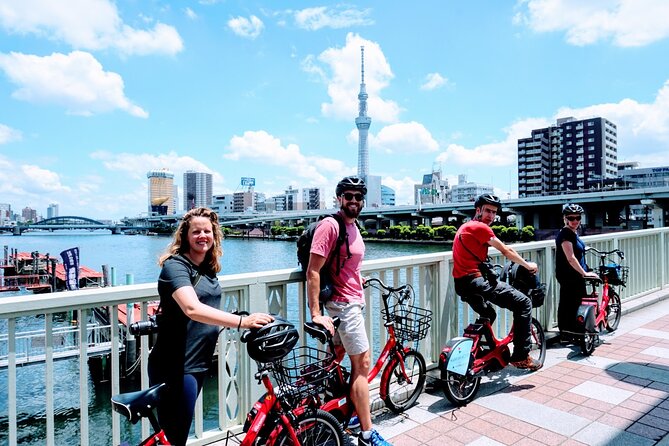
This is not a quiet countryside cycle. You ride through central streets, side roads, and areas with traffic. The guide leads from the front, keeps the group together, and chooses streets according to traffic, road conditions, pedestrian numbers, the season, and whether it is a weekday or weekend.
That flexibility is a strength, but it means the exact path can change. Think of the ride as a guided look at several parts of Tokyo rather than a fixed checklist of every stop. You should also expect to pause beside major sights rather than enter them. Admission tickets are not needed because the value comes from seeing the city from outside and learning how its districts fit together.
More Walking Tours in Tokyo
- Tokyo Tsukiji Fish Market Food and Culture Walking Tour
★ 5.0 · 3,184 reviews - Tokyo: Imperial Palace and Shogun Historical Walking Tour
★ 5.0 · 2,251 reviews - Tokyo: Shinjuku Local Bar and Izakaya Guided Walking Tour
★ 4.9 · 1,794 reviews
Starting in Kanda, Tokyo’s compact downtown
The meeting point is Cycling Holiday Tokyo, about a one-minute walk from the west exit of JR Kanda Station. The shop has a restroom, waiting area, and luggage storage, which makes the start easier if you are carrying bags between hotels or arriving straight from the station.
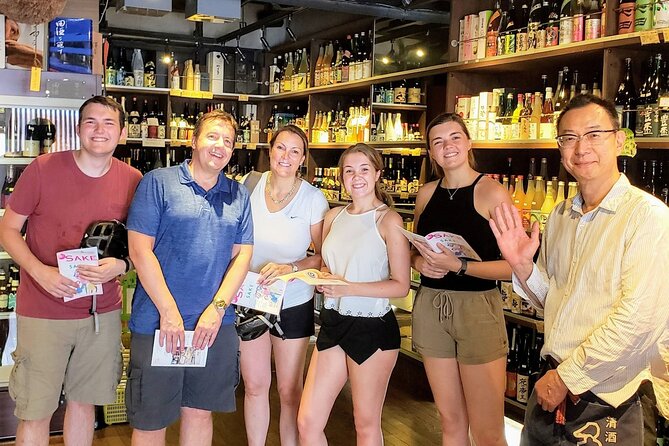
Kanda is a good place to begin. It is a compact downtown district shaped by office workers, with small Japanese-style bars tucked among the streets. It gives you a quick look at a side of Tokyo that is less polished and less staged than the major sightseeing zones.
The guide handles the bike introduction before departure. The e-bikes are designed to be easy to operate, but you still need basic balance, awareness, and confidence around other road users. Wear the provided helmet, listen closely to the guide’s signals, and keep a steady position in the group.
The morning route: grand Tokyo and local lanes
The morning ride is the better choice if you want imperial landmarks, classic city views, and the food atmosphere of Tsukiji. It begins around Kanda before moving through Tokyo’s financial center, where modern office buildings provide a sharp contrast with the older bar streets near the start.
Tokyo Station and Marunouchi
One of the first major stops is Tokyo Station’s Marunouchi side. From Gyoko-dori Street, you get a clear view of the station building, an important piece of Tokyo architecture. The guide explains the station’s history and its role in the city.
The stop is short, around five minutes, so it is mainly for orientation and photographs. If you want a long look inside the station or time to shop beneath it, plan to return on your own. The advantage here is seeing the station in relation to the surrounding business district, rather than treating it as just a transport hub.
Same city, a completely different kind of day:
- Mt Fuji and Hakone 1-Day Bus Tour Return by Bullet Train
★ 5.0 · 26,383 reviews - 1-Day Tokyo Bus Tour
★ 5.0 · 14,250 reviews - Tokyo: TOKYO SKYTREE® Admission ticket
★ 4.5 · 11,192 reviews - Tokyo: teamLab Planets TOKYO Digital Art Museum Entry Ticket
★ 4.6 · 9,779 reviews
Imperial Palace gates and palace gardens
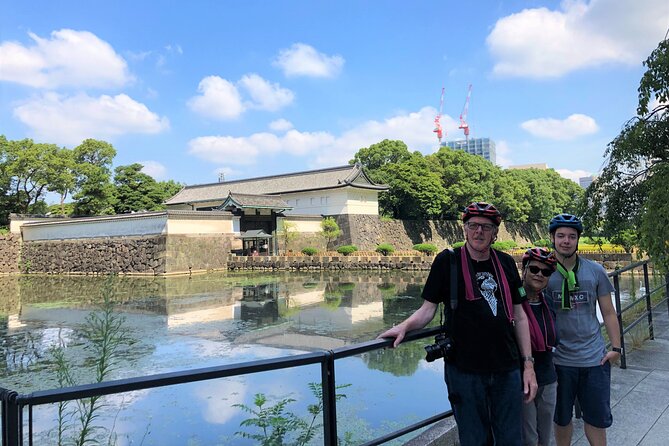
The ride continues to Otemon Gate, where you look across the moat toward Fujimi-yagura Tower. This is one of the moments when a bicycle is useful. You can approach the palace area through city streets, stop at the gate, and then move on without dealing with a train transfer or a long walk.
The route also includes the spacious park beside the Imperial Palace, an unusual open area in the middle of central Tokyo. The exact time here can vary, but the guide uses the setting to explain the palace grounds, traditional gates, and seasonal scenery.
Sakuradamon is another notable point. You pass through or near this famous castle gate, where the scale of the old defensive architecture contrasts with the high-rise city around it. These palace stops are brief, so the ride suits you if you prefer a broad introduction. It is less suitable if your main goal is a slow, detailed palace visit.
Ginza by back street
Ginza is best known for luxury shops and wide avenues, but the cycling route can shift into back streets when conditions allow. That change is important. You see the polished commercial face of Tokyo, then get a glimpse of smaller lanes and less formal corners nearby.
The guide may choose the main road or a quieter route according to traffic and pedestrian flow. This is one reason not to expect the same ride every time. A weekday morning and a crowded weekend can call for different decisions.
Tsukiji Outer Market
At Tsukiji Jogai Market, the focus is on the outer market rather than the former wholesale fish market. Small, old-fashioned food shops line the streets, selling ingredients, prepared foods, and kitchen-related items.
The planned stop is around ten minutes, enough to see the atmosphere and hear suggestions from the guide. Food and drinks are not included, so any tasting or purchase is your own expense. I would treat this as a preview rather than a market visit in full. If something catches your eye, note it and return after the ride when you have time to browse without watching the clock.
Local streets and Nihonbashi
Between the major sights, the ride uses local streets and connecting passages that are practical for bicycles. This is where the experience becomes more than a parade of famous landmarks. You see ordinary Tokyo life, smaller buildings, neighborhood movement, and streets that a standard sightseeing route might skip.
The morning ride finishes through Nihonbashi, one of Tokyo’s central reference points. Nihonbashi Bridge is associated with the old road network, and distances from Tokyo were traditionally measured from this area. The guide uses the bridge to connect the city’s past with its modern role as a commercial center.
The afternoon route: subculture, crafts, temples, and sumo
The afternoon route has a different personality. It is a good fit if you want Tokyo’s popular culture, traditional shopping streets, temple architecture, and a chance to see districts tied to everyday Japanese interests.
Akihabara and youth culture
Akihabara is the first major change of mood. The district is known for anime, games, electronics, maid cafés, and youth culture. The stop is short, about five minutes, so do not expect time for serious shopping or a long café visit.
What you do get is useful context. The guide can explain that Akihabara is more than a row of electronics shops. It is a cultural district with its own visual language and social habits. If you have a particular store or café in mind, return later with more time.
Kappabashi Tool Street
Kappabashi Dogugai is one of the afternoon route’s most practical stops. Shops here sell professional cooking tools, kitchen utensils, restaurant equipment, and Japanese knives. The area appeals to cooks, design fans, and anyone who enjoys seeing the working side of food culture.
The stop lasts around ten minutes, with some opportunity to look around or shop. Keep purchases manageable, since you still have to cycle. This is also a useful place to ask the guide about what is practical to buy and how to handle your purchase during the rest of your trip.
Asakusa and Tokyo’s oldest famous temple
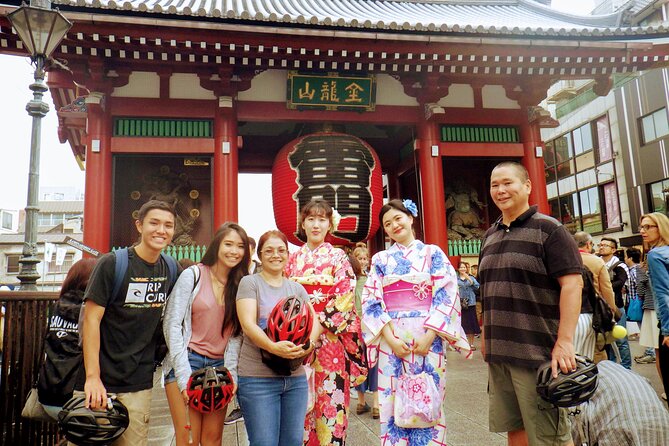
Asakusa provides the afternoon route’s biggest traditional sight. Its temple area is one of Tokyo’s best-known places, and the guide explains temple customs and rituals that can help you behave respectfully at other religious sites during your Japan visit.
The stop is around ten minutes. Again, that is enough for an introduction and photographs, not a full Asakusa visit. If you want to explore the temple grounds, shopping streets, and side lanes properly, return later on foot.
The bicycle changes your perspective here. You see Asakusa as part of a wider district rather than arriving only at the temple entrance. The route also gives you a practical sense of how close Asakusa is to other areas of eastern Tokyo.
Ryogoku and the world of sumo
The ride continues to Ryogoku, the district associated with sumo. The schedule does not promise a meeting with wrestlers, but timing and luck may bring you near real sumo wrestlers. That possibility adds a pleasant bit of unpredictability, though you should not book the tour solely for it.
Ryogoku also helps balance the afternoon route. Akihabara shows modern subculture, Kappabashi shows professional food culture, Asakusa shows religious and historic Tokyo, and Ryogoku adds one of Japan’s best-known traditional sports.
Nihonbashi as the common finish
Both morning and afternoon routes include Nihonbashi Bridge. It is a useful final marker and a fitting place to connect old Tokyo routes with the modern city you have been cycling through.
The tour ends back at the Kanda meeting point. That makes planning simple, especially if you have luggage stored at the shop or want to continue from Kanda by train.
The guides make the difference
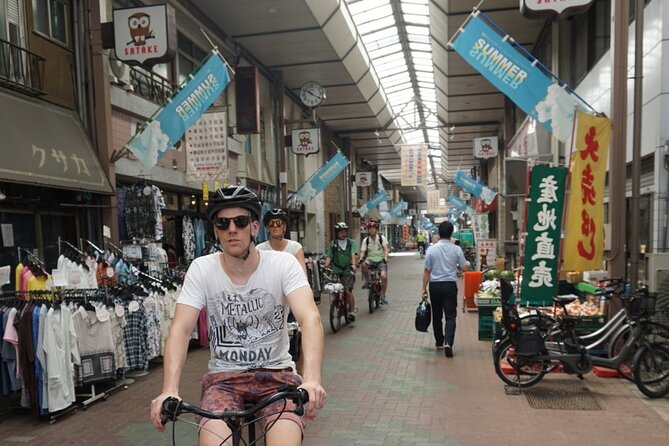
The strongest part of this experience is the guide rather than the equipment alone. Several guides are specifically praised for keeping the group together, answering questions, sharing history, and adjusting their pace to the people riding.
Yo is described as friendly and easygoing. Ted is noted for clear answers, safety awareness, and regular stops for explanations and photos. Jenny is praised for showing quieter streets, local food options, and cheaper places to eat and drink near Ginza.
Take brings information about neighborhoods and food, along with thoughtful care on hot or rainy days. Kazu is associated with a fun, informative ride that covers substantial ground. Ninja is praised for strong-feeling bikes, careful guidance, and a particularly enjoyable morning route around the Imperial Palace and bay area.
Guide assignments can change, so you should not assume one named guide will lead your departure. Still, the pattern is clear: the experience works best when you ask questions. If you are curious about temple manners, food districts, sumo, or how Tokyo neighborhoods connect, speak up during the stops.
Heat, rain, traffic, and riding comfort
Tokyo’s weather can shape the day. July and August can be hot and muggy, with enough heat risk that the operator may cancel a departure. If conditions become unsafe during the ride, the guide can stop and return to the starting point. In that case, the tour fee is refunded.
Bring water, sunscreen, and a small towel in summer. An electrolyte drink is a sensible choice on very hot days. Cooling products are provided in summer, but they do not replace your own preparation.
Rain gear is included, but rain can still affect comfort and visibility. One practical tip is to bring gloves and protection for your glasses if wet weather is possible. The operator checks the forecast the day before and may cancel because of rain. A full refund or another date is offered for weather cancellations.
Traffic is the other serious consideration. You need to ride confidently on city streets, follow the guide, and avoid dropping behind. The bikes are easy to use, but electric assistance does not remove the need for road awareness.
What the $63.01 price gets you
At $63.01 per person, the cost is reasonable if you want a guide, a well-maintained e-bike, helmet, insurance, and a route that links distant districts. You are also paying for the time saved by not getting lost and for the local explanations between the headline sights.
The value is strongest early in your Tokyo stay. You can identify places to revisit, learn the shape of central districts, and collect food or shopping ideas before spending the rest of your trip on foot. A family or couple who would otherwise pay for separate transport between several areas may find the price especially fair.
Food, drinks, and shopping are extra. The short stops also mean you are buying an overview, not extended visits at each attraction. If you want long temple time, detailed market shopping, or a full museum-style history tour, this ride will feel too fast.
The group maximum is six, which helps keep the experience personal without making it private. Tours require at least two participants, though a solo booking can go ahead if other people are joining. Confirmation is subject to availability.
Who should book this Tokyo bike tour?
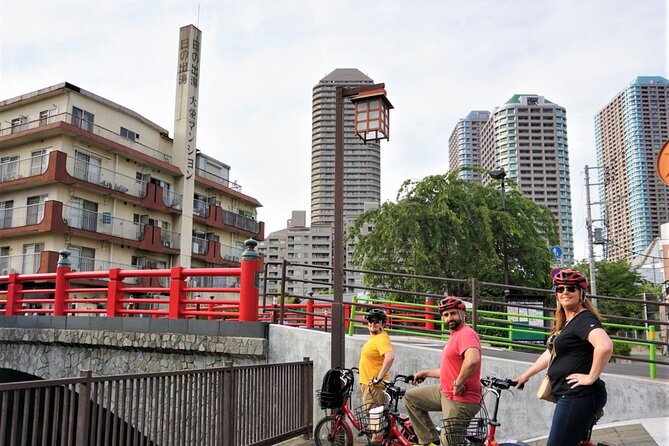
I would choose this for first-time visitors who want to get their bearings quickly, families with children aged 12 or older, and repeat visitors who want a different view of familiar districts. It also suits people who enjoy local streets and short stops more than long indoor visits.
It is a good family activity when teenagers are willing to put phones away for a few hours. The e-bikes reduce the strain, and guides have been praised for patience with families and for keeping a safe, manageable pace.
I would think twice if you dislike traffic, cannot ride a bicycle, or want a fully relaxed sightseeing pace. The minimum height is 147 centimeters, and the operator does not accept anyone unable to ride. Valuable items should stay with you, even though ordinary luggage can be stored at the shop.
Free cancellation is available up to 24 hours before the start time. Cancellations inside that window are not refunded, except when the operator cancels because of weather or an insufficient number of participants.
Should you book it?
Book this tour if you want to see Tokyo as a connected city rather than a string of train stations. The morning ride is the stronger choice for the Imperial Palace, Tokyo Station, Ginza, and Tsukiji. Choose the afternoon if Akihabara, Kappabashi, Asakusa, and sumo culture sound more appealing.
I like the balance of famous sights and ordinary streets, plus the practical help of an electric bike. Just reserve it for a day when you can handle city cycling, prepare for the season, and accept that traffic or weather may alter the route. For most active visitors, it is a smart three-hour introduction at a fair price.
FAQ
Where does the Tokyo e-bike tour begin and end?
The tour begins and ends at Cycling Holiday Tokyo, located at 3-chome-8-6 Uchikanda, Chiyoda City, Tokyo. The shop is about a one-minute walk from the west exit of JR Kanda Station.
How long does the tour last?
The ride lasts approximately three hours, including cycling and stops at the main sights.
What is included in the price?
The price includes an electric-assist bicycle, helmet, English-speaking guide, insurance, simple rain gear, and luggage storage for items other than valuables. Simple gloves are available in winter, and cooling products are available in summer.
What places does the morning tour visit?
The morning route can include Kanda, Tokyo’s financial district, Tokyo Station, Otemon Gate, the Imperial Palace area, Sakuradamon, Ginza, Tsukiji Outer Market, local streets, and Nihonbashi Bridge.
What places does the afternoon tour visit?
The afternoon route can include Kanda, Akihabara, Kappabashi Tool Street, Asakusa, Ryogoku, and Nihonbashi Bridge.
Is the tour suitable for children?
The minimum age is 12. Riders must be at least 147 centimeters tall and able to ride a bicycle.
What happens if it rains?
The tour may be canceled because of poor weather. You will be offered another date or a full refund. If rain begins during the ride, the guide decides whether it is safe to continue or return to the starting point.
More E-Bikes in Tokyo
- Tokyo: 3-hour Guided E-Bike Tour of the City’s Hidden Gems
★ 4.8 · 251 reviews - Tokyo: 3-Hour Bike or E-Bike Tour of City’s Hidden Gems
★ 4.7 · 81 reviews - Tokyo: 3h Private E-bike Tours, Starting at Your Hotel
★ 5.0 · 36 reviews - Hidden Kyoto E-Biking tour
★ 5.0 · 1,843 reviews
More Cycling Tours in Tokyo
- Tokyo Guided Small-Group Biking Tour
★ 5.0 · 1,250 reviews - Tokyo Great Cycling Tour
★ 5.0 · 811 reviews - Tokyo Top Highlights 3h Guided E-bike Tour
★ 5.0 · 714 reviews - Tokyo: 3-Hour Bike or E-Bike City Highlights Tour
★ 4.8 · 435 reviews
Just added around Tokyo
- Tokyo: Customizable Private Guided Walking Tour★ 4.5 · 129 reviews
- Private Harajuku Omotesando Architecture Tour★ 4.9 · 18 reviews
- Tokyo: Guided Helicopter Ride★ 4.9 · 24 reviews
- Tokyo: Guided Walking Tour of Tsukiji Market with Lunch★ 4.4 · 24 reviews
- Tokyo: Private Personalized Local Food Tour★ 4.5 · 101 reviews
- Tokyo GINZA: KONPARU Japanese Cabaret Show with Drink★ 4.8 · 38 reviews
- Tokyo: Guided Walking Tour of Tsukiji Market with Breakfast★ 4.4 · 134 reviews
- Tokyo: Gotokuji Cat Temple, Shinjuku Cat Cafe & 3D Cat Tour★ 4.9 · 38 reviews
Cycling Tours, compared.
Arashiyama Bamboo Forest & Hidden Gems Bike Tour (Early Bird)
Read our review →
Hiroshima in a Nutshell: Morning Bike Adventure
Read our review →
5 Top Highlights of Kyoto Full Day Bike Tour (E-bike option)
Read our review →
Full Day Biking Tour Exploring the Best of Kyoto
Read our review →Browse the lists this tour appears in