
REVIEW · CYCLING TOURS
Tokyo: 3-Hour Bike or E-Bike City Highlights Tour
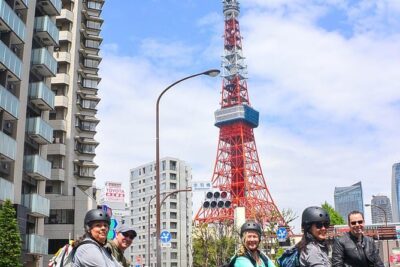
Tokyo can feel enormous on foot, especially during a first visit. This three-hour bike tour gives you a quick, lively sweep from the temple grounds around Shiba Park to the neon streets of Shibuya, with major sights and quieter back roads along the way. Guides such as Naoki, KJ, Atsu, and Kosei add local stories and keep the group moving.
I like the broad route and the choice of a standard cross bike or e-bike. I also like the small-group format, which makes city riding easier and gives you more room to ask questions. The main consideration is traffic: you will ride on roads as well as sidewalks, so this is not the right pick if you are uneasy cycling near cars. The route can also run about 15 to 20 kilometers, depending on the day.
In This Review
- Key points
- From Commodore Perry to Zojo-ji Temple
- Hibiya Park and the Imperial Palace grounds
- Tokyo Station, Ōte-mon Gate, and Chidorigafuchi
- Akasaka Palace and the National Stadium
- A tucked-away stop and Aoyama streets
- Cat Street and Shibuya Crossing
- What the three hours feel like on a bike
- Standard bike or e-bike?
- Is $45 a fair price?
- Who should book this Tokyo bike tour?
- Final verdict: book it for a fast, useful Tokyo orientation
- FAQ
- Where does the Tokyo bike tour begin?
- How long is the tour?
- What sights are included?
- Can I choose an e-bike?
- Are helmets included?
- Are child seats available?
- What languages do the guides speak?
- What should I bring?
- Can I cancel the booking?
Key points
- A wide Tokyo introduction: Cover temples, imperial grounds, historic gates, parks, modern landmarks, and Shibuya in one outing.
- E-bikes make the distance manageable: Choose electric assistance if you rarely cycle or worry about hills and stamina.
- Guides make the route work: English and Japanese-speaking guides explain customs, history, neighborhoods, and practical Tokyo life.
- Small groups help with safety: Groups may be split for easier movement through city streets.
- Bring cash for a helmet: Helmets are available for ¥1,000 each, but they are not included in the $45 price.
- Best early in your stay: The route helps you decide which areas deserve more time later.
From Commodore Perry to Zojo-ji Temple
The tour begins beside the statue of Commodore Perry, about a three-minute walk from Daimon Station’s A6 exit. This is a practical meeting point near central Tokyo, though you should allow a few minutes to find the guide around the statue rather than assuming there is a large shopfront or obvious tour desk.
After a bike fitting and basic orientation, you head toward Zojo-ji Temple in Shiba Park. This is a strong opening stop because it puts Tokyo’s old religious traditions beside modern city towers. The temple’s calm grounds offer a clear contrast to the traffic and office blocks nearby.
Plan on about 15 minutes here for a guided visit and photos. Your guide may explain the temple’s role and point out details you could easily miss on a quick independent stop. You will not have time for a long, quiet temple visit, so think of this as an introduction rather than a full temple tour.
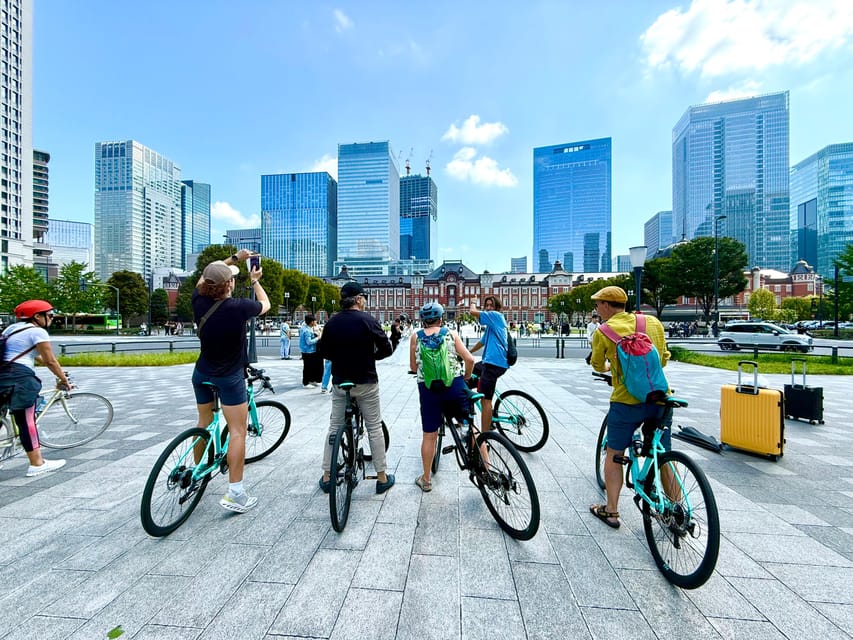
The bikes are Bianchi and Fuji cross bikes, with e-bikes available as a separate option. A small pouch attached to the bike holds a phone, wallet, and keys, which saves you from constantly reaching into a bag. Bike insurance is included.
A few more Tokyo trips to weigh up
- Tokyo Guided Small-Group Biking Tour
★ 5.0 · 1,250 reviews - Tokyo Great Cycling Tour
★ 5.0 · 811 reviews - Tokyo Top Highlights 3h Guided E-bike Tour
★ 5.0 · 714 reviews
Hibiya Park and the Imperial Palace grounds
The route continues through Hibiya Park, one of the city’s useful patches of open space. The stop is brief, around three minutes, but it breaks up the ride and gives you a look at how Tokyo mixes formal gardens and public parks into its dense center.
The Imperial Palace is one of the main anchors of the morning. You get roughly 15 minutes for a guided visit and photographs, enough to take in the setting and hear some context about Japan’s imperial institution. The palace area is spacious and formal, so seeing it by bike helps you cover more ground than you would on foot.
Do not expect a long interior palace visit. The value here is the surrounding grounds, views, gates, and the guide’s explanation. If you want extensive palace gardens or a slow architectural study, you will need to return on your own.
Tokyo Station, Ōte-mon Gate, and Chidorigafuchi
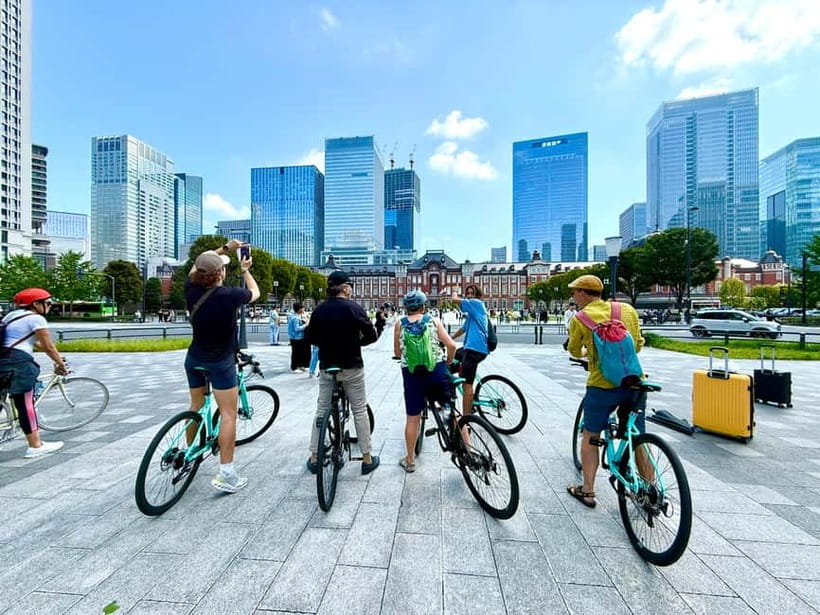
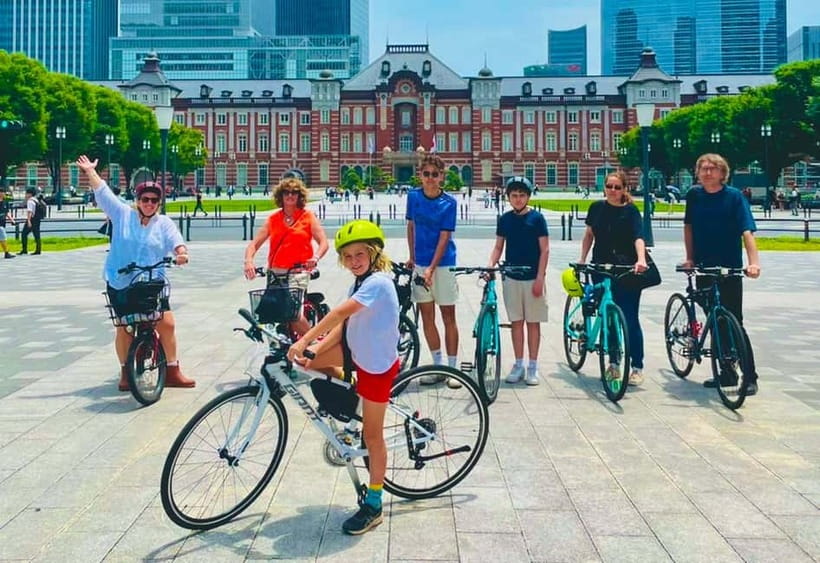
Tokyo Station brings a sharp change in mood. Its grand red-brick exterior is one of the city’s most recognizable pieces of early modern architecture, set against a district filled with tall office buildings. The stop lasts about 10 minutes, giving you time for photos and a quick look before getting back on the road.
At Ōte-mon Gate, the focus shifts toward the old defensive edge of the palace grounds. The five-minute stop is short, but the gate helps connect the modern capital with the castle town that came before it. Your guide can give the site meaning in a few clear points without turning the ride into a lecture.
Chidorigafuchi provides another brief pause, with about five minutes for photographs and a break. The route does not linger long at any one sight, and that is both its strength and its limit. You see a generous slice of central Tokyo, but you should mark places that deserve a second visit.
Akasaka Palace and the National Stadium
State Guest House Akasaka Palace is a striking photo stop. Its formal European-style design feels far removed from the temple architecture at Zojo-ji and the practical scale of Tokyo’s train districts. You spend about 10 minutes here, enough for photos and a quick explanation of its role.
The route then reaches the New National Stadium, with another 10-minute visit and photo stop. This gives you a modern sports landmark and a sense of how Tokyo uses large public structures within its central neighborhoods. The changing architecture keeps the ride from feeling repetitive.
At this point, the bike becomes more than a way to move between attractions. It lets you see transitions: palace grounds giving way to office streets, formal avenues shifting toward residential lanes, and major public buildings leading into local shopping areas. You get a better feel for the city’s scale than a series of subway rides can provide.
Same city, a completely different kind of day:
- Mt Fuji and Hakone 1-Day Bus Tour Return by Bullet Train
★ 5.0 · 26,383 reviews - 1-Day Tokyo Bus Tour
★ 5.0 · 14,250 reviews - Tokyo: TOKYO SKYTREE® Admission ticket
★ 4.5 · 11,192 reviews - Tokyo: teamLab Planets TOKYO Digital Art Museum Entry Ticket
★ 4.6 · 9,779 reviews
A tucked-away stop and Aoyama streets
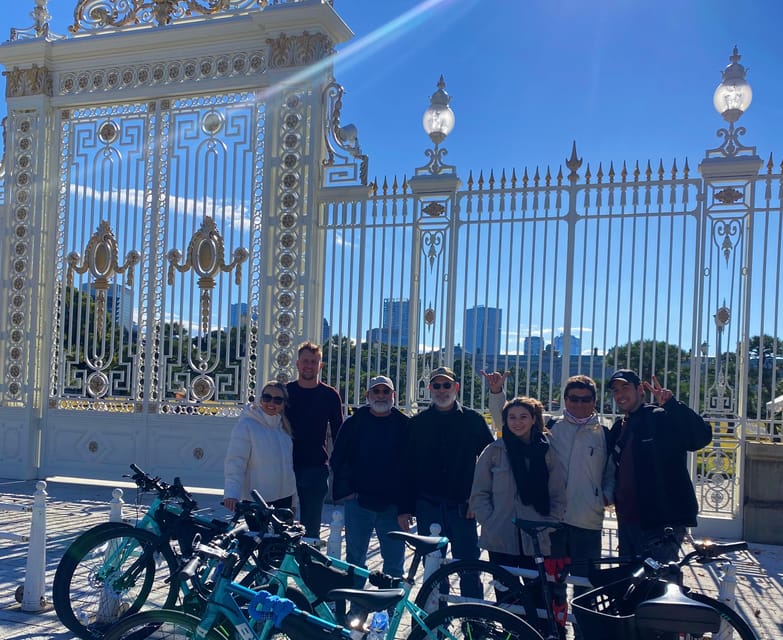
The itinerary includes a lesser-known stop with about 15 minutes for a guided visit. The exact place can vary, and that flexibility is useful. Guides can adapt the route to conditions, group pace, and what makes sense on the day.
Aoyama St. Grace Cathedral is a quick three-minute sightseeing and photo stop. It adds another architectural change to the route and helps show the polished, design-focused side of central Tokyo. The stop is short, so enjoy the exterior and keep expectations realistic.
You then head toward Cat Street. The five-minute visit gives you a look at a more youthful shopping and street scene before the tour reaches Shibuya. The contrast with the palace district is part of the fun. Tokyo does not change gradually in every place, and a bike lets you notice those quick shifts block by block.
Cat Street and Shibuya Crossing
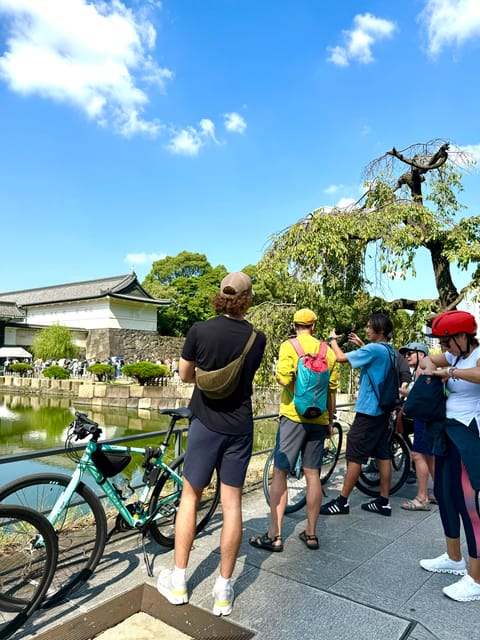
Shibuya Crossing is the grand finale for good reason. The tour allows about 10 minutes for a guided photo stop, giving you time to see the famous intersection from street level and absorb the surrounding signs, shops, and constant movement.
Some departures may reach Shibuya in the evening, when the lights add extra energy to the ride. Cycling through Shibuya at night can be a memorable finish, but it also requires attention. You are riding in a busy urban area, not on a protected sightseeing path.
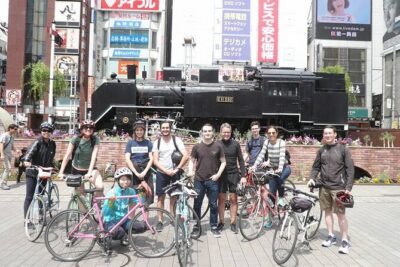
Tower Records Shibuya receives a quick three-minute stop. It is a small but telling sign of the district’s music and youth culture. The tour finishes at the Bell of Peace, giving the ride a clear endpoint rather than leaving you back at the starting statue.
What the three hours feel like on a bike
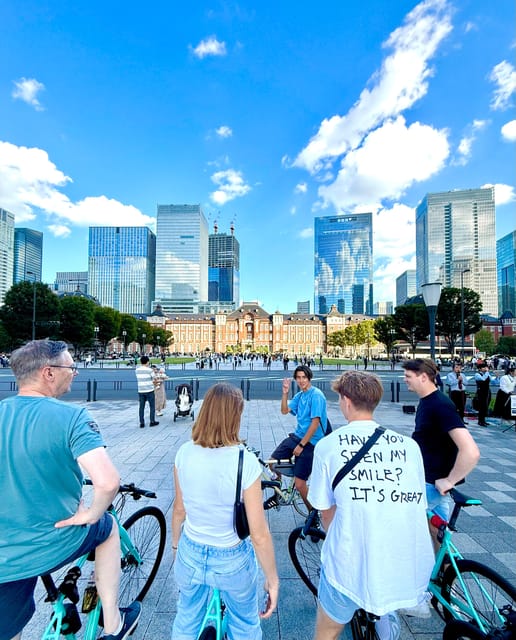
The route is designed for sightseeing more than athletic training, but you still need basic cycling confidence. The distance has been described as roughly 15 kilometers by some participants and closer to 20 kilometers by others, so the exact total may depend on the route and group.
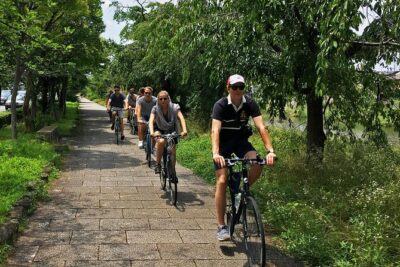
The pace is generally relaxed, with frequent photo stops and guide explanations. You should still expect to pedal steadily between sights. One useful detail from the experience is a quick convenience-store stop on some rides, sometimes at 7-Eleven, where you may pick up a drink or snack and get local product suggestions.
Tokyo’s relatively light car traffic and strong public transport system can make the ride feel less intimidating than cycling in many major cities. Still, the route includes streets with traffic. One family found the road riding more stressful than expected, while other groups felt safe with guides such as Naoki, Rikuu, Keiji, and Rinto leading the way.
The guides regularly check the group, manage crossings, and help with photos. Larger bookings may be divided into smaller groups, which is better for maneuvering and makes it easier to stay together. Your comfort depends partly on the guide and partly on your own experience riding in an urban setting.
Standard bike or e-bike?
Choose the standard cross bike if you cycle often and enjoy doing the work yourself. The included Bianchi and Fuji bikes are positioned as quality equipment, though one rider encountered slipping gears on a single bike. It is sensible to test the gears and brakes before leaving.
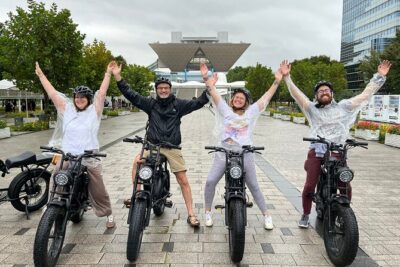
The e-bike is the safer choice for many people. The distance is substantial for anyone who does not cycle regularly, and the route includes some hills. E-bike users found the assistance especially useful when tired or dealing with Tokyo’s warmer weather.
An e-bike does not remove the need to balance, steer, brake, and watch traffic. It simply makes the pedaling easier. If you are unsure about your stamina, choose electric assistance rather than hoping you will manage on a standard bike.
Helmets are not included. You can rent one on site for ¥1,000 per unit in cash. I would budget for one, especially if you are not used to city cycling. A child seat costs ¥3,000 per unit, but children under 12 are not permitted on the activity, so confirm the arrangement before booking if you have a younger child.
Is $45 a fair price?
At $45 per person, the tour offers good value if you want a guided overview rather than a single neighborhood ride. In three hours, you cover temple grounds, palace districts, historic gates, parks, a diplomatic landmark, the National Stadium, Aoyama, Cat Street, and Shibuya.
Public transport would cost less, but it would not give you the same continuous view between districts. You would also miss the guide’s local explanations and the small street-level details that appear between famous stops.
The price is less attractive if you prefer slow visits. Most stops last between three and 15 minutes, and the tour is built around seeing many places rather than spending an hour at one. You are paying for route planning, bikes, insurance, a guide, and efficient coverage of a very spread-out city.
Private and small-group options are available. A private ride may suit families or friends who want a more flexible pace, while a small shared group keeps the cost down and still offers personal attention.
Who should book this Tokyo bike tour?
I would recommend it to confident casual cyclists, active couples, solo visitors, families with children aged 12 and older, and anyone arriving in Tokyo without a clear sense of the city’s layout. It is particularly useful early in your stay, when the route can help you choose where to return.
The tour also works well for people who dislike spending all day underground. You will see how the districts connect, and you may notice streets, parks, and shops that you would otherwise pass beneath on the subway.
I would be cautious if you cannot ride a bike, have back problems, are pregnant, or feel uncomfortable cycling around traffic. Summer heat can make the ride harder, and rain can affect comfort. A poncho from a convenience store can help in wet weather, but you still need suitable clothes and shoes.
Bring water, wear comfortable clothes and shoes, and arrive ready to ride. Smoking, alcohol, drugs, and littering are not allowed.
Final verdict: book it for a fast, useful Tokyo orientation
Book this tour if you want to cover a lot of Tokyo in three hours and are comfortable riding on city streets. The route has an appealing mix of temples, imperial sights, parks, grand buildings, local streets, and Shibuya spectacle.
Choose the e-bike if you cycle infrequently or worry about stamina. Pay for the helmet in cash, check your bike before departure, and understand that this is a sightseeing ride with real road cycling, not a protected bike path.
I would especially book it near the start of a Tokyo visit. Guides such as Naoki, KJ, Atsu, and Kosei bring the route to life, and the broad overview helps you spend the rest of your time with a better map in your head.
FAQ
Where does the Tokyo bike tour begin?
Meet the guide near the Statue of Commodore Perry. The meeting point is about a three-minute walk from Daimon Station’s A6 exit.
How long is the tour?
The tour lasts three hours. The total riding distance may be around 15 to 20 kilometers, depending on the route.
What sights are included?
The route includes Zojo-ji Temple, Hibiya Park, the Imperial Palace, Tokyo Station, Ōte-mon Gate, Chidorigafuchi, Akasaka Palace, the New National Stadium, Aoyama St. Grace Cathedral, Cat Street, Shibuya Crossing, and Tower Records Shibuya.
Can I choose an e-bike?
Yes. An e-bike option is available when booking. It is recommended if you do not cycle often, lack stamina, or are not comfortable riding longer distances.
Are helmets included?
No. Helmets are available on site for ¥1,000 per unit, payable in cash.
Are child seats available?
Yes. A child seat costs ¥3,000 per unit. The activity is not suitable for children under 12.
What languages do the guides speak?
Guides speak English and Japanese. English-speaking guides are available for the tour.
What should I bring?
Bring comfortable shoes, water, and comfortable clothes. A small bike pouch is provided for a phone, wallet, and keys.
Can I cancel the booking?
You can cancel up to 24 hours in advance for a full refund. Reserve-now, pay-later booking is also available.
More 3-Hour Experiences in Tokyo
- 3h Tokyo E-Bike Tour: Hidden Gems, and Local Life with guide
★ 5.0 · 670 reviews - Tokyo: 3-hour Guided E-Bike Tour of the City’s Hidden Gems
★ 4.8 · 251 reviews - Tokyo: 3-Hour Bike or E-Bike Tour of City’s Hidden Gems
★ 4.7 · 81 reviews - Tokyo: 3-Hour Food Tour of Shinbashi at Night
★ 4.9 · 45 reviews
Just added around Tokyo
- Tokyo: Customizable Private Guided Walking Tour★ 4.5 · 129 reviews
- Private Harajuku Omotesando Architecture Tour★ 4.9 · 18 reviews
- Tokyo: Guided Helicopter Ride★ 4.9 · 24 reviews
- Tokyo: Guided Walking Tour of Tsukiji Market with Lunch★ 4.4 · 24 reviews
- Tokyo: Private Personalized Local Food Tour★ 4.5 · 101 reviews
- Tokyo GINZA: KONPARU Japanese Cabaret Show with Drink★ 4.8 · 38 reviews
- Tokyo: Guided Walking Tour of Tsukiji Market with Breakfast★ 4.4 · 134 reviews
- Tokyo: Gotokuji Cat Temple, Shinjuku Cat Cafe & 3D Cat Tour★ 4.9 · 38 reviews
Cycling Tours, compared.
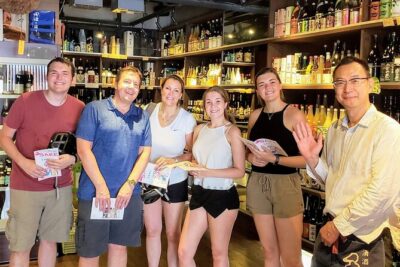
3h Tokyo E-Bike Tour: Hidden Gems, and Local Life with guide
Read our review →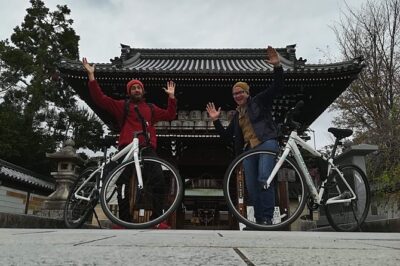
Arashiyama Bamboo Forest & Hidden Gems Bike Tour (Early Bird)
Read our review →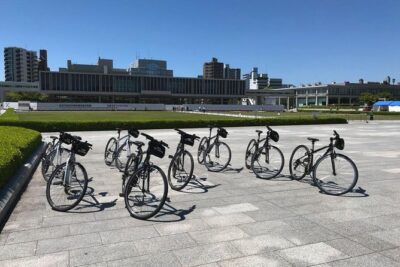
Hiroshima in a Nutshell: Morning Bike Adventure
Read our review →
5 Top Highlights of Kyoto Full Day Bike Tour (E-bike option)
Read our review →Browse the lists this tour appears in