
REVIEW · MORNING
Kyoto: Early Morning Tour with English-Speaking Guide
Kyoto’s best-known sights are much easier to enjoy before the day gets going. This small-group morning tour takes you from Kyoto Station to Fushimi Inari, Arashiyama, and Kinkakuji, using trains and buses instead of a sightseeing coach. You can see three major sights in one morning, with a guide handling the route and explaining what you are looking at.
I like the early start, which gives you a calmer first visit to the torii gates and bamboo forest. I also like the practical format: a group of no more than eight people, an English or Korean speaking guide, and public transport that teaches you how to get around Kyoto on your own.
The main drawback is the pace. You cover a lot of ground in roughly five and a half hours, and the tour involves walking, stairs, train stations, and a bus. This is not a private tour or a bus tour, so it is a poor fit if you want a slow, flexible morning or have trouble walking.
In This Review
- The six things that matter most
- Why the early start changes Kyoto
- Meeting at Kyoto Station without confusion
- Fushimi Inari: the right first stop
- Arashiyama and the bamboo forest
- Kinkakuji: the Golden Pavilion at the end
- Public transport is part of the lesson
- What the guide adds to the morning
- Is $101 a fair price?
- Who should book it?
- My booking verdict
- FAQ
- How long does the Kyoto morning tour last?
- Where does the tour begin?
- Where does the tour finish?
- Is this a private tour?
- Does the tour use a sightseeing bus?
- What entrance fee must I pay?
- Which languages are available?
- Is the tour wheelchair or stroller accessible?
The six things that matter most
- Early access to Fushimi Inari: Begin with the shrine’s famous torii gates before the larger crowds arrive.
- Three major sights in one morning: Visit Fushimi Inari, Arashiyama, and Kinkakuji without planning several separate routes.
- Public transport practice: Trains and buses are part of the experience, with about 1,240 yen in transportation costs not included.
- Small group size: The group can have up to eight people, allowing more conversation than a large coach tour.
- Strong guide element: Guides including Haruki, Aya, Hina, Rin, and Hinano are repeatedly praised for clear English, cultural background, photographs, and food advice.
- A strict start: Meet five to ten minutes early at Kyoto Station Central Ticket Gate. Late arrivals cannot join and do not receive a refund.
Why the early start changes Kyoto
Kyoto is not difficult because its sights are obscure. It is difficult because the famous ones draw enormous numbers of people later in the morning. Fushimi Inari, Arashiyama, and Kinkakuji are all easy to recognize, but their mood changes when paths fill with tour groups and lines of people taking photographs.
This tour begins early enough to give you a head start. The exact starting time depends on availability, but the experience is designed to finish by lunch. That is useful in two ways. You see the signature sights while you are fresh, then have the afternoon free for another neighborhood, a museum, shopping, or a slower meal.
I would not promise empty paths. Kyoto’s major attractions are popular for good reason, and even an early visit can be busy, especially on weekends, holidays, or during attractive weather. Still, starting early gives you a real advantage. One morning began at 6:45, and the larger crowd was already arriving as the group left the early stops.
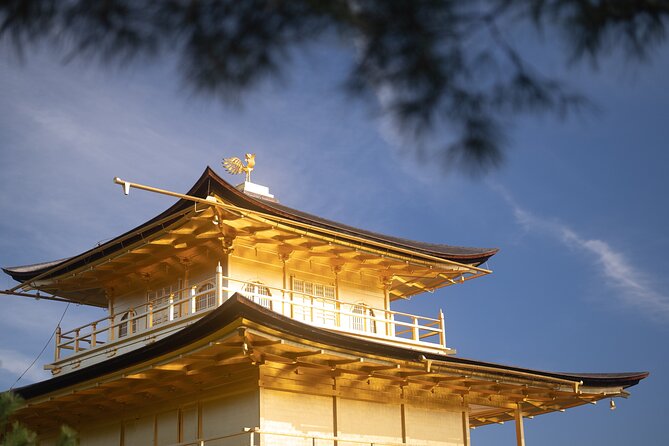
The timing also helps with photographs. The red torii gates at Fushimi Inari and the bamboo stalks at Arashiyama are easier to frame when fewer people are moving through the scene. At Kinkakuji, the payoff is a clear view across the pond toward the Golden Pavilion, although the temple can become busy by the time you arrive later in the morning.
A few more Kyoto trips to weigh up
- Kyoto Early Morning Tour with English-Speaking Guide
★ 5.0 · 1,427 reviews - From Kyoto: Nara Guided Morning Tour
★ 4.6 · 335 reviews - Kyoto Morning Tour from Kyoto or Osaka
★ 4.0 · 281 reviews
Meeting at Kyoto Station without confusion
The meeting point is Kyoto Station Central Ticket Gate, near Kyoto Tower and a nearby Seven-Eleven. The guide carries a board marked GuideMe Japan. You should download WhatsApp before the tour because the guide uses it to contact you about the meeting point and day-of arrangements.
Kyoto Station is large, so allow extra time to find the correct gate. I would aim to be there ten minutes early rather than five. The tour leaves on schedule for the benefit of the rest of the group, and late participants cannot join later.
Bring a phone number that works in Japan and is connected to WhatsApp. If someone else books the tour for you, the useful number is the actual participant’s number, not the travel agency’s. This small detail can prevent an avoidable morning scramble.
Fushimi Inari: the right first stop
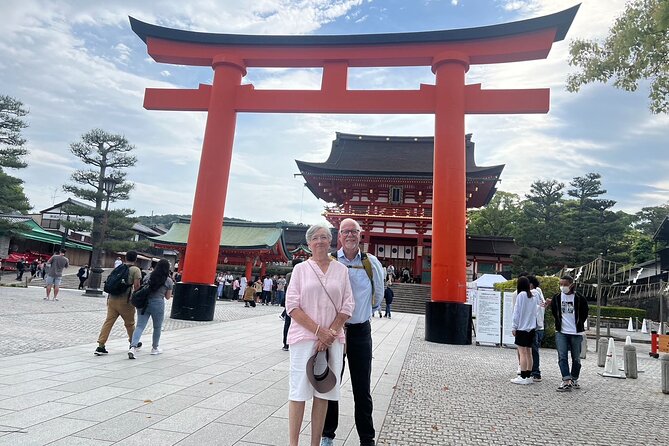
The first train ride takes about ten minutes. Then you spend roughly 70 minutes at Fushimi Inari Taisha, one of Kyoto’s most recognizable Shinto sites.
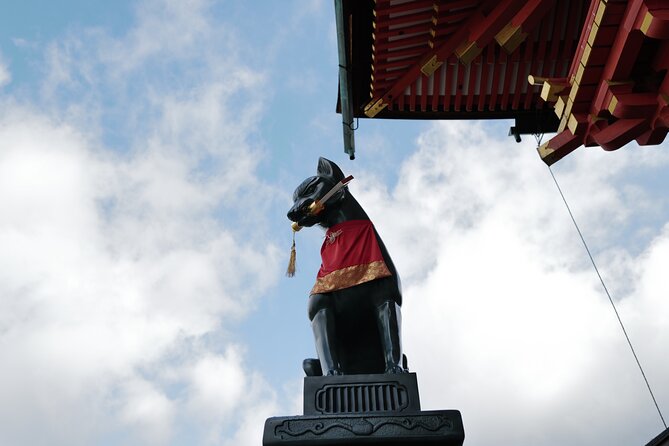
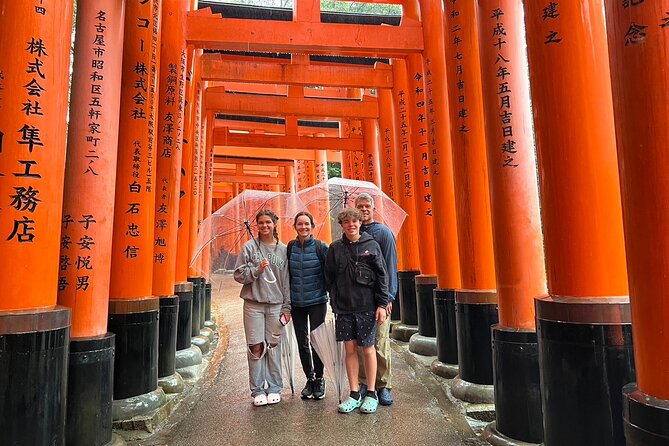
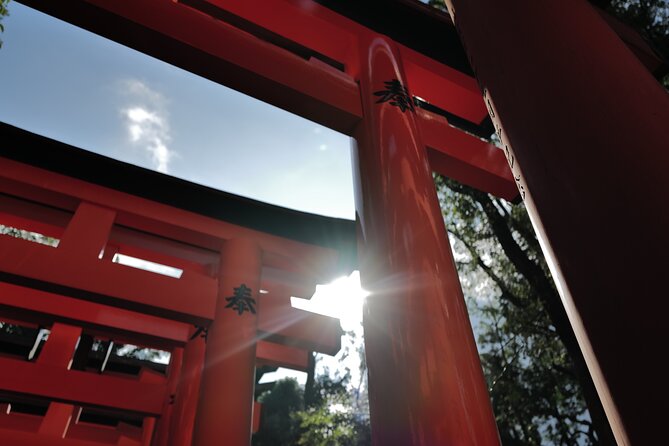
The shrine is famous for its rows of orange-red torii gates, which climb through the wooded slopes behind the main buildings. Your guide can do more than point out the gates. Guides such as Hinano, Haruki, and Rin have been praised for explaining Japanese customs, Shinto, and the meaning behind the site, helping you understand the difference between a shrine visit and a temple visit.
The 70-minute stop is long enough to see the main shrine area and walk into the torii-lined paths. It is not long enough for a full climb to the mountain summit, so you should think of this as a focused introduction rather than an exhaustive visit.
That limitation is sensible. Fushimi Inari can absorb half a day if you follow the trail high into the forest. On a tour that also includes Arashiyama and Kinkakuji, the guide has to keep the group moving. The reward is a chance to see one of Kyoto’s essential sights without spending the entire morning there.
This is also the stop where the early schedule matters most. The lower sections of Fushimi Inari tend to draw the heaviest crowds. Arriving first gives you more room to pause, look up through the gates, and take photographs before the path becomes congested.
Wear shoes with a good grip. The tour is not suitable for wheelchairs, strollers, or people who rely on a cane, and it is not designed for anyone with serious walking limitations.
Arashiyama and the bamboo forest
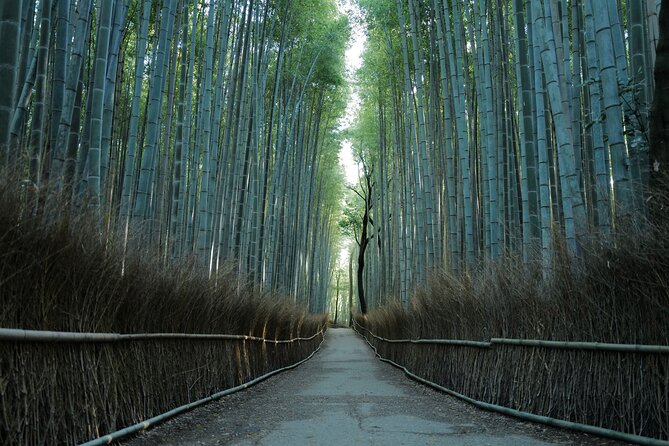
After Fushimi Inari, the group takes a train journey of about 30 minutes to Arashiyama. You spend around one hour exploring the district, including its famous bamboo forest.
Arashiyama offers a different mood from Fushimi Inari. The shrine is defined by gates, worship, and mountain paths. Arashiyama is known for tall bamboo, temple grounds, river scenery, and a broader sightseeing district. The bamboo grove is the headline attraction, but your guide adds value by explaining the setting and directing you through the area instead of leaving you to find the main path alone.
An hour is enough for a useful visit, but it is not a full tour of every corner of Arashiyama. You should not expect a long meal stop, extensive shopping time, or a leisurely exploration of every temple. The tour is built around the major sight, not an entire day in the district.
That tradeoff works well for a first morning in Kyoto. You get the bamboo forest, learn how the area fits into the city, and avoid giving one district the entire day. Several guides are also praised for taking photographs at the key stops. That can be handy in Arashiyama, where it is easy to spend your whole visit trying to get a clear picture.
Weather will affect this stop. Bamboo can be atmospheric in cold or wet conditions, and one winter visit found the forest especially memorable in snow. On the other hand, rain and cold make the walking sections less comfortable. The tour continues in poor weather, so check the forecast and dress for the season.
Same city, a completely different kind of day:
- PERFECT KYOTO 1-Day Bus Tour
★ 5.0 · 13,518 reviews - Kyoto: Fushimi Inari, Kinkakuji, Bamboo Grove 1 Day Bus Tour
★ 4.8 · 4,316 reviews - Kyoto: Tea Ceremony in a Traditional Tea House in Kiyomizu
★ 4.9 · 3,519 reviews - Kyoto Geisha Walking Tour: Gion District & Hidden Gems
★ 4.7 · 3,273 reviews
Kinkakuji: the Golden Pavilion at the end
From Arashiyama, the itinerary continues by train for about 15 minutes, followed by a bus ride of about 20 minutes to Kinkakuji. The temple visit lasts roughly one hour before you return to Kyoto Station.
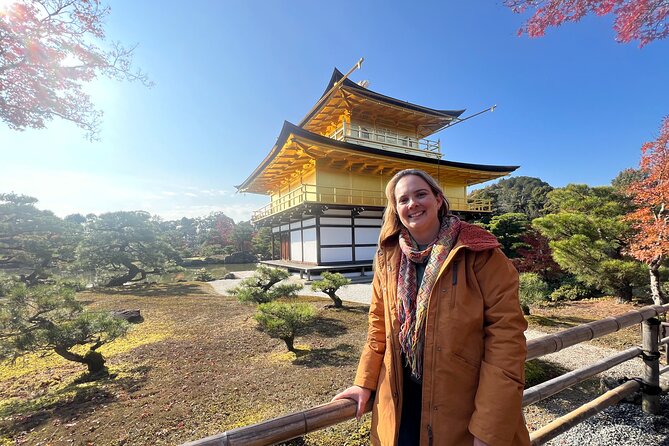
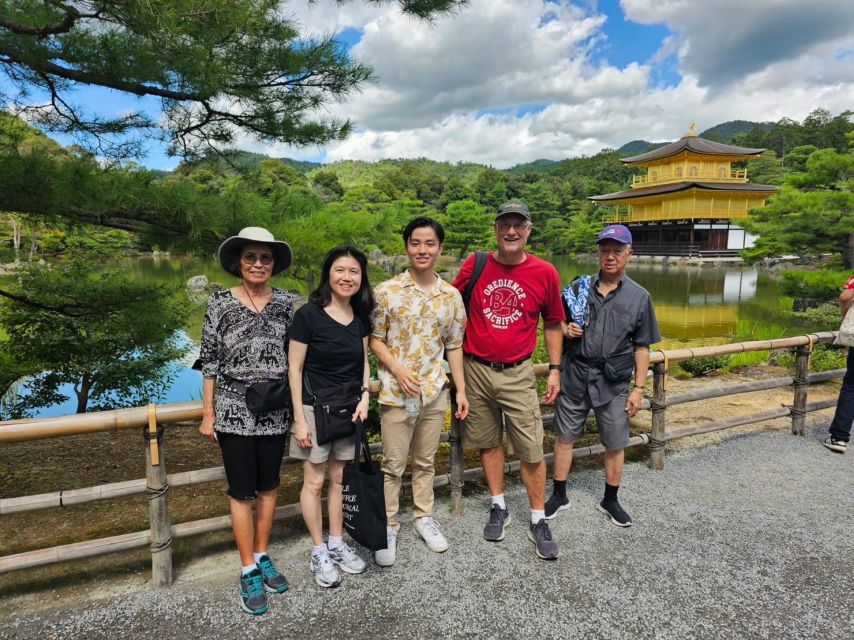
Kinkakuji, often called the Golden Pavilion, is Kyoto’s great postcard sight. The pavilion’s gold exterior reflects across a pond, with carefully arranged trees and garden space around it. A guide can explain the temple’s Buddhist setting and the layers of history behind the building, rather than reducing the stop to a quick photograph.
The timing here is the least predictable part of the morning. Kinkakuji comes third, and by then the site may be busy. Sunday schedules and heavy demand can also mean waiting for a bus. One tour had a bus problem in snowy weather and reached the temple by taxi instead. That shows the value of having a guide who can adjust the plan, but it also confirms that public transport brings normal Kyoto delays.
The entry fee is 500 yen and is not included. The pavilion itself is viewed from the garden route, so this is not a stop where you enter the famous golden building. The attraction is the exterior, the pond, and the surrounding temple grounds.
I like ending here because the Golden Pavilion provides a strong final image before lunch. I would also set realistic expectations. If Kinkakuji is your top priority, you may prefer to visit it first on another day, when you can control your arrival time. On this tour, it is the final major sight after two other districts and several transport connections.
Public transport is part of the lesson
The tour uses trains, buses, and walking. It does not include a private coach, and transport costs are separate, estimated at about 1,240 yen. Bring cash and an IC card such as SUICA, ICOCA, or PASMO, or use a JR Pass if appropriate.
For some people, this is the tour’s best feature. Kyoto’s public transport can seem confusing at first, particularly when you are trying to connect distant sights in one morning. Following a guide from Kyoto Station to Fushimi Inari, then on to Arashiyama and Kinkakuji, gives you a practical lesson in the system.
You also avoid the limits of a large sightseeing bus. The group can use regular local transport and walk directly into the districts. Guides such as Leo and Aya have helped participants understand how to use Kyoto trains and buses for the rest of their stay.
The downside is that you experience the transport system as it really is. You may stand on a train, wait for a bus, or adjust the plan when service is slow. This is not a flaw unique to the tour. It is simply the price of seeing three spread-out sights in one morning without a private vehicle.
What the guide adds to the morning
The guide is the main reason to book rather than copy the route from a map. The sights are easy to name, but they are more rewarding when you understand the difference between Shinto and Buddhism, the purpose of a torii gate, and why each temple or shrine matters.
Guide quality can vary from person to person, but the feedback is unusually consistent. Haruki is praised for friendly humor, strong English, photo help, and his ability to engage children. Aya is often described as energetic, patient, and helpful with restaurant suggestions. Hina and Hinano receive praise for clear explanations and thoughtful attention to the group.
Rin is noted for stories and anecdotes about Japanese history, Shinto, and Buddhism. Guides including Ramu, Natsuki, Genki, Koi, and Chihiro have also been praised for answering questions, keeping a comfortable pace, and offering advice for Kyoto and Osaka.
I would not book expecting a private guide who will redesign the day around one personal interest. The group can include up to eight people, and the schedule has fixed stops. But the small size leaves room for questions, photographs, and useful conversations on the trains and during the walks.
Is $101 a fair price?
The price is $101 per person. You still pay about 1,240 yen for transport and 500 yen for Kinkakuji, and lunch is not included. That makes the true morning cost higher than the headline price.
For a solo visitor, couple, or family on a short Kyoto stay, the price can make sense. You are paying for route planning, an English or Korean speaking guide, cultural explanations, group coordination, and the ability to see three distant highlights before lunch. Doing all three alone is possible, but it requires careful timing and confidence with Kyoto’s rail and bus network.
The value is weaker if you already understand the transport system, prefer long visits at one site, or plan to spend several days in Kyoto. You could divide the attractions across separate mornings and explore each at your own pace.
I see this as a time-saving orientation tour, not a bargain sightseeing pass. It is most useful during a short stay, on a first visit, or at the start of a longer Japan trip when you want to learn how Kyoto works.
Who should book it?
I would recommend this tour to you if:
- You have only a short time in Kyoto.
- You want the city’s three most recognizable sights in one morning.
- You prefer explanations and local context rather than sightseeing alone.
- You are comfortable walking for several hours.
- You want help with trains and buses.
- You like meeting a few other people rather than hiring a private guide.
I would look elsewhere if you use a wheelchair, need a stroller, rely on a cane, have a heart condition, or want a slow day with long breaks. The tour is also not suitable for babies under one year or people over 95.
Bring comfortable shoes, cash, your IC card or JR Pass, and clothing suited to the forecast. You should also be ready for stairs, station transfers, changing crowds, and a schedule that may finish roughly 30 minutes earlier or later than the estimated 330 minutes.
My booking verdict
Book this if you want an efficient first look at Kyoto and are willing to trade flexibility for structure. The early start, small group, and guide support turn a complicated route into a manageable morning, while the three stops cover the city’s most familiar images: red torii gates, bamboo, and the Golden Pavilion.
I would especially choose it for a first Kyoto visit of two or three days. You will finish with the afternoon free and a better sense of how to use public transport. If you have a longer stay or already know Kyoto well, spend a full morning in one district instead.
The strongest choice is to book for the format, not a particular named guide, since guide assignment can change. Expect useful background, friendly help, and good photo opportunities, but also expect walking, public transport costs, and a firm departure time.
FAQ
How long does the Kyoto morning tour last?
The stated duration is 330 minutes, or about five and a half hours. The actual finish can vary by roughly 30 minutes before or after the estimated time.
Where does the tour begin?
It begins at Kyoto Station Central Ticket Gate, near Kyoto Tower and a nearby Seven-Eleven. The guide carries a GuideMe Japan board and contacts participants through WhatsApp.
Where does the tour finish?
The tour returns to Kyoto Station.
Is this a private tour?
No. It is a small-group tour with up to eight participants.
Does the tour use a sightseeing bus?
No. It is a walking tour using public trains and buses. Transportation costs are not included and are estimated at about 1,240 yen.
What entrance fee must I pay?
Kinkakuji requires a 500 yen entrance fee, which is not included in the tour price.
Which languages are available?
The tour is available with an English or Korean speaking guide.
Is the tour wheelchair or stroller accessible?
No. The tour is not wheelchair or stroller accessible and is not recommended for people who use a cane. Babies under one year, people with heart problems, and people over 95 are also listed as unsuitable for the activity.
Just added around Kyoto
- Taste of Nishiki Market Walking Food Tour with Local guide★ 5.0 · 17 reviews
- Kyoto: Sushi Making Class with Sushi Chef★ 4.8 · 64 reviews
- Kyoto: City Secrets eBike Tour★ 4.9 · 196 reviews
- Sacred Pathways: Discover the Philosopher’s Path of Kyoto★ 4.9 · 20 reviews
- Private Tour to Monkey Park and Arashiyama Highlights★ 5.0 · 22 reviews
- Private Nara Tour from Osaka – Meet at Your Hotel★ 5.0 · 22 reviews
- Private Sake Tasting in Central Kyoto with Sake Sommelier★ 5.0 · 13 reviews
- Kyoto : Private Custom Walking Tour With A Local Guide★ 4.6 · 144 reviews
Morning, compared.
Kyoto Early Morning Tour with English-Speaking Guide
Read our review →
World Heritage Shirakawa-go Morning Guided Tour
Read our review →
Nara Early Morning Tour (Kyoto or Osaka Departure Available)
Read our review →

Hiroshima in a Nutshell: Morning Bike Adventure
Read our review →

Browse the lists this tour appears in