
REVIEW · JAPANESE COOKING CLASSES
Sushi Making Experience Class in Naha Makishi Public Market
Makishi Public Market is the setting, but the real treat is choosing fresh Okinawan fish and turning it into your own sushi. You tour the market first, then sit down for an instructor-led lesson before eating the eight pieces you make.
I like the direct link between the market and your meal, and I like the small cultural details: local fish, green tea, gari, and an optional cup of sake or beer. The main consideration is the price, $164.72 per person, which is a serious outlay for a 2.5-hour class.
In This Review
- Key points
- Starting with Fish at Makishi Public Market
- Making Eight Pieces with the Class Instructor
- Eating the Sushi You Prepared Yourself
- Sake, Beer, and the Extra Cost of a Drink
- Is $164.72 Good Value in Naha?
- Who Will Enjoy This Two-and-a-Half-Hour Class?
- Timing, Meeting Point, and Practical Details
- What the Reviews Tell You About the Experience
- Should You Book the Makishi Public Market Sushi Class?
- FAQ
- Where does the sushi-making experience take place?
- How long does the activity last?
- What happens during the experience?
- How many pieces of sushi do I make?
- Can the sushi ingredients change?
- What food is included besides sushi?
- Are drinks included in the price?
- Is an apron provided?
- Is transportation included?
- How many people can join the class?
- What happens if the provider cancels because there are too few participants?
- Can I cancel for a refund?
Key points
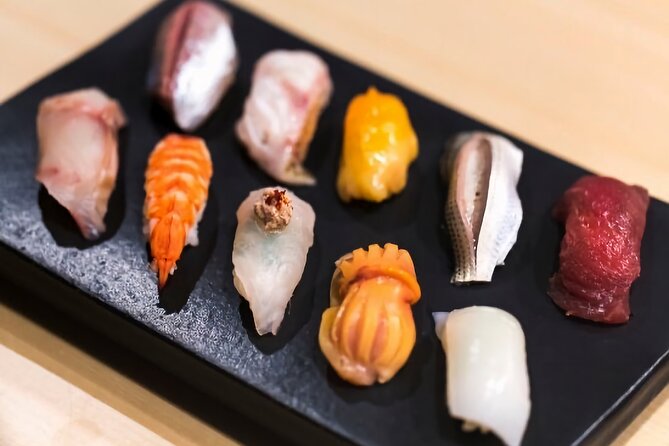
- Eight pieces of sushi: Fish may include mibai, red machi, irabucha, local bonito, local tuna, kubushimi, salmon, and other seasonal choices.
- Market-first format: You visit fresh fish shops inside Makishi Public Market before making your meal.
- Helpful teaching: The class includes an instructor, and an interpreter may assist international participants.
- A taste of Okinawa: The fish selection can include species that are strongly tied to local waters and dining culture.
- Optional drinks: Sake starts at 1,000 yen and beer at 500 yen, sold separately.
- Small-group limit: The class accepts no more than 20 people and ends where it begins.
Starting with Fish at Makishi Public Market
This class gets its best idea right: you see the ingredients before you handle them. At Makishi Public Market, you tour the fresh fish stalls with the class team and help connect the meal on your plate with the market around you.
That matters in Okinawa. A sushi lesson in a plain classroom could teach you how to shape rice, but this one places the food in its local setting first. You are not simply handed a tray of prepared ingredients. The market visit gives the meal a sense of place.
The tour begins with reception at the market, located at 2-chōme-10-1 Matsuo in Naha. The activity remains at this location, so you do not spend the session moving between several parts of the city. The meeting point is also near public transportation, which helps if Makishi Public Market is one stop on a full Naha day.
The market portion is not just shopping time. Your instructor shows you the fish used for the sushi, and the group learns about the products sold there. You may see fish such as mibai, red machi, irabucha, stew machi, local bonito, local tuna, kubushimi, and salmon on the menu, though the exact choices change with the season.
That seasonal note is important. Do not book this expecting one fixed list of fish. The selection depends on what is available, so the class has a local-food advantage but not a guaranteed menu.
More japanese cooking classes in Naha:
- Sushi Making Tokyo Roll and Authentic Japanese Sushi Class
★ 5.0 · 3,971 reviews - Tokyo: Roll and Authentic Sushi Making Class in Asakusa
★ 4.9 · 1,957 reviews - Ramen Cooking Class at Ramen Factory in Kyoto
★ 5.0 · 1,937 reviews
Making Eight Pieces with the Class Instructor
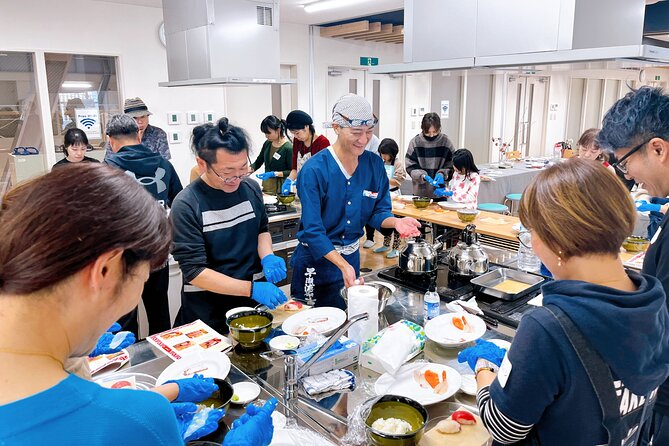
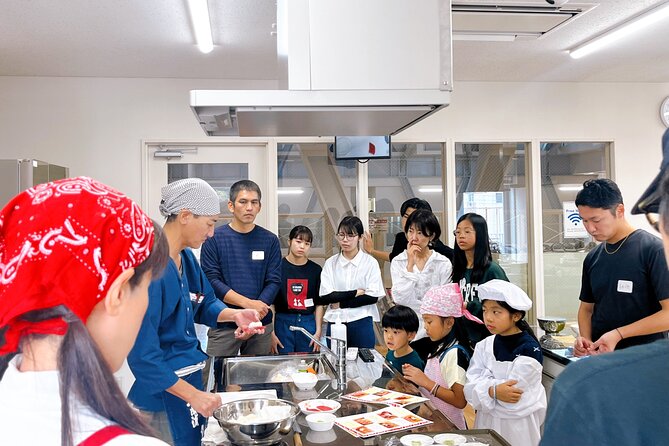
After the market tour, you move into the sushi-making part of the experience. The instructor demonstrates the process, then you prepare your own eight pieces. The class is designed for participation, not for watching a chef work from a distance.
The available information does not spell out every hand movement or technique, so you should think of this as a practical introduction rather than a professional sushi course. You will learn enough to shape and assemble the sushi under guidance, then sit down and eat what you made.
That format works well for first-time cooks and for families or friends who want an activity they can share. It also gives the instructor room to keep the lesson approachable. The purpose is to enjoy local food and learn a skill, not to test you with restaurant-level precision.
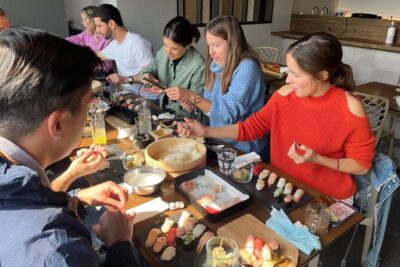
A class of up to 20 people can feel fairly social. That is useful if you like meeting people around a shared meal, though it may feel less personal than a private lesson. The class format also means your pace may follow the group rather than your own schedule.
One especially useful detail comes from the teaching team. A guide identified in English as I was praised for being fun, patient, and informed, while an interpreter helped make the lesson easier for an international group. The supplied details do not provide the guide’s full name, and the instructor may vary, but you can expect language support to be part of the experience when needed.
Eating the Sushi You Prepared Yourself
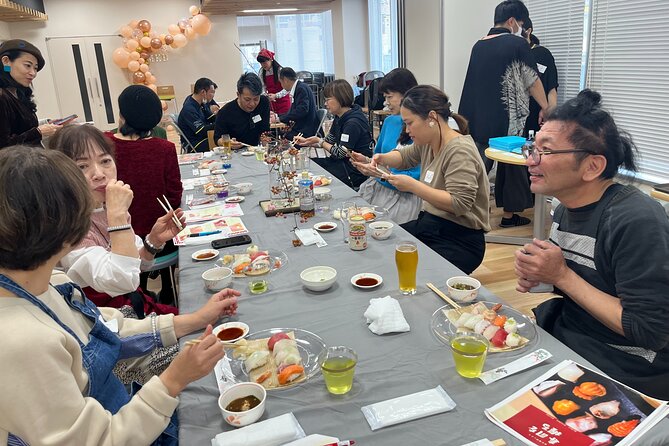
The meal includes eight pieces of sushi, plus red soup stock, gari, and green tea. Gari is the familiar pickled ginger served with sushi, while the soup and tea round out the meal without adding another charge.
Eight pieces is a modest meal for some people and a full light lunch for others. The class is best judged as a food activity with instruction, not as a large restaurant meal. If you arrive very hungry, keep that in mind.
The most satisfying part is the connection between effort and meal. You watch the fish being selected, learn the basic process, and then eat the result with the other class members. Even if your sushi is not perfectly shaped, it has a story attached to it.
The fish itself is the main reason to pay attention to the market tour. Names such as mibai, irabucha, and kubushimi may be unfamiliar if you usually order salmon or tuna. Seasonal changes mean you may get a chance to try something more local, though no specific fish can be promised.
You also receive a RYUKYUMONO original tenugui towel as a bonus. A tenugui is a traditional Japanese cloth towel, and this is a more useful souvenir than a fragile knickknack. The towel is included in the price, along with all fees and taxes and use of the galley.
Sake, Beer, and the Extra Cost of a Drink
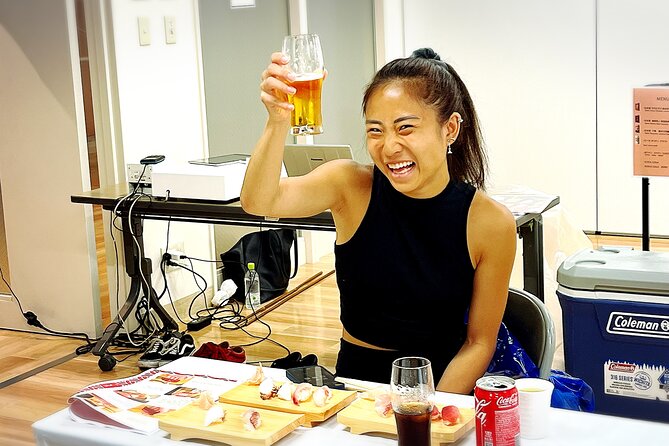
The class has an optional drink element. Sake costs from 1,000 yen, and beer costs from 500 yen. These are additional purchases, not part of the listed tour price.
A drink can make the shared meal feel more like a casual market gathering, especially if you enjoy sake with sushi. It is still wise to treat it as an add-on rather than part of the value calculation. The class already costs $164.72 per person, before drinks.
The minimum drinking age is 18. If you are booking for a mixed-age group, the food and sushi lesson remain the main activity, while alcohol is simply available to eligible participants.
You also need to bring your own apron if you want one. Aprons are not provided. This is a minor point, but it is worth remembering if you are wearing clothing you want to keep especially clean.
A few more Naha trips to weigh up
- Tokyo Tsukiji Fish Market Food and Culture Walking Tour
★ 5.0 · 3,184 reviews - Tokyo: Tsukiji Fish Market Food and Walking tour
★ 5.0 · 1,724 reviews - Tokyo: Tsukiji Fish Market Guided Walking Tour
★ 4.9 · 1,397 reviews - Nishiki Market Brunch Walking Tour (7 Tastings + Brunch)
★ 5.0 · 1,355 reviews
Is $164.72 Good Value in Naha?
At $164.72 per person, this is not a bargain cooking lesson. You are paying for more than eight pieces of sushi, but the value depends on how much you want the market visit, instruction, local fish, and shared setting.
I would consider the price easier to justify if you place high value on food experiences that connect directly with local producers and markets. The experience combines a guided market visit, a sushi lesson, a meal, tea, soup, the towel, and taxes. It also gives you a planned cultural activity in central Naha lasting about two and a half hours.
I would find the cost harder to justify if your main goal is simply to eat excellent sushi. In that case, a restaurant meal could be a better use of your money. This class is selling participation and context, not only food.
The group discount feature may improve the total value for a party, though the available details do not state the discount amount. If you are booking with friends or family, check the final price before committing.
The strong public rating, 4.9 out of 5 from 35 ratings, and 94 percent recommendation figure suggest that the format has worked well for many people. Still, a high score does not change the basic calculation: you should want the market tour and the hands-on lesson, not just the sushi.
Who Will Enjoy This Two-and-a-Half-Hour Class?
I would recommend this experience to you if you like food with a local setting. The market visit gives you a better sense of Okinawan ingredients than a standard cooking studio, and the meal gives you something immediate to enjoy at the end.
It also suits first-time sushi makers. The class is guided, and the positive comments about patience and clear support point to a welcoming teaching style. You do not need to arrive as a skilled cook.
Families can also find a good fit here, provided everyone is comfortable with a group class and the price works for the whole party. The activity has a maximum of 20 participants, so it is not an intimate private lesson, but it offers a shared project for a small group.
Food-focused visitors will get the most from the seasonal fish list. If you already know local Okinawan fish or want to try beyond standard salmon and tuna, pay close attention to what is available on the day.
I would be cautious about booking it for someone who dislikes group activities, has a very tight schedule, or wants a long, elaborate meal. The class follows a set sequence: reception, market tour, sushi making, then eating. Its strength is the complete package, not flexibility.
Timing, Meeting Point, and Practical Details
The class lasts about 2 hours and 30 minutes. That is long enough for the market visit and lesson without taking an entire day, but you should avoid scheduling a rushed appointment immediately afterward.
You meet at Makishi Public Market and return to the same place when the activity ends. This makes planning simple. The market is near public transportation, and the fixed meeting point avoids the confusion of a tour that changes locations during the lesson.
Confirmation is provided when you book. The activity accepts a maximum of 20 participants, and it requires a minimum number to operate. If that minimum is not reached and the provider cancels, you are offered another date or experience, or a full refund.
The cancellation rule is strict. Your booking is non-refundable and cannot be changed for any reason. I would only reserve this once your Naha plans are firm.
Since aprons are not supplied, bring one if you want extra protection for your clothing. All fees and taxes are included, and the cooking area is included in the cost. Alcohol is the only clearly listed food or drink extra.
What the Reviews Tell You About the Experience
The highest praise focuses on three things: the instructor, the market and cultural setting, and the food itself. That combination is useful because it shows where the experience earns its strong rating.
The teaching style receives particular attention. A guide known in English as I was described as fun, patient, and informed, while another group valued the interpreter as a bridge between the class and the local setting. If you worry about following a sushi lesson in Japan, that language support is an important point.
The market visit also carries real weight. A group of four enjoyed learning about the market’s past and its food culture before making sushi. That tells me the class is not built only around a quick demonstration. The market gives the instructor material to explain and gives you a better reason to care about the ingredients.
Finally, the food needs to work. The comments point to sushi that participants found delicious, which is reassuring, but taste is personal and the fish changes by season. Your meal will depend on the day’s available ingredients and on how confidently you follow the instruction.
The provider’s warm responses also suggest an involved teaching team that pays attention to participant feedback. That does not guarantee a particular instructor or outcome, but it supports the picture of a small operation that takes the class personally.
Should You Book the Makishi Public Market Sushi Class?
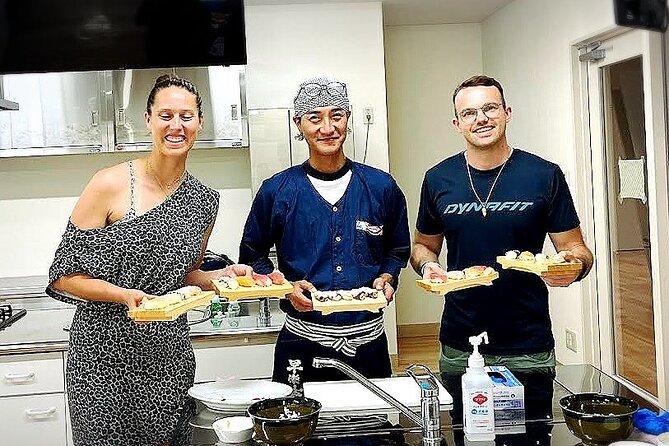
Book it if you want a hands-on Okinawan food experience and you like the idea of learning where the ingredients come from. The market tour, seasonal fish, patient teaching, eight pieces of sushi, soup, tea, and tenugui towel create a fuller experience than a meal alone.
Skip it if $164.72 feels too high for a short class, if you want a private lesson, or if your only goal is to eat sushi. The price makes sense for the cultural setting and participation, not for quantity.
For the right person, this is a memorable way to spend part of a Naha day. You leave with a meal you made yourself, a closer look at Makishi Public Market, and a useful cloth souvenir. Just book only after checking your schedule, and bring an apron if you want one.
FAQ
Where does the sushi-making experience take place?
The experience takes place at Makishi Public Market in Naha, at 2-chōme-10-1 Matsuo, Naha, Okinawa 900-0014, Japan.
How long does the activity last?
The activity lasts approximately 2 hours and 30 minutes.
What happens during the experience?
The schedule includes reception, a tour of fresh fish shops in Makishi Public Market, a sushi-making lesson, and a meal where you eat the sushi you prepared.
How many pieces of sushi do I make?
You make eight pieces of sushi. The fish may include mibai, red machi, irabucha, stew machi, local bonito, local tuna, kubushimi, salmon, and other seasonal choices.
Can the sushi ingredients change?
Yes. The ingredients may change according to the season and the fish available at the market.
What food is included besides sushi?
The meal also includes red soup stock, gari, and green tea.
Are drinks included in the price?
Alcoholic drinks are not included. Sake is sold from 1,000 yen and beer from 500 yen. They are available for an additional fee.
Is an apron provided?
No. Aprons are not provided, so you should bring one if you want to wear one during the lesson.
Is transportation included?
The activity takes place at the meeting point and is near public transportation. The supplied information does not state that transportation to the market is included.
How many people can join the class?
The activity accepts a maximum of 20 participants.
What happens if the provider cancels because there are too few participants?
You are offered a different date or experience, or a full refund.
Can I cancel for a refund?
No. The experience is non-refundable and cannot be changed for any reason after booking.
More Workshops in Naha
- Kintsugi Workshop in Naha, Okinawa
★ 5.0 · 79 reviews - Kyoto: 45-Minute Tea Ceremony Lesson Experience
★ 4.3 · 2,378 reviews - Tokyo Shinjuku Chopsticks Making Class
★ 5.0 · 1,763 reviews - Tokyo: Sushi Making Class in a Happi Coat near a Famous Spot
★ 4.9 · 1,377 reviews
More Shopping Tours in Naha
- Tsukiji Fish Market Guided Tour and Sushi Making with Pro Chef
★ 5.0 · 775 reviews - Tokyo: Tsukiji Fish Market Food and Culture Walking Tour
★ 4.7 · 757 reviews - Tsukiji Fish Market: Street Food & Culture Walking Tour
★ 5.0 · 669 reviews - Tsukiji Fish Market Small-Group Food Walking Tour
★ 5.0 · 621 reviews
Just added around Naha
- Zodiac Shrines and Naha Backstreets Cycling Tour★ 5.0 · 29 reviews
- E-Bike Nature Tour in Shuri★ 5.0 · 25 reviews
- Port Pick-Up: Naha Private Tour Licensed Guide& Vehicle★ 4.5 · 16 reviews
- Tokashiki Island Day Trip from Naha★ 4.0 · 15 reviews
- Karate History Tour in Okinawa★ 5.0 · 42 reviews
- Kintsugi Experience in Naha, Okinawa – Art from Broken Pieces!★ 5.0 · 28 reviews
- Okinawa 2-Hours Genuine Kendo/Samurai Experience in Japan★ 5.0 · 28 reviews
- Okinawa:Kerama Islands experience Diving/Snorkeling/WhaleWatching★ 4.5 · 16 reviews
Japanese Cooking Classes, compared.
Sushi Making Tokyo Roll and Authentic Japanese Sushi Class
Read our review →
Roll and Authentic Sushi Making Class in Asakusa
Read our review →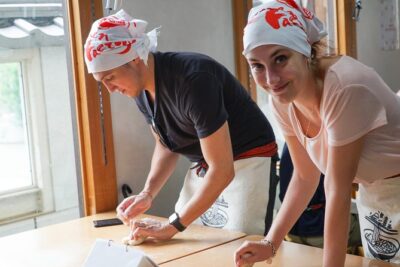
Ramen Cooking Class at Ramen Factory in Kyoto
Read our review →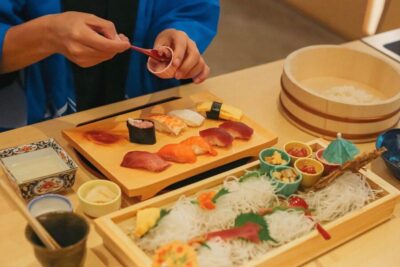
Sushi Making Class in a Happi Coat near a Famous Spot
Read our review →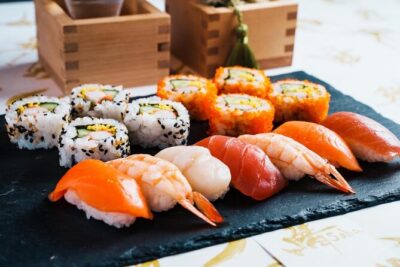
Sushi Making Osaka Roll and Authentic Japanese Sushi Class
Read our review →
Tokyo Sushi Making Class in Tsukiji with Professional Chef
Read our review →
Ramen & Gyoza Cooking Class in Tokyo with Local Supermarket Visit
Read our review →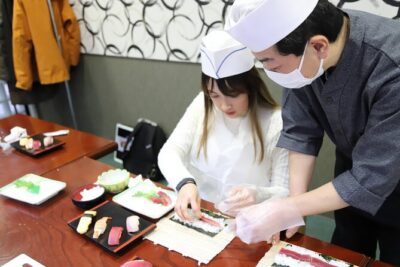
Tsukiji Fish Market Guided Tour and Sushi Making with Pro Chef
Read our review →Browse the lists this tour appears in