
REVIEW · CYCLING TOURS
Zodiac Shrines and Naha Backstreets Cycling Tour
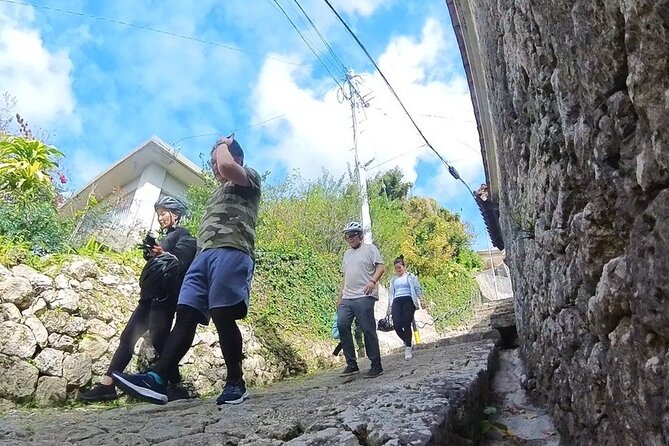
Naha’s best stories often sit beyond its main shopping streets. This small-group cycling tour takes you through quiet lanes and uphill roads to zodiac shrines, Buddhist temples, sacred water, and royal burial sites, linking everyday worship with Okinawa’s Ryukyu Kingdom past.
I like the electric bicycles, which make Shuri’s hills far less tiring, and the tiny group size, capped at five people. I also like the practical cultural angle: your guide explains what people are doing at each site, and you receive a goshuin-cho pilgrimage book to record the places you visit.
The main consideration is traffic. Part of the ride uses busy streets, and weather matters in Okinawa. The tour lasts about four hours, but one reported outing took 2.5 hours, so ask about the day’s pace if you have firm plans afterward.
In This Review
- Key points to know before booking
- Why this Naha bike tour feels different
- Electric bikes make the Shuri climb manageable
- Shuri Kannondo and the guardian of the kingdom
- Ankoku-ji Temple and old Naha lanes
- Shuri Castle’s vermilion ceremonial gate
- Sairaiin, the Daruma Temple
- Seikoji and a sudden pocket of quiet
- Shuritobarucho, the spring in the forest
- Sogenji-dori and the royal mausoleum area
- The guide makes the difference
- Is the $108.72 price fair?
- Who should book this ride?
- Final verdict: a smart choice for curious cyclists
- FAQ
- Where does the Zodiac Shrines and Naha Backstreets Cycling Tour begin?
- Where does the tour end?
- How long does the cycling tour last?
- How many people can join the tour?
- Is the bicycle included in the price?
- Are food and drinks included?
- Can young children join?
- What happens if the weather is bad?
- Can I cancel for a full refund?
Key points to know before booking
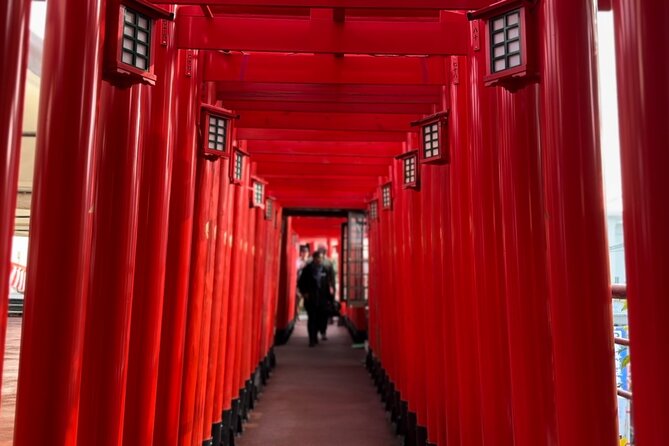
- Seven religious and historic stops: Visit temples, shrines, a sacred spring, Shuri Castle’s ceremonial gate, and a royal mausoleum area.
- Electric bikes included: The motor support is especially useful on the climb toward Shuri.
- A true small-group outing: The maximum is five people, allowing room for questions and help with photos.
- Local guides add personality: Maria, Jojo, Reija, and Sally are named in the tour feedback, with Jojo especially noted for photos and open conversation.
- Pilgrimage details are part of the fun: You receive a goshuin-cho, plus snacks, but bottled water is not included.
- Weather can change the plan: If rain probability is above 70 percent or conditions are severe, the operator may reschedule or refund.
Why this Naha bike tour feels different

Many Naha outings focus on Kokusai Street, markets, or the grand remains of Shuri Castle. This ride takes a quieter route. You pedal through back lanes where traditional houses still appear, then stop at places of worship that continue to serve local people.
The theme is a pilgrimage to Naha and Shuri’s zodiac shrines. That gives the ride a useful structure. You are not simply checking off monuments. At each stop, you can ask about the deity, the worship customs, and the connection to Okinawa’s royal past.
The tour begins near Makishi Monorail Station, only about a one-minute walk from the station. That is handy if you are staying elsewhere in Naha and do not want to arrange a taxi. You pick up your electric bicycle, receive a short safety briefing, and set off with a helmet.
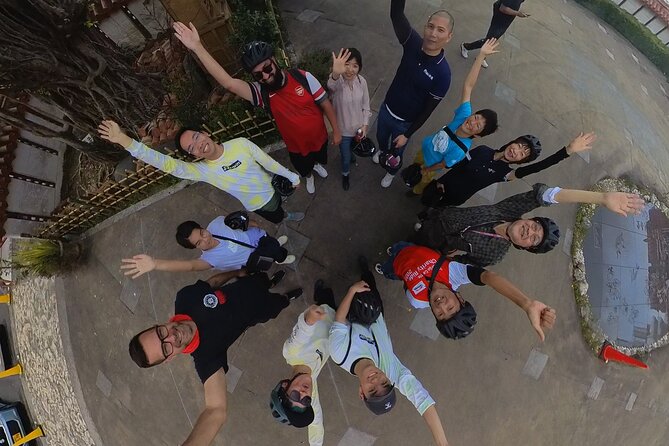
The group limit of five is a real advantage. A guide can explain a carving without shouting over a crowd, and you can stop for a photo without holding up twenty other people. It also means the experience may feel more like a guided ride with a local than a standard sightseeing circuit.
A few more Naha trips to weigh up
- Afternoon Adventure: Okinawa Local Cycling with Spectacular Views
★ 5.0 · 92 reviews - Naha: Guided E-Bike Tour of the 12 Zodiac Temples
★ 4.9 · 50 reviews - E-Bike Nature Tour in Shuri
★ 5.0 · 25 reviews
Electric bikes make the Shuri climb manageable
Naha is not flat, especially once you head toward Shuri. The electric bicycles are one of the tour’s most important inclusions, not just a nice extra. You still pedal, but the motor takes the edge off the hills and lets you pay attention to the surroundings instead of counting every slope.
You receive a helmet, and the staff provide a brief orientation before departure. Camera mounts and phone holders are not included, so bring a secure way to carry your phone if you want to take pictures while riding. Do not expect to use your phone casually in your hand on the road.
The cycling is not confined to peaceful lanes. One person specifically noted that part of the ride uses busy streets. That is worth taking seriously if you are nervous on a bicycle or have not ridden in city traffic recently. The guide leads the route, but you remain responsible for following road rules and riding at a comfortable pace.
The payoff is access. A bicycle lets you connect several sites in one morning or afternoon without waiting for buses or returning to a central station between stops. The route also gives you short glimpses of ordinary Naha, including traditional homes and streets that most sightseeing plans skip.
Shuri Kannondo and the guardian of the kingdom

The first major stop is Shuri Kannondo, a bright vermilion temple with views across Shuri. Here you can see Kannon Bodhisattva, described as the guardian deity of the Ryukyu Kingdom, along with carved details and decorative ornaments.
This is an excellent early stop because it introduces the tour’s central idea: Okinawan worship is not limited to one religious tradition. Buddhist figures, local gods, ancestors, royal memory, and sacred natural places all appear along the route.
The city view adds another layer. You are not visiting the temple in isolation. From the hill, you can see how Shuri sits above Naha, and the color of the temple gives you a clear visual link to Okinawa’s familiar ceremonial style.
Plan to listen closely here. The stop is listed at about 20 minutes, enough for an explanation and photographs, but not for a long independent visit. The guide helps you notice the carvings and ornaments instead of simply pointing out the building and moving on.
Ankoku-ji Temple and old Naha lanes

The ride continues through a local part of Naha where several traditional houses remain. That short stretch may be as useful as the temple itself. It shows you a side of the city that is easy to miss when you move only between major attractions.
Ankoku-ji has practiced Okinawan Buddhism for more than 500 years. The site brings a long religious timeline into an ordinary neighborhood setting. You may see an ancient tree and older architectural details beside newer urban surroundings, a reminder that Naha’s past has not been preserved in one isolated museum district.
The stop lasts about 20 minutes. Ask your guide how the temple fits into Okinawa’s Buddhist traditions and how local worship differs from what you might see at a large temple elsewhere in Japan. The value here comes from explanation. Without context, the site could look modest. With context, it becomes part of the living story of the city.
Same city, a completely different kind of day:
- Official Street Go-Kart Tour – Okinawa Shop
★ 5.0 · 699 reviews - Naha: North Okinawa Sightseeing Tour & Churaumi Aquarium
★ 4.4 · 472 reviews - Okinawa: From Naha: Kerama Islands 1-day snorkeling tour
★ 4.4 · 423 reviews - From Naha: Tokashiki Island Day Trip by Boat
★ 4.3 · 385 reviews
Shuri Castle’s vermilion ceremonial gate
The Shuri Castle visit on this tour centers on a special ceremonial gate. You can pose with your bicycle in front of its vermilion facade, which has the balanced design and bold color many people associate with Okinawa.
The tour does not present itself as a full castle visit. The listed stop is about 20 minutes and focuses on the gate and photograph. That distinction matters. If you want extensive time inside the castle grounds or a detailed look at every reconstruction, you should plan a separate visit.
Still, the stop works well within the cycling route. Shuri Castle is a symbol of Okinawa, and seeing it as one part of a wider network of shrines, temples, springs, and royal sites gives the castle more meaning. The bike photo also makes a pleasant record of the day, especially if your guide helps with the shot.
Sairaiin, the Daruma Temple
Sairaiin is known as the Daruma Temple, and it changes the mood of the ride. The temple attracts people who pray for good health and pregnancy, while also giving thanks for their present lives.
Bright red daruma dolls and decorative figures give the stop a strong visual identity. Daruma are familiar across Japan, but seeing them in this Okinawan setting adds another detail to the tour’s wider theme of ongoing worship.
This is a good place to ask about proper behavior before taking close-up photographs. The tour is built around religious sites that people still use, not just scenic backdrops. Your guide can help you observe respectfully and understand why people come here.
The stop is planned for about 20 minutes. It is long enough to take in the displays and ask questions, though anyone with a special interest in religious art may wish for more time. The small group helps here because the guide can spend a few extra moments explaining details that catch your attention.
Seikoji and a sudden pocket of quiet
At Seikoji, the route crosses a main road and passes beneath the elevated monorail. Then the setting changes quickly, and you arrive at a temple with a quieter, more sacred feeling.
The temple was rebuilt after the war, while an older Japanese pagoda remains beside it. That contrast is useful when thinking about Okinawa’s recent past. The island suffered heavy wartime damage, yet some older religious objects and places endured or were restored.
The route itself is part of the stop. You pass from traffic and concrete into a temple setting in only a few minutes. This is one of those moments when cycling makes sense: you feel the change in the city rather than simply arriving by vehicle.
Allow about 20 minutes. If you are interested in architecture, this may be one of the more rewarding pauses, since the newer temple and old pagoda sit together in a compact space.
Shuritobarucho, the spring in the forest
The sacred spring at Shuritobarucho adds a natural element to a route otherwise centered on buildings and city streets. According to the local story, water was found deep in the forest after an Okinawan princess noticed waterfowl nearby.
The spring connects royal memory, local legend, and the practical importance of water. You can see why a reliable source would become a sacred place, especially in a community where springs shaped daily life.
The stop is shorter, about 15 minutes. That should be enough to hear the story and look around, but do not expect a long forest walk. The appeal is the sudden change in setting and the sense that the place remains part of local tradition.
Bring water of your own. Bottled water is not included, and cycling in Okinawa can be hot even when the ride feels easy on an electric bike. Snacks are included, but they do not replace regular hydration.
Sogenji-dori and the royal mausoleum area
Near Sogenji-dori, you enjoy a downhill ride toward a sacred place where successive kings of the Ryukyu Kingdom were entombed. The descent should be welcome after the hills, though you will still need to ride carefully on city streets.
The site is now a park with clean air and a calmer feel, but the stone gate and old banyan tree preserve its connection to the royal burial grounds. This stop gives the tour a fitting final chapter. You have seen places of prayer, a spring tied to a princess, a castle gate, and now a site linked directly to the kingdom’s rulers.
The visit lasts about 15 minutes. It is not presented as a long mausoleum tour, so listen for the historical explanation and take in the gate and tree before returning to the bicycles.
Afterward, you ride back to the shop and return the equipment. The tour ends at its starting point, leaving you free to continue around Naha on your own.
The guide makes the difference
The strongest part of this experience is likely to be the guide’s ability to connect small details. Maria is praised for handling the route and explaining Okinawan culture. Jojo is described as friendly, open to questions, and willing to help with memorable photos. Reija led a private outing through temples and explained their meanings, while Sally guided a nature-focused variation that included the castle and other interesting areas.
Those names also show that the exact tone can vary by guide and by group. You should expect a personal, question-friendly experience, but the route may move faster or slower depending on weather, cycling ability, and how much explanation the group wants.
One outing ended with a stop at a handmade cookie shop, but that does not appear as a fixed part of the stated route. Treat it as a possible extra rather than a promise. The same applies to the reported 2.5-hour duration. The advertised duration is approximately four hours, while the shorter outing suggests that timing can change.
Is the $108.72 price fair?
At $108.72 per person, this is not the cheapest way to see Naha. The price includes an electric bicycle, helmet, guide, pilgrimage book, and snacks. It does not include bottled water, phone holders, or camera mounts.
The value depends on how you prefer to sightsee. If you want only the major castle area, a regular self-guided visit will cost less. If you want to reach several religious sites, understand their meaning, avoid planning the route yourself, and use an electric bike on the hills, the price is easier to justify.
The five-person maximum matters here. You are paying for a guided experience with room for conversation, not a large vehicle carrying a crowd from one landmark to another. I would consider it good value for someone who wants cultural context and active sightseeing in the same morning.
The tour is often reserved well ahead, with bookings averaging 37 days in advance. That suggests you should reserve early if it fits an important part of your Naha plans, especially since the group is so small.
Who should book this ride?
I would recommend it to people who have already seen the standard Naha sights or want a more personal introduction to Shuri. It suits adults who enjoy light activity, ask questions, and are comfortable riding in city traffic.
Families may also consider it. Children aged one to five can have a child seat attached to a parent’s bicycle, but you should consult the staff before booking. The small group may also work well for families who want flexibility.
I would be cautious if you dislike hills, busy roads, or outdoor plans that depend on the weather. The electric bicycle helps, but it does not remove the need to steer, pedal, and pay attention. If rain probability exceeds 70 percent or severe weather is expected, the operator may change the plan and will contact you the day before.
Free cancellation is available up to 24 hours before the start time. If poor weather cancels the experience, you can receive a different date or a full refund.
Final verdict: a smart choice for curious cyclists
Book this tour if you want to see Naha through its places of worship, local lanes, and royal connections rather than only its headline attractions. The small group, electric bicycle, and cultural explanations make it more personal and practical than a standard city circuit.
Skip it if you want a relaxed ride with no traffic, or if Shuri Castle is your only priority. For everyone else, this is a well-shaped half-day outing that gives you a pilgrimage book, a string of unusual stops, and a clearer sense of how Okinawan traditions remain part of daily life.
FAQ
Where does the Zodiac Shrines and Naha Backstreets Cycling Tour begin?
The tour begins at 3-chōme-13-20 Makishi, Naha, Okinawa 900-0013, Japan, near Makishi Monorail Station. The shop is about a one-minute walk from the station.
Where does the tour end?
The tour ends back at the shop where you return the bicycle. You can then continue exploring Naha on your own.
How long does the cycling tour last?
The stated duration is approximately four hours. One recorded outing took 2.5 hours, so the exact timing may vary.
How many people can join the tour?
The maximum group size is five travelers.
Is the bicycle included in the price?
Yes. The tour includes use of an electric bicycle and an Incom-installed cycling helmet.
Are food and drinks included?
Snacks are included. Bottled water is not included, so you should bring your own water.
Can young children join?
Children aged one to five can have a child seat attached to a parent’s bicycle. You should consult the staff for more information before booking.
What happens if the weather is bad?
If the precipitation probability is above 70 percent or severe weather is expected, the operator may change the plan and will contact you the day before. If the tour is canceled because of poor weather, you can choose a different date or receive a full refund.
Can I cancel for a full refund?
You can cancel up to 24 hours before the experience start time for a full refund. Cancellations or changes made less than 24 hours before the start time are not accepted for a refund.
Just added around Naha
- E-Bike Nature Tour in Shuri★ 5.0 · 25 reviews
- Port Pick-Up: Naha Private Tour Licensed Guide& Vehicle★ 4.5 · 16 reviews
- Tokashiki Island Day Trip from Naha★ 4.0 · 15 reviews
- Karate History Tour in Okinawa★ 5.0 · 42 reviews
- Sushi Making Experience Class in Naha Makishi Public Market★ 5.0 · 35 reviews
- Kintsugi Experience in Naha, Okinawa – Art from Broken Pieces!★ 5.0 · 28 reviews
- Okinawa 2-Hours Genuine Kendo/Samurai Experience in Japan★ 5.0 · 28 reviews
- Okinawa:Kerama Islands experience Diving/Snorkeling/WhaleWatching★ 4.5 · 16 reviews
Cycling Tours, compared.




3h Tokyo E-Bike Tour: Hidden Gems, and Local Life with guide
Read our review →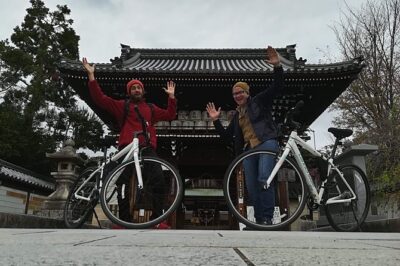
Arashiyama Bamboo Forest & Hidden Gems Bike Tour (Early Bird)
Read our review →
Hiroshima in a Nutshell: Morning Bike Adventure
Read our review →
5 Top Highlights of Kyoto Full Day Bike Tour (E-bike option)
Read our review →Browse the lists this tour appears in