
REVIEW · SNORKELING
Okinawa: From Naha: Kerama Islands 1-day snorkeling tour
The best part of this Naha boat trip is the chance to visit three different snorkeling sites in one day. Around Tokashiki, Zamami, Aka, and nearby islands, you may see sea turtles, squid, puffer fish, clown fish, small sharks, sea snakes, and thick coral gardens in clear water. Christina is one of the instructors praised for her patient, friendly help.
I like the easy hotel pickup and the fact that the boat carries everything you need, including a wetsuit, mask, fins, towel, and hot-water shower. I also like the freedom in the water: confident swimmers can explore at their own pace, while beginners can use a life jacket and stay close to the crew. The main caution is the rough boat ride, which can make even seasoned sailors seasick.
In This Review
- Kerama snorkeling at a glance
- Leaving Naha for the Kerama sea
- Getting ready with included equipment
- What the three snorkeling stops offer
- Snorkeling beside scuba participants
- Time in the water and life on board
- Seasonal reasons to choose a date
- Staff support and language help
- Is $81 a good value?
- Who should book this boat trip?
- Should you book the Kerama snorkeling tour?
- FAQ
- How much does the snorkeling tour cost?
- How many snorkeling locations are included?
- Are snorkeling equipment and towels provided?
- Is hotel pickup available?
- Can beginners join the snorkeling activity?
- When is whale watching offered?
- What should I bring?
Kerama snorkeling at a glance
- Three reef stops: You usually get two or three places to snorkel, giving you more than one chance to find calm water and good visibility.
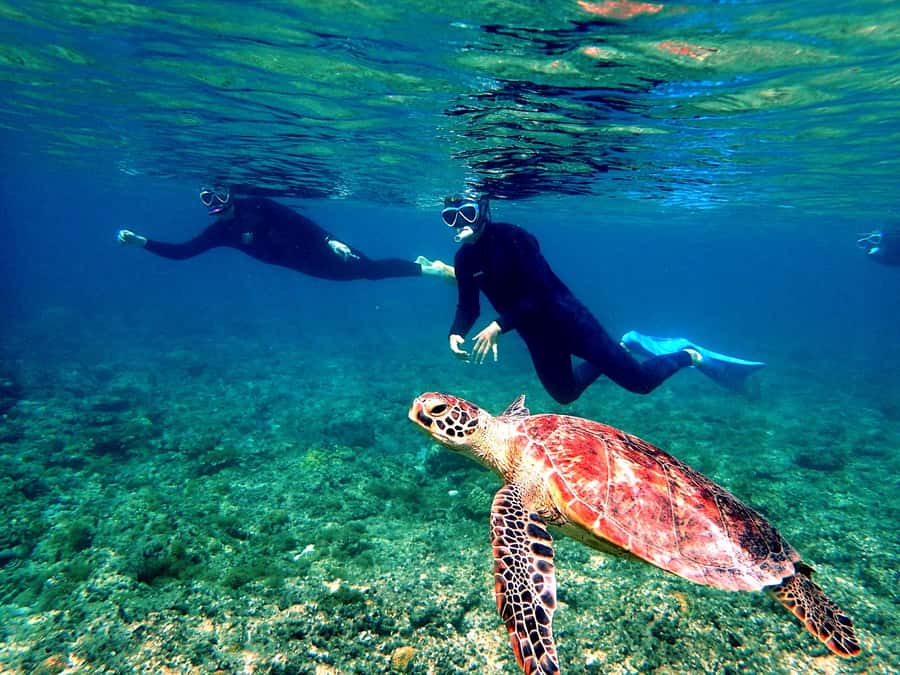
- Sea life worth watching for: Turtles, squid, puffer fish, clown fish, coral, sea cucumbers, small sharks, and large schools of tropical fish have all been seen.
- Helpful crew: Christina and other instructors assist first-timers, point out wildlife, and communicate in English, Japanese, or Portuguese.
- Comfortable boat setup: Towels, tea, drinking water, changing rooms, toilets, equipment, insurance, and a hot-water shower are included.
- Seasonal extras: Whale watching is offered from January 12 through March, while shaved ice is served in August and September.
- Bring your own lunch: Food is not included, although a lunch option may be available. Pack snacks and extra water either way.
Leaving Naha for the Kerama sea
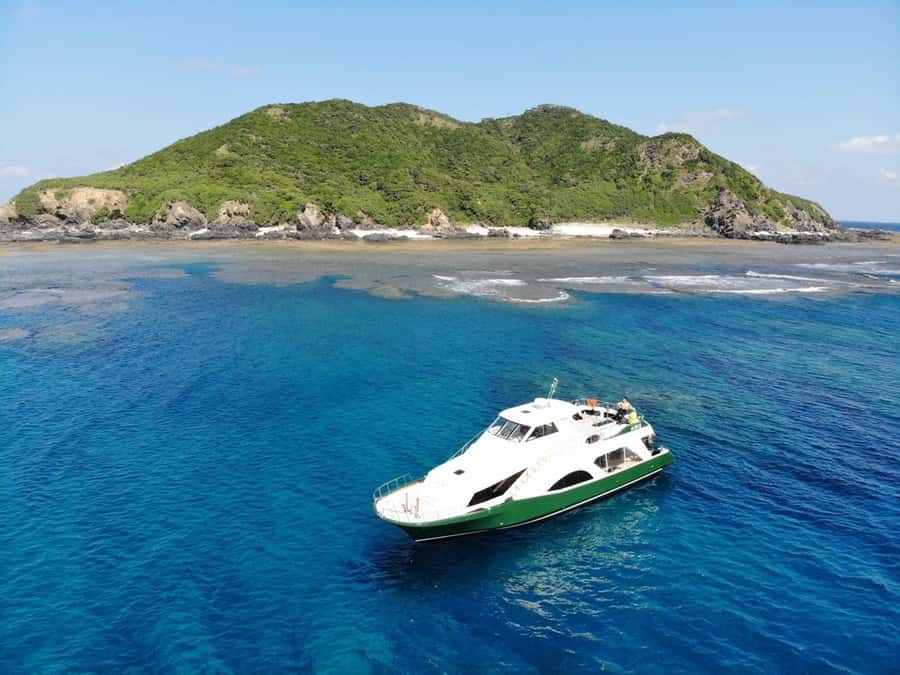
The day begins at the port, with hotel pickup available if you provide your accommodation details in advance. If you drive, parking is available at the port for 500 yen per day. The short transfer from the meeting point to the boat is followed by a ride of about an hour toward the islands.
That boat time matters. The Kerama Islands are not a quick shoreline swim from Naha, so this is a full sea outing rather than a short city activity. You get wide views of the ocean, time to settle into your gear, and a chance to watch the crew prepare the day.
The boat is described as clean and well kept, with room to relax, changing facilities, toilets, a mobile hot-water shower, and hot water for preparing food. There is not as much shade as some people would like, so bring sun protection and a light layer. The ride can be rocky, especially when the sea is moving, and I would take motion sickness medicine before boarding if you are at all concerned.
The operator may choose nearby sites instead of the Kerama Islands if weather or sea conditions call for it. That is worth accepting as part of the deal: safety and water conditions matter more than reaching a particular island name.
A few more Naha trips to weigh up
- Naha, Okinawa: Keramas Island Snorkeling Day Trip with Lunch
★ 4.7 · 370 reviews - From Naha: Snorkeling Tour to Kerama by Ferry
★ 4.3 · 151 reviews - Kerama Half-Day Snorkeling Tour
★ 3.8 · 44 reviews
Getting ready with included equipment
After boarding, you receive snorkeling equipment and a wetsuit or boat coat. Masks, snorkels, fins, and towels are provided, so you do not need to pack a full set of water gear from Naha.
The crew gives help according to your comfort level. If you are new to snorkeling, you can use a life jacket and stay near an instructor. That support made a real difference for first-timers and less confident swimmers, including a parent who went into the water with a 12-year-old on a related scuba option.
You should still be comfortable entering the sea and following crew instructions. The activity is not suitable for children under five, pregnant women, wheelchair users, or people with heart, respiratory, kidney, or blood pressure problems. It is also unsuitable for people with epilepsy, diabetes, a cold, recent surgery, or other conditions listed by the operator.
A 3 mm hooded vest or coat can help in winter. The water is around 22°C then, with outside temperatures near 20°C. That may sound mild, but repeated swims and wind on the boat can leave you cold. One practical tip is to ask about heat blocks for your wetsuit, as they helped people stay warmer during the second and third swims.
What the three snorkeling stops offer
The exact sites depend on the day, weather, and current, but the route is built around two or three separate stops. This variety is one of the tour’s strongest features. If visibility or current is less favorable at one site, the next may offer a better view.
At the best reef areas, expect clear water, colorful coral, and many kinds of tropical fish. You might find clown fish among the coral, sea cucumbers on the bottom, puffer fish, squid, or schools of larger fish such as giant trevally. Sea turtles are a regular highlight, with sightings reported at more than one stop on some days.
One particularly praised area was near Nagannu Island, where the water was exceptionally clear and the reef was easy to see. Conditions there can vary with tide and weather, so no site can promise the same show every day.
The crew does not force you into a tight group for every minute of the swim. Confident snorkelers can move at their own pace within the safe area, while instructors remain available to point out animals. Christina was especially helpful at finding clown fish and guiding people toward turtles.
There are limits. Life jackets are mandatory for people who need them, and you should not expect to swim down to a turtle whenever you see one. Do not touch coral or marine life. One troubling account described crew members handling a puffer fish, breaking coral, and trying to lure a turtle. That behavior is not acceptable, and you should expect the operator to enforce its own rule against touching wildlife.
Snorkeling beside scuba participants
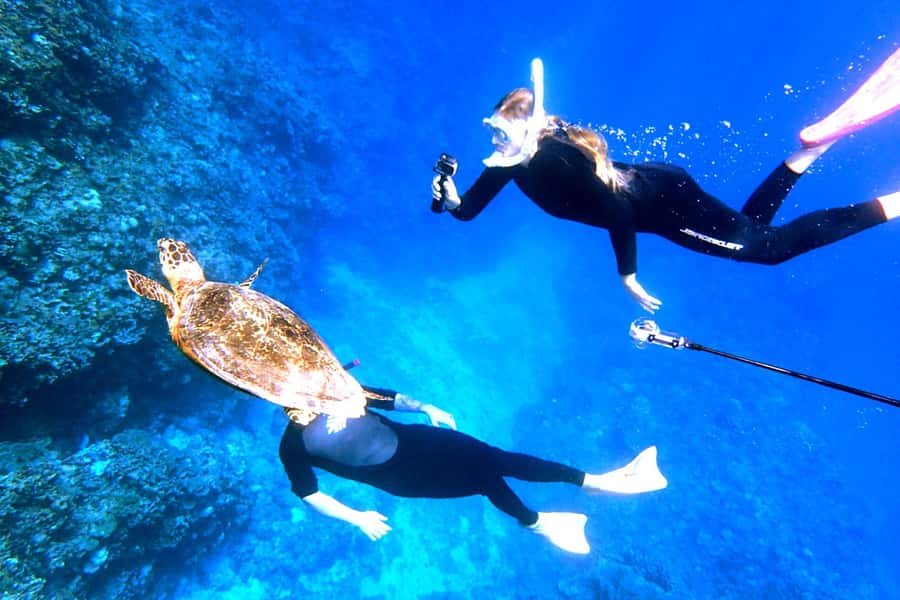
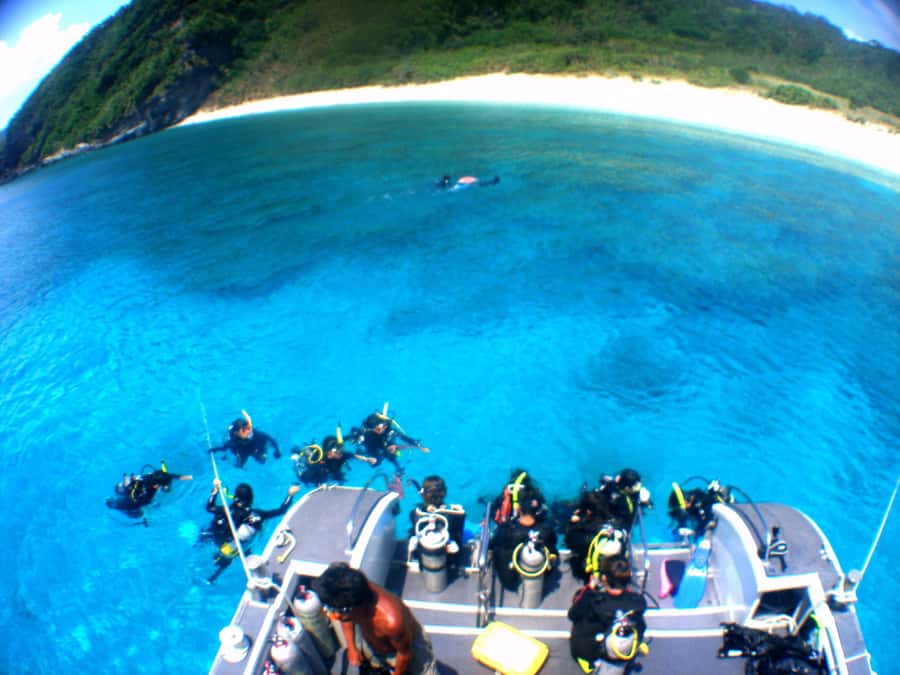
This boat can carry both snorkelers and scuba participants. That arrangement gives you a chance to upgrade to an introductory scuba session for an additional fee, if available, but it can also affect what you see from the surface.
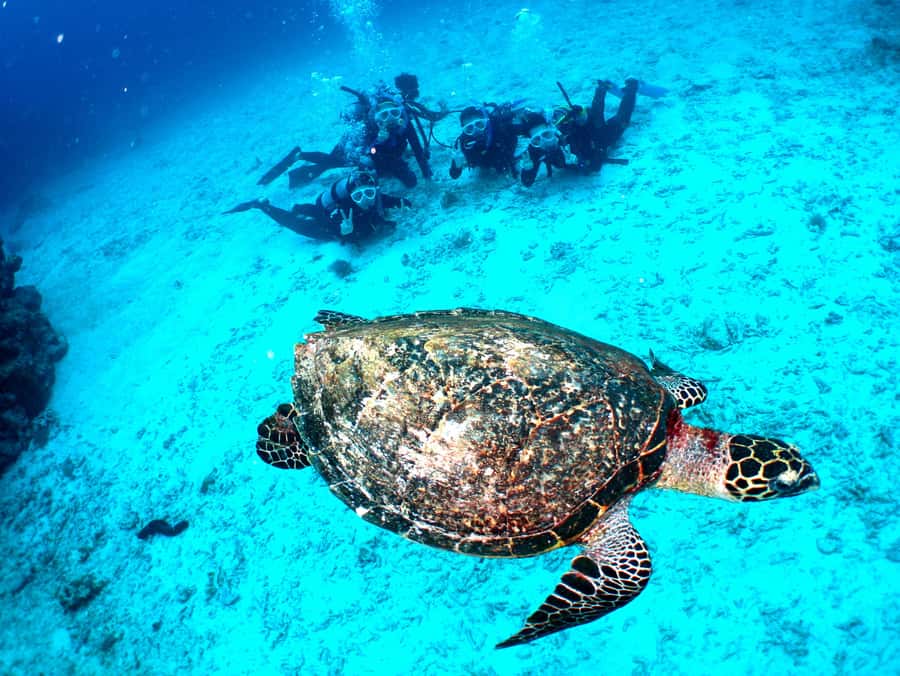
At one reef, scuba participants crowded around a turtle and blocked the view for snorkelers above. It was only one of three stops, but it is a useful thing to know before booking. If your whole group wants quiet surface time and plenty of personal space, a snorkeling-only trip may suit you better.
For many people, the mixed format works well. The boat serves different skill levels, and the instructors can help with both activities. If you are considering the paid scuba upgrade, ask about it before the trip rather than assuming it will be available on the day.
Same city, a completely different kind of day:
- Official Street Go-Kart Tour – Okinawa Shop
★ 5.0 · 699 reviews - Naha: North Okinawa Sightseeing Tour & Churaumi Aquarium
★ 4.4 · 472 reviews - From Naha: Tokashiki Island Day Trip by Boat
★ 4.3 · 385 reviews - Naha, Okinawa: Kerama Islands Half-Day Whale Watching Tour
★ 4.4 · 241 reviews
Time in the water and life on board
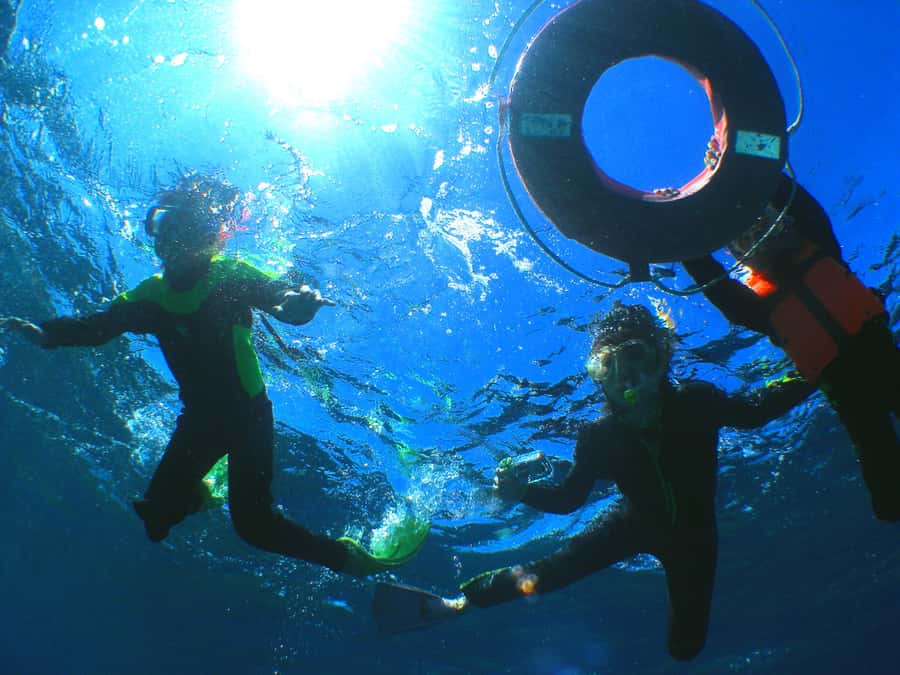
You get enough time to snorkel at the scheduled sites, with one account estimating about an hour in the water overall. The schedule can vary, and one person found the boat returned about an hour earlier than expected. If you want a long, leisurely swim at one reef, this may feel like a busy day.
Between stops, you can warm up, dry off, eat lunch, and watch the sea. Tea and water are included, but I would still bring plenty of your own drinking water. The boat has a hot-water shower, changing room, toilets, towels, and hot water that can help with a packed meal.
Lunch is not included. You may be able to order a prepared lunch, and one meal was described as hot and tasty, though it leaned heavily toward rice and sauce with little meat. Another person wished for a vegetarian option. If you want more protein, have dietary needs, or simply dislike eating a large meal on a moving boat, pack your own lunch and snacks.
The operator specifically asks you to bring food and drinks, swimwear, spare clothes, and sandals. Do not bring alcohol or drugs, and do not drink alcohol on the vehicle. Noise, fishing, littering, and contact with marine life are also prohibited.
Seasonal reasons to choose a date
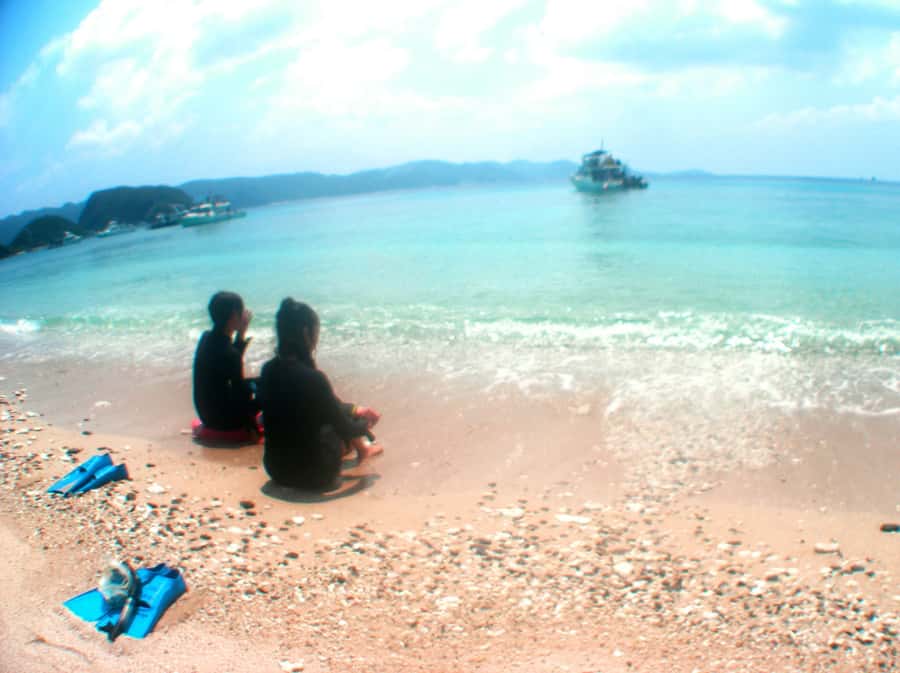
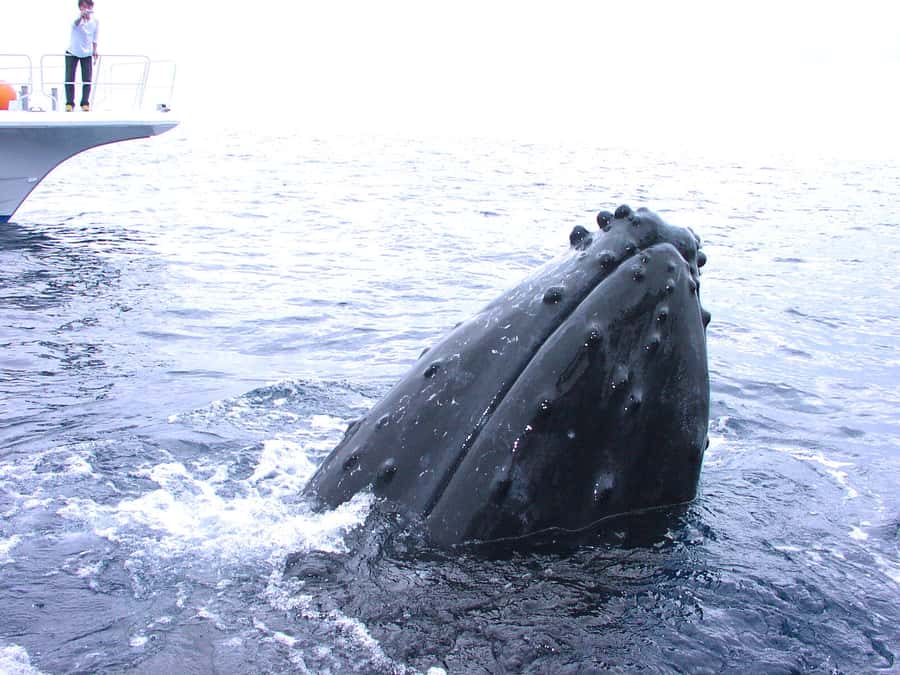
From January 12 through March, the boat offers a limited-time whale-watching service. Sightings can never be guaranteed, but winter gives you an extra reason to choose this season. The sea temperature remains around 22°C, so a wetsuit and warm layer are important rather than optional comforts.
August and September bring a different bonus: Kerama Blue shaved ice. It is a small touch, but welcome after several swims in warm weather. Free swim rings are also available if you reserve one ahead of time.
The operator sometimes holds special events, including traditional mochi pounding on New Year’s Day. These extras are date-specific, so treat them as a pleasant possibility rather than the main reason to book.
Staff support and language help
The crew speaks Japanese, English, and Portuguese, though the level of English may vary among individual staff members. At least some instructors communicate clearly in English, and a Portuguese-speaking crew member may be available.
The strongest help comes in the water. Crew members point out turtles, clown fish, and other animals, help adjust equipment, and encourage people who are nervous. First-time snorkelers are not simply sent overboard with a mask and fins.
This is an instructor-led boat trip, not a sightseeing tour with a long historical commentary about the islands. If you want detailed island interpretation or a guide walking you around on land, this is not that kind of outing. You do not land on the islands at all. The value is in the reefs, the crew’s water support, and the chance to visit several sites.
Photos may be taken during the day and uploaded to the company’s Facebook page. Ask the crew for the correct link before leaving if you want to find them later.
Is $81 a good value?
At $81 per person, this is a strong price for a full-day boat trip that includes snorkeling, equipment, wetsuit or coat, towels, tea, insurance, showers, changing space, and toilets. Hotel pickup can make the price feel even better if you are staying in Naha and do not want to arrange port transport.
The biggest value is the number of water stops. A single reef can be disappointing if current or visibility turns poor, while three locations give the day more flexibility. You also avoid renting gear separately and get help from instructors who can spot wildlife you might miss alone.
The price does not cover lunch, and landing on an island is not part of the plan. You are paying for access to offshore reef sites, not a beach day on Tokashiki, Zamami, or Aka. If your priority is sand, a relaxed island lunch, or a short trip with little time at sea, choose another excursion.
You can cancel up to 24 hours ahead for a full refund, and a reserve-now, pay-later option helps if your Okinawa schedule is still changing. Pickup is not automatic, so tell the provider where you are staying. If pickup slots fill, early booking gives you the best chance of getting one.
Who should book this boat trip?
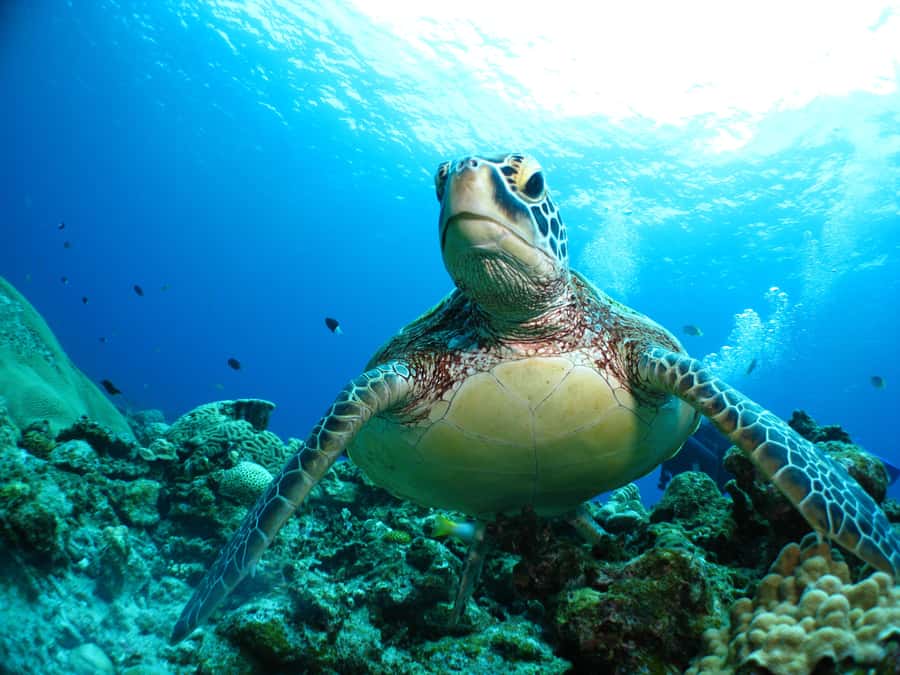
I would choose this tour if you want a practical introduction to Okinawa’s offshore reefs and prefer a boat that handles the gear and basic logistics. It suits confident snorkelers, couples, families with older children, and beginners who want an instructor nearby.
It is especially good for you if turtles and varied marine life matter more than spending time on land. The chance to see squid, puffer fish, clown fish, coral, and turtles at several locations gives the day plenty of visual variety.
Think twice if you are highly prone to seasickness, need extensive shade, or want a slow pace with no mixed scuba group. Also reconsider if you cannot swim comfortably, have one of the listed medical conditions, or are hoping to walk on a Kerama beach.
Should you book the Kerama snorkeling tour?
Yes, if you want three chances to see clear water and coral without bringing your own equipment. The friendly crew, strong first-timer support, hotel pickup, and frequent turtle sightings make this one of the better-value ways to reach the reefs from Naha.
Pack a light lunch, extra water, a warm layer, motion sickness medicine, and sun protection. Follow the marine-life rules closely, and speak up if staff handle animals or coral. Book early if you need hotel pickup or a swim ring, and choose January through March if whale watching appeals to you.
FAQ
How much does the snorkeling tour cost?
The listed price is $81 per person. Lunch is not included, and landing on the islands is not included.
How many snorkeling locations are included?
The tour visits two or three snorkeling spots, depending on weather and sea conditions. Nearby locations may replace Kerama Island sites if conditions require it.
Are snorkeling equipment and towels provided?
Yes. Snorkeling equipment, towels, and a boat coat or wetsuit are included. A hot-water shower, changing room, toilets, tea, insurance, and hot water are also provided.
Is hotel pickup available?
Hotel pickup may be available, but you must tell the activity provider where you are staying. If pickup is not arranged, you will receive a meeting place.
Can beginners join the snorkeling activity?
Beginners can join, and instructors provide help with equipment and water safety. Life jackets are required for people who need them. The activity is not suitable for children under five.
When is whale watching offered?
Whale watching is offered from January 12 through March. Sightings depend on the conditions and cannot be guaranteed.
What should I bring?
Bring swimwear, a change of clothes, sandals, food, drinks, and a packed lunch. Motion sickness medicine is sensible if you are concerned about the boat ride.
Just added around Naha
- Original Street Kart Experience in Naha, Okinawa★ 4.9 · 39 reviews
- Okinawa Full Tour: Castle, Manza, Kouri, Aquarium & American★ 5.0 · 17 reviews
- Okinawa: Naha: 1 day Kerama Islands diving‣ license required★ 3.9 · 20 reviews
- Naha, Okinawa: Kerama Islands Full-Day Intro-Diving Trip★ 4.6 · 203 reviews
- Naha: Guided E-Bike Tour of the 12 Zodiac Temples★ 4.9 · 50 reviews
- Naha Bar Hopping Tour in Okinawa★ 5.0 · 51 reviews
- Kerama Half-Day Snorkeling Tour★ 3.8 · 44 reviews
- Kintsugi Workshop in Naha, Okinawa★ 5.0 · 79 reviews
Snorkeling, compared.
Naha, Okinawa: Keramas Island Snorkeling Day Trip with Lunch
Read our review →![[Miyako Island/Half Day] Sea Turtle Snorkeling](https://f.bestjapantours.com/wp-content/uploads/miyako-island-half-day-sea-turtle-snorkeling-400x267.jpg)
Snorkeling in the Blue Cave area【Okinawa Prefecture: Free feeding & photo images!English and Chinese speaking guide available!
Read our review →
Ishigaki Island: Blue Cave Exploration & Snorkeling Tour
Read our review →
Ishigaki Island: Boat Snorkeling Tour at Phantom Island
Read our review →
Kerama Whole Day Snorkeling Tour From Chatan/Naha
Read our review →Browse the lists this tour appears in