
REVIEW · KIMONO & CULTURE EXPERIENCES
Okinawa 2-Hours Genuine Kendo/Samurai Experience in Japan
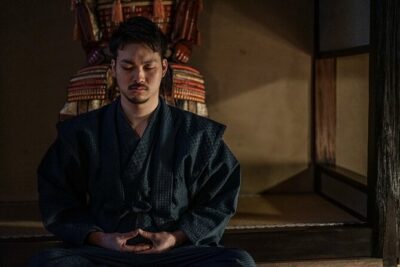
Kendo turns samurai tradition into a hands-on lesson. In Naha, you learn the manners, spirit, and body control behind this Japanese martial art before putting on protective armor and practicing strikes with an experienced instructor. The small group, capped at five, keeps the session personal.
I like two things here: Taiji Yamakawa brings 20 years of kendo experience and was an Okinawa champion, and the class treats kendo as more than hitting a target. You also receive all equipment, bottled water, and a kendo towel. The main consideration is physical effort, plus Taiji’s English may be limited, though his directions are reported to be clear.
In This Review
- Key Points
- What Kendo Adds to a Naha Visit
- Meeting Taiji Yamakawa at 1:00 pm
- Learning Manners Before Making Contact
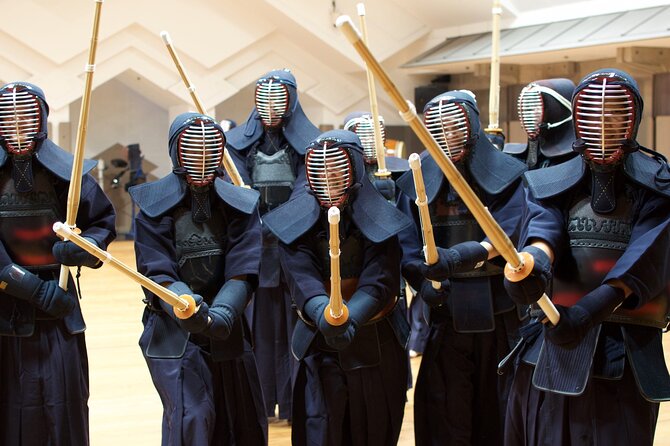
- Getting Into Kendo Armor
- Practicing the Basic Kendo Skills
- Why the Instructor Makes a Difference
- What the $118.60 Price Really Covers
- Who Will Enjoy This Most
- Practical Details for a Smooth Session
- Is the Two-Hour Kendo Lesson Worth Booking?
- FAQ
- Where does the kendo experience take place?
- What time does the activity start?
- How long does the kendo lesson last?
- Where does the experience finish?
- Who teaches the kendo lesson?
- Is the instructor English-speaking?
- Is kendo equipment included?
- Is anything else included?
- Can I cancel for a full refund?
Key Points
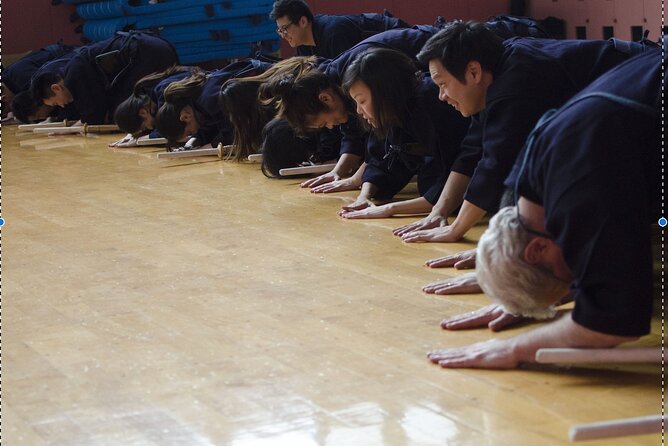
- Practice in full rental kendo armor: You do not just watch a demonstration. You suit up and try the movements yourself.
- Learn from Taiji Yamakawa: The instructor has 20 years of kendo experience and is described as a former Okinawa champion.
- Small groups matter: A maximum of five people allows for close instruction and more time to practice.
- Etiquette comes first: The lesson covers manners, discipline, samurai culture, and the spiritual side of kendo.
- Easy two-hour format: The session begins at 1:00 pm in Naha and finishes back at the same meeting point.
- Useful extras are included: Equipment rental, bottled water, and a complimentary kendo towel are part of the price.
What Kendo Adds to a Naha Visit
Many cultural activities in Japan ask you to look, listen, and perhaps taste. This one asks you to move. Kendo gives you a direct way to feel the discipline of a martial art that developed during the samurai era, even if you have never held a practice sword before.
The lesson is built around three ideas: unifying your spirit, showing proper manners, and treating kendo as a lifelong practice. Those themes give the activity more weight than a simple costume session. You learn that kendo is not only about competition or landing a hit. It also involves posture, focus, respect, and control.
I find that distinction important. The samurai theme could easily become a quick photo opportunity, but the stated focus on etiquette and spirit gives the class a stronger cultural purpose. You still get the fun of putting on armor and practicing combat, but you also learn why the actions are performed in a particular way.
The activity is held in Naha, at 52 Ōnoyamachō, Okinawa 900-0026. It begins at 1:00 pm and lasts about two hours. Since it ends where it begins, you can plan the rest of your afternoon without arranging a separate return transfer.
More kimono & culture experiences in Naha:
- Traditional Japanese Costumes “Kimono”, “Yukata”, “Ryuso”, “Photograph Course “Hair Set & Lipstick & Kimono & Photography”
★ 5.0 · 17 reviews - Walking around town in a kimono, you can choose your favorite kimono from the traditional Okinawan costumes “Ryuso”, “Kimono”, “Yukata” 《Hairset & Lipstick & Kimono & Rental Fee》All Comic Book
★ 4.5 · 14 reviews - Kyoto Geisha Walking Tour: Gion District & Hidden Gems
★ 4.7 · 3,273 reviews
Meeting Taiji Yamakawa at 1:00 pm
The experience starts at the listed meeting point in Ōnoyamachō. You need to make your own way there because hotel pickup and drop-off are not included. The location is near public transportation, which makes it easier to reach without a private vehicle, though you should still allow enough time to arrive before the 1:00 pm start.
The group size is limited to five people. That is one of the most useful details in the entire experience. Martial arts instruction works best when the teacher can see your stance, grip, and timing. In a large class, a beginner may spend much of the session copying from a distance. Here, the small group should allow for more direct correction and practice time.
Taiji Yamakawa leads the session. He has 20 years of kendo experience and is described as a former Okinawa champion. That background gives the lesson genuine sporting and cultural weight, rather than making it feel like a generic activity designed only for sightseers.
The English-language element is worth explaining clearly. Taiji is identified as an English-speaking instructor, but one review notes that his English is limited. The same account says his directions were very clear. You should expect instruction supported by demonstration, repetition, and simple guidance rather than a long academic lecture in English.
That can work well in a physical lesson. A correct stance or movement is often easier to understand when you see it than when you hear a long explanation. Still, if you want detailed historical discussion in fluent English, this may not be the perfect match.
Learning Manners Before Making Contact
Kendo begins with conduct. Before you start trying to strike, you learn the role of manners and respect in the art. This is an important part of the experience, since the activity is meant to introduce both kendo etiquette and the cultural ideas connected to it.
The class covers kendo as a practice of mind, skill, and body. In practical terms, that means you are not only learning what to do with the equipment. You are also being shown how attention, discipline, and physical technique work together.
The samurai connection gives the lesson a useful frame. Kendo developed from Japanese sword traditions associated with the samurai era, but modern kendo is not simply a theatrical reenactment. It is a formal martial art with its own manners and training values. The emphasis on lifelong practice helps explain why the instructor presents it as a way of shaping character, not just winning a bout.
You should pay attention during this opening section, even if your main goal is to put on the armor. It helps you understand the difference between a meaningful introduction to kendo and a staged sword-fighting show. The etiquette may also make the later practice feel more structured and purposeful.
Getting Into Kendo Armor
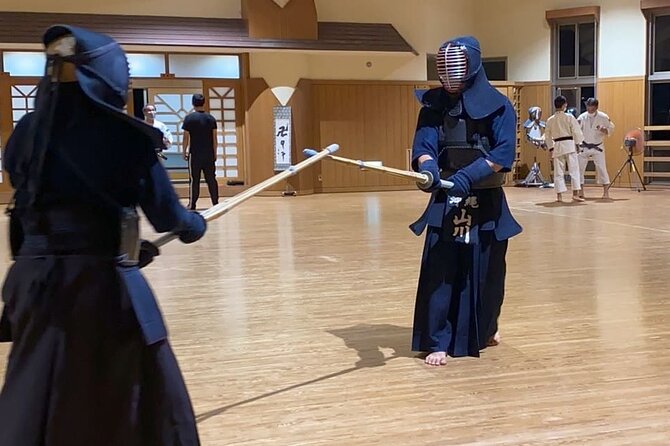
After the introduction, you get to wear rental kendo equipment. The experience includes all the kendo gear you need, so you do not have to bring or rent protective equipment separately.
Putting on the armor is one of the most memorable parts for many first-timers. The equipment changes the feel of the lesson. Once you are dressed for practice, you are not simply pretending to be a samurai for a photograph. You are taking part in a controlled martial arts exercise, with the weight and restrictions of the protective gear affecting how you move.
The armor also makes the class feel more authentic than a basic introduction using casual clothing. At the same time, it can make the activity physically demanding. The description asks for a moderate level of physical fitness, so you should be ready to stand, move, and repeat techniques for much of the two-hour session.
No specific age, height, or clothing requirements are provided, so you should rely on the stated fitness guidance. Wear something that allows comfortable movement, and remember that you will be putting on rented protective equipment over your clothes. The tour does not include lunch, so plan food separately if you need it before or after the afternoon class.
Same city, a completely different kind of day:
- Official Street Go-Kart Tour – Okinawa Shop
★ 5.0 · 699 reviews - Naha: North Okinawa Sightseeing Tour & Churaumi Aquarium
★ 4.4 · 472 reviews - Okinawa: From Naha: Kerama Islands 1-day snorkeling tour
★ 4.4 · 423 reviews - From Naha: Tokashiki Island Day Trip by Boat
★ 4.3 · 385 reviews
Practicing the Basic Kendo Skills
The heart of the session is active practice. You work on kendo skills while wearing armor and learn how combat practice fits within the art’s rules and manners. This is the point where the class becomes physical rather than purely cultural.
You can expect the instructor to demonstrate movements and guide you through them. The exact lesson sequence is not specified, so I would not promise particular drills or a set number of strikes. What is clear is that the session includes practice combat and instruction in technique, competitiveness, and discipline.
That balance matters. A first lesson should give you enough action to feel involved without turning into an intimidating test. The strong comments about Taiji being patient, funny, attentive, and helpful suggest that the tone is supportive. Several descriptions highlight how he made first-time participants feel comfortable and kept the class fun.
You should also expect to make mistakes. Kendo is a skill-based martial art, and two hours is enough for an introduction, not mastery. The value comes from getting a feel for the stance, timing, etiquette, and concentration required. If you approach it as a chance to learn rather than a chance to perform perfectly, you will get more from the class.
The small group helps here. With no more than five people, the instructor can watch each person more closely. That does not guarantee equal practice time for every participant, but it gives the session a better chance of feeling personal than a crowded demonstration.
Why the Instructor Makes a Difference
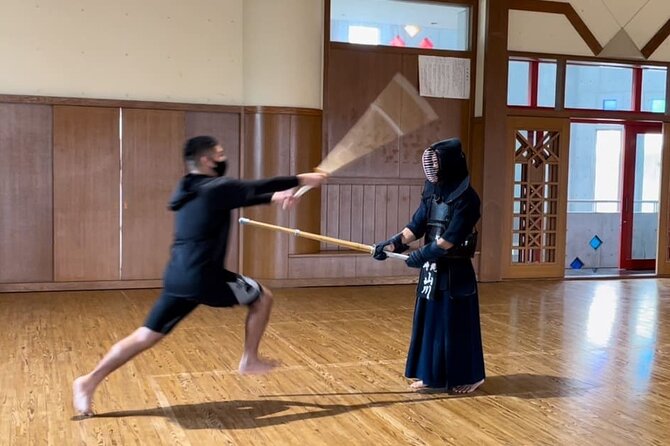
Taiji Yamakawa is the key reason this activity feels more substantial than a standard samurai-themed attraction. His 20 years in kendo and former Okinawa championship experience give him a strong basis for explaining the art and correcting technique.
The available feedback repeatedly highlights his patience and attention. One description calls him funny and attentive, while another praises his ability to make a first kendo class fun. Another says the teachers were helpful and full of knowledge. These comments point to an instructor who can adjust the lesson for beginners rather than assuming you already understand martial arts.
His communication style may be practical rather than highly verbal. Since his English is described as limited by one participant, you should be comfortable learning through physical demonstration and short instructions. The same participant found the directions clear, which is reassuring for an activity where timing and body position matter.
I would also value the chance to ask about Okinawa’s own connection to martial arts. The supplied information does not promise a separate Okinawan history lecture, so you should not book this expecting a broad regional seminar. The focus is kendo, samurai culture, manners, and practice. Still, Taiji’s background as an Okinawa champion adds a local dimension to the lesson.
What the $118.60 Price Really Covers
At $118.60 per person, this is not a low-cost way to fill two hours in Naha. The price makes more sense if you want instruction, equipment, and a small-group activity rather than a simple cultural display.
You are paying for a two-hour guided session with an instructor who has two decades of experience, rental kendo equipment, bottled water, and a complimentary kendo towel. The maximum group size of five is especially important when judging value. A private lesson would normally cost more, while a large group activity might offer less personal attention.
The towel is a pleasant extra, but it should not decide the booking. The real value lies in the active instruction and the chance to practice in armor. If you are interested in martial arts, Japanese customs, or unusual cultural activities, the price can be reasonable for a focused lesson.
The value is weaker if you only want a short photo opportunity or a passive introduction to samurai culture. You will spend time learning etiquette and making repeated physical movements. Someone who wants a quick costume session may find the pace too serious or the price too high.
There are no meals or hotel transfers included. Since lunch is not part of the package, you should budget for food separately. Because the activity begins at 1:00 pm, you can eat beforehand and keep the evening free afterward.
Who Will Enjoy This Most
I would recommend this activity to adults and older children who are curious about Japanese martial arts and willing to take part rather than watch. A moderate level of physical fitness is expected, so you should be comfortable with an active lesson lasting about two hours.
It suits you especially well if:
- You want a cultural activity with real instruction.
- You like learning through movement and practice.
- You are interested in samurai traditions but do not want only a museum explanation.
- You value a small group and direct contact with the instructor.
- You are comfortable following demonstrations if English conversation is limited.
- You want an afternoon activity that starts and finishes in central Naha.
It may not suit you if you have difficulty with moderate physical activity or want a fully passive experience. It is also less suitable if your main aim is an extended English-language lecture on Japanese history, since the available information centers on practical kendo instruction.
Families and mixed-skill groups can consider it because the activity is presented as suitable for any skill level in the feedback. Still, no detailed age policy is provided, so you should confirm any child-related questions before booking.
Practical Details for a Smooth Session
Bring yourself to 52 Ōnoyamachō for the 1:00 pm start. The activity is near public transportation, but transport to and from the meeting point is your responsibility. A mobile ticket is provided, and booking confirmation is received at the time of booking.
The experience returns to the same meeting point after about two hours. That makes it simple to combine with other plans in Naha, though I would avoid scheduling something that begins immediately afterward. A first-time martial arts lesson can run at a comfortable teaching pace, and you may want a few quiet minutes after removing the armor.
The tour has a maximum of five participants. It also requires a minimum number of participants to operate. If that minimum is not met, you are offered another date or experience, or a full refund.
Free cancellation is available if you cancel at least 24 hours before the local start time. Cancellations or changes made less than 24 hours before the session are not refunded or accepted, so check your Naha plans carefully before the cutoff.
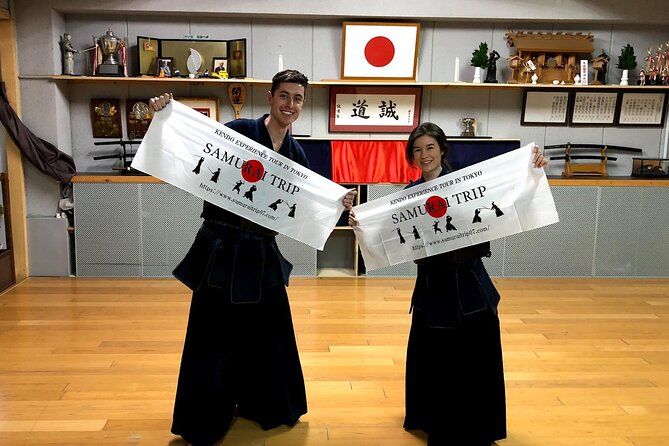
The included bottled water is useful during an active class, but do not expect lunch or other refreshments. The free kendo towel is a small souvenir with practical value, especially after a physical session.
Is the Two-Hour Kendo Lesson Worth Booking?
I would book this if you want one of Naha’s more unusual cultural activities and are ready to participate fully. The combination of small-group instruction, armor practice, and samurai etiquette gives you more than a photo in costume, while Taiji Yamakawa’s long experience adds credibility.
The two cautions are clear: the activity costs $118.60, and the lesson requires moderate physical effort. English communication may rely partly on demonstration, although the available feedback describes Taiji’s directions as clear and his manner as patient and attentive.
Book it for the hands-on practice, not the towel or the samurai label alone. If you want to understand how discipline, manners, body control, and competition fit together in kendo, this two-hour Naha experience offers a focused and memorable introduction.
FAQ
Where does the kendo experience take place?
The meeting point is 52 Ōnoyamachō, Naha, Okinawa 900-0026, Japan.
What time does the activity start?
The experience starts at 1:00 pm.
How long does the kendo lesson last?
The activity lasts approximately two hours.
Where does the experience finish?
The activity ends back at the meeting point.
Who teaches the kendo lesson?
The instructor is Taiji Yamakawa, who has 20 years of kendo experience and is described as a former Okinawa champion.
Is the instructor English-speaking?
Yes. The activity is guided by an English-speaking kendo instructor. One description notes that Taiji’s English may be limited, but the directions were clear.
Is kendo equipment included?
Yes. Rental kendo equipment is included in the experience.
Is anything else included?
Bottled water and a complimentary kendo towel are included.
Can I cancel for a full refund?
Yes, if you cancel at least 24 hours before the experience’s local start time. Cancellations made less than 24 hours before the start are not refunded.
Just added around Naha
- Zodiac Shrines and Naha Backstreets Cycling Tour★ 5.0 · 29 reviews
- E-Bike Nature Tour in Shuri★ 5.0 · 25 reviews
- Port Pick-Up: Naha Private Tour Licensed Guide& Vehicle★ 4.5 · 16 reviews
- Tokashiki Island Day Trip from Naha★ 4.0 · 15 reviews
- Karate History Tour in Okinawa★ 5.0 · 42 reviews
- Sushi Making Experience Class in Naha Makishi Public Market★ 5.0 · 35 reviews
- Kintsugi Experience in Naha, Okinawa – Art from Broken Pieces!★ 5.0 · 28 reviews
- Okinawa:Kerama Islands experience Diving/Snorkeling/WhaleWatching★ 4.5 · 16 reviews
Kimono & Culture Experiences, compared.

Kyoto Geisha Walking Tour: Gion District & Hidden Gems
Read our review →
Gion Magical Night Walking Tour with Geisha Trivia
Read our review →
Gion Geisha District Walking Tour – Stories of Geisha
Read our review →
Best of Kyoto: Gion, Geisha, Pagodas & Cobblestones
Read our review →
Kyoto Gion Geisha District Walking Tour – The Stories of Geisha
Read our review →
Browse the lists this tour appears in